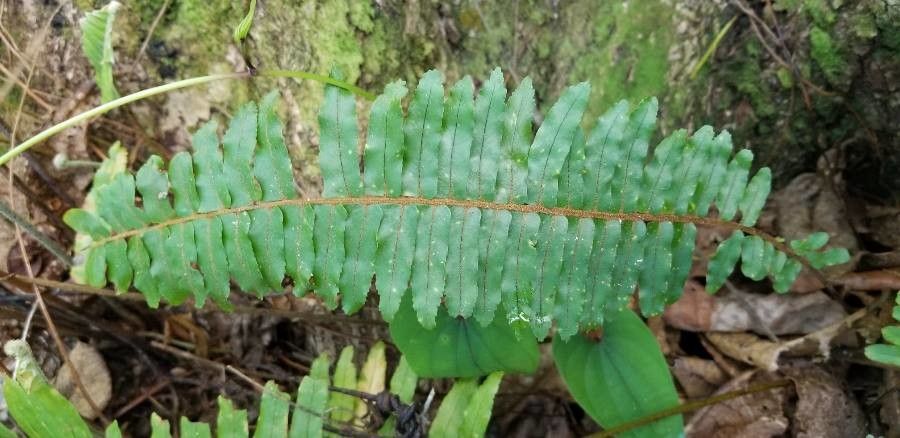
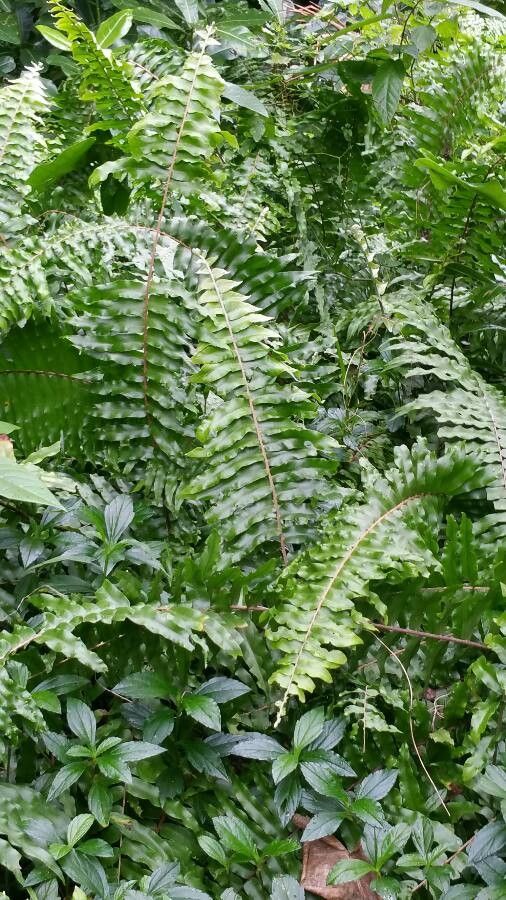
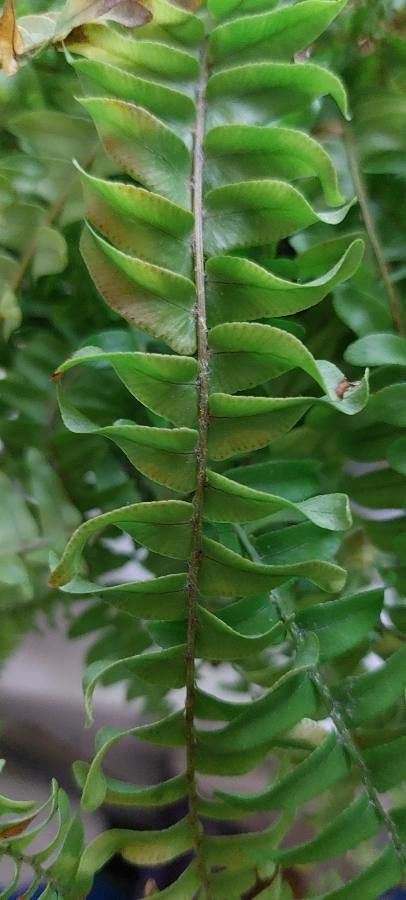
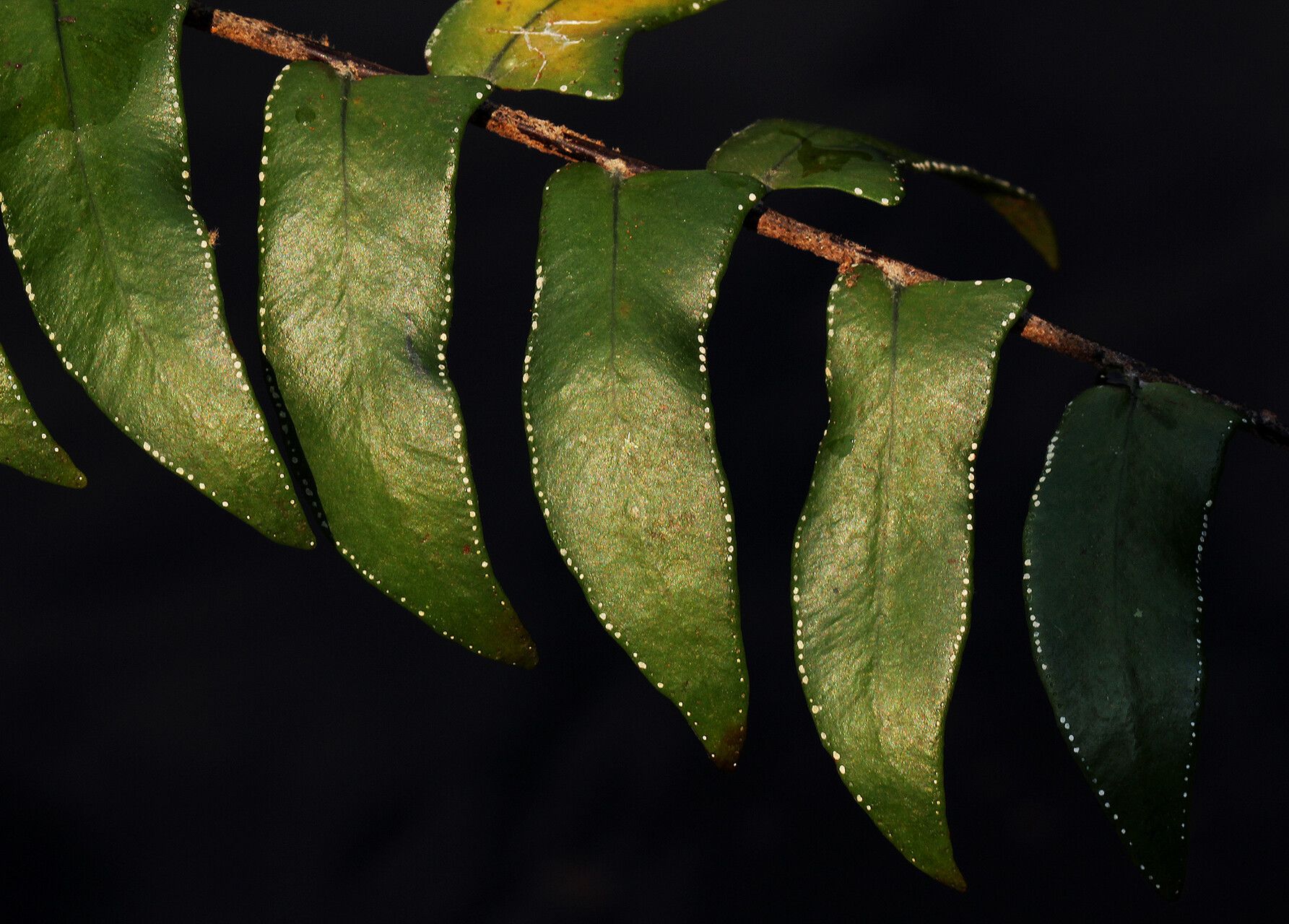
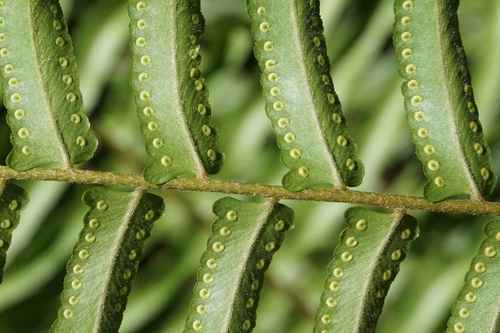
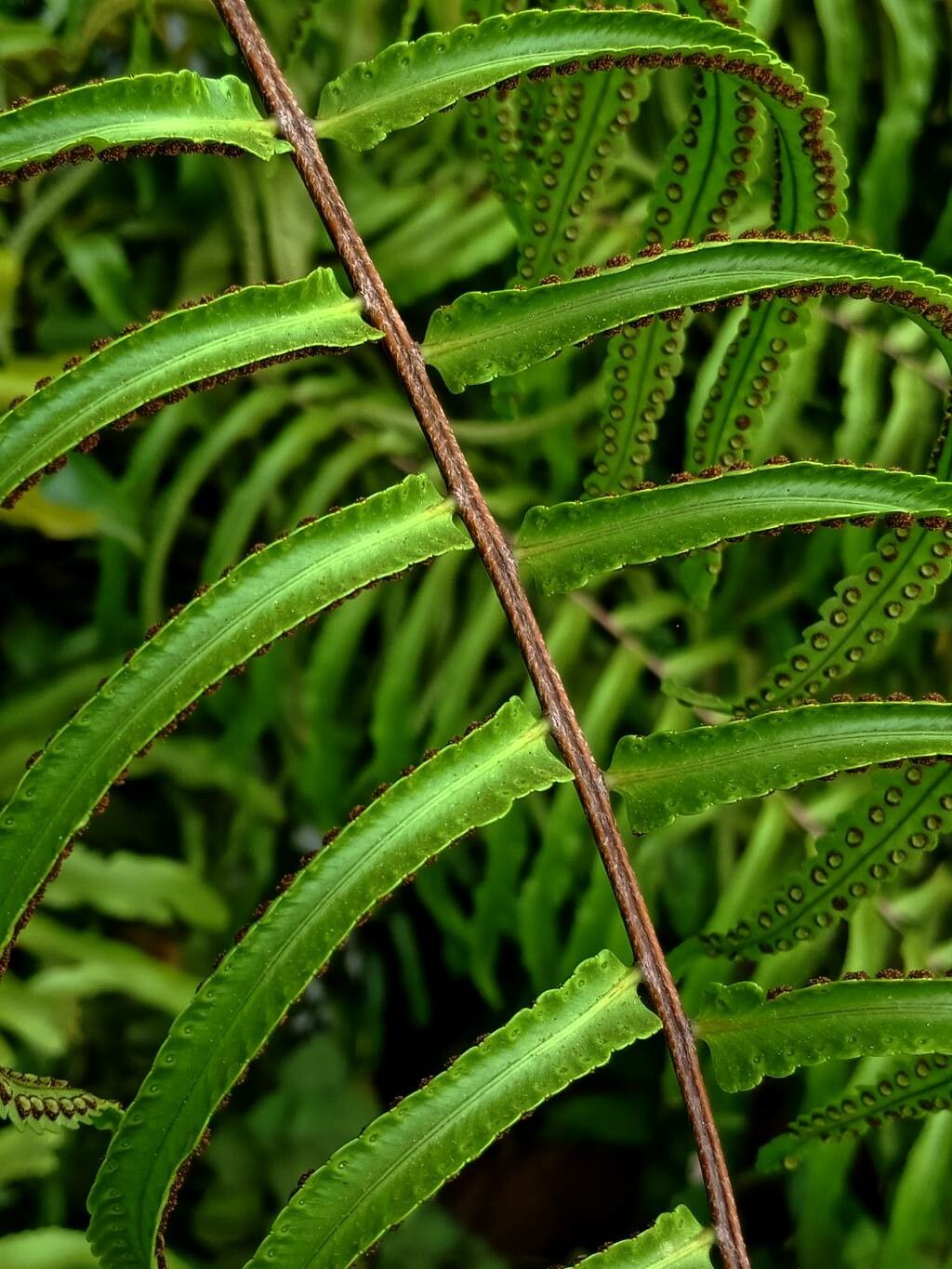
Rough sword fern is fairly resistant to disease and is generally unlikely to develop illnesses. However, it can be affected by pests and diseases present in its environment. These issues are typically not serious. In terms of care, the plant needs moderate maintenance. It should be pruned regularly to preserve a tidy appearance and support healthy growth. Fertilizing can also aid in encouraging flowering. Rough sword fern is appropriate for anyone with outdoor space, like a garden or patio, and does not demand extensive care experience. It may need more attention if grown indoors.
How to keep Nephrolepis Hirsutula.
Light
Rough sword fern occurs naturally in habitats like forest understories or rocky sites, where it experiences natural shade. It prefers partial sun but can adapt to full sun or full shade, demonstrating its versatile and hardy nature.
Water
The rough sword fern flourishes in humid tropical regions and requires consistent moisture to thrive. To mimic its natural habitat, it's best to water it weekly. When grown indoors as an evergreen plant, regular misting is beneficial to maintain the humidity it needs for optimal growth.
Temperature
Rough sword fern is native to tropical areas, where conditions are generally warm and humid. Consequently, it is suited to high heat and moisture. It is sensitive to abrupt shifts in temperature and prefers steady thermal conditions, so indoor temperature swings should be avoided. The plant is generally intolerant of cold and needs warmer conditions to grow. If the surrounding temperature falls too low, growth can stop or the plant may die.
Fertilizer
The rough sword fern needs the most fertilizer during its active growth phase, which takes place primarily in spring, summer, and early fall. Fertilizing is necessary to supply essential nutrients that the soil may lack, encouraging healthy root and stem development as well as attractive foliage, which is a key feature of this plant.
Pruning
The rough sword fern benefits from proper pruning, which involves removing dead fronds during its active growth period, from early to late spring. This practice prevents overcrowding, improves light circulation, and encourages healthy growth. Making clean cuts reduces the risk of disease, contributing to a strong and healthy appearance for the plant.
Pot & Repot
Repot the rough sword fern every 2 to 3 years during the spring. Use wide, shallow pots for this process. After repotting, place the fern in indirect light and ensure the soil stays consistently moist. To promote optimal health, avoid disturbing its delicate fronds.
Botanical profile.
- Plant Type
- Herb
- Life Cycle
- Perennial
- Genus
- Nephrolepis
- Family
- Polypodiaceae
- Hardiness Zone
- 9-11
- Mature Height
- 30 cm
- Mature Spread
- 40 cm
- Leaf Color
- Light Green, Forest Green
- Leaf Type
- Evergreen
- Planting Time
- Spring, Summer, Autumn
- Native Area
- Sri Lanka, Malaysia, Indonesia, Vietnam, Myanmar, Vanuatu, Philippines, Papua New Guinea, Singapore, Thailand, Fiji, New Zealand, China
Other names.
Reader questions.
What are the sunlight requirements for Rough sword fern?
Rough sword fern thrives in partial sun, receiving about 3-6 hours of sunlight daily, but it can also grow in full shade. It is native to environments like forest understories or rocky areas, displaying its adaptability to different lighting conditions. For optimal growth, monitoring the movement of sunlight through your garden will help in selecting areas that provide a balanced environment for the fern.
What is the botanical name of Rough sword fern?
The botanical name of the Rough sword fern is Nephrolepis hirsutula.
How does artificial lighting benefit indoor Rough sword fern plants?
Artificial lighting is essential for Rough sword fern plants indoors, especially when natural sunlight is insufficient, such as during winter or in less sunny spaces. It promotes faster and healthier growth by providing necessary light wavelengths. LED lights are recommended due to their customizability, aiming for 20-30W/sq ft for partial sun plants like Rough sword fern. The light source should be placed 12-36 inches above the plant, ensuring it receives 8-12 hours of light daily to mimic natural daylight hours.
What are the symptoms of light deficiency in Rough sword fern?
When Rough sword fern experiences insufficient light, it may exhibit symptoms such as small new leaves, leggy or sparse growth, premature leaf drop, slower or halted growth, and pale or irregular-colored new leaves. Additionally, excessive sunlight can lead to chlorosis, sunscald, leaf curling, wilting, and leaf scorching, indicating the plant's struggle to adapt to improper lighting conditions.
How can I address light deficiency or excessive sunlight exposure for my Rough sword fern?
To address light issues, gradually adapt your Rough sword fern to ideal light conditions by moving it to sunnier spots each week if it's lacking sunlight, aiming for 3-6 hours of direct sunlight daily. For excessive sunlight, you may need to prune obstructions or relocate the plant to a less intense spot. For indoor plants, using artificial light sources like desk or ceiling lamps for at least 8 hours daily, or professional grow lights, can supplement light needs. In cases where natural or artificial light changes are not feasible, consider transplanting smaller plants to areas with suitable sunlight exposure, keeping in mind that affected plant parts might not recover, but new growth will be healthy.