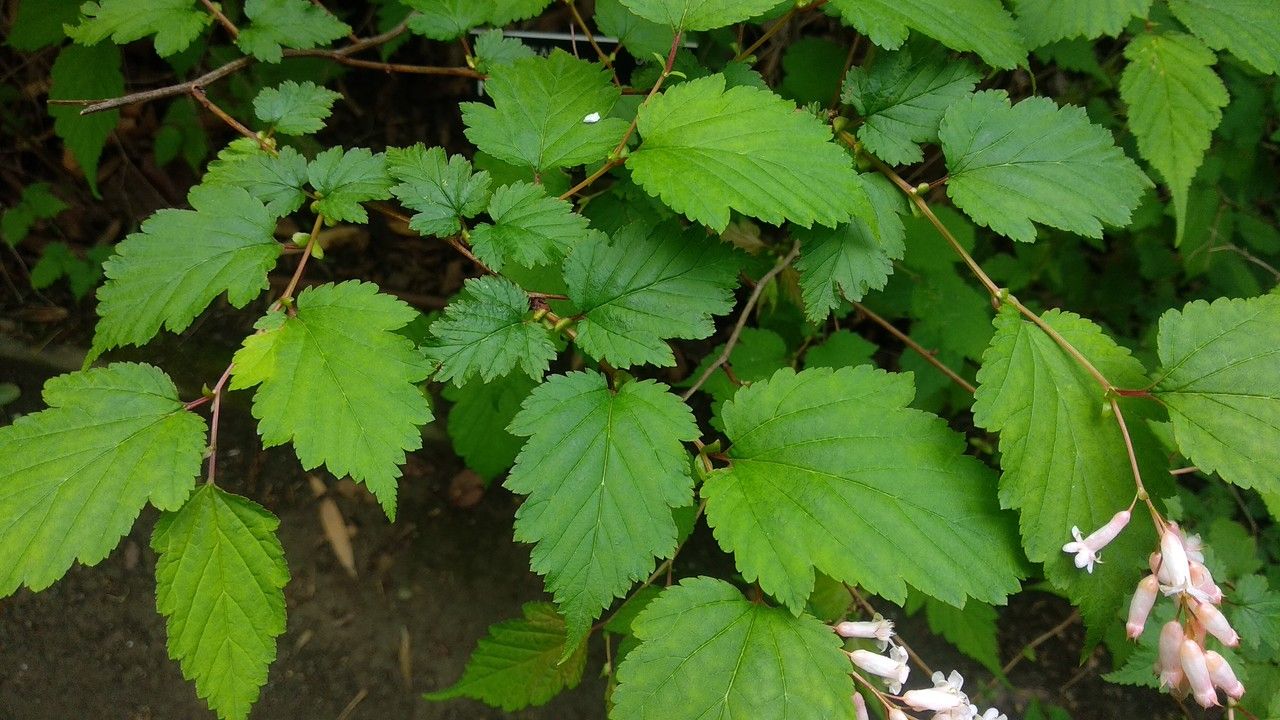
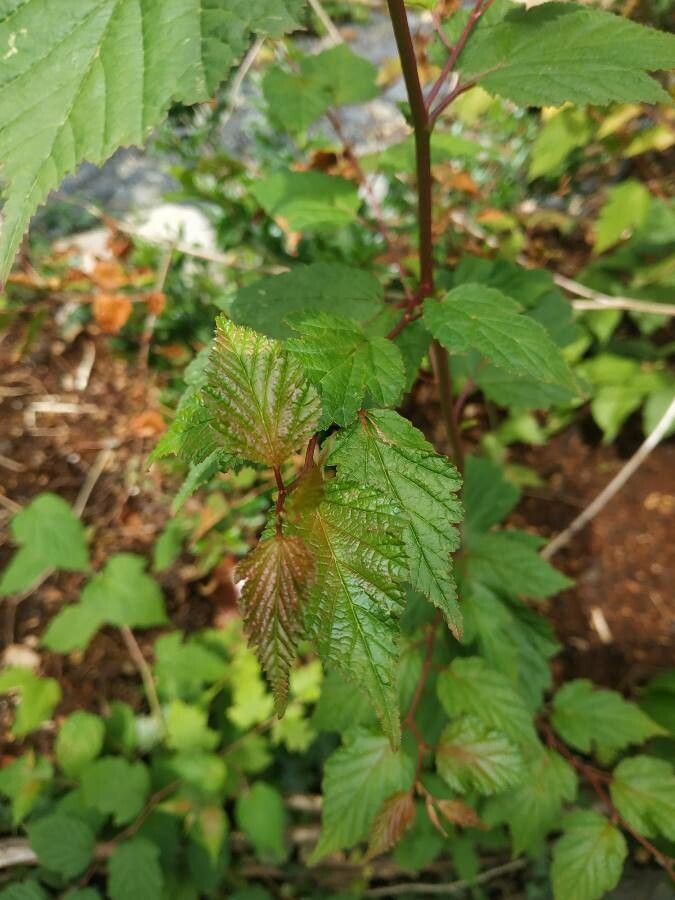
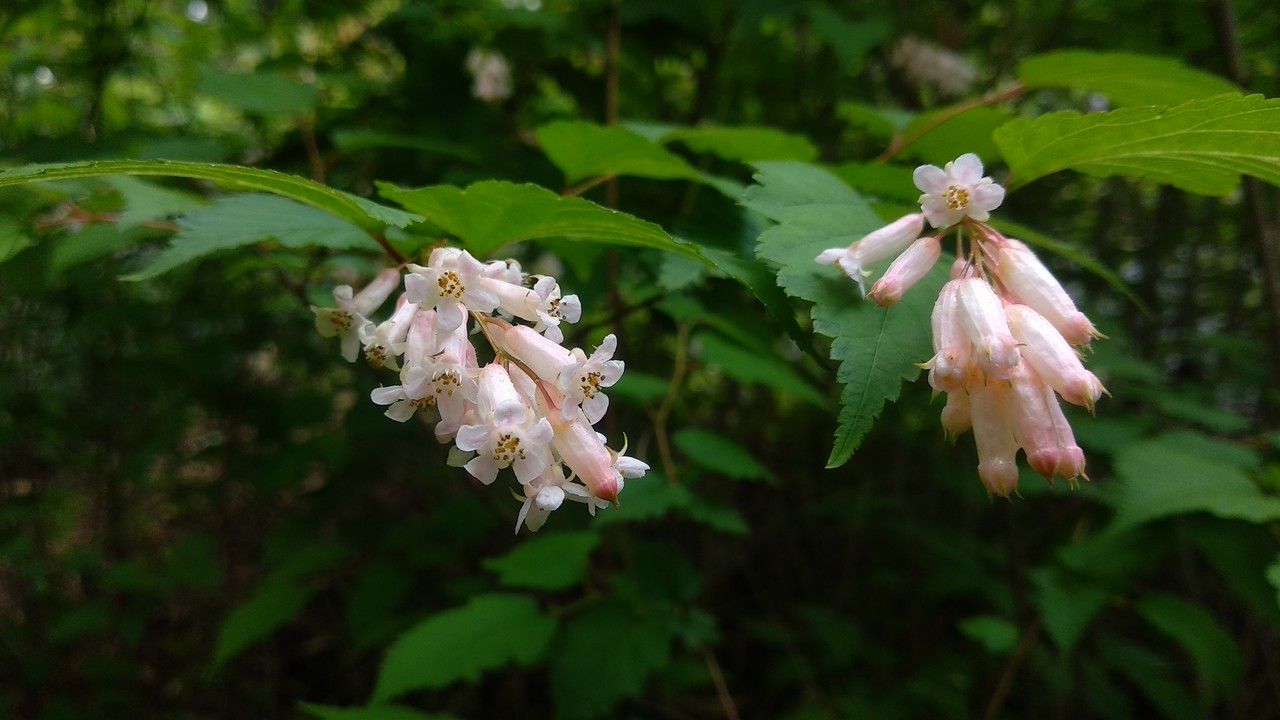
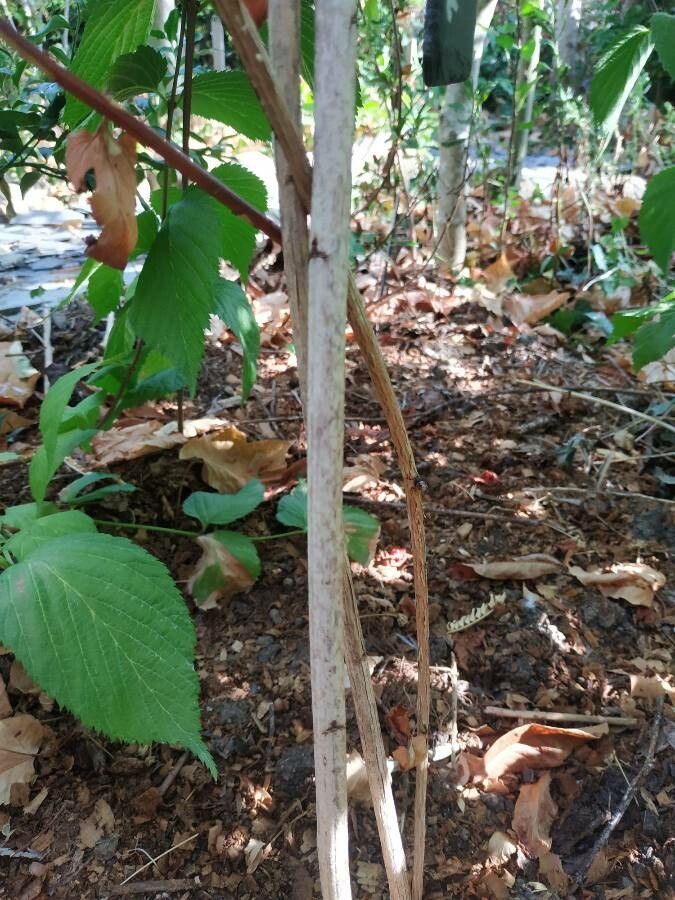
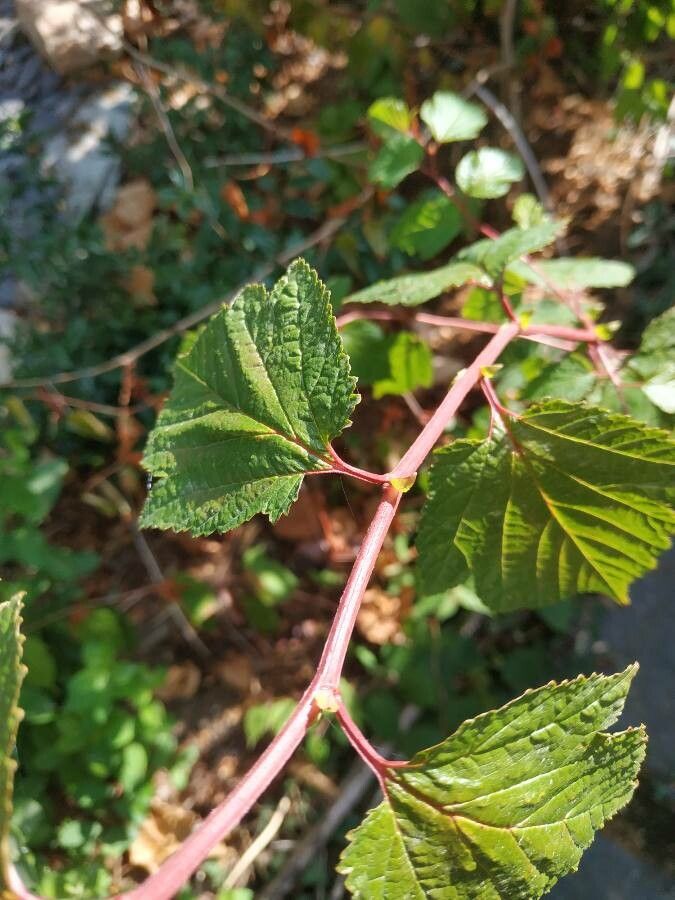
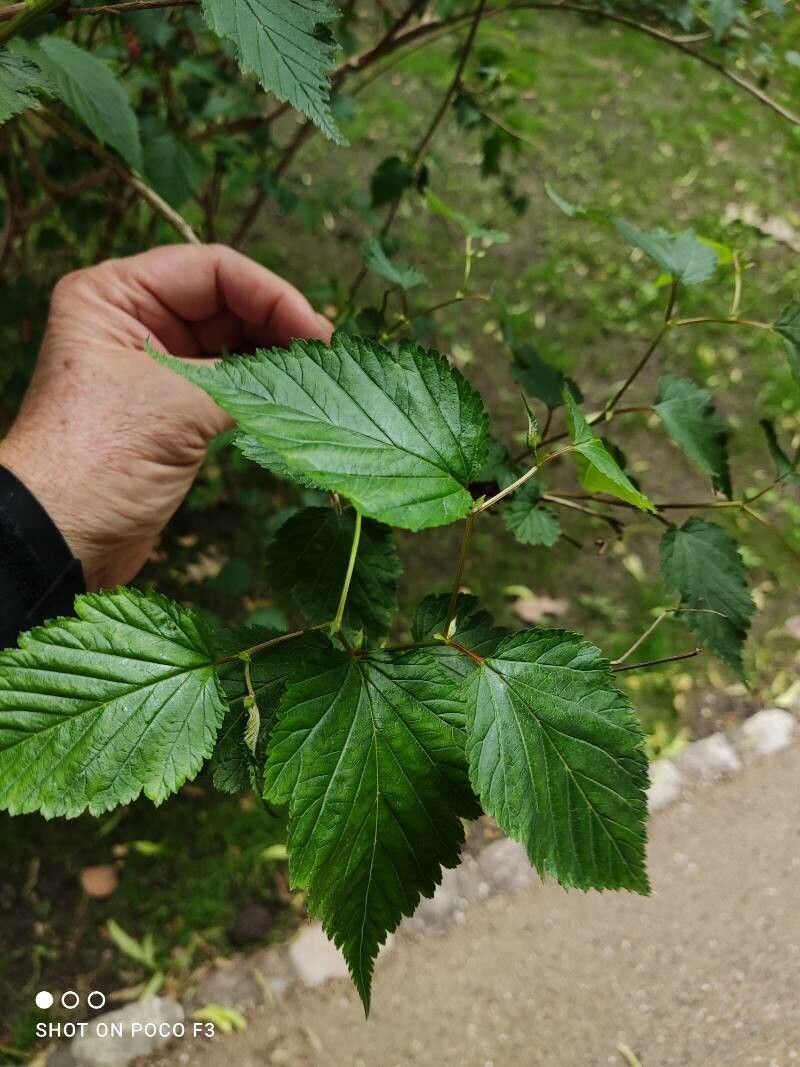
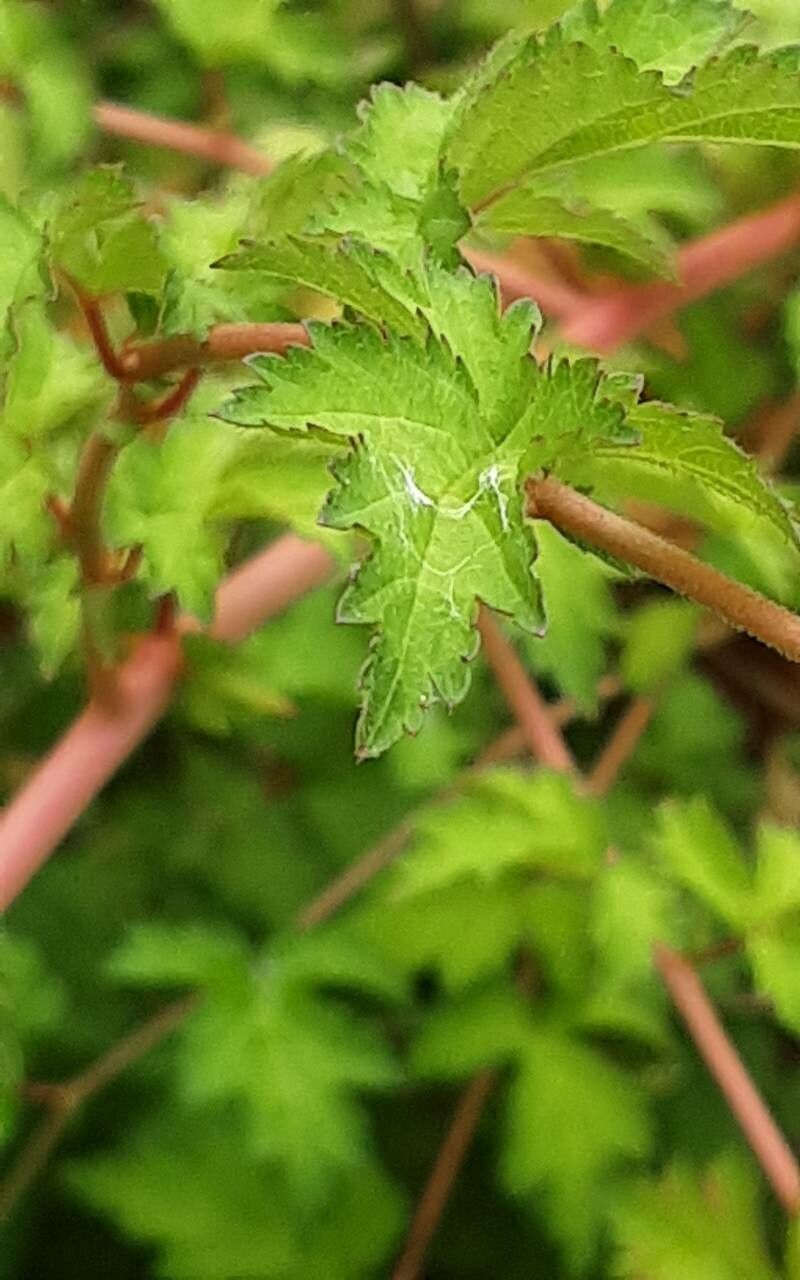
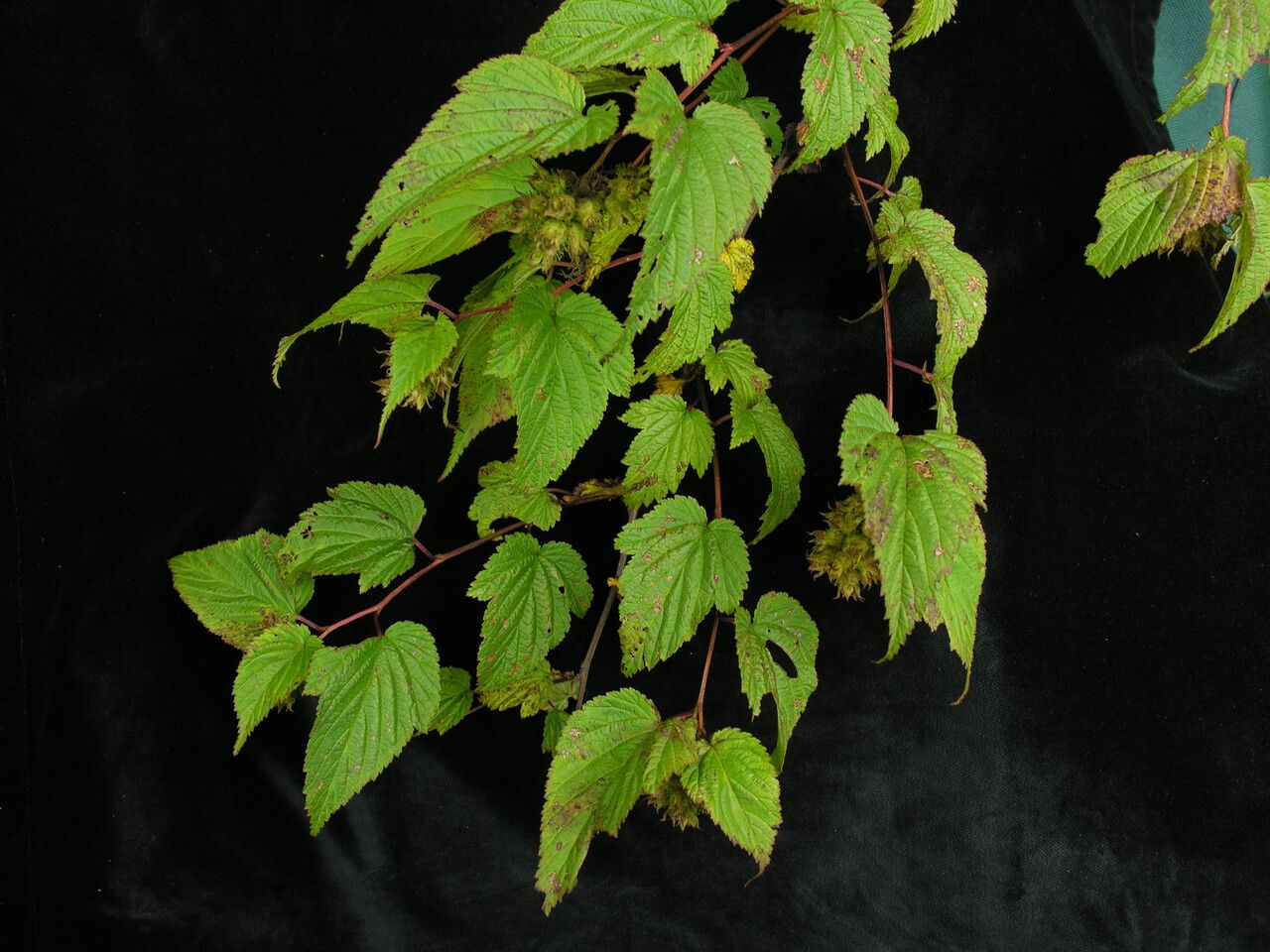
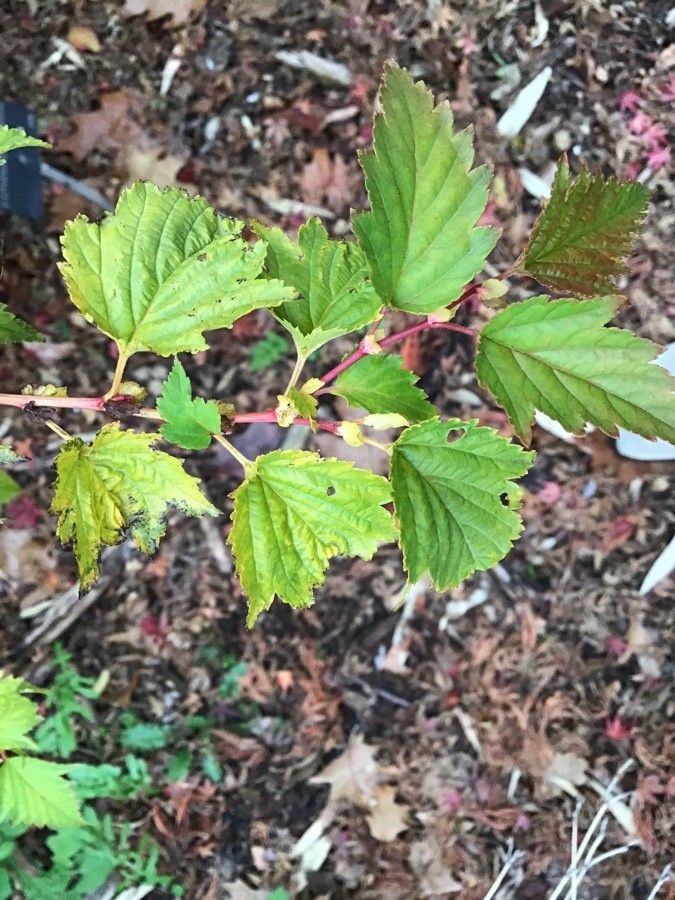
Chinese neillia has strong disease resistance and is usually not susceptible to illnesses. In terms of care, this plant is fairly low-maintenance. When grown outdoors, it requires little watering, and larger specimens typically do not need pruning. Smaller plants, however, should be pruned after they finish blooming. Chinese neillia is suitable for anyone with outdoor space, such as a garden or a deck, and does not demand much gardening experience.
How to keep Neillia Sinensis.
Light
Chinese neillia grows best with full light exposure and can tolerate moderate lighting. Its native habitat tends toward abundant light, which supports optimal growth and health. However, too much light can be harmful, while too little light may hinder its development.
Water
The Chinese neillia thrives in moderately moist conditions and prefers soil that is consistently damp but not waterlogged. It should be watered every three weeks. This plant does particularly well in temperate zones, where seasonal rains help maintain soil moisture during its growth period, thus preventing drought stress.
Temperature
Chinese neillia is a plant native to habitats where temperatures commonly fall between 41 and 90°F (5 to 32℃). It does best in those conditions, so the ideal temperature in your cultivation area should match that range.
Fertilizer
The timing of fertilizing Chinese neillia is important. Apply fertilizer in early spring and continue once a month until early summer. Fertilizer encourages attractive blooms and supplies energy during both dormant and active growth periods.
Pruning
Pruning Chinese Neillia in late spring, right after it finishes flowering, can greatly enhance its ornamental appeal and encourage robust growth. To do this, remove any dead or damaged stems, thin out older growth, and cut back one-third of the older stems down to ground level. This helps improve the plant's health and flowering efficiency.
Botanical profile.
- Plant Type
- Shrub
- Life Cycle
- Perennial
- Genus
- Neillia
- Family
- Rosaceae
- Hardiness Zone
- 5-7
- Mature Height
- 1.52 m to 1.83 m
- Mature Spread
- 1.83 m to 3.05 m
- Leaf Color
- Green
- Leaf Type
- Deciduous
- Flower Color
- Pink
- Flower Size
- 2.54 cm
- Bloom Time
- Mid spring, Late spring
- Planting Time
- Spring, Summer, Autumn
- Harvest Time
- Early summer, Mid summer
- Native Area
- China
Other names.
Reader questions.
What are the sunlight requirements for Chinese Neillia?
Chinese Neillia requires full sun exposure, which is above 6 hours of sunlight daily, but it can also thrive in partial sun, receiving about 3-6 hours of sunlight. It's crucial to observe how sunlight moves through your garden to find locations that offer a balance of light and shade, ensuring the plants' optimal growth and health.
What is the ideal temperature range for growing Chinese neillia?
The ideal temperature range for cultivating Chinese neillia, a plant native to environments with typical temperatures ranging from 41 to 90°F (5 to 32°C), mirrors its native conditions. This range suggests the best temperatures in which it thrives, indicating that your cultivation spaces should reflect these conditions to facilitate optimal growth. Chinese neillia is highly tolerant of cold weather and does not necessitate additional frost protection measures in winter. Nonetheless, before the first freeze of autumn, it's advantageous to water the plant abundantly to ensure the soil remains moist and enters a frozen state, aiding in preventing drought and water scarcity during the winter and early spring months.
How does inadequate or excessive lighting affect Chinese Neillia?
Chinese Neillia originates from habitats with abundant light, promoting its health and growth. However, too much light can harm the plant, while insufficient light can impede its development. Indoor plants, in particular, may require artificial lighting when natural sunlight is not enough, especially during winter or in less sunny spaces. LED lights, offering 30-50W/sq ft for full sun plants, 20-30W/sq ft for partial sun plants, and 10-20W/sq ft for full shade plants, are recommended to provide adequate lighting conditions.
What should I do if my Chinese neillia is exposed to temperatures below -25°C?
If the winter temperature drops below -25°C, Chinese neillia, despite its extreme cold tolerance, may not show noticeable changes during the winter itself. However, its branches may become brittle and dry by spring, with no new shoots emerging. To combat this, it is recommended to prune away any dead branches that have failed to produce new leaves once spring arrives. This helps in removing parts of the plant that won't contribute to its growth, encouraging healthier, more robust development.
What symptoms indicate that Chinese Neillia is receiving inadequate sunlight?
Symptoms of inadequate sunlight in Chinese Neillia include small or lighter-colored new leaves, leggy or sparse growth, faster leaf drop, slower or no new growth, and signs of chlorosis, sunscald, leaf curling, wilting, and leaf scorching. These symptoms suggest the plant is struggling with light deficiency and may be in survival mode, focusing its limited resources on growing new leaves until energy reserves are depleted.
How does Chinese neillia react to high temperatures, and what should I do?
Chinese neillia is not tolerant of high temperatures. When exposed to temperatures exceeding 32°C, the plant may experience significant leaf drop, and in severe cases, it might wither and die. To mitigate the damage from high temperatures, trim away the sunburned and dried-up parts of the plant. It is also advisable to relocate the plant to a shady spot, especially during the midday and afternoon sun, or to use a shade cloth to provide some protection. Additionally, watering the plant in the morning and evening can help keep the soil moist, aiding in the plant's recovery and continued health.
How can I provide adequate light for my Chinese Neillia?
For indoor Chinese Neillia, gradually moving the plant to a sunnier location each week until it receives at least 6 hours of direct sunlight daily is essential. A south-facing window is ideal. If moving the plant is not feasible, consider using artificial grow lights for at least 8 hours daily. For outdoor plants, a gradual transition to sunnier spots helps prevent sunburn. If trees obstruct sunlight, pruning might be necessary. For plants in the ground, optimizing the location for sunlight during the plant's dormant period by transplanting can be effective.