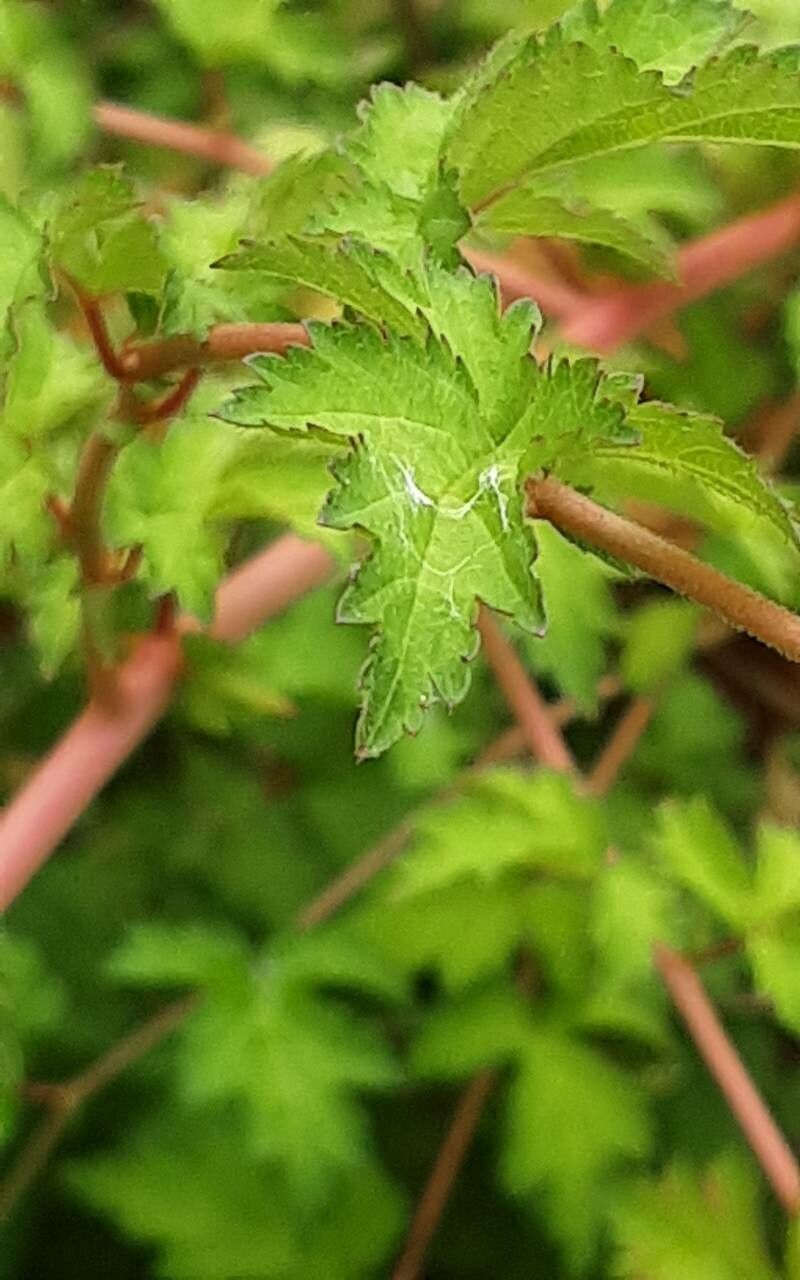
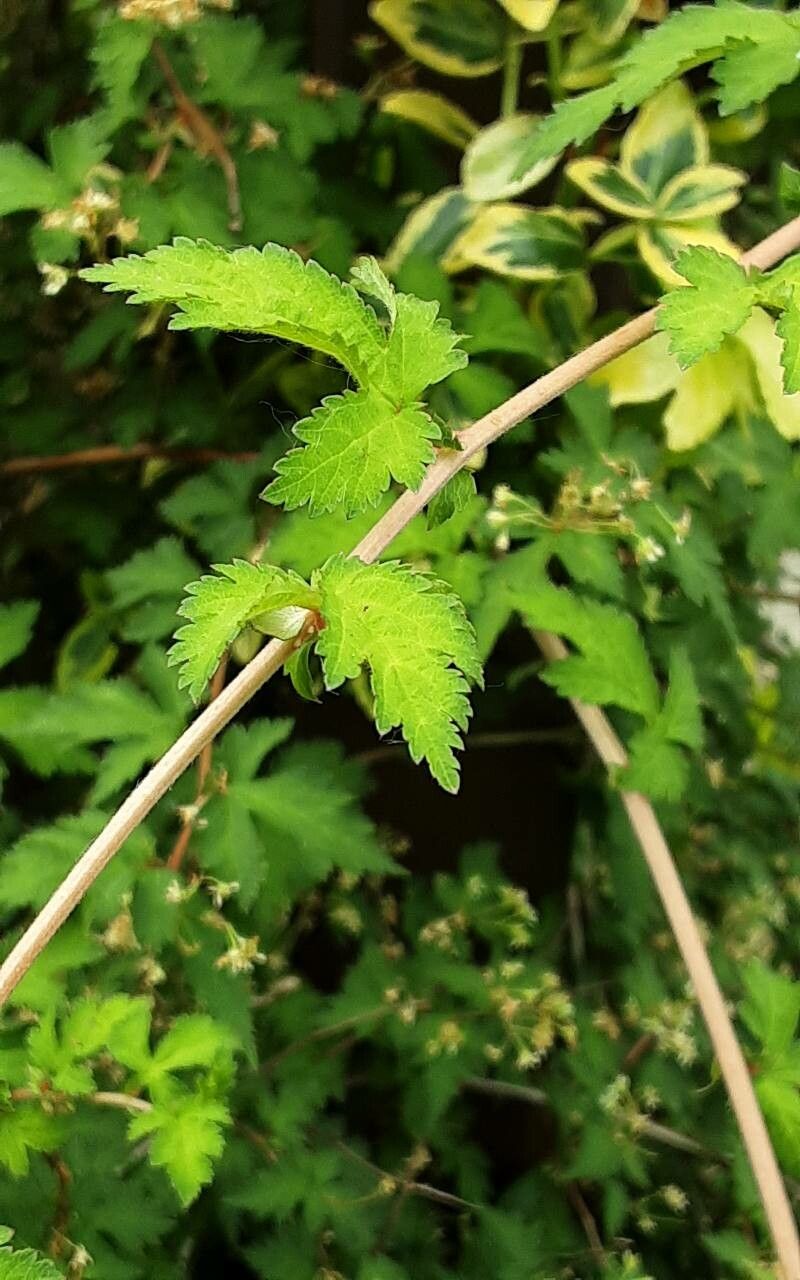
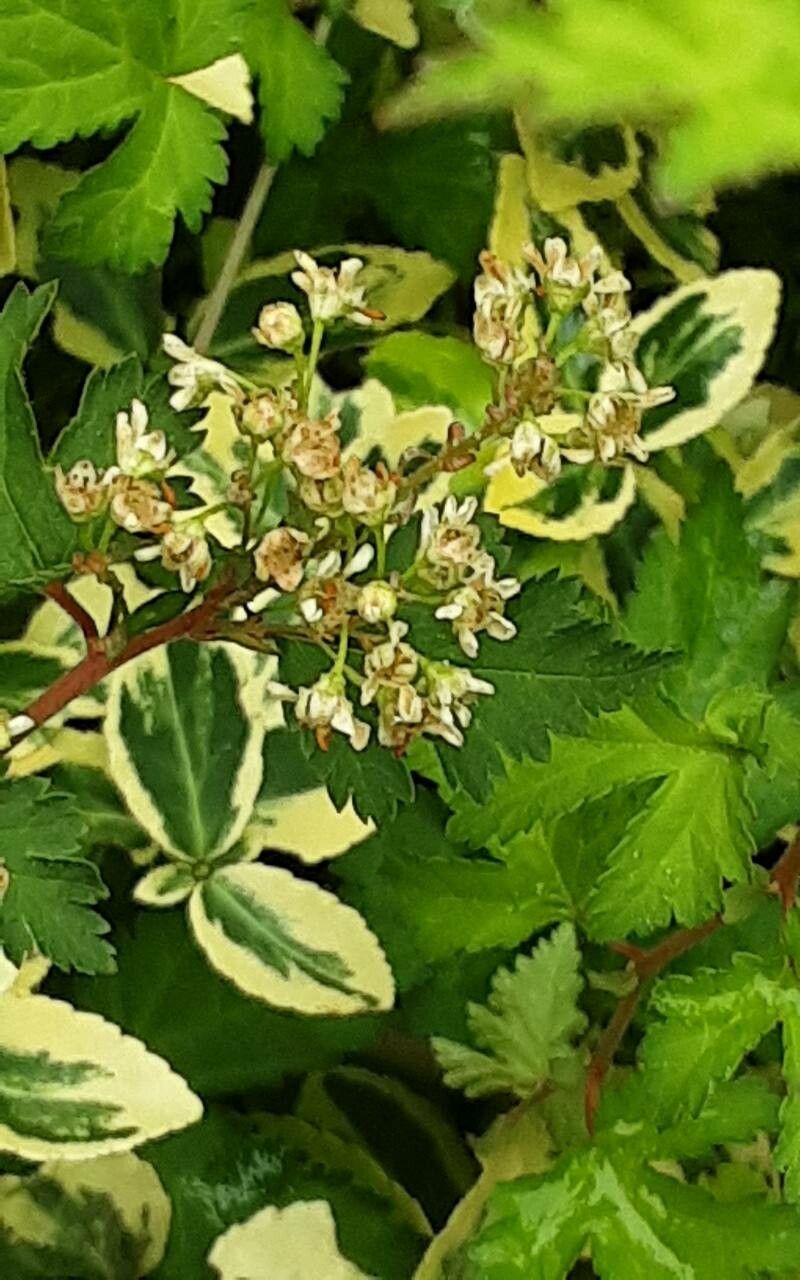
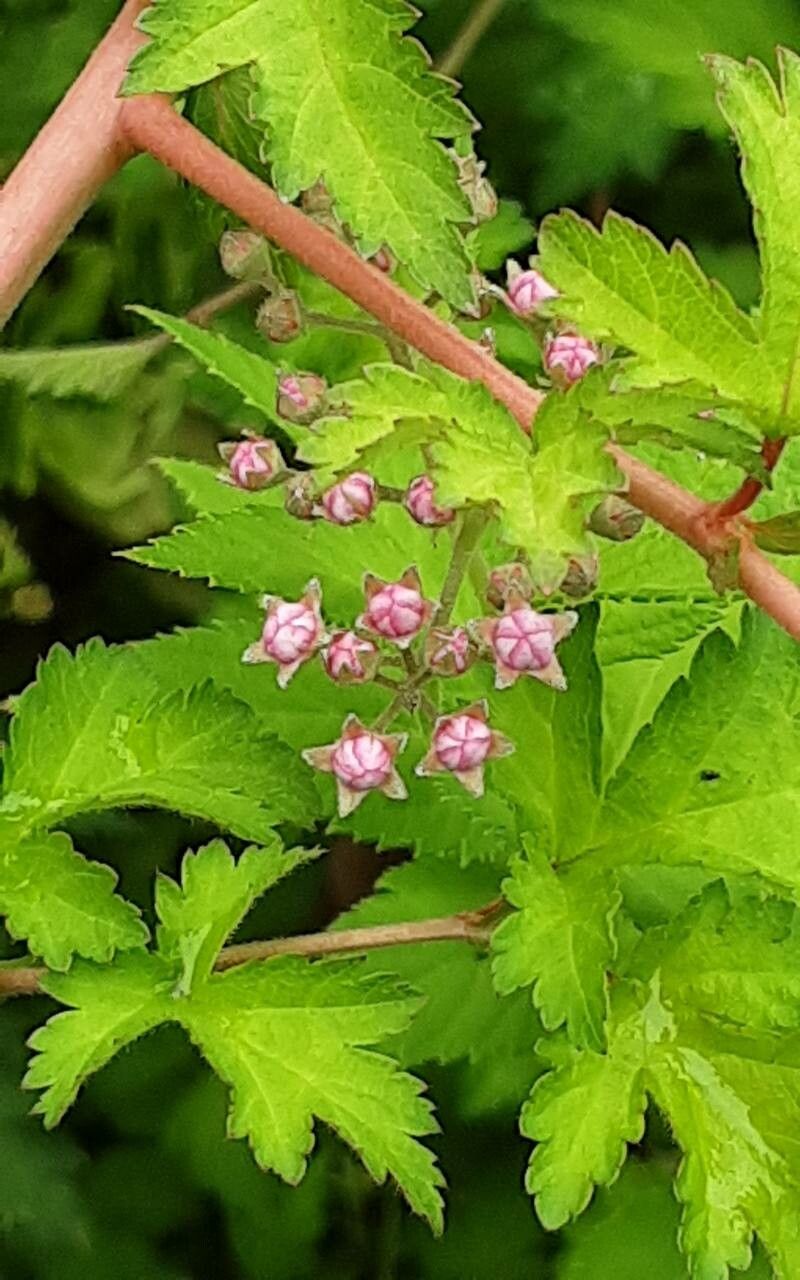
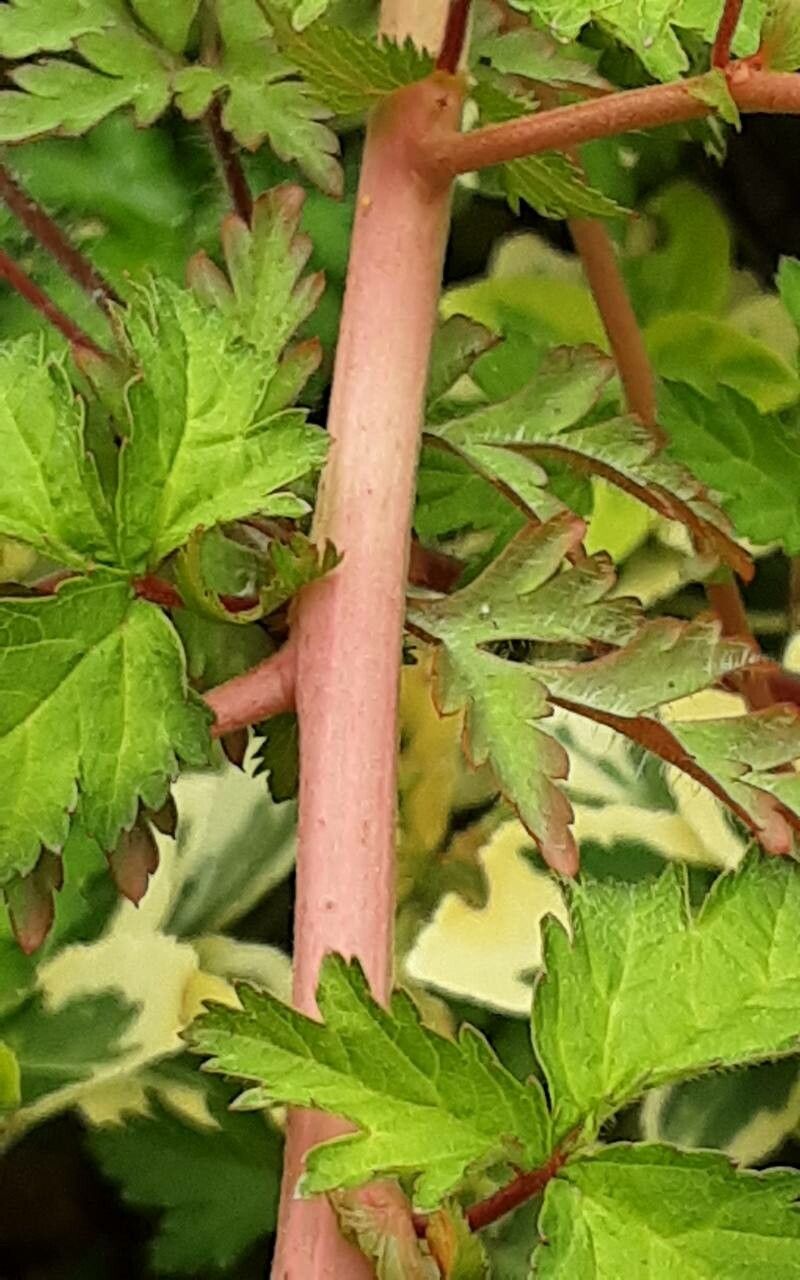
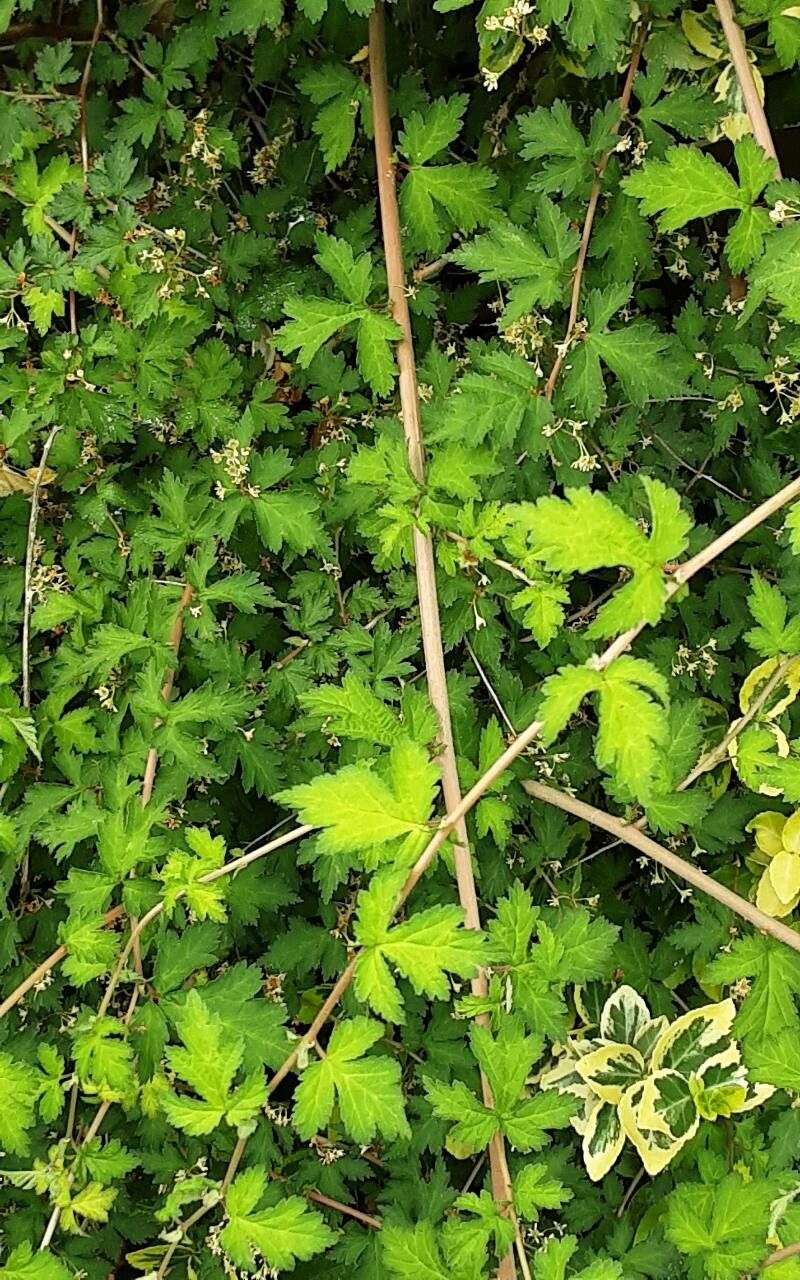
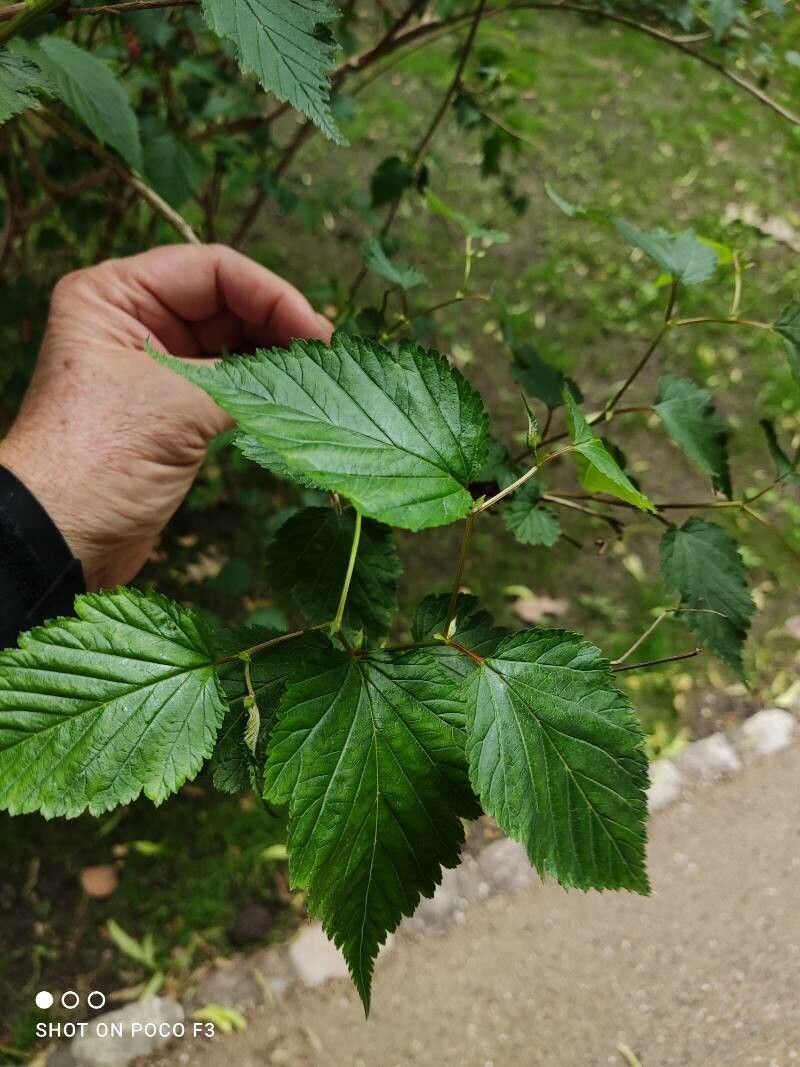
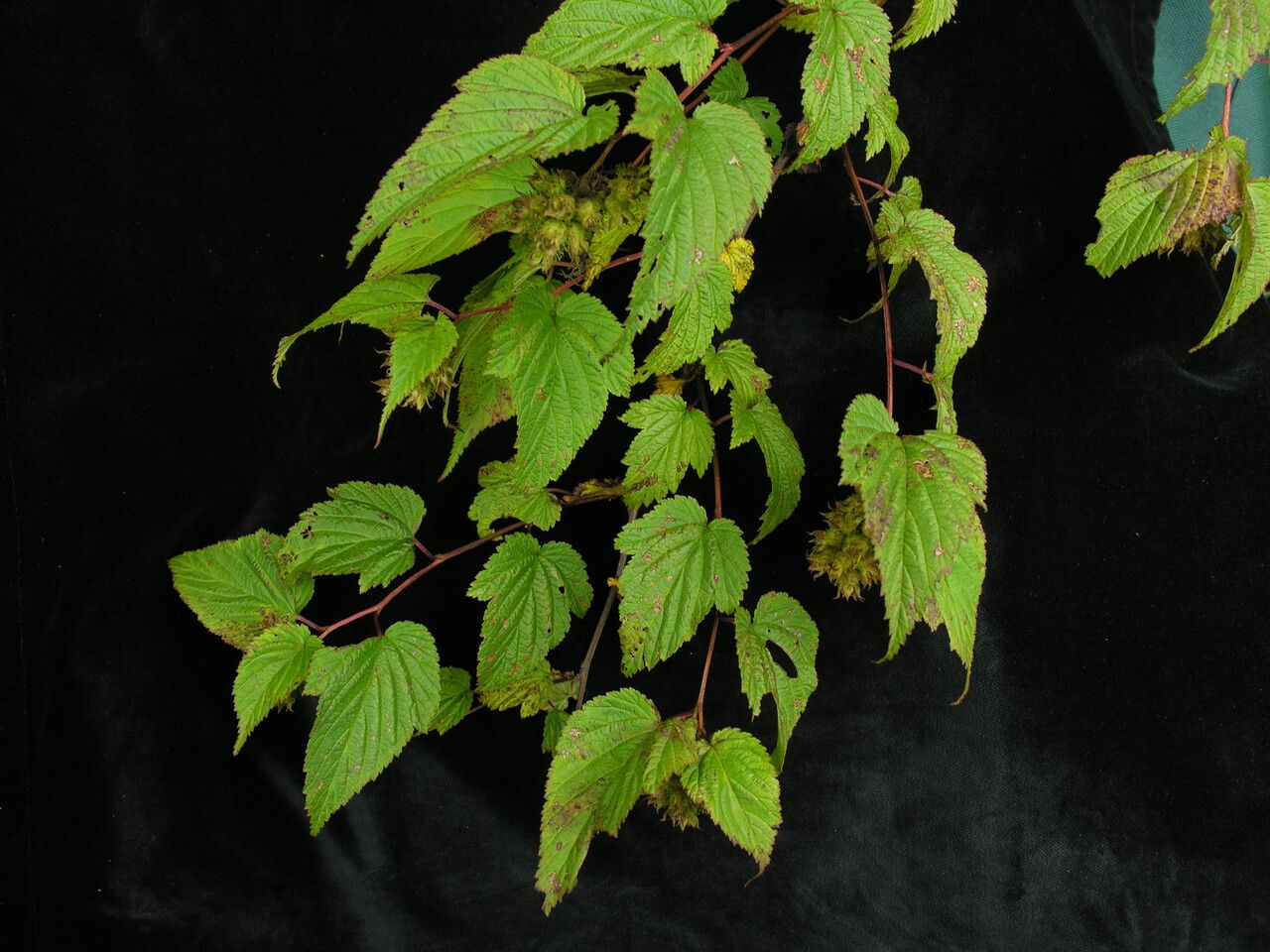
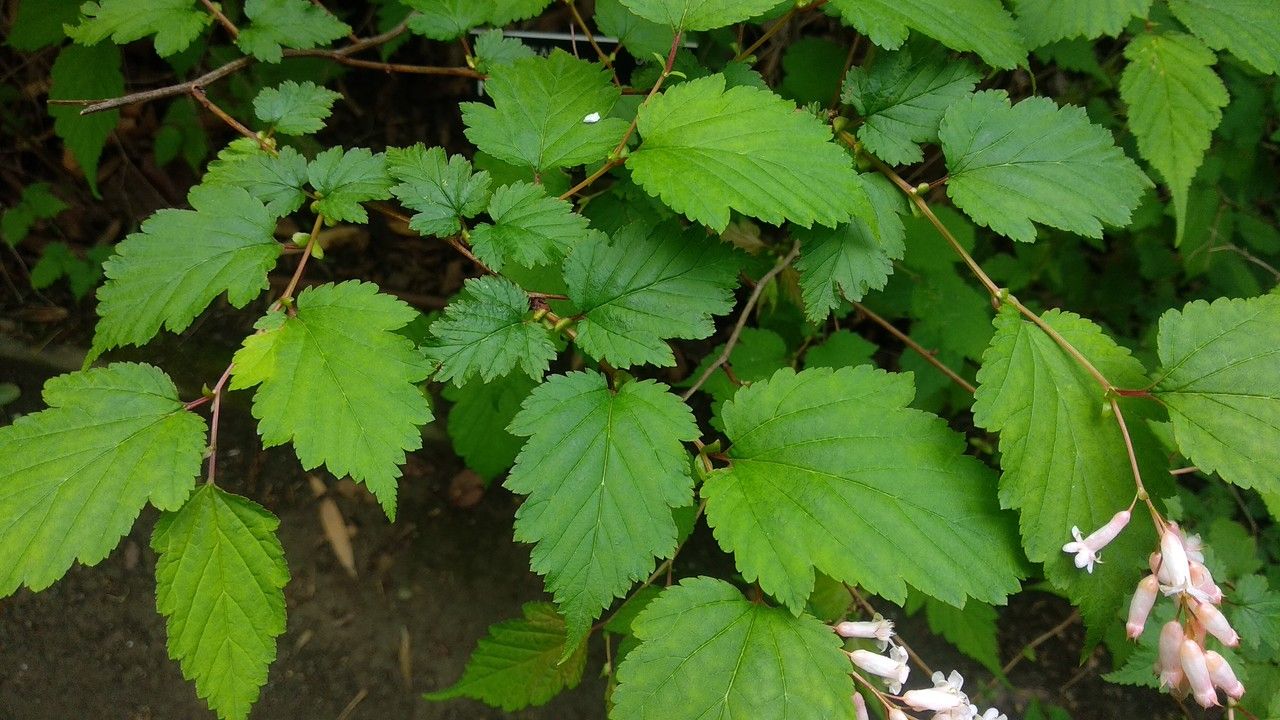
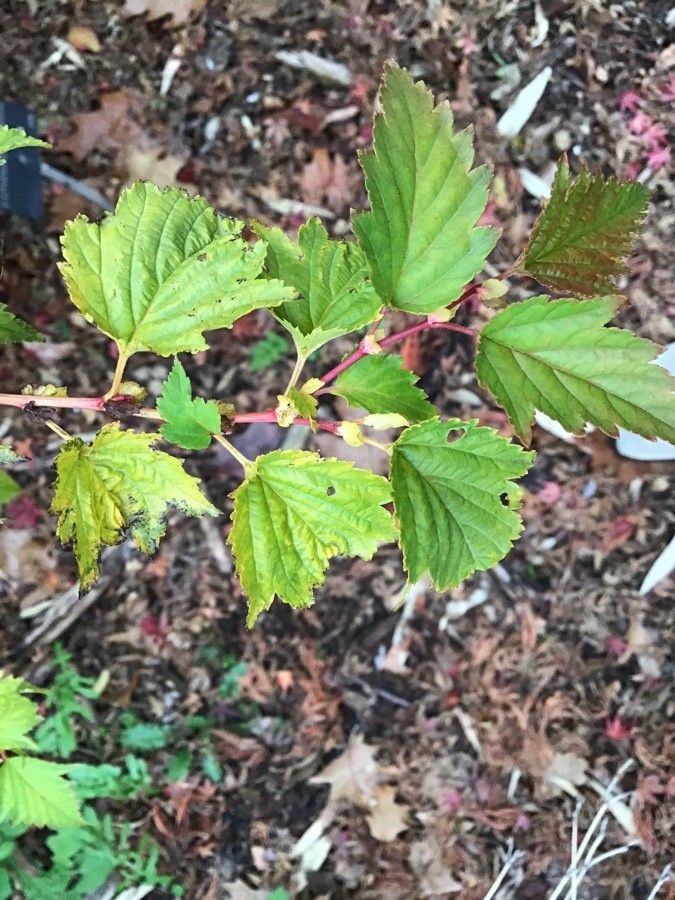
Neillia incisa, commonly called lace shrub, is a species of plant in the rose family (Rosaceae). It is native to eastern Asia, where it is found in China, Japan, Korea, and Taiwan. In the United States it is commonly cultivated by nurseries as an ornamental, and it has been naturalized in the U.S. state of Virginia. It is expected to become invasive in temperate forests of North America in the future.
Lace shrub is highly resistant to disease and usually does not develop illnesses. In terms of maintenance, this plant is fairly low-maintenance. When planted outdoors it needs only minimal watering, and larger specimens typically do not require pruning. Smaller plants, however, should be pruned after their blooms have finished. Lace shrub is appropriate for anyone with an outdoor area, such as a garden or a deck, and does not demand much gardening experience.
How to keep Neillia Incisa.
Light
Lace shrub grows vigorously with plenty of sunlight and can tolerate moderate light as well. Too little or too much sun can harm it, causing leaves to turn yellow or foliage to become scorched. Native to a sunny habitat, its various growth stages have a strong preference for bright conditions.
Water
The lace shrub naturally grows in regions with moderate rainfall and prefers balanced moisture levels. While it is drought-tolerant, it thrives when watered every three weeks. Regular watering is especially beneficial during the growing season, particularly for shrubs planted in containers, as they tend to dry out quickly.
Temperature
Lace shrub is native to environments with temperatures between 32 and 90°F (0 to 32°C). It prefers cooler temperatures overall and its care should be adjusted seasonally to match these conditions. In spring or fall, it can tolerate cooler nighttime temperatures.
Fertilizer
Timing is essential for fertilizing a Lace shrub. Apply fertilizer in early spring and continue once a month until early summer. The fertilizer encourages lovely blooms and furnishes energy during both dormant and active growth phases.
Pruning
The lace shrub is known for its delicate, lace-like leaves and striking white flowers. To promote healthy growth and enhance its natural beauty, prune the shrub in early spring. Use thinning cuts to improve air circulation and refine its shape. Regular pruning encourages both blooming and growth. Be sure to use clean tools and avoid heavy pruning to minimize stress on the plant.
Botanical profile.
- Plant Type
- Shrub
- Life Cycle
- Perennial
- Genus
- Neillia
- Family
- Rosaceae
- Hardiness Zone
- 3-7
- Mature Height
- 1.22 m to 2.13 m
- Mature Spread
- 1.22 m to 2.74 m
- Leaf Color
- Green, Blue, Red, Brown
- Leaf Type
- Deciduous
- Flower Color
- Pink
- Flower Size
- 2.54 cm to 7.62 cm
- Bloom Time
- Mid spring, Late spring
- Planting Time
- Spring, Summer, Autumn
- Harvest Time
- Early summer, Mid summer
- Native Area
- Koppen, Japan, South Korea, China
Other names.