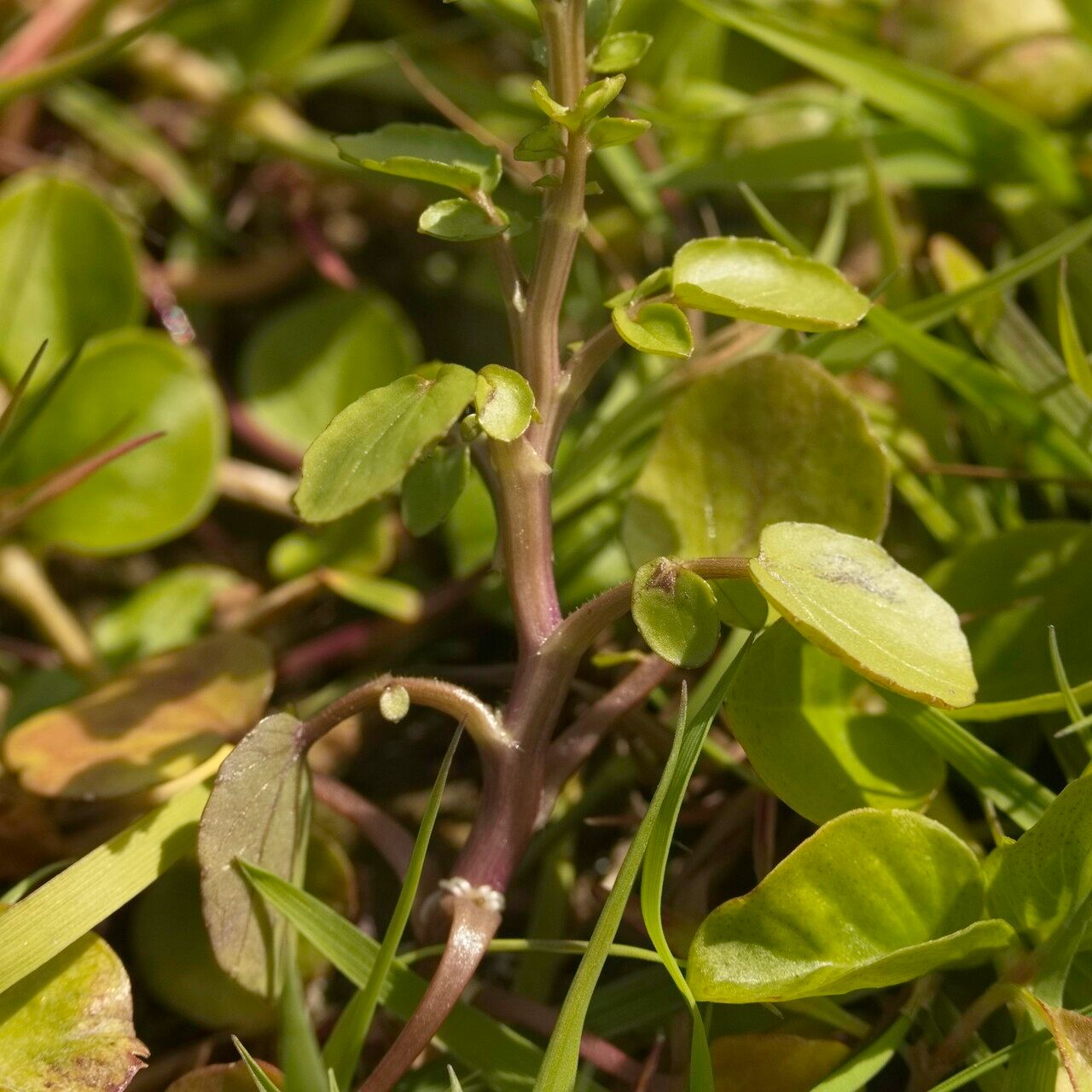
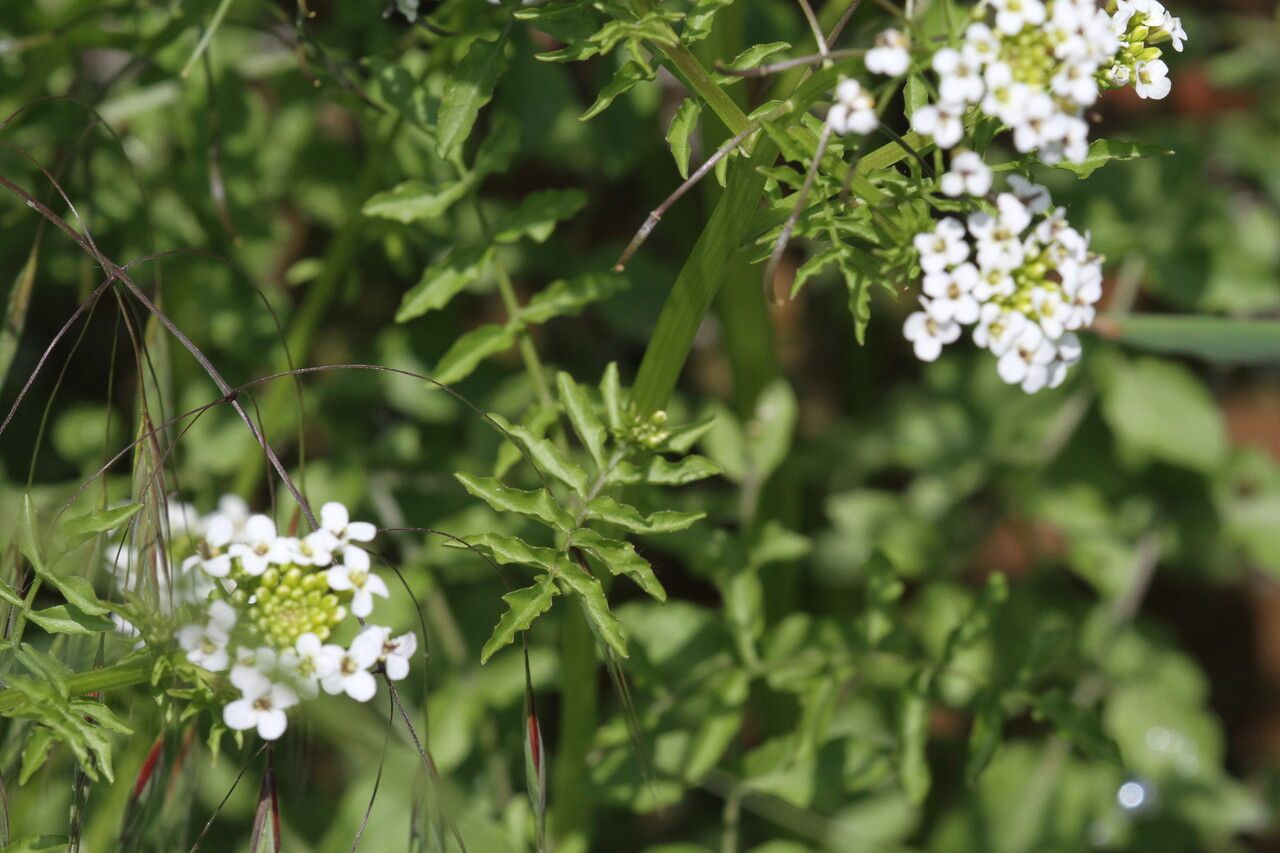
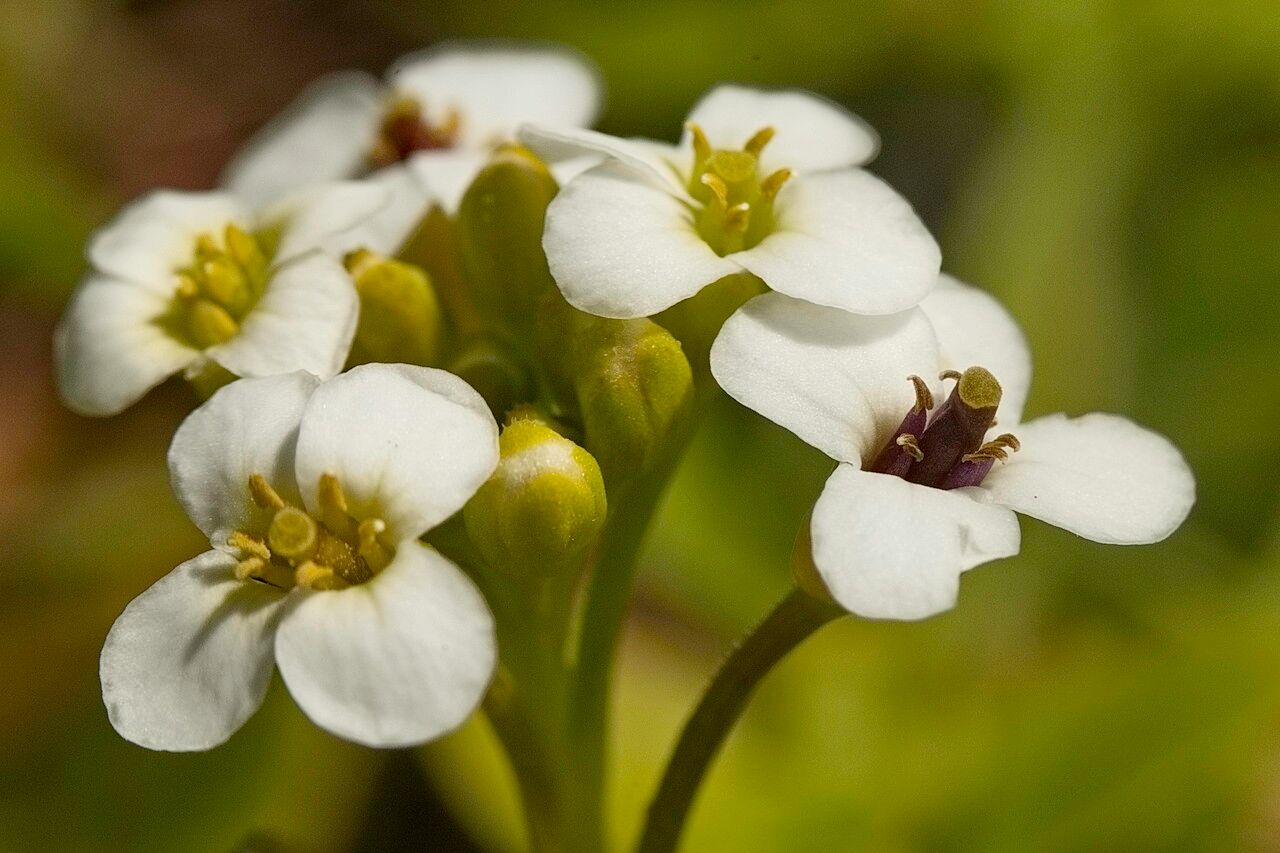
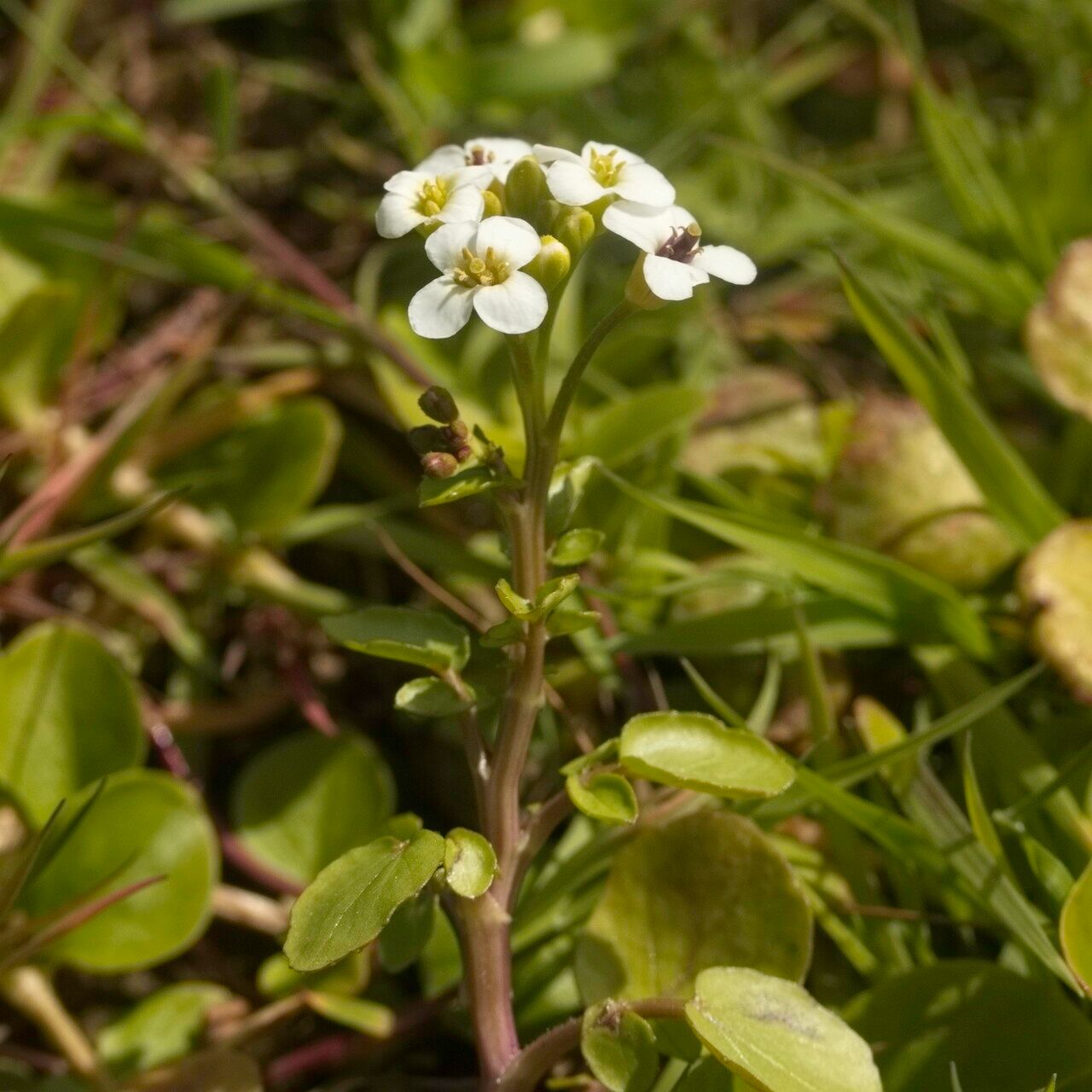
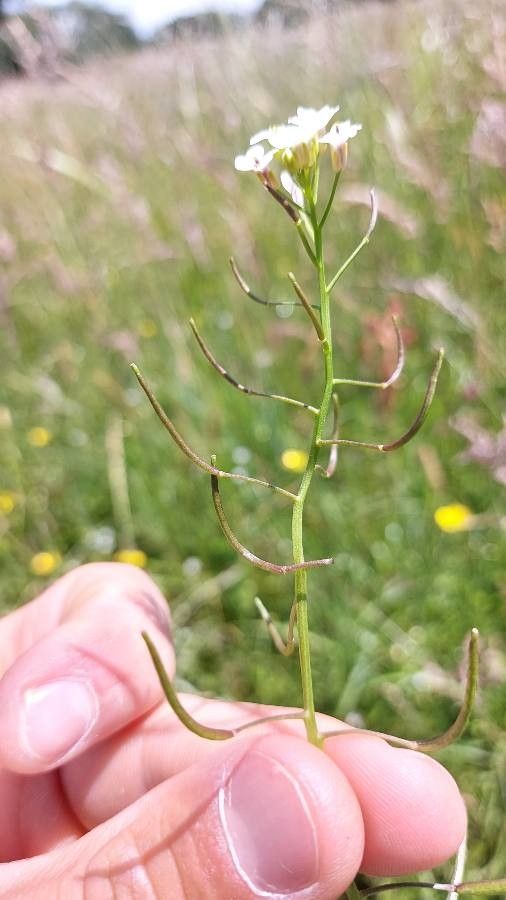
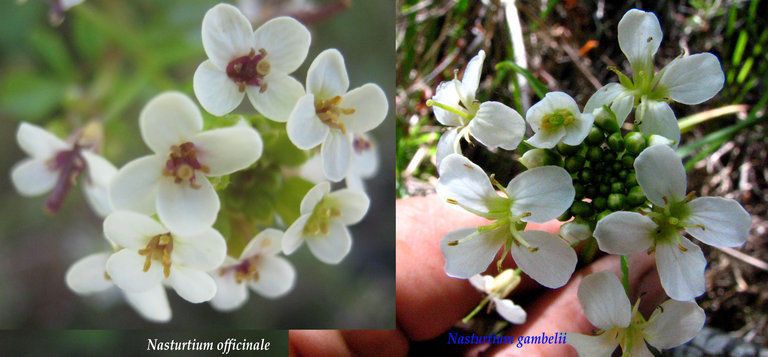
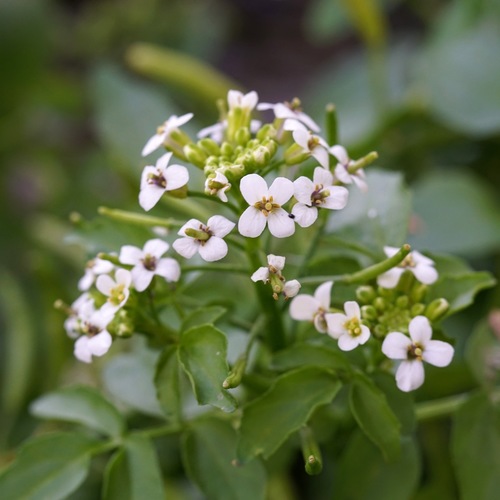
Nasturtium microphyllum, commonly known as the small-leaved nasturtium, is a species of flowering plant in the Brassicaceae family. Native to western North America, this plant thrives in a variety of habitats, including meadows, rocky slopes, and forests. Typically, the plant grows to a height of 10-30 cm, featuring small, round leaves that are either green or bluish-green. Its vibrant flowers are bright yellow or orange, each with five petals, blooming from May to August. Nasturtium microphyllum is notable for its edible leaves and flowers, which have a peppery flavor similar to watercress. Indigenous peoples have also utilized the plant for medicinal purposes, using it to treat ailments such as coughs, colds, and skin irritations. Overall, Nasturtium microphyllum is an attractive wildflower that offers both aesthetic and culinary benefits.
Narrow-fruited water-cress has moderate resistance to disease but can be susceptible to problems such as leaf spot. Its susceptibility to insect pests varies with the variety, although most have lower resistance to pests. Regarding care, narrow-fruited water-cress requires regular watering and fertilizing, plus frequent removal of yellow leaves. It is important to control pests and diseases when they appear and to harvest the plant promptly. Narrow-fruited water-cress is suitable for people who can spend some time and effort on regular care.
How to keep Nasturtium Microphyllum.
Light
Narrow-fruited water-cress is native to habitats such as forest understories or rocky areas that have natural shade. It prefers partial sunlight but can also withstand full sun when necessary. This versatility lets it succeed under different sunlight conditions.
Water
Narrow-fruited watercress thrives in moist environments and needs regular watering, ideally once a week, to maintain its health. This aquatic plant is well-suited for areas near streams, as it requires wet soil or even submersion to imitate its natural habitat. It is ideal for outdoor settings but does not tolerate drought or excessively humid conditions.
Temperature
For Narrow-fruited water-cress, moderate temperatures—similar to those people usually find comfortable—are best. It does well in conditions that are neither too hot nor too cold. The main problem with high temperatures is the possibility of sunburn, so providing some shade in summer is advisable to avoid excessive heat. When temperatures fall, Narrow-fruited water-cress becomes dormant. If continuous growth is wanted, higher temperatures must be kept during winter. Frost can damage the plant and should be avoided.
Pruning
Narrow-fruited water-cress is a hardy, water-loving plant characterized by its narrow fruit. For best results, prune the plant in early to late spring to encourage healthy growth. Remove old stems before the plant flowers to achieve denser foliage and prevent overcrowding. Make sure your pruning techniques allow for adequate air circulation and light penetration.
Botanical profile.
- Plant Type
- Herb
- Life Cycle
- Perennial
- Genus
- Nasturtium
- Family
- Brassicaceae
- Hardiness Zone
- 6-11
- Mature Height
- 10 cm to 49 cm
- Mature Spread
- 30 cm to 61 cm
- Leaf Color
- Dark Green
- Leaf Type
- Deciduous
- Flower Color
- White, Cream
- Flower Size
- 1.02 cm to 2.03 cm
- Bloom Time
- Late spring, Summer
- Planting Time
- Spring, Summer
- Harvest Time
- Mid summer, Late summer, Early fall, Mid fall
- Native Area
- Tajikistan, India, Sweden, Austria, Czech Republic, Pakistan, Poland, Croatia, Slovenia, Morocco, Afghanistan, Germany, Italy, Kazakhstan, Spain, Switzerland, Denmark, Netherlands, Iran, Ireland, United Kingdom, Belgium, France
Other names.