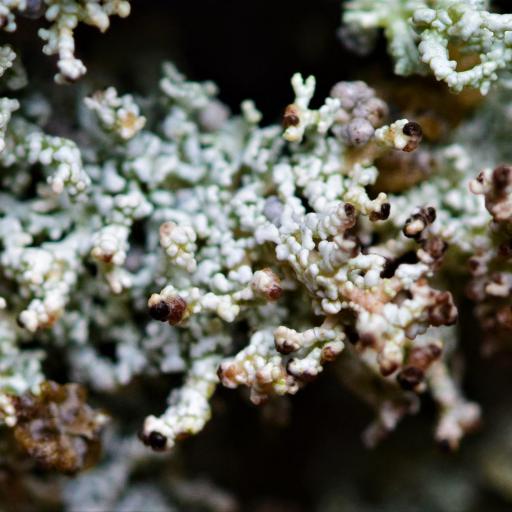
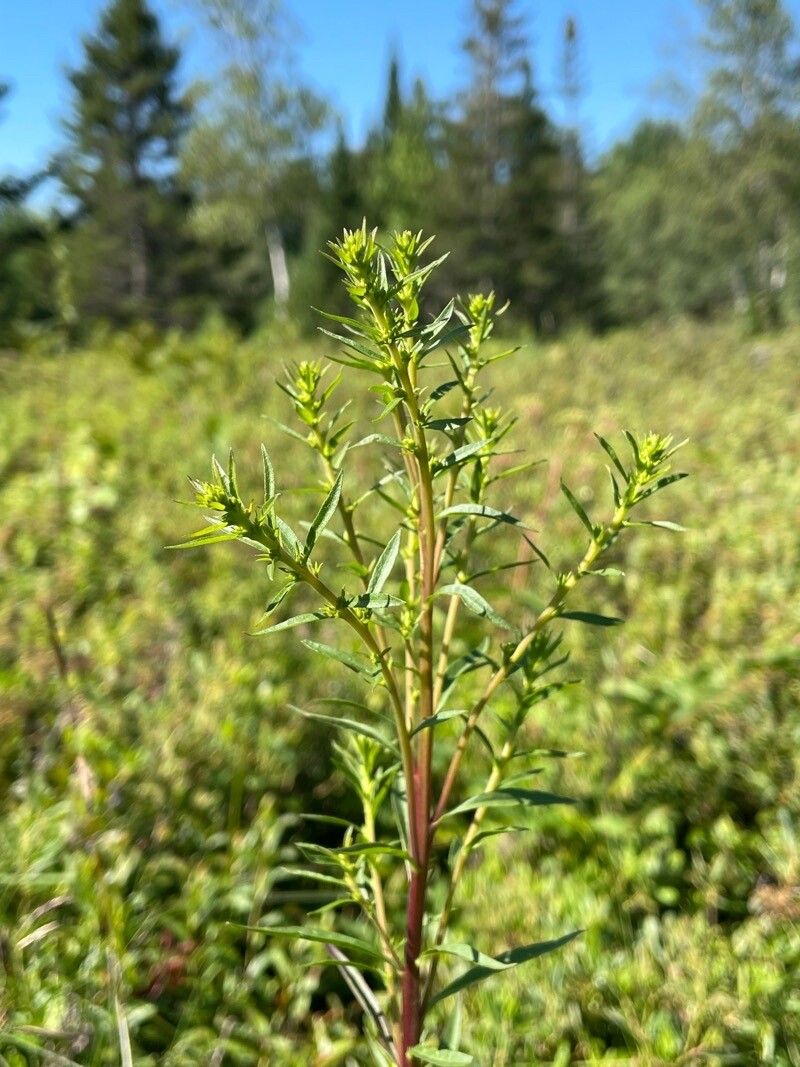
Nabalus albus, commonly known as white rattlesnake root or white lettuce, is a perennial herbaceous plant in the Asteraceae family. Native to eastern North America, this plant thrives in a variety of habitats, including woodlands, meadows, and prairies.
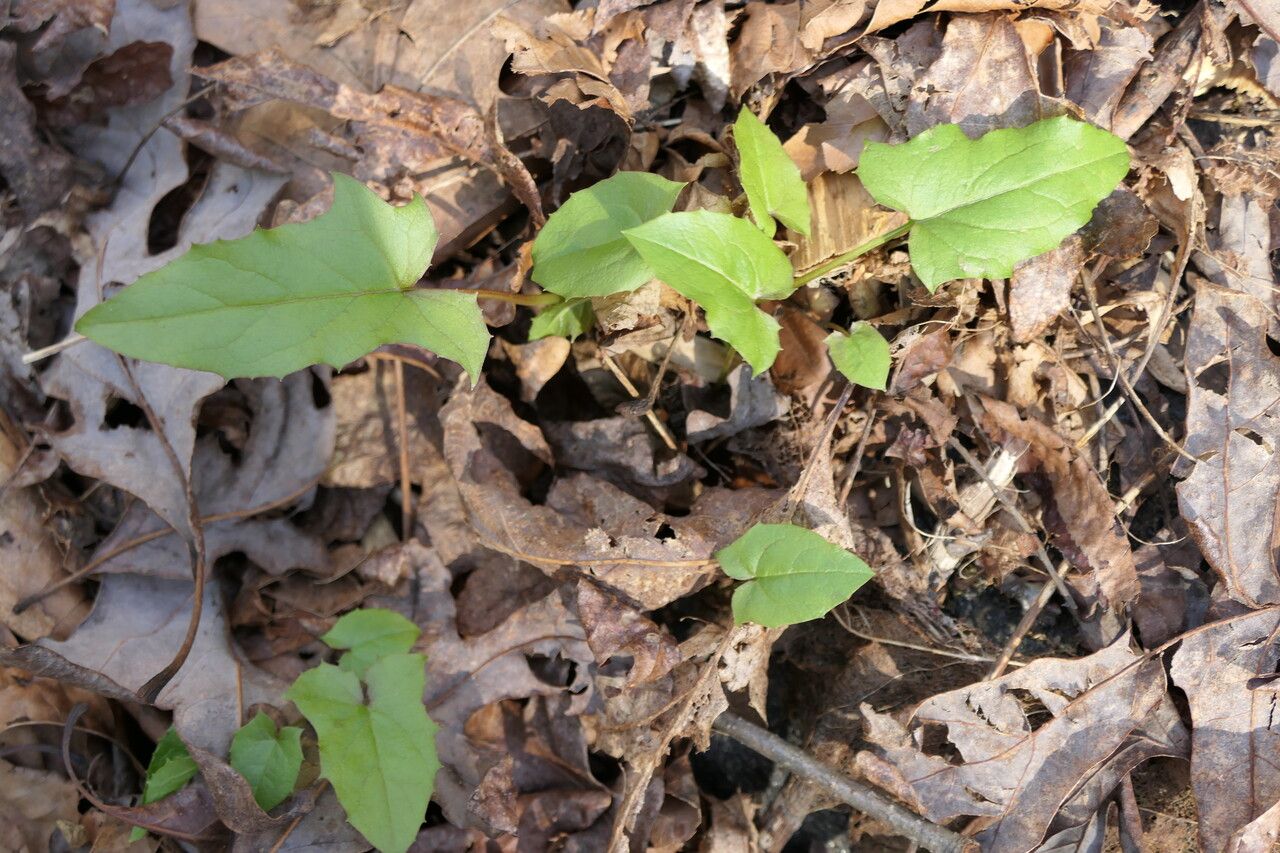
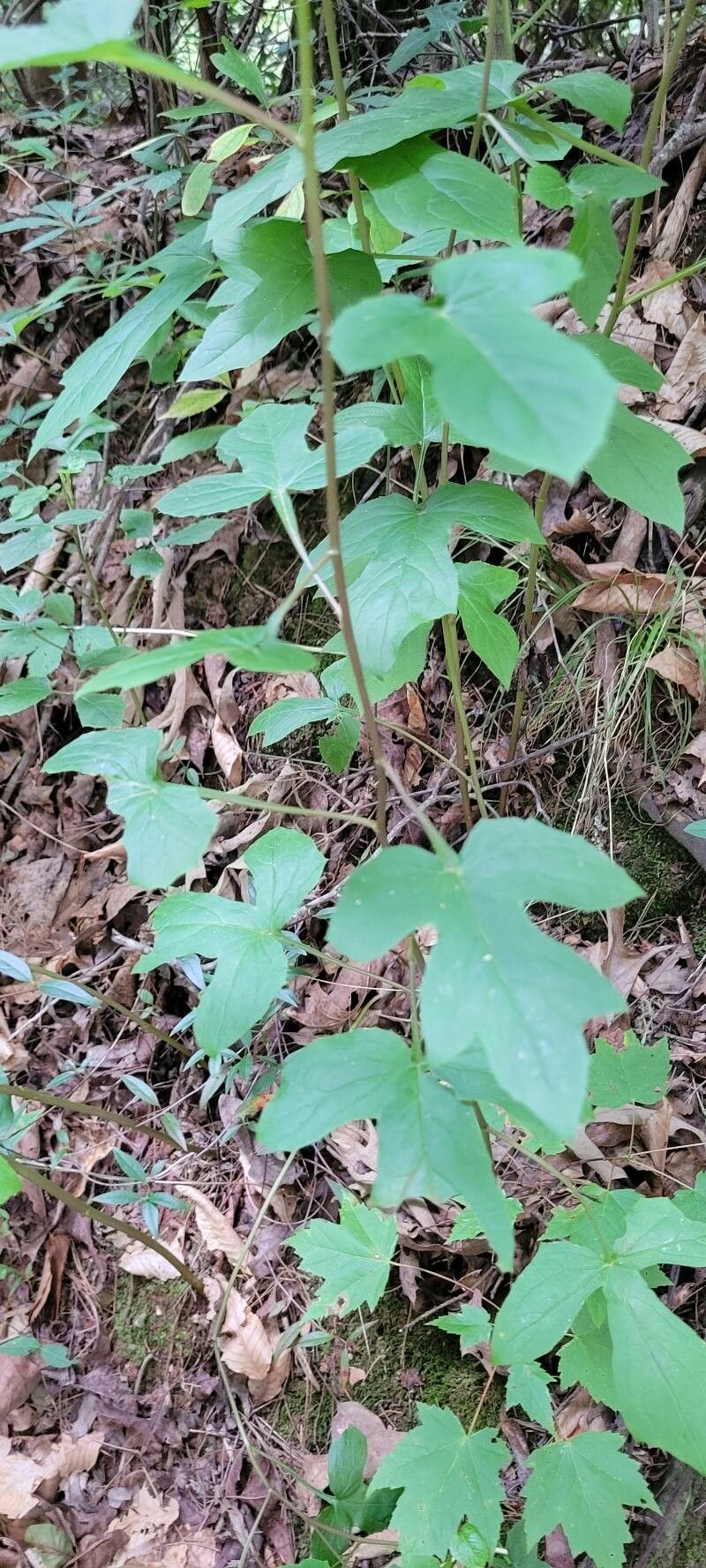
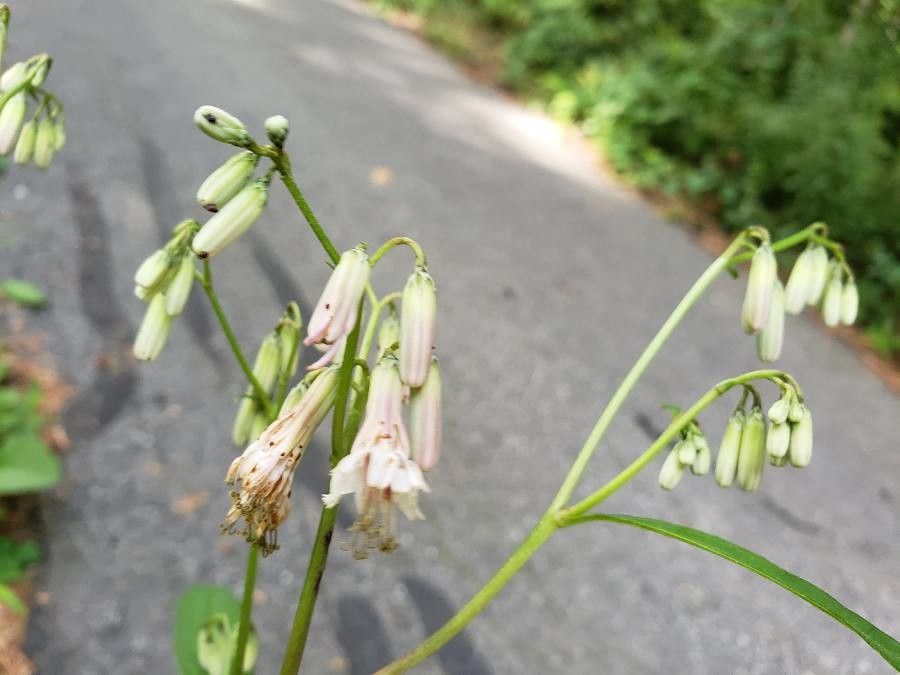
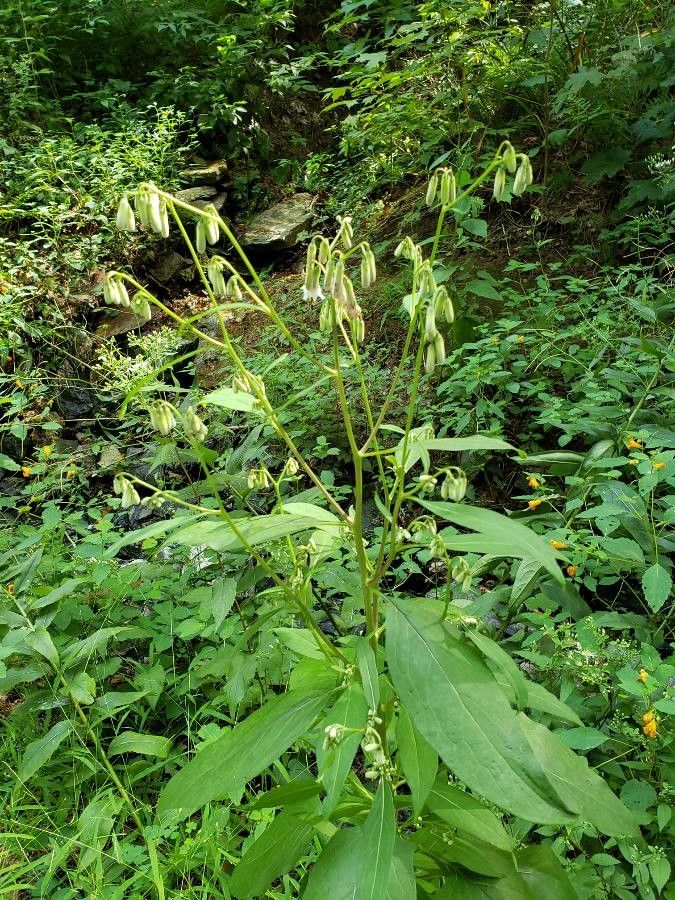
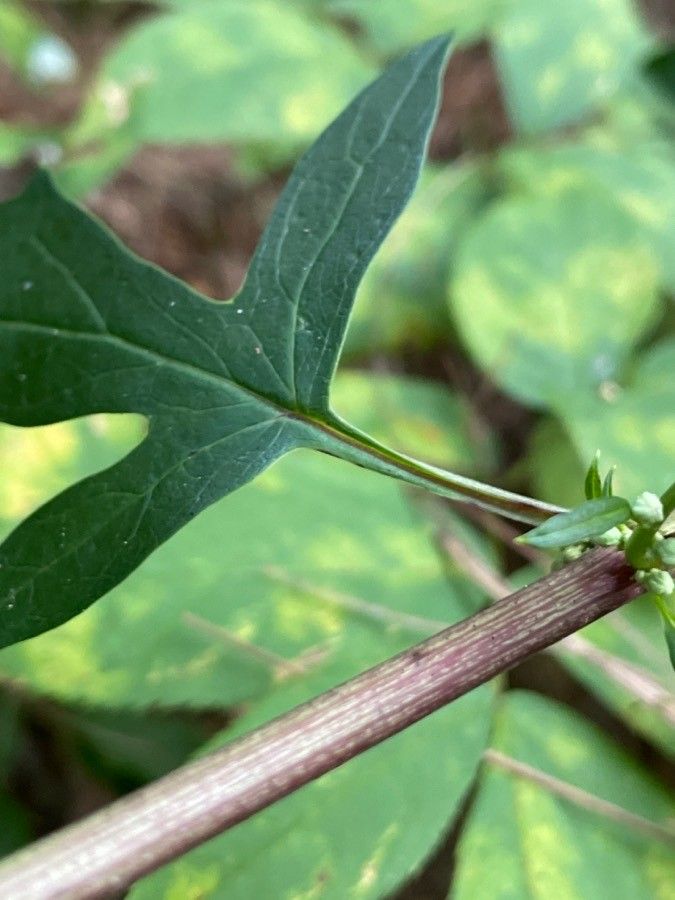
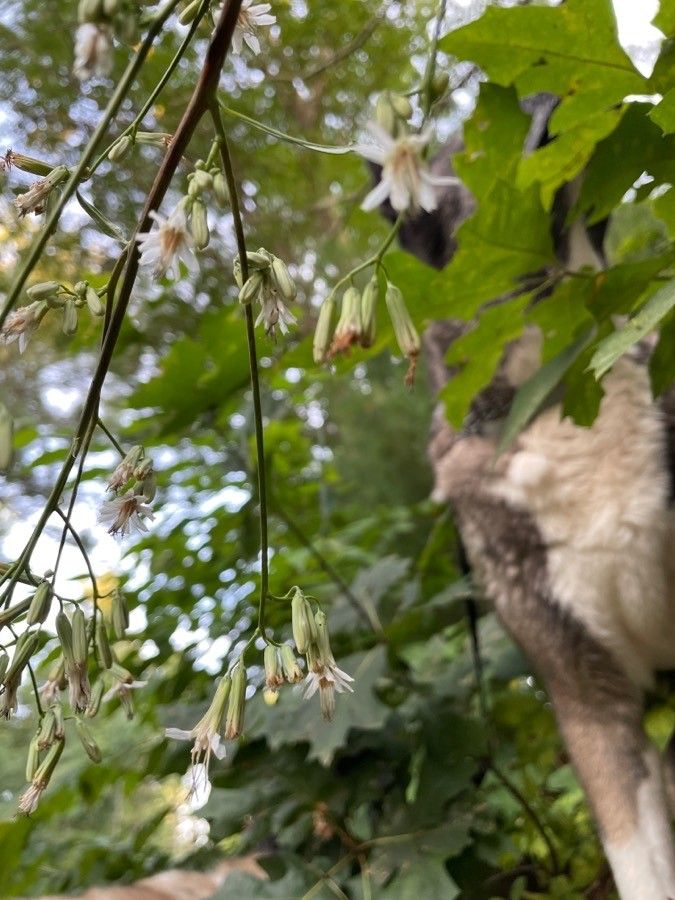
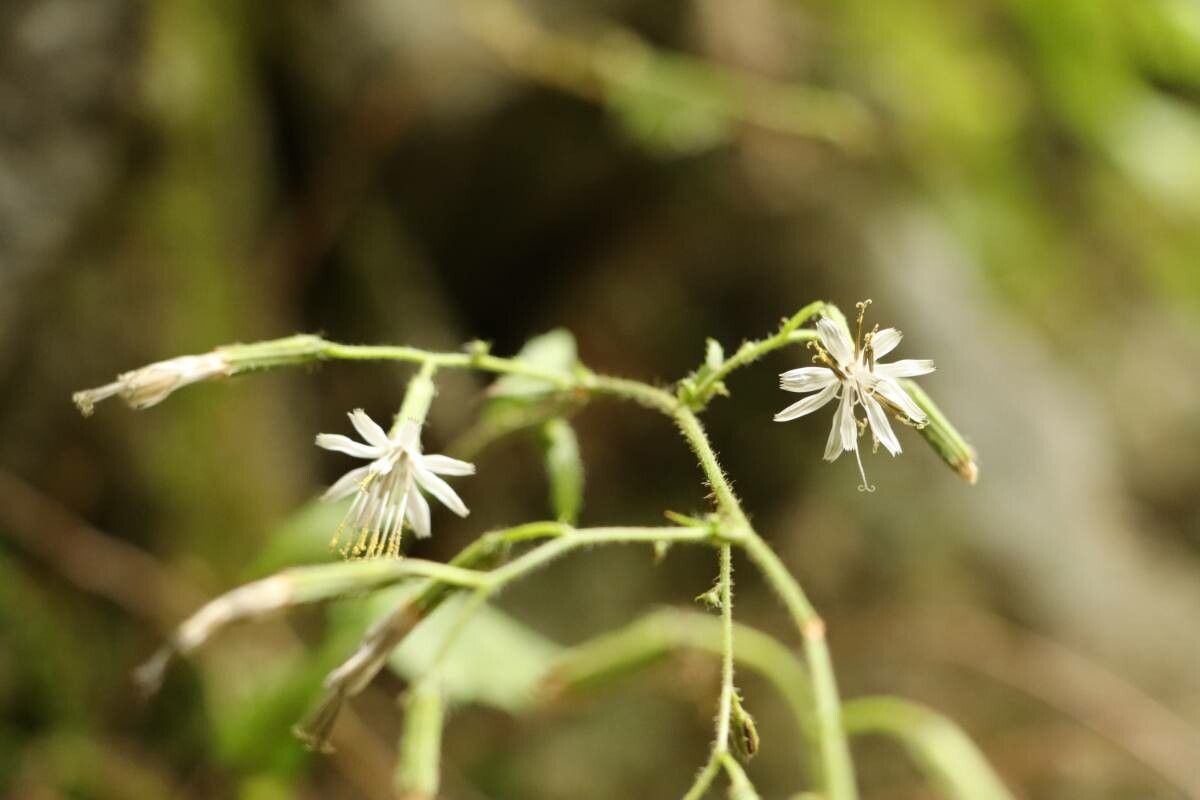
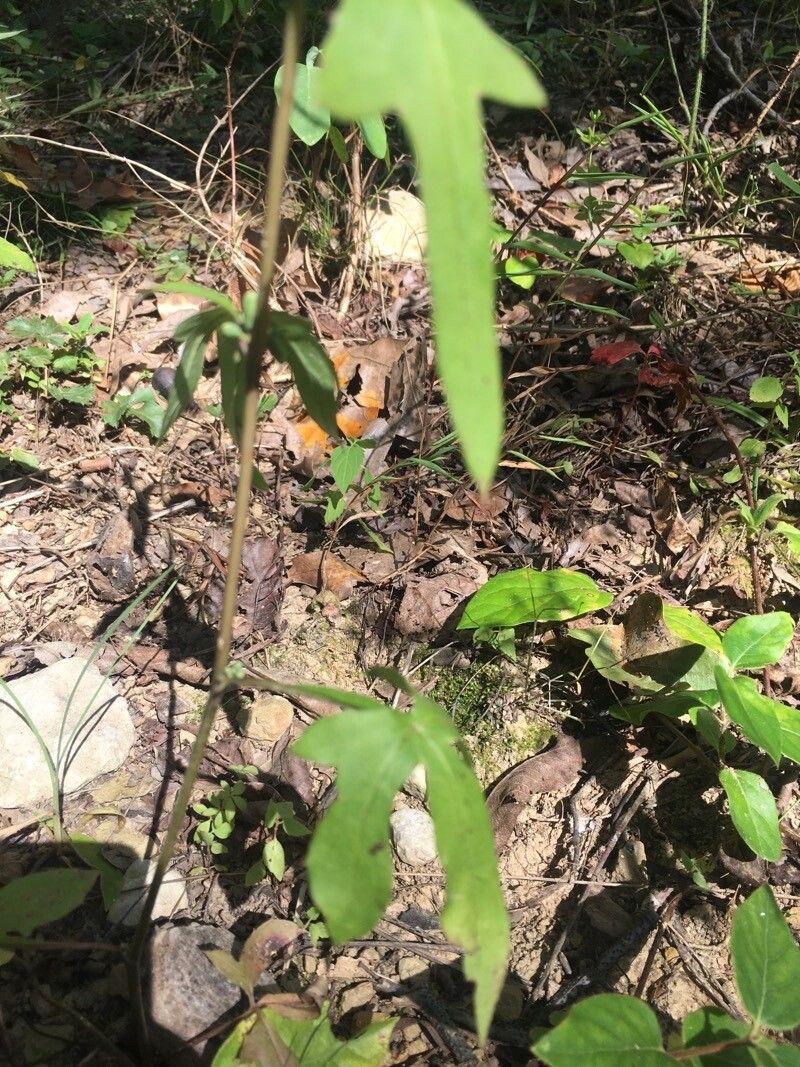
Reaching heights of up to 1.5 meters, Nabalus albus features a single stem adorned with deeply lobed or toothed alternate leaves. Its small, white flowers, each with a yellow center, form clusters at the top of the stem.
Historically, Native Americans have used Nabalus albus for its medicinal properties, particularly for treating snake bites, which is how it earned the name "rattlesnake root." The plant contains sesquiterpene lactones, compounds known for their anti-inflammatory properties.
Today, Nabalus albus is primarily grown as an ornamental plant in gardens, admired for its attractive foliage and blossoms. It also plays an essential role in the ecosystem by providing a valuable source of nectar for pollinators such as bees and butterflies.
In summary, Nabalus albus is a captivating plant with a rich history in traditional medicine and a significant ecological role. It supports pollinator populations and adds beauty to gardens across North America.
White rattlesnakeroot is fairly disease-resistant and typically not prone to illnesses. However, it can be vulnerable to pests and diseases present in its environment. These infections are generally mild. In terms of care, this plant requires a moderate level of maintenance. It should be pruned regularly to keep a good appearance and support healthy growth. Fertilizing can also help encourage flowering. White rattlesnakeroot is appropriate for anyone with outdoor space, such as a garden or patio, and does not demand extensive care experience. It may need more attention when cultivated indoors.
How to keep Nabalus Albus.
Light
White rattlesnakeroot grows best in locations with moderate sunlight, and it also shows good tolerance for areas with reduced light. Its vigor can be weakened where the sun is overly intense. Its native habitat has adapted it to moderate and lower light levels, so exposure that is either too strong or too weak leads to stunted growth.
Water
White rattlesnakeroot flourishes in moist woodlands where the soil remains consistently damp but not waterlogged. To keep it well-hydrated, it needs to be watered weekly. As an herbaceous perennial, it is sensitive to changes in rainfall patterns, which can affect its watering requirements and overall health.
Temperature
In its native environment, white rattlesnakeroot prefers temperatures from 41 to 89 ℉ (5 to 32 ℃). It tolerates both cooler and warmer conditions and adjusts its growth to match the seasons. In winter it adapts to lower temperatures, and raising the temperature to 72 ℉ (22 ℃) in summer supports its growth.
Fertilizer
For White rattlesnakeroot, a single spring fertilizer application is generally adequate, though repeated feedings can maximize growth. Apply fertilizer roughly every one to one and a half months. Fertilization improves leaf appearance and function, helping maintain even color and a healthy texture. It also promotes root development and nutrient uptake, supporting long-term plant health.
Pruning
Pruning is essential for keeping white rattlesnakeroot healthy and promoting its growth and flowering. To do this, prune the plant from early to late spring. Remove any dead or damaged stems and thin out the plant to improve air circulation. This practice helps prevent overcrowding and reduces the risk of disease, ensuring that white rattlesnakeroot remains vigorous and beautiful.
Botanical profile.
- Plant Type
- Herb
- Life Cycle
- Perennial
- Genus
- Nabalus
- Family
- Asteraceae
- Hardiness Zone
- 4-8
- Mature Height
- 0.61 m to 1.52 m
- Mature Spread
- 30 cm to 46 cm
- Leaf Color
- Green, Blue
- Leaf Type
- Deciduous
- Flower Color
- White, Yellow, Purple
- Flower Size
- 2.54 cm to 5.08 cm
- Bloom Time
- Mid summer
- Planting Time
- Spring
- Harvest Time
- Mid summer, Late summer
Other names.
Reader questions.
How should I water my White rattlesnakeroot plant?
To ensure the health of the White rattlesnakeroot, follow these watering tips. First, use filtered water at room temperature, as tap water may contain harmful particles. Secondly, the water should be at room temperature or slightly warmer to avoid shocking the plant, considering its warm natural habitat. Additionally, avoid overhead watering, as it can lead to leaf problems. Instead, simply soak the soil with filtered room temperature water until it is completely saturated. This helps moisten the roots and supports their spread in the soil, enabling nutrient collection.
Why is it necessary to fertilize my White rattlesnakeroot?
To keep the leaves of the White rattlesnakeroot in good condition and serving their purpose, fertilization is crucial. Proper fertilization ensures consistent leaf color and a healthy texture. Additionally, it benefits the plant by promoting root growth and maintenance. This not only keeps the plant healthy presently but also improves its ability to absorb nutrients from the soil in the future.
What are the sunlight requirements for White rattlesnakeroot?
White rattlesnakeroot thrives in moderate sunlight but can adapt to both full shade, receiving less than 3 hours of sunlight, and partial sun, with about 3-6 hours of sunlight daily. It's essential to observe the sunlight's movement in your garden to select spots that offer a balance of light and shade, ensuring the plant's well-being. Excessive sunlight can be harmful to this plant, as it's accustomed to moderate and lower light conditions in its natural habitat, leading to potential growth issues with too much or too little exposure.
What is the native growth temperature range for white rattlesnakeroot?
White rattlesnakeroot thrives in its native growth environment with temperatures ranging from 41 to 89°F (5 to 32°C). It is adaptable to both low and high temperatures, adjusting its growth pattern according to the seasons. This includes adapting to colder temperatures during the winter and benefiting from temperatures up to 72°F (22°C) in the summers to establish growth. Strong cold resistance is a notable feature of white rattlesnakeroot, making special frost protection measures unnecessary for most of the winter. However, in extreme cold where temperatures are expected to drop below -30°C, it's crucial to provide cold protection by covering the plant with soil or straw and watering it abundantly before the first freeze to ensure the soil remains moist.
What should I do if I give my White rattlesnakeroot plant too much or too little water?
Overwatering is a more common issue than underwatering for the health of your White rattlesnakeroot. When this plant receives too much water, it may wilt, turn yellow, and be prone to diseases like root rot, mold, and mildew. Underwatering is less common, but it can make the leaves brittle and brown. It's important to notice signs of overwatering early and reduce watering immediately. If the soil doesn't drain well, replace it with a loose, well-draining potting mix. If the plant is not getting enough water, simply water more regularly until the signs of underwatering subside.
When should I fertilize my White rattlesnakeroot plant for the best results?
If you grow White rattlesnakeroot outdoors, it will send out new growth in early spring. This is the signal to start fertilizing for the year. Generally, one application of fertilizer in the spring is sufficient. However, if you want maximum growth, you can fertilize multiple times throughout the spring and early summer. In this case, feed the plant approximately every month to a month and a half.
How does artificial lighting support White rattlesnakeroot indoors?
Artificial lighting becomes crucial for White rattlesnakeroot when natural sunlight is insufficient, especially in winter or less sunny spaces. Optimal growth is supported by LED lights, which can provide specific light wavelengths needed by the plant. For full sun plants, 30-50W/sq ft of artificial light is recommended, 20-30W/sq ft for partial sun plants, and 10-20W/sq ft for full shade plants. The artificial light source should be placed 12-36 inches above the plant, mimicking natural sunlight. It's also vital to simulate natural daylight hours, generally 8-12 hours of light per day, depending on the plant species.
How does white rattlesnakeroot respond to low temperatures?
White rattlesnakeroot is cold-tolerant and fares best at temperatures above 5°C. Although it can survive winter conditions, it should ideally be kept above -25°C to avoid any negative impacts. When temperatures fall below -30°C, the plant may not exhibit noticeable changes during the winter, but come spring, there may be a decrease in sprouting, or the plant may not sprout at all. To address issues related to low sprouting in spring, it is recommended to remove any parts of the plant that have failed to sprout.
How often should I water my White rattlesnakeroot?
If you have your White rattlesnakeroot in a pot, the best way to check if it needs water is by sticking your finger into the soil. If the top two to three inches of soil feel dry, then it's time to water it. If you have it planted outside in the ground, you can use the same method. When the top few inches of soil are dry, it's time to water. In the spring and early fall, you'll likely need to water this plant about once a week using this method. However, during very hot weather, you may need to water it twice a week or more. Despite this, mature, well-established White rattlesnakeroot plants are able to handle drought well.
When should I not add fertilizer to my White rattlesnakeroot plant?
During the late fall and winter, your White rattlesnakeroot will go into a dormant phase and stop growing. It is advised to avoid fertilizing it during this time. In the spring and summer, if you choose to fertilize multiple times, start decreasing the rate of fertilization as summer approaches since the plant's growth rate will slow down too. Generally, it's not recommended to fertilize your White rattlesnakeroot when the weather is unusually hot or the soil is extremely dry, as this can stress the plant and lead to premature death.
What symptoms indicate insufficient light for White rattlesnakeroot?
When White rattlesnakeroot receives insufficient light, particularly indoors, it may show several symptoms, including smaller new leaves, leggy or sparse growth, faster leaf drop, slowed or halted growth, and new leaves that appear lighter in color or chlorotic. Conditions such as chlorosis, sunscald, leaf curling, wilting, and leaf scorching are also symptoms that can arise from inappropriate light conditions. These signs indicate either an excess or deficiency in light exposure, impacting the plant's photosynthesis process negatively.
What should be done if white rattlesnakeroot is exposed to high temperatures?
During the summer months, it is crucial to keep white rattlesnakeroot's temperature below 32°C. Exposure to temperatures above 35°C can cause the leaves to lighten in color, curl, and become prone to sunburn. In severe cases, the plant may wilt and dry out entirely. To help the plant recover from high temperature exposure, trim away any sunburned or dried parts. Moving the plant to a location with shade during the midday and afternoon sun or using a shade cloth can provide protection. Additionally, watering the plant in the morning and evening will help keep the soil moist and support the plant's recovery.