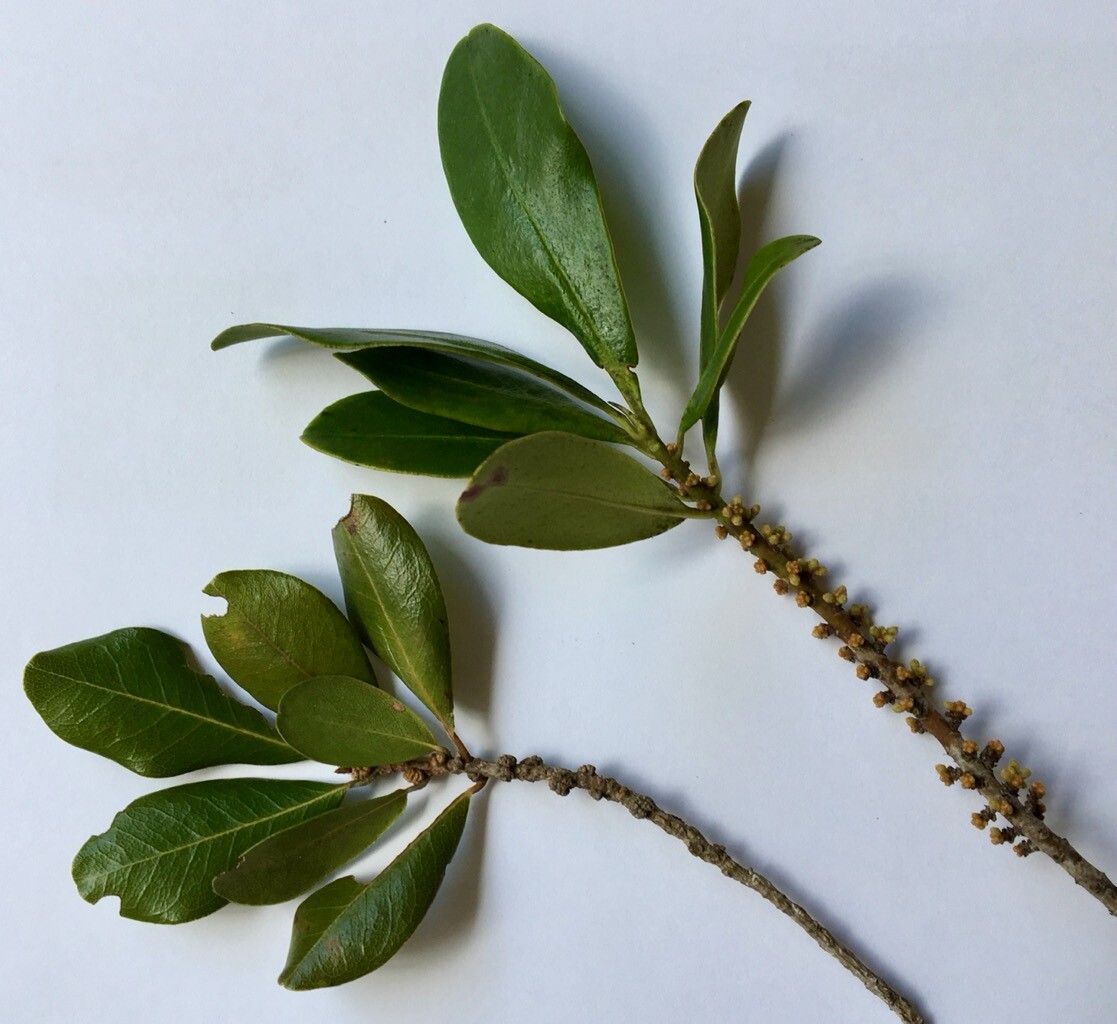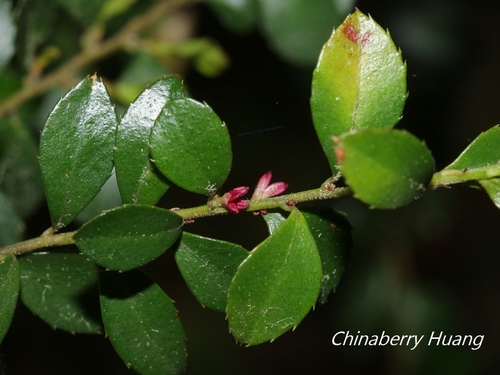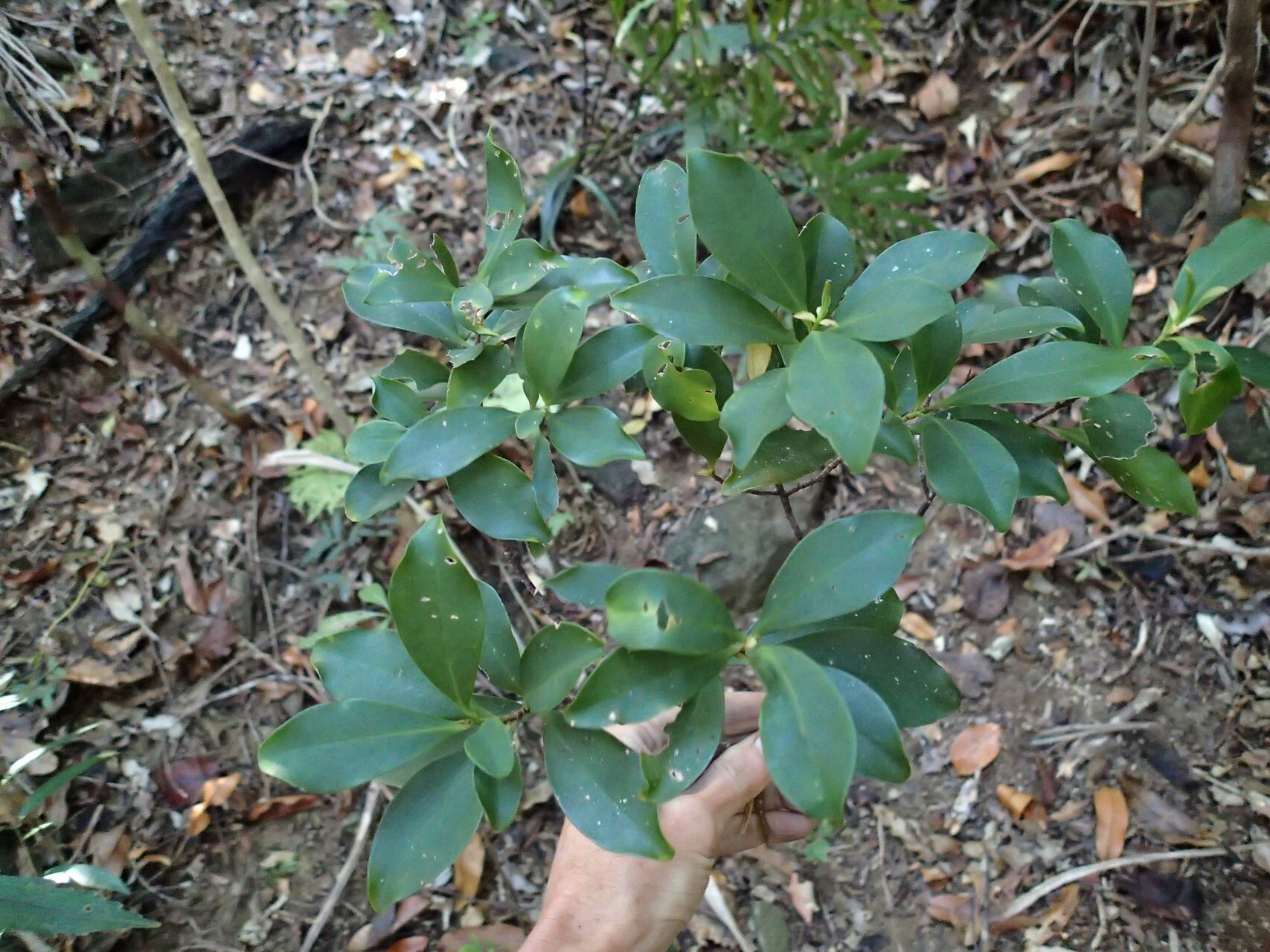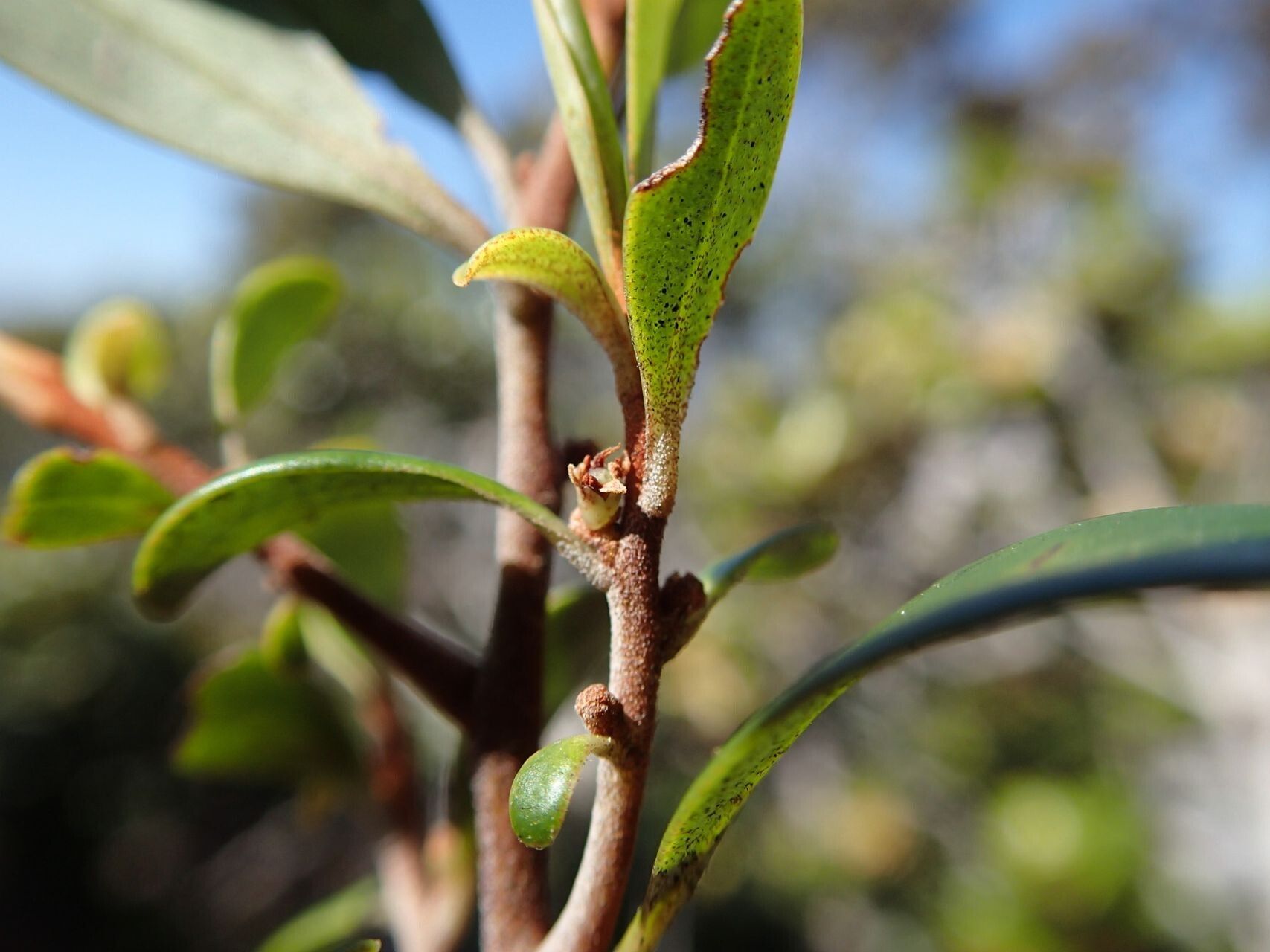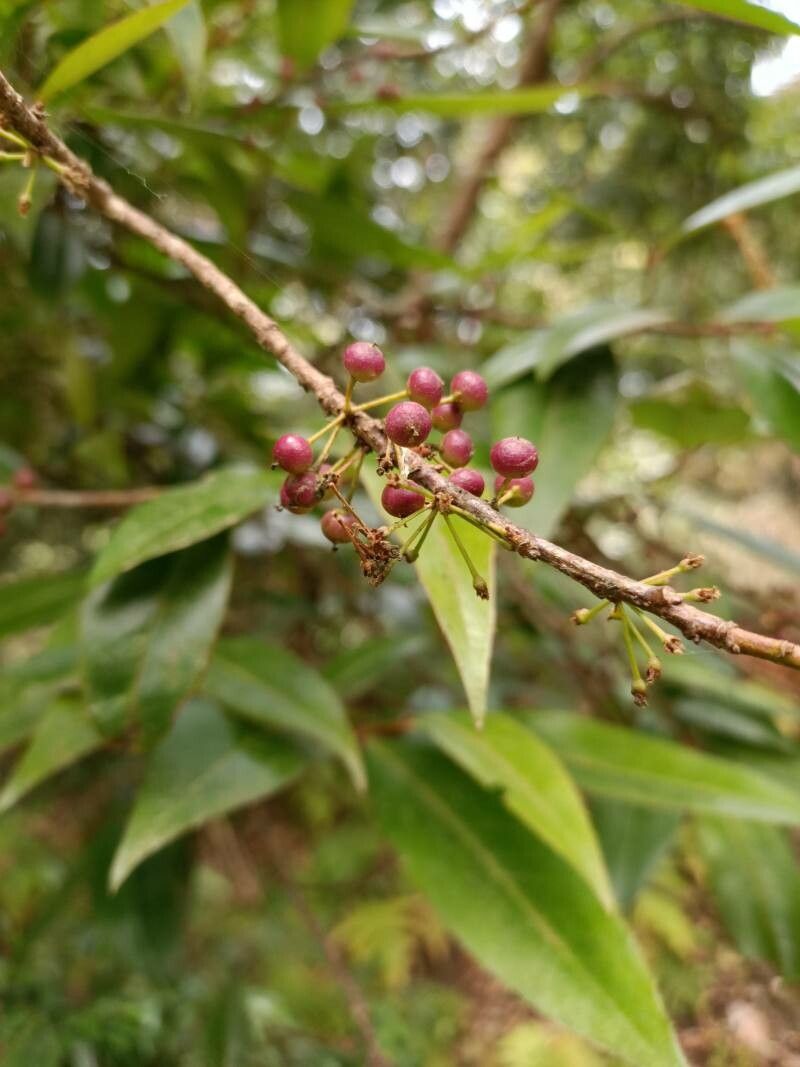
Blueberry myrtle is fairly disease-resistant and typically not susceptible to illnesses. As for care, this plant is relatively low-maintenance. Planted outdoors it needs minimal watering, and larger specimens usually do not require pruning. Smaller plants, however, should be pruned after they finish blooming. Blueberry myrtlet is suitable for anyone with an outdoor area, such as a garden or deck, and does not demand extensive gardening experience.
How to keep Myrsine Semiserrata.
Light
The blueberry myrtle prospers under abundant sunlight, showing vigorous growth in those conditions. It is also hardy enough to tolerate moderate light levels. Its native habitats receive plentiful sunshine. Nevertheless, too much light can possibly harm it. Conversely, insufficient exposure may hinder its growth.
Temperature
Blueberry myrtle is native to regions where temperatures usually range from 32 to 90 °F (0 to 32 °C). It favors a moderate climate and may need careful monitoring and seasonal adjustments to ensure optimal growth.
Fertilizer
Timing is essential when fertilizing Blueberry myrtle. Apply fertilizer in early spring and continue monthly until early summer. The fertilizer encourages attractive blooms and supplies energy during both dormant and active growth periods.
Pruning
Blueberry myrtle is a dense evergreen shrub with glossy, serrated leaves and small dark berries. To promote growth and improve airflow, it is best to prune the shrub from early to late winter. Regular pruning encourages denser foliage and improves berry production. For more detailed guidance, consult additional resources.
Botanical profile.
- Plant Type
- Tree, Shrub
- Life Cycle
- Perennial
- Genus
- Myrsine
- Family
- Primulaceae
- Hardiness Zone
- 3-8
- Mature Height
- 3.05 m to 7.01 m
- Mature Spread
- 61 cm to 91 cm
- Leaf Color
- Dark Green, Forest Green
- Leaf Type
- Evergreen
- Flower Color
- White
- Flower Size
- 0.25 cm to 0.51 cm
- Bloom Time
- Mid spring, Late spring
- Planting Time
- Spring, Summer, Autumn
- Harvest Time
- Late summer, Early fall, Mid fall
- Native Area
- Nepal, India, Vietnam, Myanmar, Bhutan, Pakistan, Laos, Thailand, China
Reader questions.
What are the sunlight requirements for Blueberry Myrtle?
Blueberry Myrtle requires full sun, meaning it should receive above 6 hours of sunlight daily, but can also thrive in partial sun, with about 3-6 hours of sunlight. Observing the movement of sunlight through your garden and selecting locations that offer an ideal mix of light and shade will ensure the wellbeing of your plants. Originating from habitats with abundant sunlight, the Blueberry Myrtle shows vigorous growth under plenty of solar exposure but can also manage moderate sunlight. However, excessive sunlight might cause harm, whereas too little can hinder its growth.
What is Blueberry Myrtle?
Blueberry myrtle, scientifically known as Myrsine semiserrata, is a plant indigenous to locales where temperatures range between 32 to 90°F (0 to 32°C). It thrives in moderate climates and exhibits strong cold resistance, making it well-suited to various environmental conditions without needing special frost protection in most cases.
How does artificial lighting affect Blueberry Myrtle growth?
In situations where natural sunlight is insufficient, especially during winter or in less sunny areas, artificial lighting can play a crucial role in the optimal growth of indoor Blueberry Myrtle plants. It is advisable to use LED lights, which can be tailored to provide the specific wavelengths needed by the plants. Full sun plants require 30-50W/sq ft, partial sun plants 20-30W/sq ft, and full shade plants 10-20W/sq ft of artificial light. Positioning the light source 12-36 inches above the plant and ensuring it receives 8-12 hours of light per day can mimic natural sunlight conditions.
How do you protect Blueberry Myrtle in extreme winter conditions?
In the event of exceptionally cold winters, where temperatures are anticipated to drop below -35°C, Blueberry myrtle requires protection to prevent cold damage. This can be accomplished by wrapping the plant's trunk and branches in non-woven fabric or cloth. Additionally, it's advisable to water the plant thoroughly before the first freeze of autumn to ensure the soil remains moist and enters a frozen state, aiding the plant through winter and early spring.
What are the common symptoms of inadequate light in Blueberry Myrtle?
Blueberry Myrtle may exhibit several symptoms when exposed to suboptimal lighting, including the growth of smaller new leaves, leggy or sparse growth, faster leaf drop, slower or halted new growth, and the appearance of lighter-colored or yellow leaves (chlorosis). Excessive sunlight exposure can cause leaf scorching, sunscald, leaf curling, wilting, and damage to the leaves or stems, marked by pale, bleached, or necrotic areas, indicating the plant's struggle with light conditions.
What happens to Blueberry Myrtle in low temperatures?
Blueberry Myrtle is quite cold-tolerant and ideally should remain above 0°C during the winter. Should temperatures fall below -35°C, the plant might not show immediate distress during the colder months, but its branches can become brittle, dry out by spring, and fail to produce new shoots.
How can you manage light exposure for Blueberry Myrtle?
Managing light exposure for Blueberry Myrtle involves several strategies. Indoors, gradually move your plant to a sunnier location each week until it receives at least 6 hours of direct sunlight daily, utilizing a south-facing window for maximum exposure. Artificial light sources, like desk or ceiling lamps left on for at least 8 hours daily or professional grow lights, can supplement natural light for large plants or those in less movable positions. Outdoors, it's crucial to acclimate your plants to sunnier spots gradually to prevent sunburn. Reducing obstructions, such as by pruning trees, or transplanting smaller plants during their dormant period can enhance sunlight access. Remember, while parts of the plant that suffered from insufficient light may not recover, new growth should flourish under improved lighting conditions.
How should you care for Blueberry Myrtle after experiencing low temperatures?
After exposure to severe low temperatures, it is important to prune away any dead branches on the Blueberry Myrtle that have not produced new leaves by spring. This helps in maintaining the health and aesthetic of the plant.
What symptoms indicate that Blueberry Myrtle is experiencing high temperatures?
When subjected to high temperatures, particularly above 35°C during the summer, Blueberry Myrtle may exhibit symptoms such as lighter leaf color, dry and withered leaf tips, and increased susceptibility to sunburn. These signs indicate that the plant is in distress due to excessive heat.
How can you protect Blueberry Myrtle from high temperatures?
To protect Blueberry Myrtle from high temperatures, it's recommended to trim away any sunburned or dried parts of the plant. Moving the plant to a shaded area or using a shade cloth can shield it from harsh midday and afternoon sun. Ensuring the soil remains moist by watering in the early morning or evening also helps mitigate heat stress.