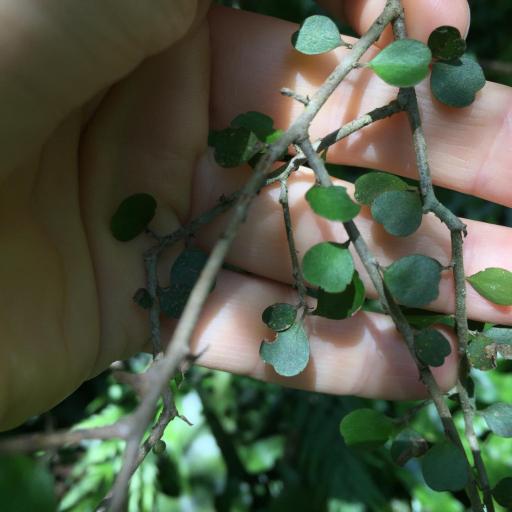
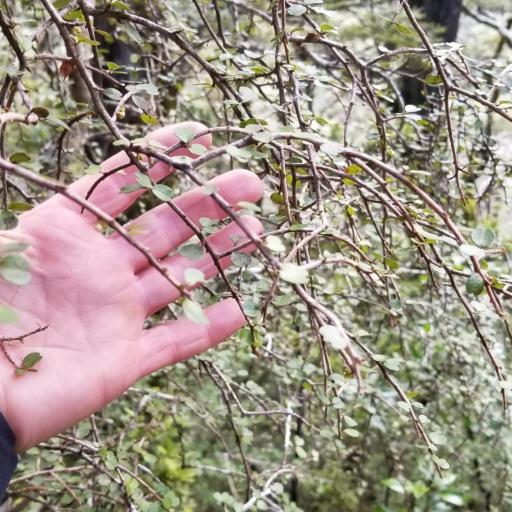
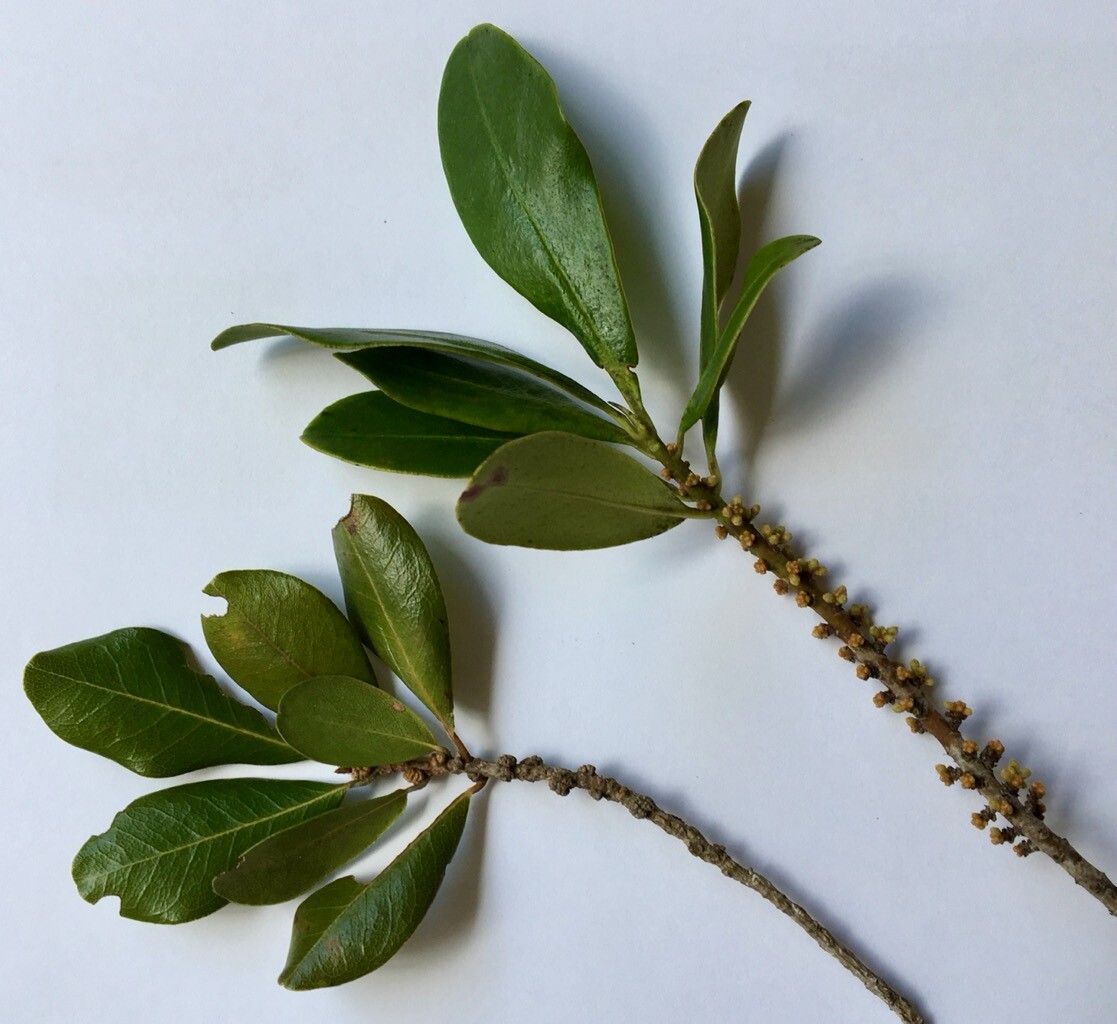
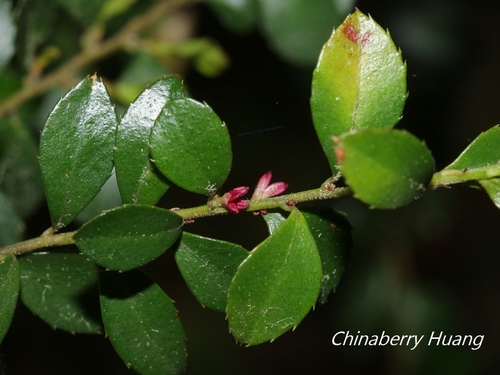
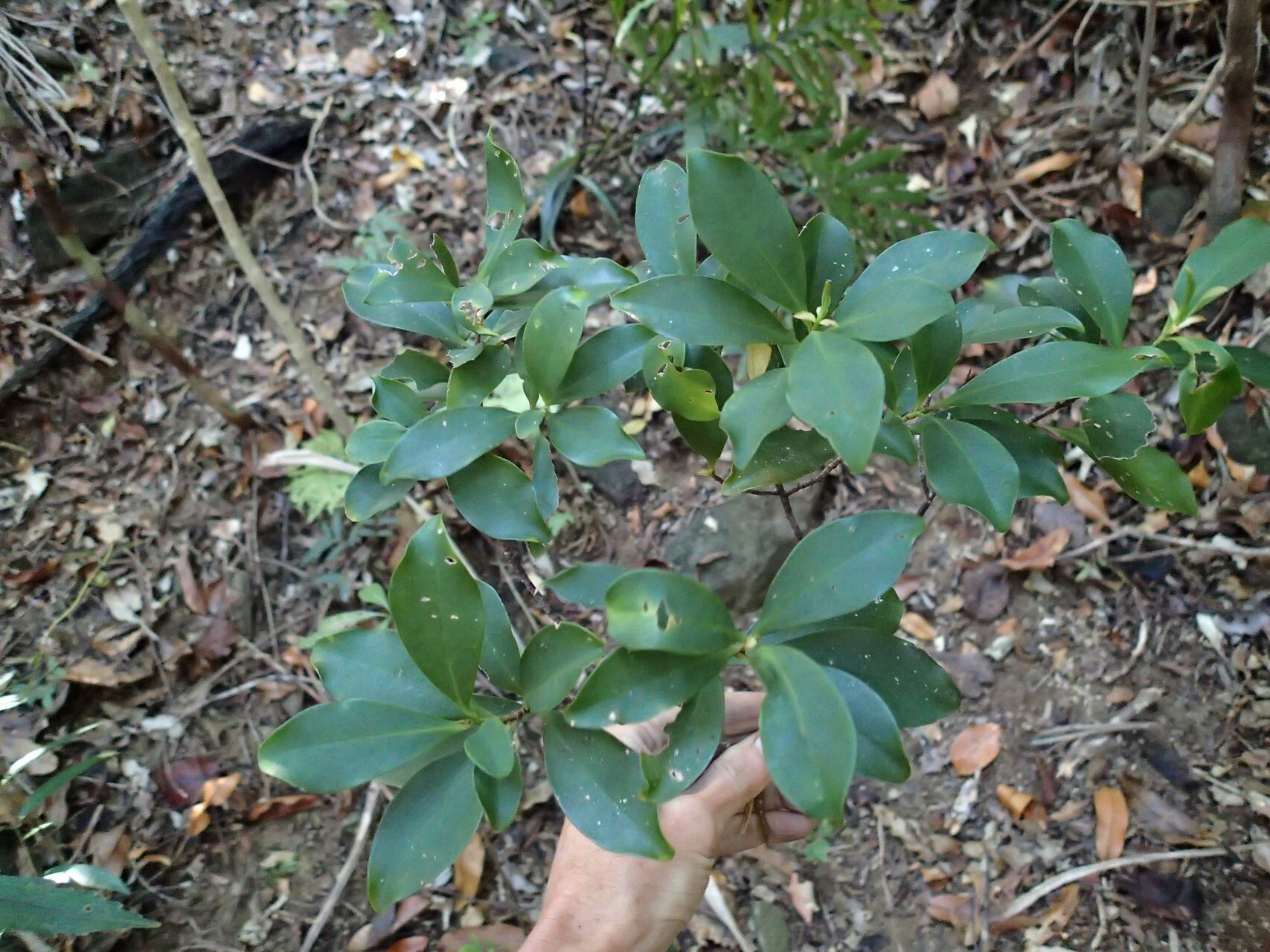
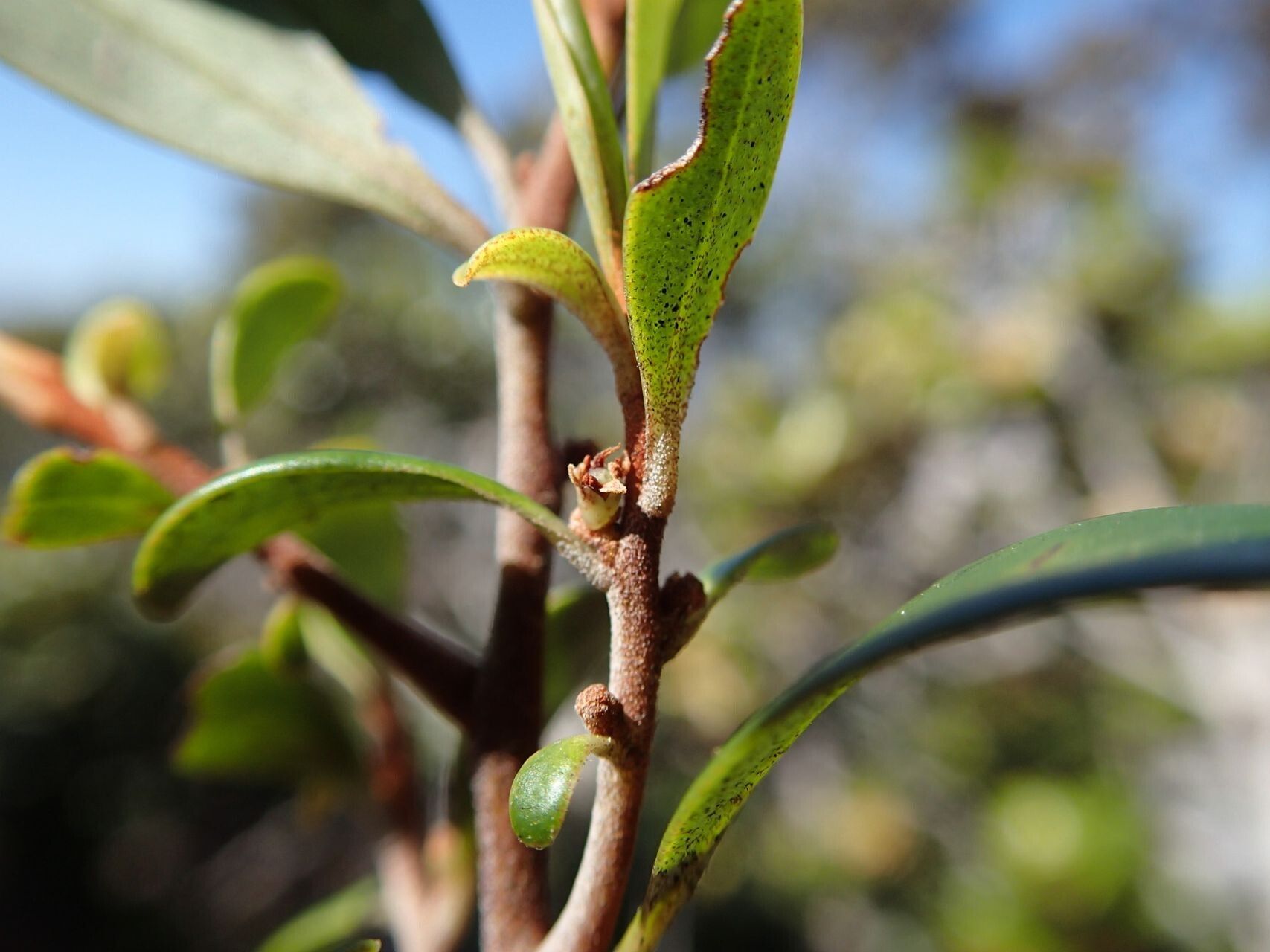
Myrsine divaricata known as weeping māpou or weeping matipo, is a small tree up to 4 metres (13 ft) tall or often a shrub. It has a strongly divaricating habit with interlaced branched. The woody parts are stiff and pubescent when young. The small leathery simple leaves are borne on short petioles and may be slightly two lobed at the end. The very small yellow or reddish flowers may be borne singly or in small groups which mature into small purple, occasionally white, fruit.
Weeping mapou is resistant to disease and is generally unlikely to develop illnesses. Regarding care, this plant is fairly low-maintenance. When grown outdoors it needs little watering, and larger specimens typically do not require pruning. Smaller plants, however, should be pruned after they have finished blooming. Weeping mapou is appropriate for anyone with outdoor space, such as a garden or a deck, and does not require much plant-care experience.
How to keep Myrsine Divaricata.
Light
The weeping mapou typically prospers when subjected to considerable sunlight, which promotes its growth. Hailing from environments rich in luminosity, it exhibits a degree of adaptability to settings that are less sunlight-dense. However, excessive sunlight or overly shaded conditions elicit stress in the plant, obstructing its growth and well-being.
Water
The weeping mapou thrives in humid environments and needs consistent humidity, requiring watering every three weeks. It has moderate drought tolerance and retains moisture effectively. Its foliage helps reduce water loss, maintaining internal humidity throughout the seasons.
Temperature
The Weeping mapou is highly adaptable to a range of weather conditions, be it the intensity of summer or the chill of winter. Nevertheless, there exists an ideal temperature spectrum for its development. If temperatures rise to extreme levels, the plant tends to suffer from heat and humidity-induced stress, leading potentially to its death. In areas where the cold challenges its endurance limit, it becomes critical to execute measures for insulating the plant to ensure its survival.
Fertilizer
It's imperative to fertilize Weeping mapou at the right times. Apply fertilizer in the beginning of spring and continue on a monthly basis until the start of summer. Fertilizer aids in generating beautiful blooms and supplies energy during periods of dormancy and active growth.
Pruning
The weeping mapou is a small evergreen shrub with graceful, drooping branches and shiny leaves. For optimal health and appearance, prune it in early spring to shape the plant and remove any dead wood. This will improve air circulation and allow more sunlight to reach the inner branches. Make sure to use sharp, clean tools to reduce stress on the plant. Regular pruning not only maintains the shrub's health but also enhances its visual appeal.
Botanical profile.
- Plant Type
- Tree, Shrub
- Life Cycle
- Perennial
- Genus
- Myrsine
- Family
- Primulaceae
- Hardiness Zone
- 8-11
- Mature Height
- 3.96 m
- Mature Spread
- 1.52 m
- Leaf Color
- Dark Green
- Leaf Type
- Semi-evergreen
- Flower Color
- White
- Flower Size
- 0.20 cm to 0.51 cm
- Bloom Time
- Early fall, Mid fall
- Planting Time
- Spring, Autumn
- Harvest Time
- Winter
- Native Area
- New Zealand