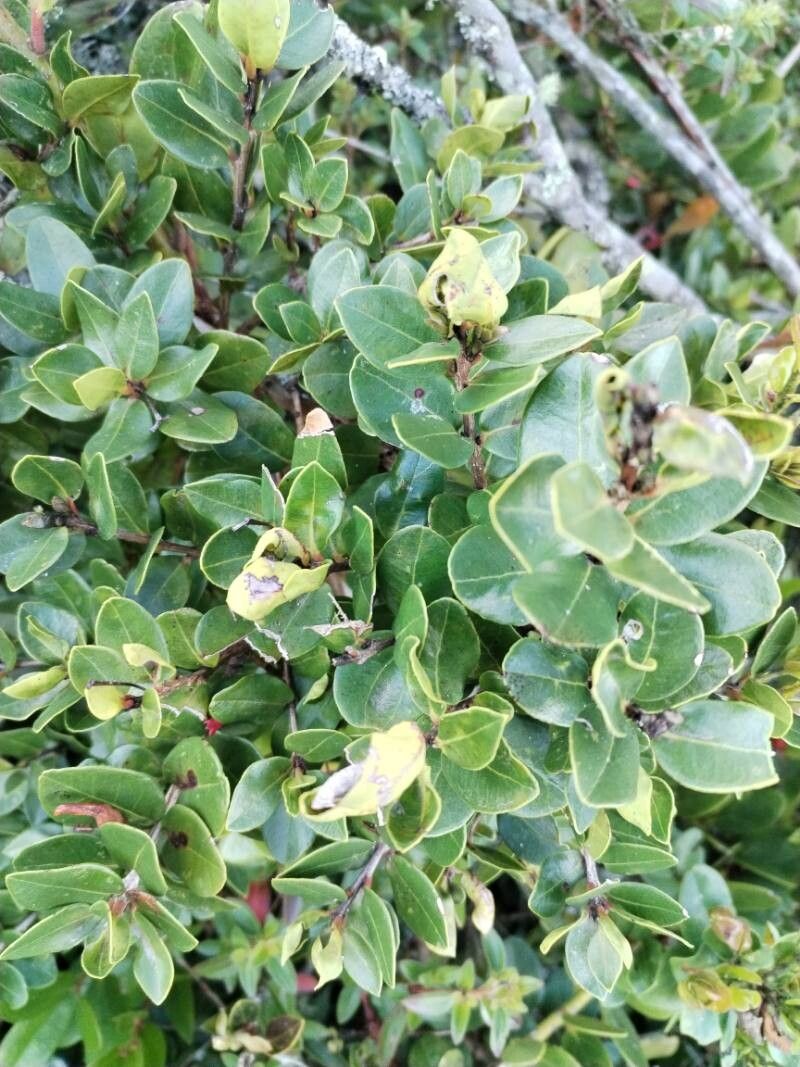
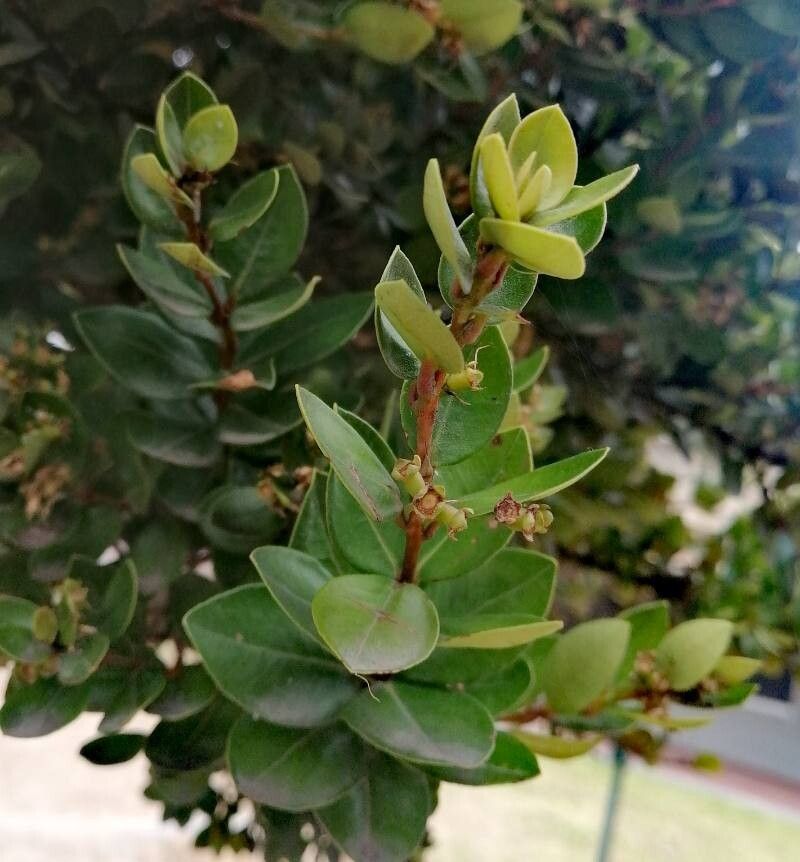
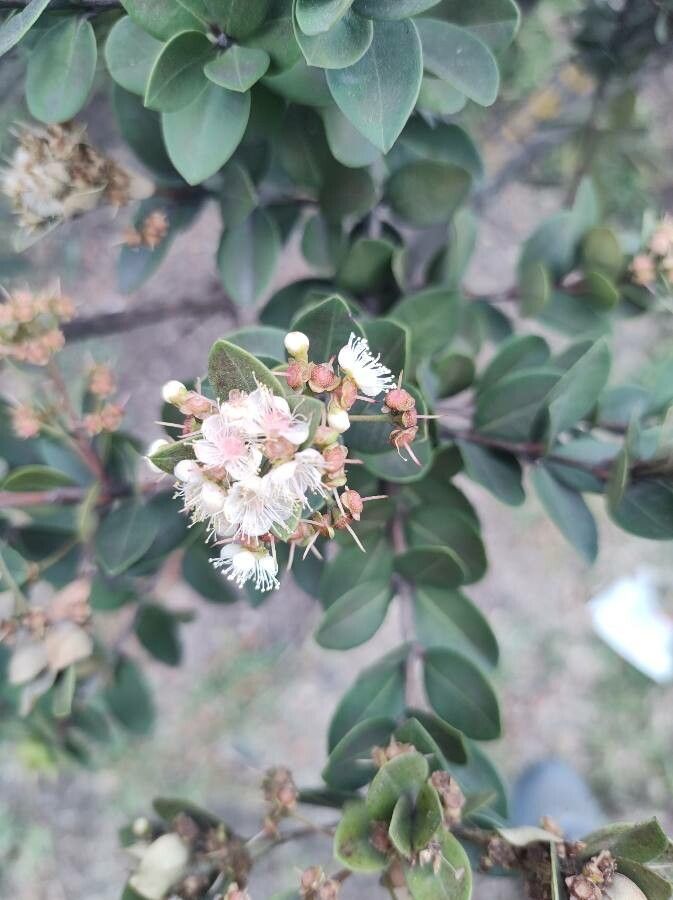
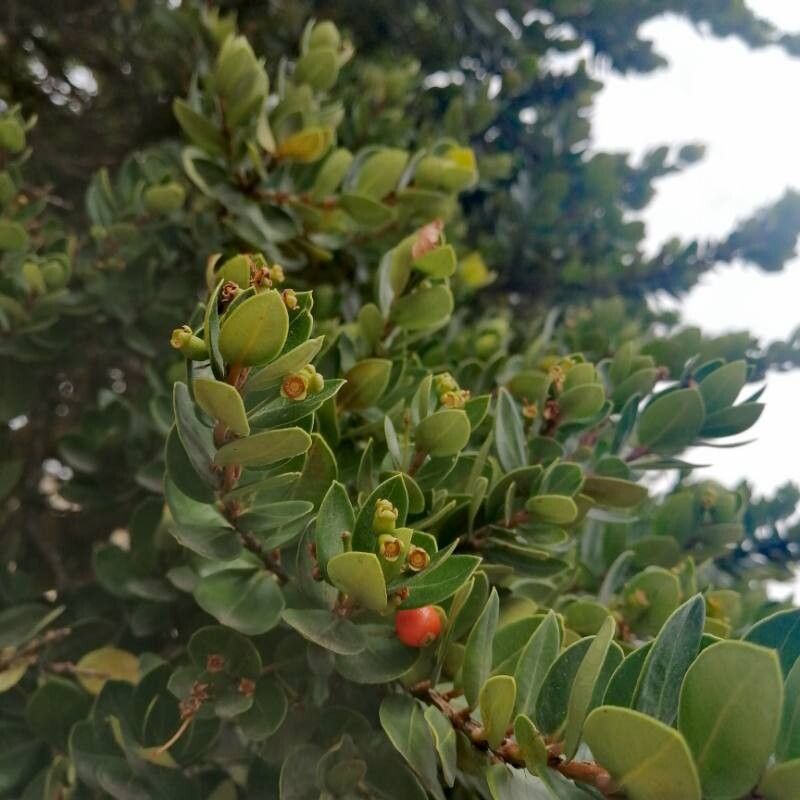
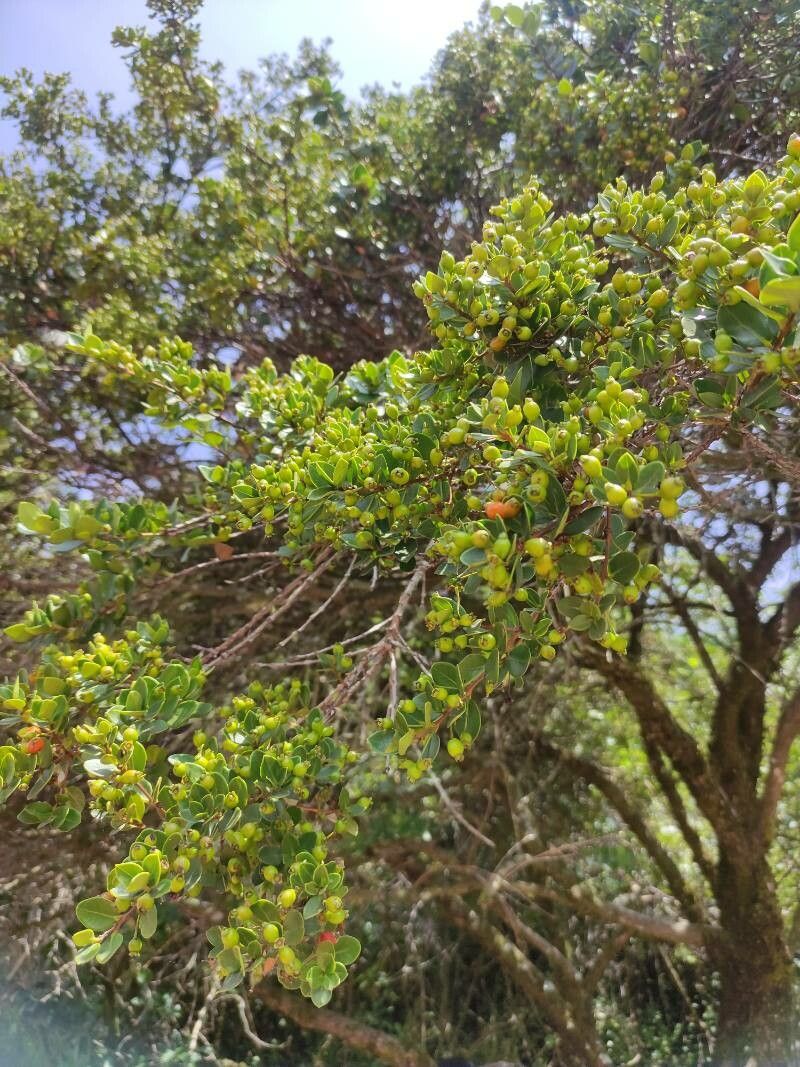
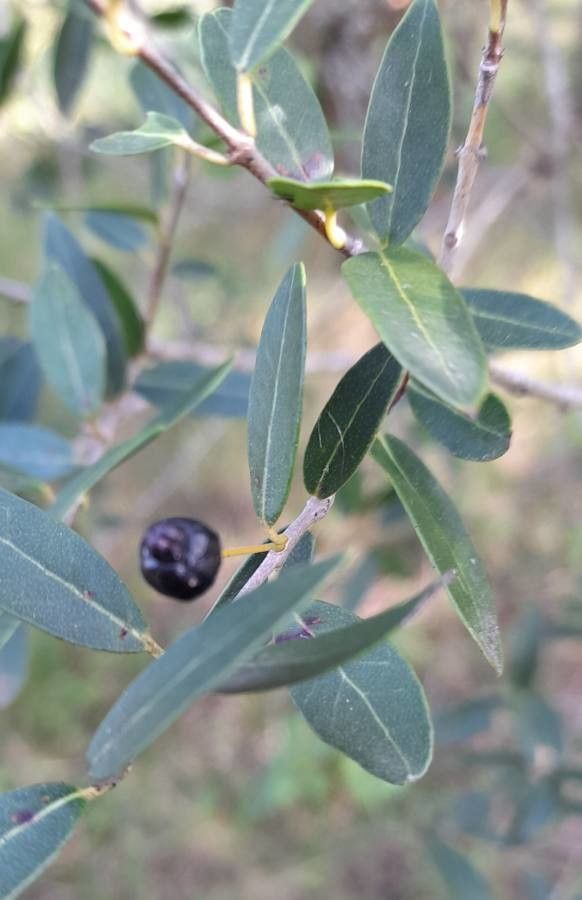
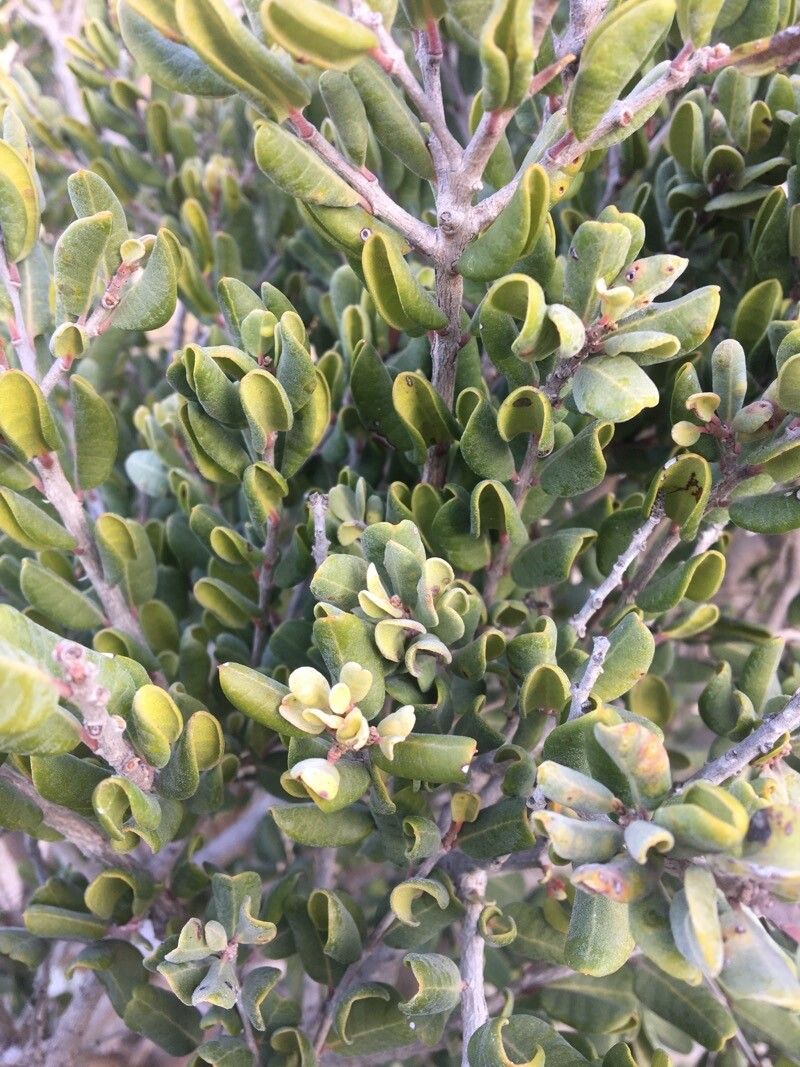
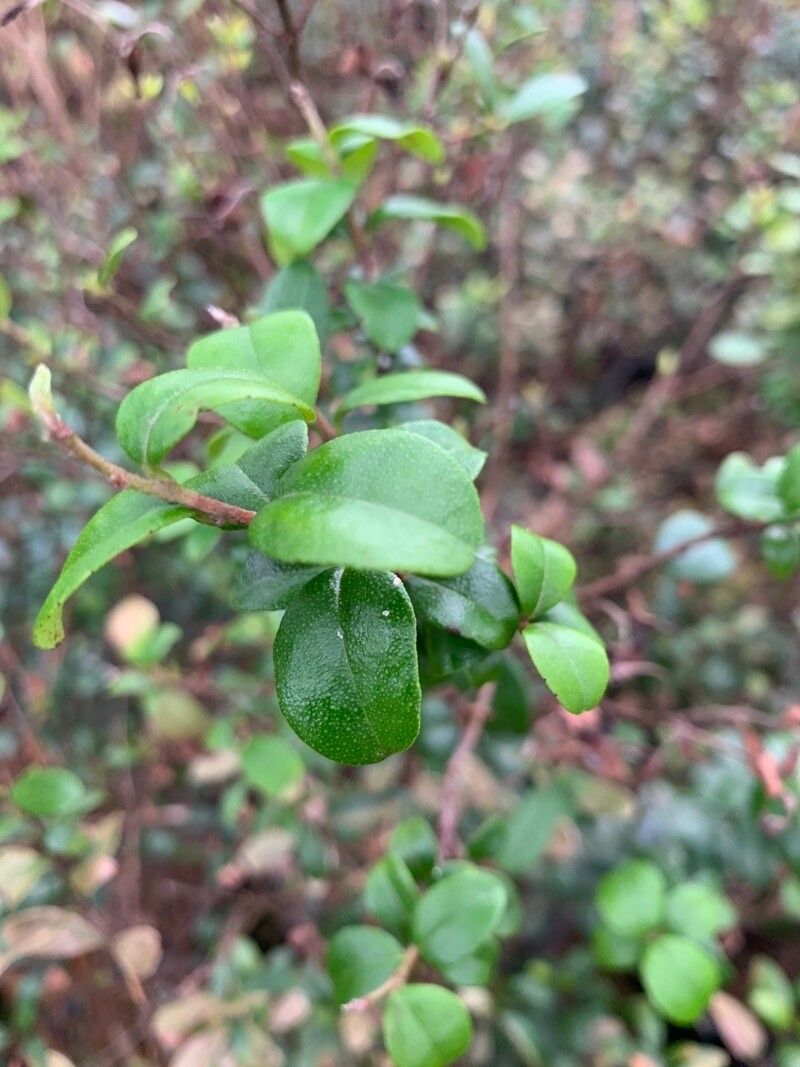
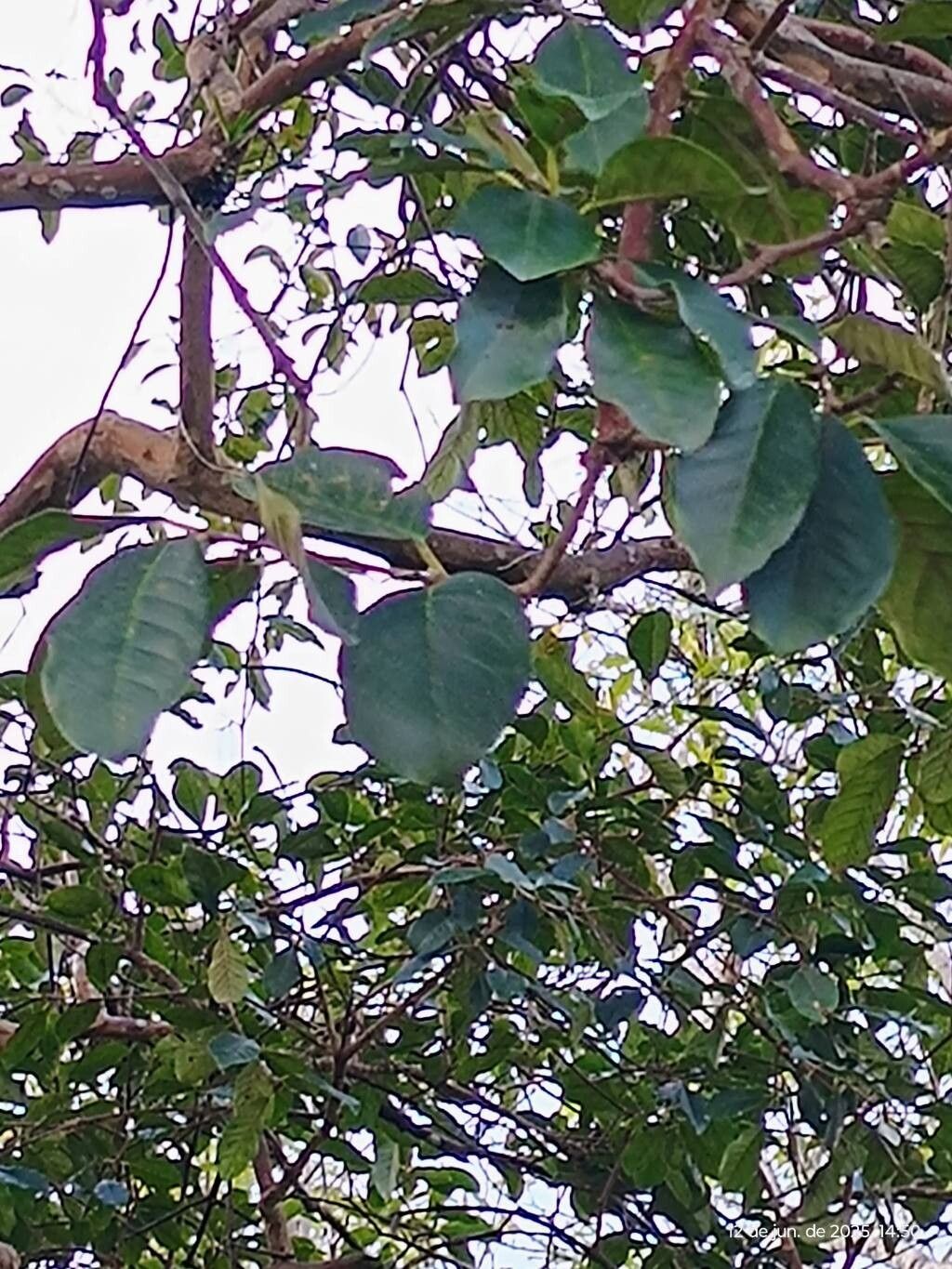
The Castile guava has strong resistance to disease and is generally not susceptible to illnesses. In terms of care, this plant is fairly low-maintenance. When grown outdoors it needs minimal watering, and larger specimens usually do not require pruning. Smaller plants, however, should be pruned after they have finished blooming. Castile guava is suitable for anyone with outdoor space, such as a garden or a deck, and does not demand extensive care experience.
How to keep Myrcianthes Leucoxyla.
Light
Castile guava comes from open habitats, such as sunny meadows and forest edges, where abundant light is available. It flourishes in Full Sun but can also tolerate Partial Sun, showing good adaptability to different sunlight conditions.
Water
Castile guava originates from arid regions and is highly drought-tolerant, needing water only every 2-3 weeks. It is perfect for outdoor landscapes because it thrives in areas with sporadic rainfall and can endure dry spells effectively.
Temperature
Castile guava comes from tropical areas, where the weather is generally warm and humid. Therefore it is well suited to high heat and moisture. It does not tolerate abrupt temperature shifts and favors a steady temperature, so avoiding indoor temperature fluctuations is important. It typically cannot withstand cold and needs warmer conditions to grow. If the surrounding temperature falls too low, growth can stop or the plant may die.
Fertilizer
Use organic fertilizers (e.g., fish emulsion, compost) instead of chemical fertilizers for Castile guava. Supply young plants with higher amounts of nitrogen and phosphorus in spring. Incorporate compost or fertilizer into the soil before or after planting. For mature plants, supplement in spring with a balanced fertilizer or one targeted to specific deficiencies. Nutrient deficiency causes small leaves, short branches, yellow or bronze leaves, acidic fruits, premature fruit fall, and splitting.
Pruning
The Castile guava is a resilient shrub known for its fragrant white flowers and edible fruits. To promote its health and appearance, it should be pruned between early and late winter. This involves removing dead branches, thinning dense areas to improve air circulation, and shaping the plant. Proper pruning encourages healthier growth, boosts fruit production, helps prevent pest infestations, and enhances the shrub's visual appeal.
Botanical profile.
- Plant Type
- Tree
- Life Cycle
- Perennial
- Genus
- Myrcianthes
- Family
- Myrtaceae
- Hardiness Zone
- 9-11
- Mature Height
- 0.49 m to 6.1 m
- Mature Spread
- 3.96 m to 6.1 m
- Leaf Color
- Dark Green
- Leaf Type
- Evergreen
- Flower Color
- White
- Flower Size
- 1.02 cm to 2.03 cm
- Bloom Time
- Mid spring, Late spring
- Planting Time
- Autumn, Winter
- Harvest Time
- Summer
- Native Area
- Colombia, Venezuela