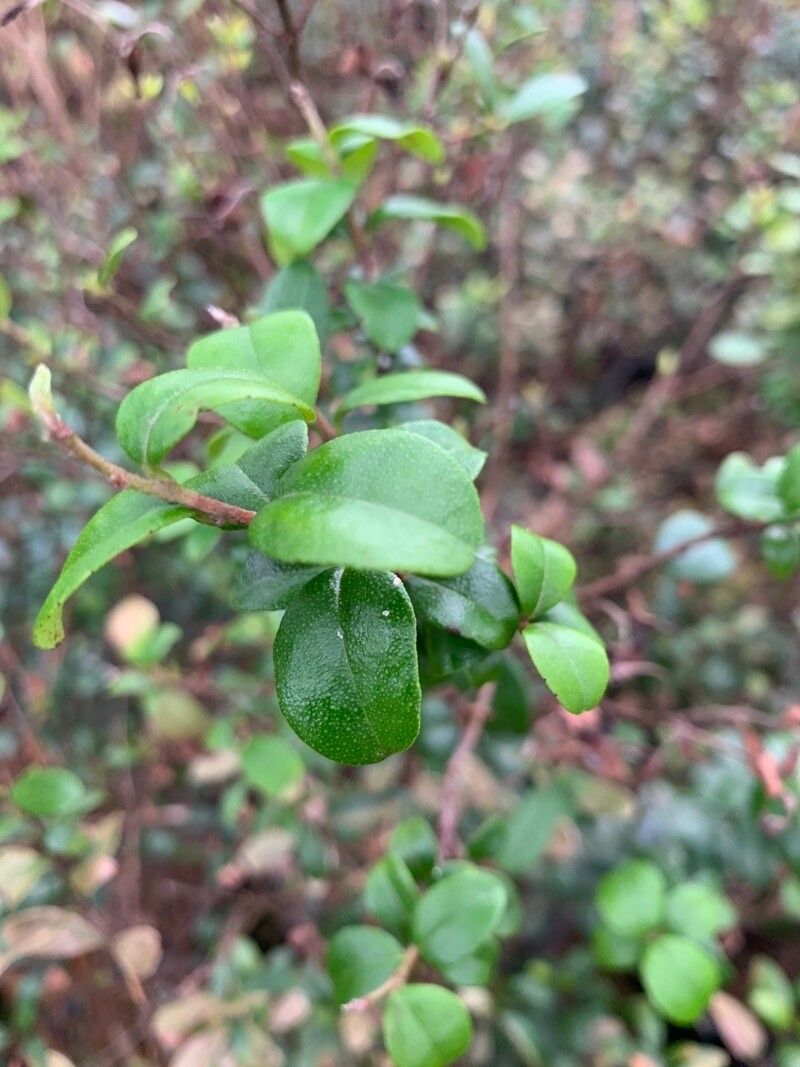
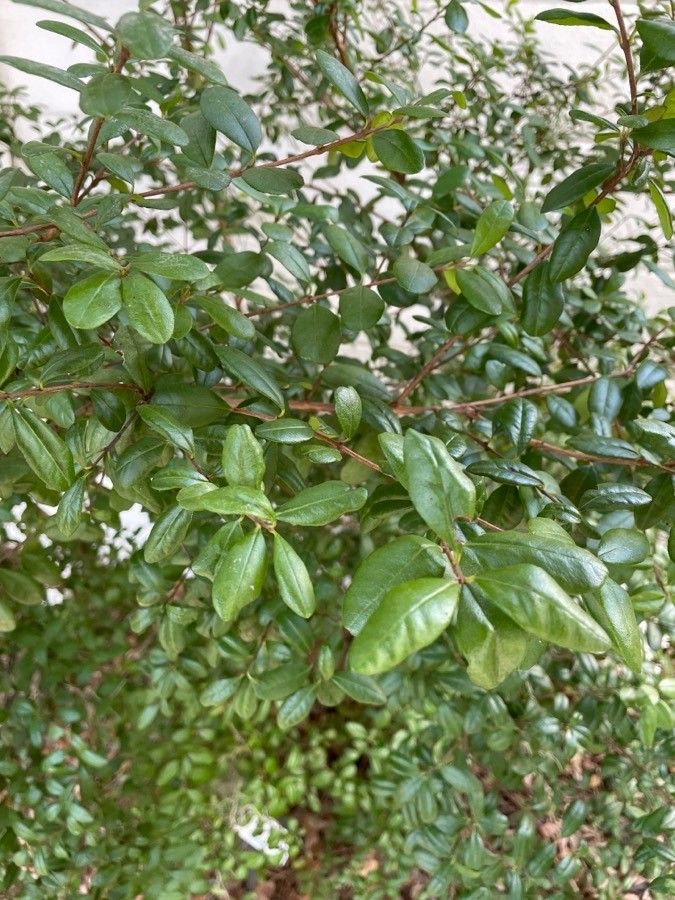
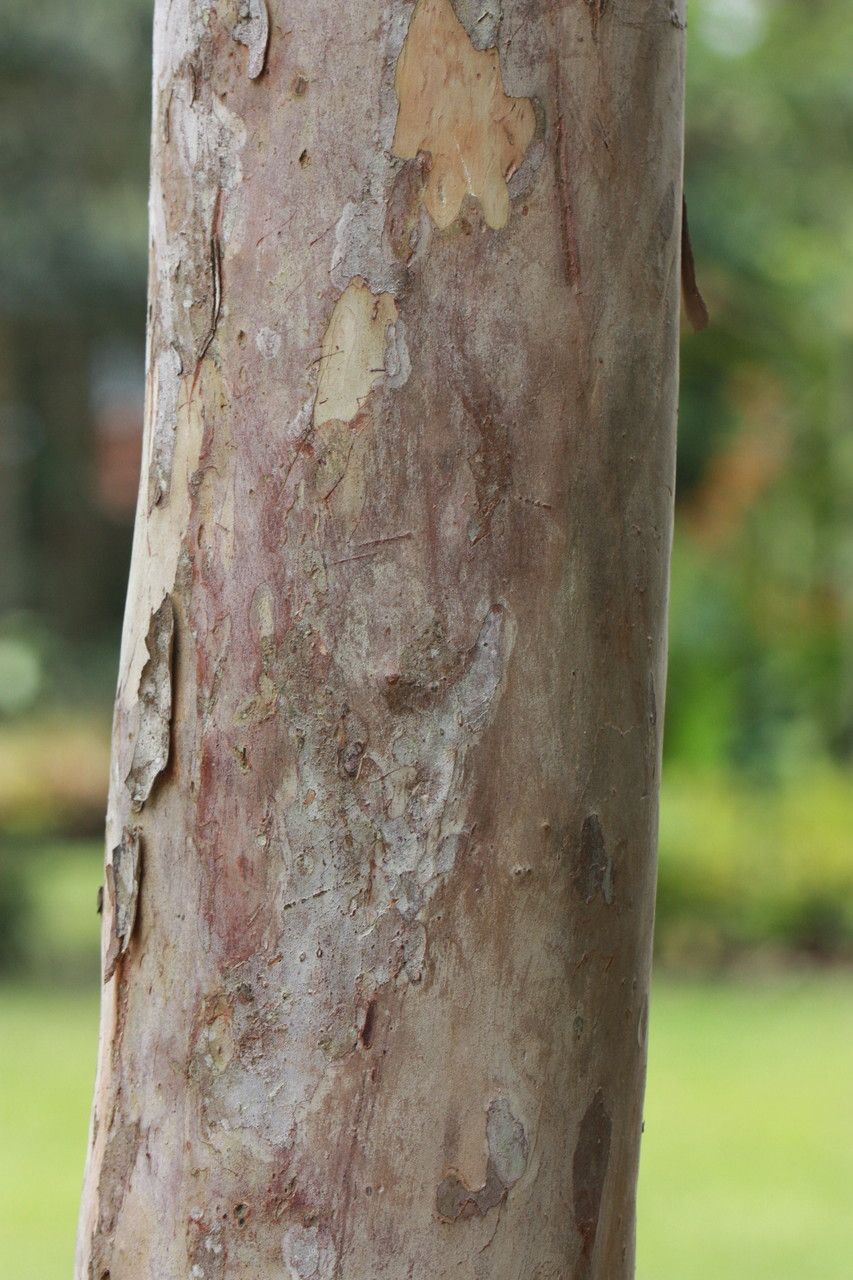
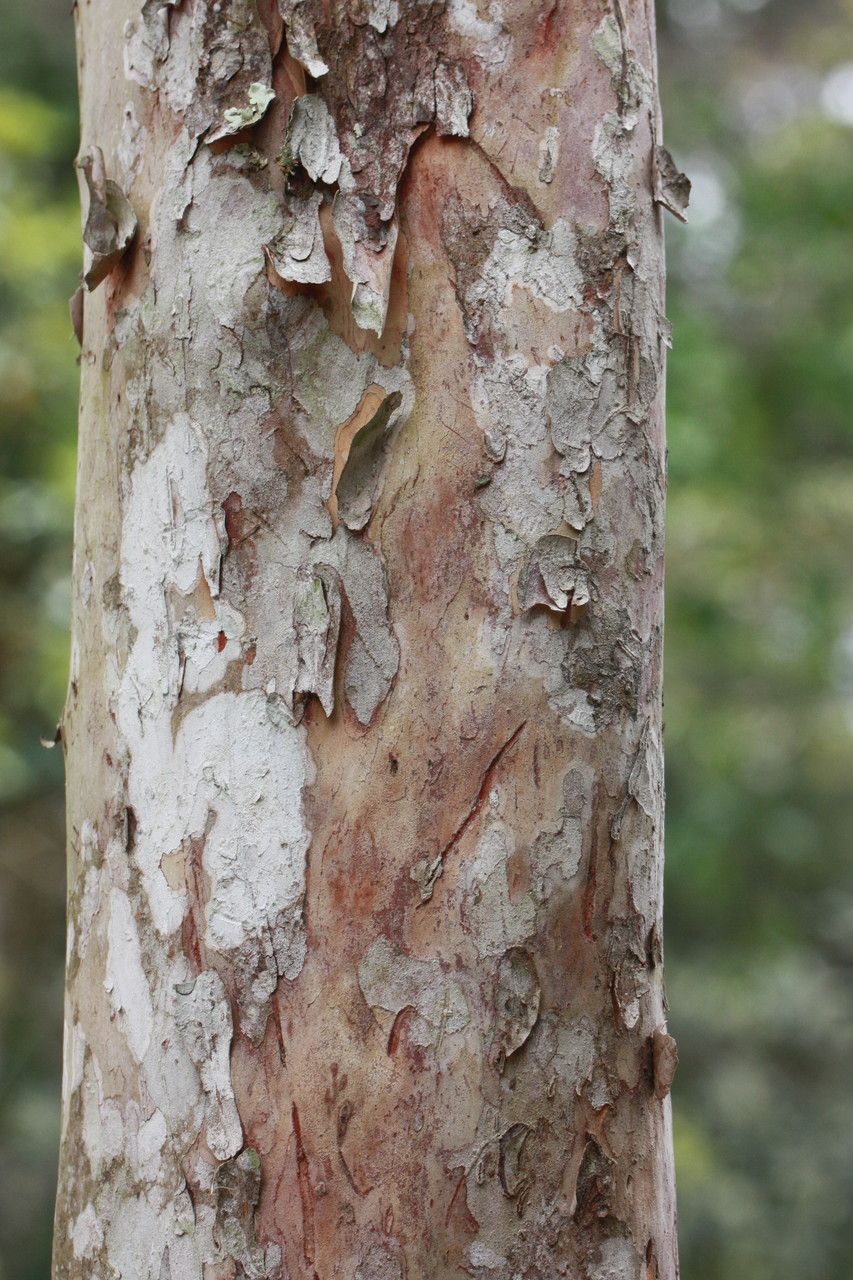
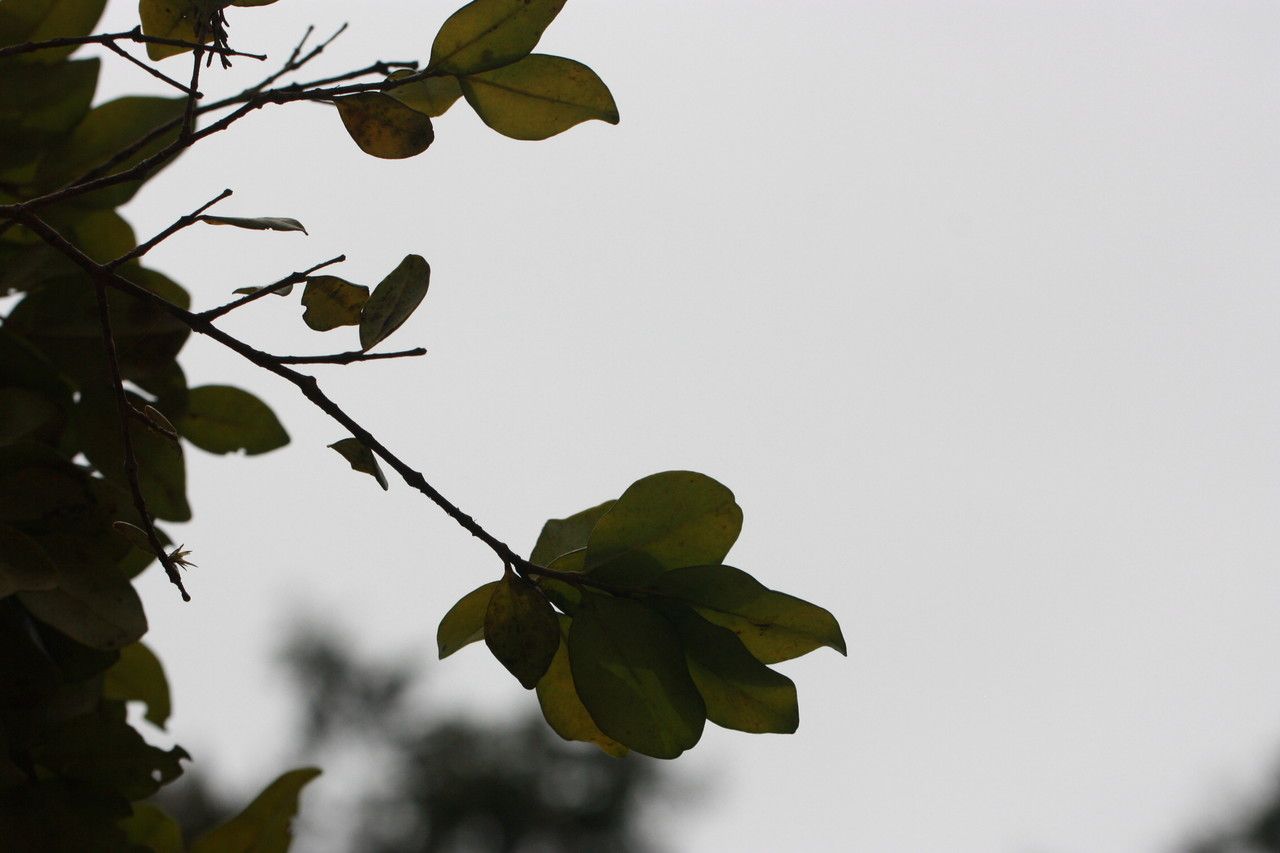
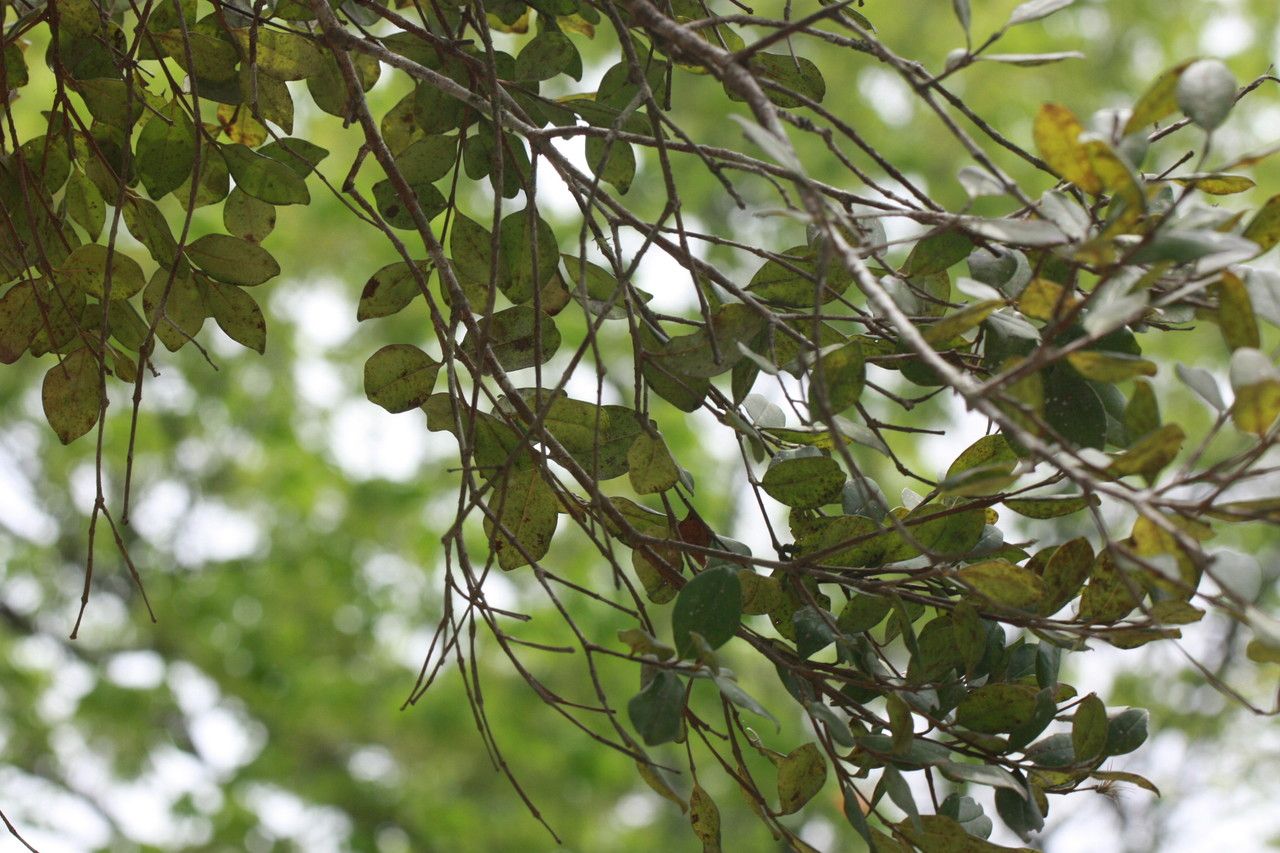
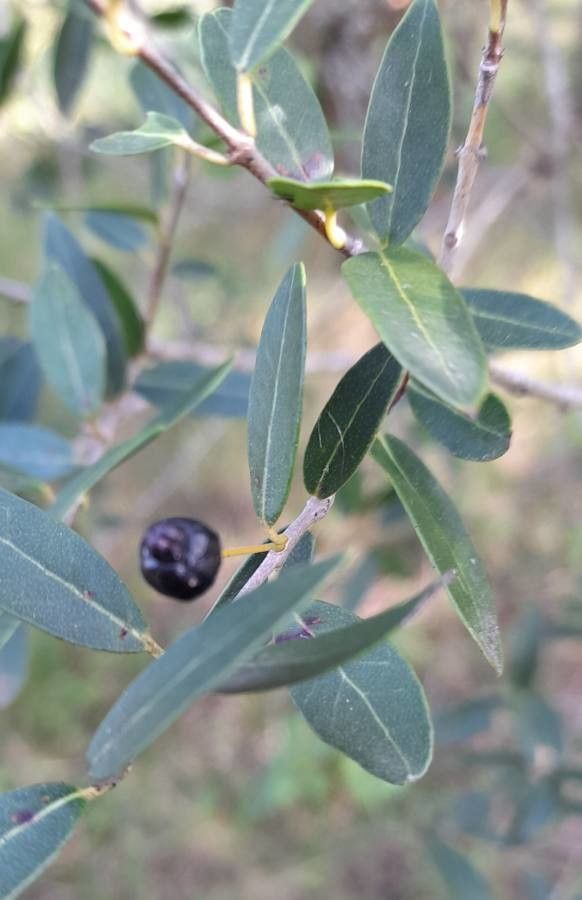
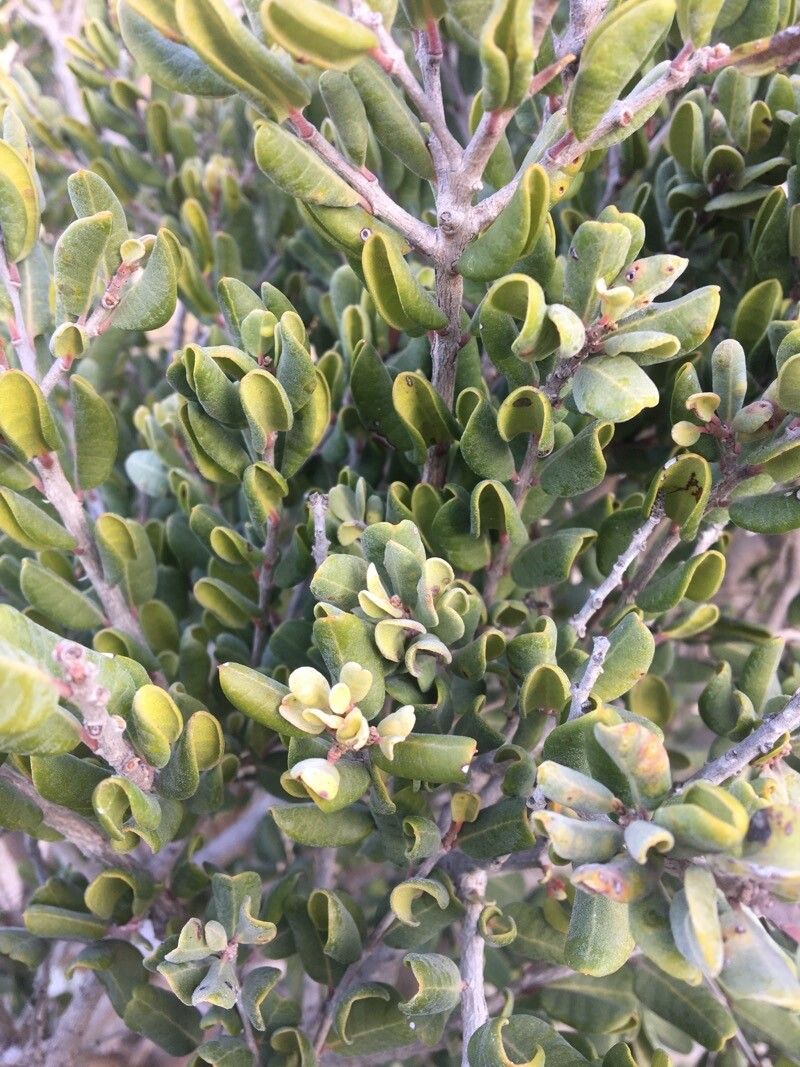
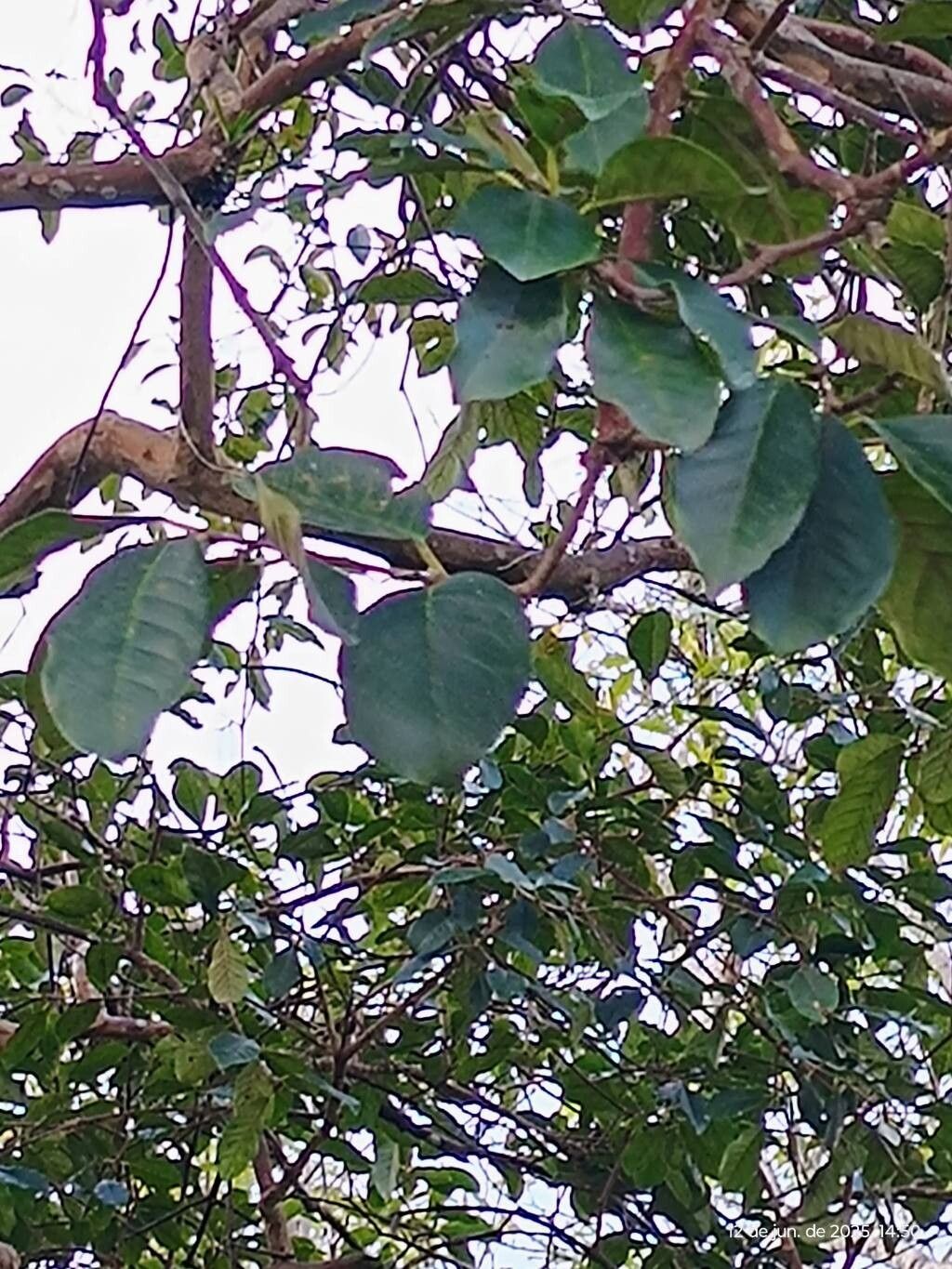
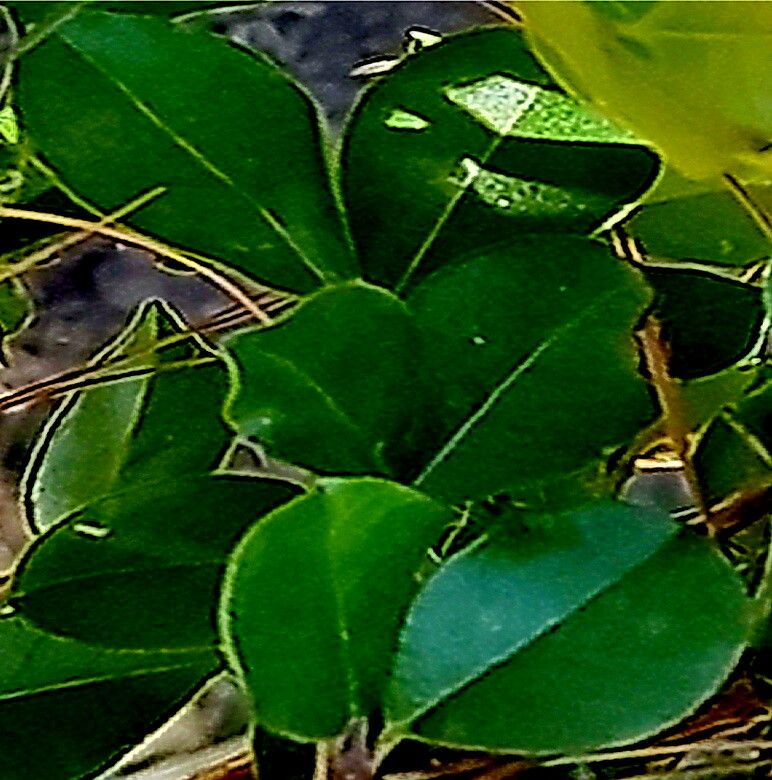
Myrcianthes fragrans, commonly known as twinberry or Simpson's stopper, is a tree in the family of Myrtaceae, native to Florida, the United States Virgin Islands, other countries within the Caribbean, Central America and northern South America. It is a common tree in moist tropical forests of the region.
Twinberry displays strong resistance to disease and is generally not vulnerable to illnesses. For care, this plant is fairly low-maintenance. Planted outdoors, it needs only light watering, and larger specimens usually do not require pruning. Smaller specimens, however, should be pruned once they have finished flowering. Twinberry is suitable for anyone who has outdoor space, such as a garden or a deck, and it does not demand significant gardening experience.
How to keep Myrcianthes Fragrans.
Light
Twinberry is native to open habitats, such as sunny meadows and the edges of forests, which offer abundant light. It flourishes in Full Sun yet can endure Partial Sun, showing good adaptability to different light levels.
Water
Twinberry thrives in environments with balanced humidity and is tolerant of drought conditions. For optimal growth, water the plant every 1-2 weeks, maintaining moderate soil moisture. It prefers well-drained soil and temperate climates, making it ideal for outdoor cultivation.
Temperature
Twinberry demonstrates strong temperature adaptability, able to endure higher heat and wider temperature fluctuations. In hot weather, it is important to ensure adequate watering and provide suitable shading to avoid sunburn. Conversely, Twinberry is not very tolerant of low temperatures; it can handle some cold, but excessively low temperatures may cause frost damage.
Fertilizer
The Twinberry plant needs adequate nutrients to achieve optimal fruit production. Fertilize in early spring to support new growth and bloom development. Regular feeding keeps the plant healthy, encourages more delicious fruit, and prevents nutrient-deficiency problems like yellowing leaves and poor fruiting.
Pruning
Twinberry benefits from winter pruning, which involves removing dead wood and thinning branches to promote growth. Pruning during the plant's dormant period enhances air circulation and light exposure, leading to healthier foliage and improved fruiting. To minimize the risk of disease and ensure precise cuts, always use clean, sharp tools.
Botanical profile.
- Plant Type
- Tree, Shrub
- Life Cycle
- Perennial
- Genus
- Myrcianthes
- Family
- Myrtaceae
- Hardiness Zone
- 9-11
- Mature Height
- 6.1 m to 9.14 m
- Mature Spread
- 4.57 m to 6.1 m
- Leaf Color
- Green
- Leaf Type
- Evergreen
- Flower Color
- White
- Flower Size
- 1.02 cm to 2.03 cm
- Bloom Time
- Late spring, Summer
- Planting Time
- Spring, Summer
- Harvest Time
- Late summer, Fall
- Native Area
- Belize, Honduras, Mexico, Guatemala, Peru, Panama, Jamaica, Colombia, Bahamas, Cuba, Venezuela, El Salvador, Nicaragua, Ecuador, Costa Rica
Other names.