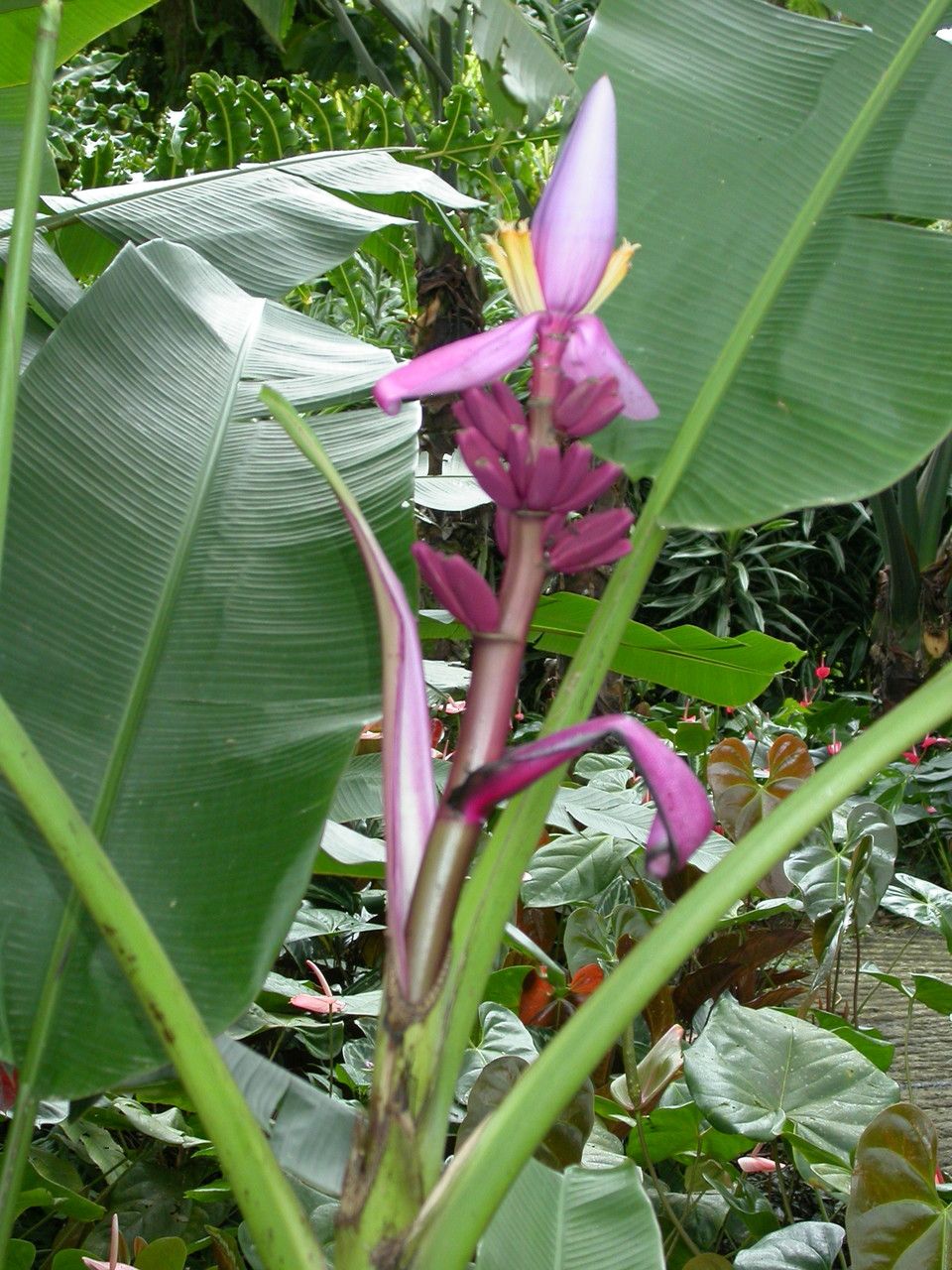
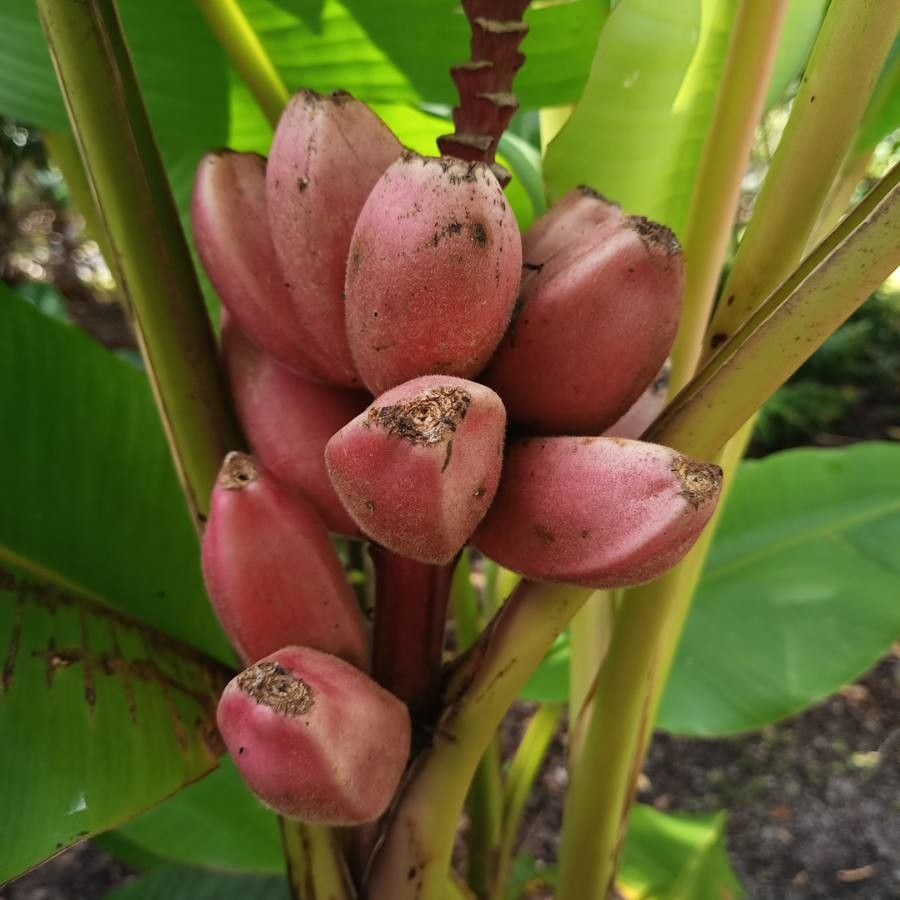
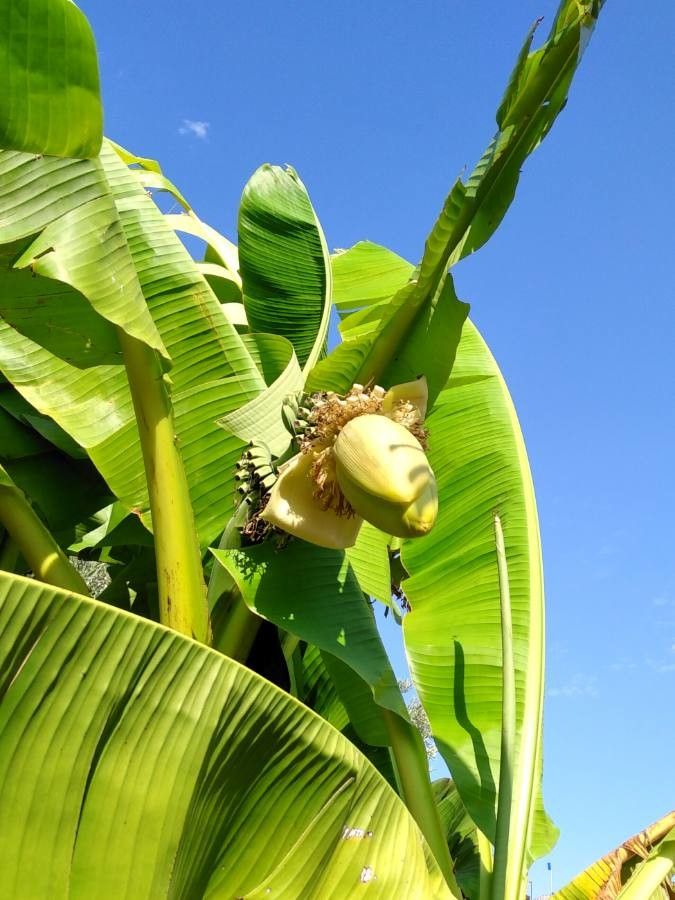
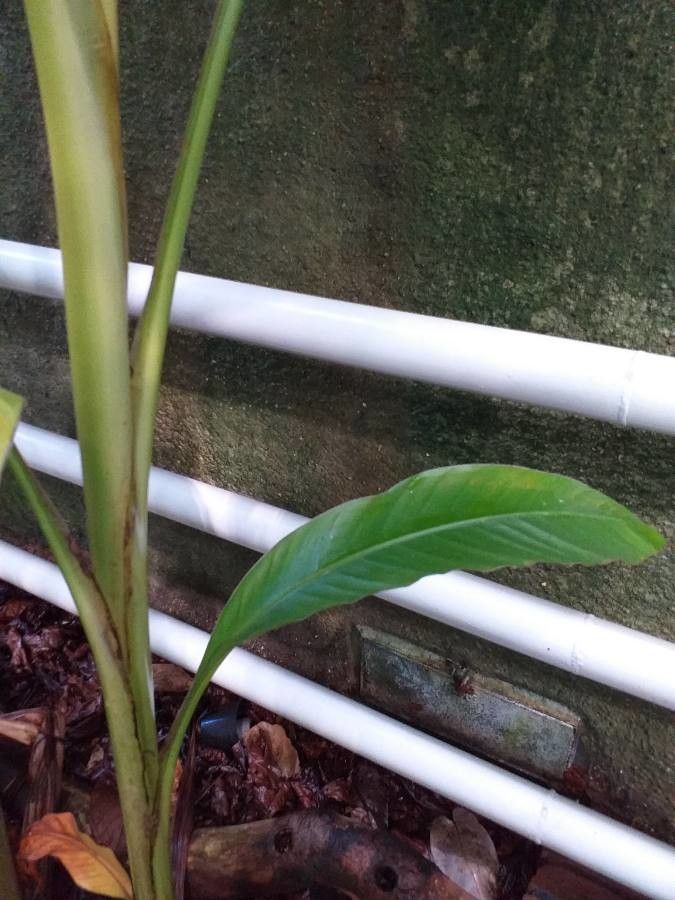
Musa velutina, commonly known as the Pink Banana, is a banana species native to Northeast India and Myanmar. This small banana plant grows to a height of 2-3 meters and produces sweet, small fruit that are about 5-7 cm in length. The fruit is notable for its bright pink color and velvety texture, which comes from the fine hairs covering its surface.
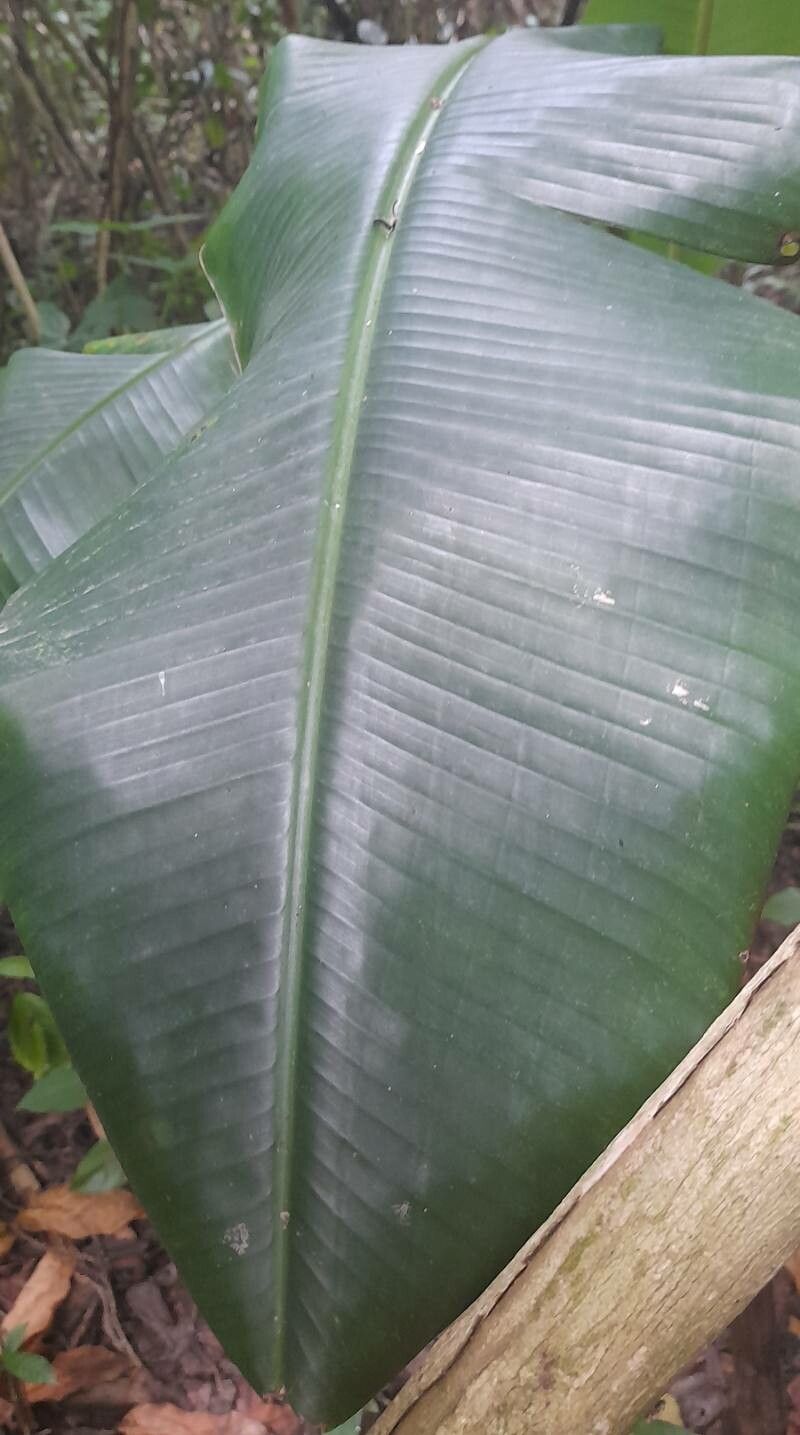
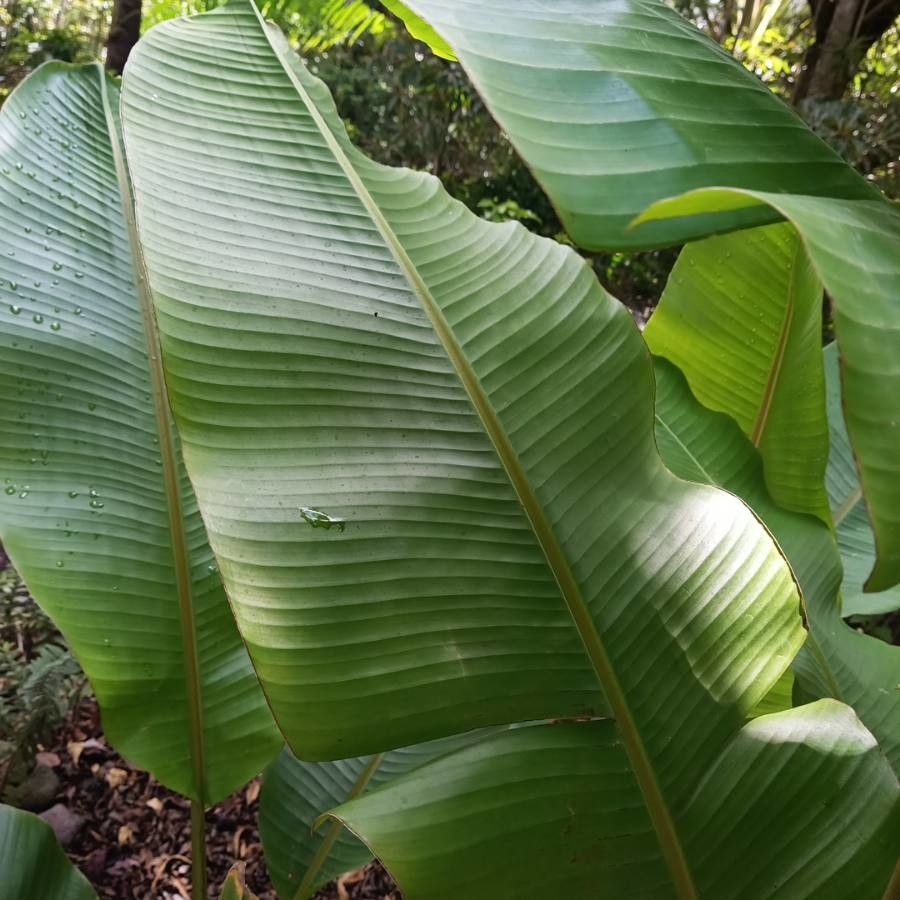
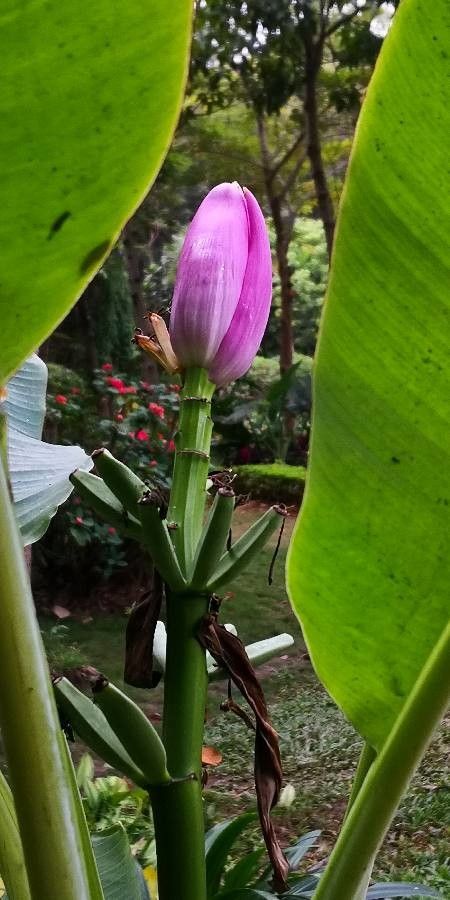
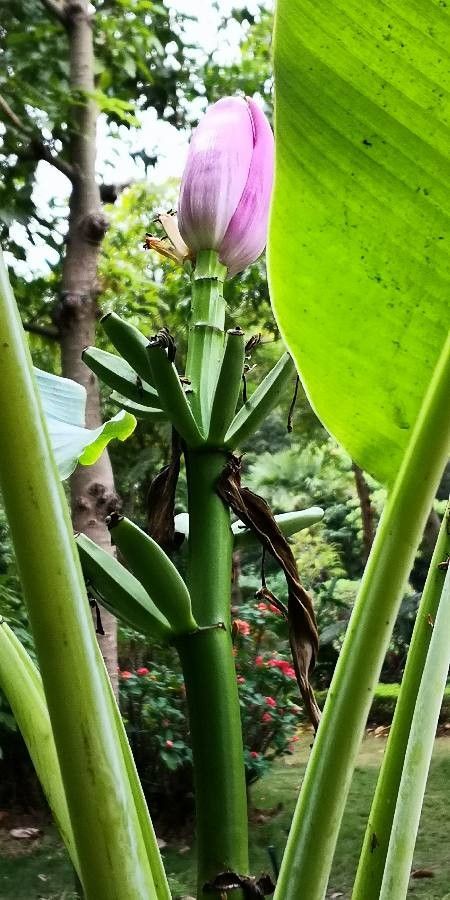
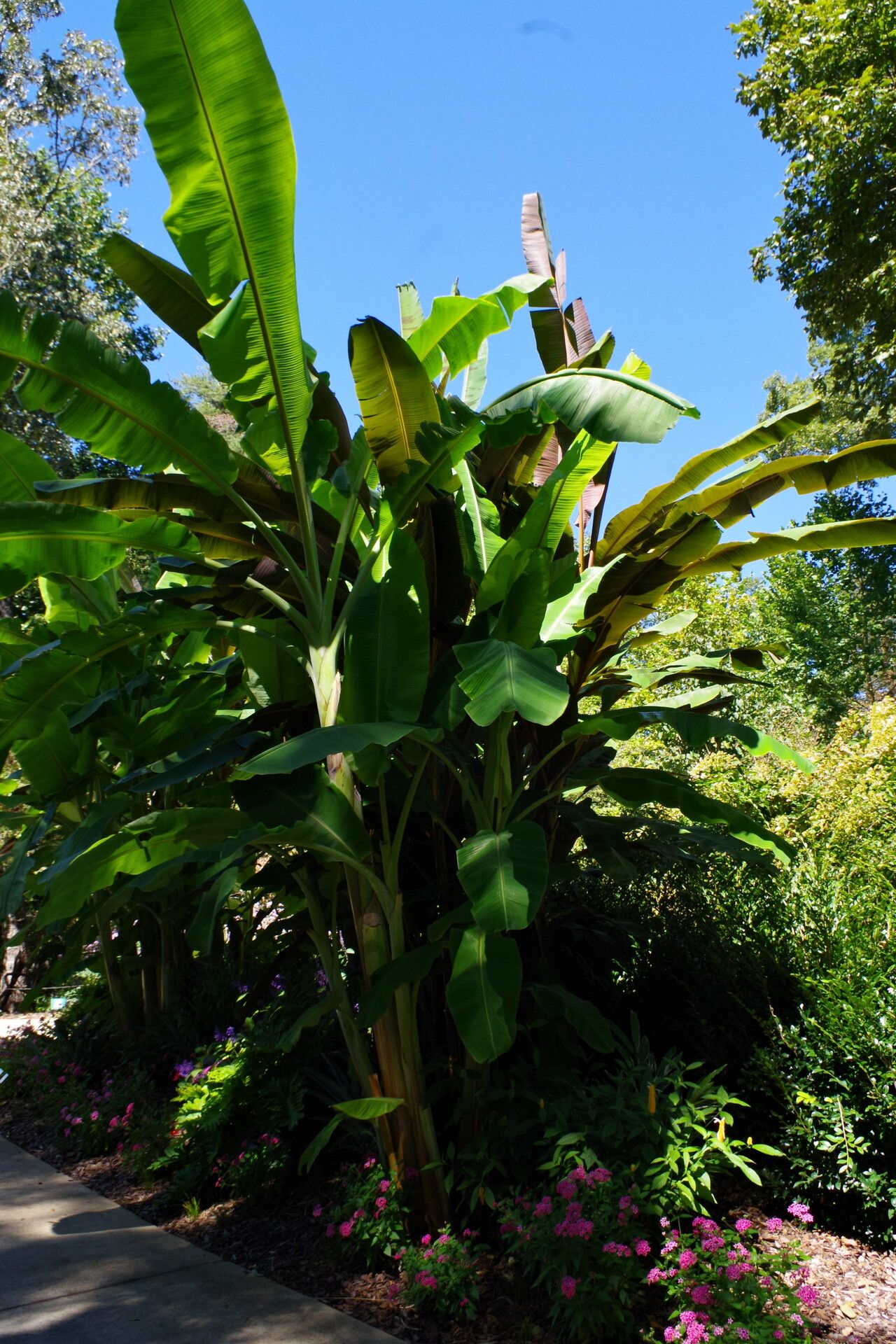
The leaves of the Musa velutina plant are large and broad, featuring prominent midribs. The upper side of the leaves is green, while the underside is a reddish-purple. The plant blooms with flowers that grow on long stalks, emerging from the center of the plant's crown.
Musa velutina thrives in warm temperatures ranging from 20-30°C (68-86°F) and high humidity levels. It prefers well-draining soil rich in organic matter for optimal growth.
The Pink Banana has gained popularity as an ornamental plant due to its attractive pink fruit, colorful leaves, and unique appearance. It can be grown both indoors and outdoors in tropical or subtropical regions worldwide.
In summary, Musa velutina is an intriguing banana species that not only enhances the beauty of any garden or indoor space but also provides delicious, edible fruit.
Pink banana has good resistance to disease and is generally not prone to illnesses. However, it can still be affected by pests and diseases present in its surroundings. These infections are typically mild. Regarding care, this plant needs moderate maintenance. It should be pruned regularly to keep a neat appearance and support healthy growth. Applying fertilizer can also help encourage flowering. Pink banana is appropriate for anyone with outdoor space, such as a garden or patio, and does not require extensive gardening experience. It may need more attention when cultivated indoors.
How to keep Musa Velutina.
Light
The pink banana grows best with abundant sunlight, preferring settings where sun exposure is ample, though it can tolerate places with moderate light. In its native habitat it developed under steady sun exposure, so it stays vigorous in those conditions. Excessive light, or conversely too little light, can impede its growth or development.
Water
The Pink Banana plant thrives in high humidity and consistent moisture, reflecting its tropical origins. While it can tolerate moderate drought, it performs best with watering every two weeks. To ensure vibrant floral displays, the plant requires sufficient hydration throughout the growing season, making it an excellent choice for outdoor ornamental cultivation.
Temperature
The pink banana comes from warm regions and needs temperatures of 68 to 100.4 °F (20 to 38 ℃) to do well. In colder seasons it may require supplemental heating. Keep an eye on the temperature in the area where the pink banana is grown so necessary adjustments can be made.
Fertilizer
The pink banana plant needs adequate nutrients for optimal fruit production. Apply fertilizer in early spring to support new growth and bloom development. Regular feeding keeps the plant healthy, encourages more delicious fruit, and prevents nutrient-deficiency problems like yellow leaves and poor fruit production.
Pruning
The pink banana plant is known for its eye-catching pink fruit and wide leaves. To maintain its health and structure, it's important to prune the plant from late winter to early spring. During this time, remove any dead leaves, old stalks, and unwanted suckers. Use clean, sharp tools to reduce the risk of disease and to promote growth by improving air circulation and sunlight penetration.
Pot & Repot
Repot your pink banana plant every 2-3 years during the spring. Choose a pot that is 1-2 inches larger than the current one. To prevent root rot, make sure to use a container that allows for good drainage. Keep the soil consistently moist and place the plant in indirect light to encourage healthy growth. Ensuring the pink banana plant is snug in its new pot will support its lush development.
Botanical profile.
- Plant Type
- Herb
- Life Cycle
- Perennial
- Genus
- Musa
- Family
- Musaceae
- Hardiness Zone
- 7-11
- Mature Height
- 1.22 m to 1.83 m
- Mature Spread
- 0.91 m to 1.22 m
- Leaf Color
- Green
- Leaf Type
- Evergreen
- Flower Color
- Pink
- Flower Size
- 5.08 cm to 6.35 cm
- Bloom Time
- Summer, Early fall, Mid fall
- Planting Time
- Spring
- Harvest Time
- Late summer, Fall, Early winter
- Native Area
- India
Other names.
Reader questions.
How should I water my Pink banana plant in the best way?
Your Pink banana is not picky about how you water it, so you can use any common watering tool. Watering cans, hoses, or even cups will work fine. Make sure to apply the water directly to the soil and evenly moisten all areas to ensure the entire root system gets water. Filtered water is best, as tap water can contain harmful particles. Use water at or slightly above room temperature, as colder or hotter water can shock the Pink banana. However, the Pink banana generally responds well to any water you give it.
Why should I add fertilizer to my Pink banana plant?
Fertilizing your Pink banana is essential for several reasons. Firstly, applying fertilizer will help your Pink banana produce beautiful blooms, which is probably the main benefit. To ensure that your Pink banana has amazing flowers in the spring, it is advisable to fertilize it early in the season. Additionally, fertilizer supplies your Pink banana with ample energy that it can store in the ground during its dormant growth stages. By providing your Pink banana with extra nutrients in the fall when planting or in late spring, it will be able to store more energy for when it resumes active growth.
What are the sunlight requirements for growing Pink Banana (Musa velutina)?
Pink Banana (Musa velutina) thrives best under conditions of full sun, which means it requires above 6 hours of direct sunlight daily. It can also adapt to partial sun, necessitating about 3-6 hours of sunlight. It's essential to observe how sunlight moves through your garden to select spots that offer the ideal balance of light and shade, ensuring your plants flourish. Pink Banana, in its natural habitat, benefits from a high level of solar exposure, leading to its robust health in such environments. However, both overexposure and underexposure to sunlight can be detrimental to its growth and development.
What is the native climate for Pink Banana?
Pink Banana, botanically known as Musa velutina, thrives in warmer climates. It requires temperatures ranging from 68 to 100.4 °F (20 to 38 °C) for optimal growth. During cooler months, maintaining these temperature conditions may necessitate additional heat sources. Monitoring the temperature where Pink Banana is grown is critical for making any necessary adjustments to ensure its health and vitality.
What should I do if I give my Pink banana plant too much water or too little water?
Outdoor plants, especially newly planted ones or seedlings, can be prone to lack of watering. It is important to water them enough for a few months while they are small or newly planted. This is because once the roots are established, Pink banana plants can rely on rain most of the time. When Pink banana plants are planted in pots, overwatering is often more likely to happen. If you accidentally overwater your Pink banana plant, you should take immediate action to fix the situation. First, stop watering the plant right away to minimize the effect of overwatering. Then, remove the plant from its pot and inspect the roots. If no root rot is found, you can return the plant to its container. However, if you do find signs of root rot, trim away any affected roots and consider applying a fungicide to prevent further damage. Lastly, repot the Pink banana plant in well-draining soil. In the case of underwatering, simply water the Pink banana plant more frequently. Underwatering is usually easy to fix as the plant's leaves will droop, dry out, and fall off. However, they will quickly regain fullness after sufficient watering. Correct the watering frequency as soon as you notice underwatering.
What is the right time to fertilize my Pink banana plant?
Timing is crucial for fertilizing Pink banana. Applying fertilizer too early, while the plant is still dormant, is ineffective as it will be washed away by rainwater, causing waste and pollution. To properly fertilize Pink banana, the first application should be done in early spring, and then continue fertilizing once a month until early summer.
How can artificial lighting be used for Pink Banana plants indoors?
When natural sunlight is insufficient, especially during winter or in less sunny locations, artificial lighting becomes crucial for the optimal growth of indoor Pink Banana plants. LED lights are recommended due to their ability to be customized to provide specific wavelengths needed by the plants. Full sun plants require 30-50W/sq ft of artificial light, while partial sun plants need 20-30W/sq ft, and full shade plants require 10-20W/sq ft. The light source should be placed 12-36 inches above the plant to mimic natural sunlight, ensuring the plants receive 8-12 hours of light per day for most species.
Is Pink Banana cold-resistant?
Yes, Pink Banana has strong cold resistance and special frost protection measures are usually not necessary during winter. However, if winter temperatures are expected to fall below -15°C, it's important to provide cold protection to safeguard the plant. Wrapping the trunk and branches with non-woven fabric or cloth can offer sufficient protection. Additionally, before the first freeze in autumn, watering the plant abundantly to maintain moist soil can help prevent drought and water scarcity during winter and early spring.
How much water does my Pink banana plant need?
To ensure healthy growth for most outdoor plants, natural rainfall is usually sufficient. However, if your area has limited rainfall, it's important to provide adequate watering every 2 weeks in spring and fall. During the summer, when plants require more water, more frequent watering is necessary. In winter, when growth slows down and plants need less water, it's best to water sparingly, and in some cases, no additional watering may be needed. If your Pink banana plant is young or newly planted, it requires more frequent watering to help it establish and become more adaptable to drought conditions. For potted plants, there are two approaches to determine watering frequency for your Pink banana. The first is setting a predetermined watering schedule, such as once a week or every other week. However, this method may not take into account the specific growing conditions of your Pink banana plant. Watering frequency can also vary depending on the season. A predetermined schedule may not be sufficient during the summer when water requirements are highest. Alternatively, you can monitor soil moisture and wait until the top two to four inches of soil, about ⅓ to ½ depth of the pots, have completely dried out before watering again.
When is the best time to not fertilize my Pink banana plant?
To ensure optimal growth, it is important to maintain a balanced nitrogen level for Pink banana. Excessive nitrogen can result in an abundance of leaves but few blooms. Therefore, choose a fertilizer with a lower nitrogen content compared to other nutrients. Additionally, avoid fertilizing Pink banana beyond early autumn, as this can stimulate growth right before winter, which is unfavorable. Similarly, during hot and dry periods, it is not recommended to fertilize Pink banana because dry soil is not as effective at delivering fertilizer compared to moist soil. Furthermore, fertilizing during this time can promote growth that requires increased water, which may not be readily available. Therefore, it is advisable to apply fertilizer earlier in the season when temperatures are cooler. Lastly, be mindful that Pink banana can absorb fertilizer from surrounding plants or lawns, so take caution to avoid inadvertently over-fertilizing the tree or shrub.
What are the symptoms of inadequate or excessive light exposure in Pink Banana plants?
Symptoms of inadequate light in Pink Banana plants include small or paler new leaves, leggy or sparse growth, faster leaf drop, slower or halted growth, and the development of chlorosis. Excessive sunlight can lead to symptoms such as sunscald, leaf curling, wilting, and leaf scorching. These conditions indicate either a lack of or too much sunlight, each affecting the plant's health and ability to photosynthesize properly.
How does low temperature affect Pink Banana, and what are the solutions?
While the Pink Banana is cold-tolerant, thriving best when the temperature is above 20°C and needing to be kept above 0°C during winter, exposure to temperatures below -15°C won't show noticeable changes during winter. However, such conditions can lead to branches becoming brittle and dry by spring, with no new shoots emerging. To counteract this, pruning away any dead branches that have failed to produce new leaves in the spring is the recommended solution.