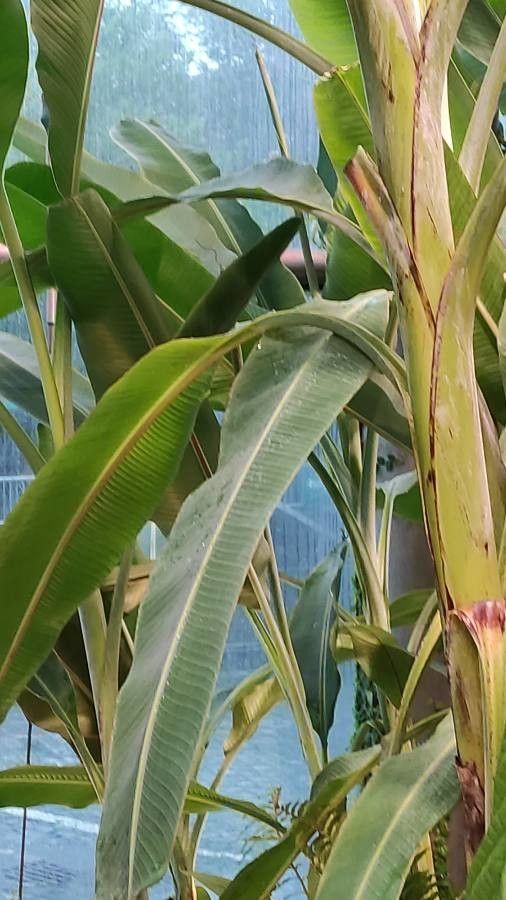
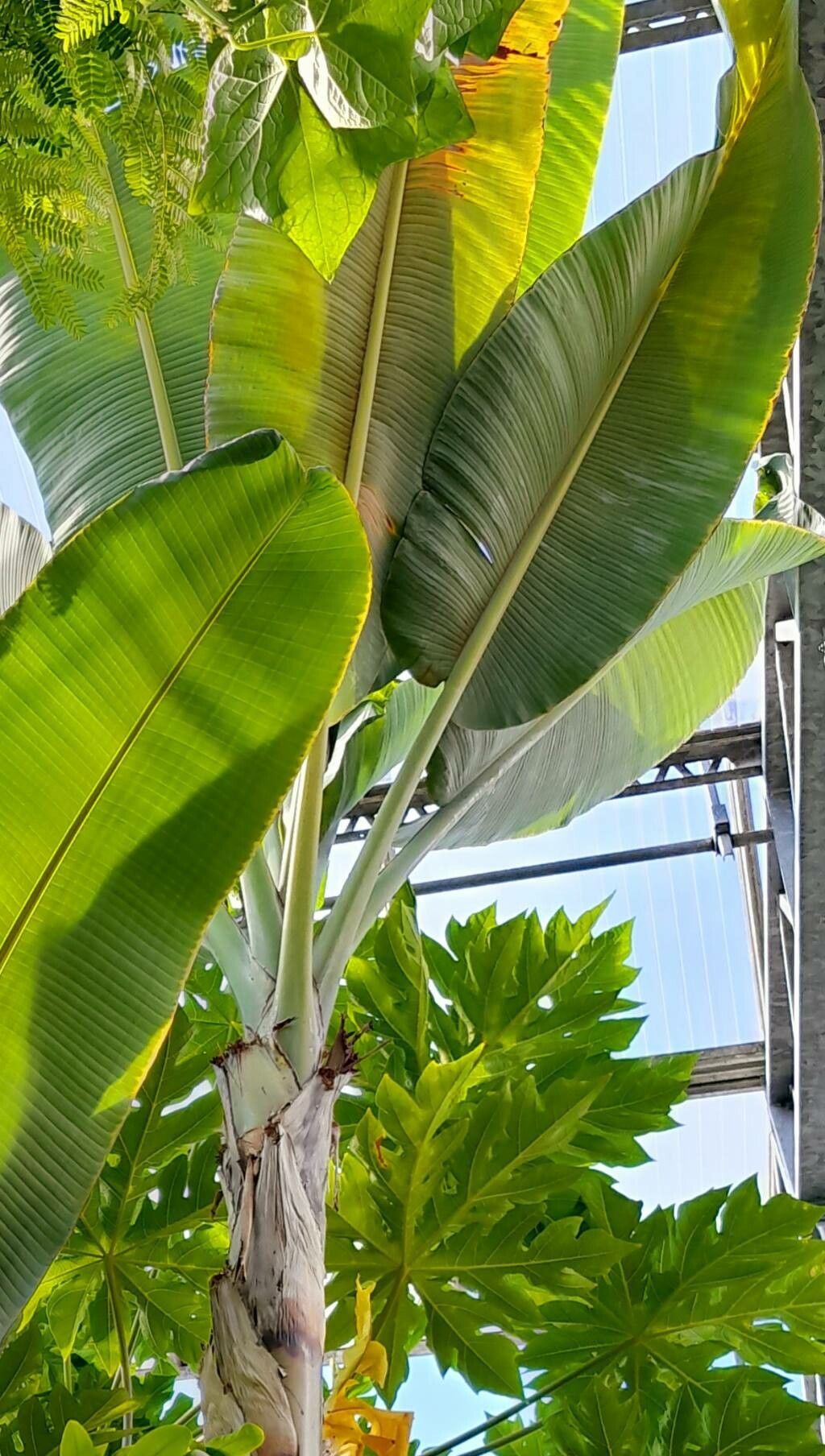
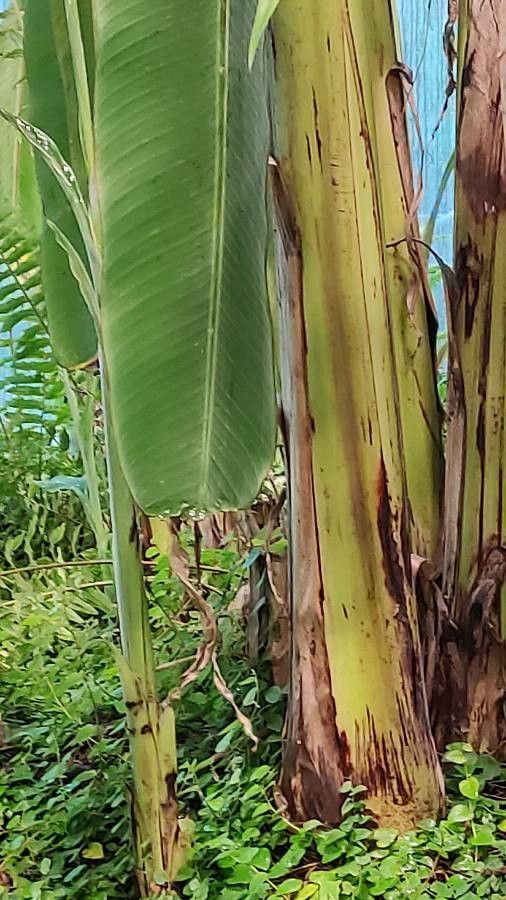
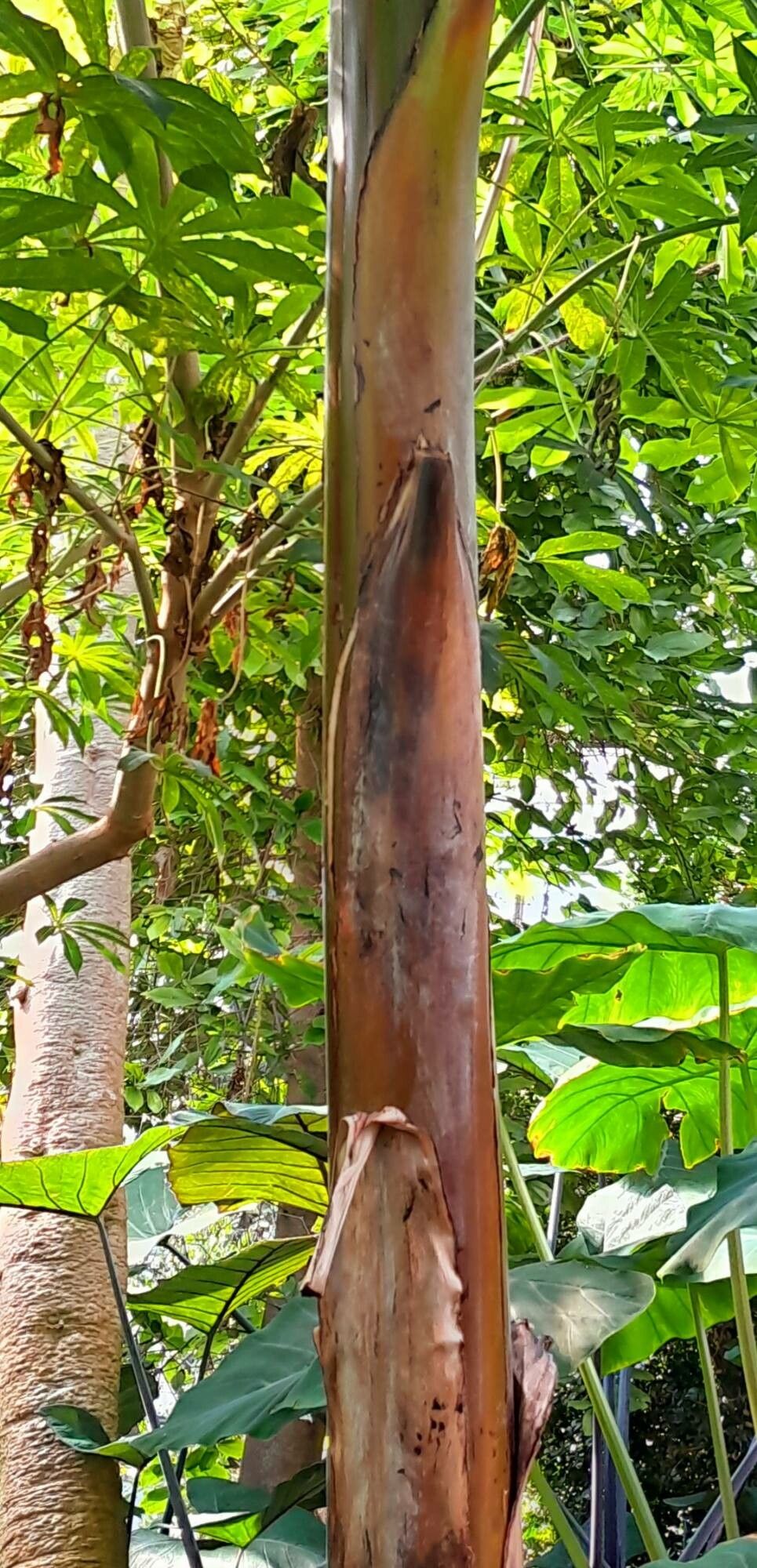
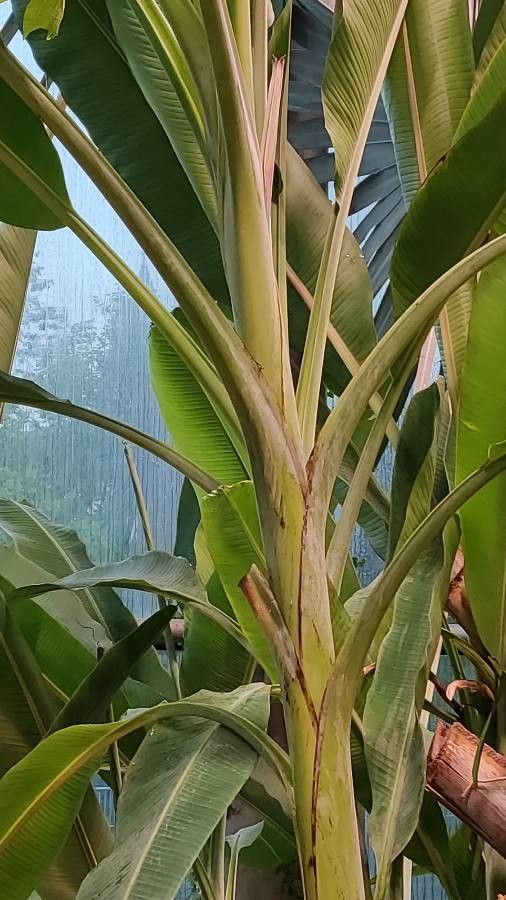
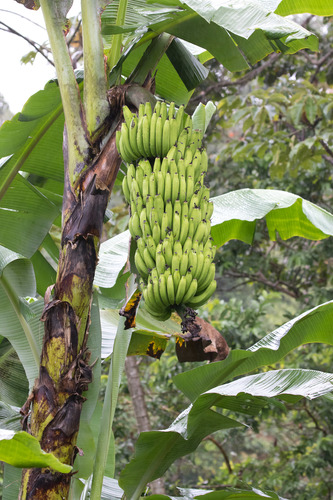
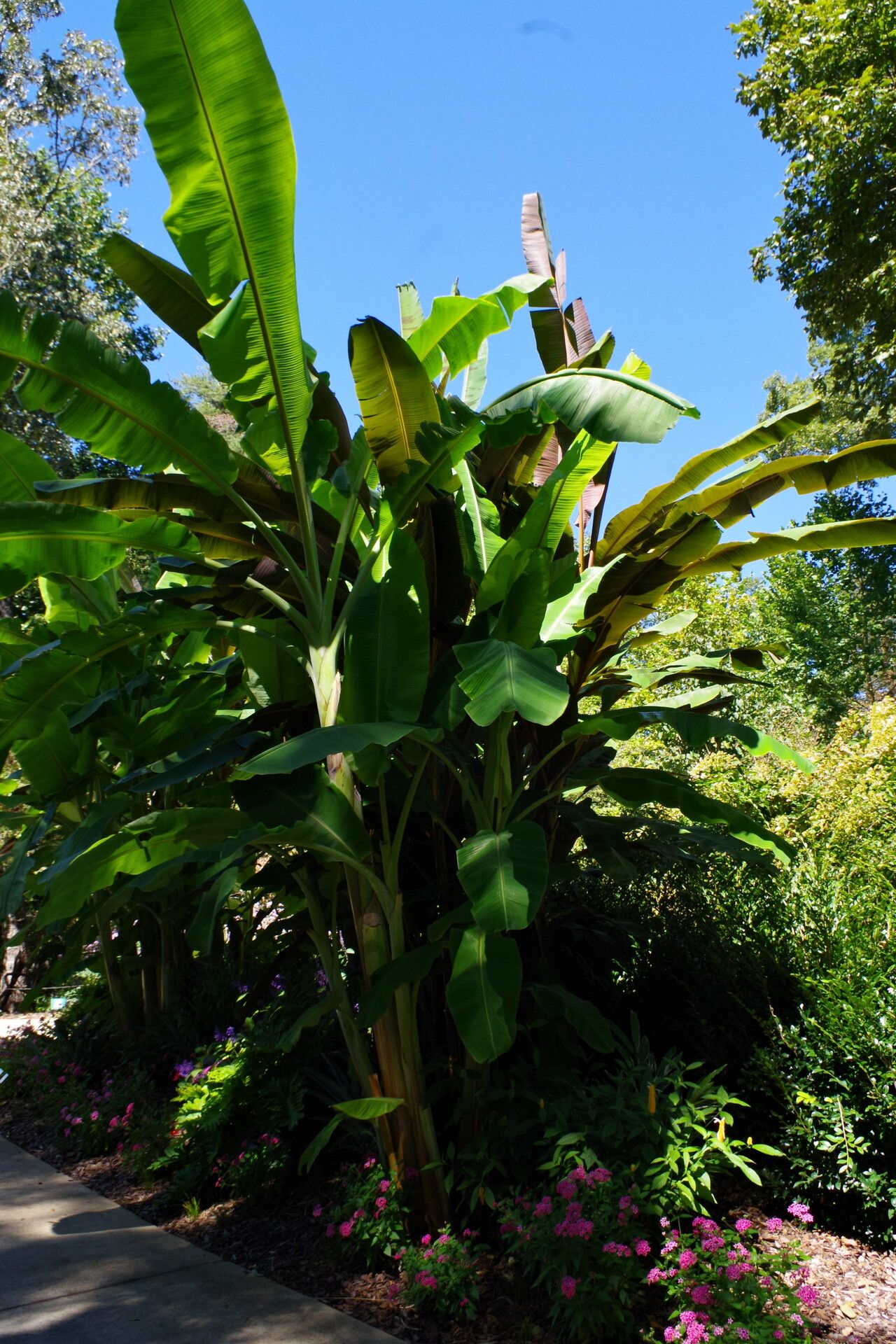
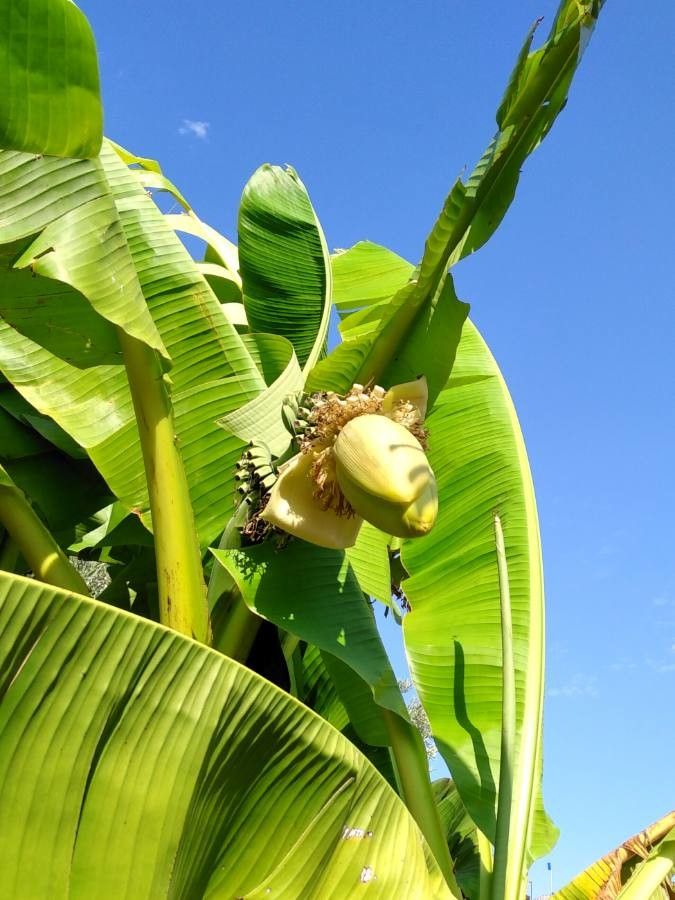
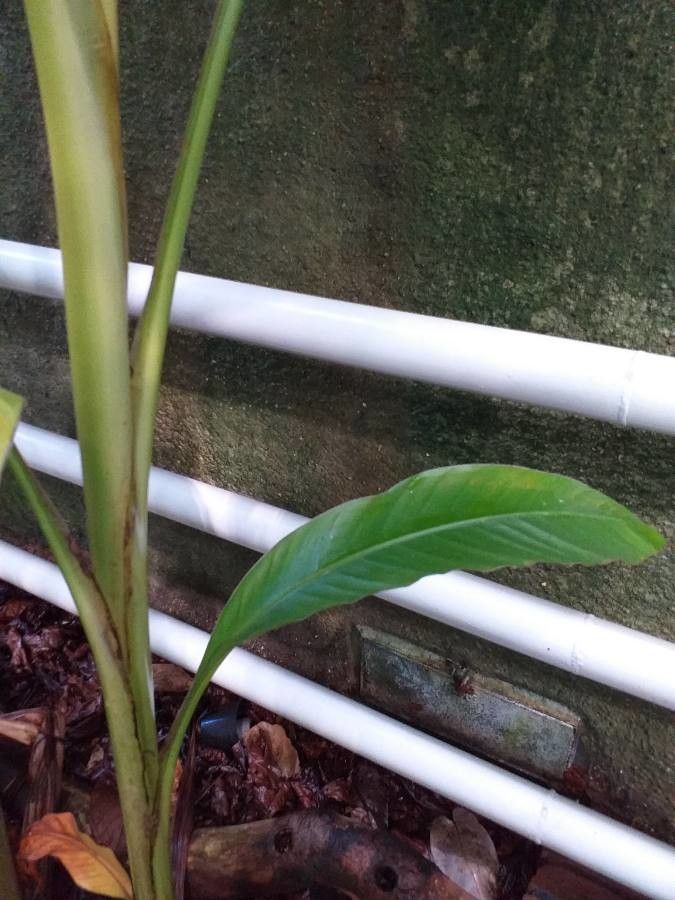
Abacá ( ah-bə-KAH; Filipino: Abaka [ɐbɐˈka]), binomial name Musa textilis, is a species of banana native to the Philippines, grown as a commercial crop in the Philippines, Ecuador, and Costa Rica. The plant, also known as Manila hemp, has great economic importance, being harvested for its fiber, also called Manila hemp, extracted from the leaf-stems. Abacá is also the traditional source of lustrous fiber hand-loomed into various indigenous textiles in the Philippines like t'nalak, as well as colonial-era sheer luxury fabrics known as nipís. They are also the source of fibers for sinamáy, a loosely woven stiff material used for textiles as well as in traditional Philippine millinery. The plant grows to 13–22 feet (4.0–6.7 m), and averages about 12 feet (3.7 m). The fiber was originally used for making twines and ropes; now most is pulped and used in a variety of specialized paper products including tea bags, filter paper and banknotes. It is classified as a hard fiber, along with coir, henequin and sisal.
Botanical profile.
Other names.