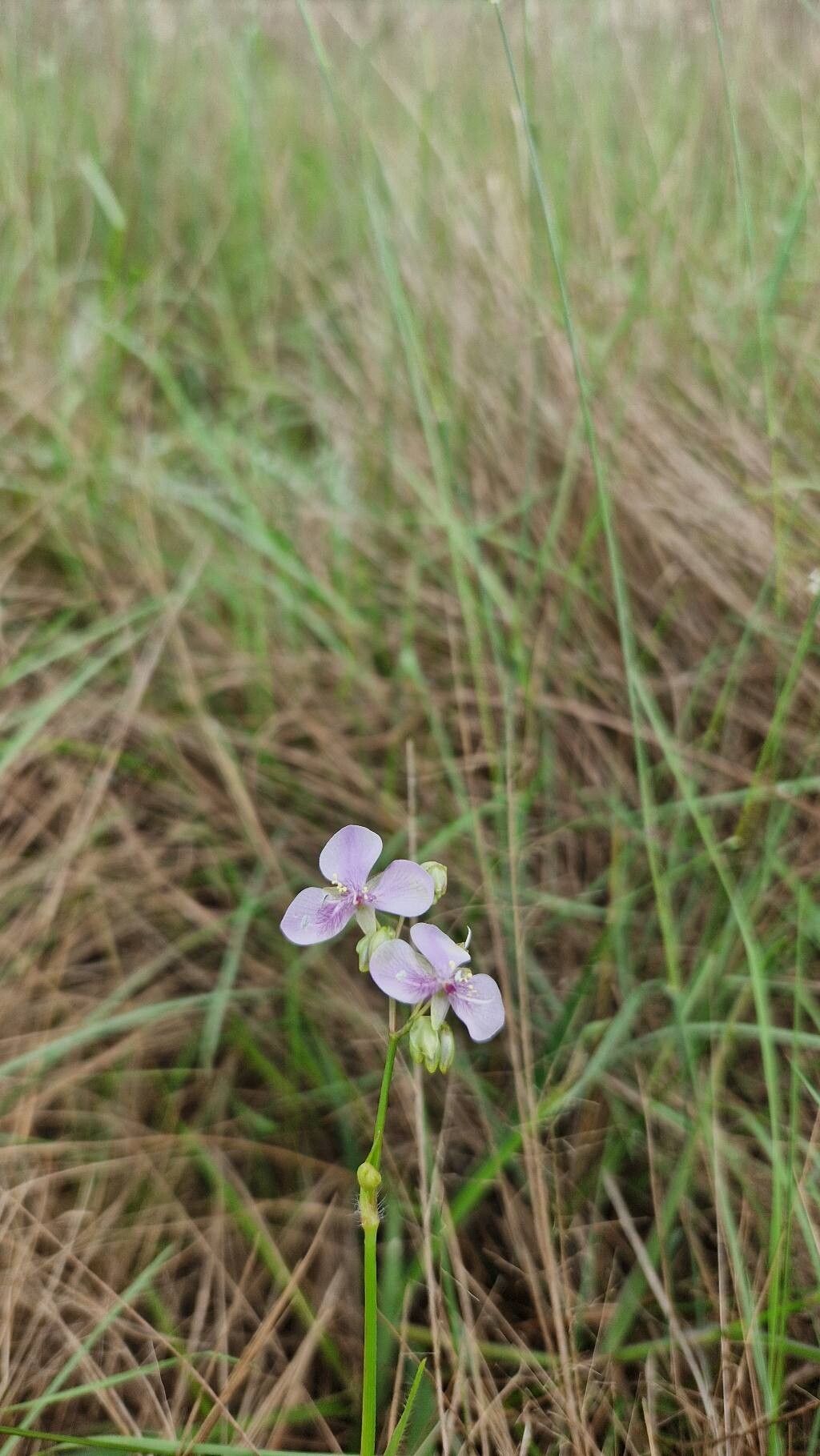
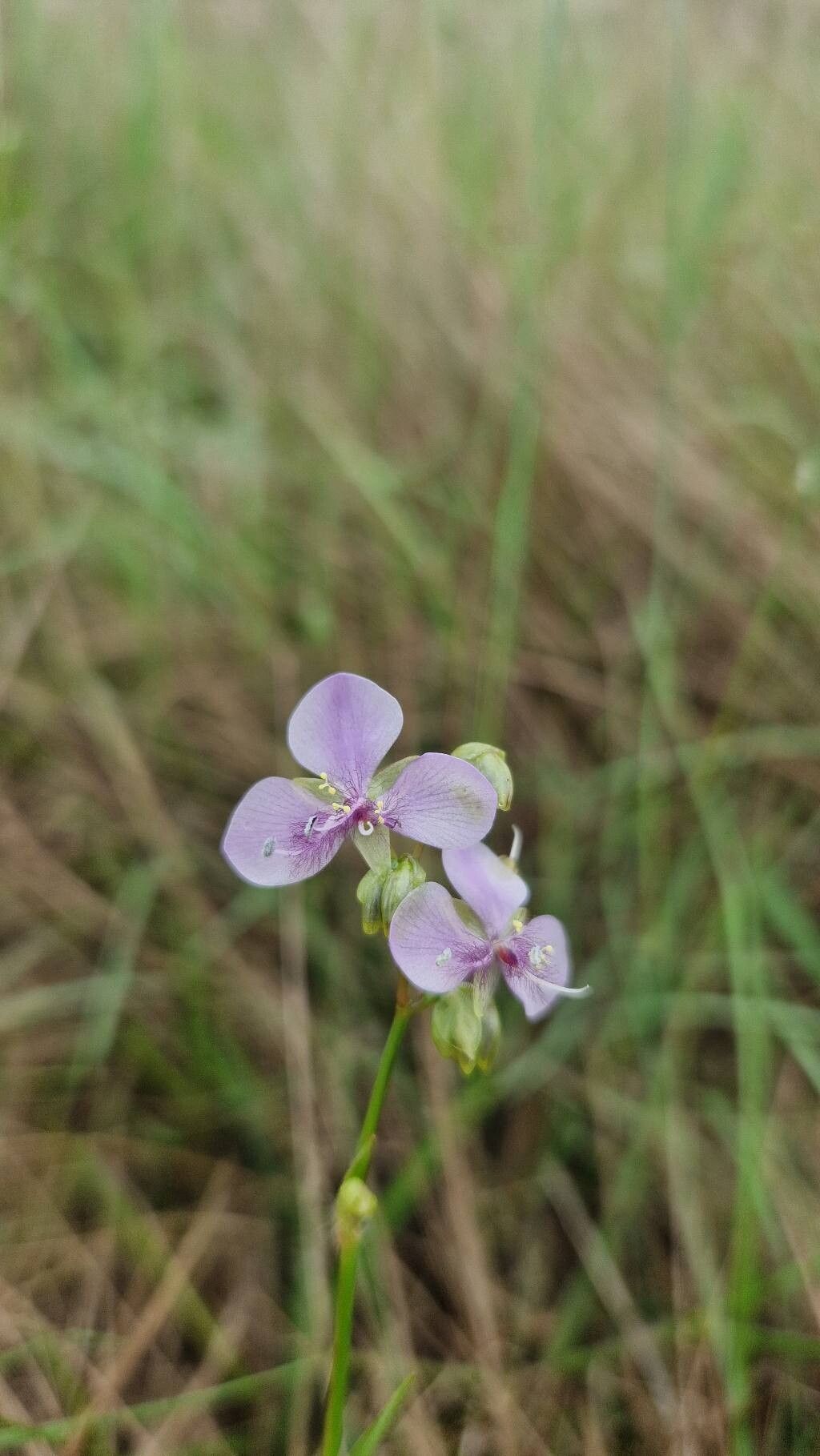
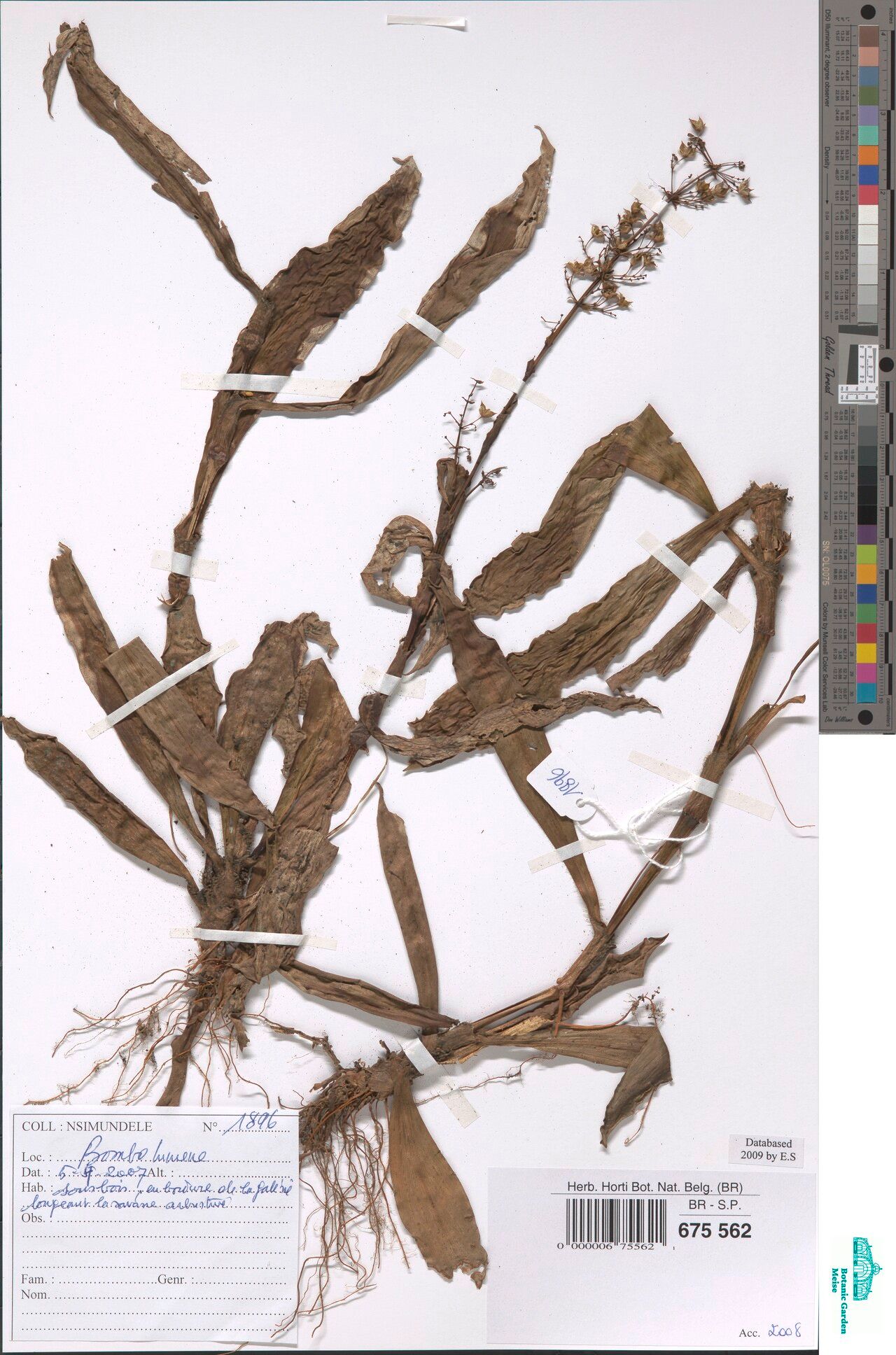
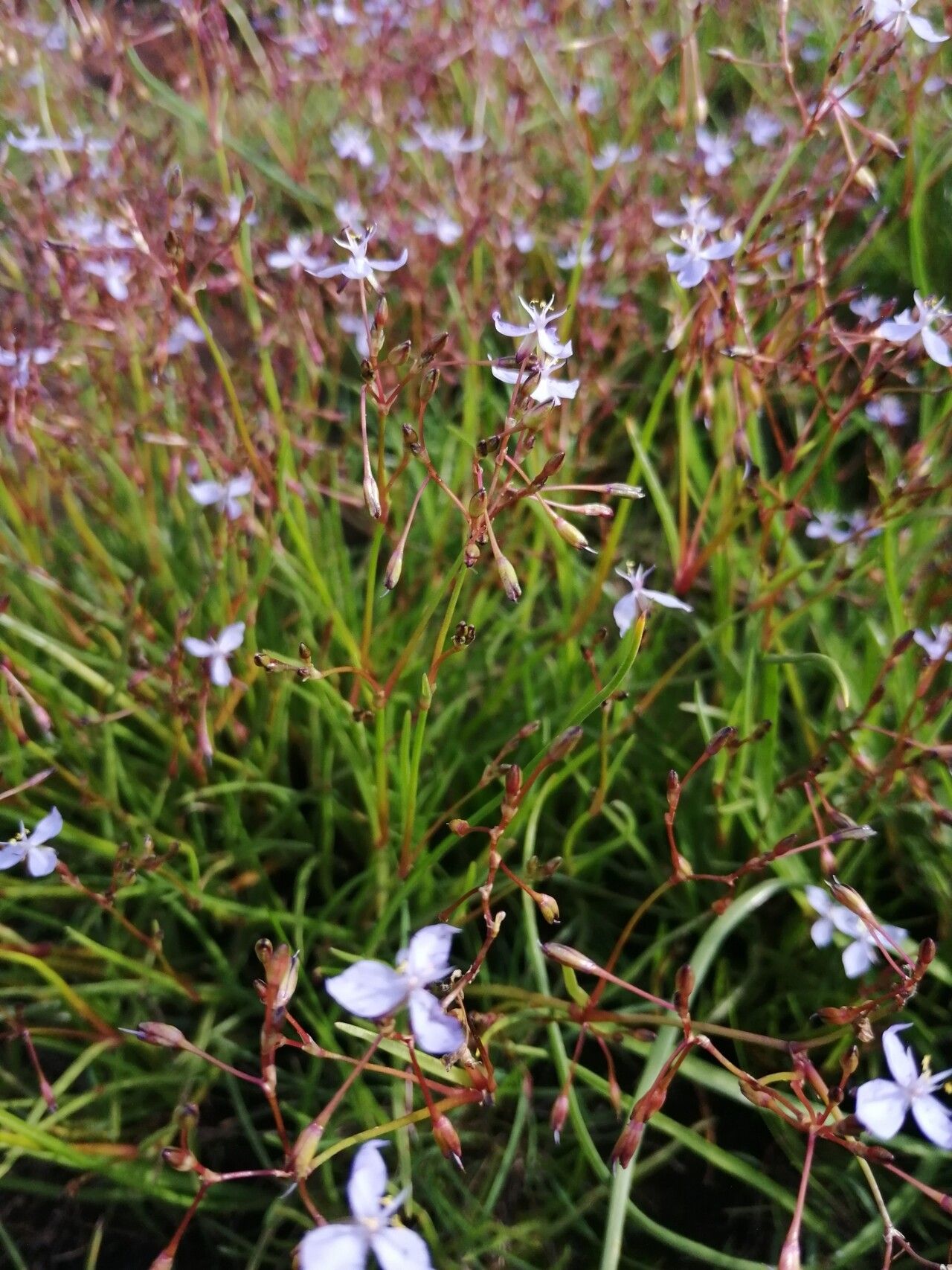
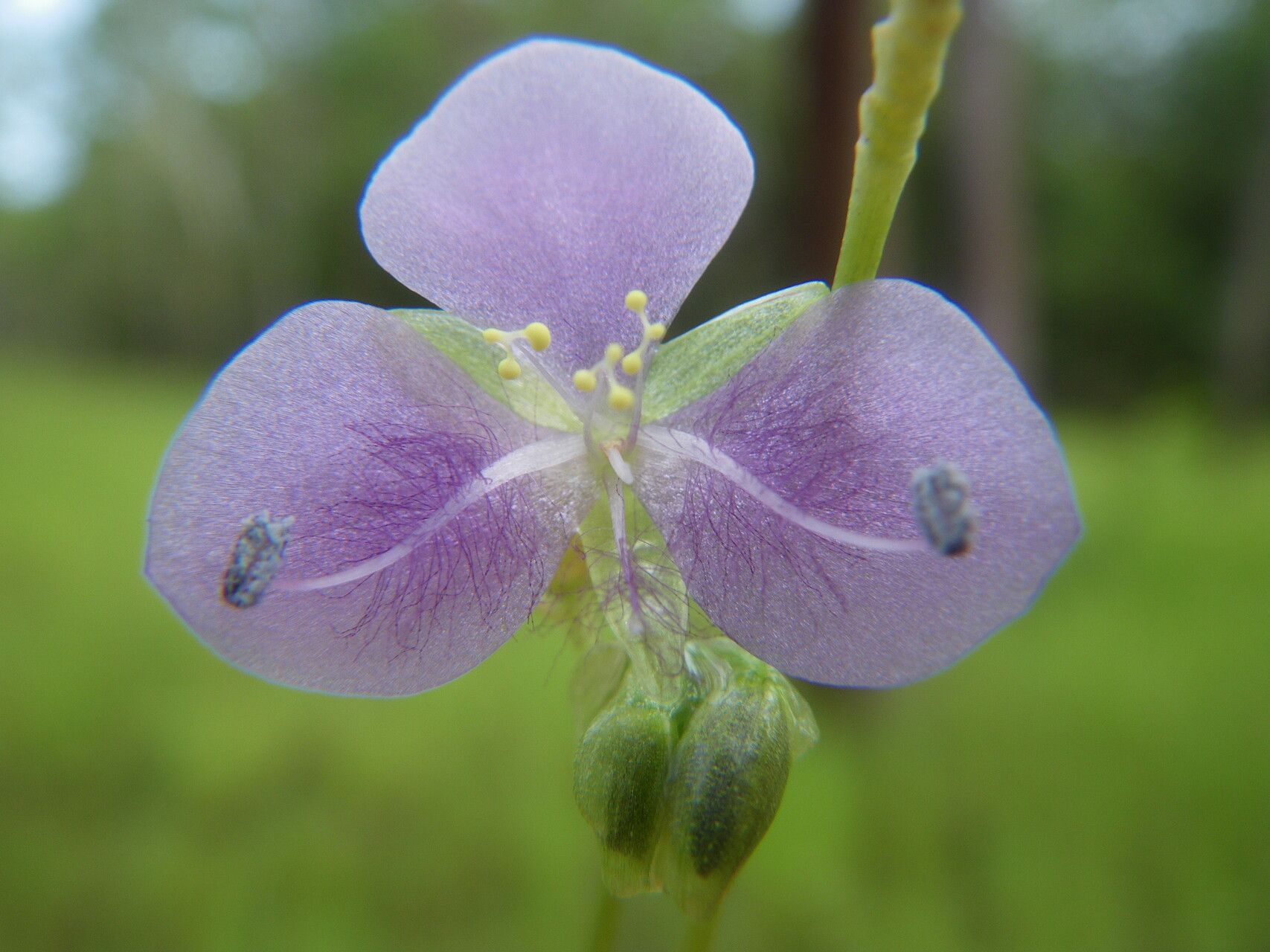
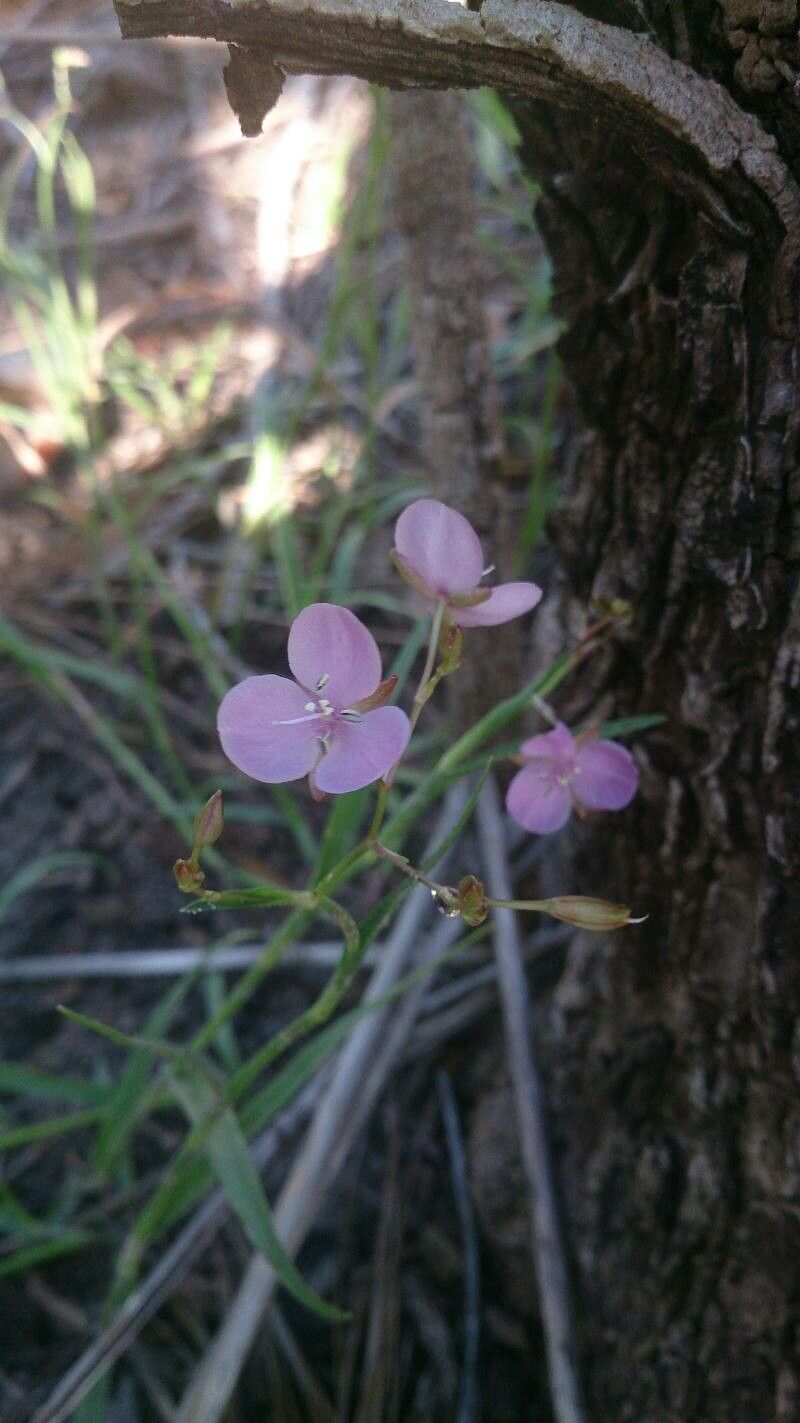
Nilima has strong disease resistance and is generally not likely to develop illnesses. However, it can be affected by pests and diseases present in its environment. These infections are typically mild. Regarding care, this plant needs a moderate level of attention. It should be pruned regularly to preserve a neat appearance and healthy growth. Applying fertilizer can also help encourage flowering. Nilima is well suited for anyone with outdoor space, such as a garden or patio, and does not demand extensive care experience. It may need additional attention when cultivated indoors.
How to keep Murdannia Simplex.
Light
Nilima naturally inhabits settings like forest undergrowth or rocky terrains, sites that offer natural shade. It thrives best in partial sunlight, however, it also can adjust to full sunlight or complete shade, showcasing its robust and adaptable character.
Temperature
Nilima thrives best in regions that enjoy moderate weather conditions, ideal temperatures being between 68 and 95°F (20 to 35℃). During the cooler months, it is important to regulate the indoor temperatures to stay within this range to promote healthy growth.
Fertilizer
During its active growth period, which mainly happens in spring, summer, and early autumn, Nilima will need a high quantity of fertilizer. Fertilization provides crucial nutrients that the soil may lack, and aids in the healthy development of the plant's roots and stems. Additionally, it encourages the growth of beautiful foliage, a prominent characteristic of this specific plant.
Botanical profile.
- Plant Type
- Herb
- Life Cycle
- Perennial
- Hardiness Zone
- 10
- Mature Height
- 30 cm to 61 cm
- Mature Spread
- 15 cm to 30 cm
- Leaf Color
- Green
- Leaf Type
- Evergreen
- Flower Color
- Lavender
- Flower Size
- 2.03 cm to 5.08 cm
- Bloom Time
- Summer, Early fall, Mid fall
- Planting Time
- Spring, Autumn
- Harvest Time
- Late summer, Fall, Early winter
- Native Area
- Sri Lanka, Burkina Faso, India, Angola, Namibia, Madagascar, Rwanda, Nigeria, Kenya, Uganda, Tanzania, Zimbabwe, Guinea-Bissau, Mali, Benin, Sierra Leone, Cambodia, Equatorial Guinea, Cameroon, Mozambique, Burundi, Ghana, Ethiopia, Congo, Central African Republic, Malawi, South Africa, Zambia, Sudan, Laos, Guinea, Chad, China, Vietnam, Myanmar, Togo, Senegal, Eswatini, Côte d'Ivoire, Congo (DRC), Thailand, Gabon
Other names.