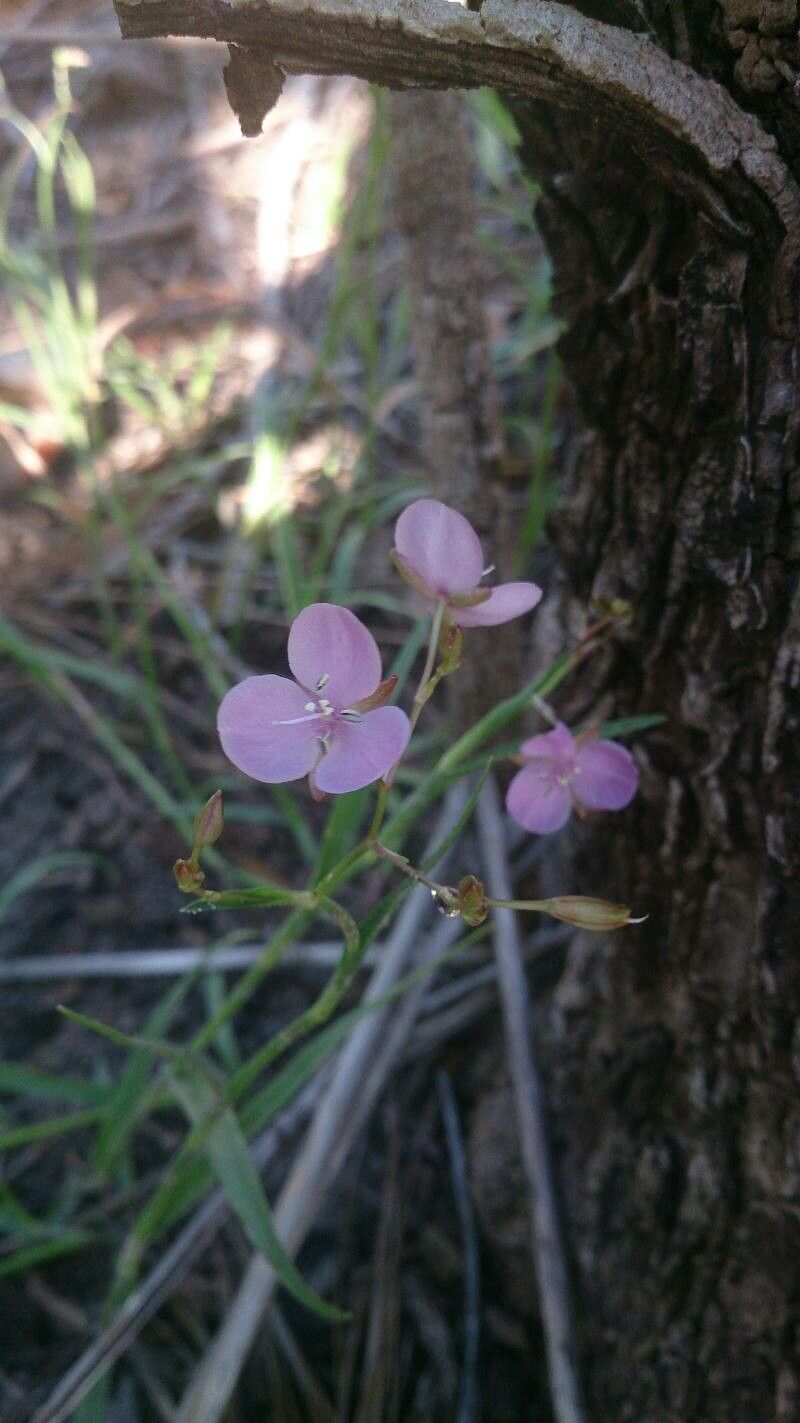
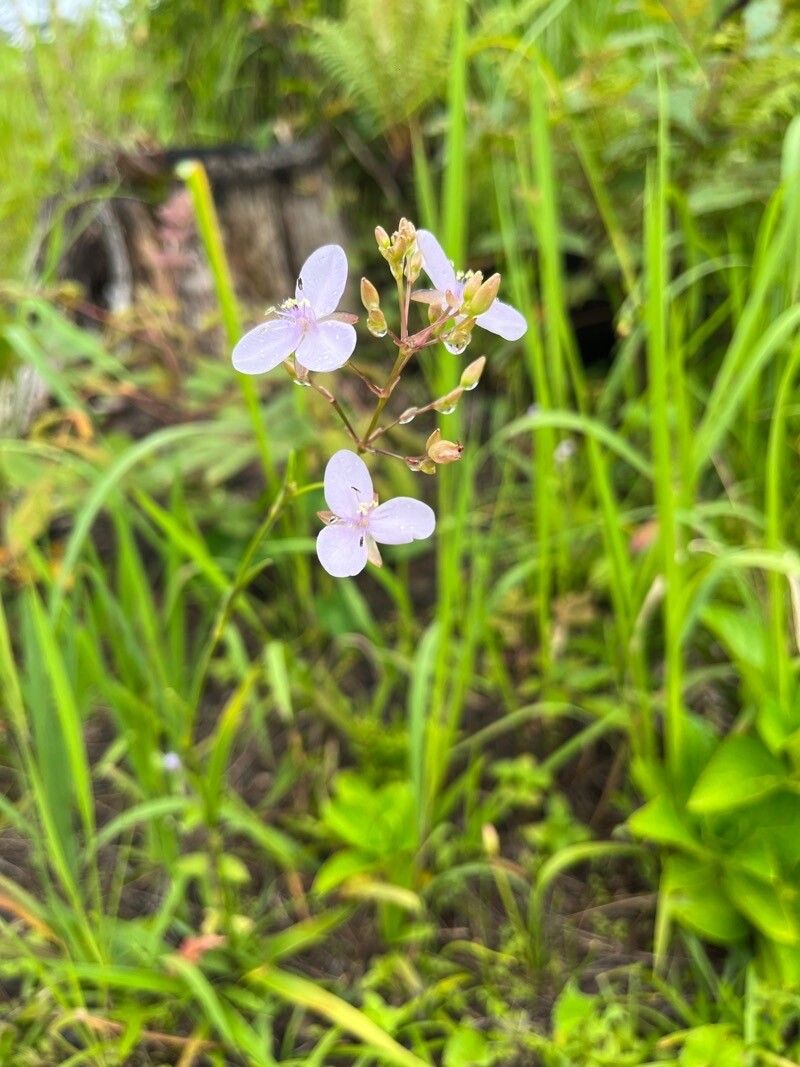
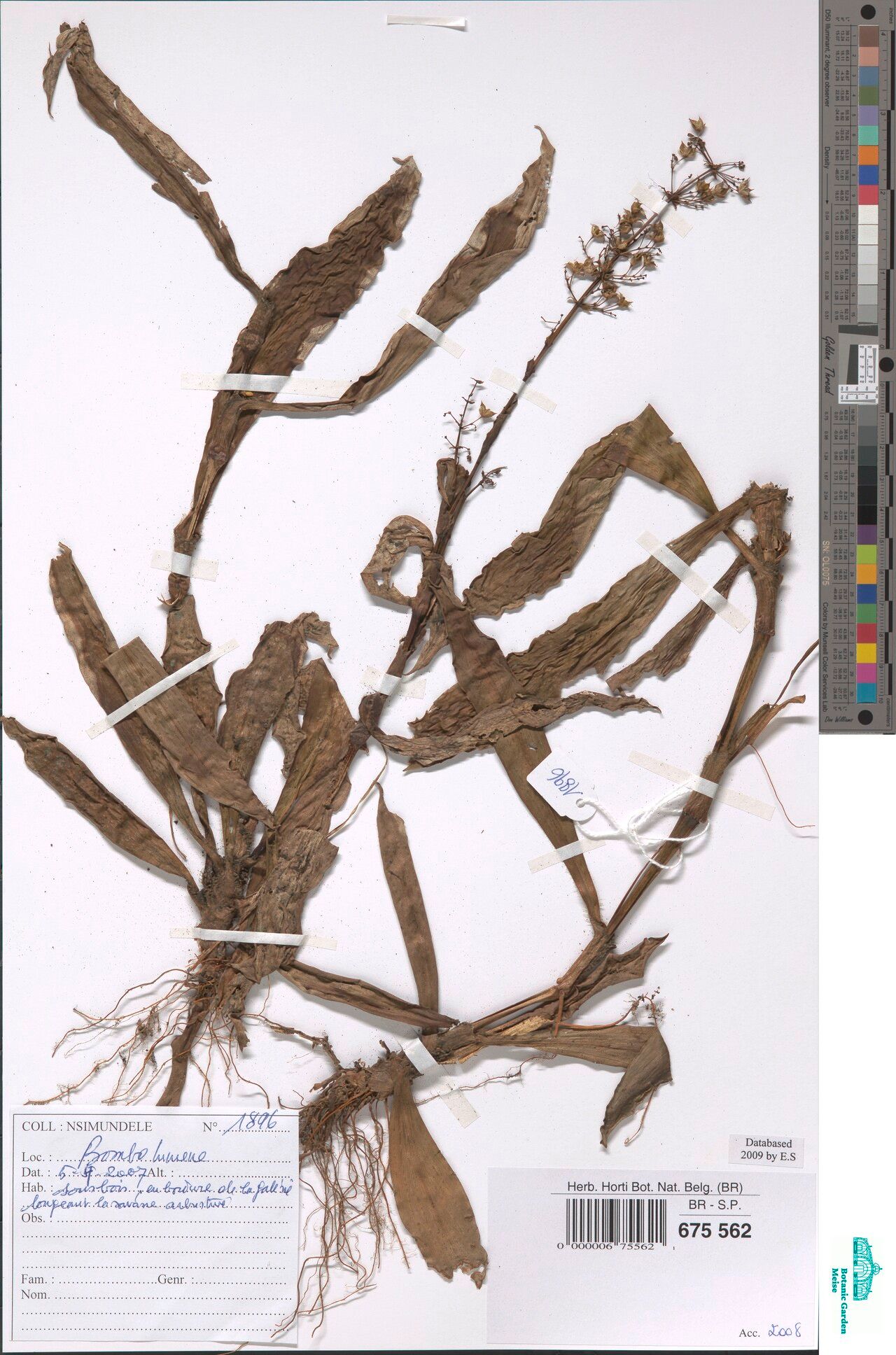
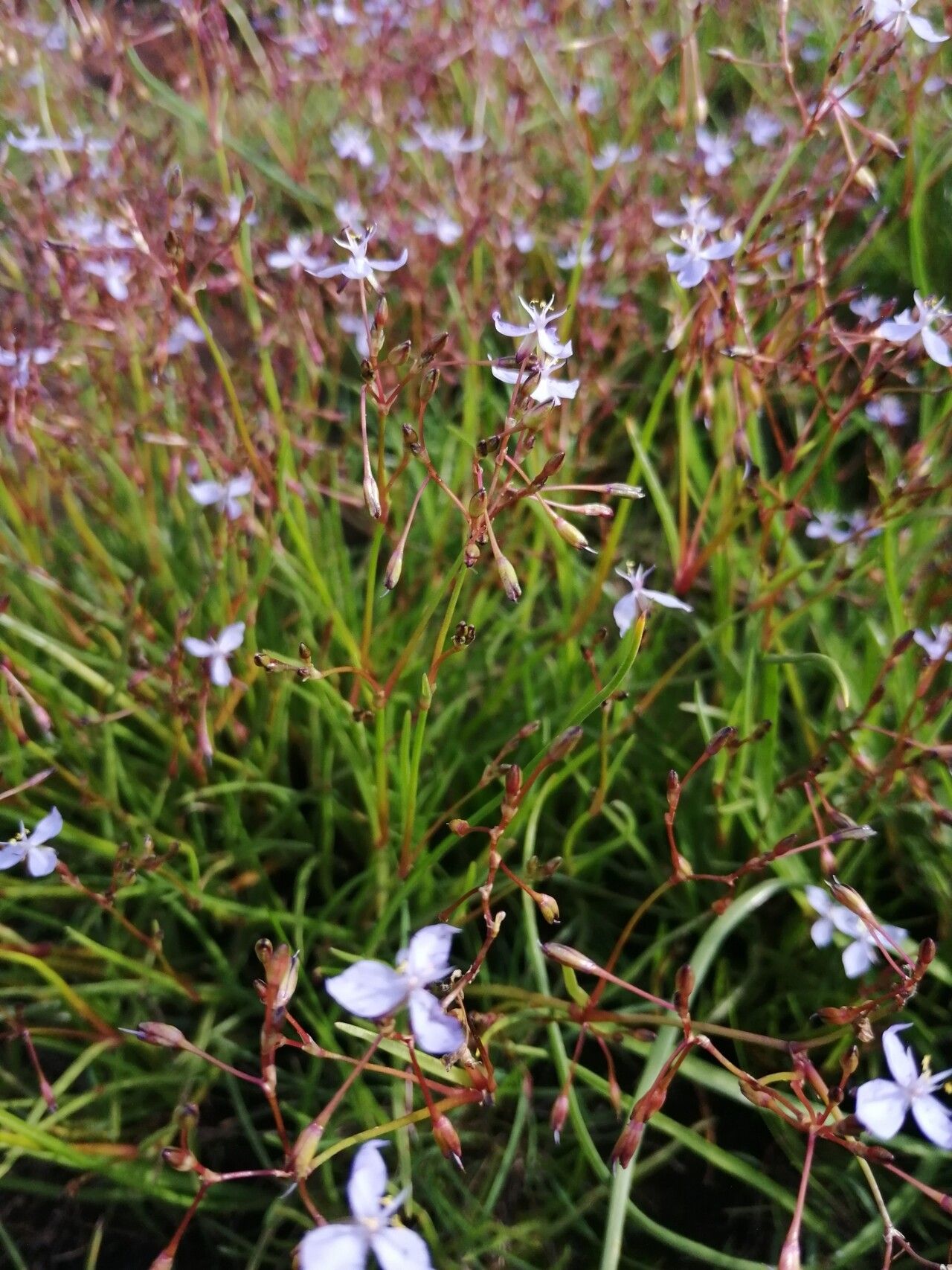
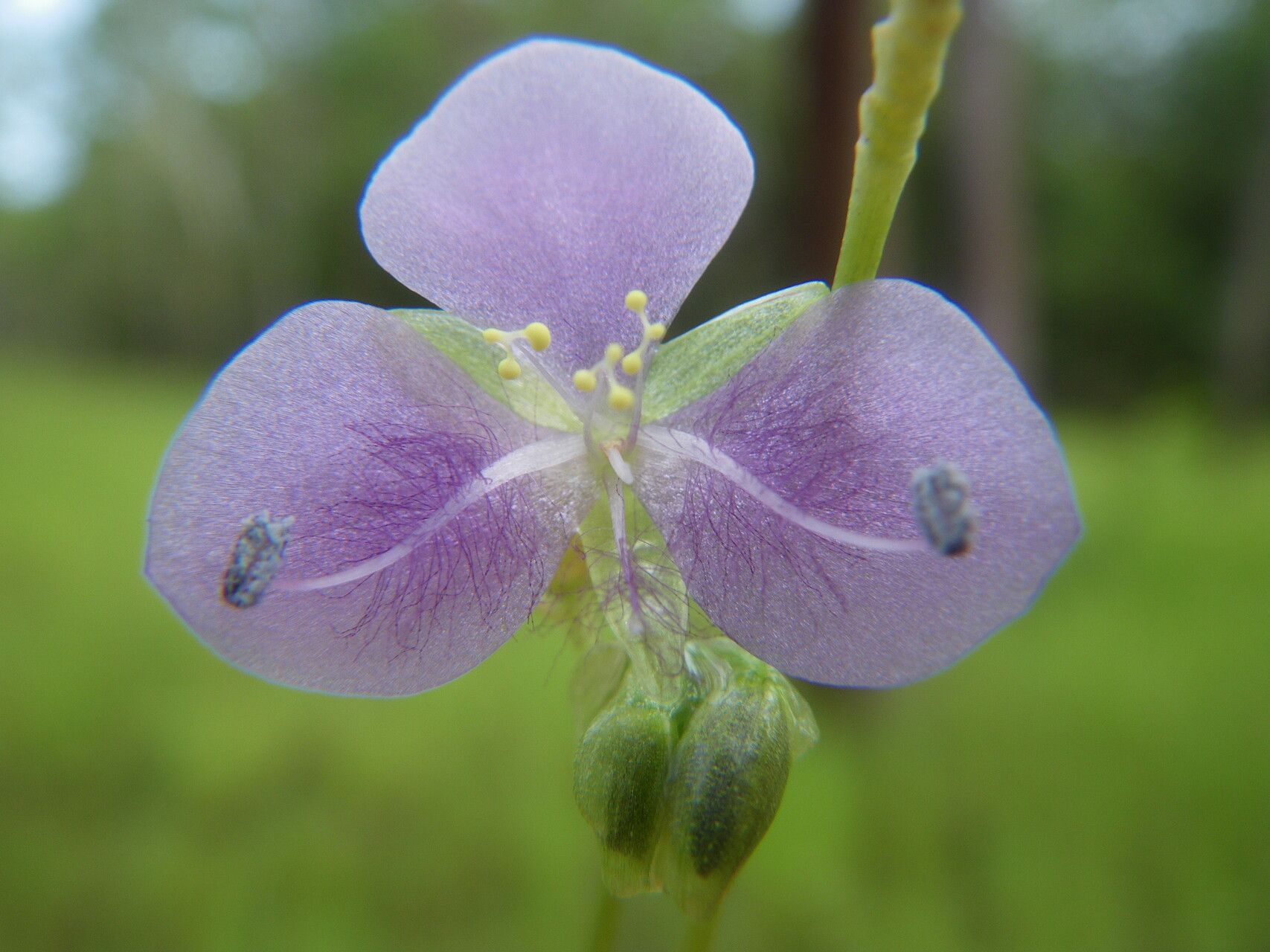
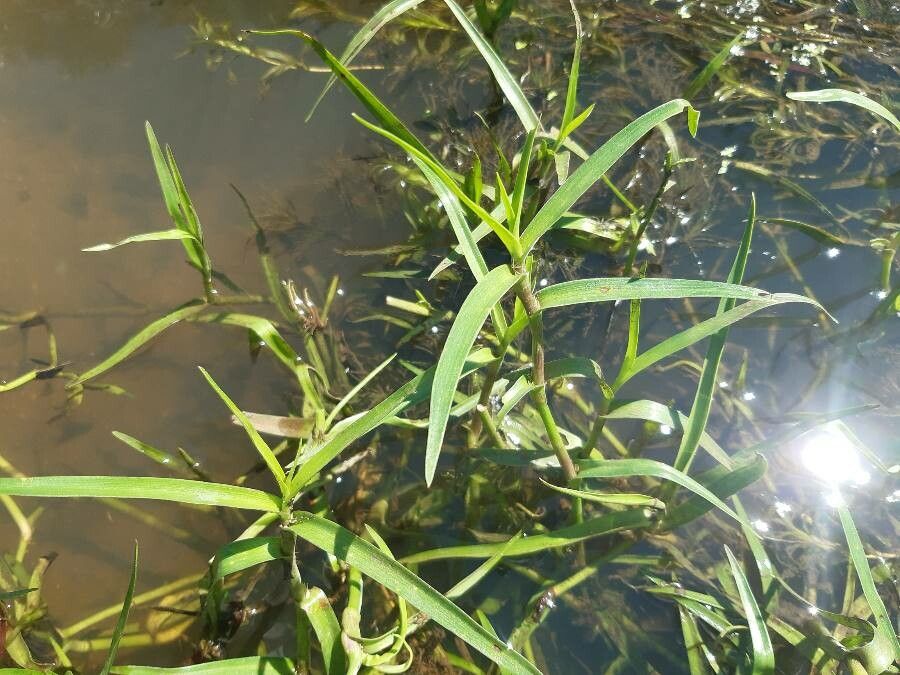
Murdannia graminea is a species of flowering plant commonly known as grass lily, in the family Commelinaceae. It is an upright perennial herb with mauve to purple flowers and grows in New South Wales, Queensland, Western Australia and the Northern Territory.
Grass lily has strong disease resistance and is generally not prone to illnesses. Still, it can be affected by pests and diseases present in its environment. Such infections are typically not serious. Regarding care, this plant needs a moderate level of maintenance. It should be pruned regularly to keep a neat appearance and support healthy growth. Fertilizing can also encourage flowering. Grass lily is suitable for anyone with an outdoor area, like a garden or patio, and does not require extensive care experience. It may need more attention when cultivated indoors.
How to keep Murdannia Graminea.
Light
Grass lily is native to habitats like forest understories and rocky areas, where it grows in natural shade. It prefers partial sun but can adapt to full sun or full shade, reflecting its versatile and hardy nature.
Temperature
Grass lily can tolerate a wide range of temperatures, but its spread may still be restricted by different combinations of moisture and heat. It performs best in warm summer conditions with sufficient rainfall or watering. Long periods of cloudy, rainy weather or prolonged high temperatures can raise the chance of Grass lily dying. In winter, adequate protection from the cold can increase the plant's survival rate.
Fertilizer
The best time to fertilize a Grass lily is in early spring, as it comes out of dormancy and begins active growth. Fertilization supplies essential nutrients needed for healthy development. Although Grass lily has relatively low fertilizer requirements, applying fertilizer once a year can improve its survival and encourage healthier, longer-lasting flowers.
Pruning
The grass lily features slender, grass-like leaves and star-shaped flowers. To encourage growth and flowering, prune it in early spring. Remove any dead foliage and lightly trim overcrowded stems to improve air circulation. Regular pruning helps maintain its appearance and prevents diseases, ensuring the plant's optimal health.
Botanical profile.
- Plant Type
- Herb
- Life Cycle
- Perennial
- Genus
- Murdannia
- Family
- Commelinaceae
- Hardiness Zone
- 9-11
- Mature Height
- 20 cm to 40 cm
- Mature Spread
- 30 cm to 49 cm
- Leaf Color
- Green
- Leaf Type
- Evergreen
- Flower Size
- 1.02 cm to 1.52 cm
- Bloom Time
- Summer, Early fall, Mid fall
- Planting Time
- Spring, Summer
- Harvest Time
- Late summer, Fall, Early winter
Other names.