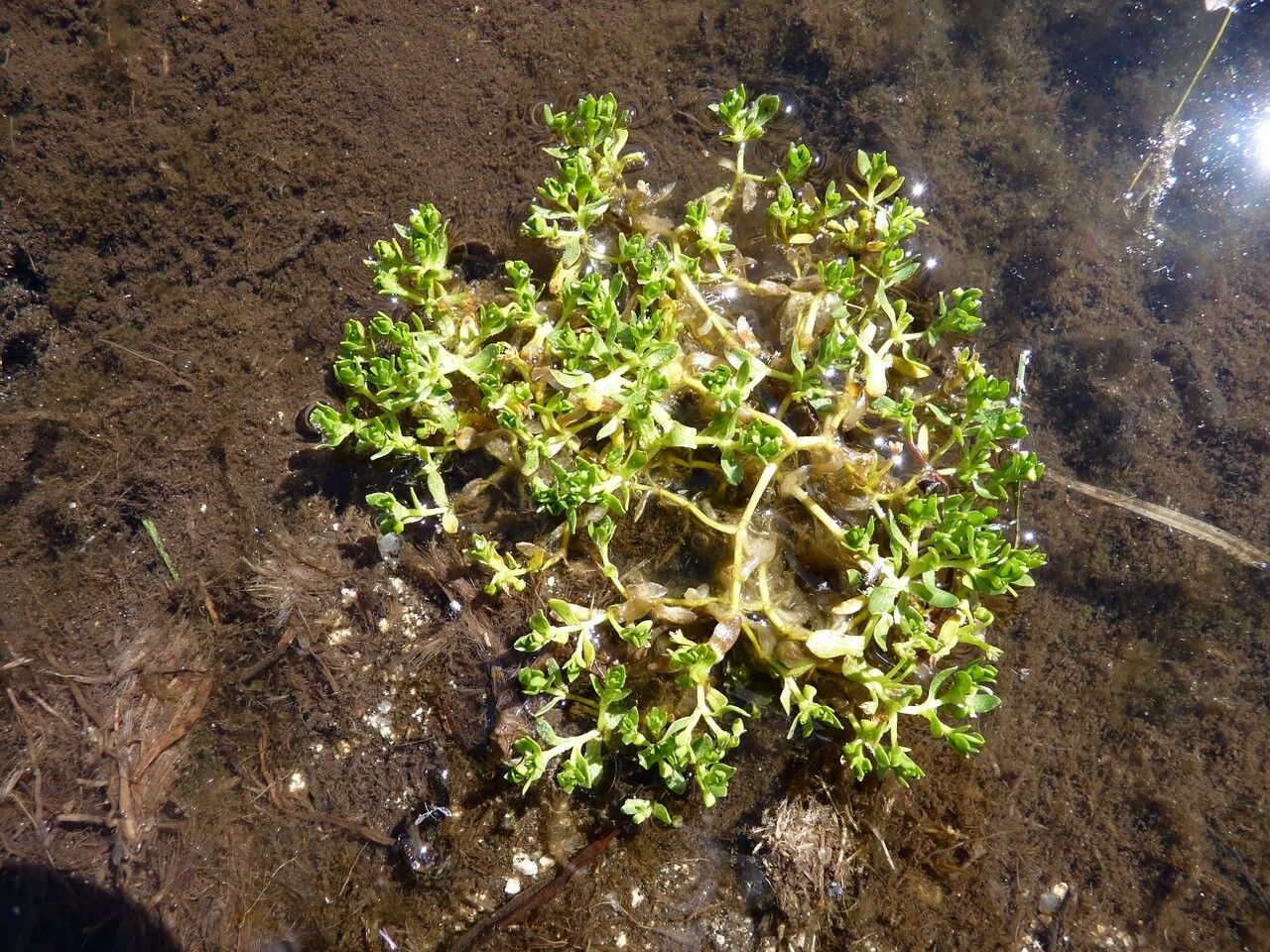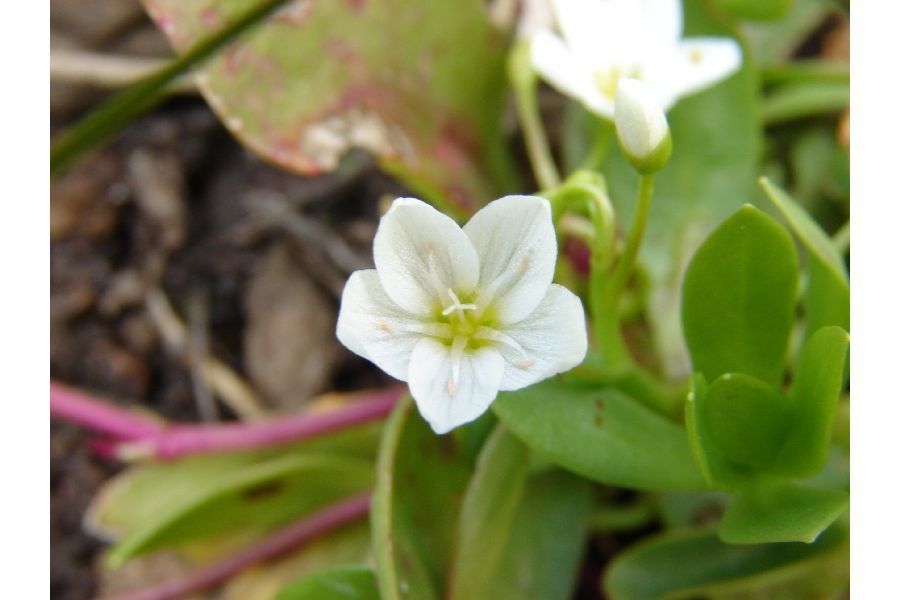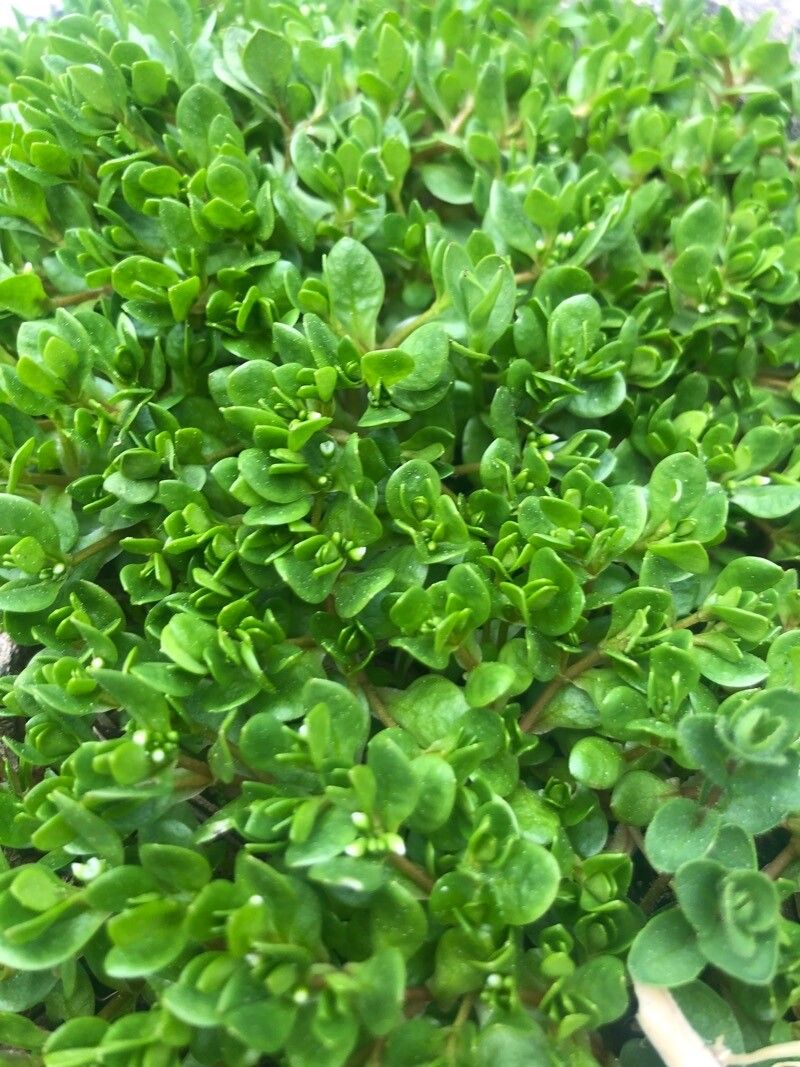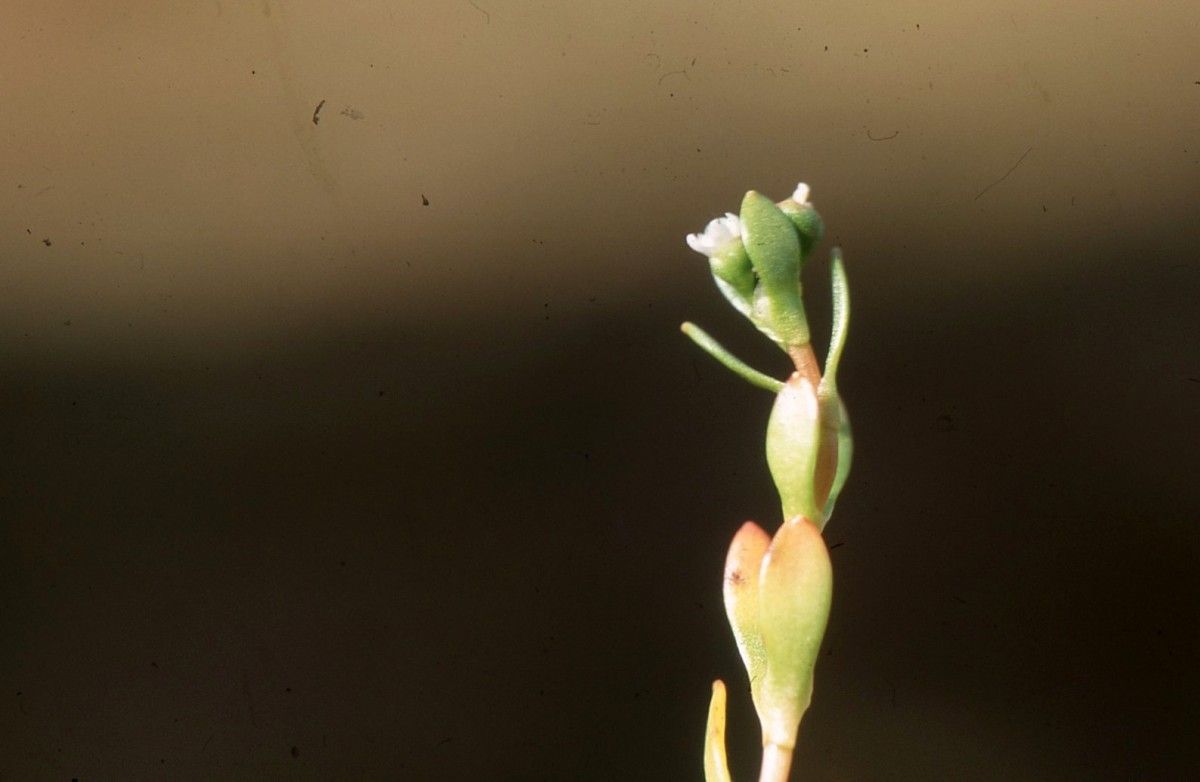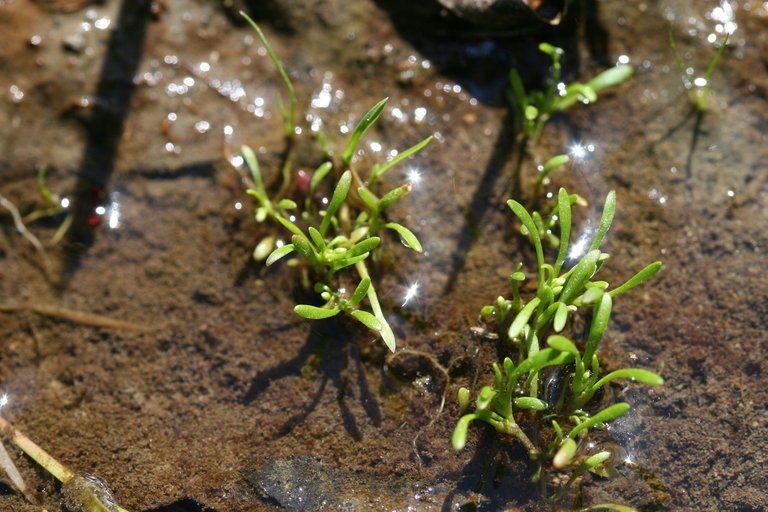
Montia howellii, commonly known as Howell's montia, is a small herbaceous plant in the Montiaceae family. It is native to the western United States and typically thrives in moist areas such as meadows, stream banks, and wetlands. This plant features small, oval-shaped leaves that are green and grow in a rosette pattern close to the ground. During spring and summer, it produces delicate white or pink flowers on thin stems that rise above the leaves.
Montia howellii serves as a crucial food source for wildlife, including deer, elk, rabbits, and rodents. Additionally, indigenous people have historically used the plant for medicinal purposes, such as treating colds and sore throats.
Unfortunately, habitat loss due to human activities like logging and development near wetlands has threatened the natural habitats of Montia howellii, pushing it toward extinction. Conservation efforts are underway to protect this species from further decline. These efforts include habitat restoration projects and protecting the remaining populations from human activities that endanger their survival.
Overall, Montia howellii plays a significant role in maintaining ecological balance within its native ecosystem. It provides essential food sources for wildlife and holds medicinal value for indigenous people. Consequently, it is a species of considerable importance and worth conserving for future generations.
How to keep Montia Howellii.
Pruning
Howell's minerslettuce is a low-growing, succulent annual plant with bright green leaves. To promote new growth and maintain its health, prune the plant in early to late spring using clean scissors. Avoid heavy pruning; small, selective trims help increase density and improve air circulation, which reduces the risk of fungal diseases.
Botanical profile.
- Life Cycle
- Annual
- Genus
- Montia
- Family
- Montiaceae