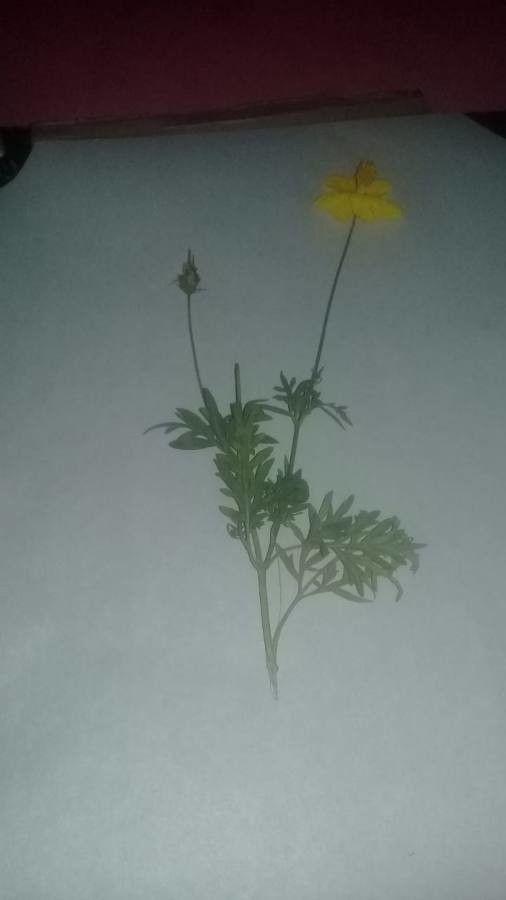
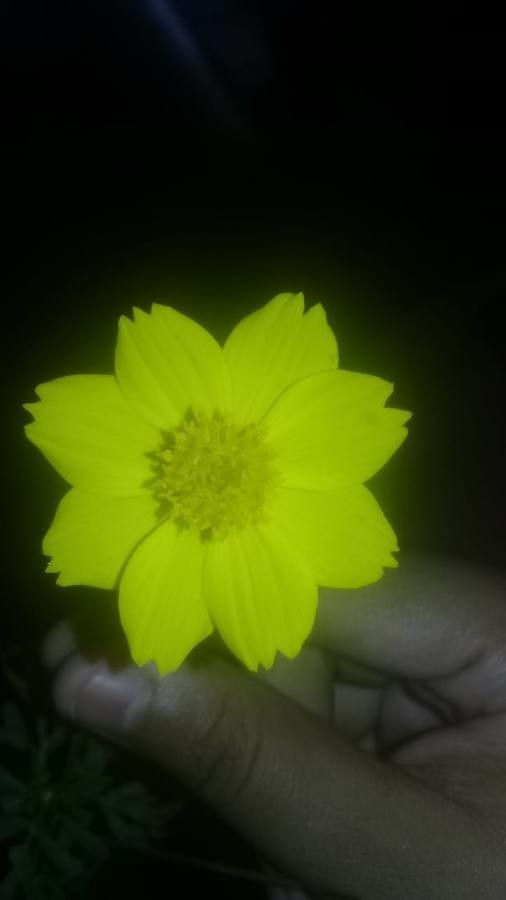
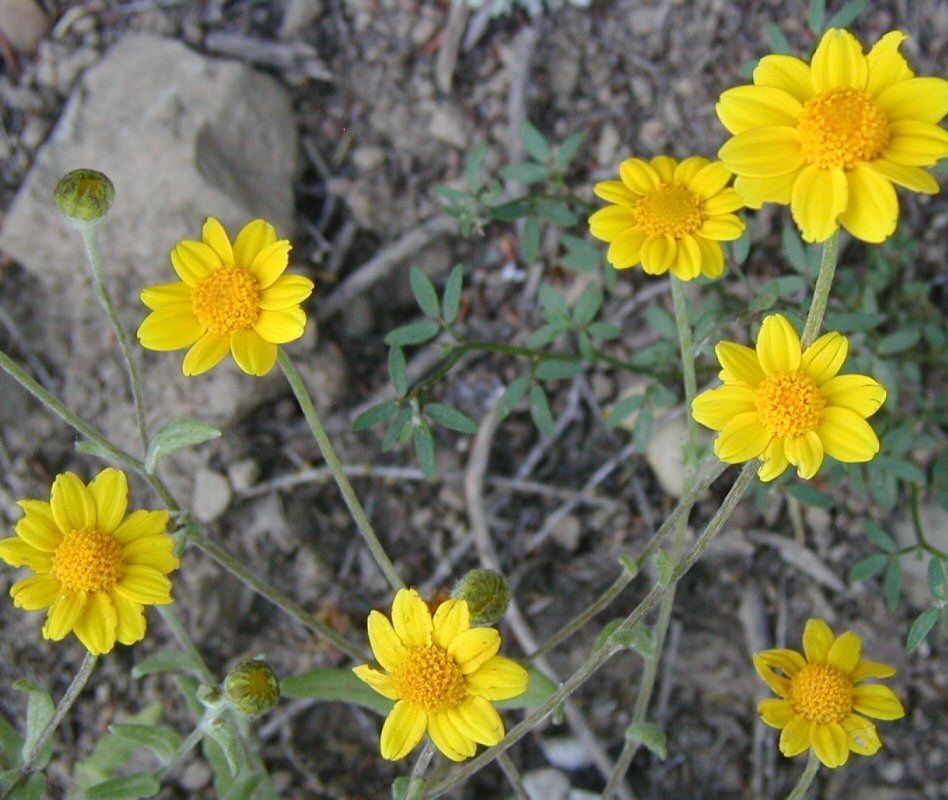
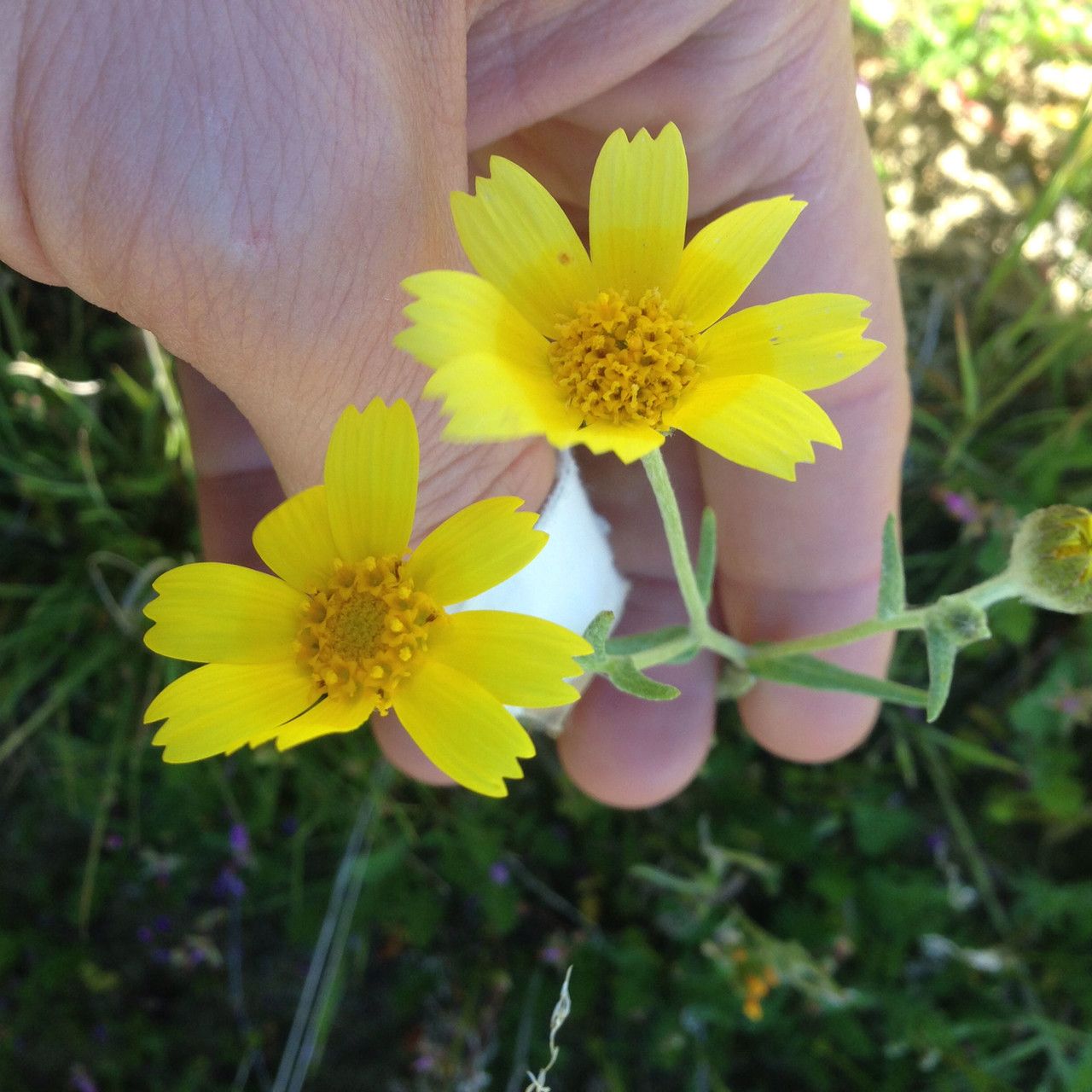
Monolopia major, commonly known as alkali monolopia, is a small annual plant that belongs to the sunflower family. Native to California, it thrives in alkaline soils found in desert and coastal areas. The plant can grow up to 20 cm tall and features narrow, gray-green leaves. Its flowers are small, yellow, and arranged in clusters at the tips of its stems, blooming from March to May.
Alkali monolopia plays an important role in its ecosystem by providing food for pollinators such as bees and butterflies. Additionally, it helps prevent soil erosion by stabilizing the soil with its roots.
Native Americans have traditionally used the plant for medicinal purposes, including the treatment of headaches, stomachaches, and colds.
Monolopia major is considered a rare species due to habitat loss caused by human activities such as agricultural development and urbanization. Conservation efforts, including habitat restoration programs, are being implemented to protect this species from extinction.
Overall, Monolopia major is an important part of California's native flora with significant ecological value. It deserves protection to ensure that future generations can enjoy the unique beauty of this species.
Botanical profile.
- Genus
- Monolopia
- Family
- Asteraceae
Other names.