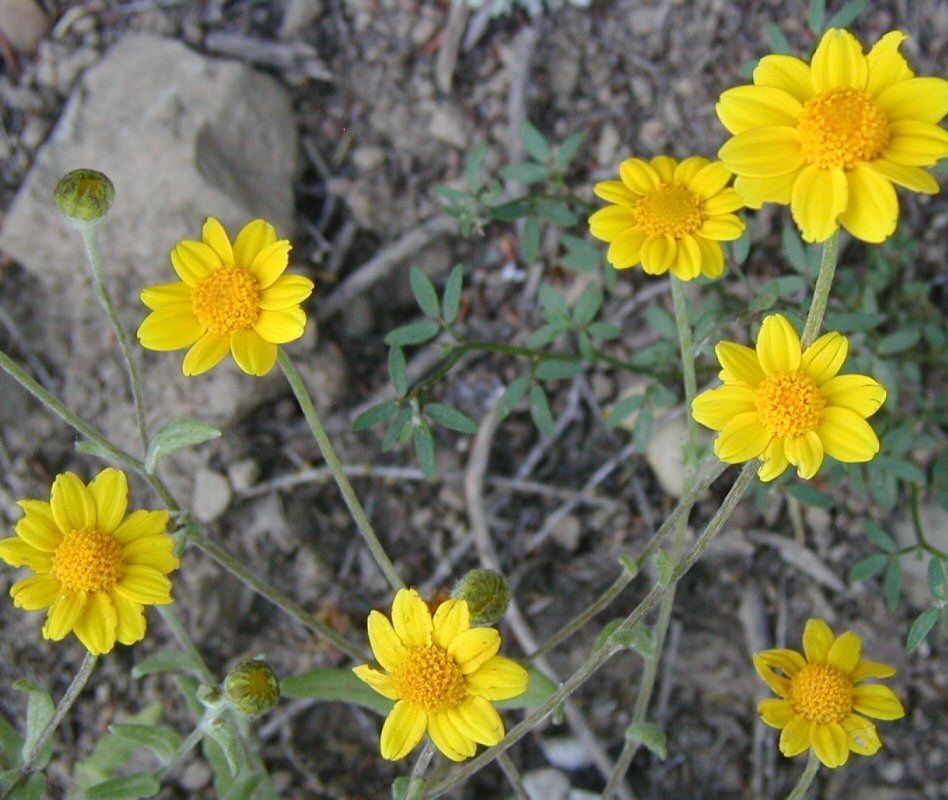
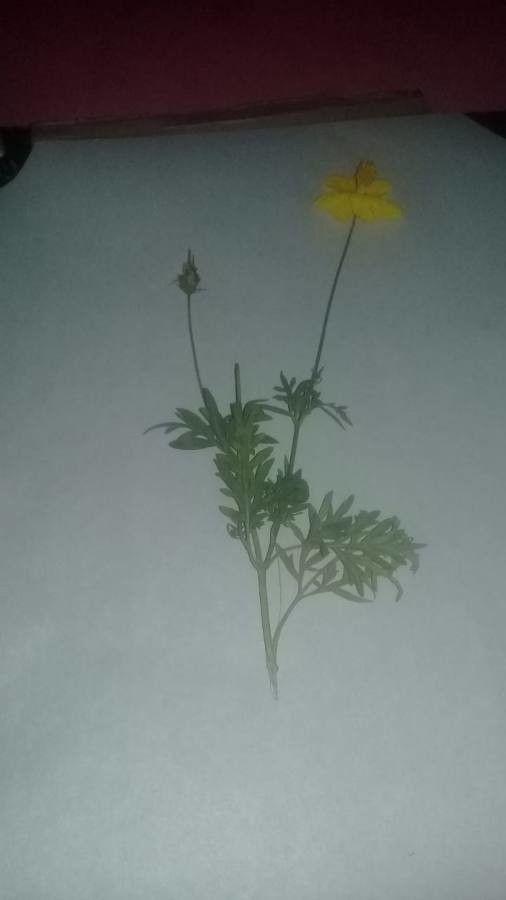
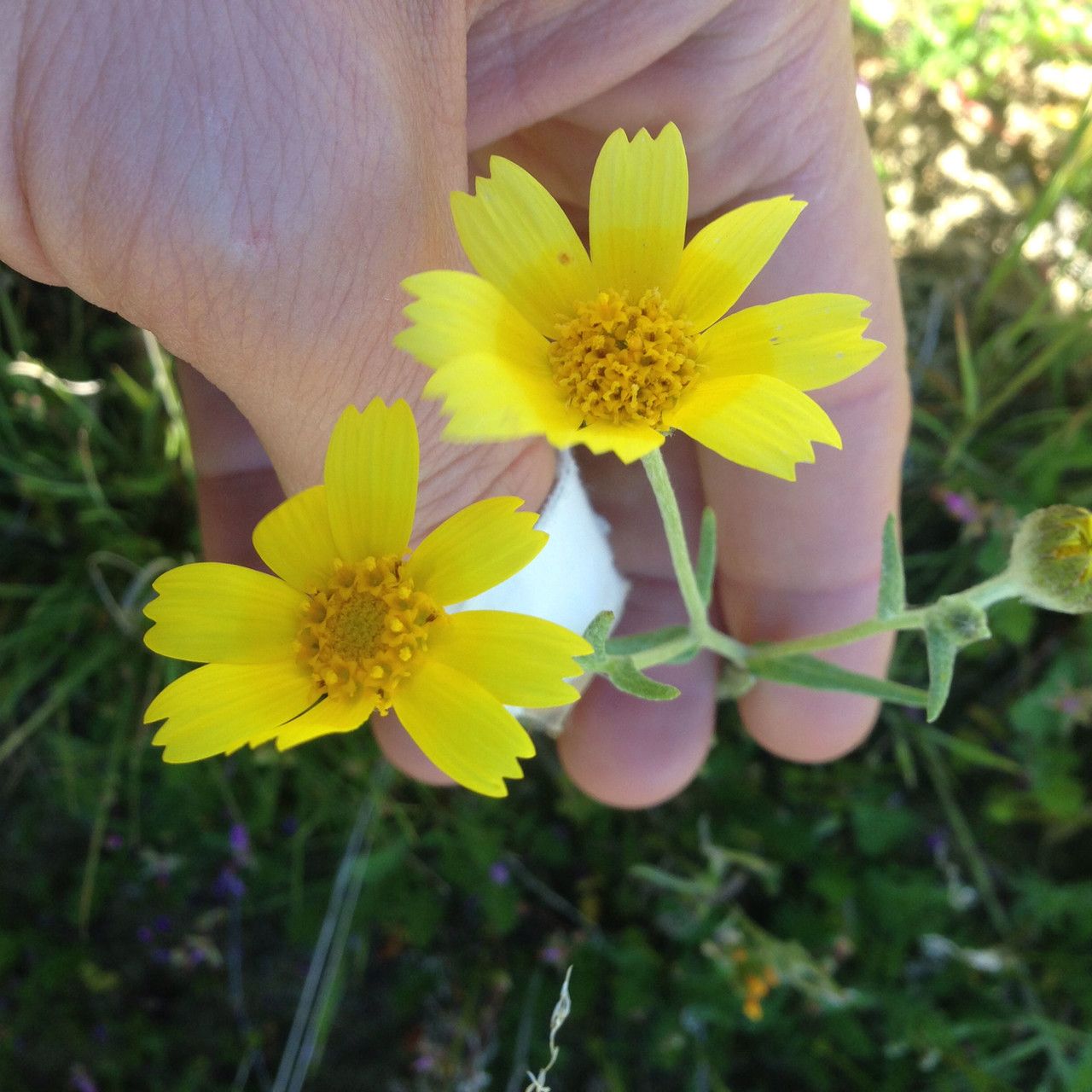
Monolopia lanceolata, the hillside daisy or common monolopia, is a species of flowering plant in the family Asteraceae. It is endemic to the southern half of California, where it grows in many types of habitat, including coastal and valley grassland, chaparral, woodland, and desert.
Common monolopia has good resistance to disease and is generally not prone to illnesses. However, it can be vulnerable to pests and diseases present in its surroundings. These infections are typically not severe. Regarding care, this plant requires moderate maintenance. Regular pruning is necessary to preserve a neat appearance and support healthy growth. Fertilizing can also encourage flowering. Common monolopia is appropriate for anyone with outdoor space, such as a garden or patio, and does not demand extensive care experience. It may need more attention when cultivated indoors.
How to keep Monolopia Lanceolata.
Fertilizer
Common monolopia benefits from regular, dilute applications of fertilizer to encourage healthy leaf growth. You should fertilize Common monolopia about once a month during the summer. Nitrogen is essential for foliage, and adding nitrogen-rich sources helps Common monolopia thrive.
Pruning
Common monolopia is a wildflower recognized for its vibrant yellow blooms. It requires minimal pruning, but a light trimming from early to late spring can help remove dead stems, promoting healthier and fuller growth. By maintaining the plant regularly, you not only enhance its visual appeal but also improve its overall health.
Botanical profile.
- Plant Type
- Herb
- Life Cycle
- Annual
- Genus
- Monolopia
- Family
- Asteraceae