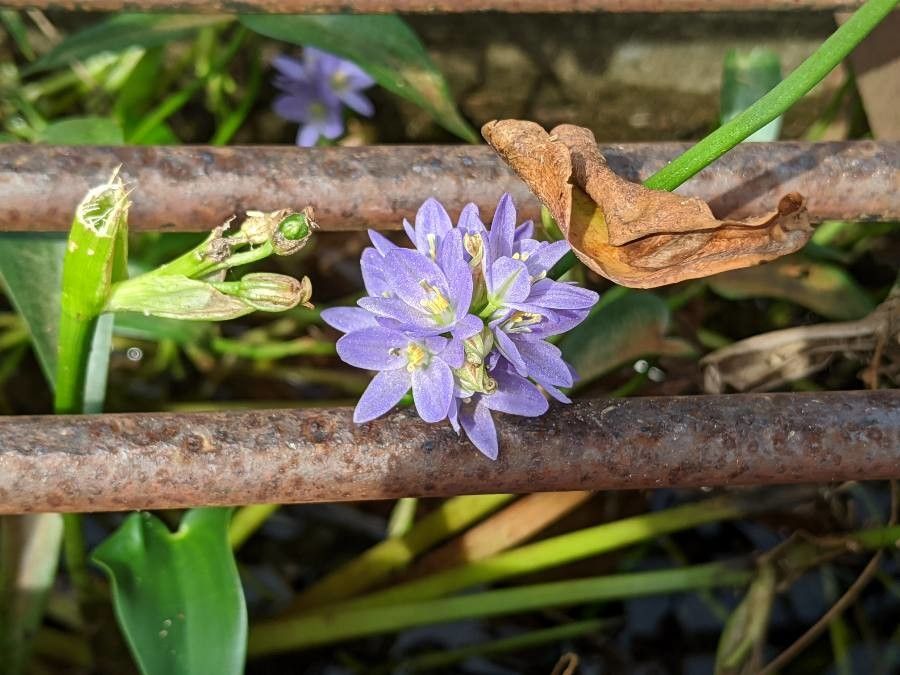
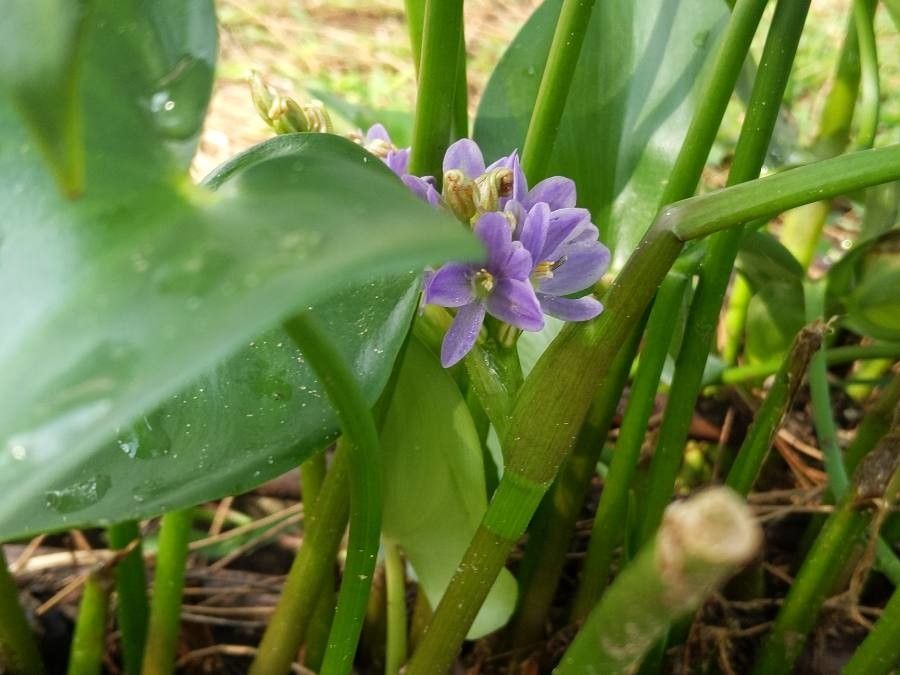
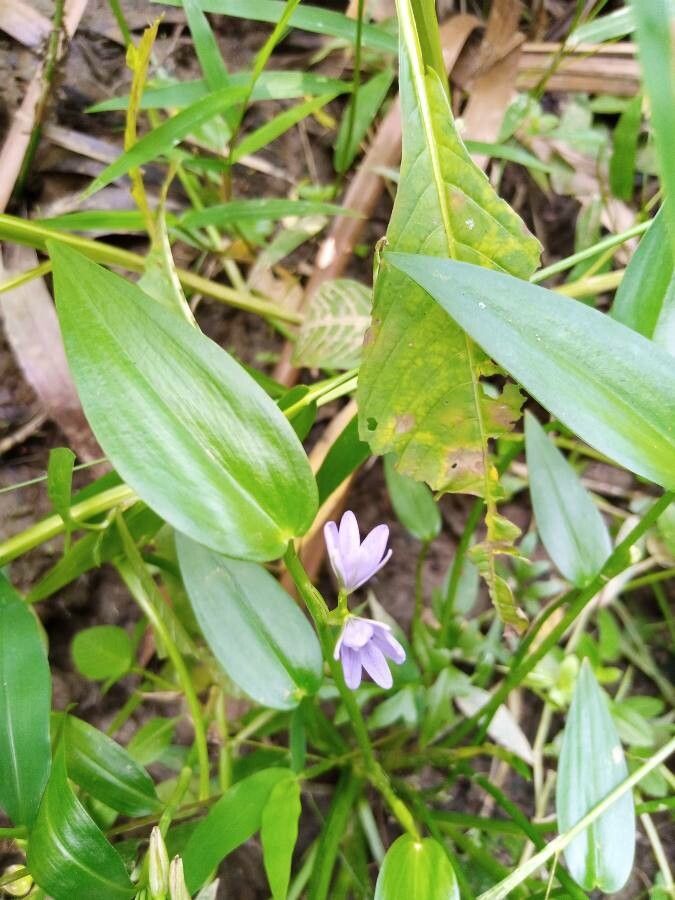
Leaf pondweed is fairly disease-resistant and generally does not suffer from many illnesses. However, it can be vulnerable to pests and diseases present in its surroundings. Such infections are usually mild. For care, the plant requires moderate maintenance. Regular pruning is necessary to maintain a good appearance and healthy growth. Applying fertilizer can also encourage flowering. Leaf pondweed is suitable for anyone with outdoor space, such as a garden or patio, and does not demand extensive care experience. It may need extra attention when grown indoors.
How to keep Monochoria Hastata.
Light
Leaf pondweed is found in habitats with plenty of sunlight, for example the shallow margins of ponds and lakes. It favors full sun, although it can tolerate partial sun.
Water
Leaf pondweed flourishes in moist environments and is semi-aquatic. It requires consistent hydration, but care should be taken to avoid waterlogging. Regular weekly watering promotes its growth, and it is often grown outdoors to take advantage of natural rainfall during its active growing season.
Temperature
Leaf pondweed hails from tropical areas, where the climate is generally warm and humid. Consequently, it is well suited to high temperatures and humidity. It does not tolerate sudden temperature shifts and prefers a stable thermal environment, so it's important to prevent temperature fluctuations indoors. It usually cannot withstand cold and needs warmer conditions to grow. If the surrounding temperature falls too low, the plant may stop growing or even die.
Pruning
Leaf pondweed, known for its broad, floating leaves, thrives in aquatic environments. To maintain its health and appearance, prune the plant from early to late spring. During this time, remove any dead foliage and thin out crowded areas to improve both light and water access. Regular trimming encourages growth, prevents the plant from becoming invasive, and enhances its overall aesthetic and vitality. For optimal care techniques, consult horticultural guides for best practices.
Botanical profile.
- Plant Type
- Herb
- Life Cycle
- Perennial
- Genus
- Monochoria
- Family
- Pontederiaceae
- Hardiness Zone
- 9-11
- Mature Height
- 0.49 m to 1.22 m
- Mature Spread
- 30 cm to 49 cm
- Leaf Color
- Green
- Leaf Type
- Semi-evergreen
- Flower Color
- Lavender
- Flower Size
- 0.76 cm to 1.02 cm
- Bloom Time
- Summer, Early fall, Mid fall
- Planting Time
- Spring, Summer
- Harvest Time
- Late summer, Fall, Early winter
- Native Area
- Nepal, Sri Lanka, India, Indonesia, Vietnam, Papua New Guinea, Philippines, Bhutan, Laos, Thailand, China
Other names.
Reader questions.
What are the sunlight requirements for Leaf pondweed (Monochoria hastata)?
Leaf pondweed (Monochoria hastata) thrives in various sunlight conditions. For 'Full sun' exposure, it requires above 6 hours of sunlight daily. If the plant is in a location with 'Partial sun', it should receive about 3-6 hours of sunlight. It's important to observe how sunlight moves through your garden to ensure that you're selecting the ideal spots, offering the perfect balance of light and shade to meet the needs of your Leaf pondweed, thus ensuring its happiness.