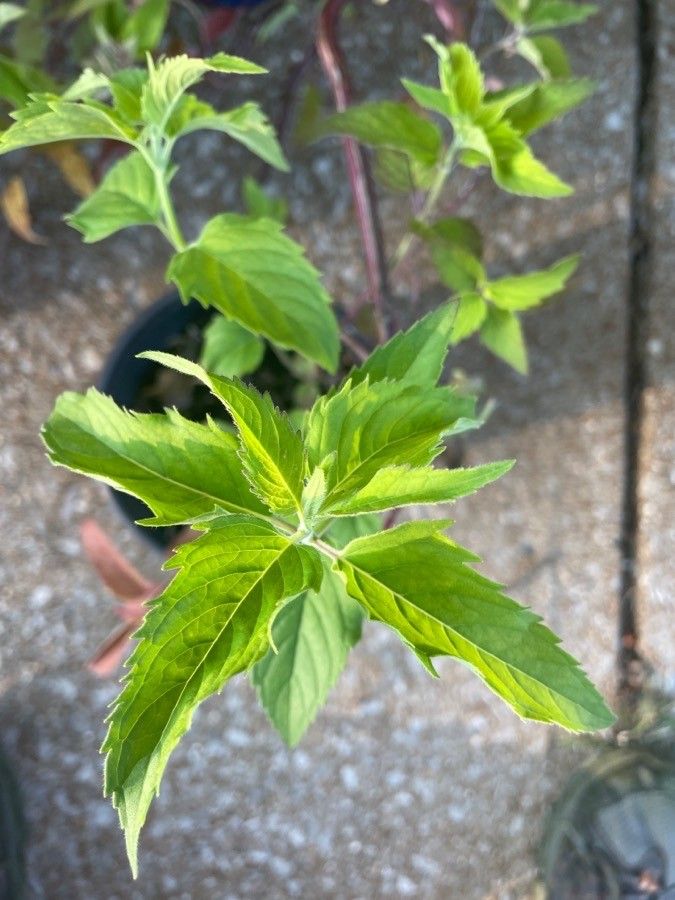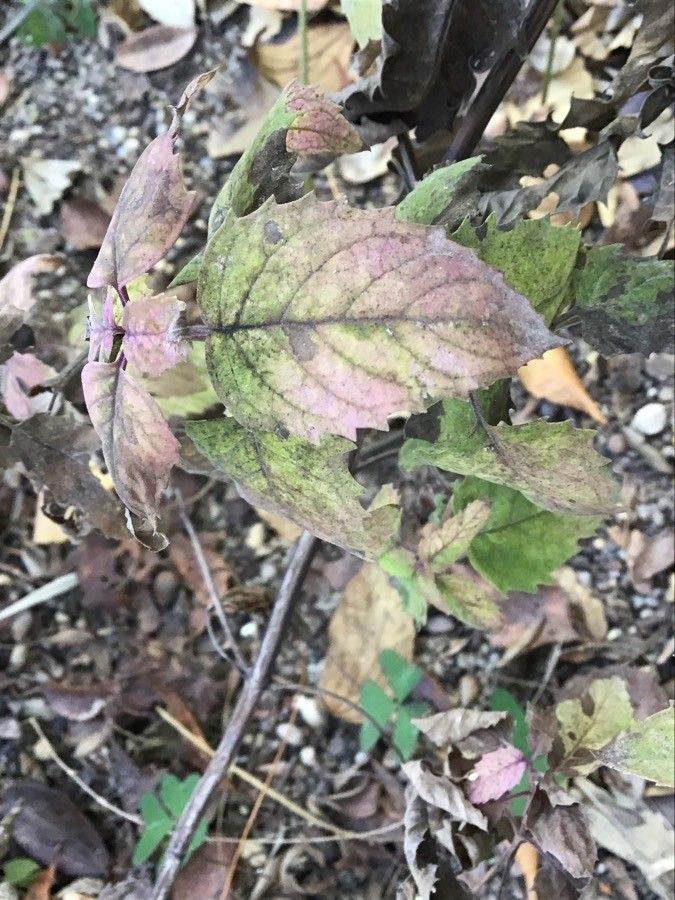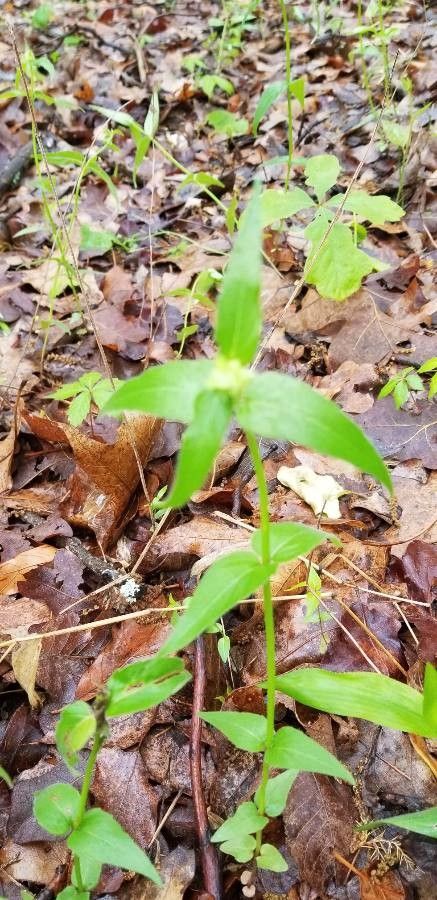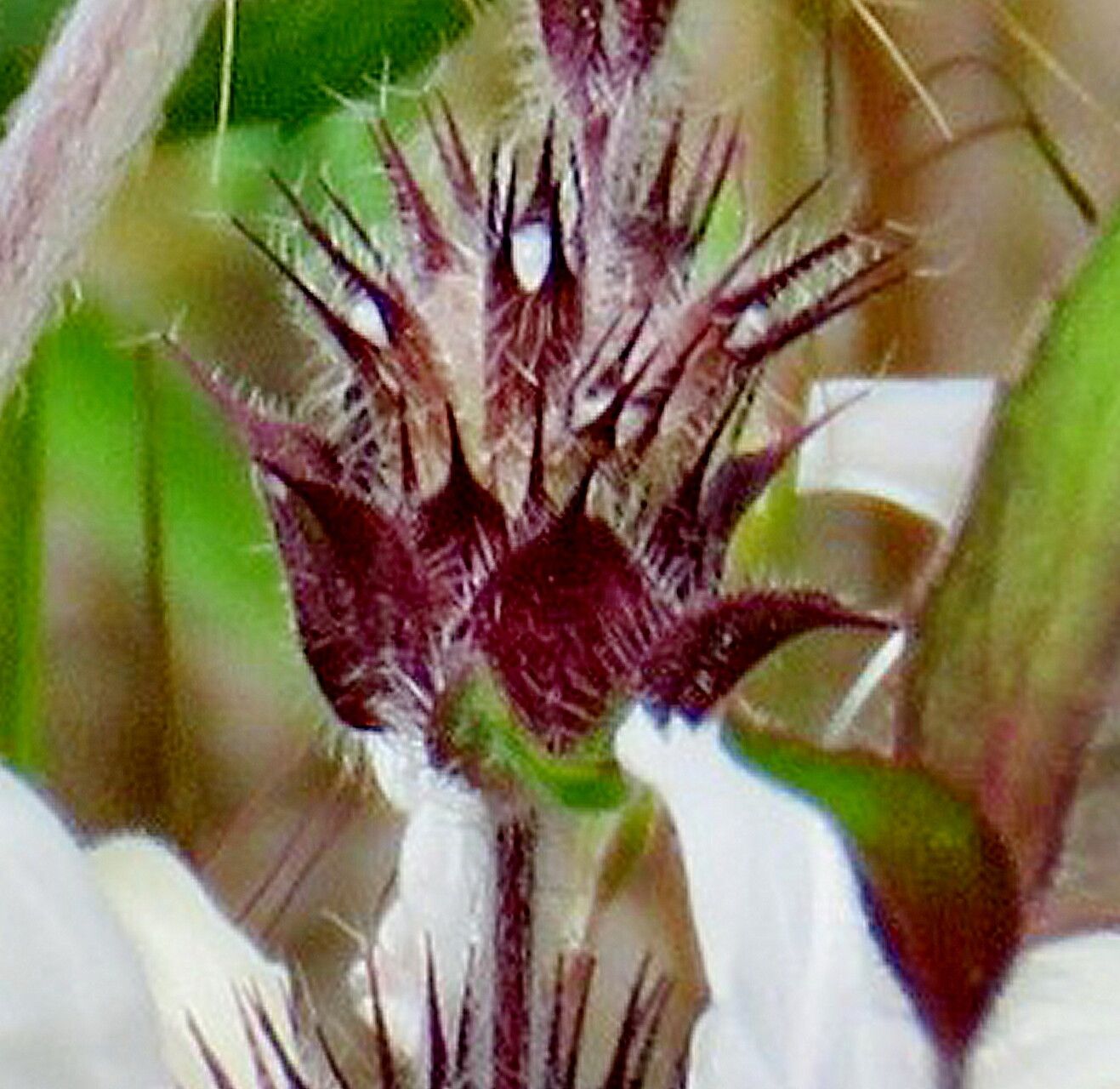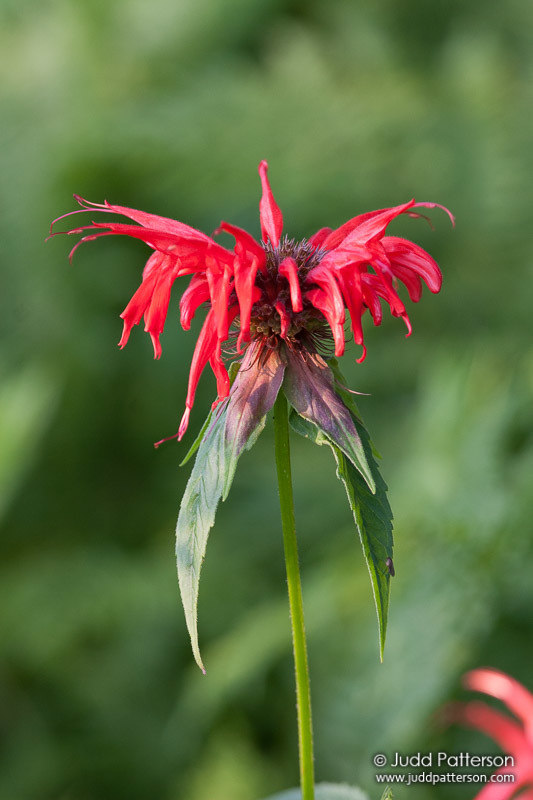
Monarda, commonly known as bee balm or bergamot, is a flowering plant native to North America. It belongs to the mint family and is celebrated for its aromatic leaves and vibrant flowers. Typically, the plant grows up to 3 feet tall and produces clusters of tubular flowers in shades of pink, red, purple, or white. The leaves, when crushed, emit a pleasant fragrance and can be used in teas or as a seasoning for food.
Monarda is a popular garden plant due to its attractive appearance and its ability to attract pollinators such as bees, butterflies, and hummingbirds. It thrives best in full sun but can tolerate partial shade in hotter climates. For optimal growth, the soil should be well-drained yet moist.
Beyond its ornamental appeal, Monarda has been used for centuries by Native Americans for medicinal purposes, thanks to its antibacterial properties. These properties make it effective against infections such as colds and the flu.
Scarlet beebalm brings a cool and refreshing sensation. Its fragrance is calming and soothing, and its flowers are truly beautiful. As summer turns to autumn, its blossoms capture the attention of hummingbirds looking for food. FUN FACT · FROM THE LIBRARY
In summary, Monarda is an attractive garden plant that not only enhances the beauty of your garden but also offers medicinal benefits, making it a valuable addition to any garden!
Scarlet Beebalm: The name "beebalm" comes from the plant's traditional use as a pain reliever and healing remedy, particularly for bee stings. Additionally, many of the flowers are a vibrant scarlet red, which is why the plant is often referred to as scarlet beebalm.
Scarlet beebalm is fairly resistant to disease and typically does not suffer from them. Still, it can be vulnerable to pests and illnesses present in its environment. These problems are usually mild. In terms of upkeep, this plant needs a moderate level of maintenance. It should be pruned regularly to preserve an attractive appearance and support healthy growth. Fertilizing can also encourage flowering. Scarlet beebalm is well suited for people with outdoor areas like a garden or patio and does not require extensive gardening experience. It may need more attention when grown indoors.
How to keep Monarda Didyma.
Light
Scarlet beebalm does best with plenty of sunlight during the day, though it will tolerate lower light levels. Since it comes from environments with abundant sun, its growth can slow when light is lacking. Likewise, excessive light combined with insufficient moisture can cause leaf scorch.
Water
Scarlet beebalm thrives in moist, rich soils and prefers consistent watering. Although it is adaptable, it needs to be watered weekly to sustain healthy growth, particularly during its flowering period when it requires more hydration. This perennial herb is most successful in environments where water is easily accessible.
Temperature
In its natural habitat, scarlet beebalm is found in locations where temperatures range from 41 to 95 ℉ (5 to 35 ℃). The plant prefers that same temperature range of 41 to 95 ℉ (5 to 35 ℃), which makes it adaptable to different climate conditions. During cooler seasons, it is advisable to monitor temperatures and adjust as needed to ensure optimal growth.
Fertilizer
The best time to feed scarlet beebalm is in early spring, as it comes out of dormancy and starts active growth. Fertilizer supplies essential nutrients for healthy development. Although scarlet beebalm has fairly low fertilizer requirements, a yearly feeding can improve its survival and encourage stronger, longer-lasting blooms.
Pruning
Scarlet beebalm showcases striking red flowers and fragrant leaves. To keep the plant healthy, it is important to prune annually in the spring. This includes removing dead stems and thinning the plant to improve air circulation. Additionally, pinching off spent blooms encourages the plant to rebloom, leading to a bushier appearance and a longer blooming season, enhancing the vibrancy of your garden.
Pot & Repot
When repotting Scarlet beebalm, choose a pot 1-2 inches (2.5–5.1 cm) larger that provides good drainage. Use a well-draining potting mix. Repot in spring or fall, making sure the root ball sits slightly below the rim of the flower pot. Water thoroughly after repotting and place it in a warm area with indirect sunlight.
Toxicity
Monarda has no reported poisonous characteristics to people or animals, making it a safe houseplant to have whether indoors or outdoors.
Further reading →
The toxicity and danger assessments provided are for reference only. We do not assure their accuracy, so it's crucial not to depend on them. Seek professional advice when necessary for accurate guidance.
Botanical profile.
- Plant Type
- Herb
- Life Cycle
- Perennial
- Genus
- Monarda
- Family
- Lamiaceae
- Hardiness Zone
- 4-10
- Mature Height
- 0.61 m to 1.52 m
- Mature Spread
- 61 cm to 91 cm
- Leaf Color
- Green
- Leaf Type
- Deciduous
- Flower Color
- Red
- Flower Size
- 6.35 cm
- Bloom Time
- Early summer, Mid summer
- Planting Time
- Spring
- Harvest Time
- Mid summer
- Native Area
- Eastern North America
Other names.
Reader questions.
When Should I Water My Scarlet Beebalm?
Watering your scarlet beebalm properly is crucial for its health, growth, and flowering. Check the soil's moisture by feeling the top 1 to 2 inches; if dry, it's time to water. Wilted or lackluster leaves indicate the need for watering, especially during the bud formation stage, high temperatures, or prolonged sunlight exposure. However, avoid watering too early or late to prevent root diseases or dehydration. Proper watering management promotes the plant's health and lifespan.
Why should I use fertilizer on my Scarlet beebalm?
Fertilization is important for the Scarlet beebalm as it provides essential nutrients for plant growth. While the fertilization needs of Scarlet beebalm are relatively low, it can still benefit from annual fertilization. This not only ensures the plant's survival but also promotes the production of longer-lasting flowers. Therefore, those wanting to enhance the appearance of their Scarlet beebalm should regularly fertilize it.
What are the sunlight requirements for Scarlet Beebalm?
Scarlet Beebalm thrives in conditions where it can receive ample sunlight throughout the day, ideally in full sun for above 6 hours of direct sunlight. However, it can also adapt to partial sun, receiving about 3-6 hours of sunlight. It's important to observe how sunlight moves through your garden to find the perfect balance of light and shade, ensuring the plants' well-being. In environments with insufficient natural sunlight, especially during winter or in less sunny spaces, artificial lighting can provide a vital solution. LED lights, for example, can be customized to offer the specific wavelengths of light needed by the plants, with requirements varying based on the type of plant and its light needs.
What is the preferred temperature range for Scarlet Beebalm?
Scarlet beebalm thrives in temperatures ranging from 41 to 95°F (5 to 35°C). This range indicates the plant's adaptability to various climatic conditions. It possesses strong cold resistance, making it less necessary to take special frost protection measures in winter. However, if temperatures are expected to drop below -30°C, providing cold protection by covering the plant with soil or straw is advisable. Additionally, watering the plant abundantly before the first freeze in autumn helps keep the soil moist, preventing drought and water scarcity during winter and early spring.
How Should I Water My Scarlet Beebalm?
Scarlet beebalm prefers moderate watering, aiming for damp soil without waterlogging. A soft-spouted watering can is ideal for even distribution at the base, avoiding foliage. Using a moisture meter helps prevent over or under-watering. Make sure to water directly at the plant's base to prevent diseases and avoid pooling water. Tools like a watering can with a detachable rose spout provide precision for optimal plant care.
When should I fertilize my Scarlet beebalm for the best results?
The best time to fertilize a Scarlet beebalm is in late winter to early spring when the plant is transitioning from dormancy to active growth. Fertilizing at this time promotes healthy growth and sets the plant up for a successful season. Although early spring is the most beneficial time, it is also acceptable to fertilize in the fall. However, it is not recommended to feed the plant during summer or winter.
What are the symptoms of light deficiency or excess in Scarlet Beebalm?
Symptoms of light deficiency in Scarlet Beebalm include smaller new leaves, leggy or sparse growth, faster leaf drop, slower or halted growth, and lighter-colored or chlorotic leaves. Excessive sunlight can cause sunscald with pale, bleached areas on plant tissue, leaf curling as a defense mechanism against water loss, wilting due to increased transpiration, and leaf scorching characterized by brown, dry edges or patches on the leaves. Both insufficient and excessive light exposure impacts the plant's health, its ability to photosynthesize, and overall growth.
How does Scarlet Beebalm react to low temperatures?
Scarlet beebalm is known for its cold tolerance, performing optimally when temperatures stay above 5°C. In winter, it's important to ensure the temperature remains above -25°C to maintain its health. If temperatures fall below -30°C, the plant may not show immediate damage during winter, but you might notice a decrease in sprouting or no sprouting at all come springtime. To counteract any damage from severe cold, any parts of the plant that have failed to sprout by spring should be removed.
How Much Water Does Scarlet Beebalm Really Need?
Scarlet beebalm, thriving in moist North American habitats, requires about 1 inch of water weekly, including rainfall, during the growing season to stay hydrated. The right amount of water keeps the plant vibrant and flowering. Over or under-watering poses risks such as root rot, mold, dehydration, and reduced flowering. Deep, thorough watering and a well-draining soil mix, supplemented with mulch, help maintain optimal moisture.
When should I not put fertilizer on my Scarlet beebalm?
For your Scarlet beebalm, it is best to only fertilize during late winter and early spring. This plant doesn't need much fertilizer, just one feeding per year is enough. Fertilizing during spring, summer, and fall can lead to overfertilization and its complications. The exception is if you didn't fertilize in spring, then you can fertilize in fall. It's also unnecessary to fertilize in winter when the plant is in a dormant growth phase and not putting forth new growth.
How can I address light-related issues with Scarlet Beebalm?
To combat light-related issues for both indoor and outdoor Scarlet Beebalm plants, gradually increase their exposure to sunlight. For indoor plants, move them to a sunnier location each week, aiming for at least 6 hours of direct sunlight daily, which can be supplemented with artificial lighting if necessary. For outdoor plants and those in the ground, consider reducing obstructions like overhanging branches, or even transplanting to a spot with better sunlight and drainage. Keep in mind, adjusting the plant's location or light exposure gradually is key to avoiding shock or sunburn, and while damaged parts may not recover, new growth will be healthier with improved light conditions.
What should be done if Scarlet Beebalm experiences high temperatures?
During the summer months, Scarlet beebalm should be kept in conditions below 35°C to avoid heat stress. Exposure to temperatures above 41°C can lead to symptoms such as leaves becoming lighter in color, curling, susceptibility to sunburn, and in severe cases, the plant may wilt and dry out completely. To mitigate the effects of high temperatures, it's recommended to trim away sunburned and dried-up parts, move the plant to a shaded location away from the midday and afternoon sun, or utilize a shade cloth. Additionally, watering the plant in the morning and evening will help keep the soil moist and prevent the plant from drying.