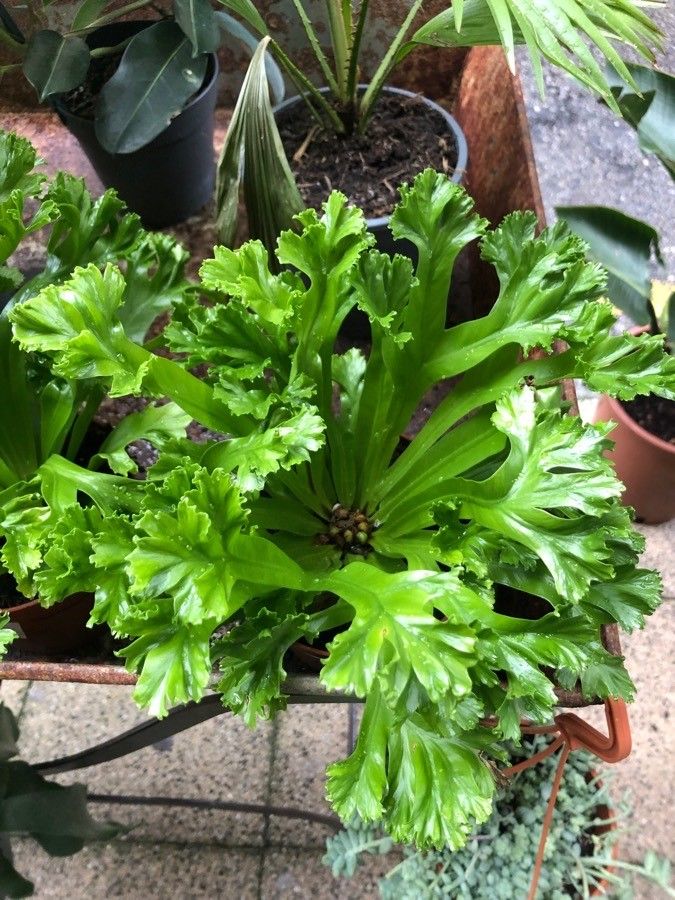
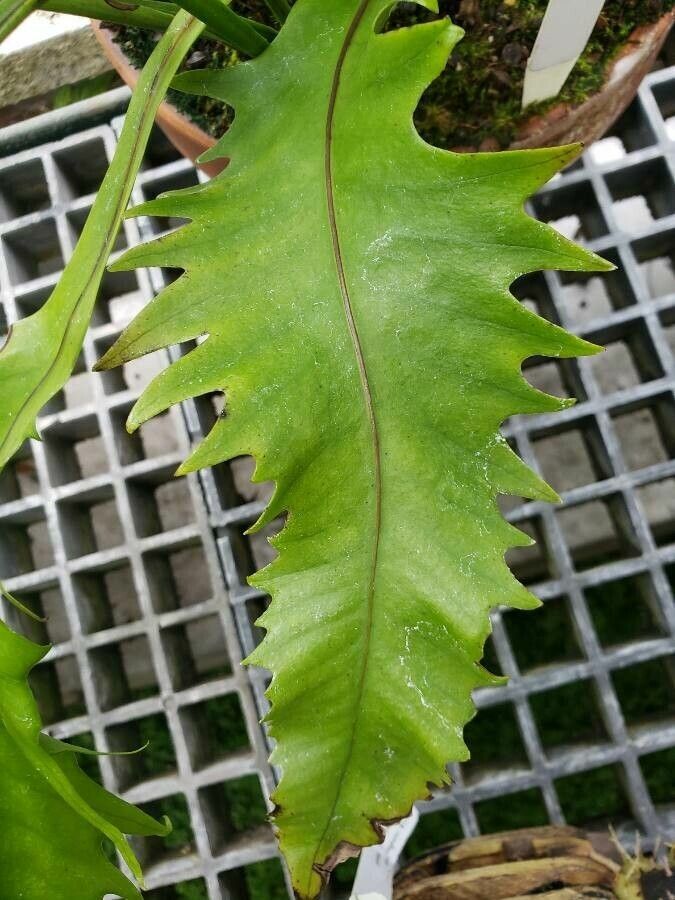
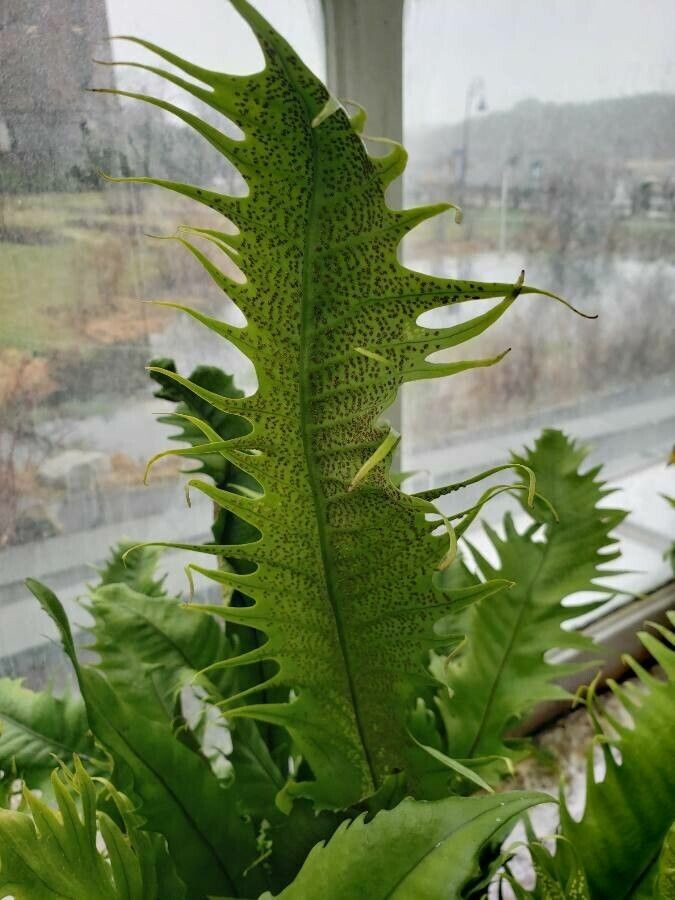
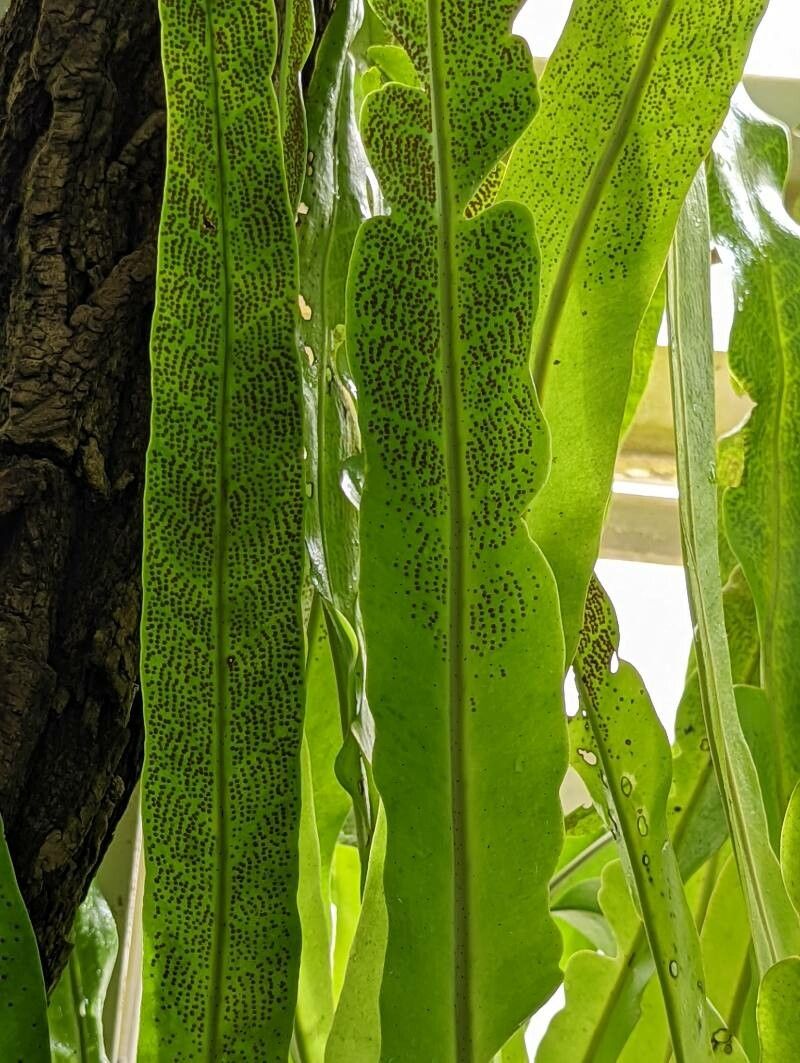
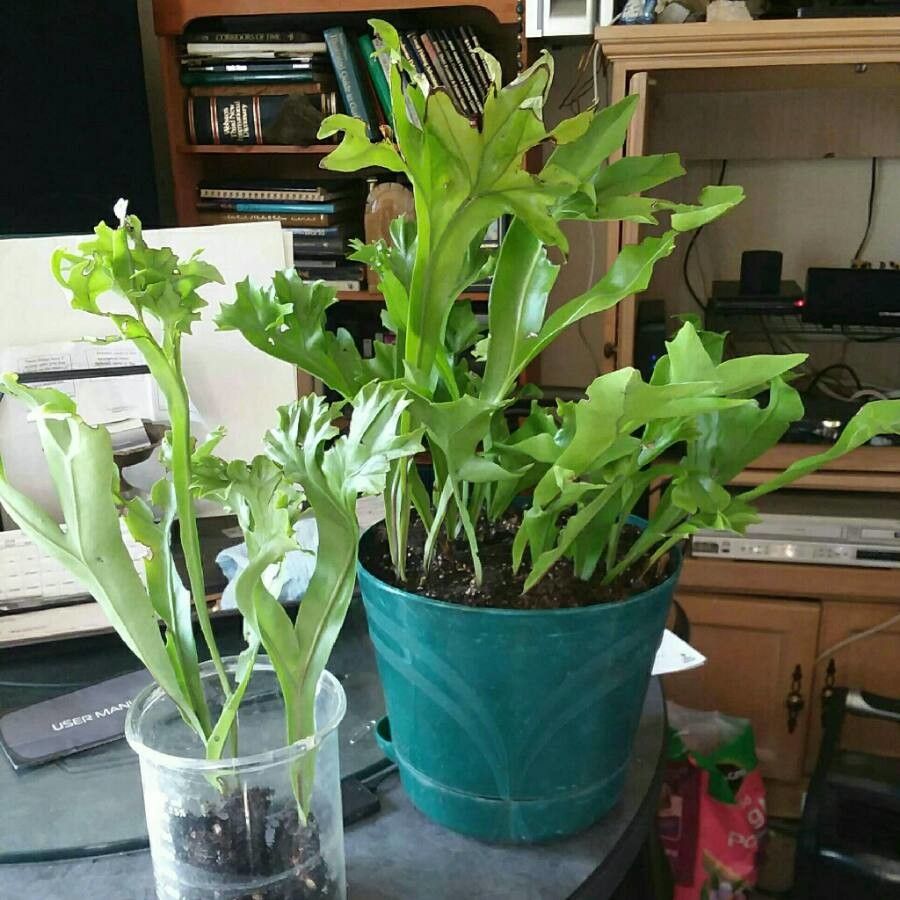
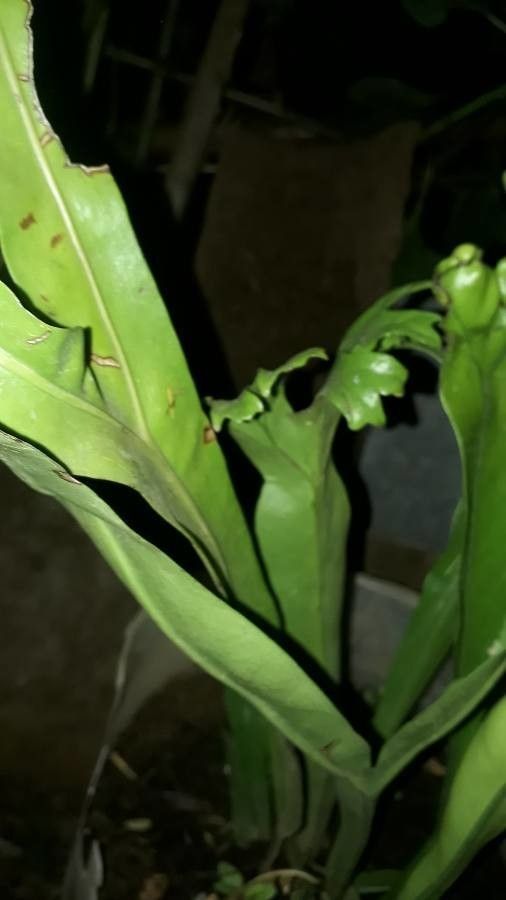
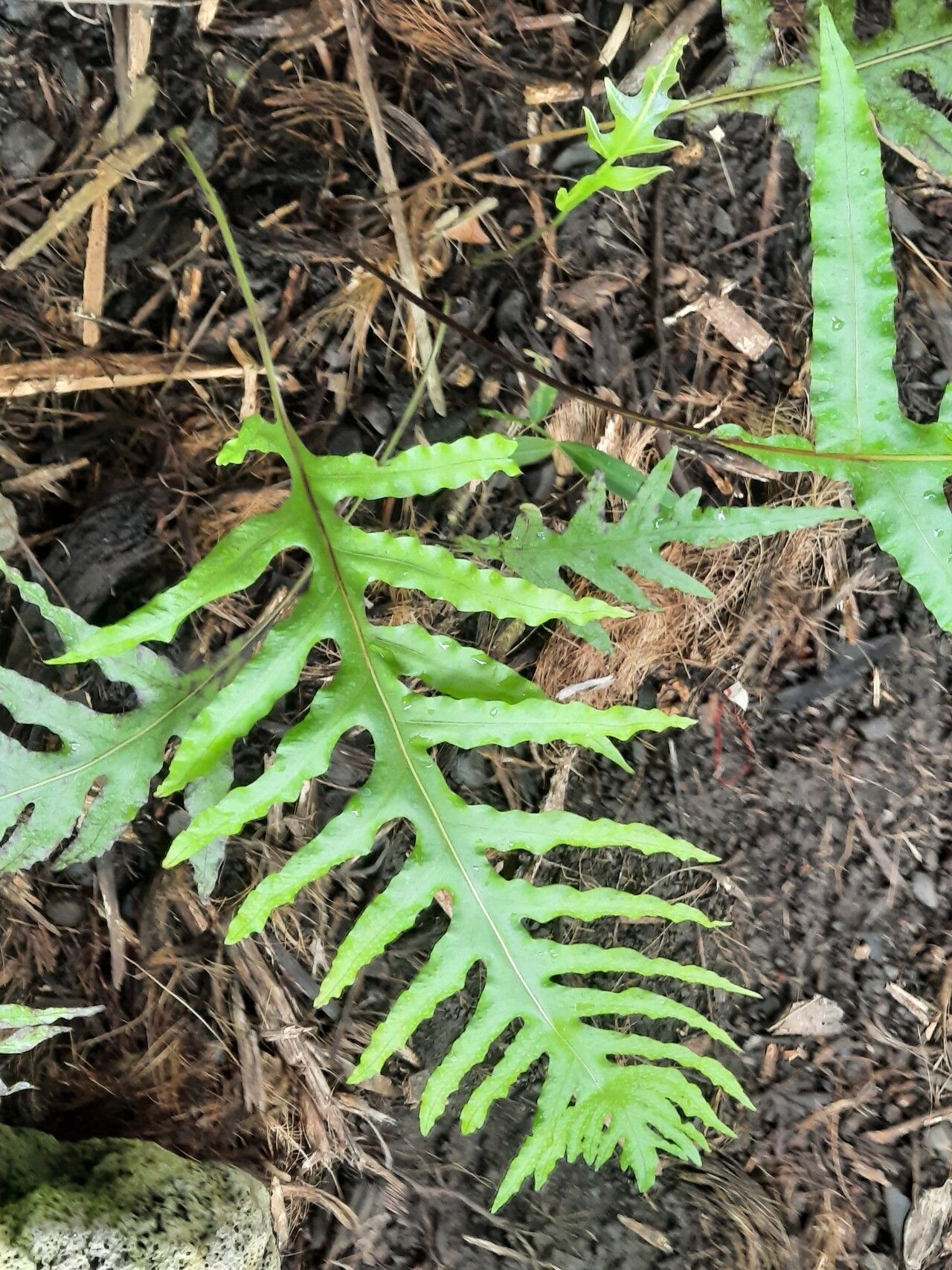
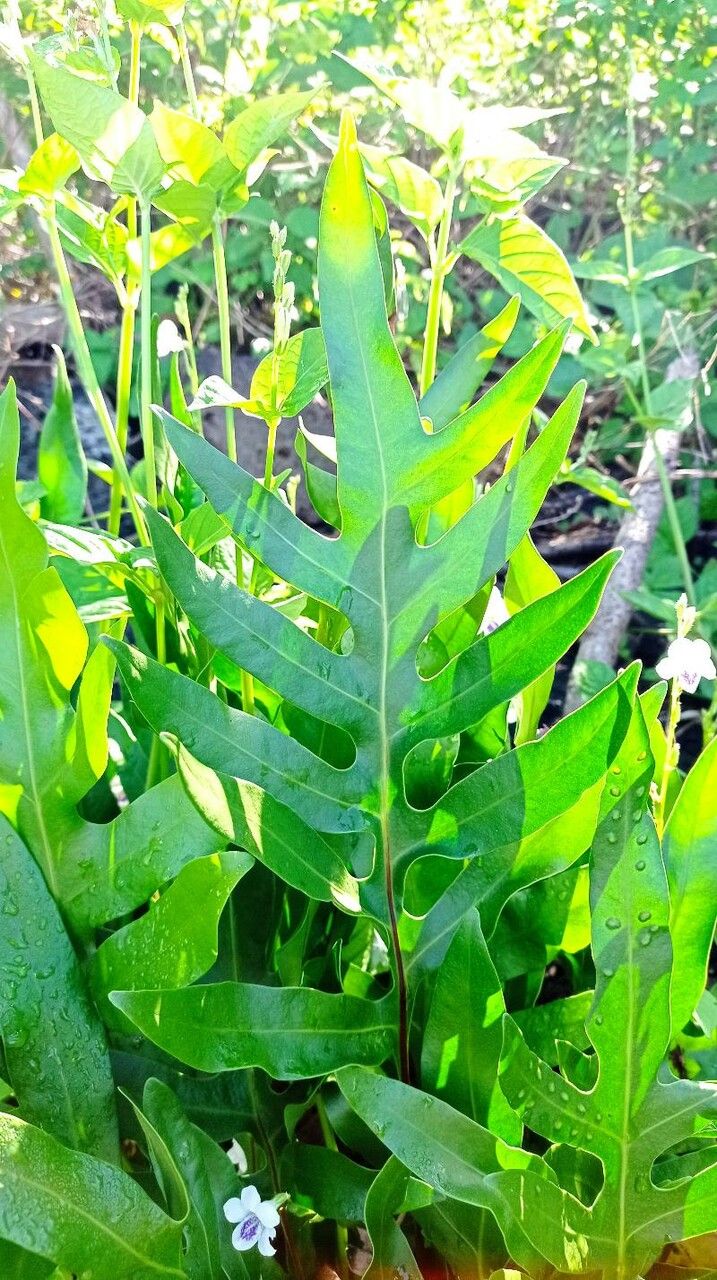
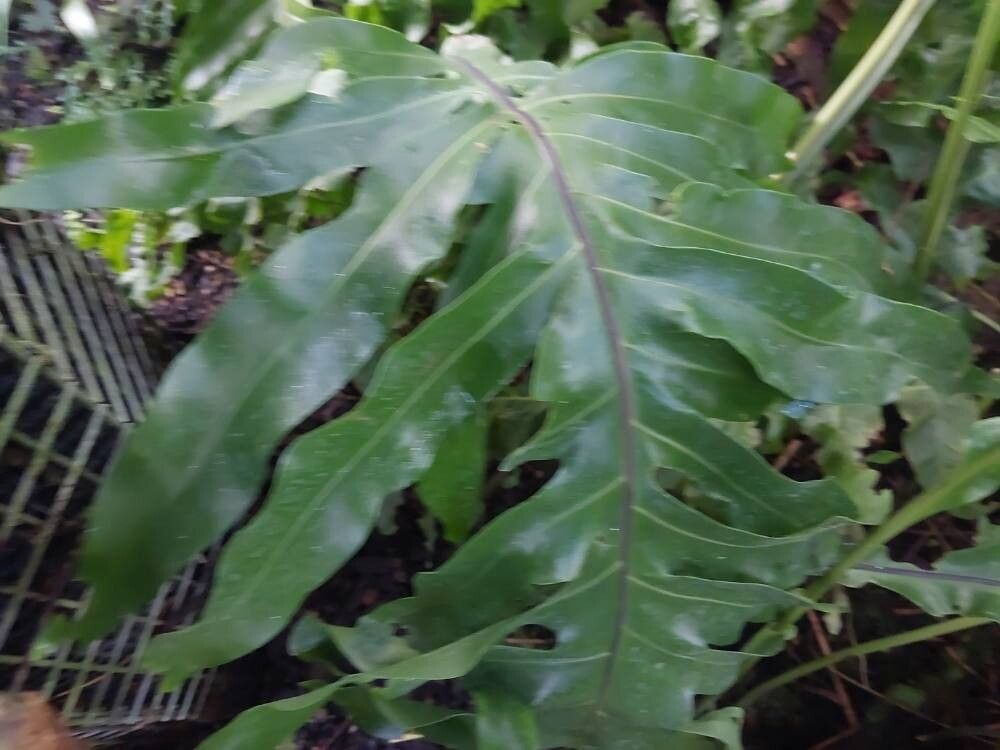
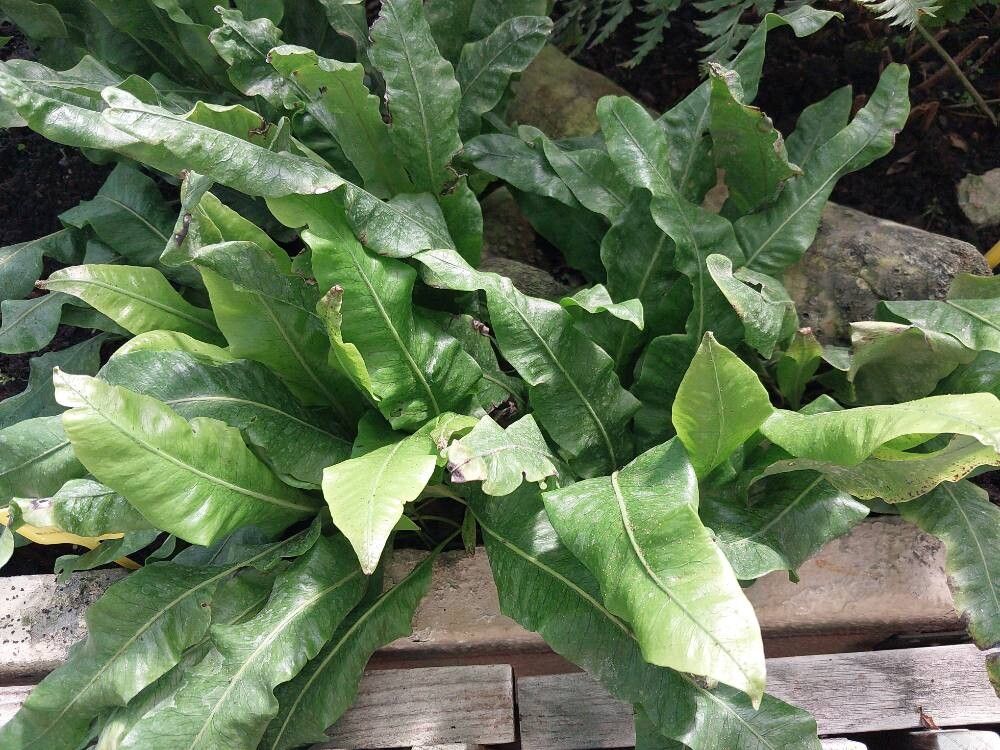
Microsorum punctatum, commonly known as the "spotted fern," is a species of fern in the Polypodiaceae family. Native to Southeast Asia, this plant is found in countries such as Indonesia, Malaysia, and Thailand. Its long fronds, which can grow up to 60 cm in length and 10 cm in width, give it a unique appearance. The dark green fronds are adorned with small white spots, adding to its distinctive look. Microsorum punctatum is an epiphytic species, meaning it naturally grows on trees or rocks in its habitat. It thrives in moist environments and can tolerate low light conditions, making it an ideal choice for indoor settings such as homes or offices. The spotted fern is valued for several reasons. Ornamentally, its unique appearance makes it a striking addition to any indoor space. Beyond aesthetics, it is also known for its air-purifying properties. Some cultures even use the leaves for medicinal purposes. In summary, Microsorum punctatum is a beautiful and versatile fern species that enhances indoor spaces with its aesthetic appeal and health benefits, making it a popular choice among gardeners worldwide.
Fishtail fern is fairly resistant to disease and typically does not suffer from illnesses. Still, it can be affected by pests and any diseases present in its environment. When infections do occur, they are typically mild. Care-wise, the plant is moderately demanding. It should be trimmed on a regular basis to preserve a neat appearance and encourage healthy growth. Applying fertilizer can also aid in stimulating blooms. Fishtail fern is a good choice for anyone with outdoor areas like a garden or patio and does not require extensive plant-care experience. It can, however, need more attention if kept indoors.
How to keep Microsorum Punctatum.
Light
Having developed in habitats with filtered light, the fishtail fern does best in a spot that receives moderate sunlight. Sun in the morning or late afternoon encourages ideal growth. Too much sun can burn the leaves, while too little light can slow growth or cause poor leaf color.
Water
The fishtail fern thrives in humid and consistently moist environments, like those found in tropical rainforests. While it can tolerate moderate drought, it requires weekly watering to maintain soil moisture. This plant is best suited for indoor growth, where regular misting can help replicate its naturally humid conditions.
Humidity
This plant will thrive in moderate humidity, which is probably the level in your home. However, misting it a few times a week can be very beneficial. Make sure the room has good ventilation.
Temperature
Fishtail fern comes from warm-climate areas and prefers temperatures from 50 to 95 °F (10 to 35 ℃). As a guideline, avoid exposing it to temperatures below 50 °F in winter and consider keeping it indoors during the colder seasons.
Fertilizer
Usually a single fertilizer application in spring is enough for Fishtail fern, though multiple feedings can enhance growth. Feed every one to one and a half months. Fertilization improves the leaves' appearance and function, helping maintain uniform color and a healthy texture. It also promotes root development and nutrient uptake for the plant's long-term health.
Pruning
The fishtail fern is known for its distinctive frond shapes and thrives with regular pruning from early to late spring. Key techniques include removing dead fronds and reducing overcrowding to improve air circulation. Using clean, sharp tools is essential to prevent infections, encourage new growth, and maintain the plant's aesthetic appeal.
Pot & Repot
Repot your fishtail fern every 2-3 years in spring, placing it in a larger container with good drainage to support its bushy growth. After transplanting, handle the fern gently and maintain consistent moisture and indirect light to help it thrive in its new environment.
Botanical profile.
- Plant Type
- Herb
- Life Cycle
- Perennial
- Genus
- Microsorum
- Family
- Polypodiaceae
- Hardiness Zone
- 6-10
- Mature Height
- 40 cm to 61 cm
- Mature Spread
- 61 cm
- Leaf Color
- Green, Blue
- Leaf Type
- Evergreen
- Planting Time
- Spring, Summer, Autumn
- Native Area
- Sri Lanka, India, Malaysia, Angola, Vanuatu, Madagascar, Rwanda, Nigeria, Kenya, Uganda, Tanzania, Zimbabwe, Fiji, Benin, Sierra Leone, Indonesia, Cambodia, Equatorial Guinea, Liberia, Mozambique, Cameroon, Burundi, Ghana, Ethiopia, Congo, Nepal, Malawi, Central African Republic, South Africa, Zambia, Philippines, Bangladesh, Laos, Guinea, China, Vietnam, Myanmar, Bhutan, Côte d'Ivoire, Singapore, Congo (DRC), Thailand, Gabon
Other names.
Reader questions.
How should I water my Fishtail fern?
To properly care for the Fishtail fern, use filtered room temperature water for watering. Tap water may harm the plant due to potential harmful particles. As the fern is accustomed to warm conditions, it is best to avoid using cold water, which can be a shock for the plant. Additionally, overhead watering is not recommended for this fern as it can cause problems with the foliage. Instead, thoroughly soak the soil with filtered room temperature water. This helps moisten the roots and ensures they can spread and gather necessary nutrients.
Why should I add fertilizer to my Fishtail fern?
The Fishtail fern's leaves are crucial for its overall structure. Proper fertilization is key to keeping these leaves looking good and functioning well. It ensures consistent color and a healthy texture. Fertilization goes beyond the surface to support root growth and maintenance. This not only keeps the fern healthy now but also improves its ability to absorb nutrients from the soil in the future.
What are the sunlight requirements for a Fishtail fern?
The Fishtail fern thrives when exposed to moderate sunlight. It ideally needs about 3-6 hours of sunlight daily, preferring spots with a balance of light and shade throughout the day. Morning or late afternoon sun is most beneficial, as too much direct sunlight can lead to leaf scorch, while insufficient light can stunt growth and affect leaf color. Observing how sunlight moves through your garden will help identify the perfect location that meets these requirements.
What is the ideal temperature range for Fishtail fern?
Fishtail fern, native to warm climate regions, thrives in temperatures ranging from 50 to 95 °F (10 to 35 °C). It's vital to avoid exposing the plant to temperatures below 50 °F, particularly in winter, opting for indoor care during colder months to maintain its health.
What should I do if I give my Fishtail fern too much or too little water?
Overwatering your Fishtail fern is a common problem that can harm its health. When given too much water, the stems and leaves may wilt and turn yellow. Prolonged overwatering can also lead to diseases like root rot, mold, and mildew, which can be fatal to your plant. While underwatering is less likely, it is still a possibility. If your Fishtail fern is underwatered, the leaves may become brittle and brown. It's essential to recognize the signs of overwatering early on, as some of the resulting diseases are difficult to fix if left unaddressed for too long. If you notice signs of overwatering, reduce your watering schedule immediately. Check the quality of the soil and replace it with a well-draining mix if it doesn't drain well. On the other hand, if your Fishtail fern appears to be receiving too little water, increase your watering frequency until the signs improve.
When should I put fertilizer on my Fishtail fern for the best results?
If you grow your Fishtail fern outdoors, it will start growing new leaves in early spring. This is a sign that it's time to start fertilizing. Normally, just one application of fertilizer is enough for the fern to thrive. However, if you want it to grow even more, you can feed it multiple times throughout the spring and early summer. In this case, you can fertilize the fern once every month to a month and a half.
How do I use artificial lighting for my Fishtail fern?
When natural sunlight is insufficient, especially during winter or in less sunny spaces, artificial lighting can effectively support the growth of Fishtail ferns. LED lights are recommended due to their ability to provide specific wavelengths needed for plant growth. The light intensity and placement should mimic natural conditions: full sun plants require 30-50W/sq ft, partial sun plants need 20-30W/sq ft, and full shade plants should have 10-20W/sq ft. Position the light source 12-36 inches above the plant and ensure it receives 8-12 hours of light daily to promote healthy growth.
Does Fishtail fern require special frost protection in winter?
Despite its strong cold resistance, Fishtail fern might need protection if winter temperatures are expected to plummet below -25°C. Protecting the plant can involve covering it with soil or straw. Additionally, it's beneficial to water the plant abundantly before the first freeze of autumn, keeping the soil moist and preventing drought and water scarcity during winter and early spring.
How frequently should I give water to my Fishtail fern?
To determine if your Fishtail fern needs water, you can use a simple method whether it is in a pot or planted in the ground. For potted plants, stick your finger into the soil and check if the top two to three inches are dry. If so, it's time to water. The same goes for outdoor plants - if the top few inches of soil have dried out, it's time to water. In spring and early fall, watering once a week usually suffices, but during hot weather you may need to increase watering to twice a week or more. Keep in mind that mature Fishtail ferns are quite resilient and can tolerate drought.
When is it not a good idea to fertilize my Fishtail fern?
During late fall and winter, your Fishtail fern will go into a dormant phase and stop growing. It's important to refrain from fertilizing during this time. In spring and summer, if you decide to fertilize, you should gradually decrease the amount as summer approaches, as the growth rate of your Fishtail fern will slow down. Generally, it is not recommended to fertilize during extremely hot weather or when the soil is excessively dry, as this can harm your Fishtail fern and cause it to die prematurely.
What are the symptoms of insufficient light in Fishtail ferns?
Fishtail ferns show various symptoms when exposed to insufficient light, including new leaves growing smaller than previous ones, leggy or sparse growth due to longer spaces between leaves or stems, faster leaf drop as the plant conserves resources, and slower or halted growth as the plant enters survival mode. Leaves may also appear lighter-colored, indicating a lack of chlorophyll and essential nutrients. Addressing light deficiency promptly by adjusting the plant's exposure to sunlight or using artificial lighting is crucial for its health.
What should you do if Fishtail fern experiences low temperatures?
Fishtail fern is cold-tolerant, best thriving above 10°C and should remain above -15°C during winter. Should temperatures fall below -25°C, the plant may not show immediate distress but could experience reduced or absent sprouting in spring. In such cases, removing parts that failed to sprout in spring is advisable.