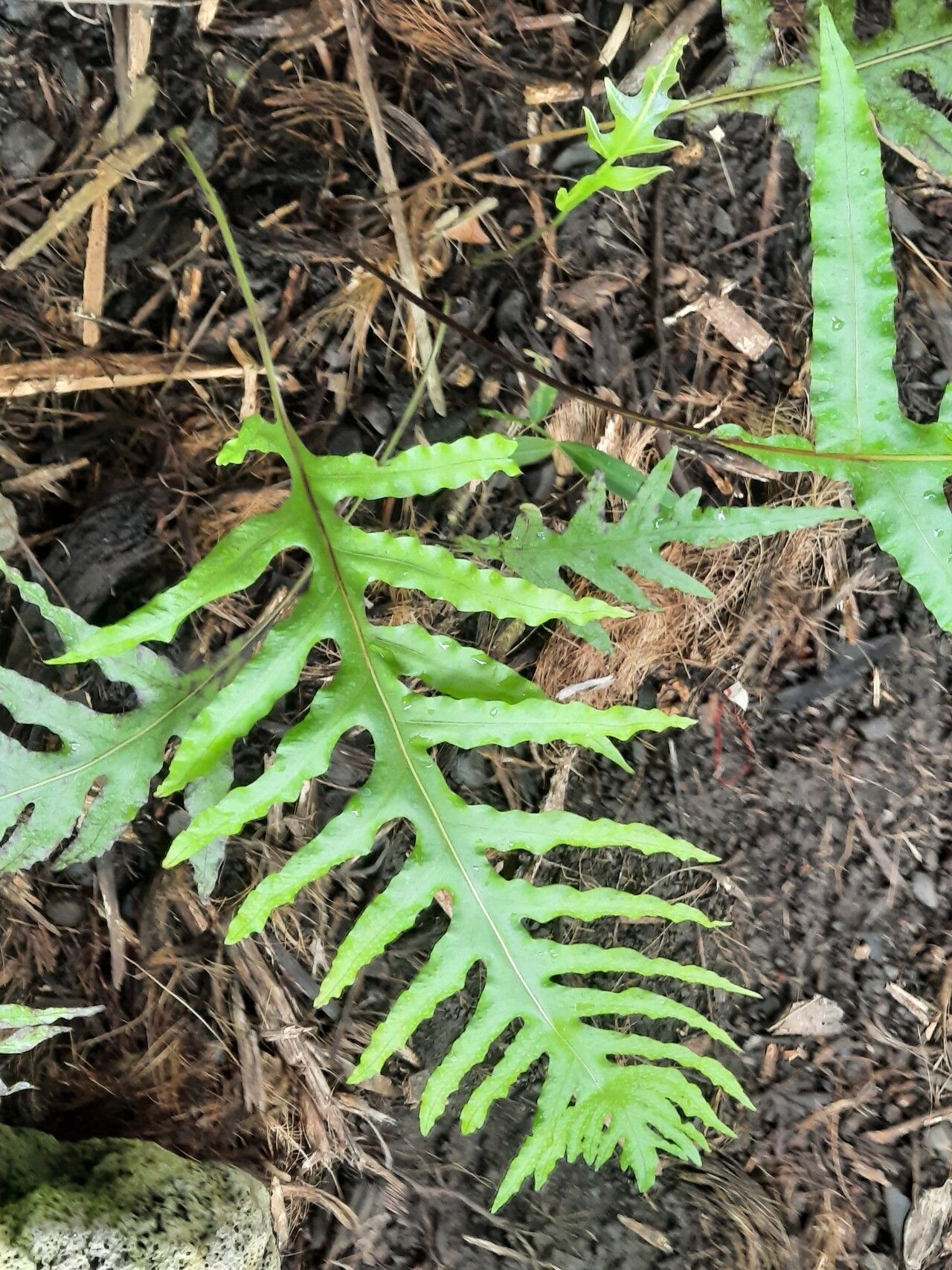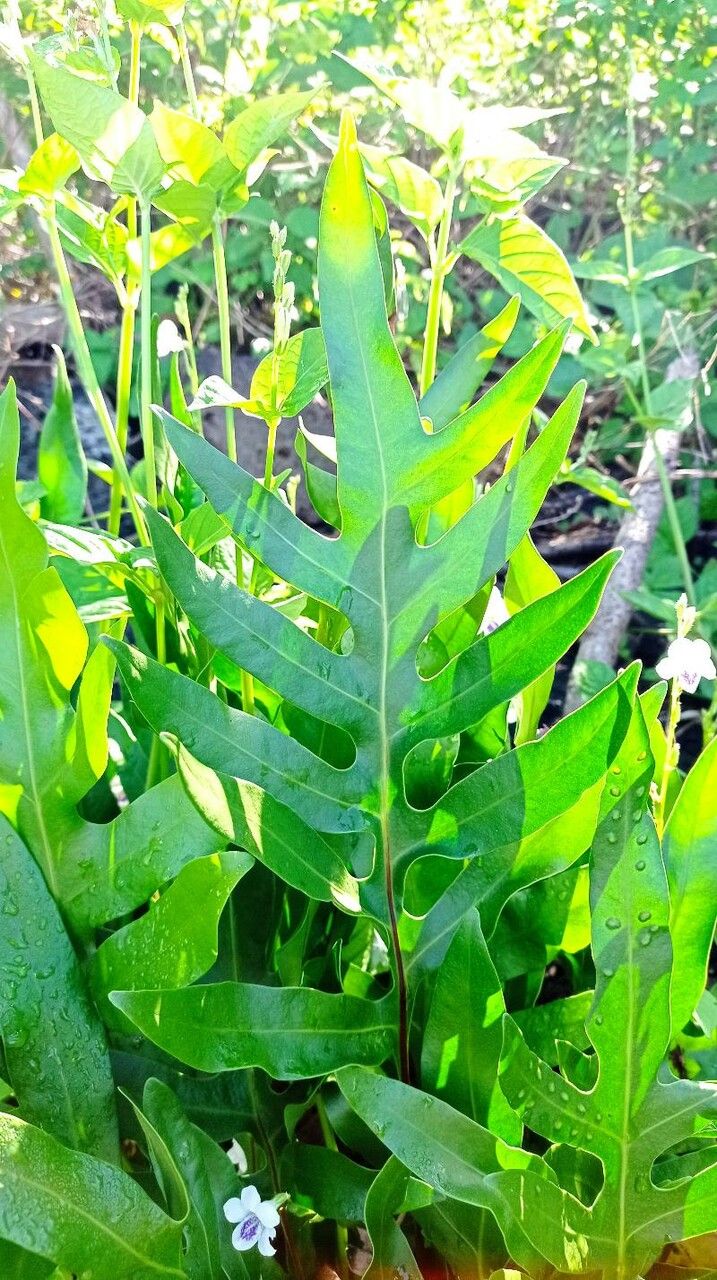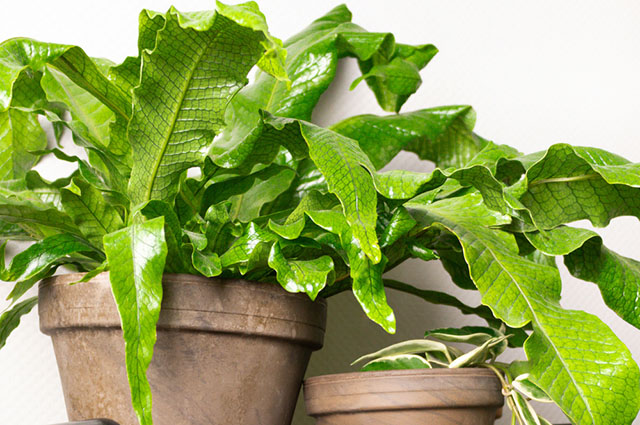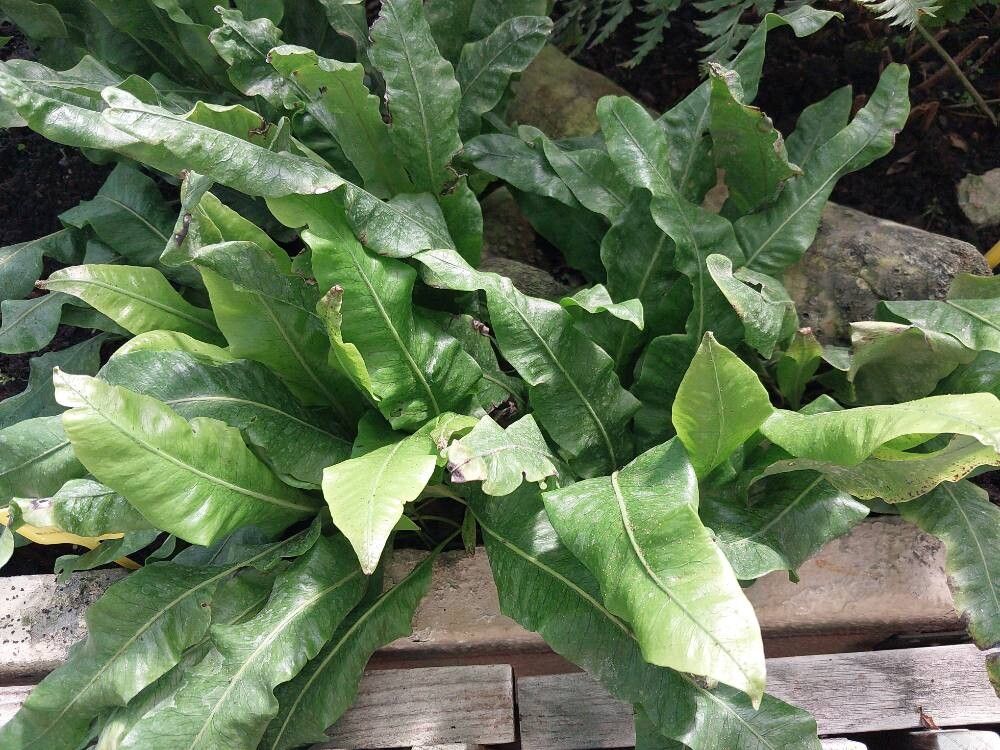
Bosmania membranacea is a species of fern in the family Polypodiaceae, subfamily Microsoroideae. It is native to tropical and subtropical Asia, from India to Japan and south to Sulawesi.
Microsorum membranaceum is generally resistant to disease and is affected by relatively few insect pests. Its care is considered difficult because it needs a consistently moist environment and frequent watering. However, the roots are susceptible to rot if it is overwatered and the surroundings are not well ventilated. Microsorum membranaceum is appropriate for people with some growing experience, as most individuals can keep it alive for a certain period. Nevertheless, it may struggle to thrive and its leaves can dry out and become less healthy over time.
How to keep Microsorum Membranaceum.
Light
Microsorum membranaceum is native to habitats such as forest understories or rocky areas that provide natural shade. It prefers Full Shade but can tolerate Partial Sun.
Water
Microsorum membranaceum is native to humid tropical areas and thrives best in environments with consistently moist soil. It typically requires watering twice a week. Although it can tolerate moderate drought, this plant flourishes in high humidity, which promotes its growth and keeps its leaves vibrant. These characteristics make it an excellent choice for indoor settings.
Temperature
Microsorum membranaceum comes from tropical areas, where the climate is generally warm and humid. Consequently, it is well suited to high temperatures and moisture. It does not tolerate abrupt temperature shifts and prefers a steady thermal environment, so avoiding temperature fluctuations indoors is important. It typically cannot withstand cold and needs higher temperatures to grow. If the ambient temperature falls too low, the plant may stop growing or even die.
Pruning
Microsorum membranaceum is an epiphytic fern characterized by its leathery fronds. To maintain its health and appearance, it's important to prune any dead foliage in early spring before new growth begins. Be sure to use sterile tools for pruning. Regular pruning not only revitalizes the plant's appearance but also improves air circulation, reduces the risk of pests, prevents overcrowding, and ensures that every frond receives adequate light.
Botanical profile.
- Plant Type
- Fern
- Life Cycle
- Perennial
- Genus
- Microsorum
- Family
- Polypodiaceae
- Hardiness Zone
- 10-12
- Mature Height
- 49 cm to 91 cm
- Mature Spread
- 30 cm to 49 cm
- Leaf Color
- Green
- Leaf Type
- Evergreen
- Planting Time
- Spring, Summer, Autumn