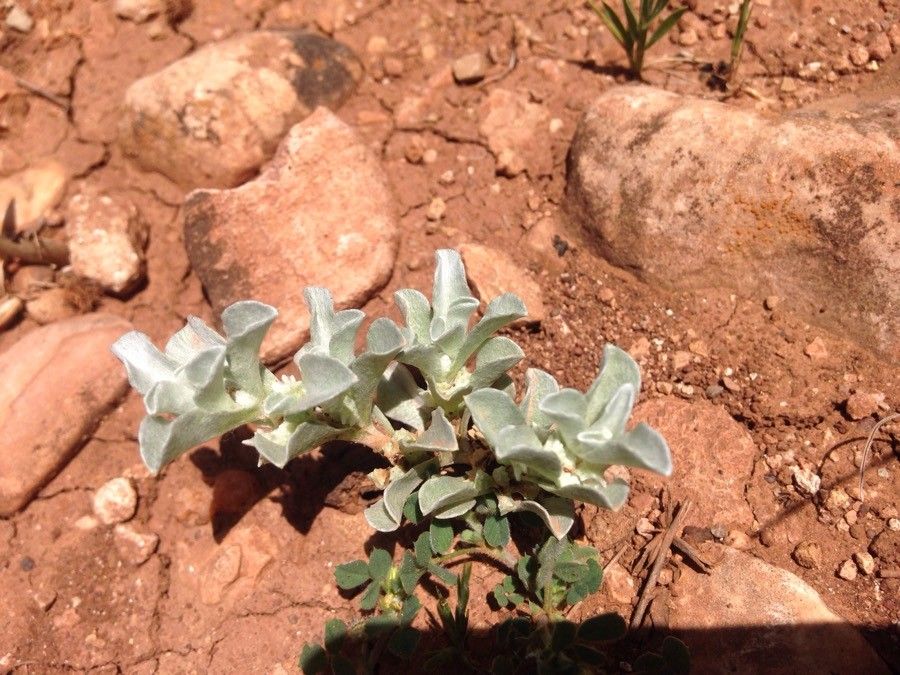
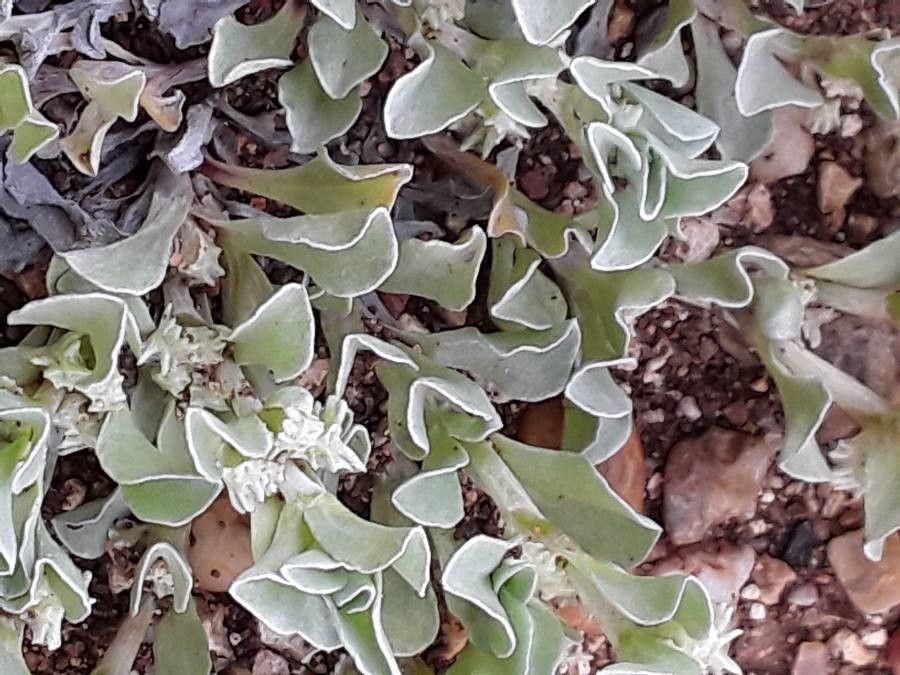
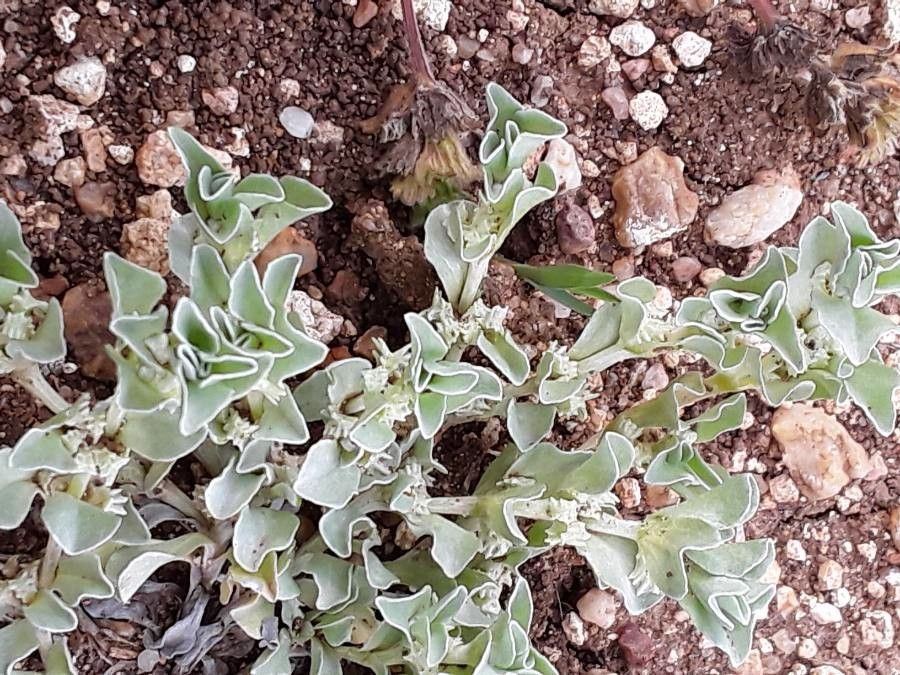
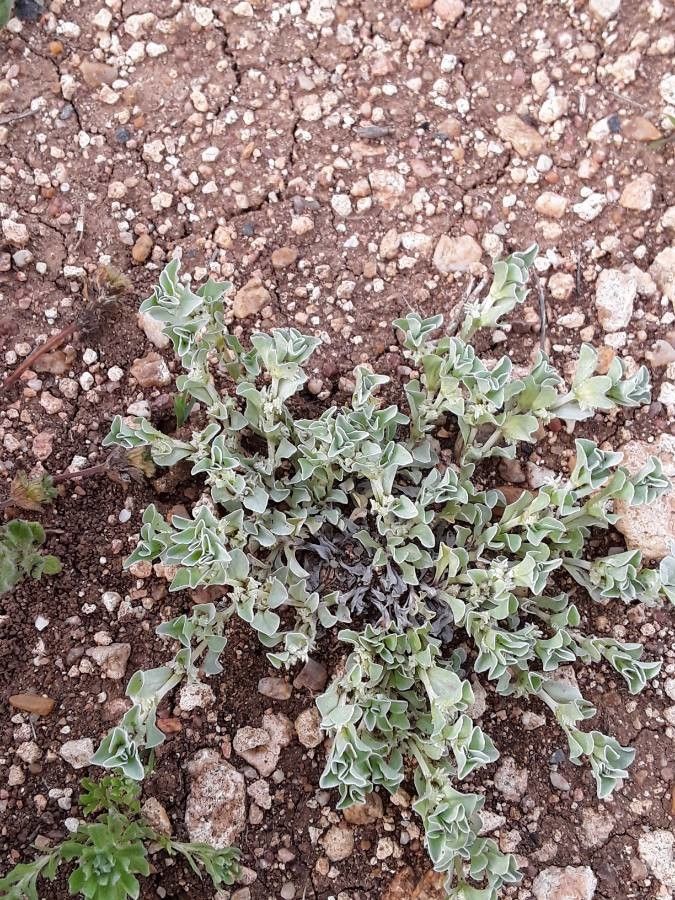
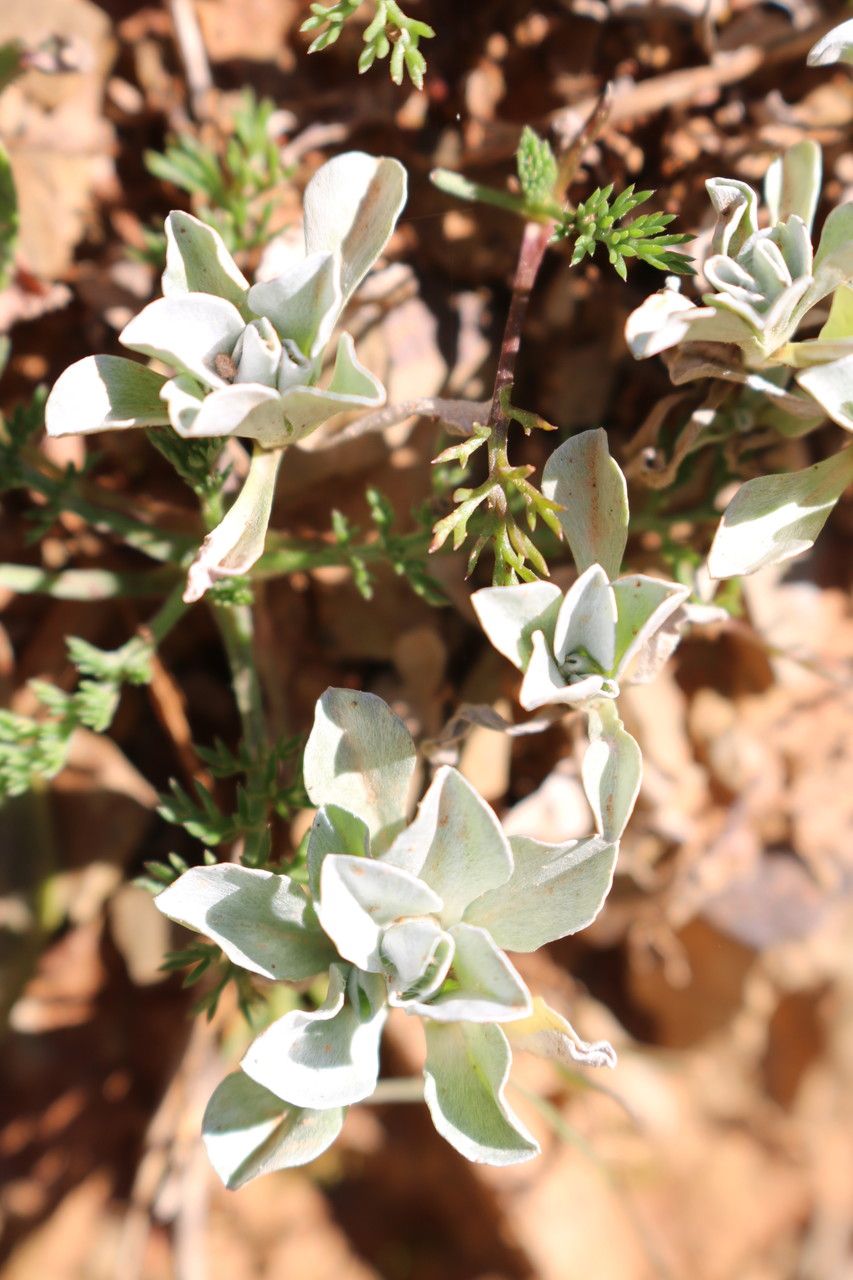
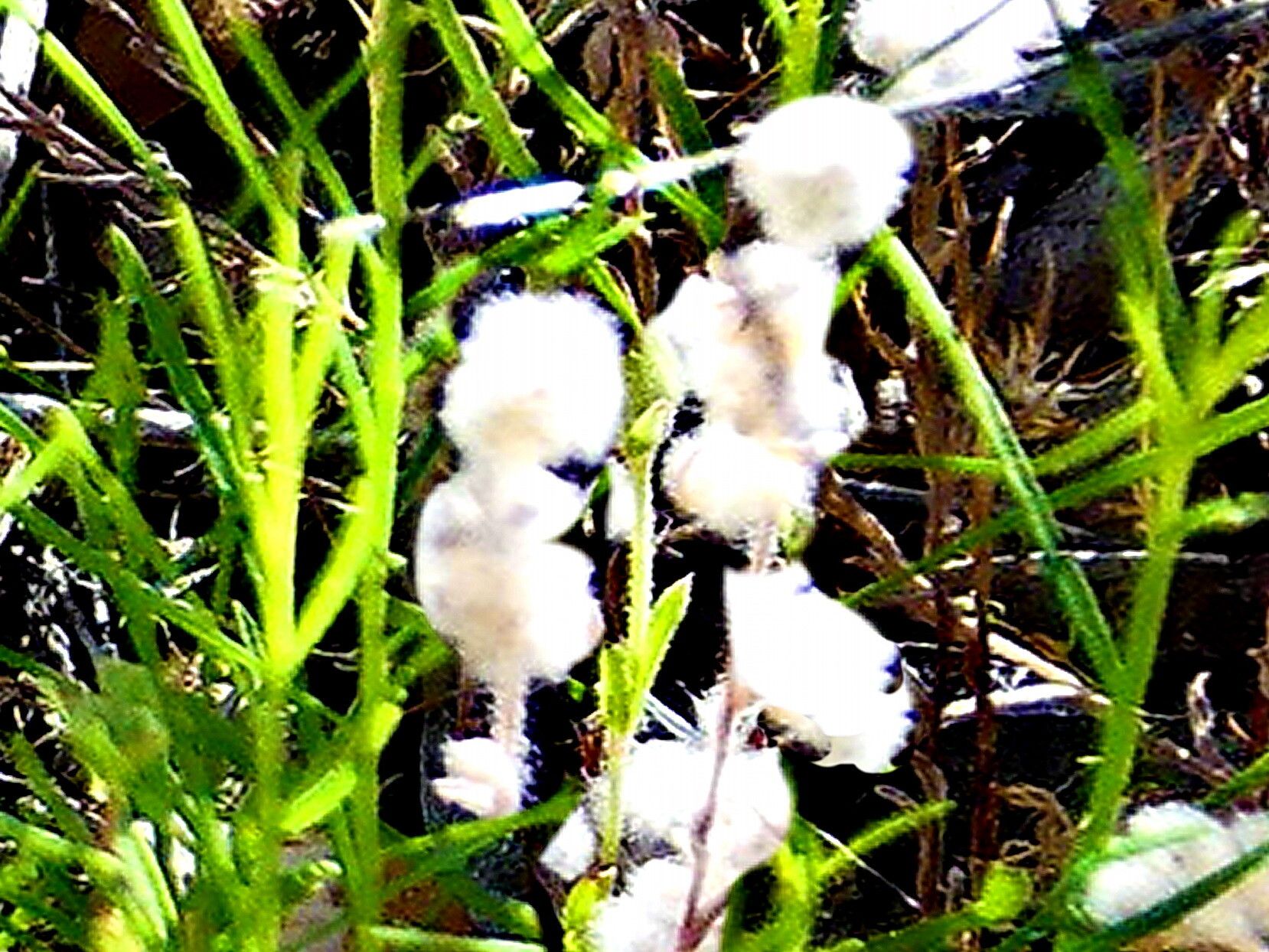
Micropus supinus, commonly known as the small-flowered catchfly, is a herbaceous plant species belonging to the Caryophyllaceae family. Native to Europe and western Asia, it thrives in various habitats such as meadows, grasslands, and rocky slopes.
The plant can grow up to 30 cm in height, featuring narrow leaves arranged opposite each other on the stem. The small, white flowers have five petals that are deeply notched at their tips. Blooming from June to August, these flowers attract pollinators, including bees.
Micropus supinus is a short-lived perennial or biennial that reproduces by seed. Traditionally, it has been used in medicine for its anti-inflammatory properties.
The species has also been introduced to North America, where it can now be found in the wild in parts of Canada and the United States.
In summary, Micropus supinus is an attractive wildflower that enhances natural landscapes with its delicate white blooms and provides ecological benefits by attracting pollinators.
Botanical profile.
- Genus
- Micropus
- Family
- Asteraceae
Other names.