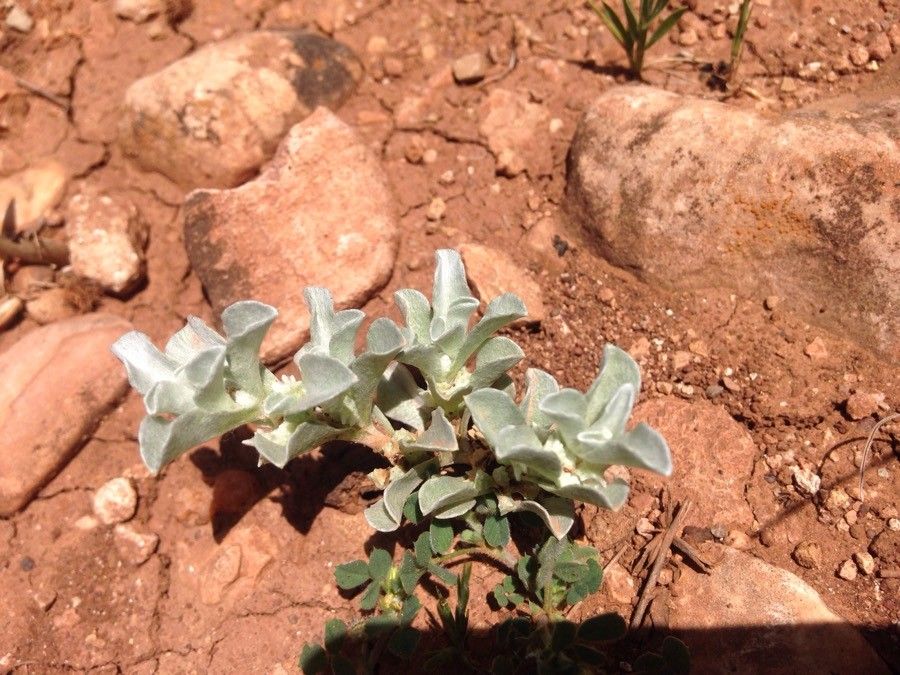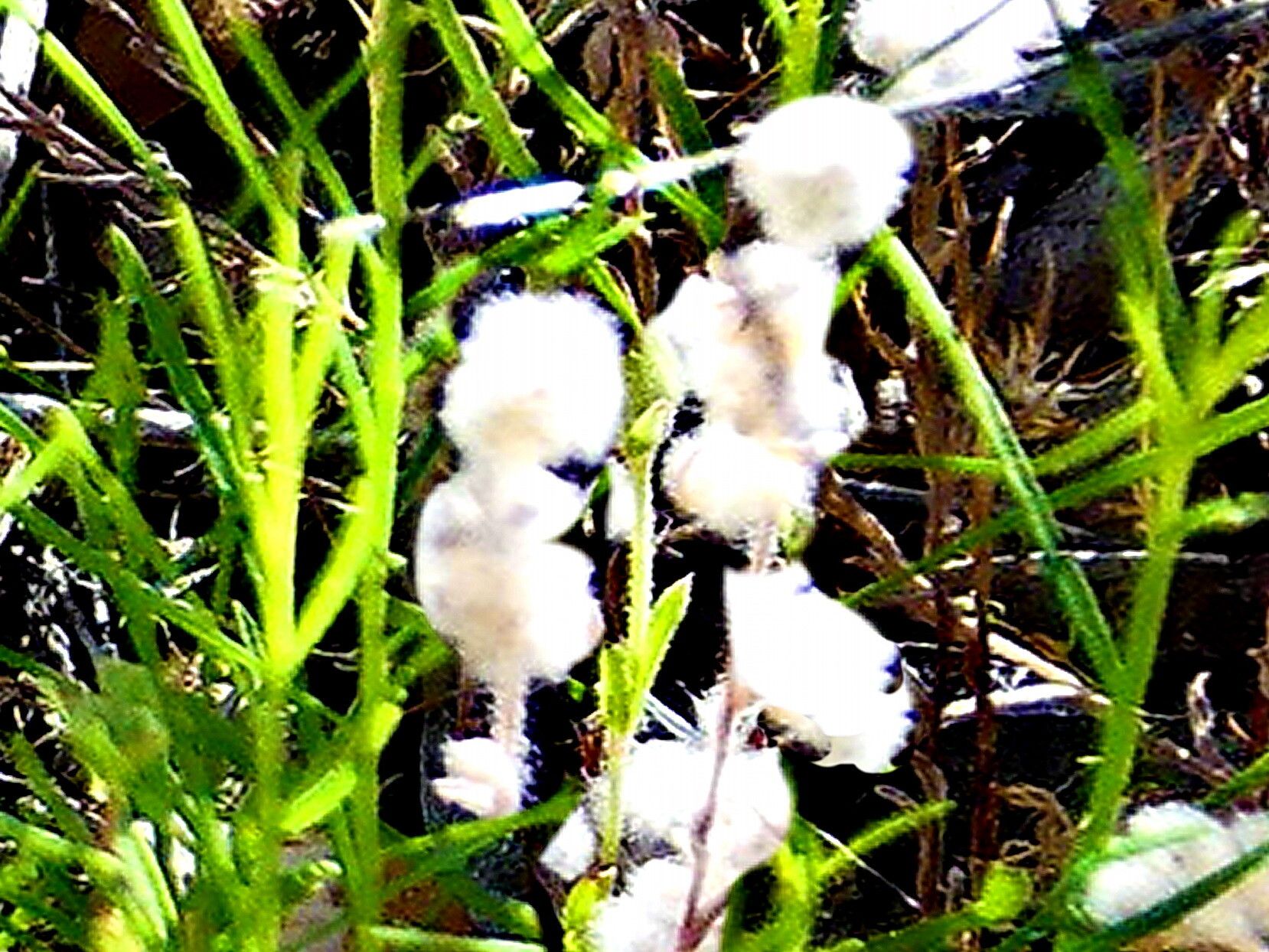
Micropus californicus is a plant in the family Asteraceae which is known by the common name slender cottonweed. Its flowerheads resemble very small cotton balls, often rounded with cottony white hairs forming the pappus of each seed. The individual plants are known more informally as Q-tips due to their resemblance to the cotton swabs. It is found mostly in California, and into Oregon and northern Baja California. This plant is a resident of the vernal pool plant community.
Q-tips is fairly disease-resistant and generally not prone to illnesses. Still, it can be affected by pests and diseases present in its environment, though such infections are typically mild. Care for this plant is moderate. It should be pruned regularly to preserve a neat appearance and support healthy growth. Applying fertilizer can also encourage flowering. Q-tips is appropriate for anyone with an outdoor area, like a garden or patio, and does not demand extensive care experience. When grown indoors it may need more attention.
How to keep Micropus Californicus.
Light
Q-tips comes from bright, open habitats and does best in full sun. While it can tolerate partial shade, it prefers direct sunlight for optimal growth. This plant, which can be annual or biennial, is noted for its sun-loving character.
Temperature
Q-tips can tolerate a wide range of temperatures, but its distribution may still be limited by different combinations of moisture and heat. It performs best in warm summer climates with sufficient rainfall or watering. Extended periods of cloudy, rainy weather or sustained high temperatures increase the chance of Q-tips dying. In winter, protecting it from cold can improve its survival.
Fertilizer
Q-tips do well with regular, dilute applications of fertilizer to encourage healthy leaf development. Fertilize Q-tips roughly once a month during the summer. Nitrogen is essential for foliage, and supplying nitrogen-rich sources helps Q-tips thrive.
Botanical profile.
- Plant Type
- Herb
- Life Cycle
- Annual
- Genus
- Micropus
- Family
- Asteraceae
- Hardiness Zone
- 8-11
- Mature Height
- 1 cm to 49 cm
- Mature Spread
- 5 cm to 10 cm
- Leaf Color
- Gray, Silver
- Leaf Type
- Semi-evergreen
- Flower Color
- White
- Flower Size
- 0.25 cm to 0.51 cm
- Bloom Time
- Mid spring, Late spring
- Planting Time
- Spring
- Harvest Time
- Early summer, Mid summer
- Native Area
- Mexico