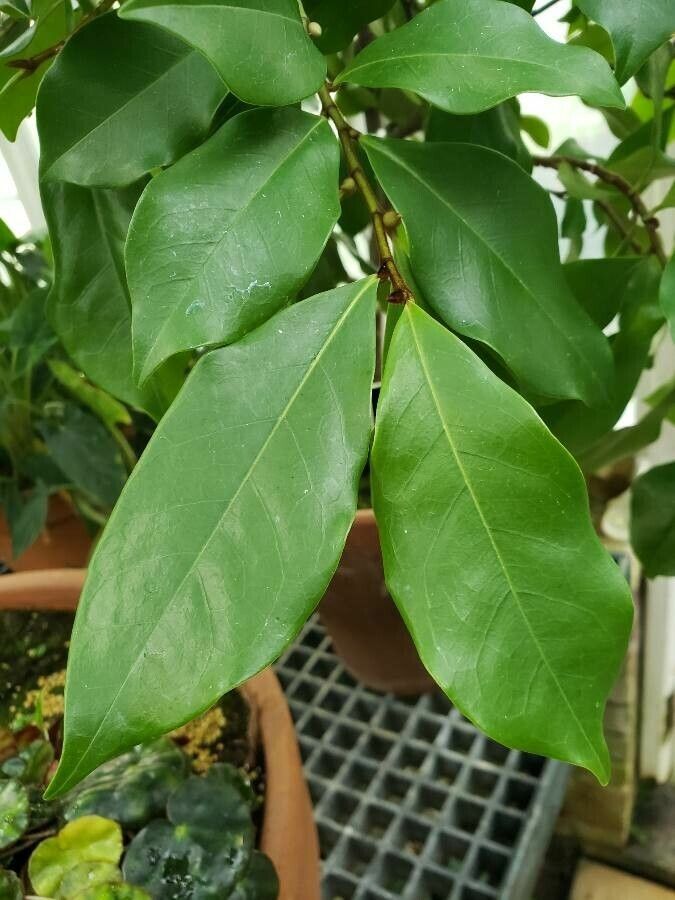
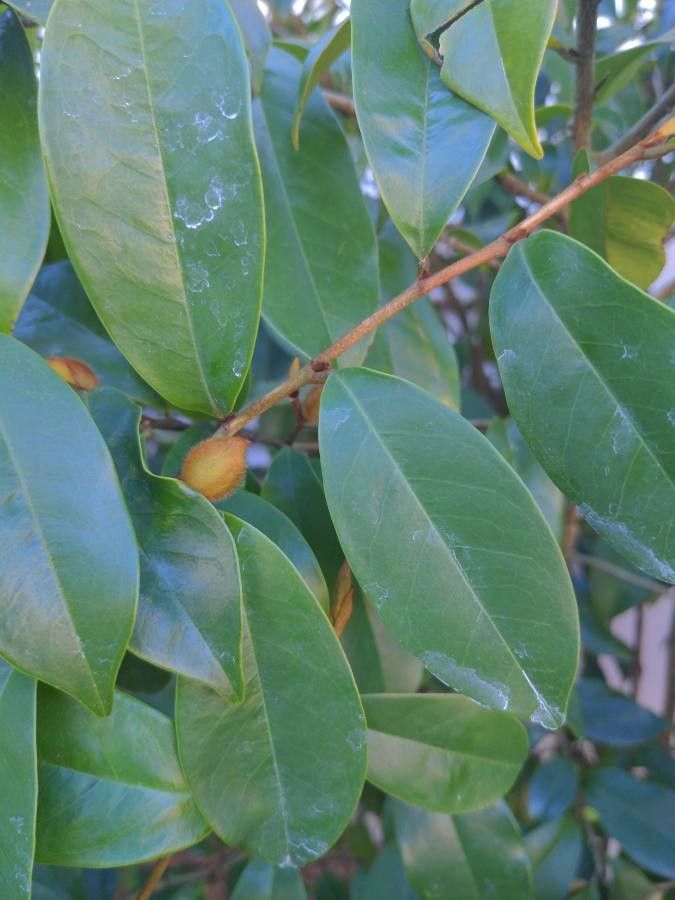
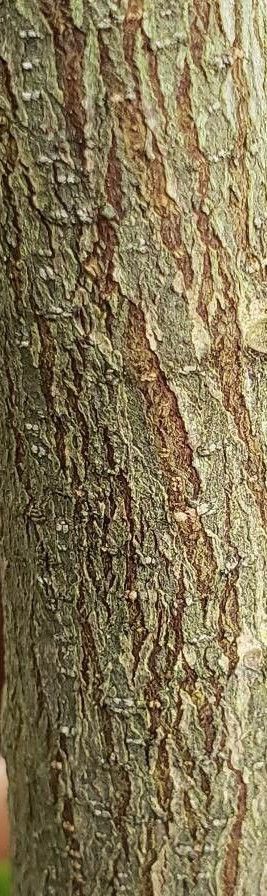
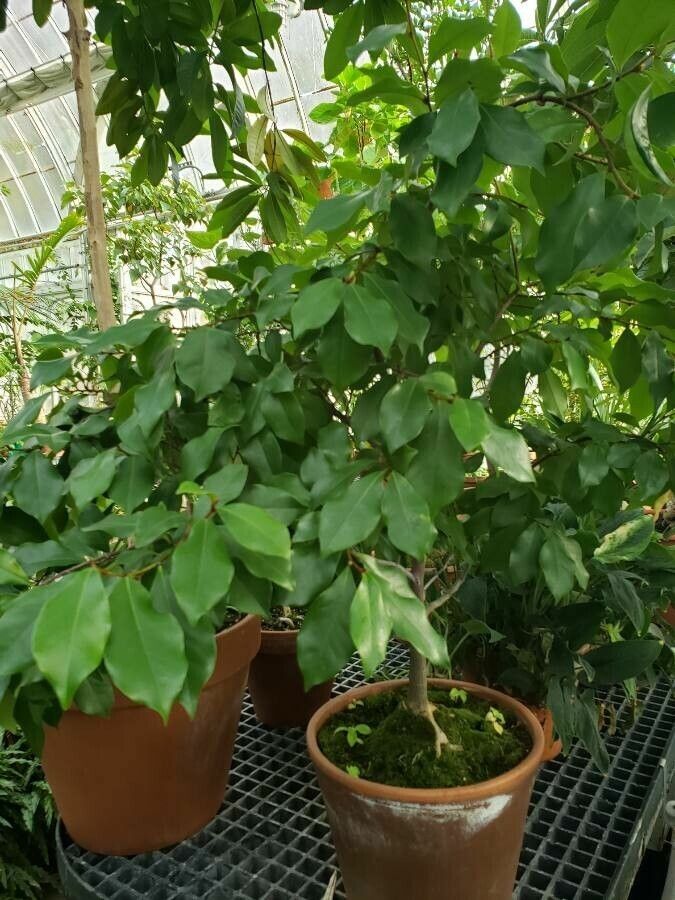
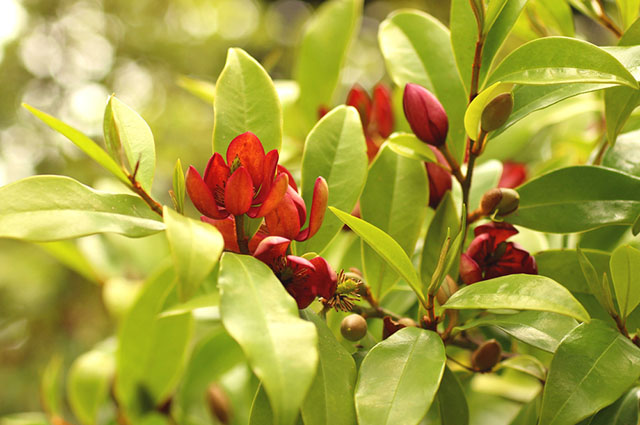
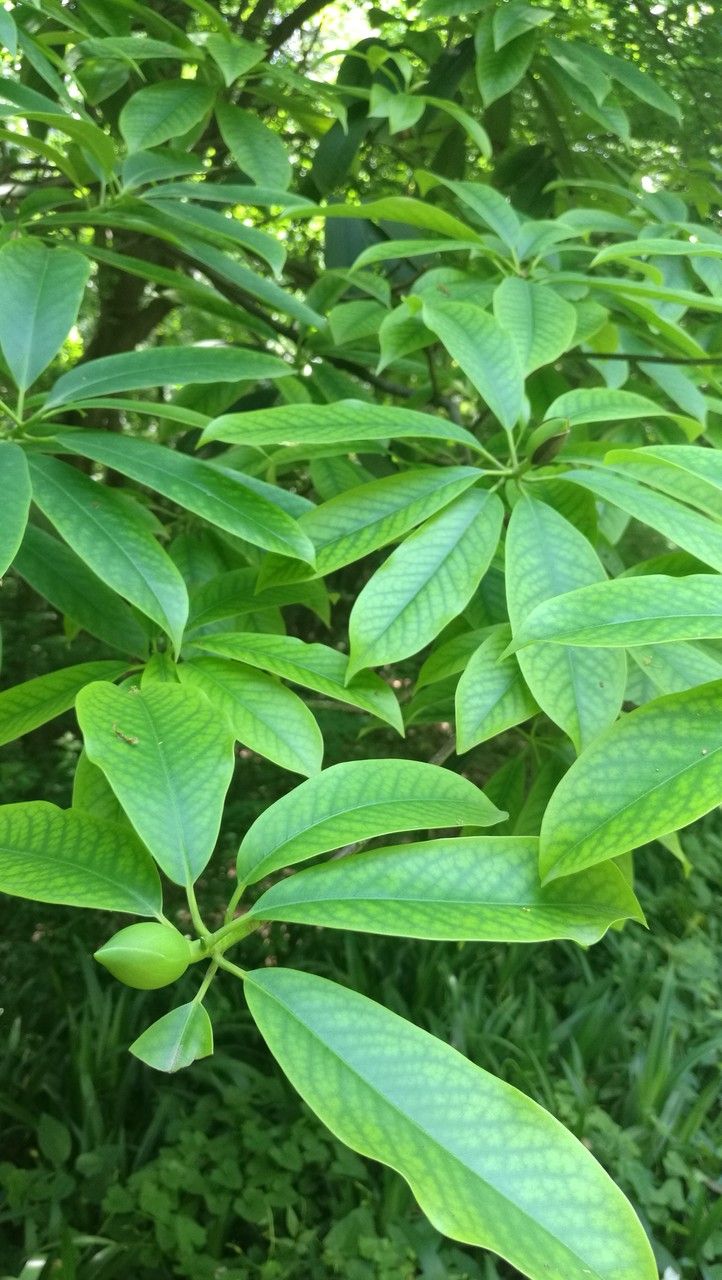
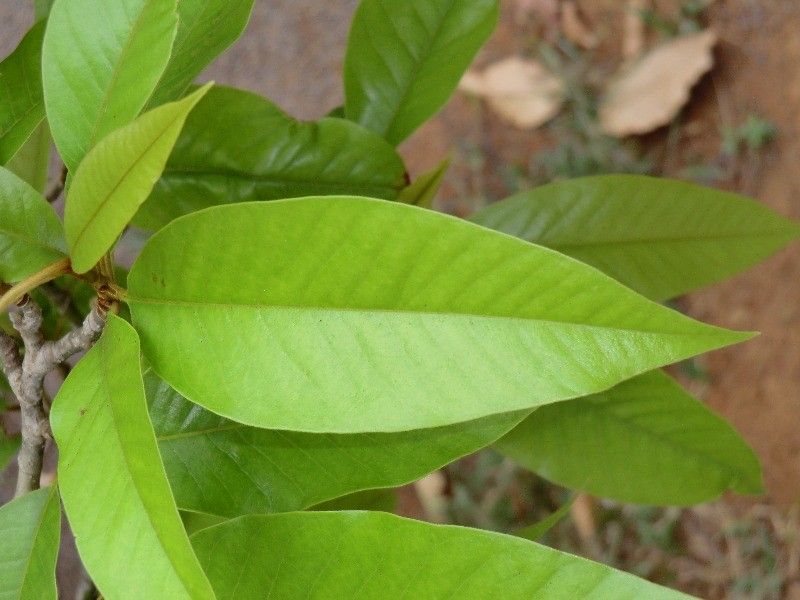
Michelia figo, commonly known as the Banana Shrub, is a popular evergreen shrub belonging to the Magnoliaceae family. Native to China, it has been widely cultivated in many parts of the world for its fragrant flowers and ornamental appeal. This shrub can grow up to 10 feet tall and 6 feet wide, featuring glossy green leaves that measure between 3 to 6 inches long. Its small, creamy white or yellowish flowers emit a strong, banana-like fragrance that can be detected from a distance.
The Michelia figo plant thrives in well-drained soil and prefers partial shade or full sun exposure for optimal growth. It is relatively easy to care for, requiring moderate watering during dry periods and occasional pruning to maintain its shape.
In traditional Chinese medicine, the Banana Shrub has been valued for its anti-inflammatory properties, and its essential oil is used in perfumes due to its sweet fragrance.
Overall, Michelia figo is an attractive ornamental shrub that enhances any garden or landscape setting with its beauty and fragrance.
The banana shrub is fairly disease‑resistant and usually not susceptible to illnesses. In terms of care, this plant is relatively low‑maintenance. When grown outdoors it needs only minimal watering, and larger specimens generally do not require pruning. Smaller plants, however, should be trimmed after they finish blooming. The banana shrub is suitable for anyone with an outdoor area, such as a garden or deck, and does not demand a lot of gardening experience.
How to keep Michelia Figo.
Light
The banana shrub does best in constant direct sunlight all day, but it can also grow where light is reduced or partly shaded. This tendency is a remnant of its native habitat, and its need for sunlight is crucial to its health, growth, and flowering. Too little light can stunt its growth, while too much can scorch its leaves.
Water
Small plants should be kept moist but not wet. When grown, this shrub is drought-tolerant. Drench and dry larger plants: water thoroughly to moisten all the roots, then allow the top 1-2 inches to dry before watering again. Use a pot with drainage holes because wet potting medium can cause root rot.
Temperature
Banana shrub grows best at temperatures from 50 to 89.6 °F (10 to 32 ℃), reflecting its native habitat. During colder seasons, measures are necessary to maintain this temperature range.
Fertilizer
Timing is essential for fertilizing the Banana shrub. Apply fertilizer in early spring and continue monthly until early summer. Fertilizer encourages attractive blooms and supplies energy during both dormant and active growth periods.
Pruning
Annual pruning is beneficial to the tree. Pruning banana shrubs should be done in the winter or spring when the plant is dormant and before new growth emerges. To avoid disease transmission from plant to plant, always use sharp, clean cutting implements. Remove any branch back to the branch collar where it sprung from the parent wood and cut it just after a bud node. Continue training young plants while removing any dead or broken plant material. When trees are forming, use a stake and a tree sling to help support the new growth. When the plant is established and strong, remove these items.
Botanical profile.
- Plant Type
- Tree, Shrub
- Life Cycle
- Perennial
- Genus
- Michelia
- Family
- Magnoliaceae
- Hardiness Zone
- 6-8
- Mature Height
- 3.05 m to 3.96 m
- Mature Spread
- 3.66 m to 4.57 m
- Leaf Color
- Green
- Leaf Type
- Evergreen
- Flower Color
- Yellow, Purple
- Flower Size
- 2.54 cm
- Bloom Time
- Mid spring, Late spring, Early summer
- Planting Time
- Spring, Autumn
- Harvest Time
- Mid summer
Other names.