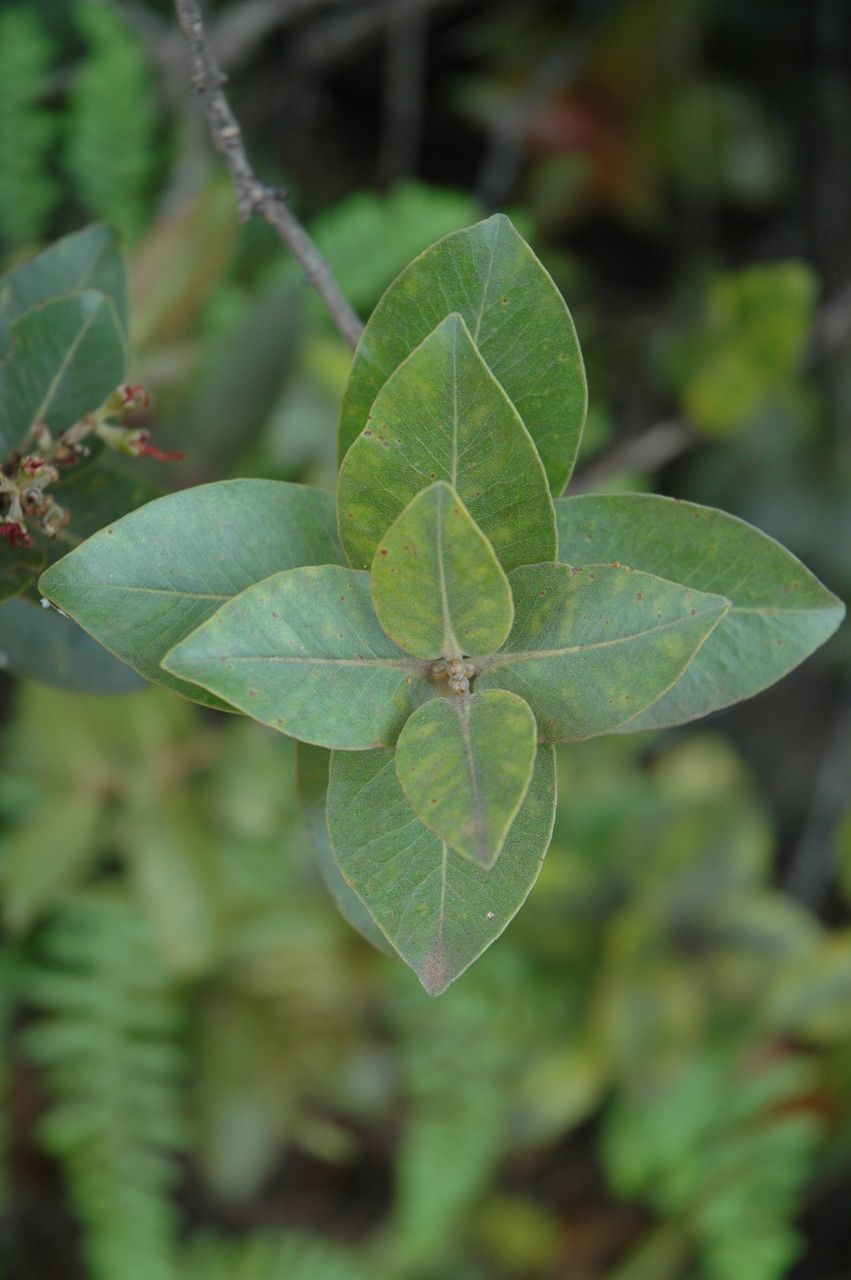
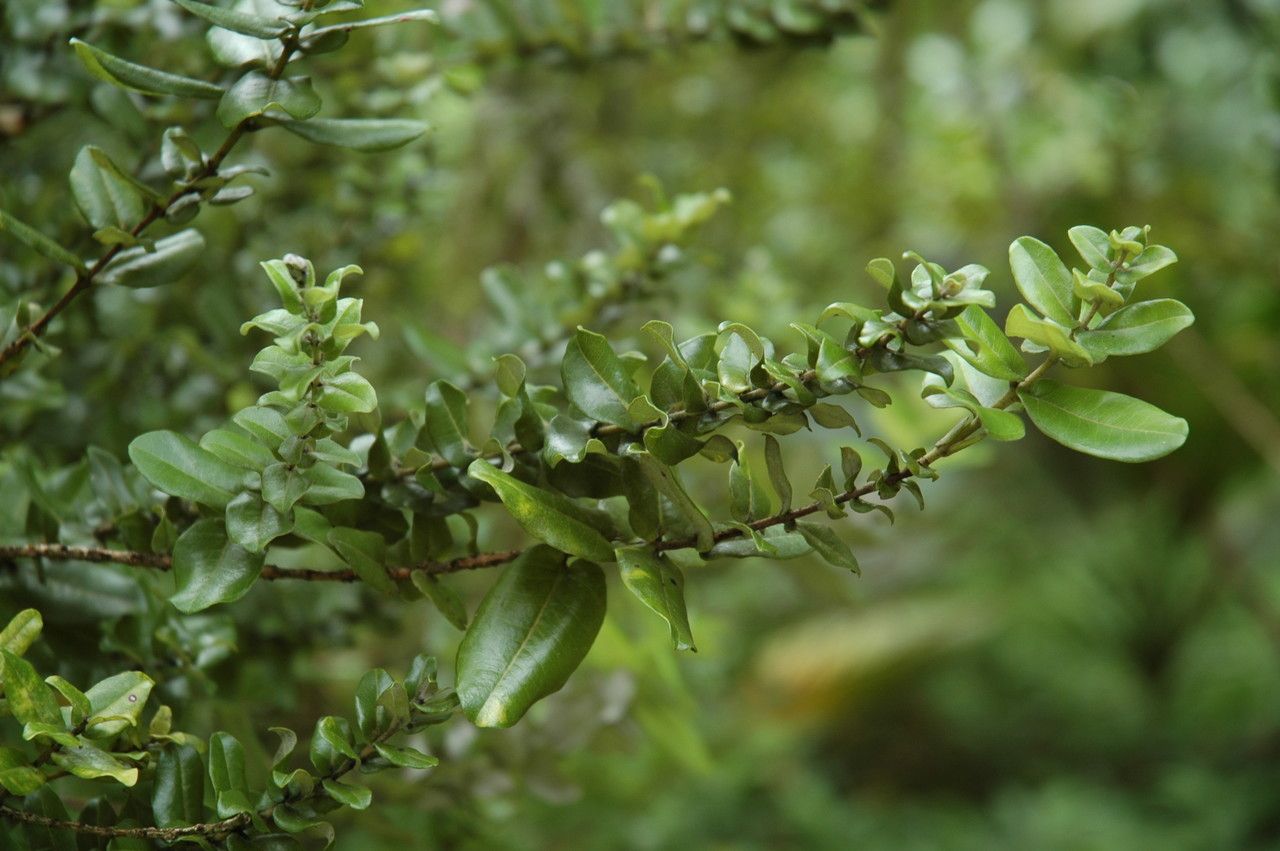
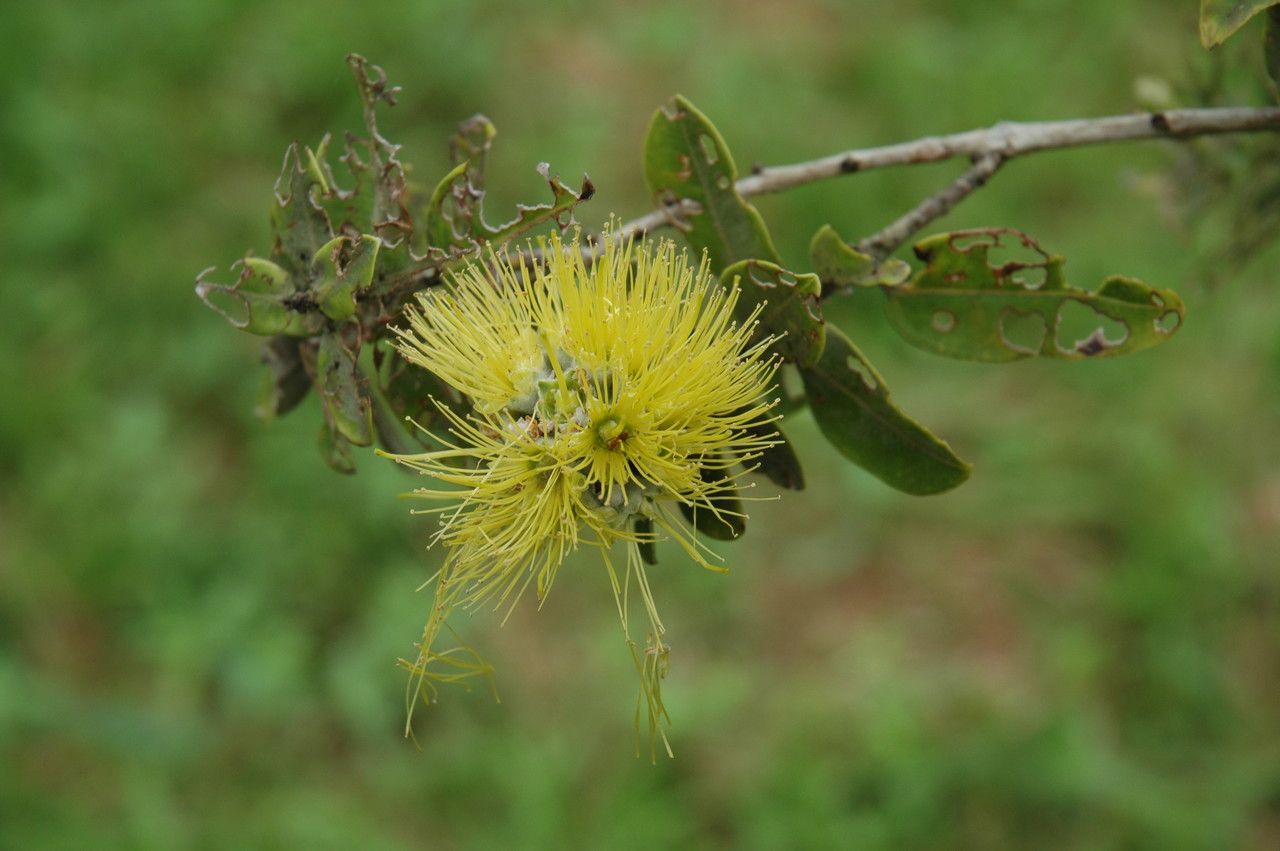
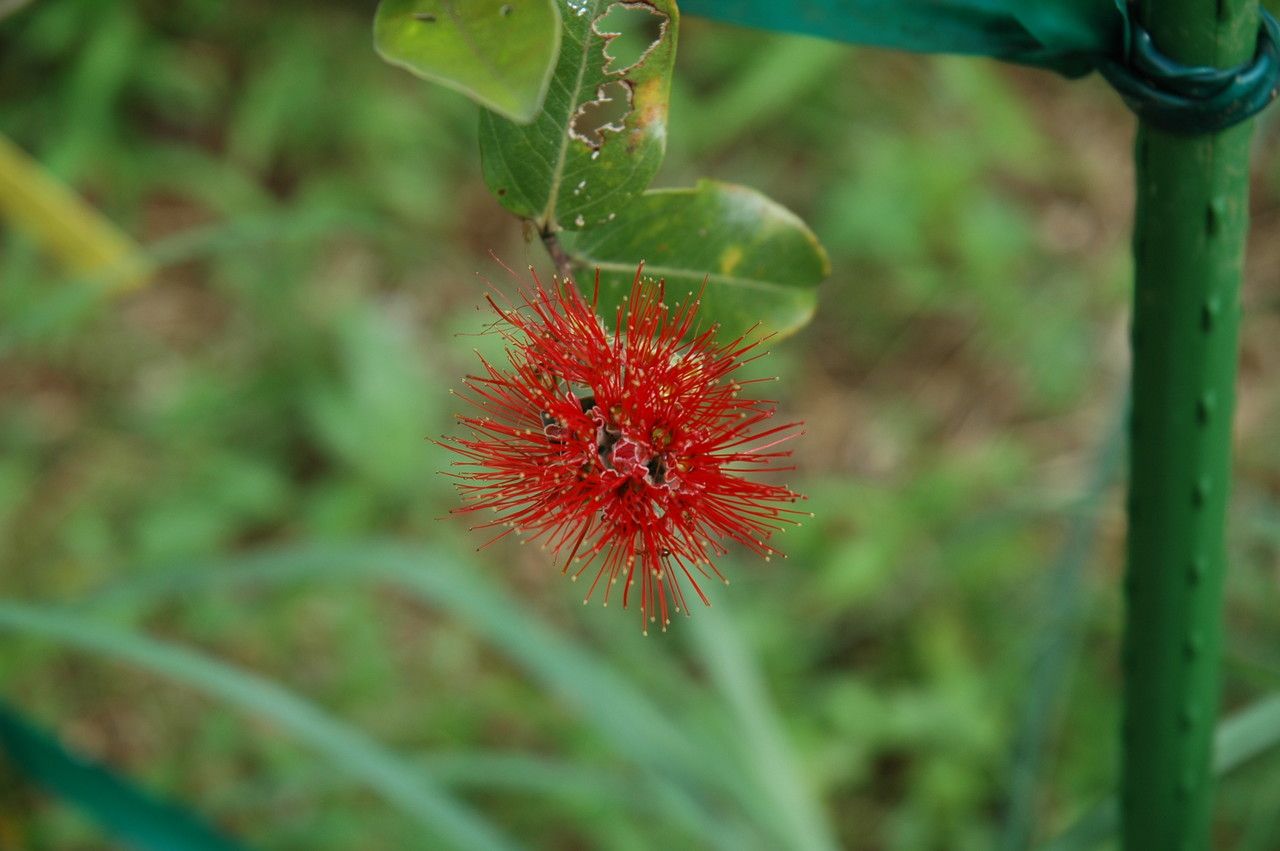
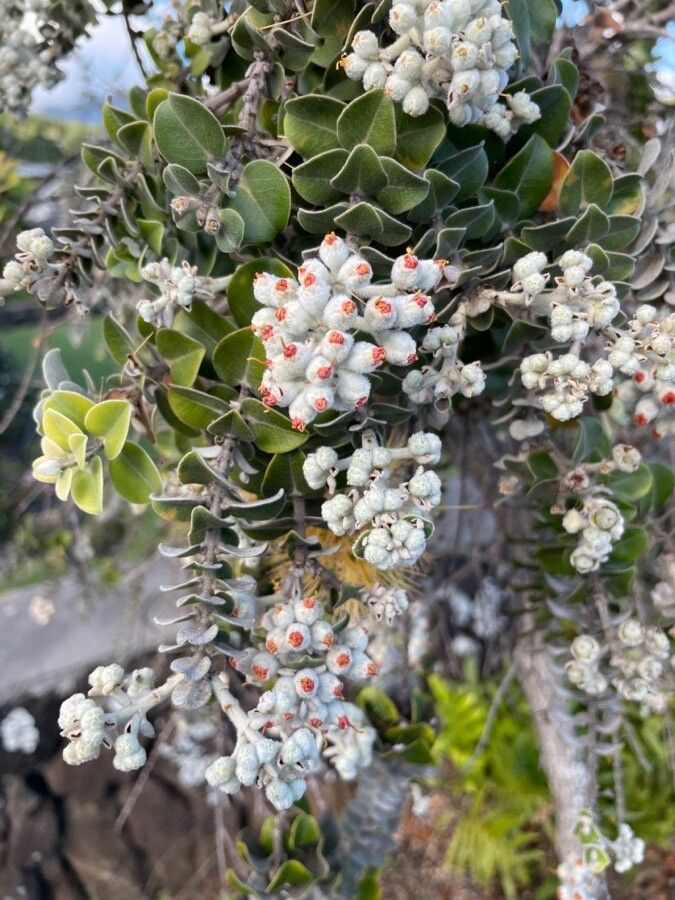
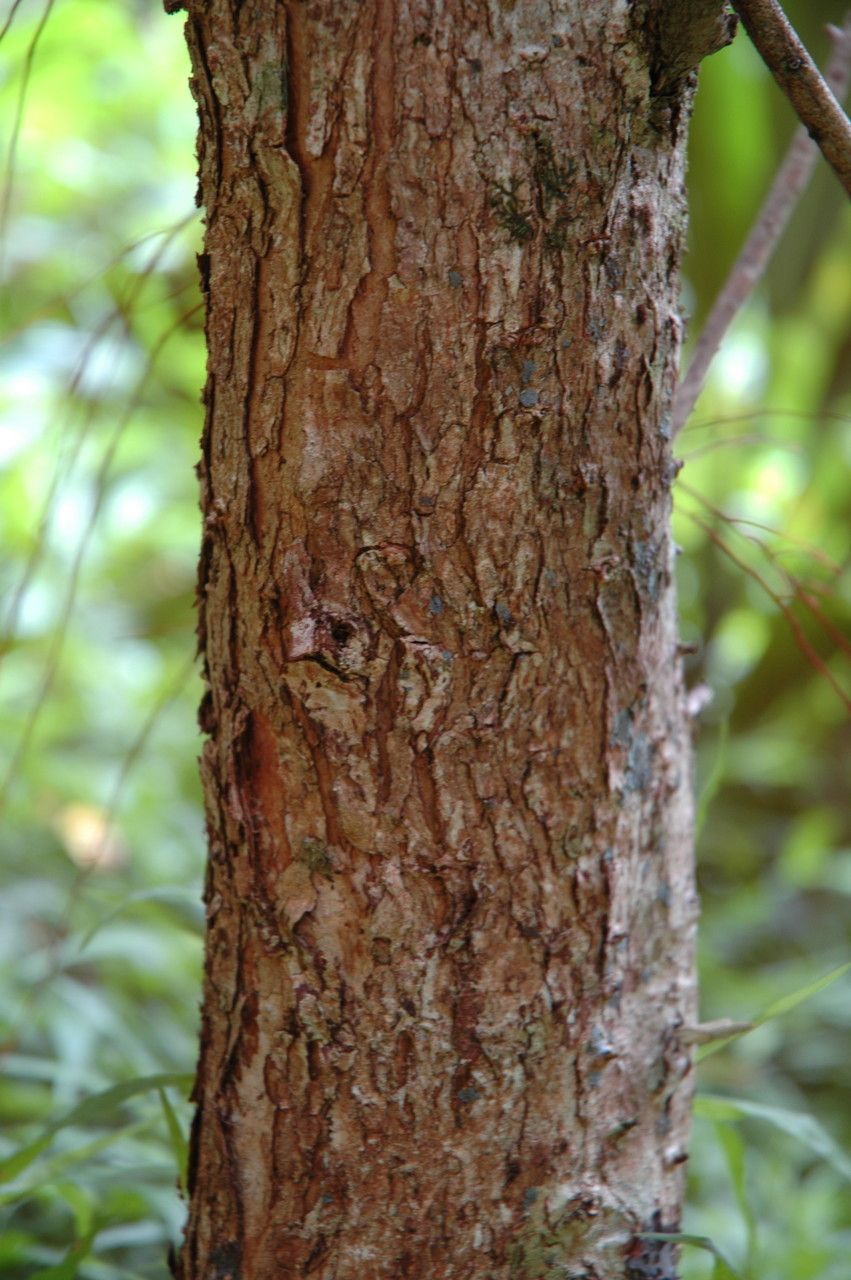
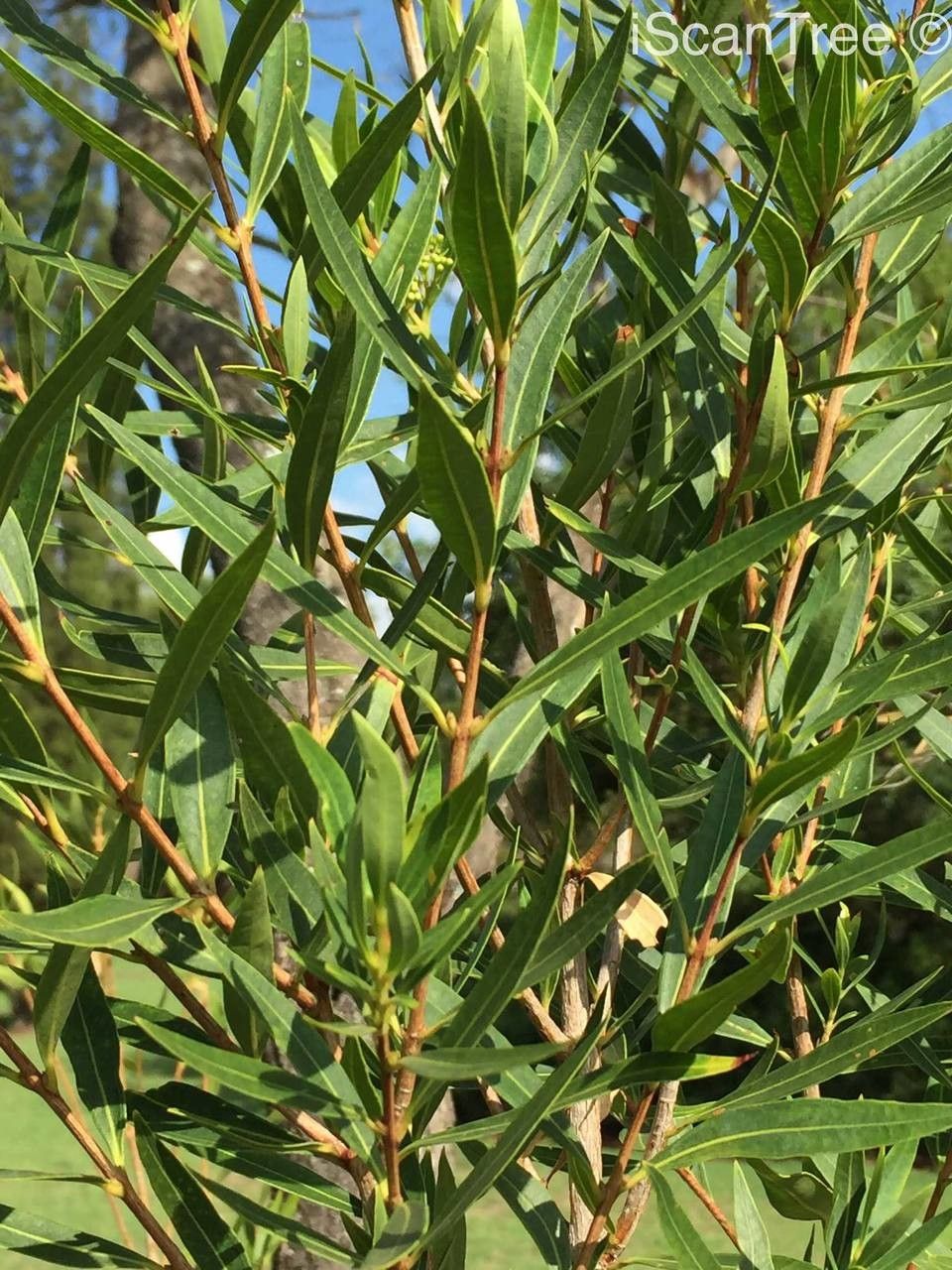
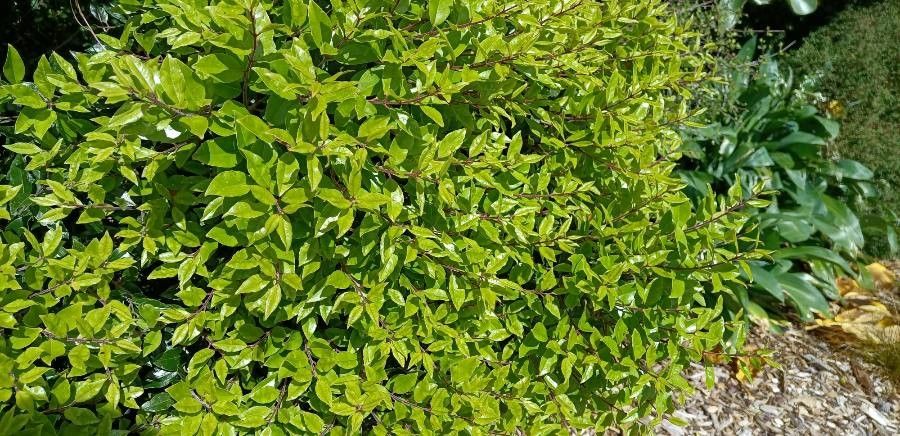
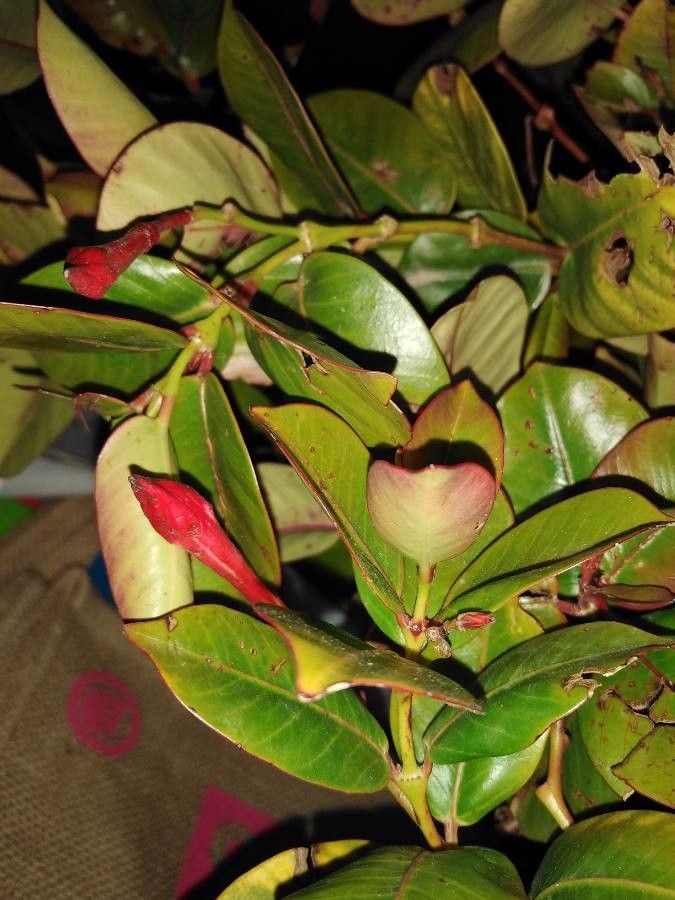
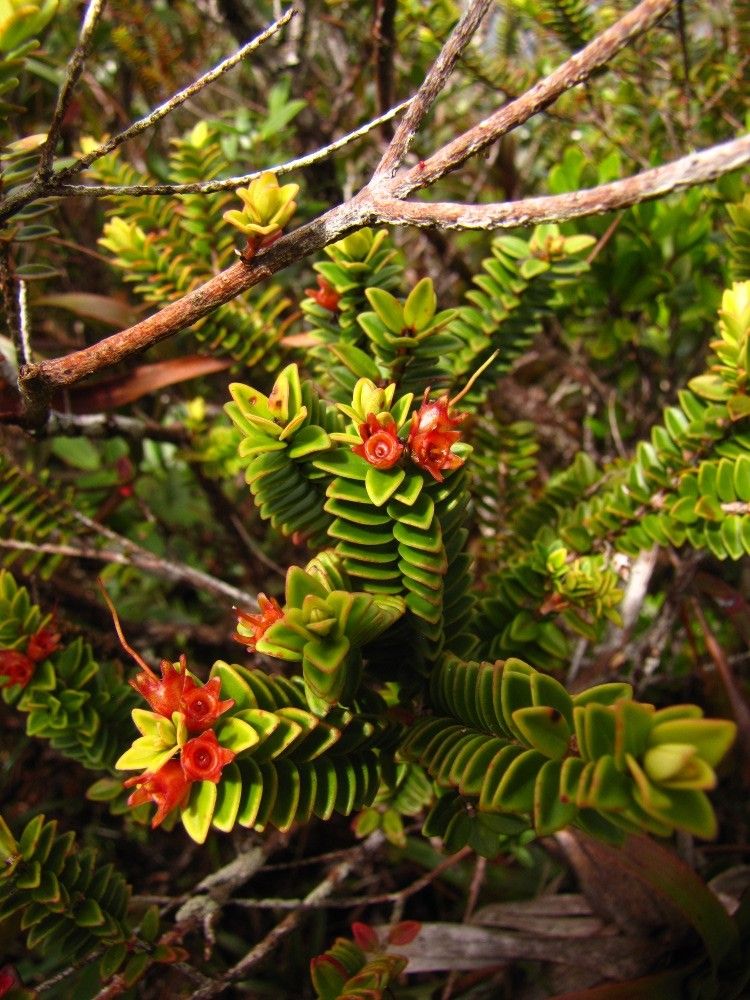
Metrosideros polymorpha, the ʻōhiʻa lehua, is a species of flowering evergreen tree in the myrtle family, Myrtaceae, that is endemic to the six largest islands of Hawaiʻi. It is a highly variable tree, being 20–25 m (66–82 ft) tall in favorable situations, and a much smaller prostrate shrub when growing in boggy soils or directly on basalt. It produces a brilliant display of flowers, made up of a mass of stamens, which can range from fiery red to yellow. Many native Hawaiian traditions refer to the tree and the forests it forms as sacred to Pele, the volcano goddess, and to Laka, the goddess of hula. ʻŌhiʻa trees grow easily on lava, and are usually the first plants to grow on new lava flows. It is a common misconception that the word ʻōhiʻa is used to refer to the tree and that the word lehua refers only to its flowers. The Hawaiian Dictionary (Pukui and Elbert 1986: 199) defines lehua with these words: "The flower of the ʻōhiʻa tree... also the tree itself [emphasis added]." Thus the Metrosideros polymorpha may be referred to correctly as a lehua tree, or as an ʻōhiʻa lehua, or simply an ʻōhiʻa.
The Lehua tree is well resistant to disease and is generally not susceptible to illnesses. In terms of care, this plant is fairly low-maintenance. When grown outdoors it needs little watering, and larger specimens typically do not require pruning. However, smaller plants should be pruned after they have finished blooming. The Lehua tree is suitable for anyone with an outdoor area, such as a garden or deck, and does not demand much prior care experience.
How to keep Metrosideros Polymorpha.
Light
The lehua tree comes from open habitats, such as sunny meadows and forest edges, which supply plenty of light. It performs best in Full Sun but can also tolerate Partial Sun, adjusting well to different sunlight conditions.
Water
The Lehua tree flourishes in humid, volcanic environments and has a moderate tolerance for drought. To keep it healthy and maintain soil moisture, it needs to be watered weekly. This regular watering supports its evergreen nature and helps retain its foliage, which is essential for continuous growth outdoors.
Temperature
The Lehua tree comes from tropical areas, where the climate is generally warm and humid. As a result, it is well suited to high temperatures and moisture. It does not tolerate sudden temperature changes and prefers a stable thermal environment, so it's important to avoid temperature fluctuations indoors. It usually cannot withstand cold conditions and needs warmer temperatures to grow. If the surrounding temperature falls too low, the plant may stop growing or even die.
Fertilizer
The best time to fertilize a Lehua tree is in early spring when it comes out of dormancy. This stimulates overall growth and the development of flowers. Fertilization improves the foliage, stems, and branches, while encouraging flowers that are large, vivid, and long-lasting. It helps transport nutrients from the roots to the blooms and enhances the plant’s health and resistance to disease.
Pruning
The Lehua tree is a hardy plant with bright, colorful flowers. To keep it healthy and well-shaped, it benefits from pruning during the winter. When pruning, concentrate on cutting away dead branches and thinning out dense areas. This will improve air circulation, reduce stress on the tree, and encourage strong growth and abundant flowering in the spring.
Botanical profile.
- Plant Type
- Tree, Shrub
- Life Cycle
- Perennial
- Genus
- Metrosideros
- Family
- Myrtaceae
- Hardiness Zone
- 9-11
- Mature Height
- 10.06 m to 24.99 m
- Mature Spread
- 4.88 m to 14.94 m
- Leaf Color
- Dark Green, Olive Drab
- Leaf Type
- Evergreen
- Flower Color
- Red
- Flower Size
- 1.02 cm to 2.03 cm
- Bloom Time
- All year round
- Planting Time
- Spring, Summer, Autumn
- Harvest Time
- All year round
Other names.
Reader questions.
What are the sunlight requirements for the Lehua tree?
The Lehua tree, known botanically as Metrosideros polymorpha, thrives under specific sunlight conditions. For optimal growth, it requires full sun, which means it should receive above 6 hours of sunlight each day. Alternatively, it can also grow in partial sun, which entails about 3-6 hours of sunlight daily. It's important to observe the movement of sunlight through your garden to choose the best spots that offer a balanced combination of light and shade. This caution ensures that your Lehua trees grow happily and healthily by receiving the right amount of sunlight.
What is the Lehua tree?
The Lehua tree, scientifically known as Metrosideros polymorpha, is a species of flowering evergreen tree. It is renowned for its ecological importance and its unique presence in the environment.