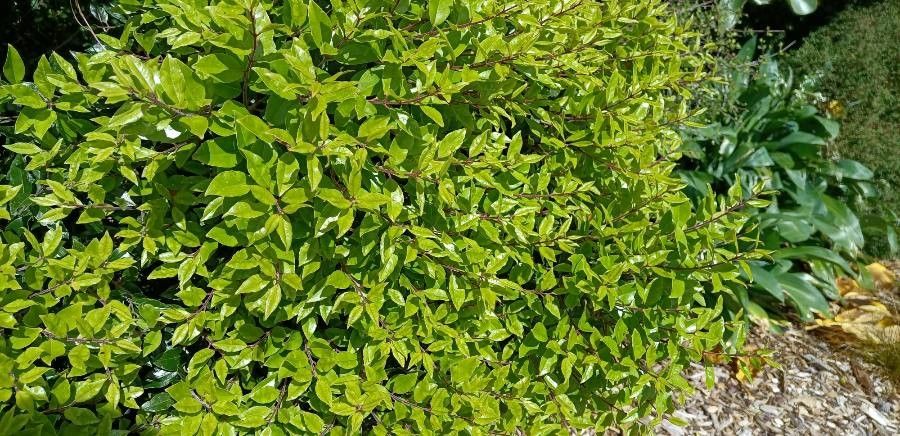
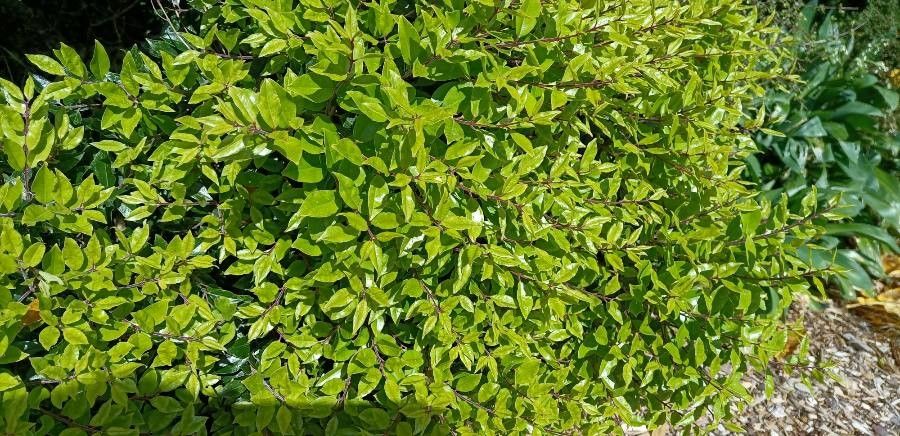
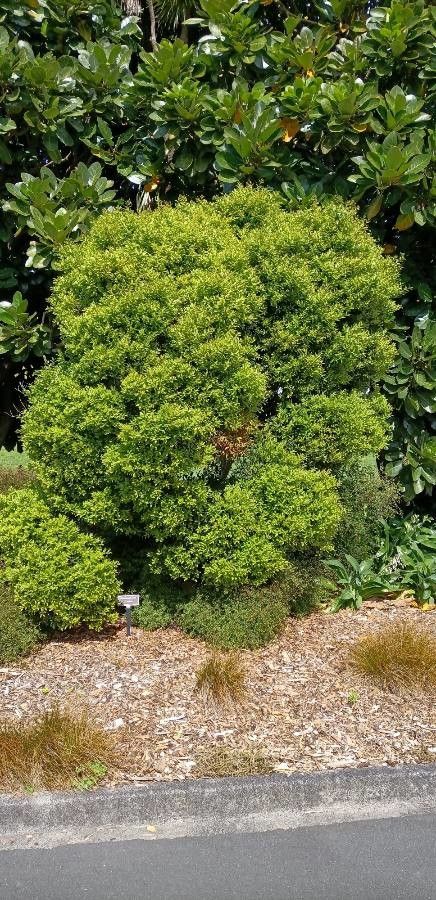
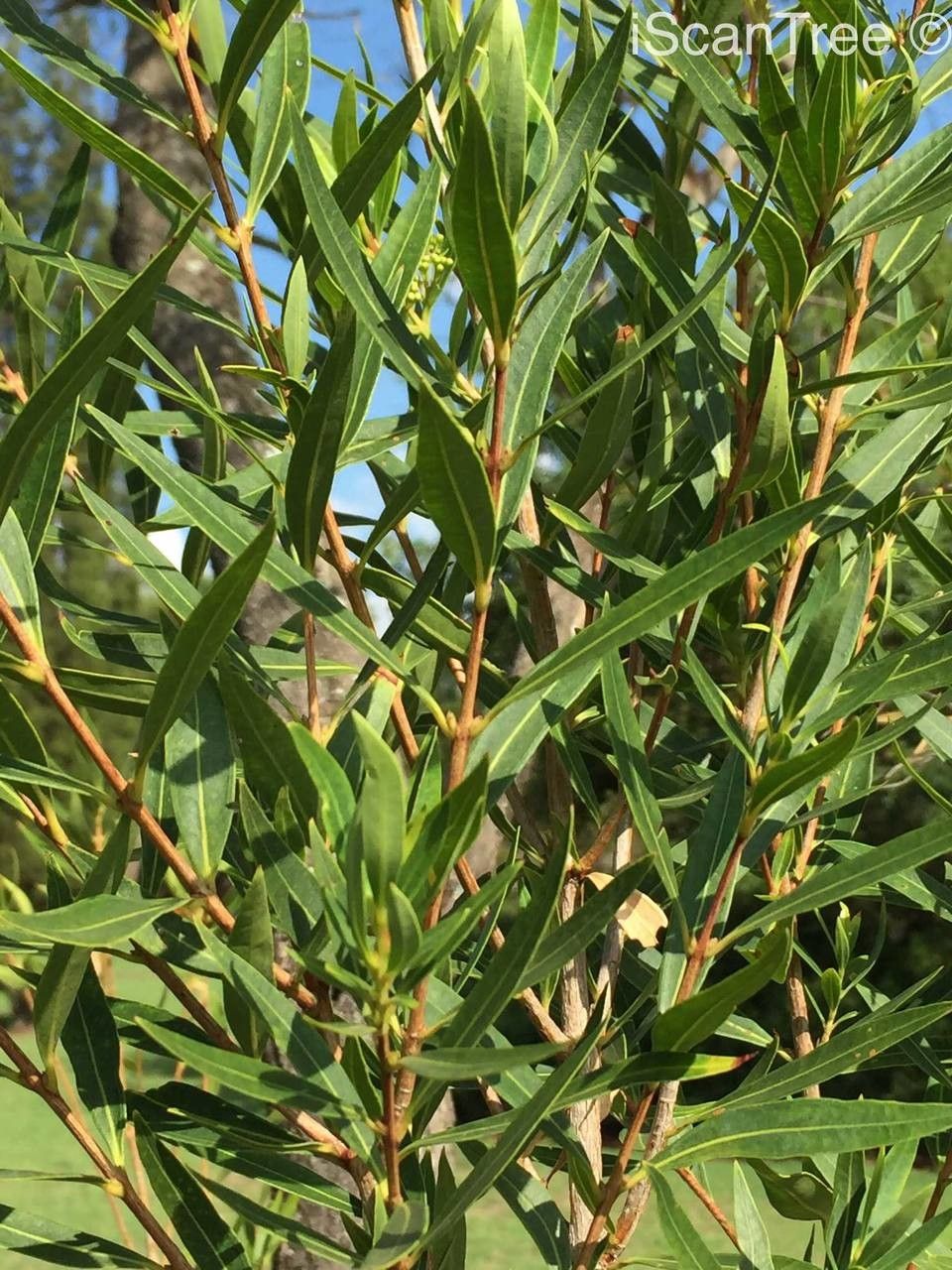
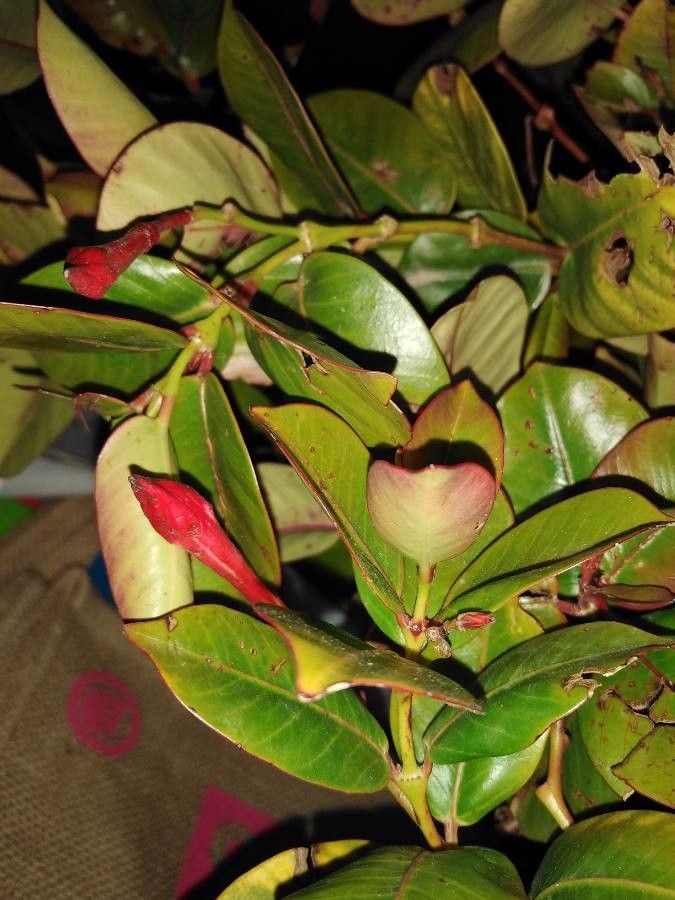
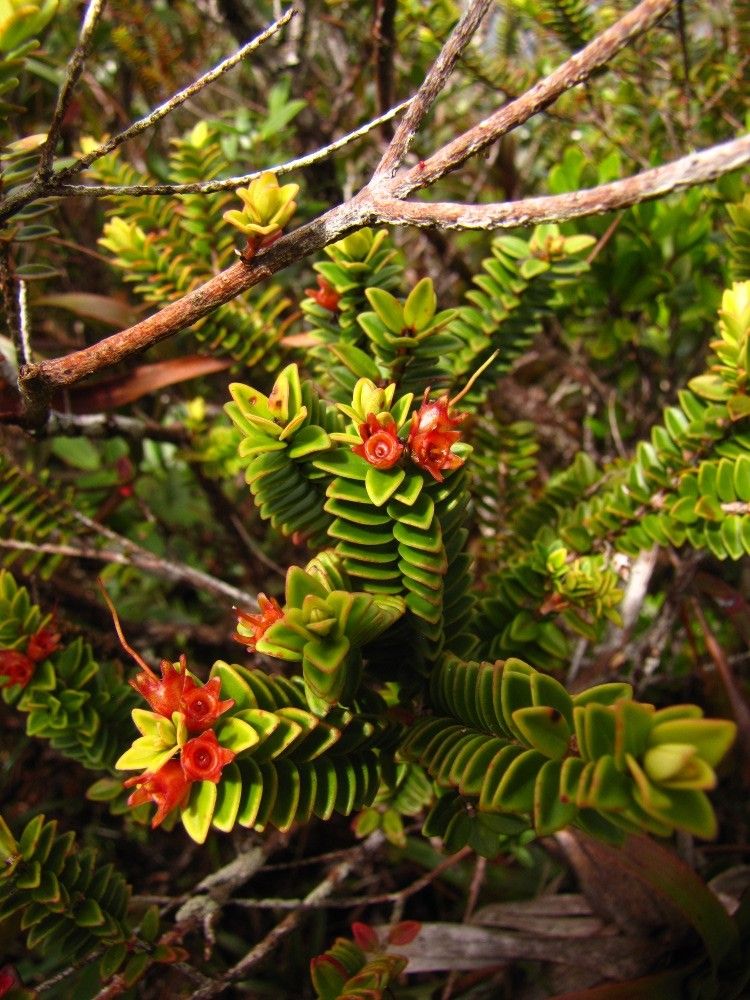
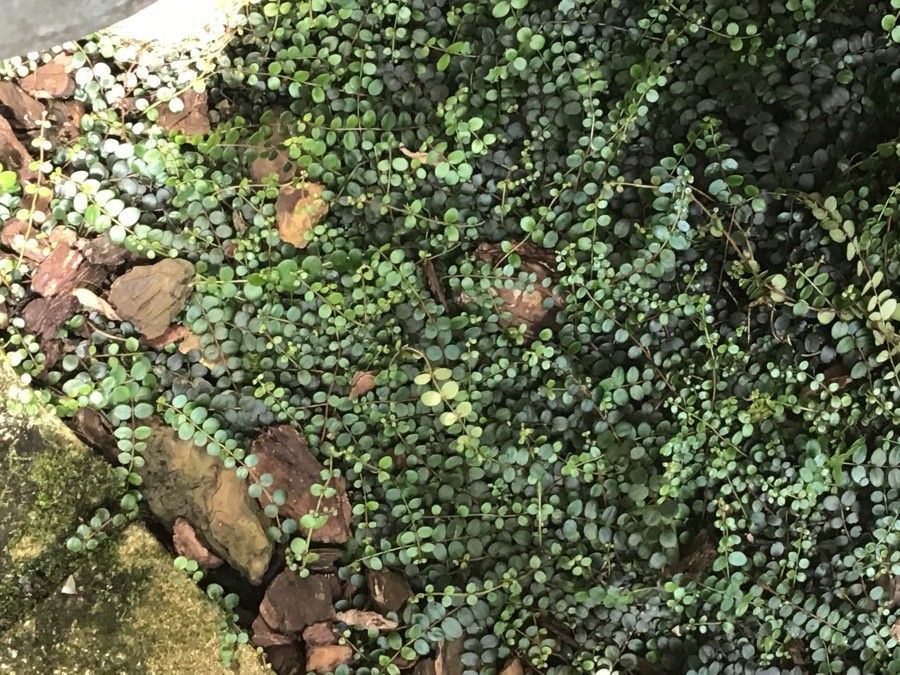
Metrosideros bartlettii, also known as Bartlett's rātā, Cape Reinga white rātā or in Māori as rātā moehau, is one of twelve Metrosideros species endemic to New Zealand and is notable for its extreme rarity and its white flowers, somewhat uncommon in that genus of red-flowered trees and plants. Its natural range is in the far north of the North Island at Te Paki, in three patches of dense native forest near Spirits Bay (34° S) that escaped destruction by fire, namely Radar Bush, Kohuronaki Bush, and Unuwhao Bush. Only 13 adult trees are known to exist in the wild (down from 34 in 1992) and most of these are either ill or dying. The lack of fossil evidence elsewhere suggests that the tree may always have been restricted to the North Cape area, which was an island until it was connected to the mainland by the sandspit that constitutes Ninety Mile Beach.
Bartlett's rata resists disease well and is generally not susceptible to illnesses. As for upkeep, this plant is fairly low-maintenance. When grown outdoors it needs only minimal watering, and larger specimens usually do not require pruning. Smaller specimens, however, should be pruned after they finish blooming. Bartlett's rata is suitable for anyone with an outdoor area, such as a garden or deck, and does not demand much plant-care experience.
How to keep Metrosideros Bartlettii.
Light
Bartlett's rata occurs naturally in habitats like forest understories and rocky sites, where it grows in natural shade. It favors partial sun but can tolerate full sun or full shade, showing its adaptable and hardy character.
Temperature
Bartlett's rata demonstrates good tolerance for heat and wider temperature fluctuations. During hot periods, care should be taken with watering and providing adequate shade to prevent sunburn. Conversely, Bartlett's rata has relatively low tolerance for cold. While it can tolerate some chill, overly cold conditions can cause frost damage.
Fertilizer
Fertilize your Bartlett's rata in early spring to encourage healthy growth. Regular feeding improves overall health, producing vigorous growth, increased resilience to harsh conditions, and enhanced resistance to pests and diseases. Keep a consistent fertilization schedule for your Bartlett's rata to maintain lush, vibrantly colored foliage.
Pruning
Bartlett's rata is known for its striking white flowers and evergreen leaves. To promote healthy growth and an attractive shape, it's best to prune the plant in early spring. Focus on removing dead branches and thinning out dense areas. Additionally, pruning after the plant has flowered helps to encourage more blooms and prevent diseases. For more specialized techniques, consult horticultural resources.
Botanical profile.
- Plant Type
- Tree
- Life Cycle
- Perennial
- Genus
- Metrosideros
- Family
- Myrtaceae
- Hardiness Zone
- 10-11
- Mature Height
- 14.94 m to 20.12 m
- Mature Spread
- 4.88 m to 7.92 m
- Leaf Color
- Dark Green
- Leaf Type
- Evergreen
- Flower Color
- Red
- Flower Size
- 1.02 cm to 1.52 cm
- Bloom Time
- Mid winter, Late winter, Early spring
- Planting Time
- Spring
- Harvest Time
- Mid spring, Late spring, Early summer
- Native Area
- New Zealand
Other names.
Reader questions.
What are the sunlight requirements for Bartlett's rata?
Bartlett's rata (Metrosideros bartlettii) thrives under specific sunlight conditions. It requires full sun, which is defined as receiving above 6 hours of sunlight daily, to flourish properly. Alternatively, it can also grow under partial sun, needing about 3-6 hours of sunlight each day. It's important to observe how sunlight moves through your garden throughout the day. This observation helps in selecting the ideal locations that offer a perfect balance of light and shade, ensuring the plants' health and happiness.