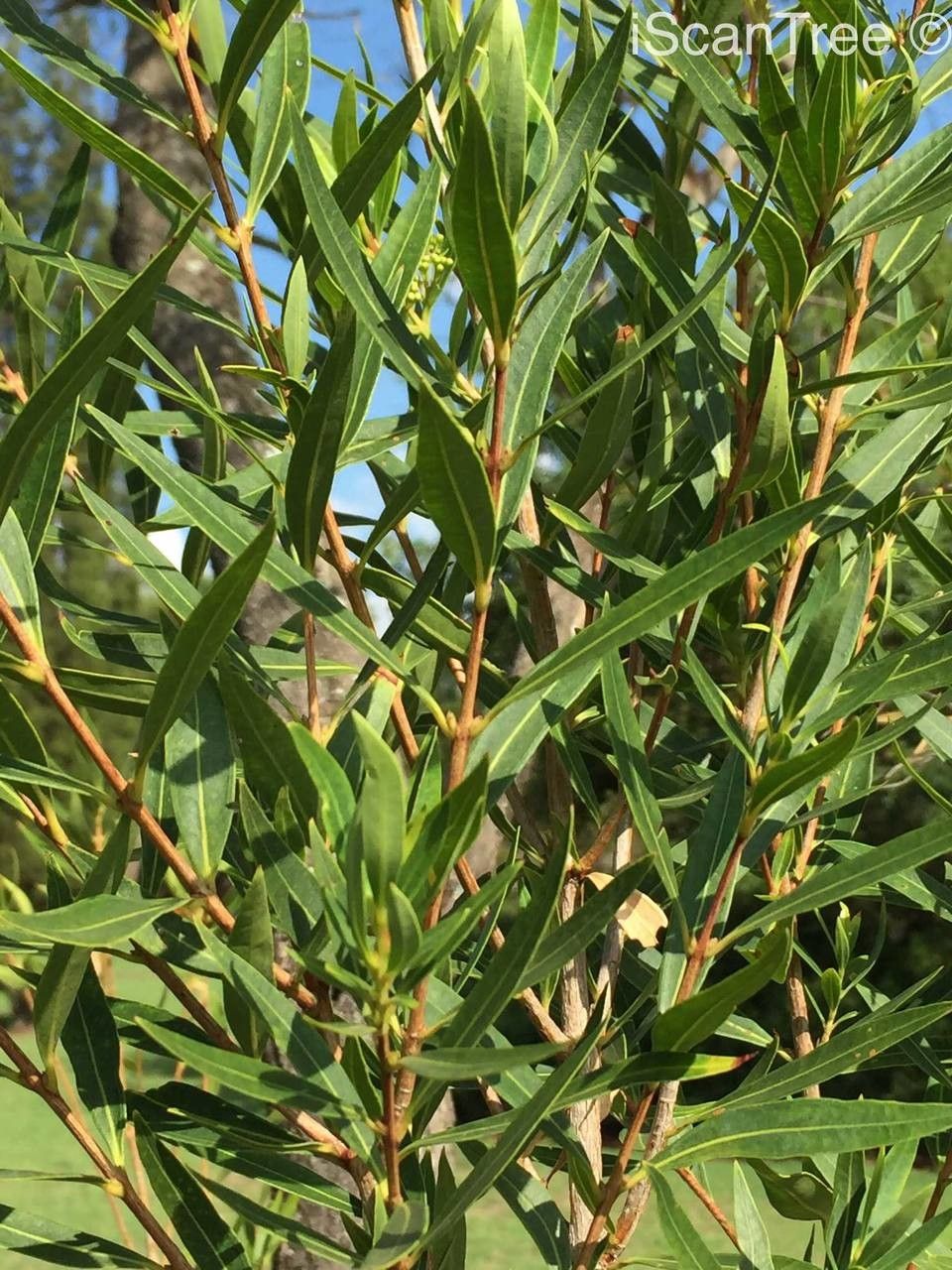
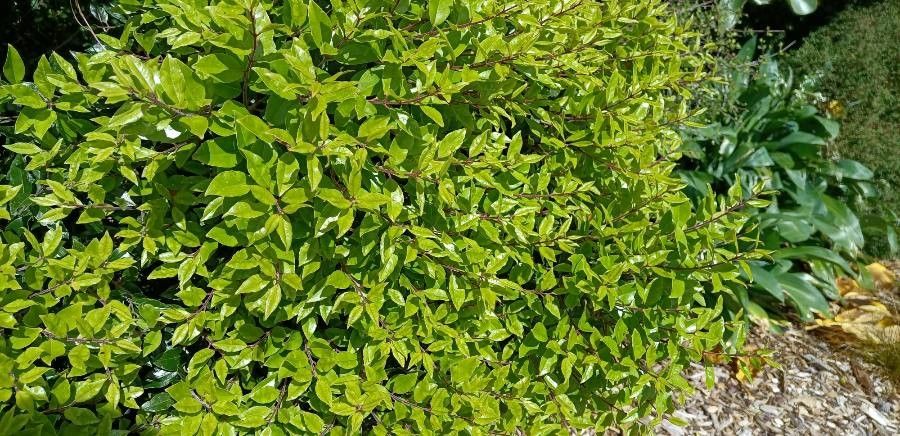
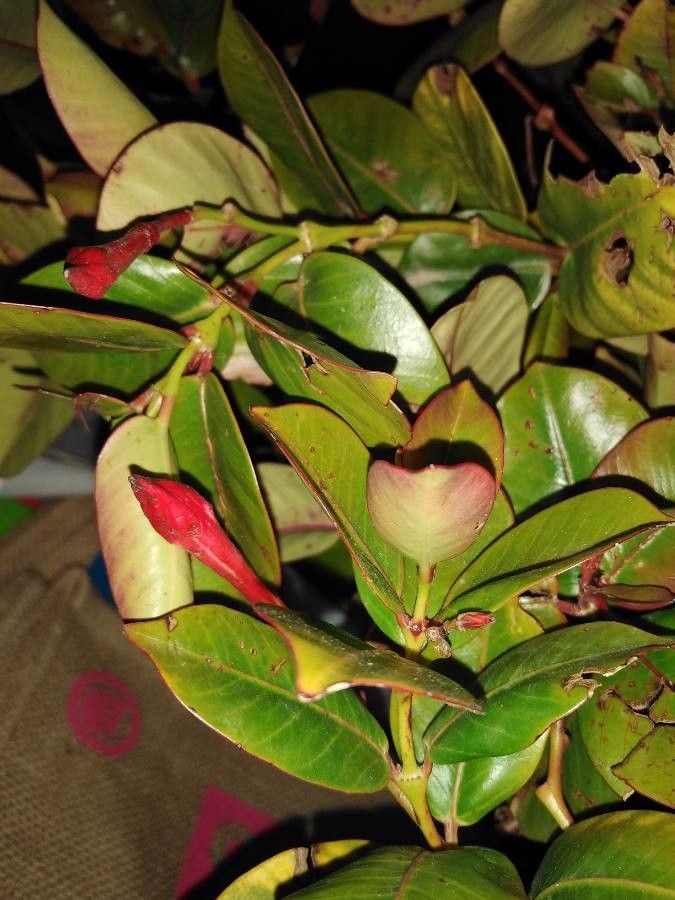
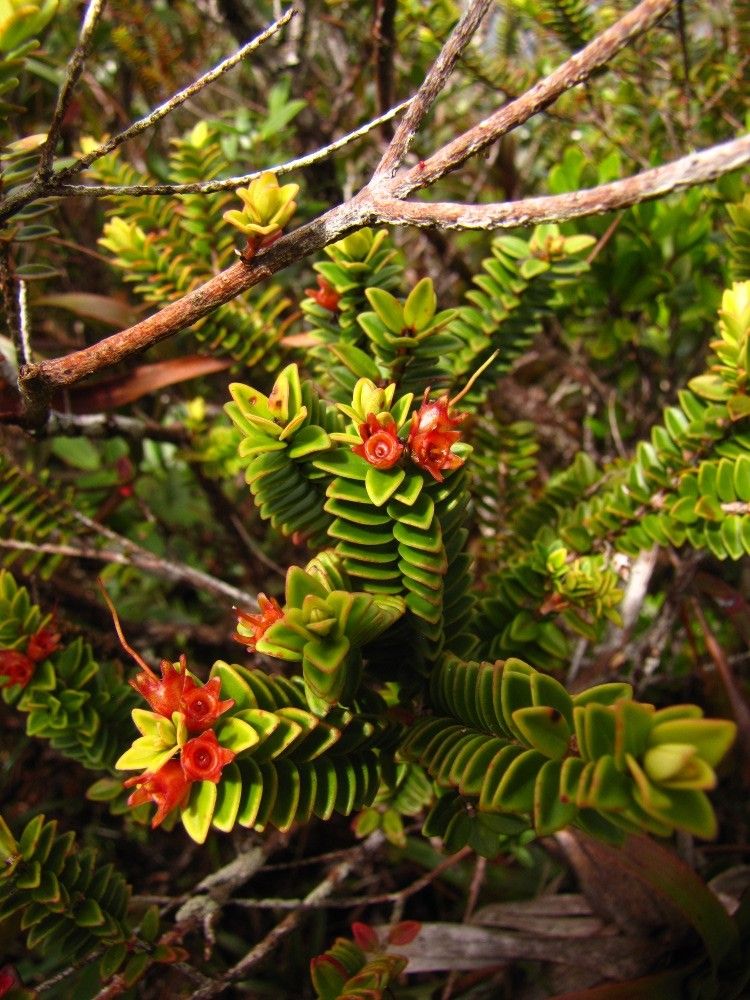
Metrosideros diffusa, the white rātā, climbing rātā or in Māori akakura, is a forest liane or vine endemic to New Zealand. It is one of a number of New Zealand Metrosideros species which live out their lives as vines, unlike the northern rata (M.robusta), which generally begins as a hemi-epiphyte and grows into a huge tree. It is one of three white flowering rātā vines (the others being large white rātā and small white rātā). White rātā is the most common climbing rātā in the wild, found naturally in lowland forests throughout the North, South and Stewart islands.
Small ratavine is resistant to diseases and generally does not tend to get sick. In terms of care, this plant is fairly low maintenance. When grown outdoors it needs only minimal watering, and larger plants usually do not require pruning. Smaller plants, however, should be pruned after they finish blooming. Small ratavinet is appropriate for anyone with outdoor space, like a garden or deck, and does not demand much gardening experience.
How to keep Metrosideros Diffusa.
Light
Small ratavine comes from open habitats, such as sunny meadows and forest edges, which provide ample light. It thrives in Full Sun but can also tolerate Partial Sun, adapting well to various sunlight conditions.
Water
The small ratavine thrives in humid environments similar to its natural tropical rainforest habitat. It requires regular watering twice a week, but be careful to avoid waterlogging. This plant is ideal for indoor cultivation, where humidity levels can be easily controlled, ensuring year-round lush foliage as it remains evergreen.
Humidity
This plant will thrive in moderate humidity, which is probably the level in your home. However, misting it a few times a week can be very beneficial. Make sure the room has good ventilation.
Temperature
The small ratavine is very adaptable to a wide range of climate conditions, from blazing summers to frosty winters. Still, it has a preferred temperature range for healthy growth. If temperatures get too high, the plant can suffer from heat and humidity stress, which may kill it. In areas where temperatures approach the lower limit of its cold tolerance, taking insulating measures to protect the plant is important.
Fertilizer
Applying fertilizer at the right time is important for Small ratavine. Apply in early spring and continue monthly until early summer. Fertilizer promotes attractive blooms and supplies energy during both dormant and active growth periods.
Pruning
Small ratavine is a climbing shrub known for its glossy green leaves and small white flowers. To promote growth and flowering, prune the plant in early spring. Focus on removing dead branches, thinning crowded areas, and shaping the shrub. Using clean, sharp tools is crucial for preventing damage and making accurate cuts.
Botanical profile.
- Plant Type
- Vine
- Life Cycle
- Perennial
- Genus
- Metrosideros
- Family
- Myrtaceae
- Hardiness Zone
- 9-11
- Mature Height
- 6.1 m
- Mature Spread
- 49 cm
- Leaf Color
- Dark Green, Forest Green
- Leaf Type
- Evergreen
- Flower Color
- Red
- Flower Size
- 1.02 cm to 2.03 cm
- Bloom Time
- Winter
- Planting Time
- Spring, Summer, Autumn
- Harvest Time
- Spring
- Native Area
- New Zealand
Other names.
Reader questions.
What are the sunlight requirements for Small ratavine (Metrosideros diffusa)?
Small ratavine (Metrosideros diffusa) thrives in varying amounts of sunlight. For those seeking to cultivate this plant, it's vital to consider its light requirements carefully. It flourishes in full sun, defined as locations receiving over six hours of sunlight daily, which is crucial for its optimal growth and health. Alternatively, it can also adapt to partial sun, where it would receive about 3-6 hours of sunlight each day. It's recommended to observe the passage of sunlight through your garden meticulously, to identify areas that offer a harmonious blend of light and shade. Such spots can significantly contribute to the well-being of your Small ratavine, ensuring it grows happily and healthily.
What is the botanical name of the Small ratavine?
The botanical name of the Small ratavine is Metrosideros diffusa.