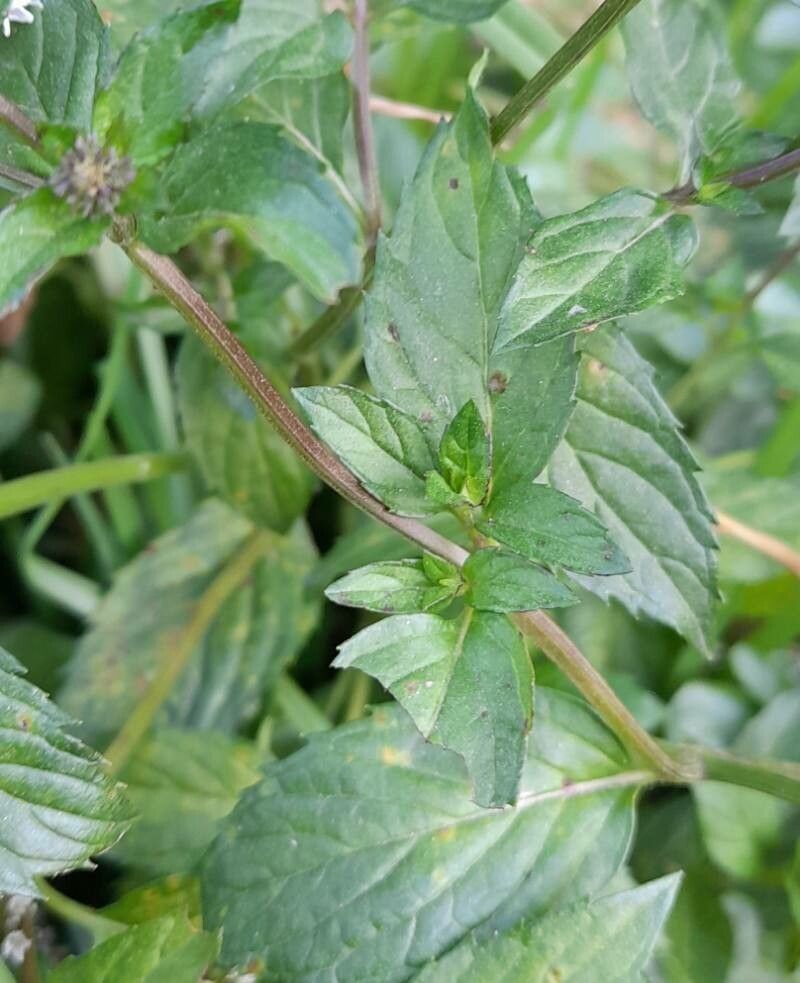
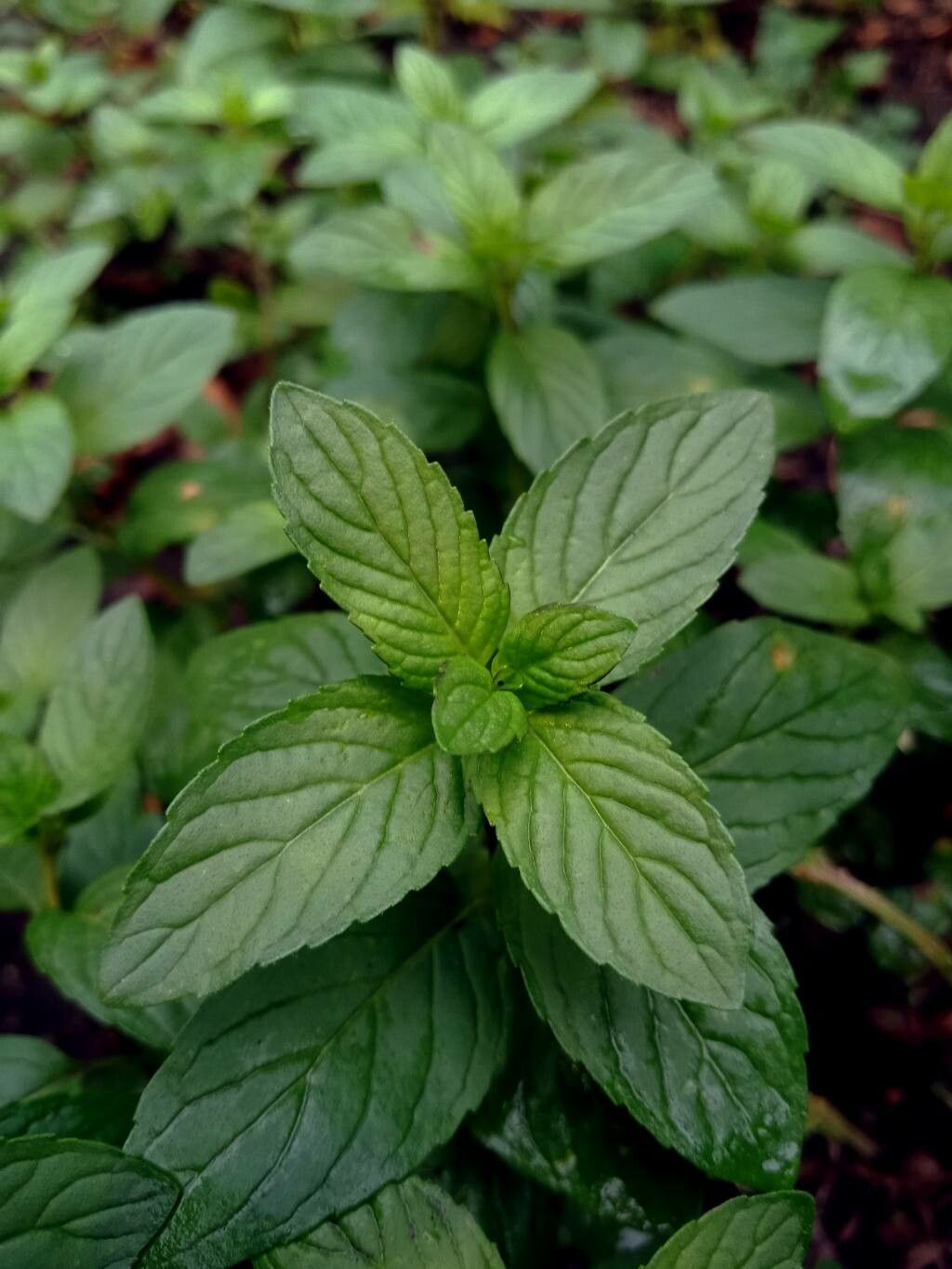
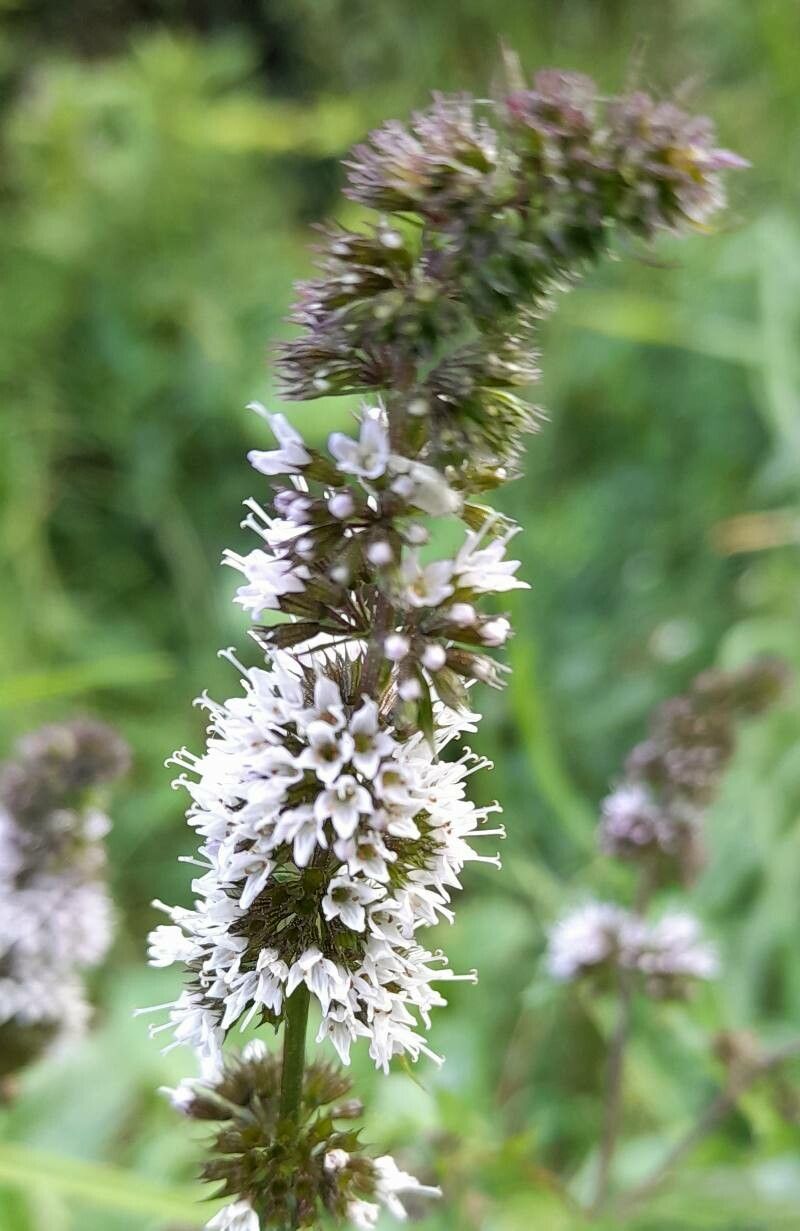
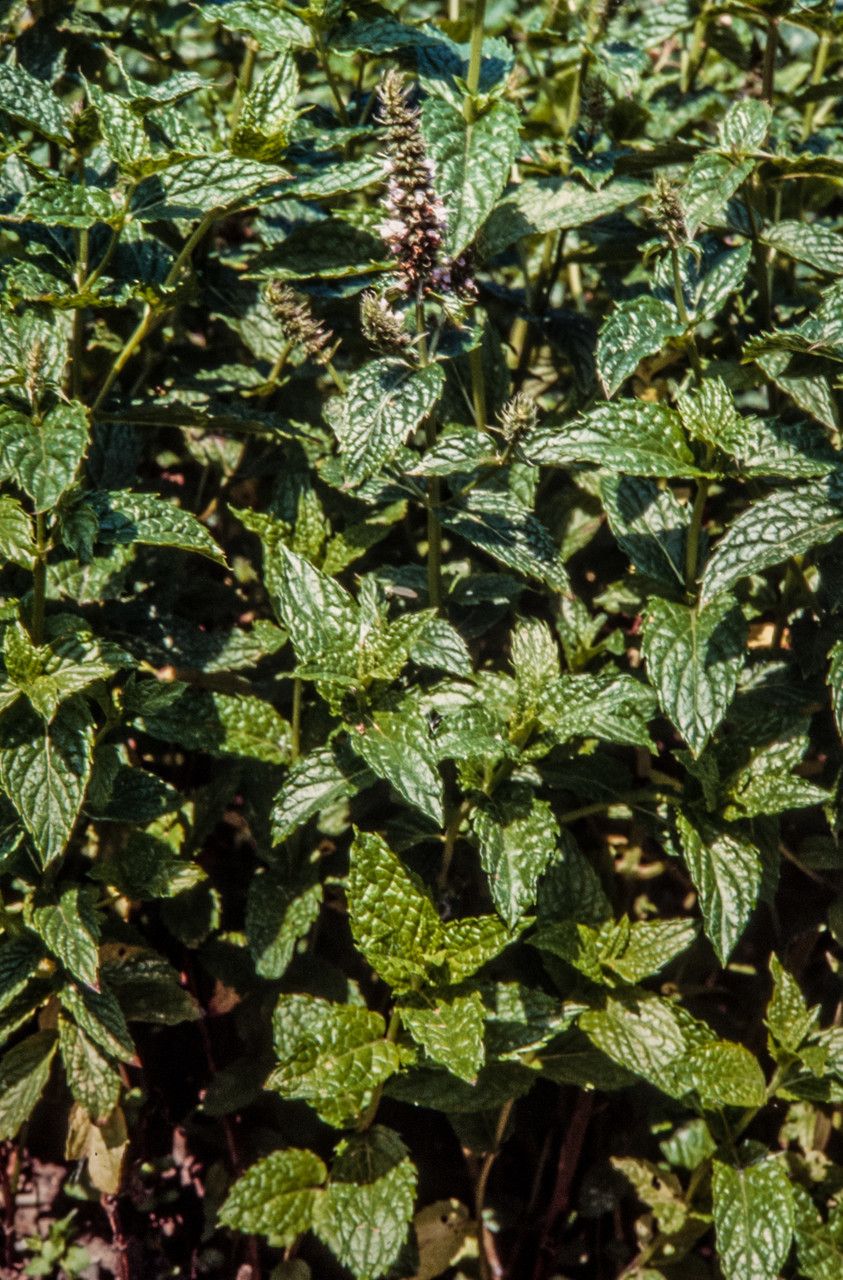
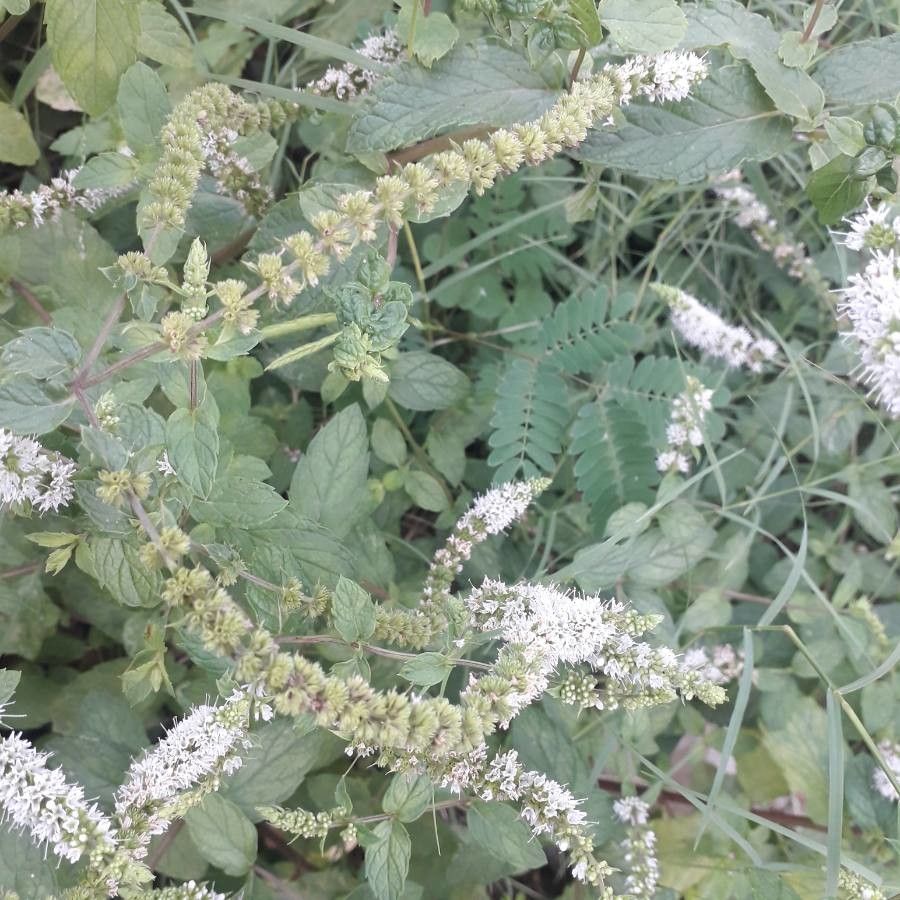
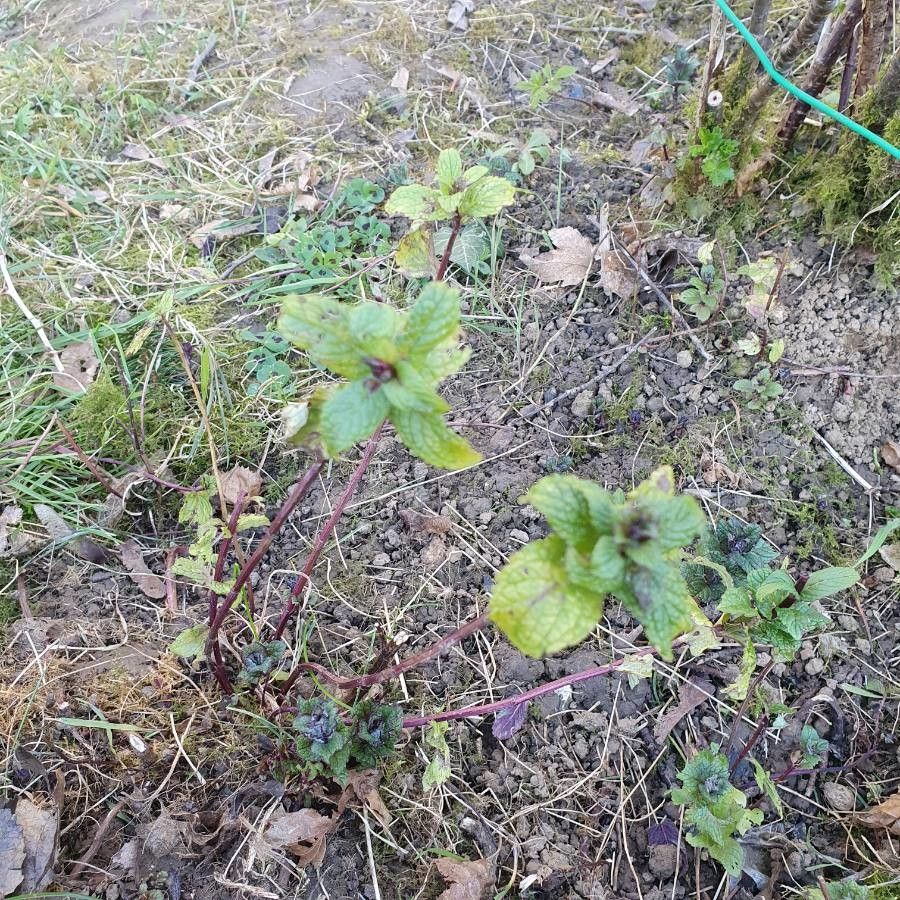
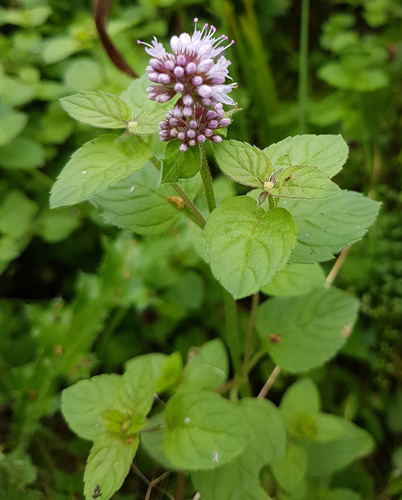
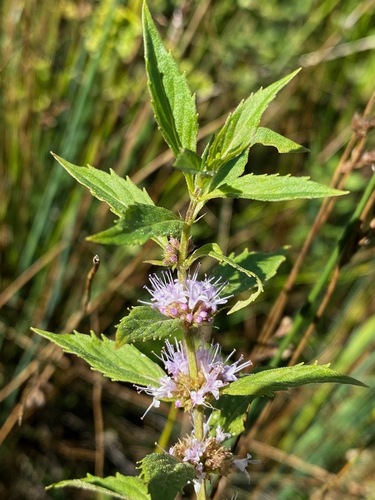
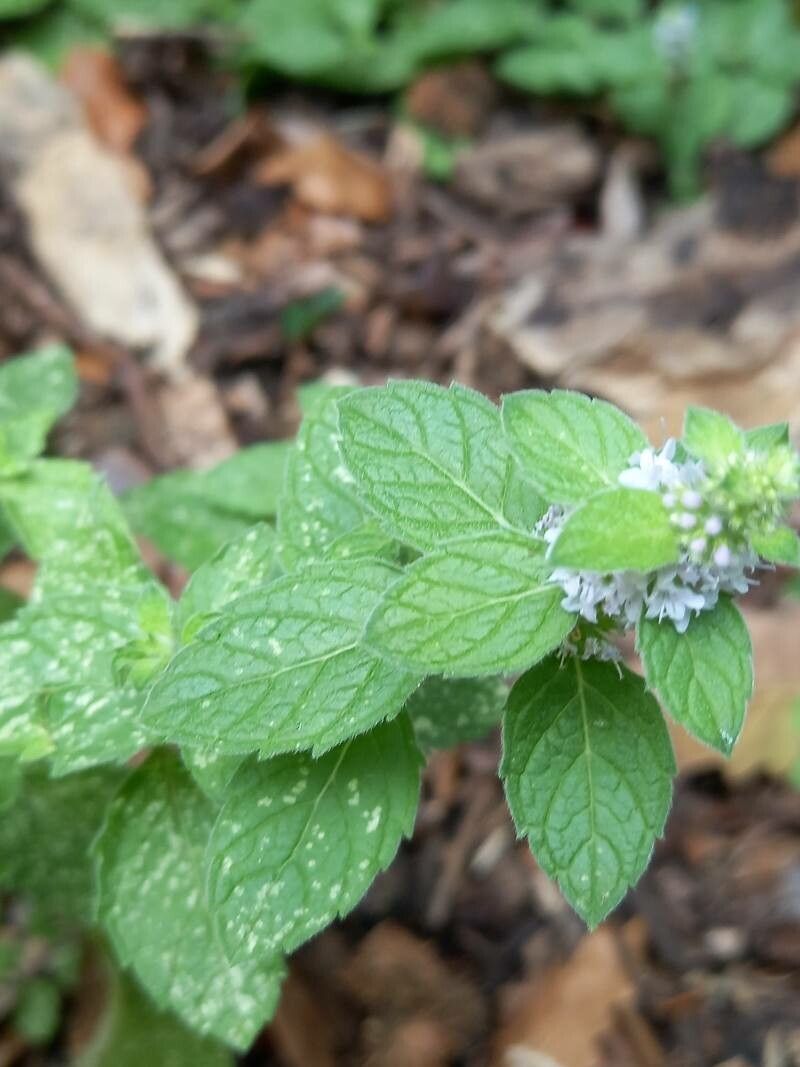
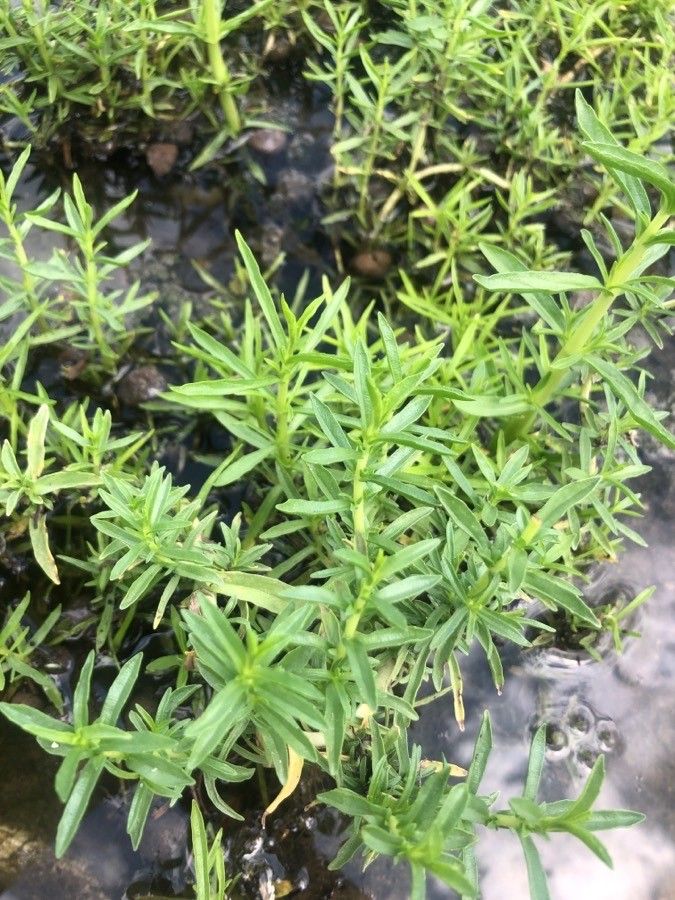
Peppermint (Mentha × piperita) is a hybrid species of mint, a cross between watermint and spearmint. Indigenous to Europe and the Middle East, the plant is now widely spread and cultivated in many regions of the world. It is occasionally found in the wild with its parent species.Although the genus Mentha comprises more than 25 species, the one in most common use is peppermint. While Western peppermint is derived from Mentha × piperita, Chinese peppermint, or bohe, is derived from the fresh leaves of M. haplocalyx. M. × piperita and M. haplocalyx are both recognized as plant sources of menthol and menthone, and are among the oldest herbs used for both culinary and medicinal products.
How to keep Mentha Ux Piperita.
Water
The general rule when watering mint plants is to water when the top inch of soil becomes dry. Mint growing outdoors or in pots indoors will usually need watering about twice per week. Water them in the morning to keep the soil lightly moist as the temperature rises in the day. Wilting foliage is typically a sign that your plant needs more moisture.
Temperature
Mint plants can adapt to almost any climate condition, tolerating the cold and heat. They grow best in moderate to high humidity and temperatures between 55-70°F (13-21°C). For mint growing in pots indoors, increase the humidity with regularly misting or a pebble tray filled with water.
Fertilizer
Mint plants growing in rich soil won't need supplemental fertilizer. For nutrient-poor soil, feed well with a balanced, all-purpose fertilizer during the growing season.
Pruning
Prune back stems to encourage bushier growth and maintain a controlled growth habit. Mint plants in pots or between paved areas often have a confined growth and don't need much pruning.
Toxicity
Mint plants are safe for humans but may be toxic to pets. However, according to the ASPCA, the essential oils in mint are toxic to dogs, cats, and horses. If a lot is ingested, it can cause vomiting and diarrhea.
Further reading →
The toxicity and danger assessments provided are for reference only. We do not assure their accuracy, so it's crucial not to depend on them. Seek professional advice when necessary for accurate guidance.
Botanical profile.
- Plant Type
- Perennial
- Genus
- Mentha
- Family
- Lamiaceae
- Hardiness Zone
- Depending on the variety, 3 through 11
- Bloom Time
- Summer
- Native Area
- Eurasia, North America, southern Africa, and Australia
Other names.