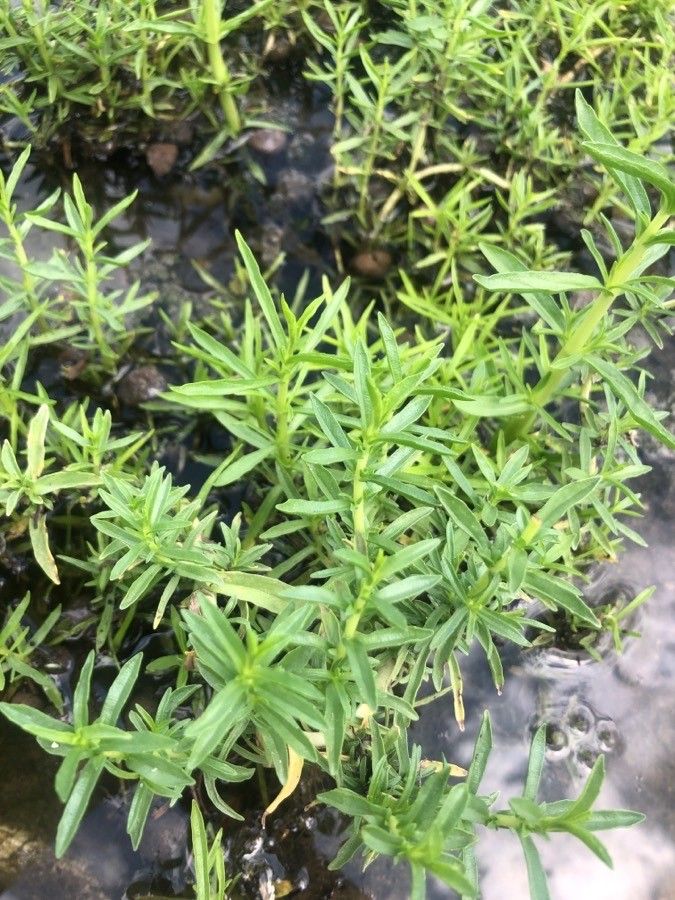
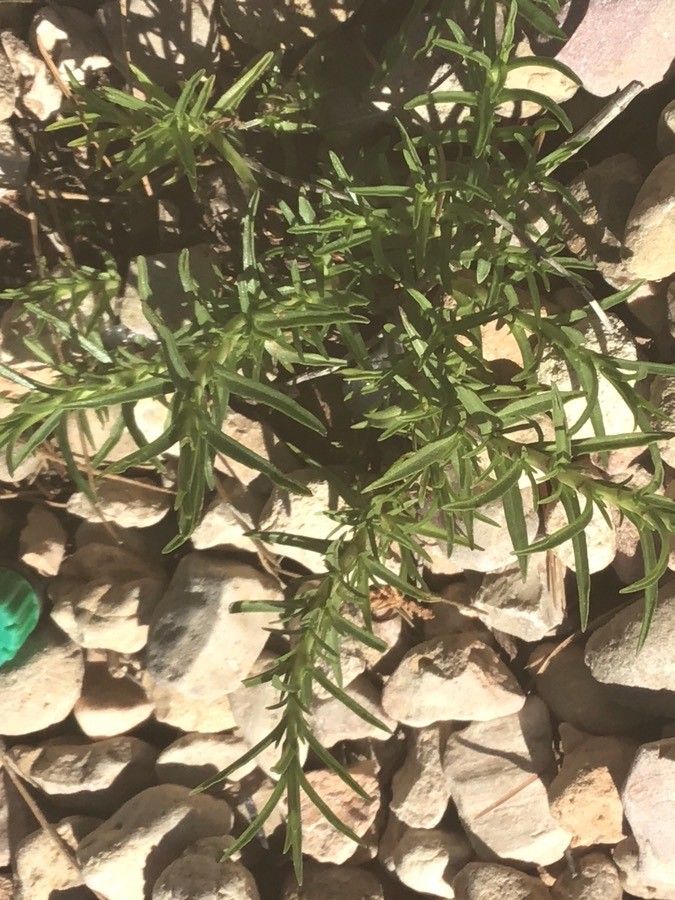
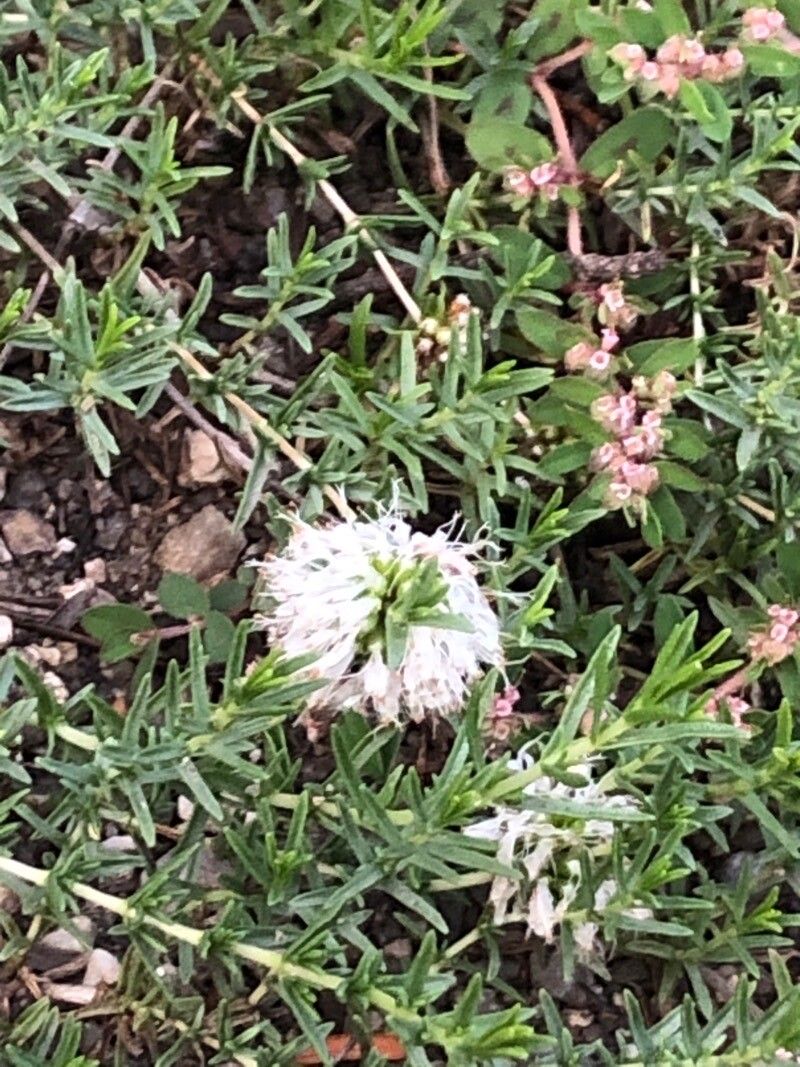
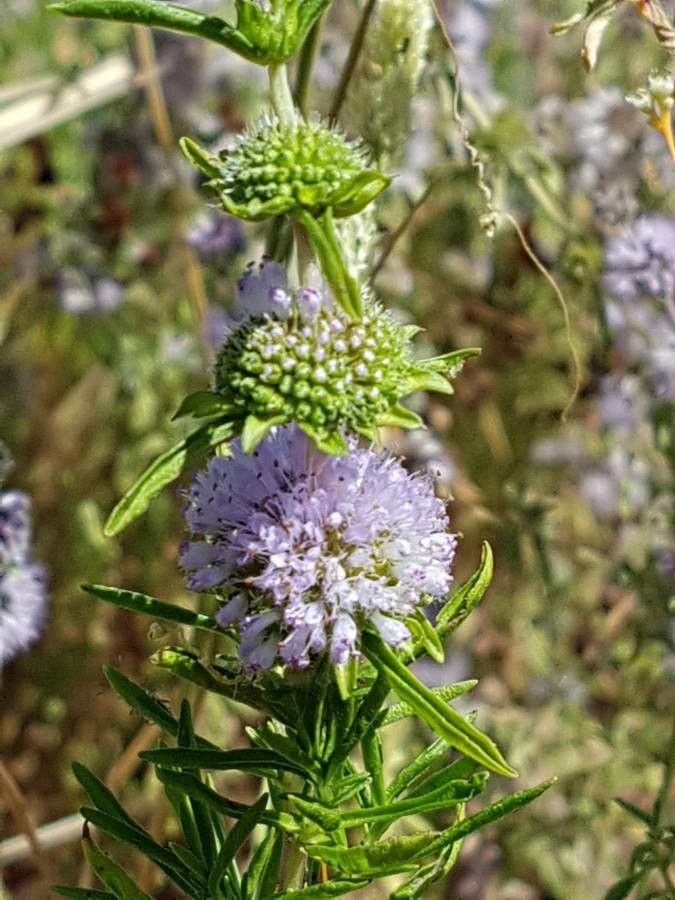
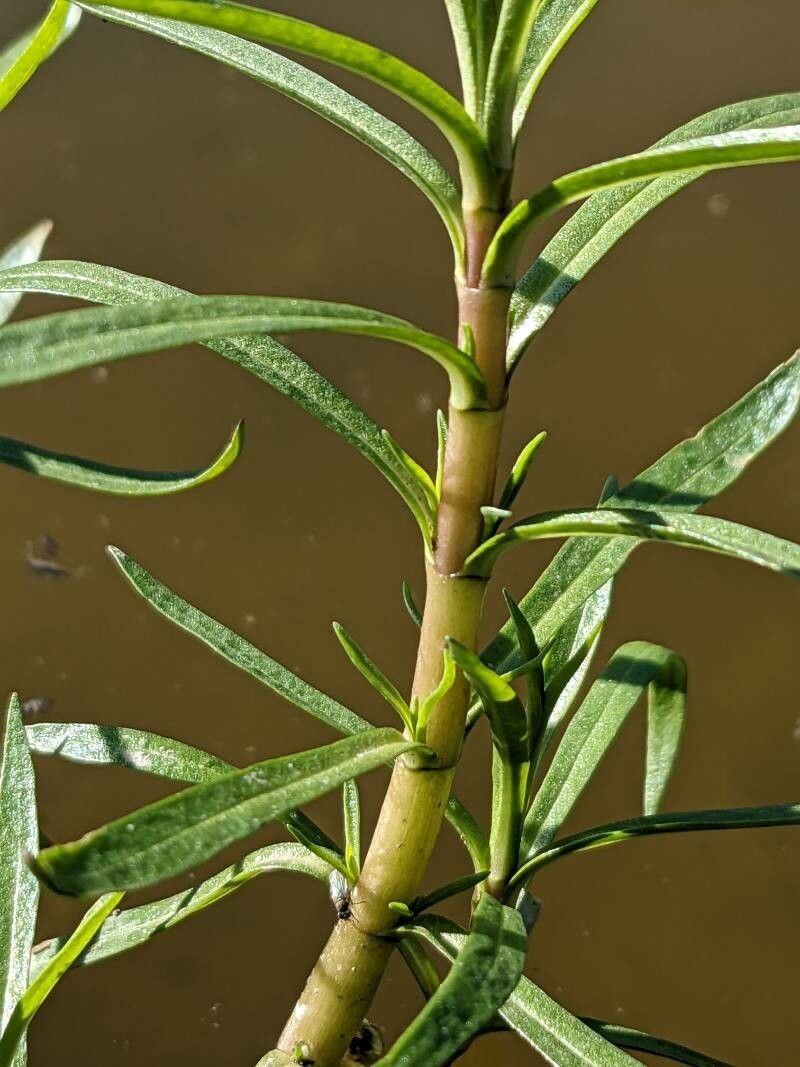
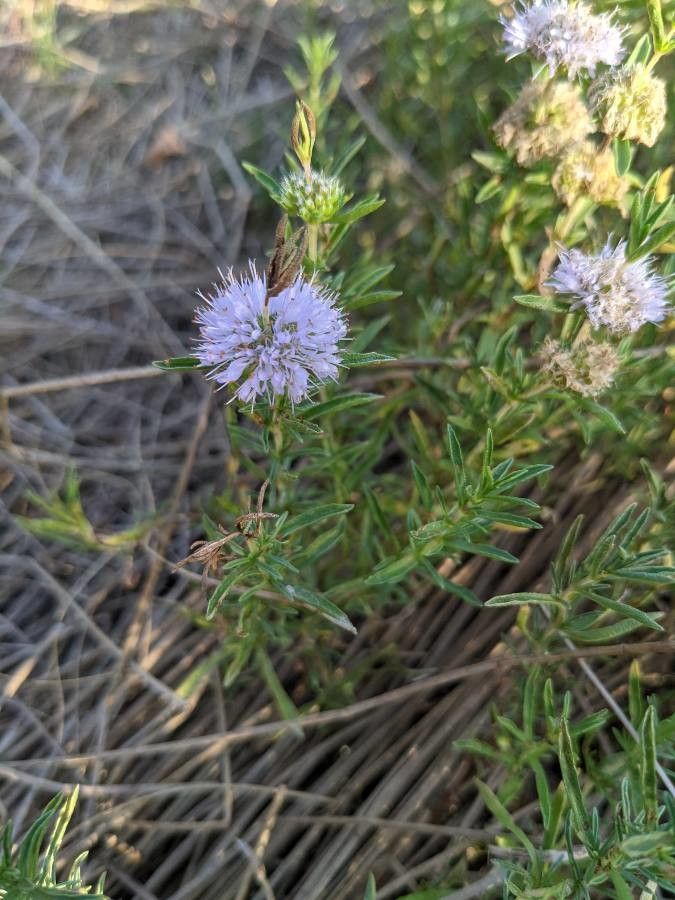
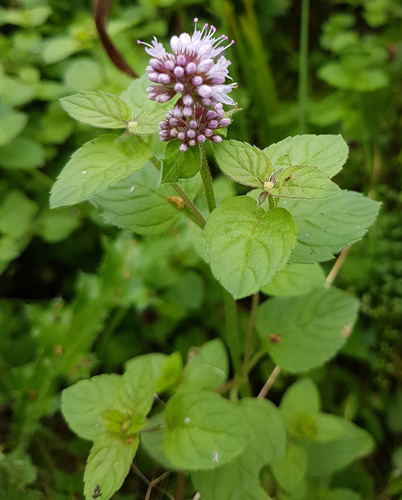
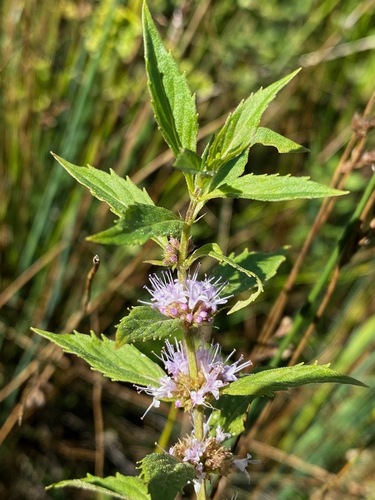
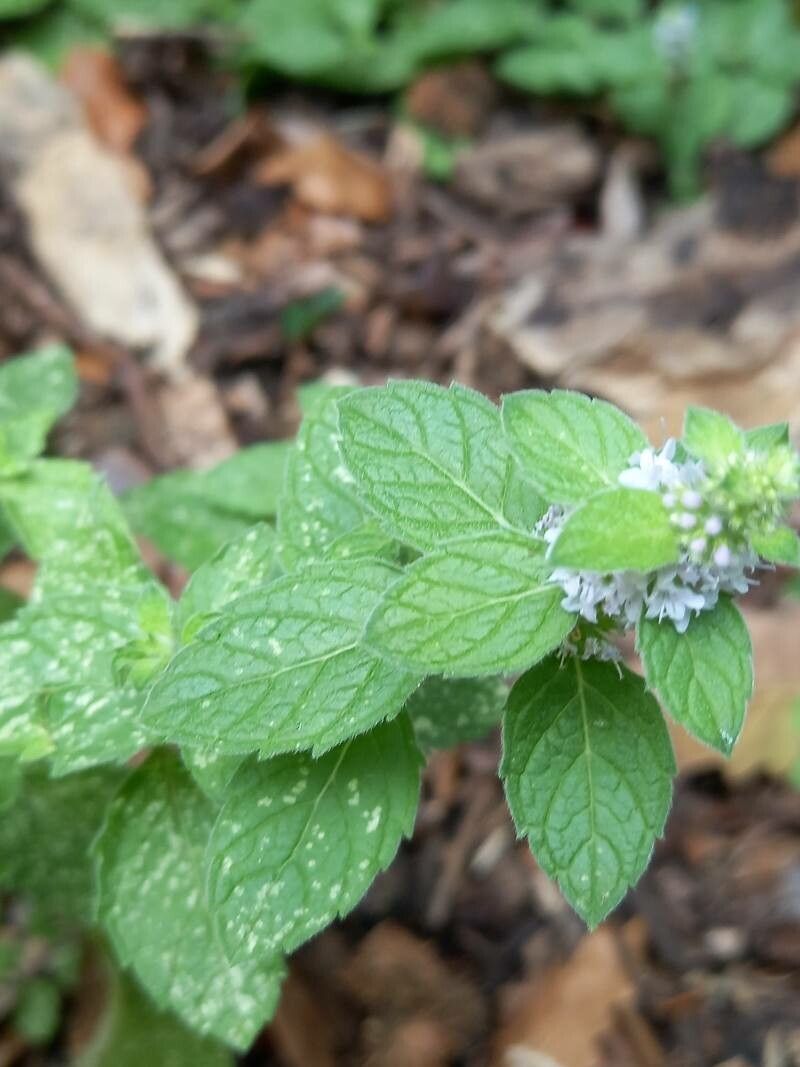
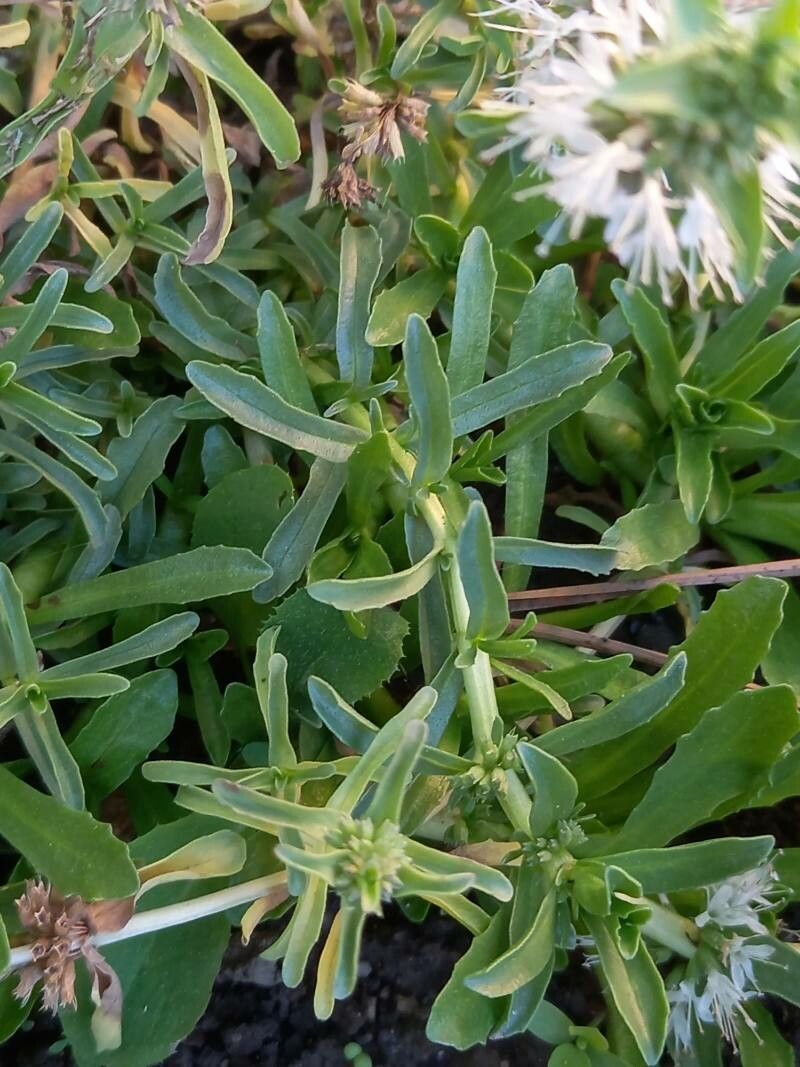
Mentha cervina, commonly known as Hart's Pennyroyal, is a perennial herbaceous plant that belongs to the Lamiaceae family. Native to Europe, it thrives in damp meadows, along streams and rivers, and in other wet habitats. The plant has a creeping habit and features square stems that can grow up to 50 cm tall. Its opposite leaves are ovate or lanceolate with serrated edges and emit a strong minty aroma when crushed.
The flowers of Mentha cervina are small and pinkish-purple, arranged on spikes that bloom from June to September. They attract bees, butterflies, and other pollinators.
For centuries, the plant has been used for medicinal purposes due to its antiseptic properties, which make it effective for treating respiratory infections such as coughs and colds. It is also known for its strong scent, which acts as an insect repellent.
Mentha cervina is easy to grow from seeds or cuttings but requires moist soil with good drainage for optimal growth. It can be cultivated both indoors and outdoors but prefers full sun exposure.
Overall, Mentha cervina is an attractive perennial herb that not only enhances the beauty of gardens but also offers medicinal benefits, making it a valuable addition both aesthetically and functionally to any garden setting.
Hart's pennyroyal has strong resistance to disease and is usually not susceptible to illnesses. Still, it can be affected by pests and diseases present in its environment. Such infections are typically mild. Regarding care, this plant needs a moderate level of attention. It should be pruned on a regular basis to preserve its appearance and encourage healthy growth. Applying fertilizer can also aid in boosting flowering. Hart's pennyroyal is appropriate for anyone with an outdoor area, like a garden or patio, and does not demand extensive experience in plant care. It may need more attention if cultivated indoors.
How to keep Mentha Cervina.
Light
Hart's pennyroyal is a sun-loving, perennial herbaceous plant that comes from open habitats and is commonly found in meadows and grasslands. It prefers full sun but can also tolerate partial sun.
Water
Hart's pennyroyal thrives in consistently moist environments and requires weekly watering to maintain its lush growth. Although it prefers regular hydration, it can tolerate brief dry spells. Natural rainfall, particularly during the growing season, also promotes its growth.
Temperature
Hart's pennyroyal can tolerate a broad range of temperatures, yet its distribution may still be restricted by particular combinations of moisture and heat. It does best in warm summer climates with sufficient rainfall or watering. Extended periods of cloudy, rainy weather or sustained high temperatures can raise the chances of Hart's pennyroyal dying. In winter, suitable protection from cold can enhance the plant's survival rate.
Fertilizer
The best time to fertilize Hart's pennyroyal is in early spring, when it is coming out of dormancy and beginning active growth. Fertilizing supplies essential nutrients needed for healthy growth. Although Hart's pennyroyal has fairly low fertilizer requirements, feeding it once a year can improve its survival and encourage better, longer-lasting flowers.
Pruning
Hart's pennyroyal has aromatic leaves and a creeping growth pattern. Regular pruning in the spring helps shape the plant, remove dead stems, and promote dense growth. This keeps the plant from becoming leggy and maintains a neat appearance. To prevent damage or the spread of disease, always use sharp, sterile tools when pruning.
Botanical profile.
- Plant Type
- Herb
- Life Cycle
- Perennial
- Genus
- Mentha
- Family
- Lamiaceae
- Hardiness Zone
- 5-9
- Mature Height
- 30 cm
- Mature Spread
- 30 cm
- Leaf Color
- Green
- Leaf Type
- Deciduous
- Flower Color
- Pink, Lavender
- Flower Size
- 0.51 cm to 0.76 cm
- Bloom Time
- Summer
- Planting Time
- Spring, Summer, Autumn
- Harvest Time
- Late summer, Early fall, Mid fall
- Native Area
- Italy, Spain, France, Algeria, Morocco, Portugal
Other names.
Reader questions.
What are the sunlight requirements for Hart's pennyroyal?
Hart's pennyroyal (Mentha cervina) requires specific sunlight conditions to thrive. For partial sun, it needs about 3-6 hours of sunlight daily. If you're aiming for full sun, ensure it receives above 6 hours of sunlight each day. It's important to observe the movement of sunlight through your garden carefully. This observation will help you select locations that offer the ideal mix of light and shade, essential for the plants' well-being.
What should I watch out for when placing Hart's pennyroyal in my garden?
When introducing Hart's pennyroyal to your garden, it's crucial to monitor the patterns of sunlight and shade throughout the day. The plant thrives under certain light conditions, needing 3-6 hours of sunlight for partial sun and more than 6 hours for full sun. Ensuring that you choose spots which provide the right balance of sunlight and shade is key to the happiness and health of your Hart's pennyroyal (Mentha cervina).