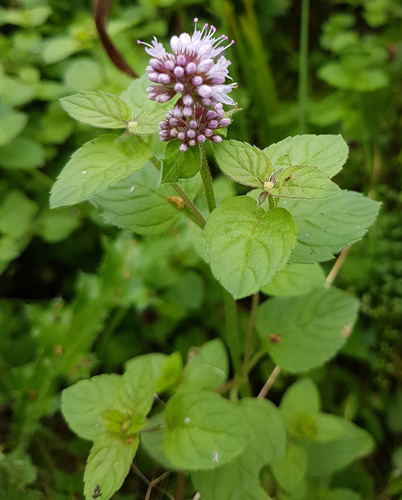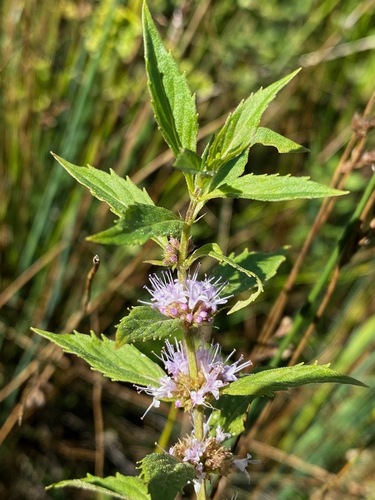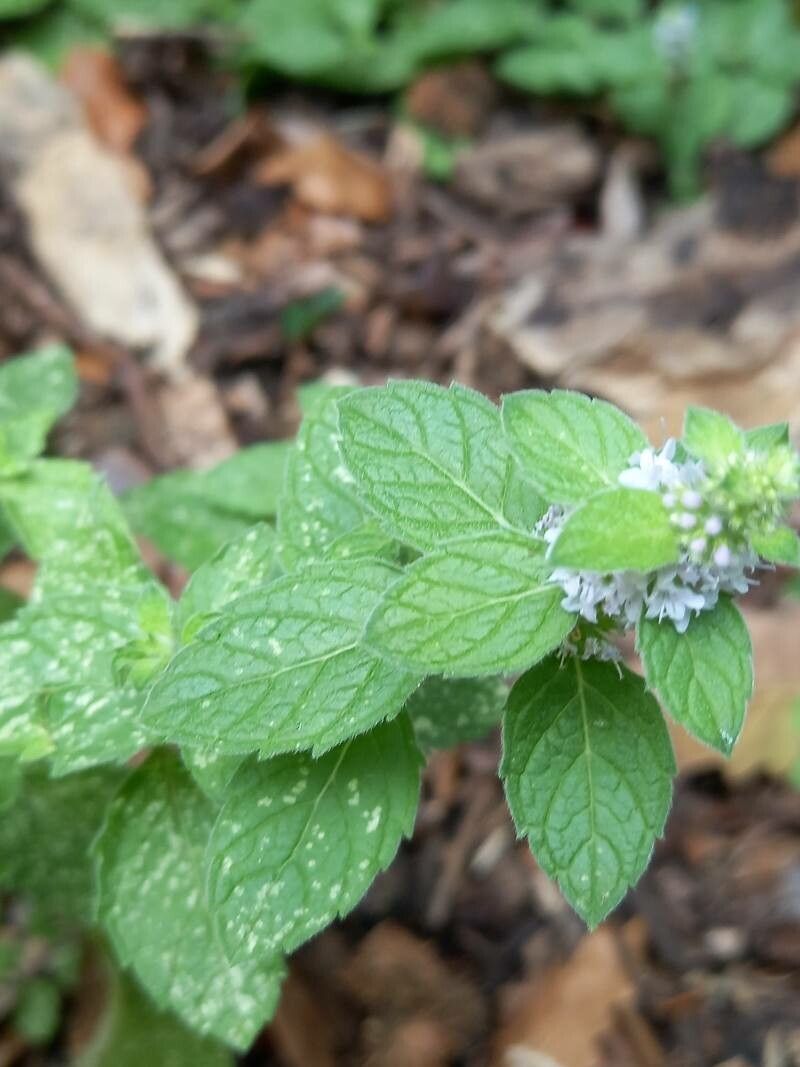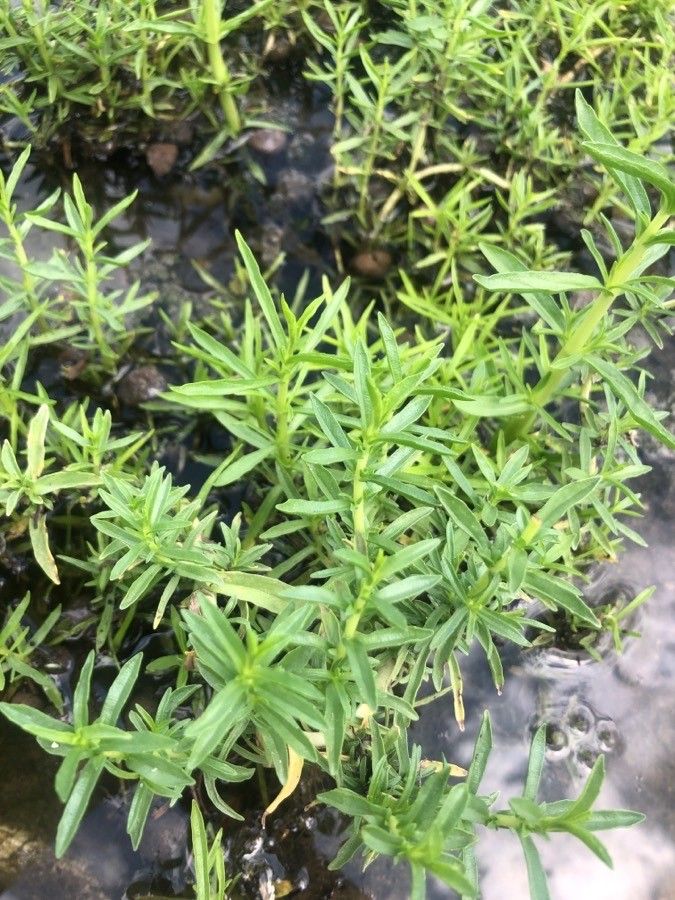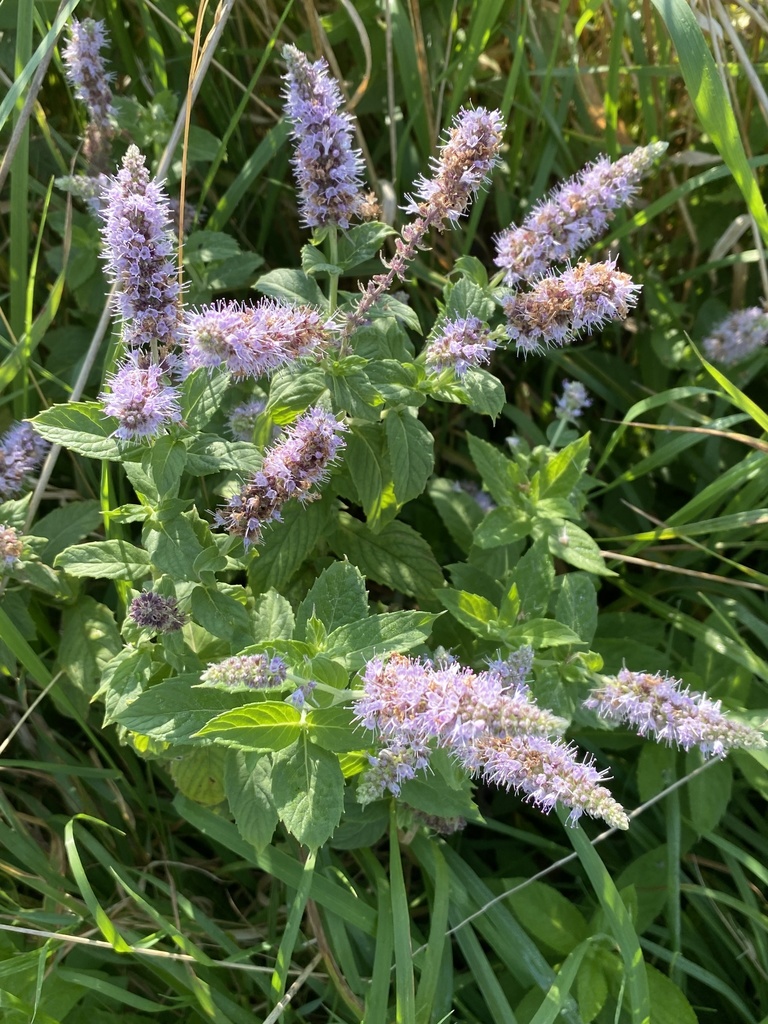
Mentha longifolia, commonly known as wild mint or horse mint, is a perennial herbaceous plant belonging to the Lamiaceae family. It is native to Europe, Asia, and Africa, thriving in diverse habitats such as meadows, forests, and wetlands. The plant can reach a height of up to 1 meter and features a square stem with opposite leaves. These lance-shaped leaves have serrated edges and emit a strong minty aroma when crushed.
During the summer months, Mentha longifolia produces small white or pink flowers in dense clusters at the top of the stem. The flowers are hermaphroditic, possessing both male and female reproductive organs, which enables self-fertilization.
For centuries, the plant has been valued for its medicinal properties, particularly its antiseptic qualities that make it effective against ailments such as colds, flu, headaches, and digestive issues. Additionally, it is a popular ingredient in herbal teas due to its refreshing taste.
Mentha longifolia is also appreciated in the culinary world, where it enhances the flavor of dishes such as salads and meats.
In summary, Mentha longifolia is a significant herbaceous plant known for its medicinal properties and culinary uses, making it highly valued by many cultures around the world.
Horse mint is fairly disease-resistant and typically not prone to illnesses. However, it can be affected by pests and diseases present in its surroundings. Such infections are generally mild. Regarding care, the plant needs moderate maintenance. Regular pruning is necessary to preserve a good appearance and encourage healthy growth. Applying fertilizer can also help to promote flowering. Horse mint is suitable for people with outdoor spaces, such as a garden or patio, and doesn't require much care experience. When grown indoors, it may need more attention.
How to keep Mentha Longifolia.
Light
Horse mint does best when it gets plenty of sunlight each day, which encourages strong growth. In its native setting, these plants are found in well-lit locations. Still, they can tolerate periods of lower light, offering some flexibility in less bright environments. Too much or too little light can cause health issues for the plant.
Water
Horse mint flourishes in moist environments such as stream banks and meadows. To maintain its lush foliage, it requires weekly watering. As an herbaceous perennial, horse mint grows best outdoors where it can benefit from natural rainfall, which supports strong growth during its active growing season. It can also tolerate short periods of dryness.
Humidity
This plant needs special care because it loves high humidity levels of 60-80% or more. The best way to achieve this is by placing a humidifier near the plant. Daily misting is also essential! Make sure the room has good ventilation.
Temperature
Horse mint is a temperate woody plant that prefers temperatures between 41 and 95 °F (5 and 35 °C). In its native environment, it needs temperatures within this range to grow optimally. Across seasons, it may be necessary to adjust conditions to prevent the plant from being exposed to extreme temperatures.
Fertilizer
A single spring application of fertilizer is generally enough for Horse mint, although repeated feedings can maximize growth. Feed every month to six weeks. Fertilizing improves the leaves’ appearance and function, helping maintain even color and a healthy texture. It also promotes root development and nutrient uptake, supporting the plant’s long-term health.
Pruning
Horse mint is a hardy perennial plant characterized by lance-shaped leaves and clusters of flowers. To encourage bushier growth and manage its spread, prune it in early to late spring by cutting back up to one-third of the plant. This not only promote healthier foliage but also prevents the plant from becoming invasive. For more detailed pruning techniques, consult reliable sources.
Pot & Repot
When repotting Horse mint, select a pot 1–2 inches (2.5–5.1 cm) larger with good drainage. Use a well-draining potting mix. Repot in spring or fall, making sure the root ball is slightly lower than the rim of the flower pot. Water thoroughly after repotting and place it in a warm spot with indirect sunlight.
Botanical profile.
- Plant Type
- Herb
- Life Cycle
- Perennial
- Genus
- Mentha
- Family
- Lamiaceae
- Hardiness Zone
- 5-9
- Mature Height
- 76 cm
- Mature Spread
- 30 cm
- Leaf Color
- Green, Gray, Silver
- Leaf Type
- Deciduous
- Flower Color
- Lavender, White
- Flower Size
- 0.25 cm to 0.51 cm
- Bloom Time
- Early summer, Mid summer
- Planting Time
- Spring
- Harvest Time
- Mid summer
- Native Area
- Eurasia, North America, southern Africa, and Australia
Other names.
Reader questions.
How should I water my Horse mint plant?
When watering Horse mint, it's best to use filtered water at room temperature. Tap water may contain harmful particles that can affect the plant's health. The Horse mint prefers warm conditions, so avoid using cold water as it can be a shock to its system. Additionally, overhead watering should be avoided to prevent foliage issues. Instead, water the plant by applying filtered room temperature water directly to the soil until it is soaked entirely. This method benefits the plant by moisturizing the roots and aiding their nutrient absorption and spread in the soil.
Why should I put fertilizer on my Horse mint?
The Horse mint relies heavily on its leaves for structure and function. By fertilizing properly, you can enhance the appearance and effectiveness of these leaves. Good fertilization ensures consistent color and a healthy texture in the leaves. It also benefits the plant below the surface, promoting the growth of new roots and maintaining the existing ones. This not only keeps the plant healthy in the present, but also improves its ability to absorb nutrients from the soil in the future.
What are the sunlight requirements for horse mint?
Horse mint requires full sun, which means it thrives in areas receiving more than 6 hours of sunlight daily. Alternatively, it can also grow in partial sun, with about 3-6 hours of sunlight. To ensure the plant's health and vigor, finding the right spot with an optimal balance of light and shade is essential, as both excessive and insufficient sunlight can impact the plant's growth and well-being.
What are the optimal growth temperatures for Horse mint?
Horse mint, or Mentha longifolia, thrives in a temperate environment with its optimal growth temperature ranging between 41 to 95°F (5 to 35°C). This range is crucial for the plant's growth in its native habitat. To ensure the plant's health, it's necessary to adjust environmental temperatures across different seasons to avoid exposure to extremes. Despite its strong cold resistance, protection from temperatures dropping below -25°C may require covering the plant with soil or straw. Prior to the first freeze of autumn, watering the plant abundantly to maintain soil moisture is advised, which helps prevent drought and water scarcity during the colder seasons.
What should I do if I give my Horse mint too much or too little water?
Overwatering is a common issue for Horse mint and can cause wilting, yellowing leaves, and the potential for diseases such as root rot. Underwatering is less common, but can lead to brittle, brown leaves. It's important to recognize signs of overwatering early and adjust your watering schedule accordingly. If the soil drains poorly, replace it with a well-draining potting mix. Conversely, if your Horse mint is not receiving enough water, increase your watering frequency until the signs of drought stress disappear.
When should I give my Horse mint plant fertilizer?
If you grow your Horse mint outdoors, you will notice new growth in early spring, signaling that it's time to fertilize. Usually, one application of fertilizer in the spring is sufficient, but if you want to maximize growth, you can fertilize multiple times during spring and early summer, approximately once every month to a month and a half.
How does horse mint react to different light conditions?
Horse mint best flourishes in abundant sunlight, which promotes strong and healthy growth. This plant is adaptable, though, capable of enduring some shade. However, too much or too little light may lead to health issues. For indoor horse mint, artificial lighting can be a beneficial supplement, especially in less sunny locations or during winter. It's advisable to choose the correct type of light, such as LED, and ensure it provides the right amount of light, varying from 10-50W/sq ft depending on the specific light needs of the plant. The artificial light should be placed 12-36 inches above the plant for 8-12 hours a day to mimic natural sunlight exposure adequately.
How does Horse mint react to low temperatures?
Horse mint demonstrates notable cold tolerance, optimally thriving when the temperature remains above 5°C. It can generally withstand winter temperatures above -20°C. However, exposure to temperatures below -25°C does not immediately show effects in winter but may lead to decreased or no sprouting in the following spring. To combat this, removing non-sprouting parts in spring is a recommended solution to support the plant's recovery and growth.
How frequently should I give water to my Horse mint plant?
If your Horse mint is in a pot, the best way to determine if it needs water is to stick your finger in the soil. If the top two to three inches of soil are dry, it's time to water. If you have Horse mint planted outside in the ground, you can use the same method. When the top few inches of soil are dry, it's time to water. Typically, during spring and early fall, watering once a week is sufficient. However, during hot weather, you may need to water two or more times per week. It's worth noting that mature, well-established Horse mint plants can tolerate drought well.
When should I not fertilize my Horse mint?
During late fall and winter, Horse mint goes into a dormant phase and stops producing new growth. As a result, it is best to refrain from fertilizing during this time. If you decide to fertilize in the spring and summer, it is important to gradually reduce the amount of fertilizer as summer approaches, since the growth rate of your Horse mint will also decrease. In general, it is not recommended to fertilize Horse mint during extremely hot weather or when the soil is excessively dry. Fertilizing in such conditions can place stress on the plant and potentially lead to its premature death.
What are common symptoms of incorrect lighting for horse mint?
Horse mint shows several symptoms when exposed to inadequate lighting conditions. Symptoms of light deficiency include new leaves growing smaller, leggy or sparse growth, faster leaf drop, slower or no new growth, and lighter-colored new leaves. On the other hand, excessive sunlight can cause chlorosis, sunscald, leaf curling, wilting, and leaf scorching. These symptoms exhibit the plant's struggle with either adapting to low light or dealing with the harsh impacts of too much direct sunlight, both of which can significantly hinder the plant's overall health.
What should I do if Horse mint experiences high temperatures?
During summer, it's important to ensure that Horse mint's environment does not exceed 35°C, as temperatures above 38°C can cause the leaves to lighten in color, curl, and become susceptible to sunburn. In severe cases, the plant may wilt and dry out. Addressing this involves trimming sunburned and dried parts and moving the plant to a shaded location or using a shade cloth to protect it from the midday and afternoon sun. Maintaining soil moisture through watering in the morning and evening is also crucial for the plant's well-being in high temperatures.