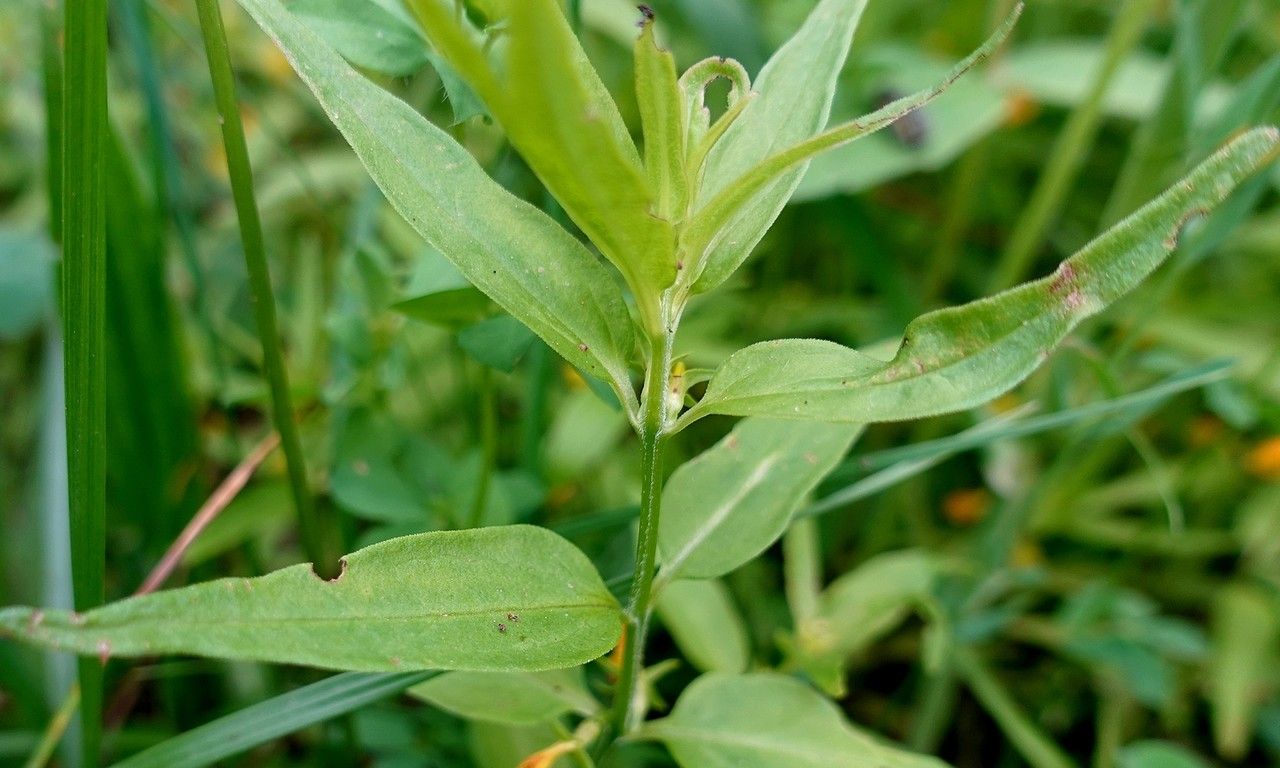
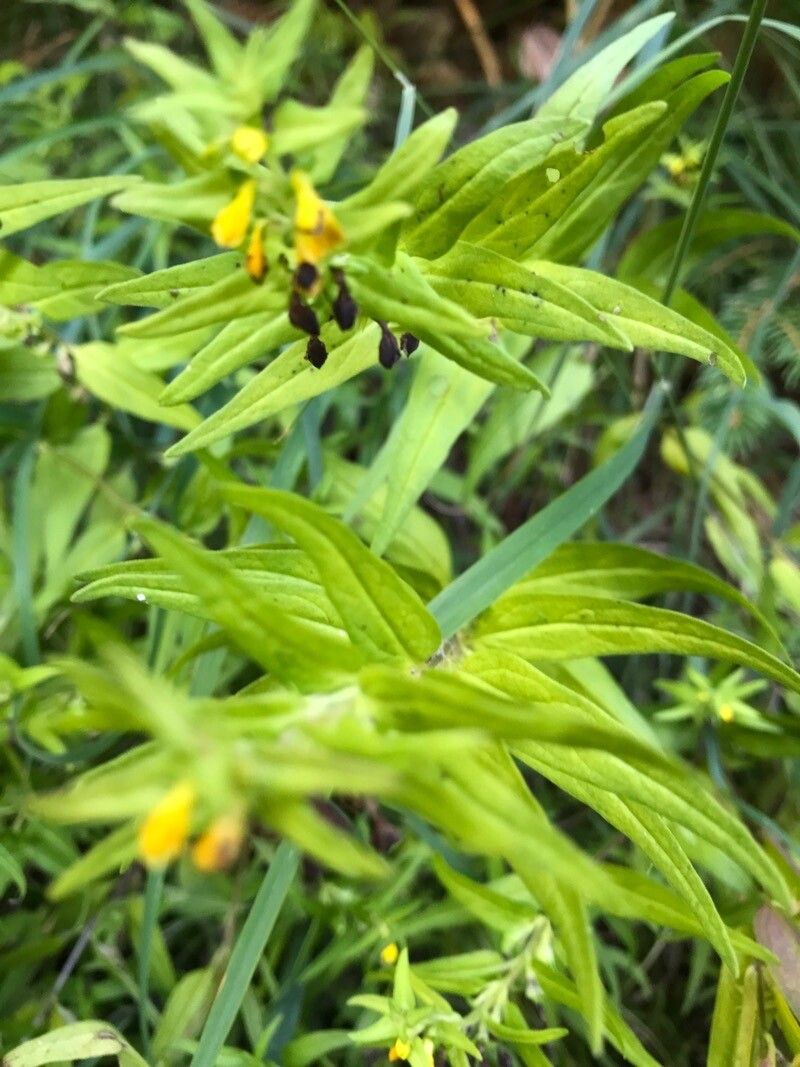
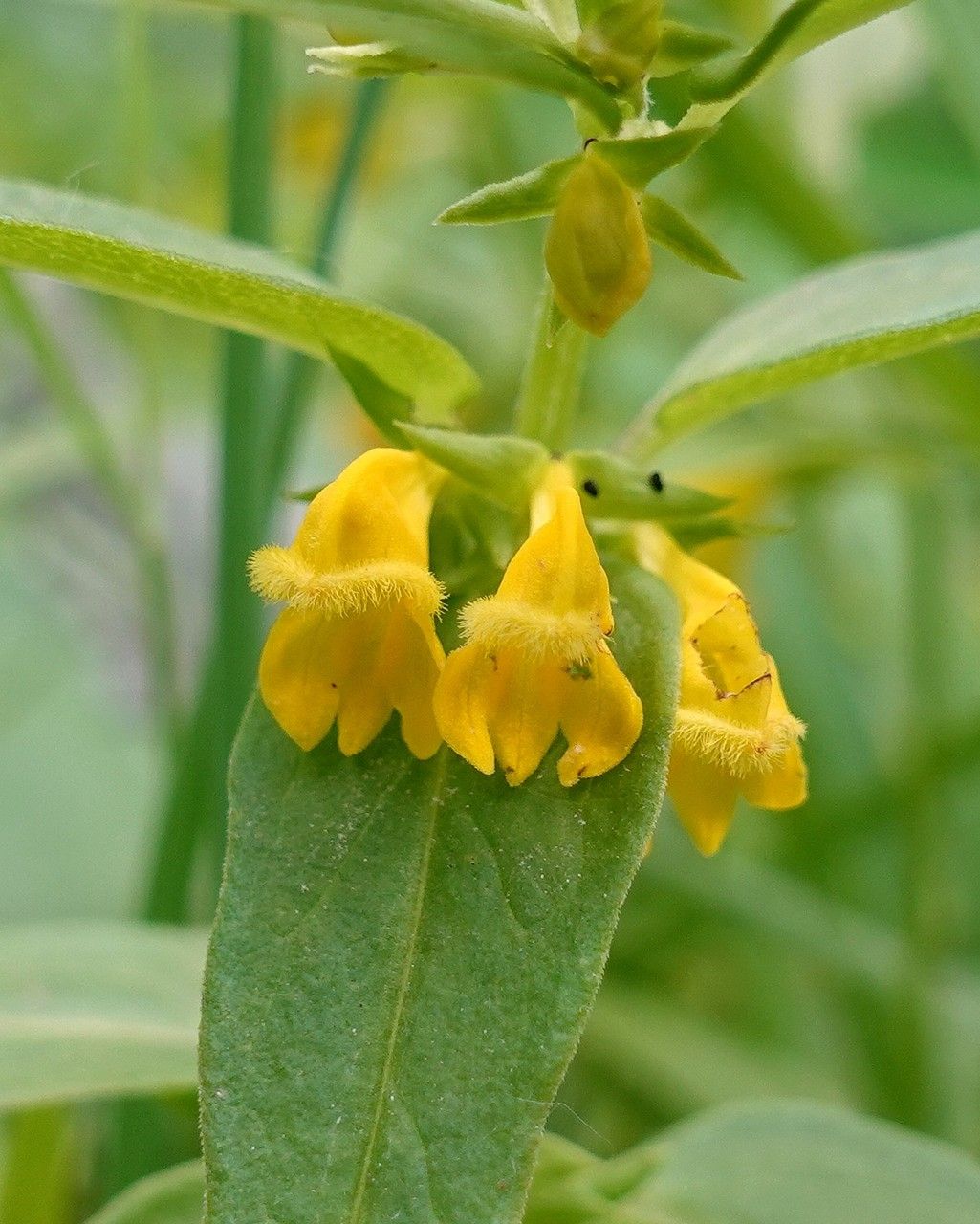
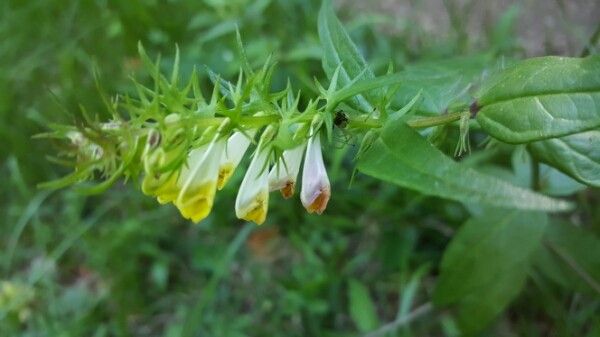
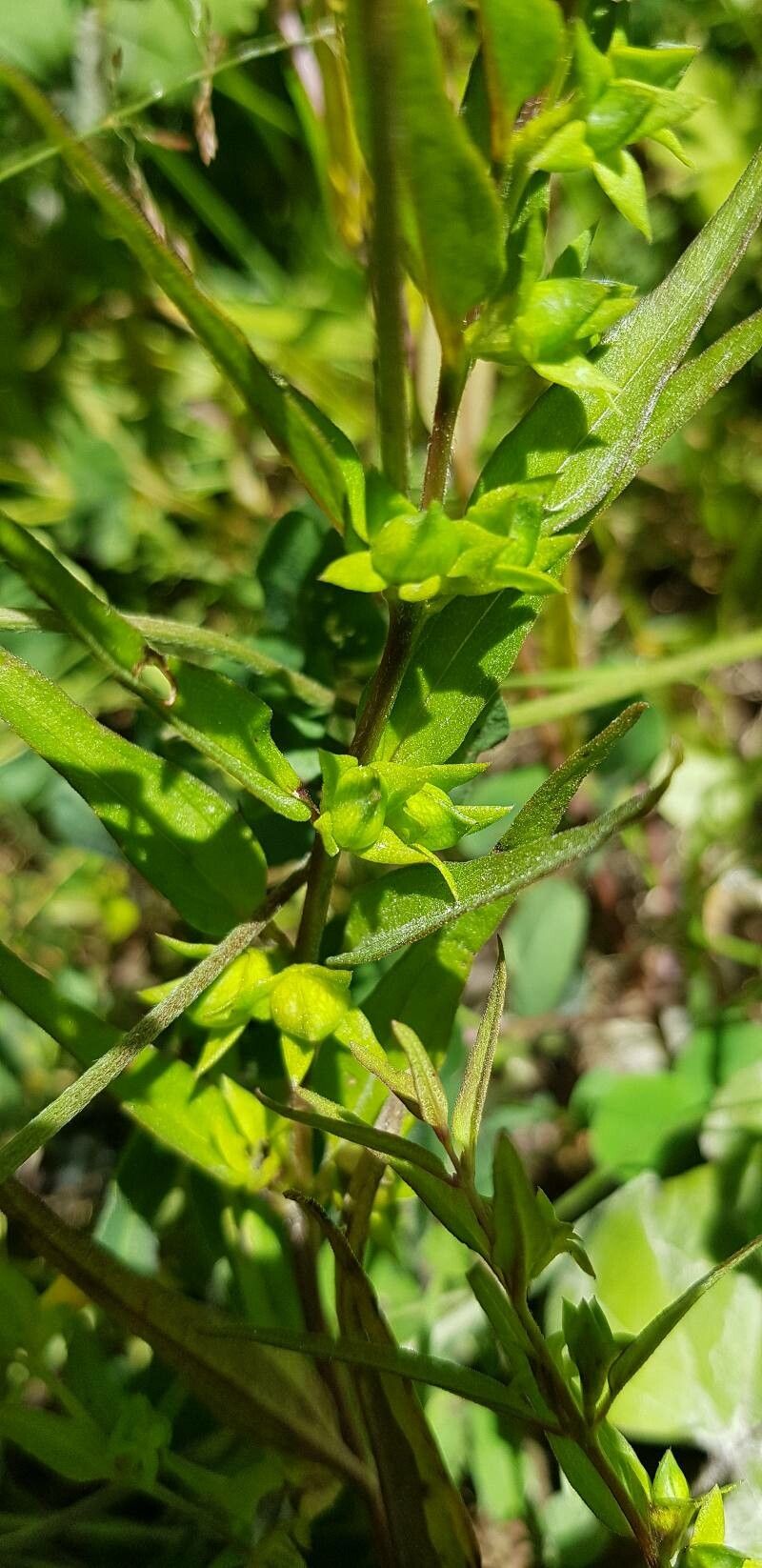
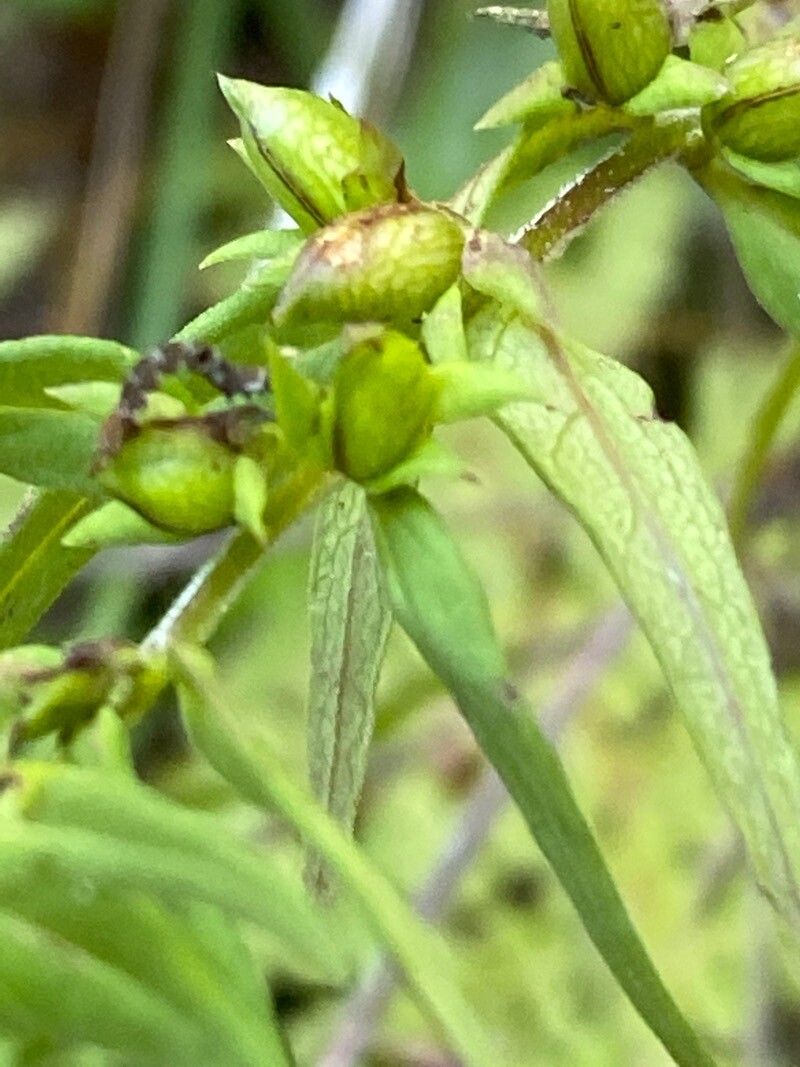
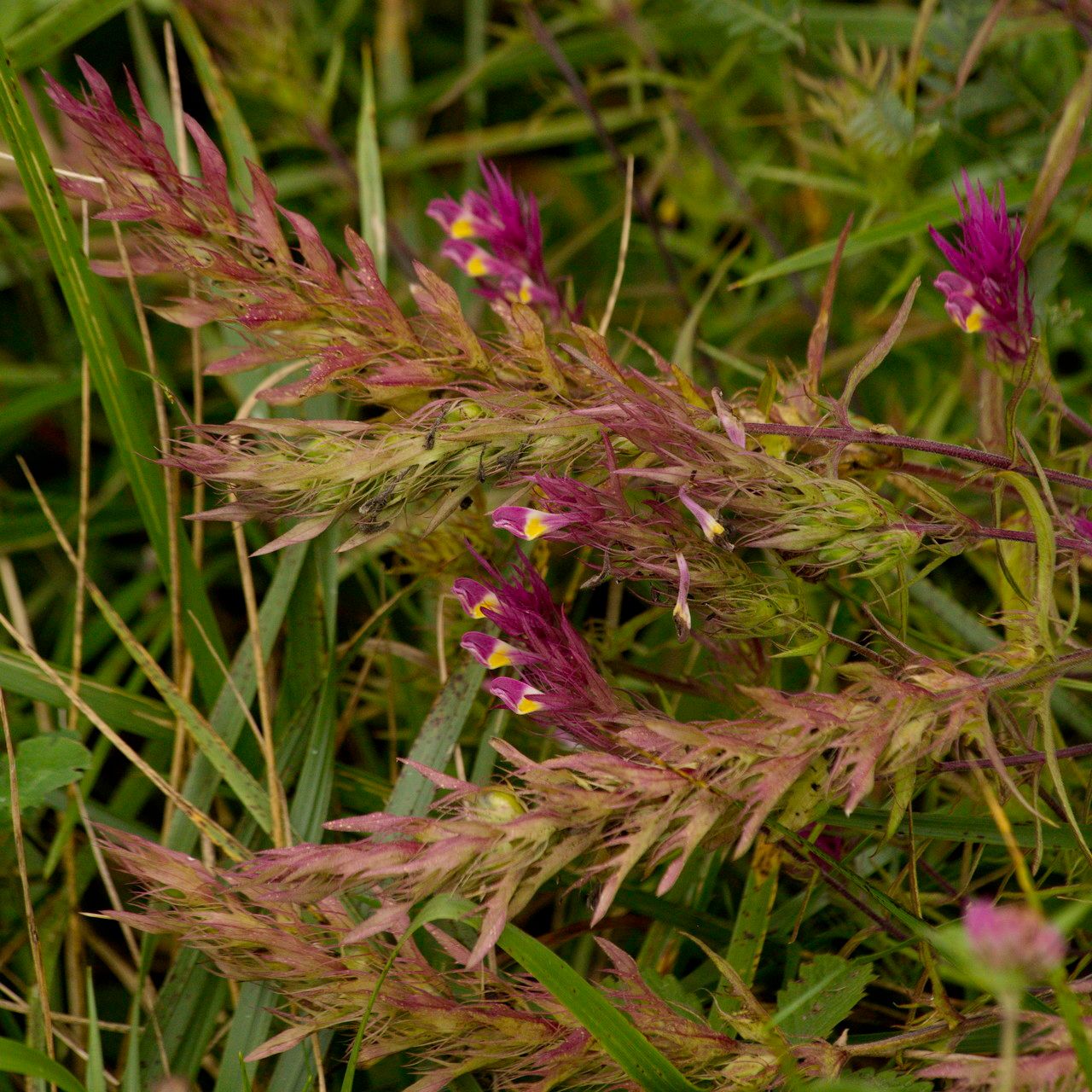
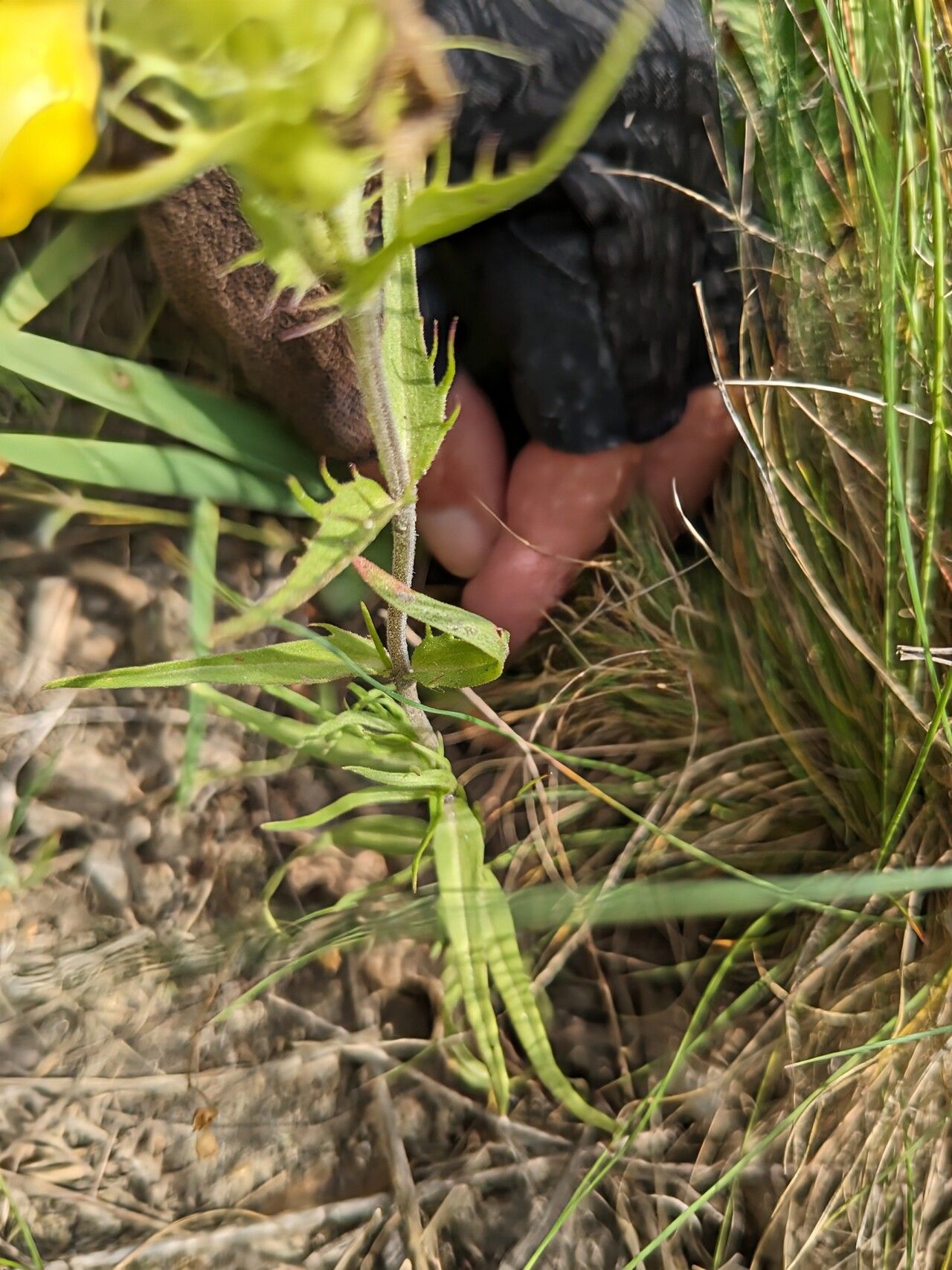
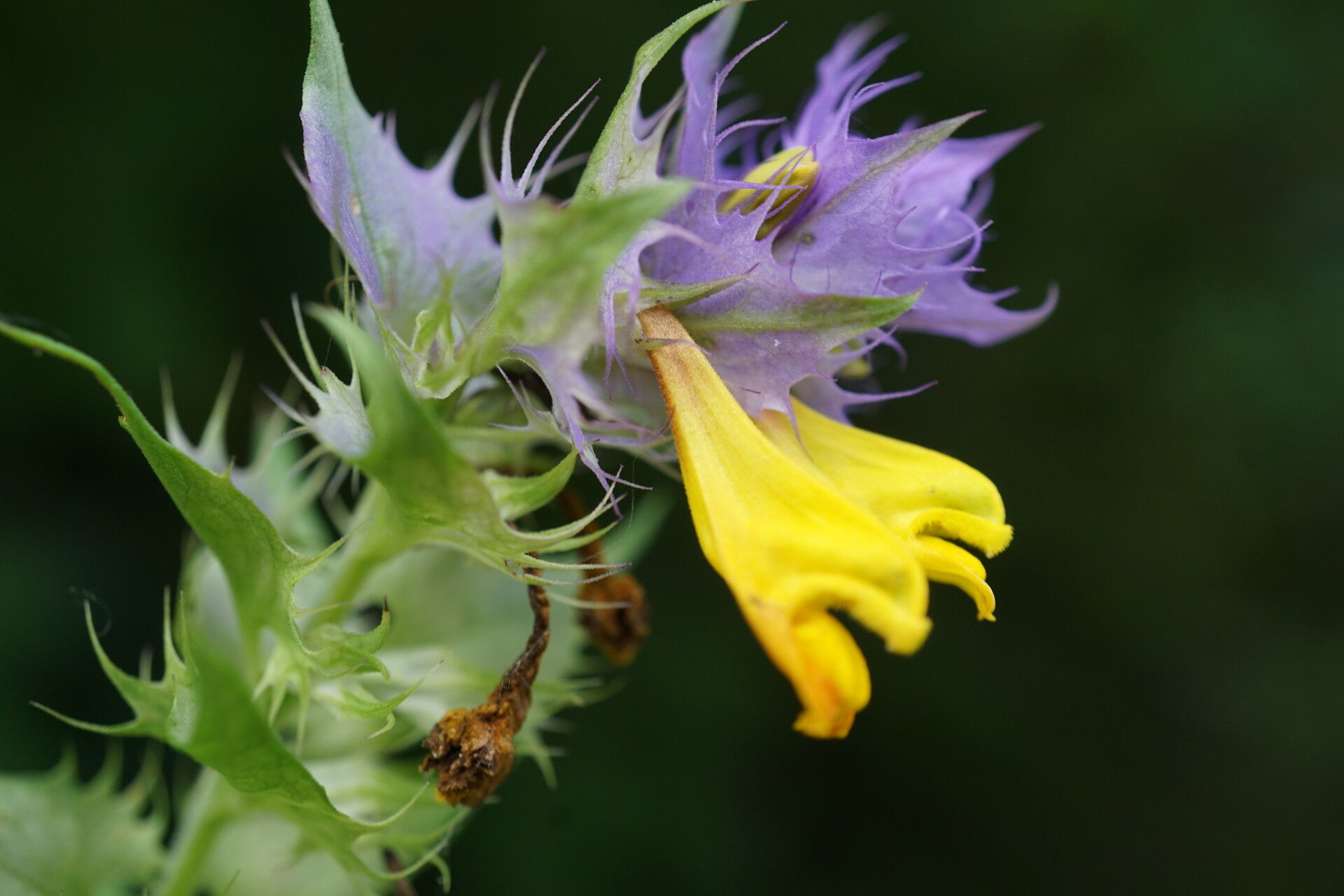
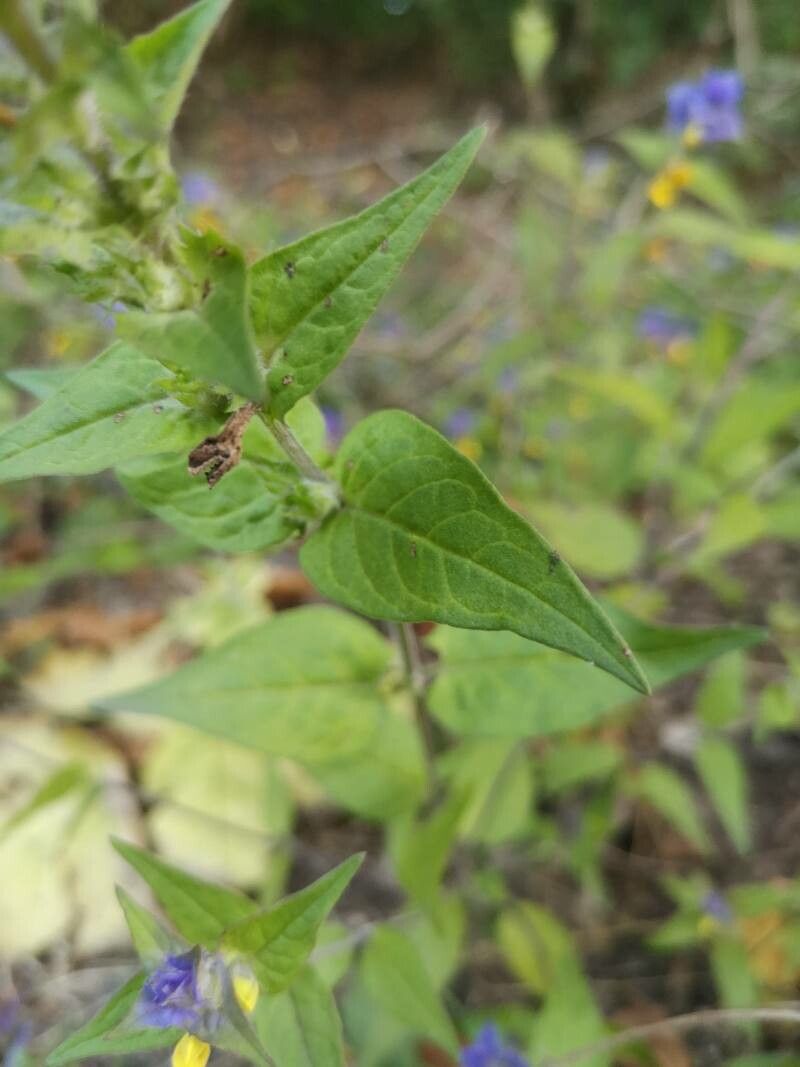
Melampyrum sylvaticum, the small cow-wheat, is a plant species in the genus Melampyrum.
Small cow-wheat is fairly disease-resistant and generally unlikely to become ill. However, it can be vulnerable to pests and diseases present in its environment. These infections are usually mild. For care, this plant needs a moderate level of maintenance. Regular pruning is required to preserve a good appearance and support healthy growth. Fertilizing can also help encourage flowering. Small cow-wheat is suitable for people with outdoor space, such as a garden or patio, and does not demand much prior care experience. It may need more attention when kept indoors.
How to keep Melampyrum Sylvaticum.
Light
Small cow-wheat is native to habitats with dappled sunlight, for example forest understories or rocky spots that offer natural shade. It does best in partial sun but can also tolerate full sun conditions.
Water
Small cow-wheat is native to the understories of temperate forests, where it thrives in environments with consistent moisture and filtered sunlight. For optimal growth, it requires a stable watering routine, ideally on a weekly basis. This plant is well-suited for shaded gardens or woodland settings, where it benefits from humidity and protection from direct sunlight.
Temperature
Small cow-wheat can tolerate a broad range of temperatures, but its occurrence may still be restricted by different combinations of water and heat. It does best in warm summer climates with sufficient rainfall or watering. Long periods of cloudy, rainy weather, as well as extended high temperatures, can increase the chance of Small cow-wheat dying. In winter, adequate protection from cold can raise the plant's survival rate.
Fertilizer
Small cow-wheat does well with regular, low-strength fertilizer applications to encourage healthy leaf development. Fertilize Small cow-wheat about once a month during the summer. Nitrogen is important for foliage, and providing nitrogen-rich sources helps Small cow-wheat thrive.
Pruning
To promote optimal growth of small cow-wheat, a plant known for its delicate tubular flowers and hemiparasitic nature, it is important to prune it from early to late spring. Start by trimming dead stems to improve freshness and air circulation. Use clean, sharp tools to prevent disease and control its spread, which will also enhance flowering.
Botanical profile.
- Plant Type
- Herb
- Life Cycle
- Annual
- Genus
- Melampyrum
- Family
- Orobanchaceae
- Hardiness Zone
- 4-8
- Mature Height
- 10 cm to 30 cm
- Mature Spread
- 5 cm to 15 cm
- Leaf Color
- Green
- Leaf Type
- Deciduous
- Flower Color
- Yellow
- Flower Size
- 0.76 cm to 1.27 cm
- Bloom Time
- Summer
- Planting Time
- Spring, Summer, Autumn
- Harvest Time
- Late summer, Early fall, Mid fall
Other names.
Reader questions.
How should I water my Small cow-wheat plant?
There are various ways to water Small cow-wheat, such as using a garden hose with a spray nozzle, a watering can, or other common watering tools. This plant is not too particular about its water source and can thrive with rainwater, tap water, or filtered water. It is best to avoid watering Small cow-wheat from above as this could harm the leaves and flowers and potentially lead to disease. Instead, a drip irrigation system is often recommended for this plant as it provides even and direct watering to the soil. For Small cow-wheat grown in a container, you can follow a similar approach but use a cup, watering can, or tap water to directly water the soil.
What do I do if I give my Small cow-wheat plant too much or too little water?
The solution to underwatering Small cow-wheat is quite simple: when you see that your plant is not getting enough moisture, start watering it more regularly. Overwatering, on the other hand, can be a serious issue that may go unnoticed until it is too late. Overwatered Small cow-wheat can fall victim to diseases that cause it to decline and eventually die. To prevent this from happening, it is crucial to choose a suitable location for your plant – one that receives ample sunlight to dry the soil and has good drainage to prevent water from accumulating and causing waterlogged soil. If you have overwatered Small cow-wheat in a pot, it may be necessary to transfer it to a new pot. The old container might lack proper drainage or have insufficient drainage holes. When repotting the overwatered plant, ensure that the soil is loose and the new pot has efficient drainage.
How often do I need to water my Small cow-wheat plant?
Small cow-wheat requires regular watering throughout the growing season. In the spring, watering once a week is sufficient. As the season progresses and temperatures rise, you may need to increase watering to two to three times a week. However, watering beyond this rate can harm your Small cow-wheat. It is important to keep the soil moist but not wet, regardless of the watering frequency. Watering Small cow-wheat in a pot is slightly different. The soil in the pot can heat up and dry out more quickly compared to the ground soil. As a result, you will generally need to water container-grown Small cow-wheat a few times per week, whereas an in-ground plant only needs to be watered once per week.
How much water does my Small cow-wheat plant need?
Determining how much water to give your Small cow-wheat can be approached in a few ways. Some gardeners prefer to assess soil moisture by feeling it, suggesting that you water until the top six inches of soil feels moist. Alternatively, you can use a specific measurement like two gallons per week, adjusted for factors like temperature and soil dryness. However, following strict guidelines may result in overwatering if your Small cow-wheat needs less. When growing in a container, a different method is needed. Moistening all dry soil layers is recommended, which can be checked by placing a finger in the soil or by allowing a small amount of excess water to drain from the pot's drainage holes.
How do I know if I'm giving enough water to my Small cow-wheat plant?
Avoiding overwatering Small cow-wheat can be challenging due to their deep-rooting nature. While these plants require weekly moisture, they are prone to root rot and browning if watered excessively. Underwatering is less of a concern as Small cow-wheat can survive without supplemental watering for a while. However, extended periods without water can cause wilting and dry leaves.
How should I water my Small cow-wheat at different times of the year?
As the seasons progress, your Small cow-wheat's water requirements will change. In the spring, watering once a week should suffice. However, as summer approaches and temperatures rise, you may need to increase watering frequency to around three times per week, especially for Small cow-wheat grown in containers. Container soil tends to dry out faster than ground soil in warm weather. In autumn, when the temperature drops and the sun's intensity diminishes, your Small cow-wheat may need less water despite still being in bloom.
How do I water my Small cow-wheat at different times as it grows?
Small cow-wheat goes through different growth stages throughout the year, each with varying water requirements. It starts as a seed, and during germination, it needs more water. So you should water it frequently to keep the soil moist. After a few weeks, when it grows above the soil, it needs slightly less water. Once it is fully mature, you can water it once a week. During flower development, you may need to increase the water slightly to help the process.
What's the difference in how you water Small cow-wheat inside versus outside?
Most Small cow-wheat prefer to be grown outdoors for a few main reasons. Firstly, these plants tend to grow quite tall, which is easier to accommodate outside. Secondly, Small cow-wheat requires more sunlight than most indoor environments can provide on a daily basis. If you do decide to grow them indoors, it's important to note that they may require more frequent watering compared to outdoor growing. This is because indoor locations are typically drier due to HVAC units, and soil in containers dries out faster than soil in the ground.