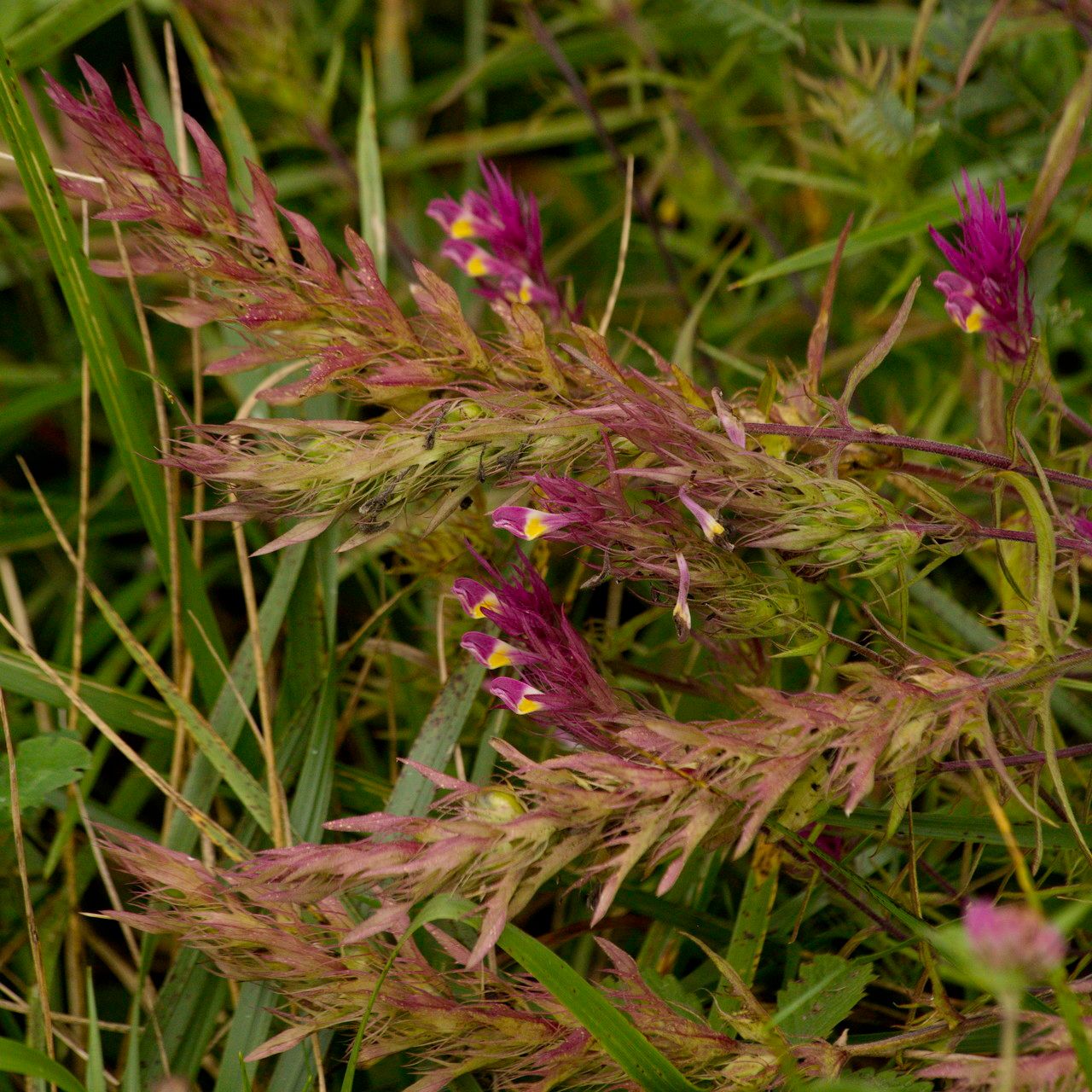
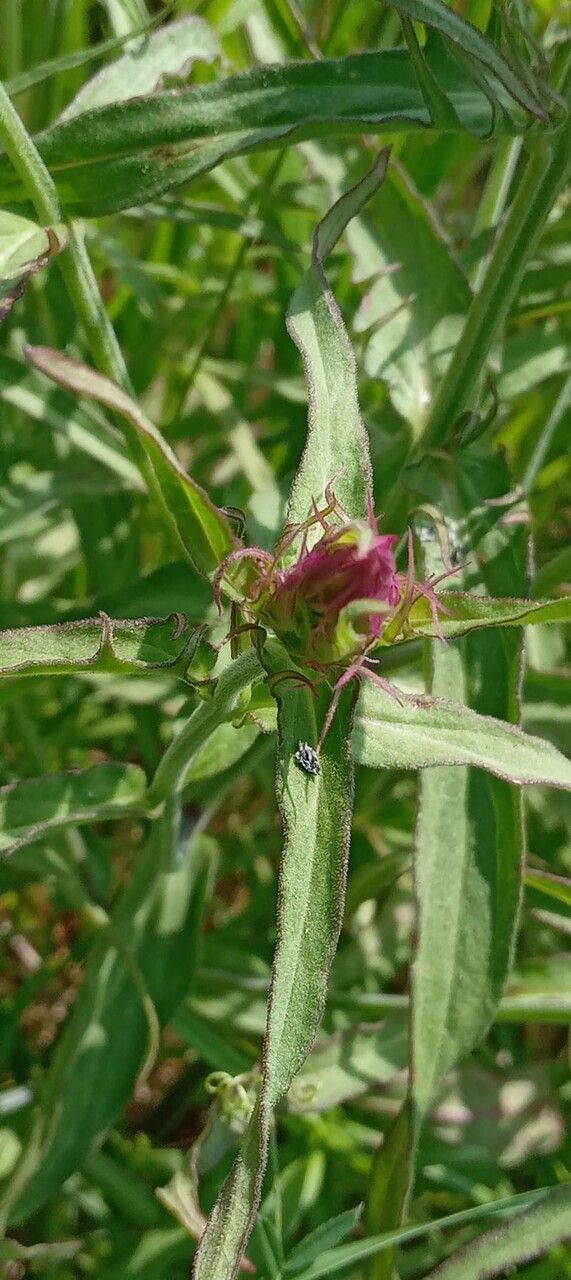
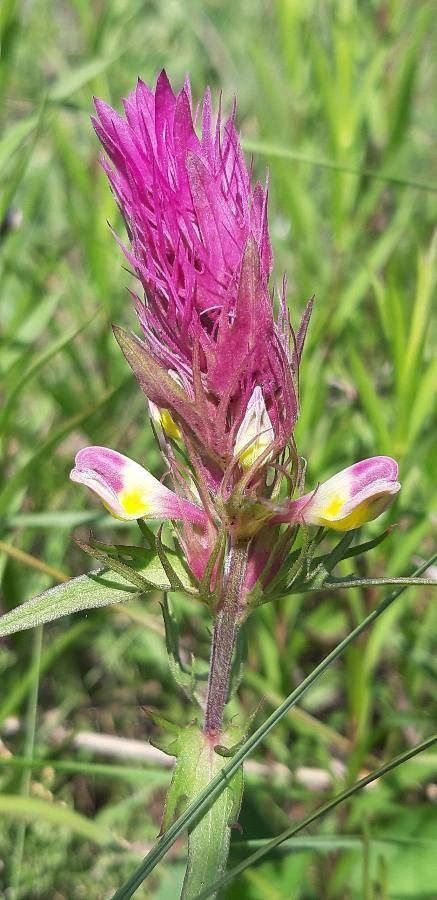
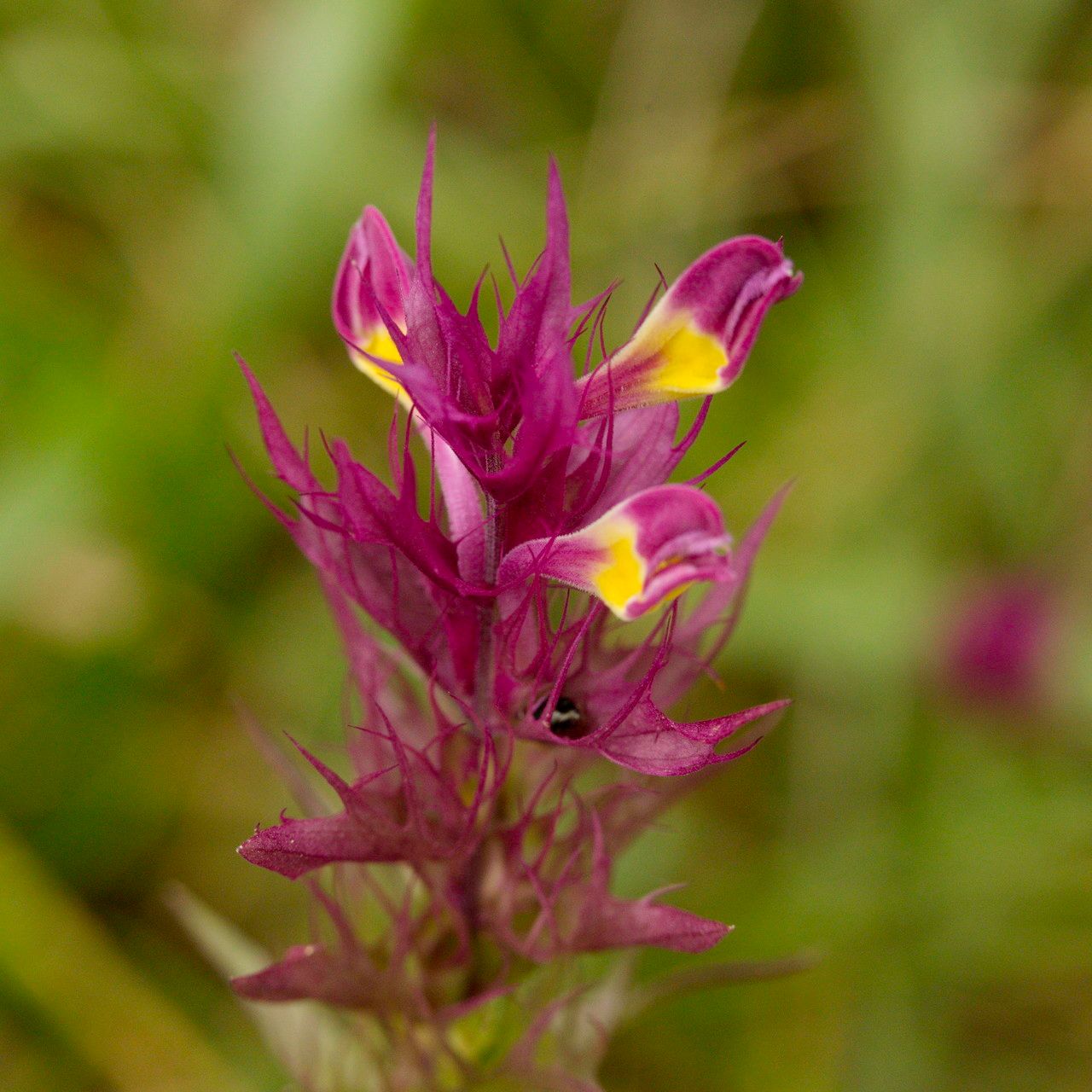
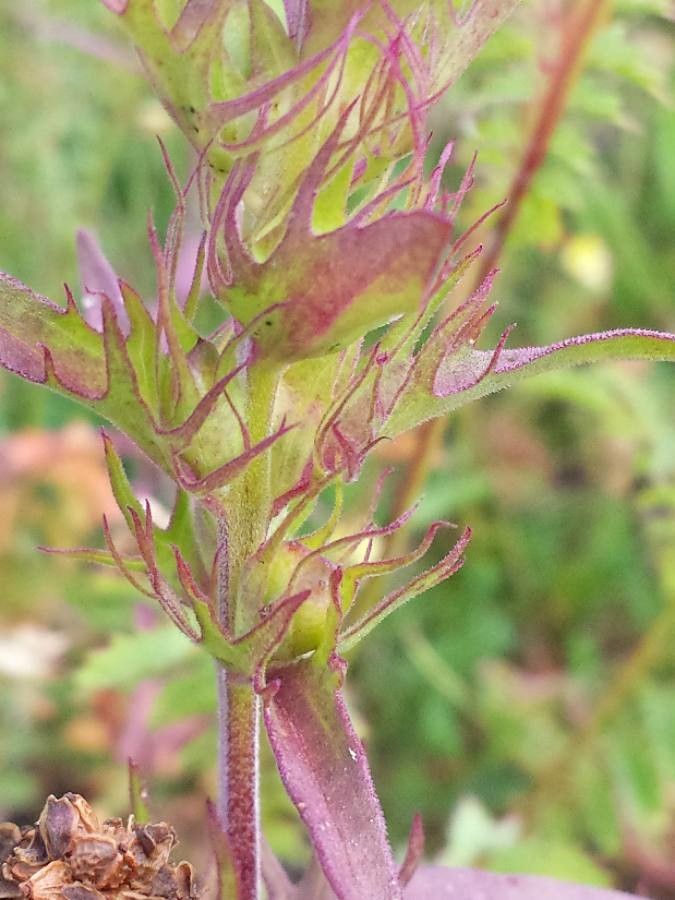
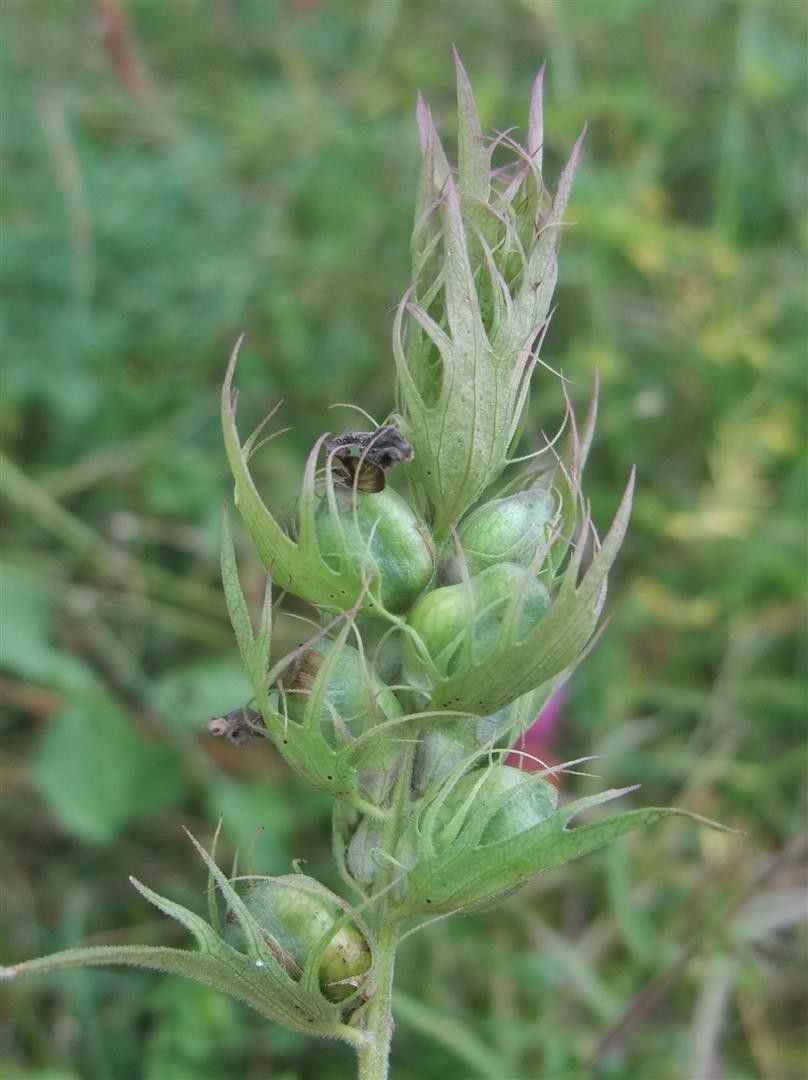
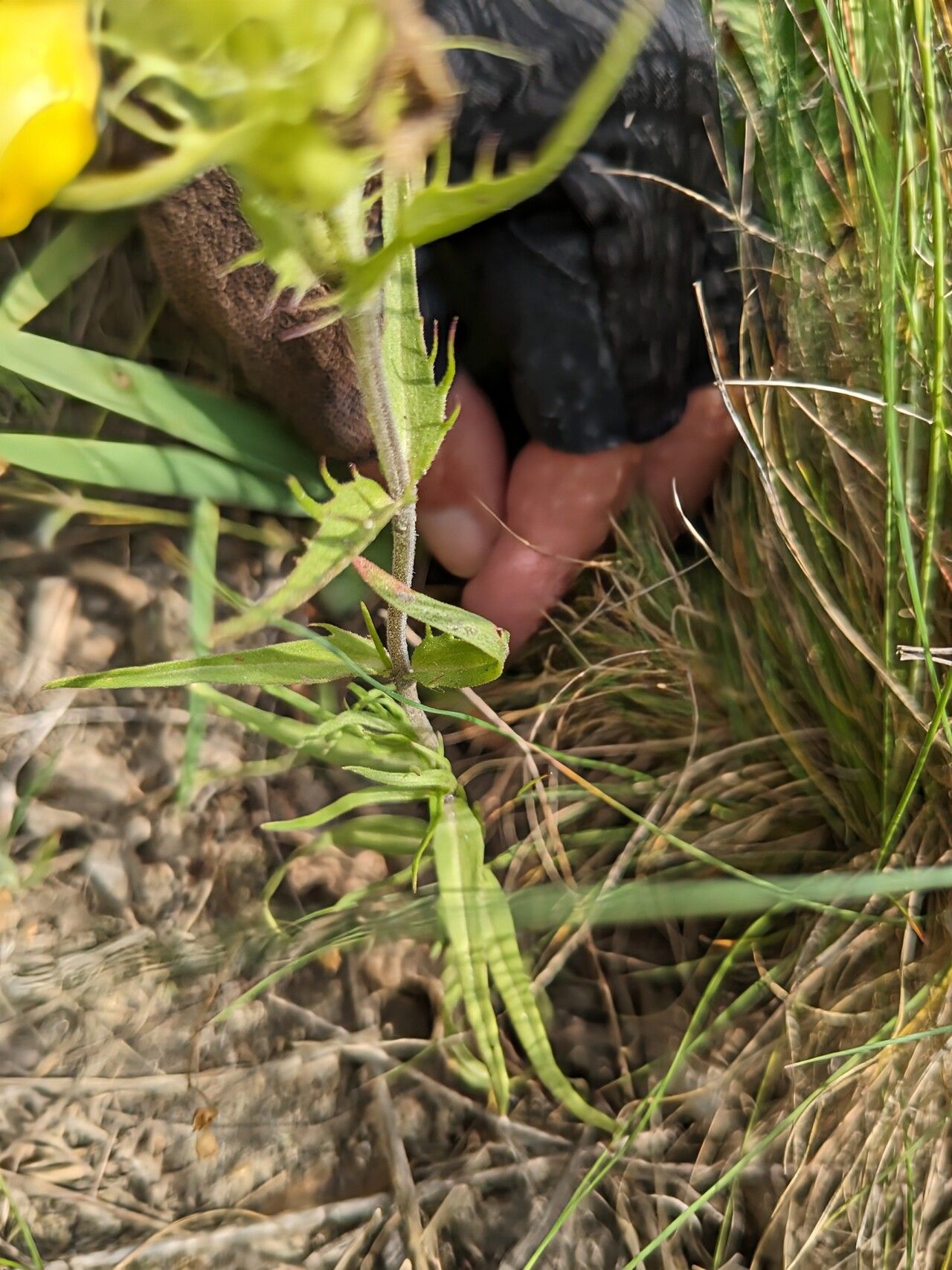
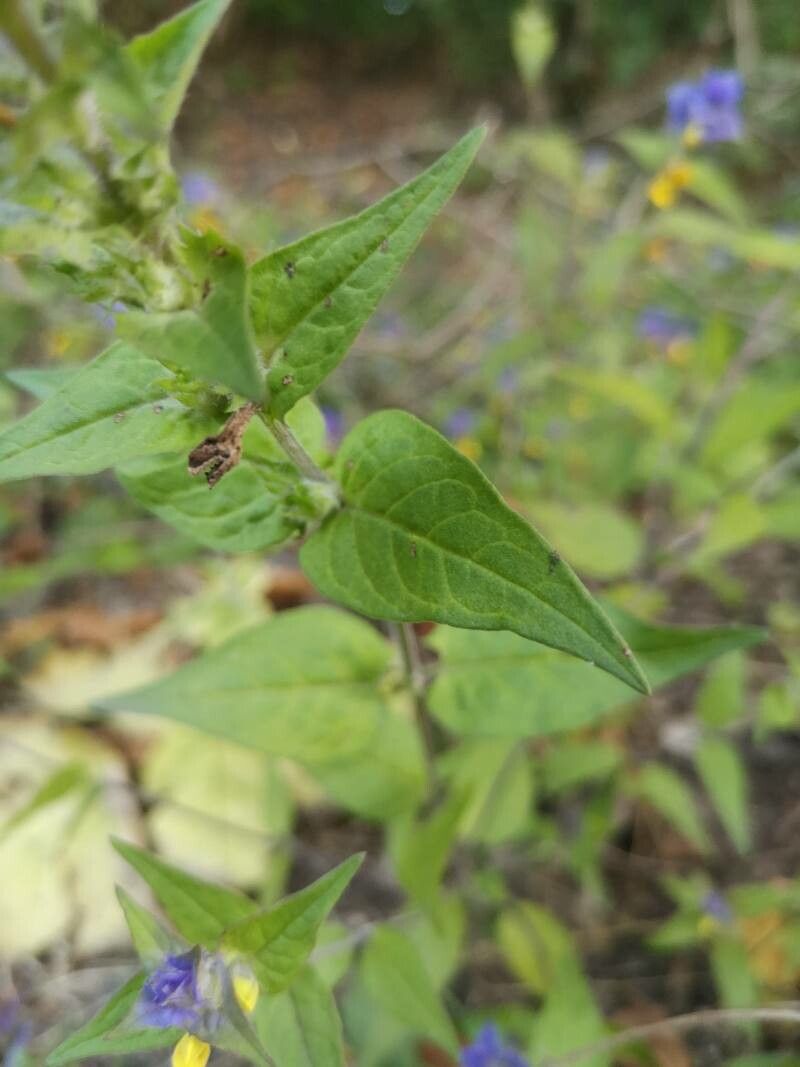
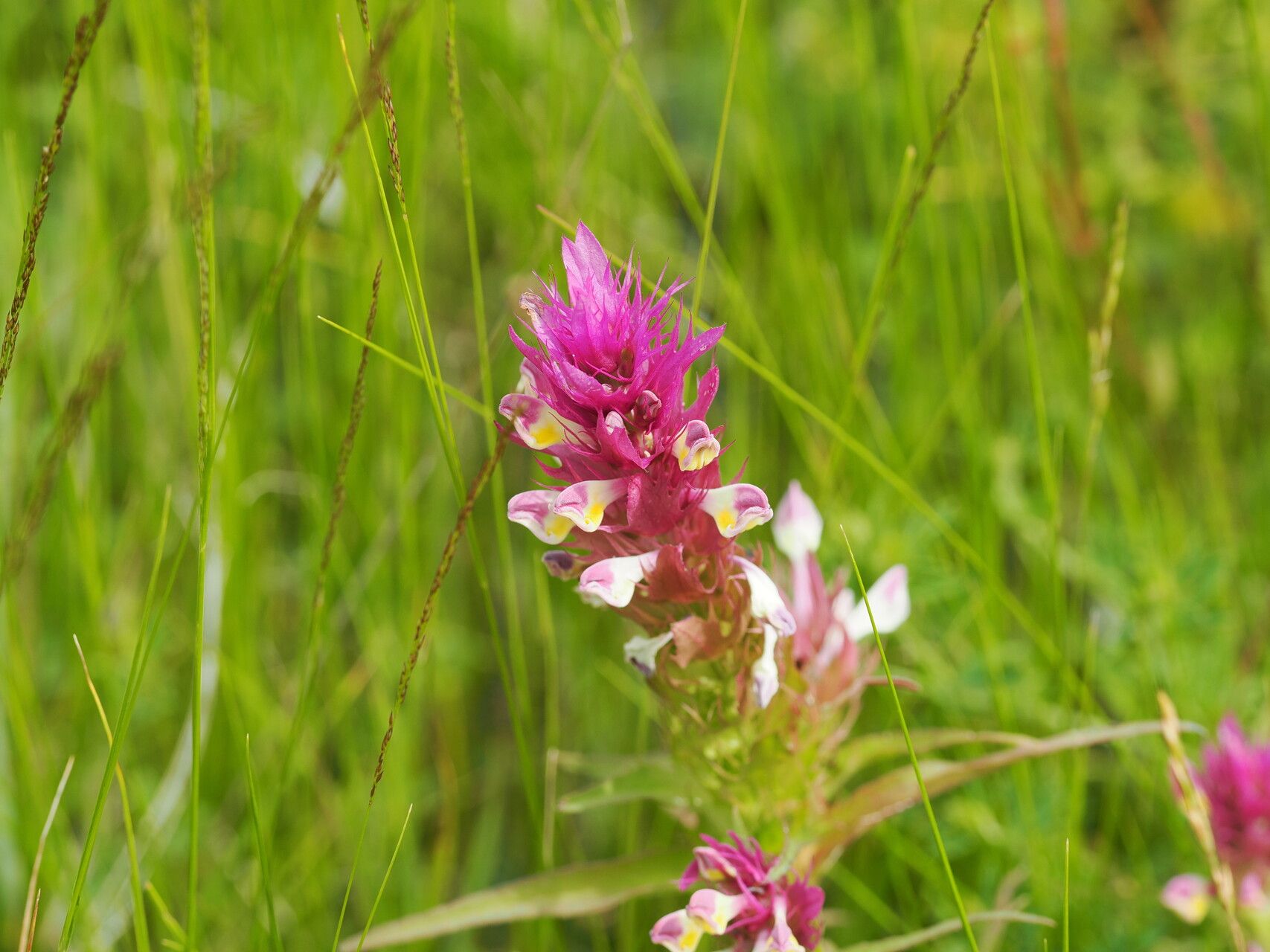
Melampyrum arvense, commonly known as field cow-wheat, is an herbaceous flowering plant of the genus Melampyrum in the family Orobanchaceae. It is striking because of the conspicuous spike of pink or purple terminal bracts which includes the flowers. The Latin specific epithet arvense means "growing in cultivated fields".
Purple cow-wheat has strong disease resistance and is generally not prone to illnesses. However, it can be vulnerable to pests and diseases present in its environment. These infections are typically not severe. In terms of care, this plant requires moderate maintenance. It should be pruned regularly to preserve a good appearance and support healthy growth. Fertilizing can also help encourage flowering. Purple cow-wheat is suitable for anyone with an outdoor area, such as a garden or patio, and does not demand extensive care experience. It may need more attention when grown indoors.
How to keep Melampyrum Arvense.
Light
The purple cow-wheat does best in direct, intense sunlight, which is important for its healthy development. Its native environment is largely composed of sun-drenched landscapes. The plant can tolerate the absence of shade. However, insufficient sunlight can restrict its growth, while excessively prolonged exposure to sunlight may cause damage.
Water
Purple cow-wheat thrives in environments with seasonal moisture, preferring moderate hydration and benefiting from weekly watering to maintain its vitality. Its natural drought tolerance allows it to endure dry spells while still requiring consistent moisture. When planted outdoors, purple cow-wheat is well-suited for areas with natural rainfall, making it an excellent choice for gardeners who want to synchronize their efforts with local precipitation patterns.
Temperature
Purple cow-wheat can tolerate a broad range of temperatures, but its distribution may still be restricted by particular combinations of moisture and heat. It does best in warm summer climates with sufficient rainfall or irrigation. Extended periods of cloudy, rainy weather or prolonged high temperatures can increase the chances of Purple cow-wheat dying. In winter, protecting the plant from cold can improve its survival.
Fertilizer
When Purple cow-wheat has opened most of its flowers to full size, resume fertilizing. During the period of peak bloom, apply fertilizer every three to four weeks, as weather allows. Then, once Purple cow-wheat begins producing fewer new blooms, stop fertilizing; there is no need to feed the plant when it can no longer produce more blooms.
Pruning
Purple cow-wheat is recognized for its vivid purple flowers. To ensure healthy growth, it benefits from pruning during early to late spring. By trimming away dead or damaged stems and managing any overgrowth, you can encourage new blooms and prevent the plant from becoming invasive. Regular maintenance helps maintain a vigorous and aesthetically pleasing plant.
Botanical profile.
- Plant Type
- Herb
- Life Cycle
- Annual, Perennial
- Genus
- Melampyrum
- Family
- Orobanchaceae
- Hardiness Zone
- 5-9
- Mature Height
- 15 cm to 40 cm
- Mature Spread
- 10 cm to 30 cm
- Leaf Color
- Green
- Leaf Type
- Deciduous
- Flower Color
- Purple
- Flower Size
- 2.03 cm to 2.54 cm
- Bloom Time
- Summer
- Planting Time
- Spring, Summer
- Harvest Time
- Late summer, Early fall, Mid fall
- Native Area
- Turkey, Sweden, Austria, Czech Republic, Slovakia, Montenegro, Bulgaria, Armenia, Poland, Greece, Croatia, Slovenia, Belarus, Ukraine, Serbia, Russia, Hungary, Germany, Italy, Switzerland, Denmark, Estonia, Finland, France, Albania, Azerbaijan, United Kingdom, Romania, Belgium, Netherlands
Other names.
Reader questions.
How should I water my Purple cow-wheat for the best results?
To water Purple cow-wheat, you have several options. You can use a garden hose with a spray nozzle, a watering can, or any other common watering tool. Purple cow-wheat is not too particular about how it gets its water - it can survive on rainwater, tap water, or filtered water. However, it's best to avoid watering this plant from above, as this can harm the leaves and flowers and potentially cause disease. Instead, a drip irrigation system works best for watering Purple cow-wheat. These systems distribute water evenly and directly to the soil. If you have a Purple cow-wheat growing in a container, the watering method is similar but with different tools. Use a cup, watering can, or tap water to directly water the soil in the container.
What are the sunlight requirements for Purple cow-wheat?
Purple cow-wheat requires more than 6 hours of sunlight daily to thrive optimally. It is crucial for the plant's health to ensure it receives enough light, as inadequate sunlight can hinder its growth. Additionally, while choosing locations for planting, it's beneficial to observe the movement of sunlight through the garden to identify spots that offer a balanced exposure to light and shade, ensuring the plant's well-being.
What should I do if I give my Purple cow-wheat too much or too little water?
To successfully care for your Purple cow-wheat, there are two main issues to consider: underwatering and overwatering. Underwatering can be solved by simply watering the plant more frequently when you notice it lacks moisture. However, overwatering poses a more serious threat to the plant's health. If you don't catch it in time, overwatering can lead to diseases that can cause the plant to decline and die. To prevent this, it's important to choose a suitable location for your Purple cow-wheat that receives plenty of sunlight to dry out the soil and has good drainage to prevent water from pooling. If you have overwatered your potted Purple cow-wheat, it may be necessary to repot it. Ensure the new pot has proper drainage and use loose soil to help with water flow.
How is artificial lighting used for Purple cow-wheat when natural sunlight is insufficient?
When natural sunlight is insufficient, especially during winter or in less sunny indoor spaces, artificial lighting provides a necessary boost for healthy growth. Indoor plants like Purple cow-wheat benefit significantly from artificial lights, such as LED, which can be customized to deliver specific light wavelengths needed by the plants. The recommended amount of light varies by plant type: full sun plants require 30-50W/sq ft, partial sun plants 20-30W/sq ft, and full shade plants 10-20W/sq ft. The artificial light source should be placed 12-36 inches above the plant, mimicking natural sunlight conditions, and kept on for about 8-12 hours per day to ensure optimal growth.
How much should I water my Purple cow-wheat?
Purple cow-wheat requires regular watering throughout the growing season. In the spring, watering once a week is sufficient. As the season progresses and temperatures rise, increasing watering to two or three times a week may be necessary. However, exceeding this rate can harm the plant. It is important to keep the soil moist but not wet, regardless of the watering frequency. Watering potted Purple cow-wheat is slightly different. Potted soil tends to dry out faster, so watering a few times a week is usually needed, compared to just once a week for plants in the ground.
What are the symptoms of inadequate or excessive sunlight exposure in Purple cow-wheat?
Purple cow-wheat shows various symptoms when it receives either inadequate or excessive sunlight. Insufficient light causes smaller new leaves, leggy growth, faster leaf drop, slower or no new growth, and lighter-colored new leaves. On the other hand, too much sunlight can lead to chlorosis, sunscald, leaf curling, wilting, and leaf scorching, all of which can significantly affect the plant's health. These symptoms highlight the importance of providing the right amount of sunlight for the optimal growth and health of Purple cow-wheat.
How much water does my Purple cow-wheat require?
Determining how much water to give your Purple cow-wheat can be done in a few different ways. Some gardeners prefer to gauge the moisture in the soil by feeling it, and they suggest watering until the first six inches of soil feel damp. Another option is to use a set measurement, like two gallons per week, taking into account factors such as temperature and soil dryness. However, it's essential to be flexible with these guidelines to avoid overwatering if your plant needs less. When growing Purple cow-wheat in a container, a different method is needed. Ensuring all layers of dry soil are moistened is recommended, which can be tested by feeling the soil with your finger or by noting a slight trickle of excess water from the pot's drainage holes.
What solutions are available for managing light exposure for Purple cow-wheat?
To manage light exposure for Purple cow-wheat effectively, gradual adaptation to the optimal light conditions is key. For indoor plants, this may involve moving the plant to a sunnier area progressively, ensuring at least 6 hours of direct sunlight by utilizing a south-facing window, or supplementing with artificial light for at least 8 hours daily. Outdoor plants should similarly be moved gradually to sunnier spots to prevent sunburn. It's also beneficial to reduce obstructions that block sunlight and, if necessary, transplant smaller plants to sunnier locations during their dormant periods. These approaches help in maintaining healthy growth and addressing any issues related to insufficient or excessive sunlight exposure.
How can I know if I'm giving enough water to my Purple cow-wheat plants?
Avoiding overwatering your Purple cow-wheat can be tricky because they have deep roots that need weekly watering, but they are also prone to root rot and browning when overwatered. Fortunately, underwatering is less of a concern as these plants can survive without extra watering for a while. However, if you neglect watering for too long, they may wilt and develop dry leaves.
How do I water my Purple cow-wheat throughout the year?
As the season progresses, your Purple cow-wheat's water needs will increase. In spring, watering once a week is sufficient. However, as the summer heat sets in, you may need to increase the amount of water you give to your Purple cow-wheat, sometimes up to three times a week. This is especially important for Purple cow-wheat grown in containers since the soil in containers tends to dry out faster in warm weather. In autumn, when your Purple cow-wheat is still flowering, it may require slightly less water as the temperature cools and the sun's intensity decreases compared to summer.
How do I water my Purple cow-wheat when it's growing at different stages?
Purple cow-wheat goes through different growth stages throughout the year, each with different water requirements. First, when you start with a seed, you should give it more water than it will need later on. This means watering often to keep the soil consistently moist. After a few weeks, when the plant grows above the soil, it will need slightly less water. Once the plant is fully mature, you can water it once per week. During flower development, you may need to provide slightly more water to support the process.
What's the difference in watering Purple cow-wheat inside and outside?
Most Purple cow-wheat plants prefer growing outdoors rather than indoors for a few reasons. Firstly, these plants tend to grow tall, which may be difficult to accommodate indoors. Secondly, Purple cow-wheat requires more sunlight than most indoor locations can offer on a daily basis. However, if you are able to provide a suitable indoor growing location, keep in mind that you may need to water your Purple cow-wheat more frequently compared to outdoor growing. This is because indoor environments are typically drier due to HVAC units, and soil in containers can dry out quickly as well.