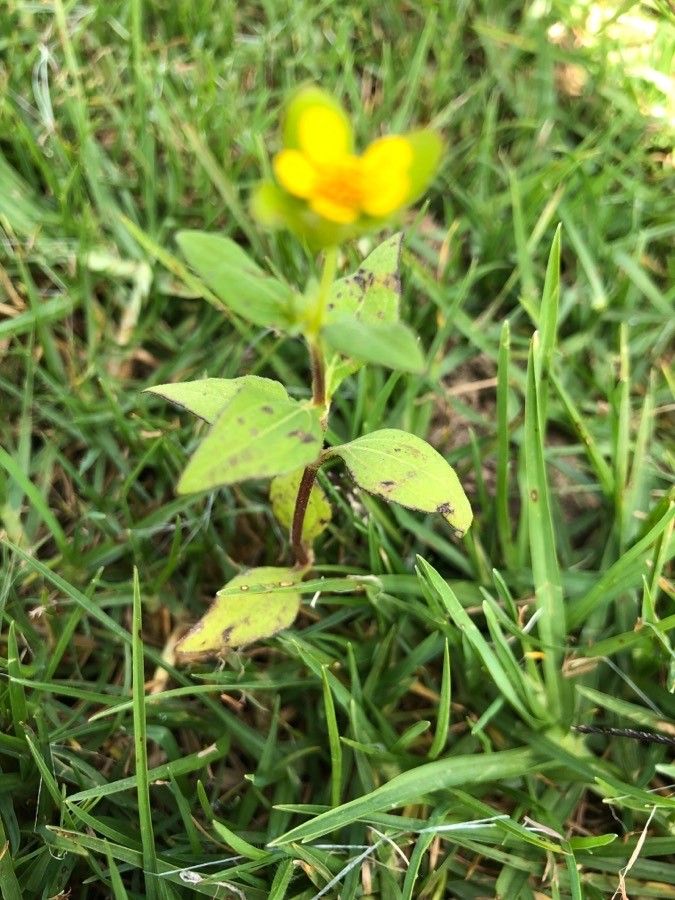
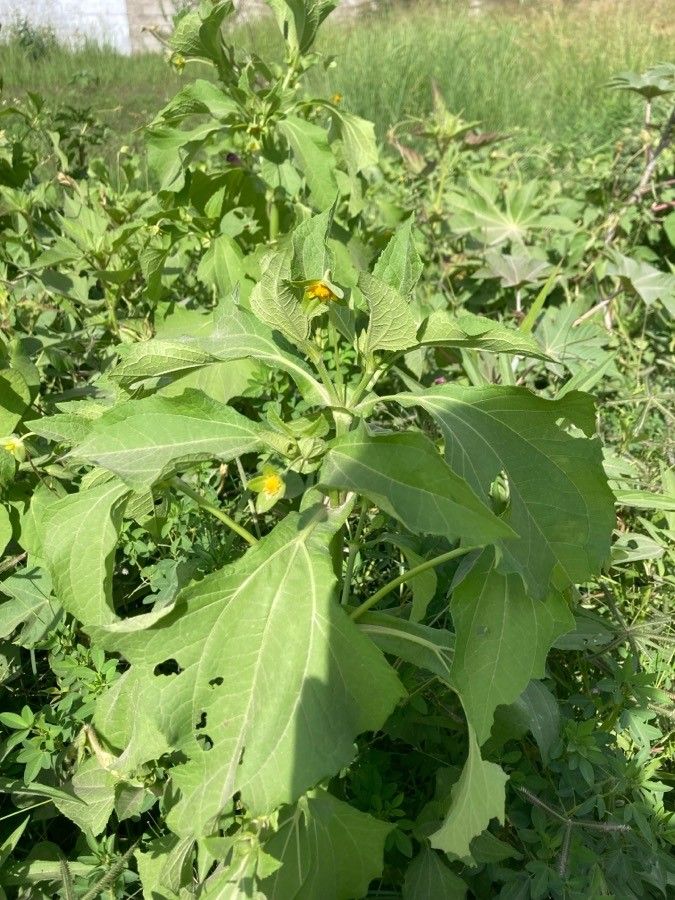
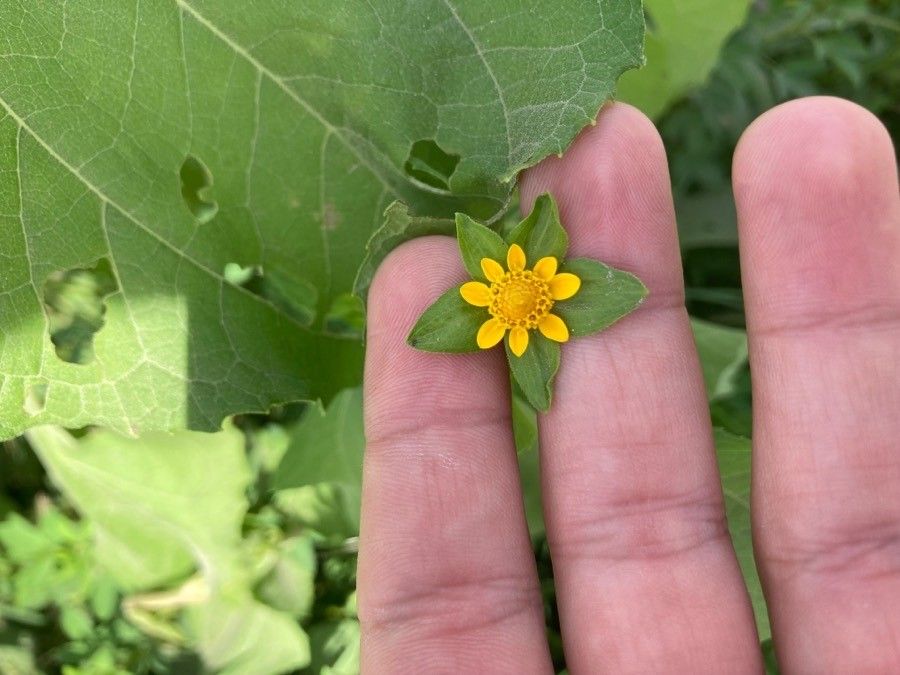
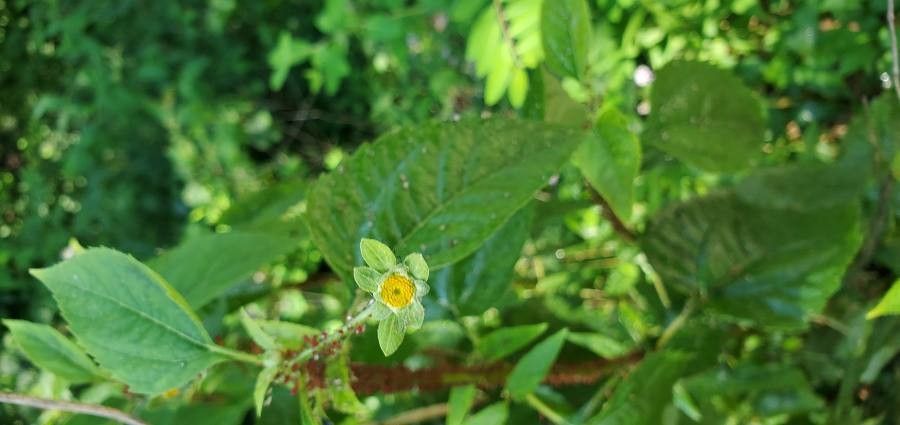
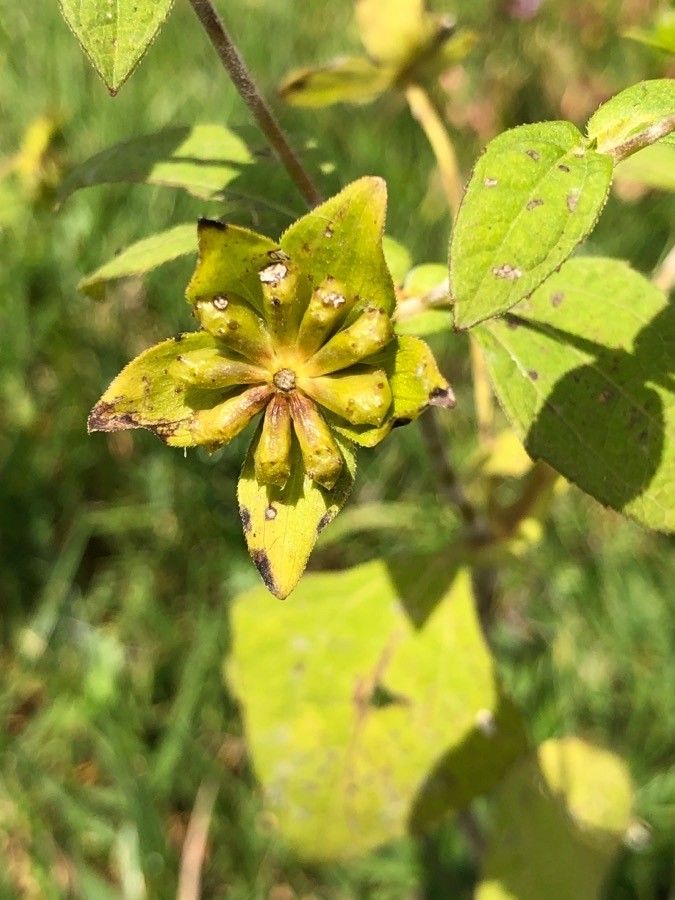
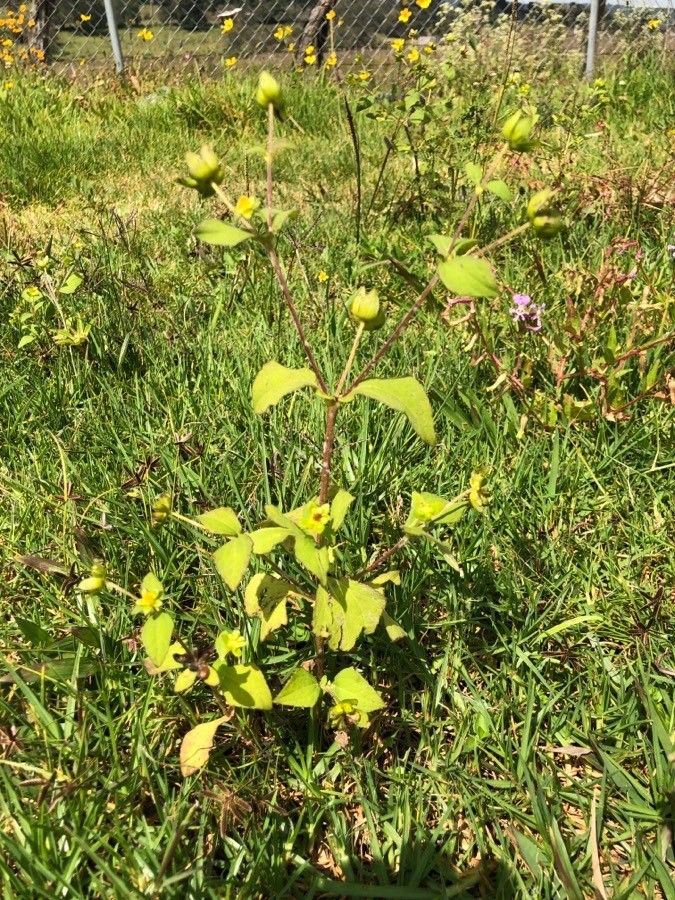
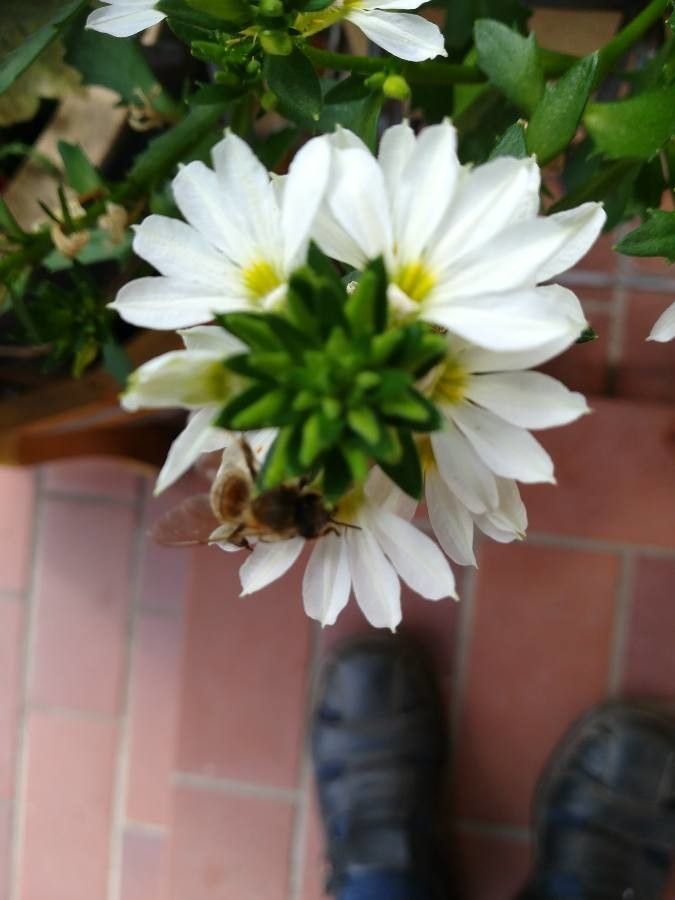
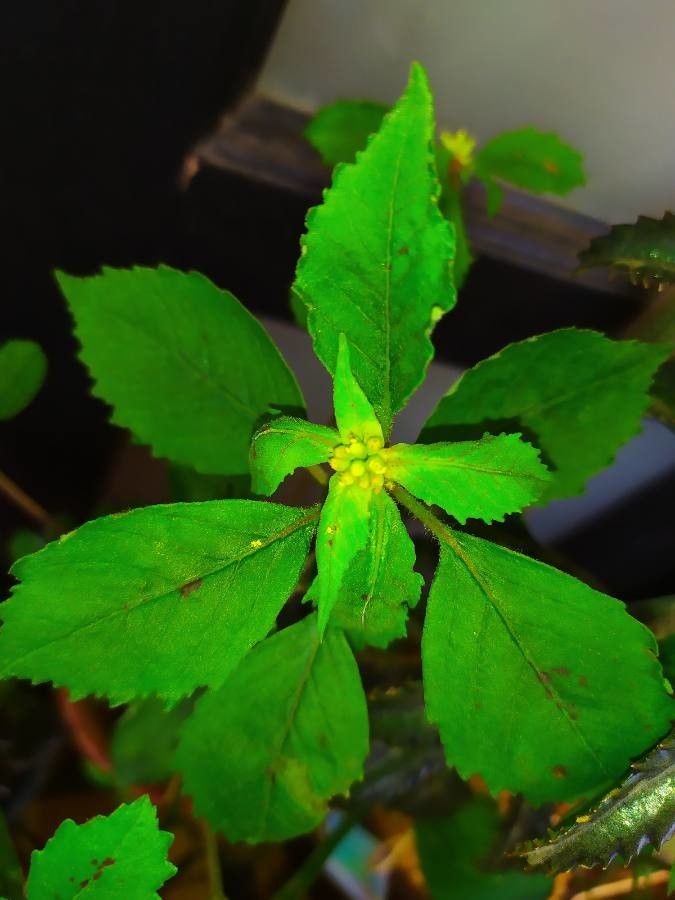
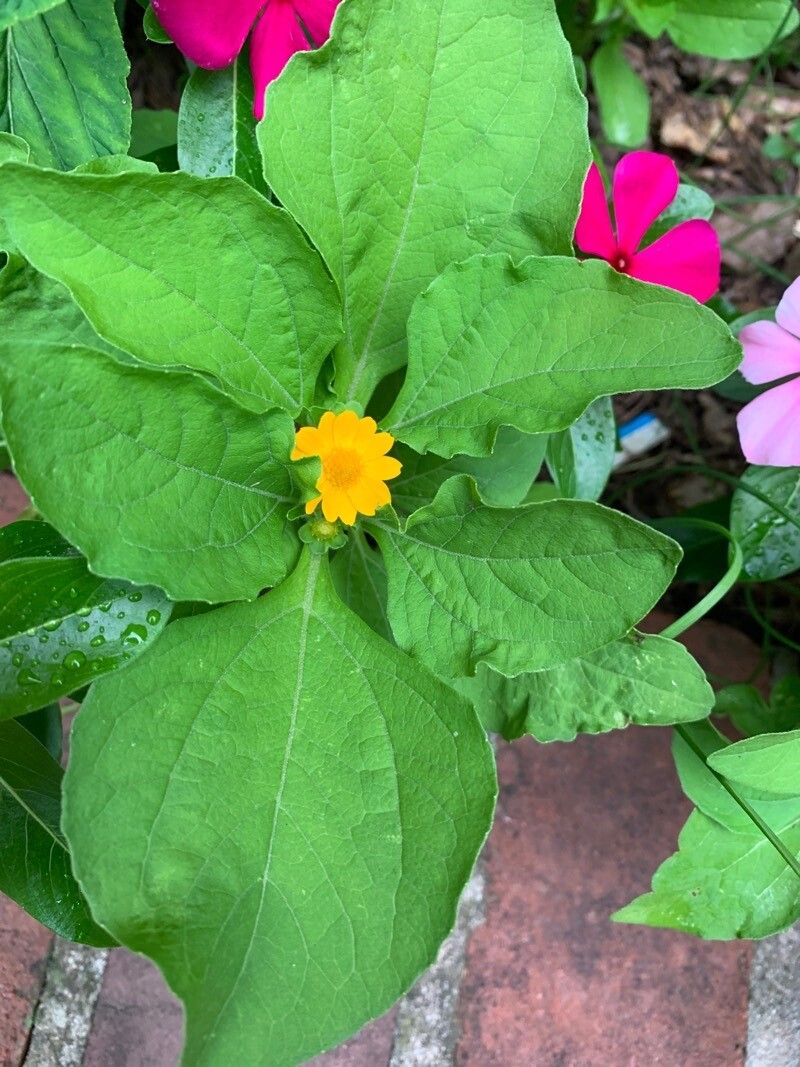
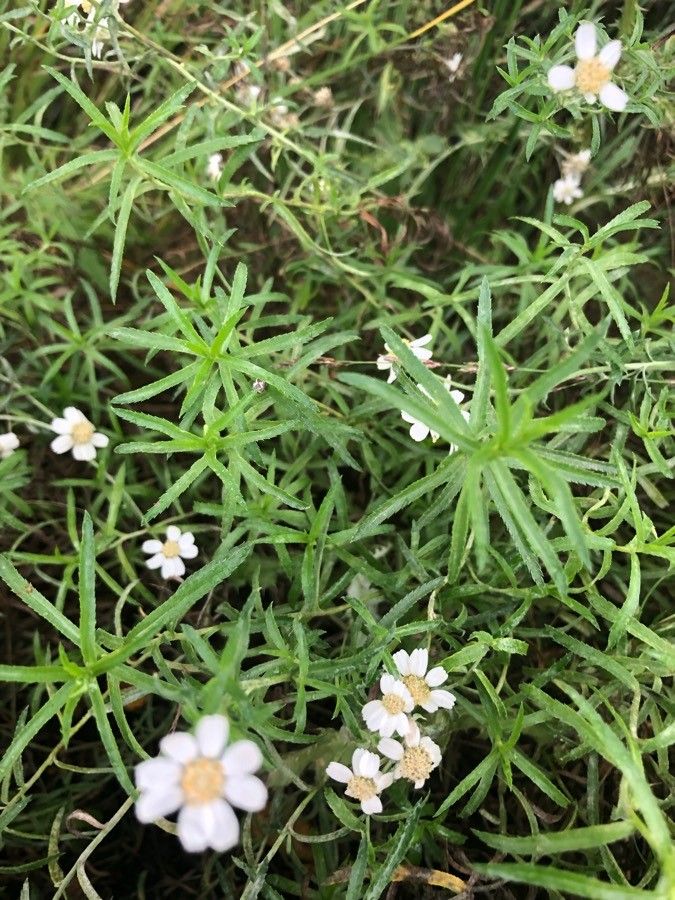
Melampodium, sometimes known as Butter Daisy, is a low-maintenance summer annual (Melampodium divaricatum; synonym M. paludosum). This member of the aster family is native to Central and South America's tropical regions. From May through frost, the daisy-like yellow blooms bloom profusely and contrast nicely with the brilliant green foliage. The opposite leaves have smooth, wavy, or slightly toothed margins and are slightly fuzzy. It's one of the easiest annuals to cultivate in full sun and well-drained soil. Melampodium is drought tolerant once grown and only needs watering if it becomes too dry.
How to keep Melampodium Perfoliatum.
Water
Melampodium is a drought-resistant and heat-tolerant plant that benefits from regular irrigation. Allowing the soil to dry out slightly between waterings is recommended. Keep the soil equally moist as much as possible.
Temperature
These are true warm-weather plants that can withstand a wide range of temperatures. Butter Daisy is drought resistant once established. Despite its hardiness, is susceptible to powdery mildew if grown in humid environments. While adequate sunshine can help prevent this problem, if mildew does appear, trimming diseased areas can help keep it from spreading.
Fertilizer
Consider using a slow-release fertilizer or a general-purpose liquid fertilizer to keep your Butter Daisy blooming all season.
Pruning
Perfoliate blackfoot is known for its vibrant yellow blooms and unique perfoliate leaves. Regular pruning from early to late spring promotes healthy growth by removing dead stems and spent flowers. This practice enhances air circulation, reduces pest problems, and prolongs the blooming period. Make sure to use clean, sharp tools for precise cuts.
Botanical profile.
- Plant Type
- Annual
- Life Cycle
- Annual
- Genus
- Melampodium
- Family
- Asteraceae
- Hardiness Zone
- 9-11
- Bloom Time
- Spring, Summer, Fall
- Native Area
- Mexico, Brazil, Southwestern US
Other names.