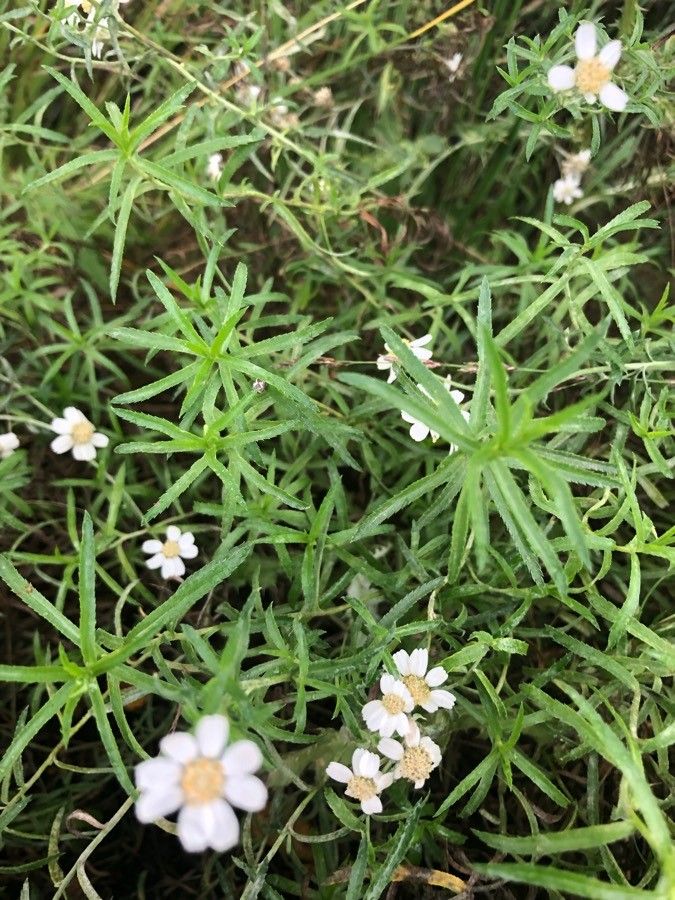
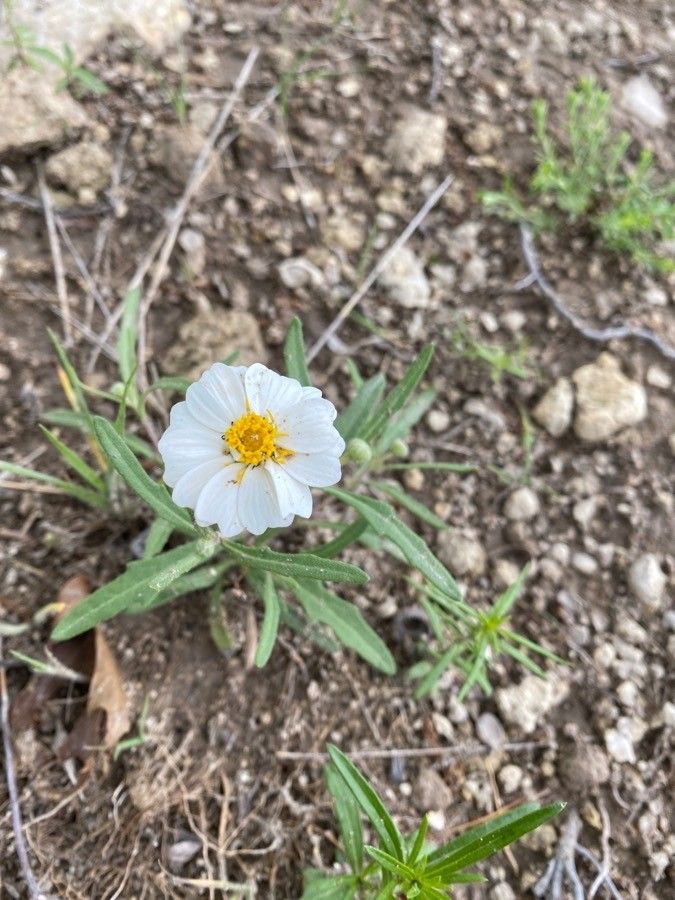
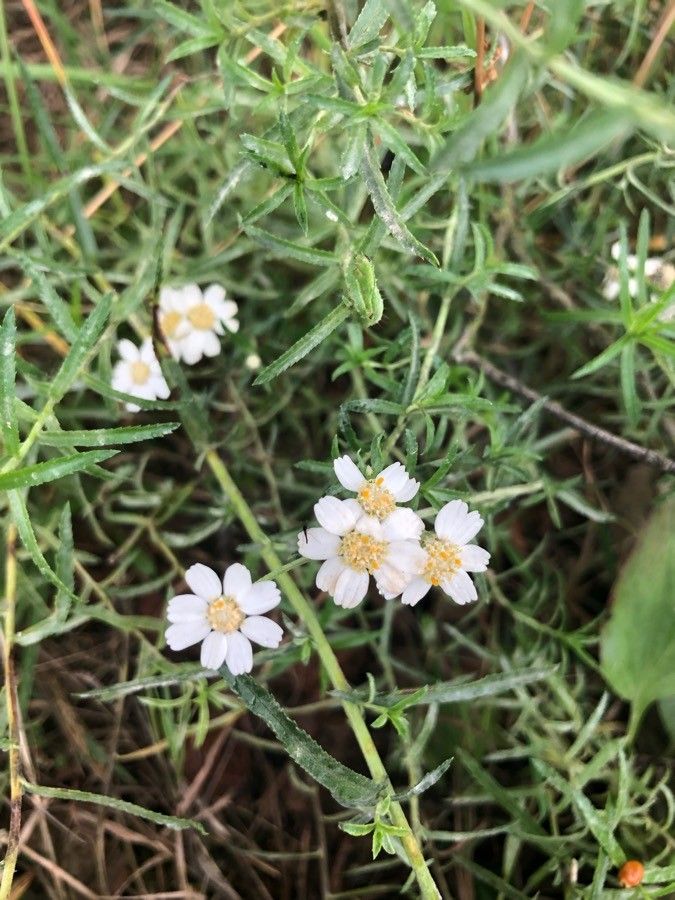
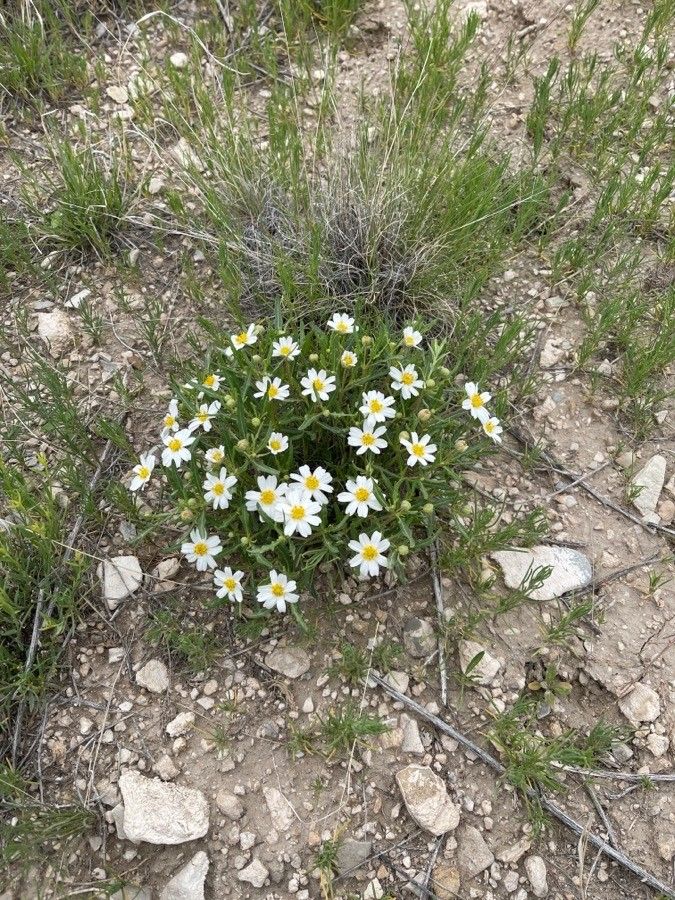
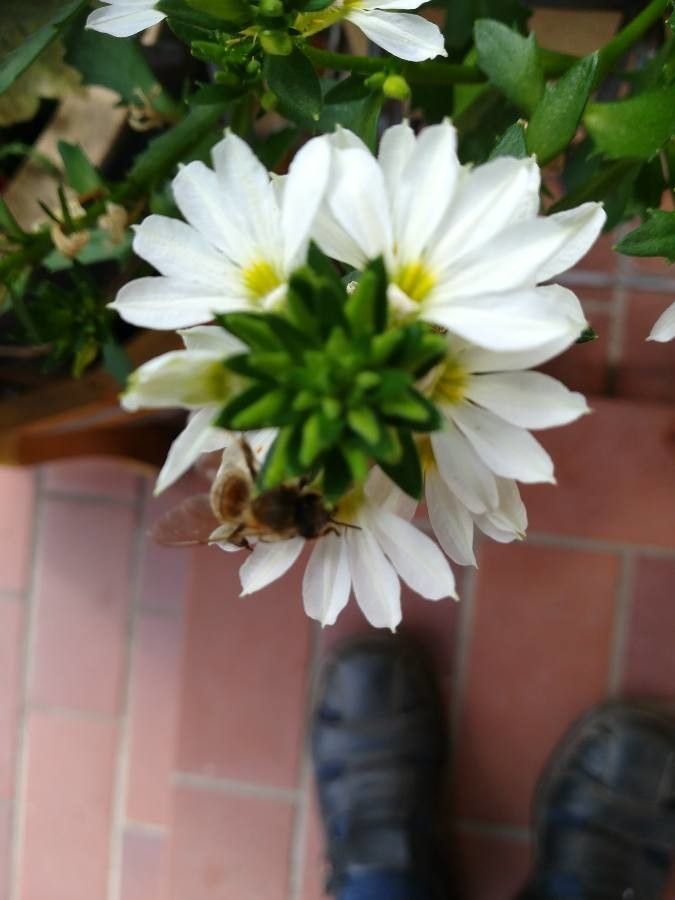
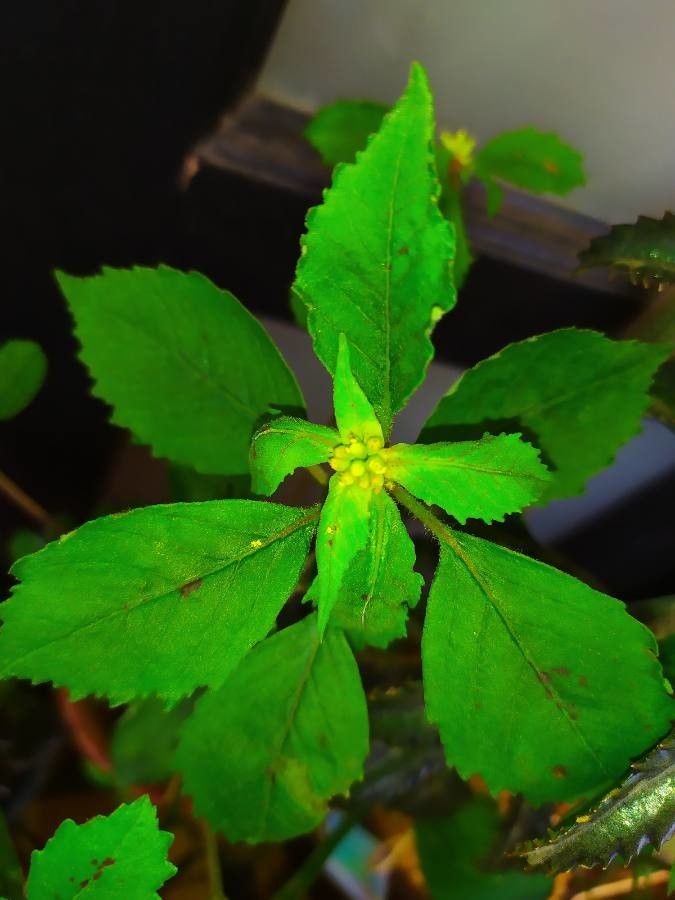
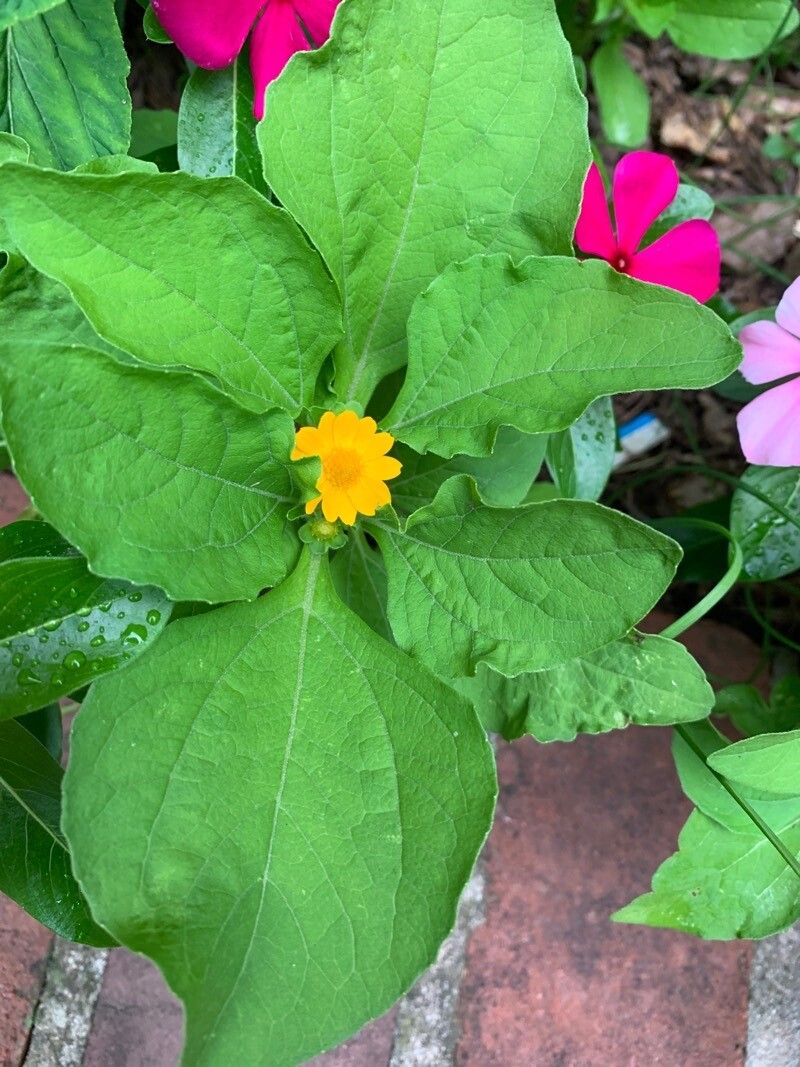
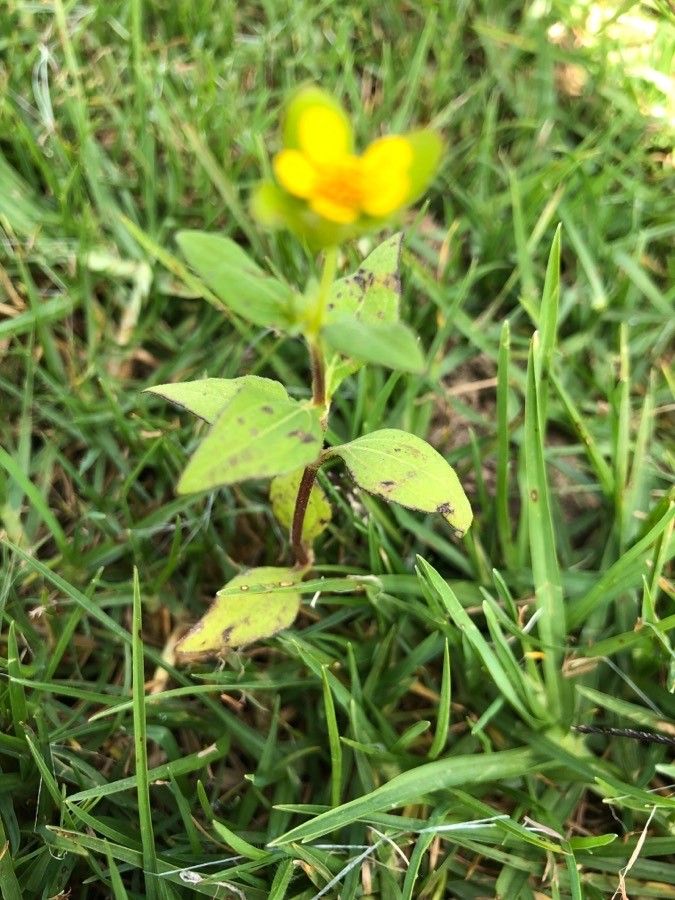
Melampodium leucanthum, commonly known as Blackfoot Daisy, is a perennial plant that belongs to the Asteraceae family. It is native to the southwestern United States and northern Mexico. This charming plant typically grows 1 to 2 feet tall and spreads 2 to 3 feet wide. Its leaves are small, narrow, and gray-green in color.
The Blackfoot Daisy produces numerous small, white flowers with yellow centers that bloom from spring through fall. These flowers are about an inch in diameter and have a daisy-like appearance.
Notably, this plant is drought-tolerant, heat-tolerant, and low-maintenance. It can thrive in various soil types, including sandy or rocky soils. While it prefers full sun exposure, it can also tolerate partial shade.
Blackfoot Daisy has multiple uses, including serving as an ornamental plant for landscaping and attracting pollinators like bees and butterflies due to its nectar-rich flowers. Additionally, it has medicinal properties; Native Americans traditionally used it to treat various ailments such as stomach problems and skin irritations due to its anti-inflammatory properties.
Overall, Melampodium leucanthum is an attractive perennial that adds beauty while requiring minimal care. It is ideal for gardeners of all experience levels who are looking for low-maintenance plants with multiple benefits.
Blackfoot daisy has strong disease resistance and typically isn't prone to illnesses. However, it can be affected by pests and diseases present in its surroundings, though these infections are usually mild. In terms of care, this plant requires moderate upkeep. It should be pruned regularly to maintain a good appearance and encourage healthy growth. Fertilizing can also help promote flowering. Blackfoot daisy is suitable for anyone with outdoor space, such as a garden or patio, and doesn't demand extensive plant-care experience. It may need more attention when grown indoors.
How to keep Melampodium Leucanthum.
Light
Blackfoot daisy grows best with prolonged sun exposure, though it can tolerate moderately sunny conditions. Native to broad, sunlit landscapes, it performs poorly in low-light situations, which can hinder its growth and may cause the plant to become stressed.
Water
The blackfoot daisy is well-suited for arid environments due to its high drought tolerance and preference for well-drained soils, making it an excellent choice for xeric landscaping. To promote flowering during the growing season, water the plant once a week and, if it's indoors, place it in bright light, misting it occasionally.
Temperature
Blackfoot daisy is found in habitats with temperatures between 41°F and 100°F (5 to 38 ℃). The plant does best in moderate temperatures. When seasons bring hotter or colder conditions, move it to a more suitable spot to help regulate its temperature.
Fertilizer
The best time to fertilize a Blackfoot daisy is in early spring, as it comes out of dormancy and starts active growth. Fertilization supplies essential nutrients for healthy development. Although the Blackfoot daisy has fairly low fertilizer requirements, an annual feeding can improve its survival and encourage better, longer-lasting blooms.
Pruning
The Blackfoot daisy is a low-growing perennial known for its daisy-like blooms. To maintain its health and appearance, prune in early to late spring to remove dead branches and encourage new growth. Regular pruning improves air circulation, reduces the risk of disease, and promotes denser flowering, ensuring a vibrant display throughout the growing season.
Pot & Repot
To ensure optimal growth, repot blackfoot daisies every 2-3 years during spring. Choose a well-draining container that is only one size larger than the current one to avoid moisture problems. After repotting, place the plant in full sunlight and limit watering to help the blackfoot daisy adjust to its new environment.
Botanical profile.
- Plant Type
- Herb
- Life Cycle
- Perennial
- Genus
- Melampodium
- Family
- Asteraceae
- Hardiness Zone
- 4-11
- Mature Height
- 0.15 m to 1.22 m
- Mature Spread
- 30 cm to 61 cm
- Leaf Color
- Green, Gray
- Leaf Type
- Semi-evergreen
- Flower Color
- White, Yellow
- Flower Size
- 2.54 cm to 7.62 cm
- Bloom Time
- Mid spring, Late spring, Summer, Fall, Early winter
- Planting Time
- Spring, Summer
- Harvest Time
- Late spring, Summer, Fall, Early winter, Mid winter
- Native Area
- Mexico
Other names.
Reader questions.
How should I water my Blackfoot daisy plant?
When watering the Blackfoot daisy, it is best to use filtered water that is at room temperature. Tap water should be avoided as it may contain harmful particles. The water should be at room temperature or slightly warmer because the Blackfoot daisy originates from a warm environment and cold water can be a shock. It is also important to avoid overhead watering as it can cause foliage complications. Instead, water the soil with filtered room temperature water until it is fully soaked. This helps moisten the roots and allows them to spread and collect nutrients.
Why should I put fertilizer on my Blackfoot daisy?
Fertilization has several important benefits for the Blackfoot daisy. Firstly, it provides essential nutrients for the plant's growth both above and below ground. However, the Blackfoot daisy's overall fertilization needs are relatively low. While the plant can survive without fertilization, annual fertilization can greatly benefit it. It helps keep the plant alive and encourages the production of better and longer-lasting flowers. Therefore, those wanting their Blackfoot daisy to thrive should regularly fertilize it.
What are the sunlight requirements for Blackfoot Daisy?
Blackfoot Daisy requires full sun exposure to thrive, meaning it needs above 6 hours of sunlight. However, it can also tolerate partial sun conditions, which is about 3-6 hours of sunlight. It's essential to watch how sunlight moves through your garden throughout the day to choose spots that provide a perfect balance of light and shade, ensuring your plants' happiness and optimal growth.
What temperatures are ideal for Blackfoot daisy's growth?
Blackfoot daisy thrives in environments where temperatures range from 41°F to 100°F (5°C to 38°C). This plant prefers moderate temperatures for optimal growth. It has strong cold resistance, meaning special frost protection measures are usually not necessary during winter. However, if winter temperatures are expected to drop below -30°C, providing cold protection by covering the plant with materials like soil or straw is advisable. Additionally, watering the plant abundantly before the first freeze in autumn to ensure the soil remains moist can help prevent drought and water scarcity during winter and early spring.
What should I do if I give too much or too little water to my Blackfoot daisy?
Overwatering can harm your Blackfoot daisy more than underwatering, though both are detrimental. When the plant is overwatered, its stems and leaves will wilt and turn yellow. This can lead to diseases like root rot, mold, and mildew, which can be fatal to the plant. Underwatering is less common because the Blackfoot daisy is drought-tolerant, but it can still happen. In this case, the leaves will become brown and brittle. It's important to catch signs of overwatering early to prevent irreversible damage. Reduce watering if you notice these signs and check the soil's drainage. Replace poorly draining soil with a well-draining potting mix. If you notice signs of underwatering, simply water more regularly until the signs go away.
When should I put fertilizer on my Blackfoot daisy?
The best time to fertilize a Blackfoot daisy is in late winter to early spring when it is transitioning from dormancy to active growth. This promotes healthy growth and sets the plant up for a great start to the season. Fertilizing during fall is also acceptable, but it's not recommended during the summer and winter.
How does Blackfoot Daisy perform under different lighting conditions?
Blackfoot daisy thrives optimally in environments with extensive sun exposure but can also manage moderate sunlit conditions. Native to sun-drenched habitats, it performs poorly in low-light scenarios, which could hinder its growth and potentially lead to plant distress. For indoor plants with inadequate natural sunlight, artificial lighting such as LED lights, providing 30-50W/sq ft for full sun plants and 20-30W/sq ft for partial sun plants, can promote healthier, faster growth.
How does Blackfoot daisy react to low temperatures?
Blackfoot daisy is cold-tolerant, best thriving when the temperature is above 5°C. Throughout winter, it should remain above -25°C. If temperatures fall below -30°C, while there may not be noticeable changes during the winter, there could be a decline in sprouting or even a lack of sprouting in springtime. If such an issue arises, it's recommended to remove any plant parts that have failed to sprout in spring.
How much should I water my Blackfoot daisy?
If your Blackfoot daisy is in a pot, the most precise way to determine if it needs water is by checking the moisture level of the soil. Simply stick your finger into the soil and if the first two to three inches are dry, it's time to water. For those growing Blackfoot daisies in the ground outdoors, you can use a similar method to test the soil. Once again, if the first few inches of soil have dried out, it's time to water. Typically, during spring and early fall, watering once a week is sufficient. However, during extremely hot weather, you may need to water twice per week or even more. It's worth noting that mature, well-established Blackfoot daisies have an impressive ability to withstand drought.
When should I not put fertilizer on my Blackfoot daisy plant?
To ensure proper fertilization of your Blackfoot daisy, it is best to feed it only during late winter and early spring. This plant does not require frequent fertilization, as a single annual feeding is sufficient. Fertilizing during spring, summer, and fall can lead to overfertilization and its associated issues, unless you missed fertilizing in the spring, in which case fall feeding is acceptable. During the majority of the growing season, it is recommended to not fertilize this plant. Similarly, winter fertilization is unnecessary since the plant is in a dormant phase and does not experience new growth.
What are the symptoms of incorrect lighting for Blackfoot Daisy?
Symptoms of incorrect lighting for Blackfoot Daisy include small or lighter-colored new leaves, leggy or sparse growth, faster leaf drop, and either slower or no new growth at all. Conditions like chlorosis, where leaves lose their green color, sunscald, leaf curling, wilting, and leaf scorching can also manifest due to inadequate or excessive sunlight exposure.
What should I do if the Blackfoot daisy is exposed to high temperatures?
During summer, it's important to keep Blackfoot daisy's temperature below 38°C. Exposure to temperatures exceeding 43°C can result in the leaves becoming lighter, prone to curling, susceptible to sunburn, and, in severe cases, the plant may wilt and dry out entirely. To mitigate these effects, trim away sunburned and dried-up parts. Move the plant to a location that provides shade during the midday and afternoon sun, or use a shade cloth. Watering the plant in the morning and evening to maintain soil moisture is also beneficial.