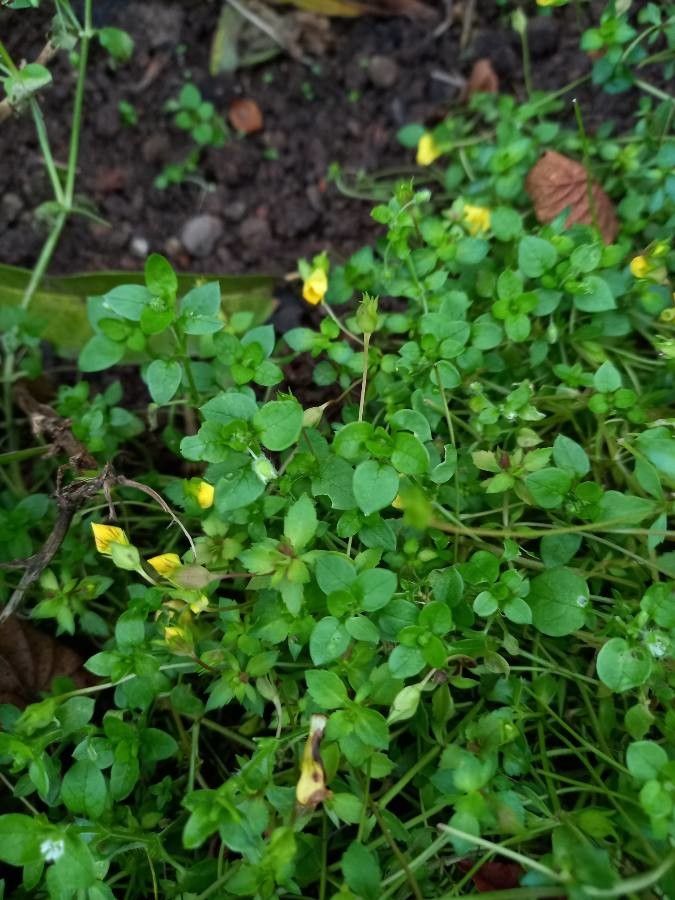
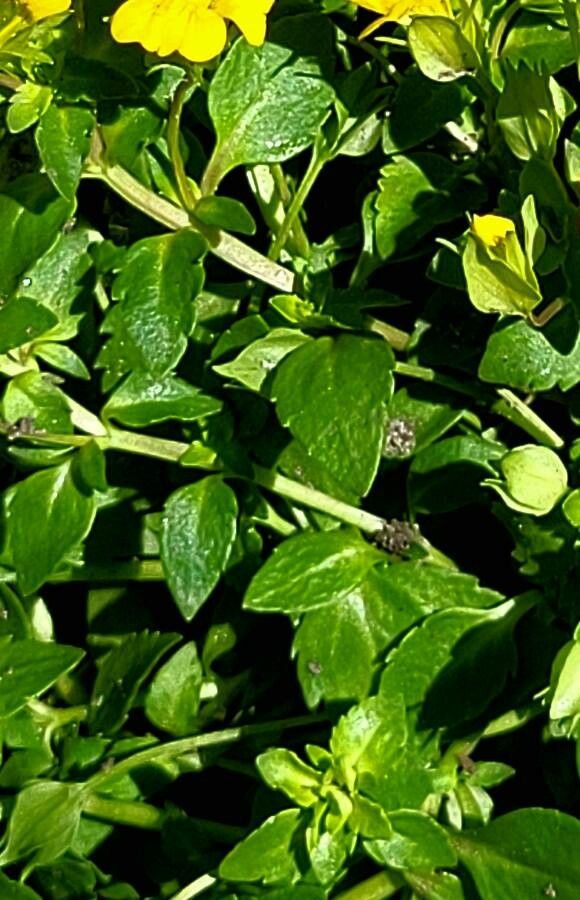
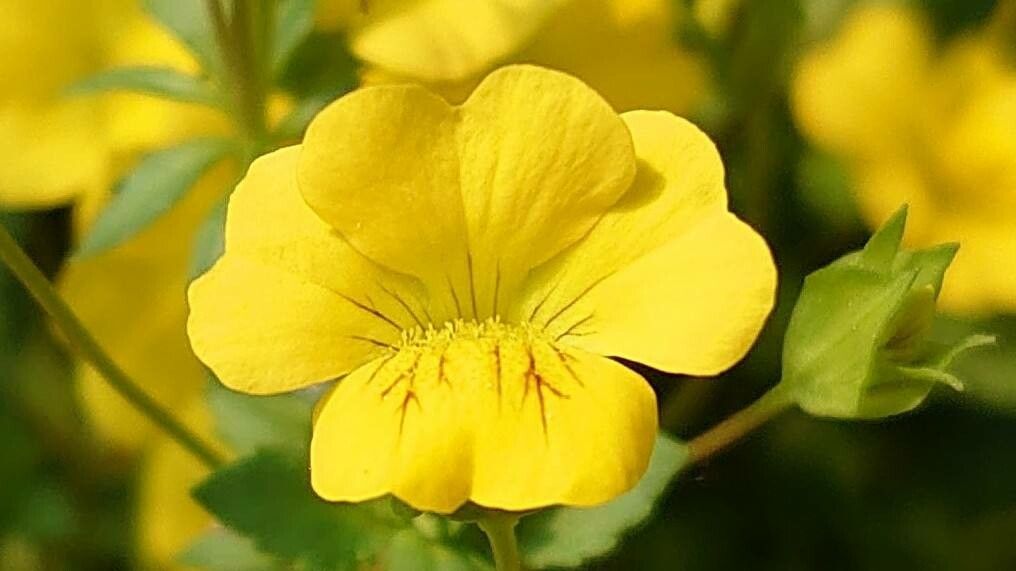
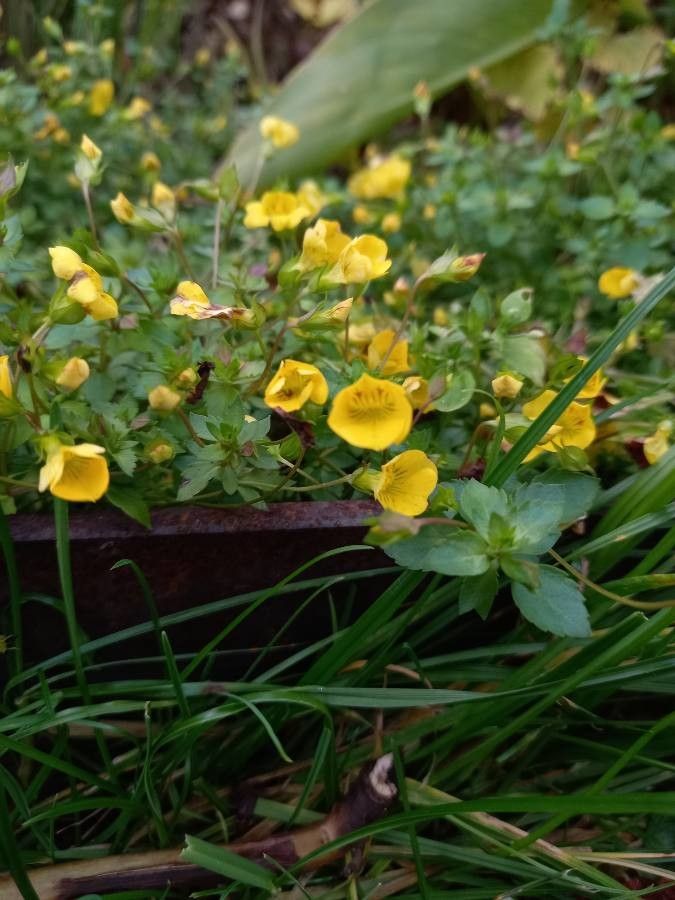
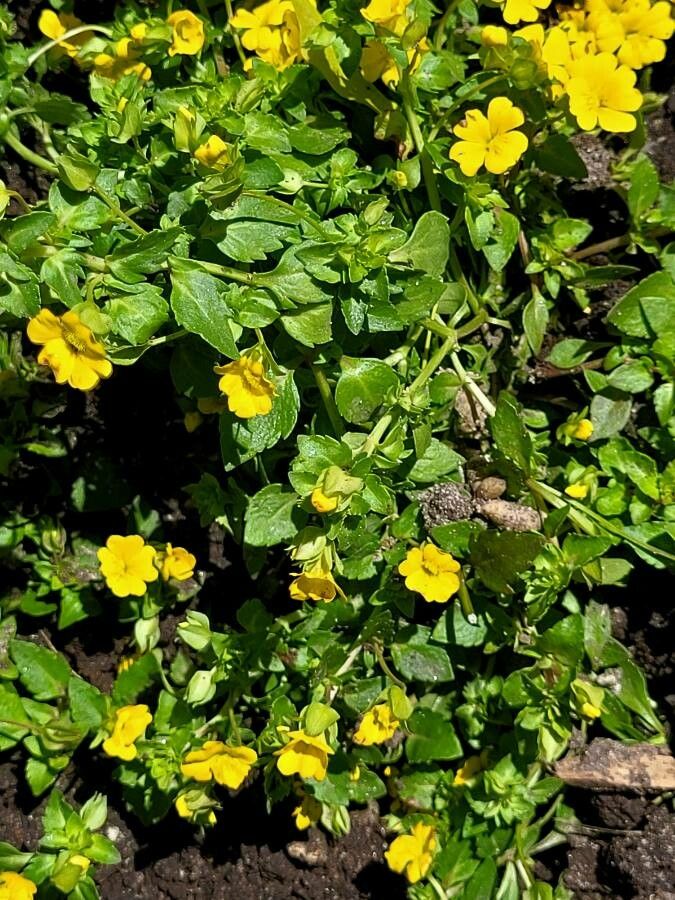
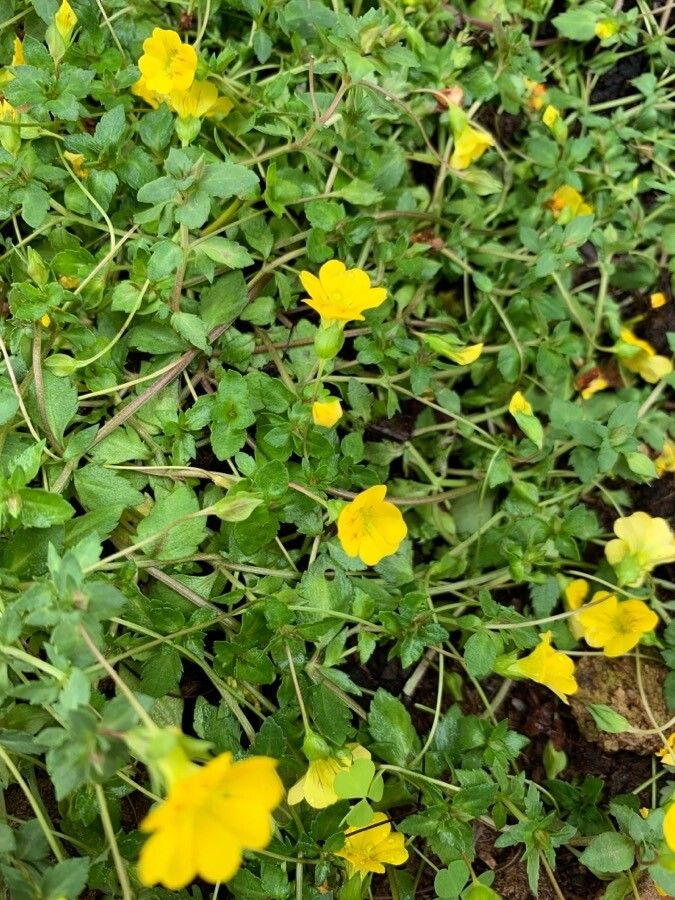
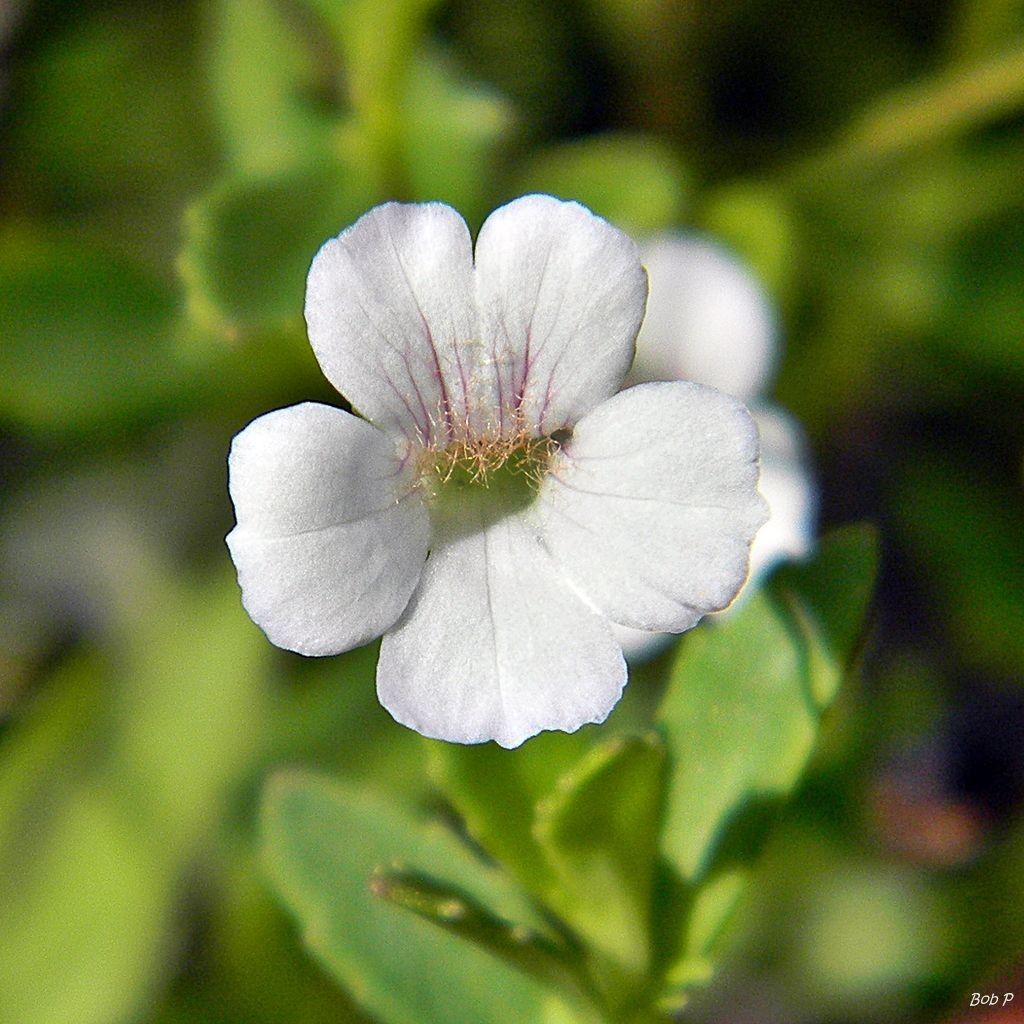
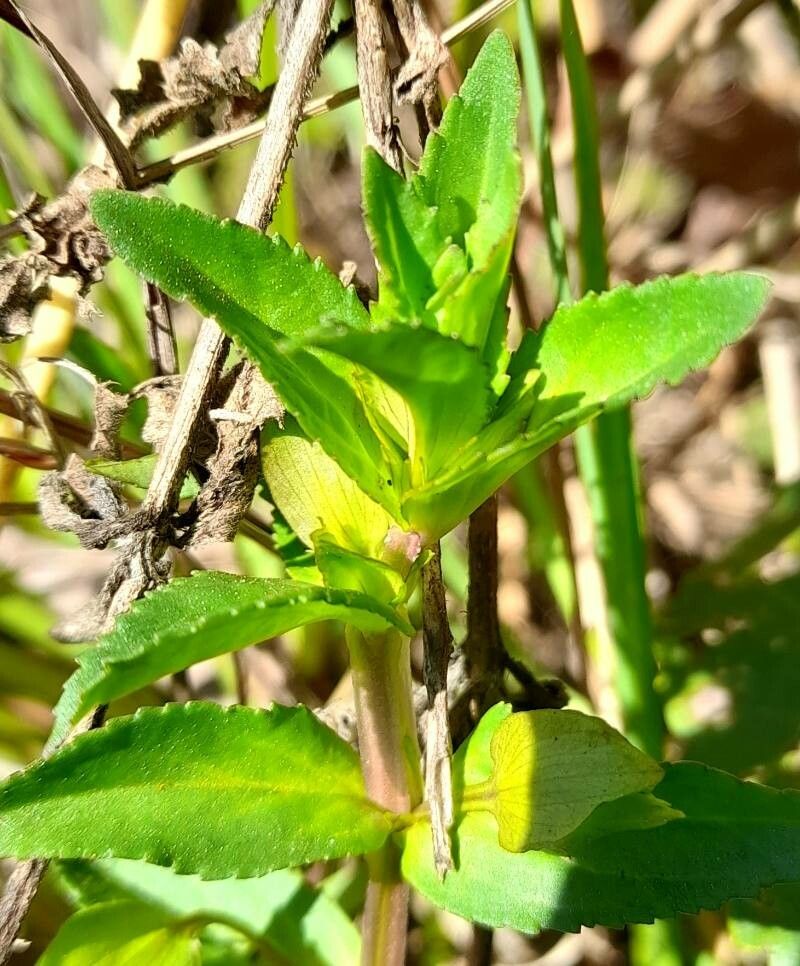
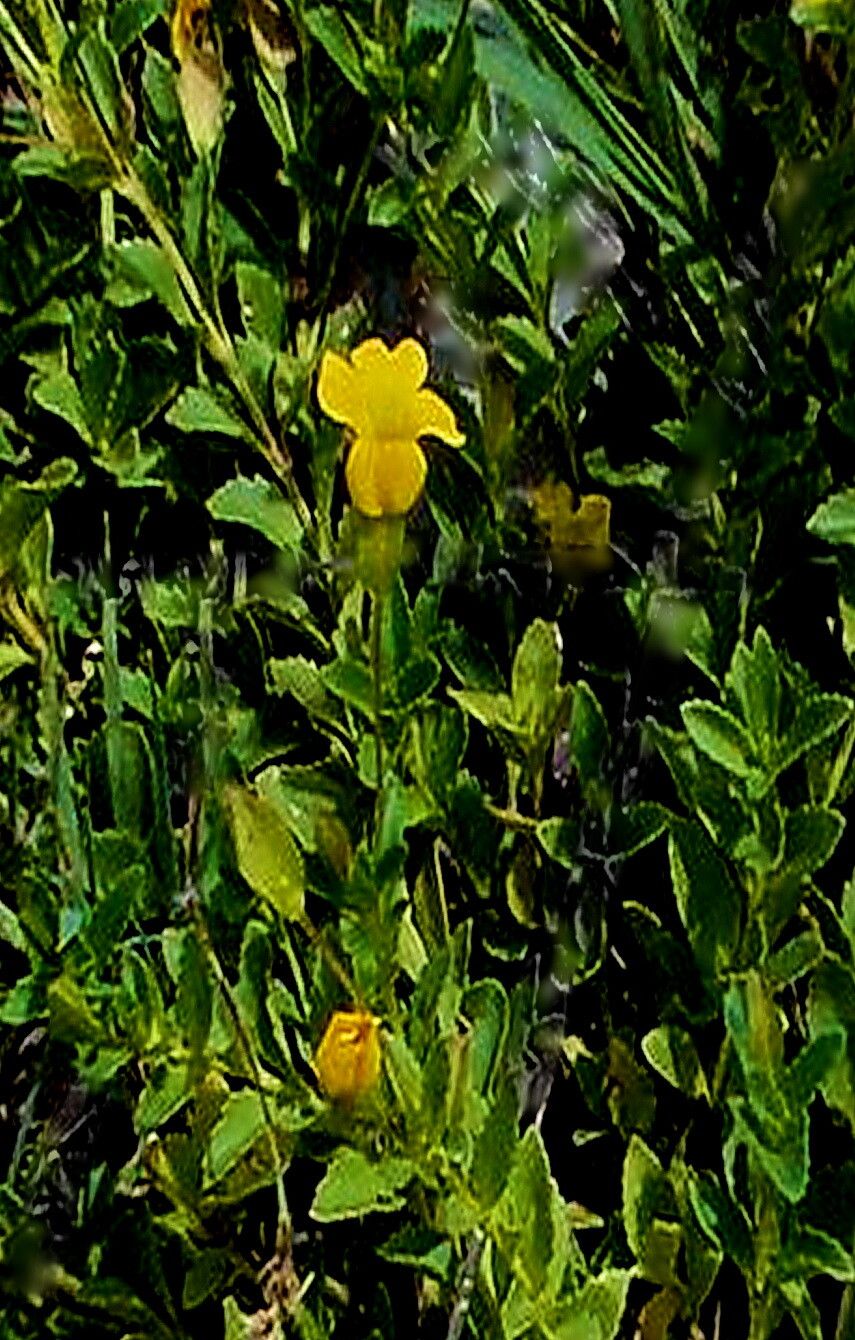
Mecardonia procumbens (also known as yellow-flowered waterhyssop), common name baby jump-up, is an annual or perennial herb native to tropical and subtropical regions of the Americas. It has become widely spread in warmer regions worldwide, and is now naturalised on all continents except Antarctica, in addition to most islands with suitable climates.
Baby jump-up has good resistance to disease and is generally not likely to suffer from illnesses. However, it can be affected by pests and diseases present in its environment. These problems are typically mild. Carewise, the plant needs moderate maintenance. It should be pruned regularly to preserve a tidy appearance and support healthy growth. Applying fertilizer can also encourage flowering. Baby jump-up is appropriate for anyone with outdoor space, such as a garden or patio, and does not require extensive care experience. It may need more attention when grown indoors.
How to keep Mecardonia Procumbens.
Light
Baby jump-up grows best when exposed to healthy, unfiltered sunlight. Its native habitat adapted it to tolerate the full strength of daylight, so very bright light does not impede its growth. However, insufficient sunlight can reduce its vigor and lead to stunted growth.
Water
Native to humid subtropical regions, baby jump-up thrives in moist environments and should be watered weekly to avoid waterlogging. It is best suited for outdoor cultivation, where natural rainfall aids its growth. This plant flourishes when it receives a balance of light and water during the growing season.
Temperature
Baby jump-up is a plant that comes from regions with moderate temperatures, favoring about 68 to 95 °F (20 to 35 ℃). It does best in warm seasons, but during colder periods it may need precautions such as protection or being kept indoors.
Fertilizer
The best time to fertilize a Baby jump-up is in early spring, when it is coming out of dormancy and beginning active growth. Fertilizing supplies essential nutrients needed for healthy development. Although Baby jump-up has comparatively low fertilizer requirements, applying fertilizer annually can improve its survival and encourage healthier, longer-lasting flowers.
Pruning
Baby jump-up is a low-growing perennial that features vibrant yellow flowers and lush green foliage. To encourage dense growth and abundant blooms, prune the plant in early spring. Regular deadheading and light pruning not only improve the plant's shape but also enhance air circulation and overall health. These practices help prevent disease and boost the plant's aesthetic appeal.
Botanical profile.
- Plant Type
- Herb
- Life Cycle
- Perennial, Annual
- Genus
- Mecardonia
- Family
- Plantaginaceae
- Hardiness Zone
- 9
- Mature Height
- 10 cm to 61 cm
- Mature Spread
- 23 cm
- Leaf Color
- Green, Blue
- Leaf Type
- Deciduous
- Flower Color
- Yellow
- Flower Size
- 1.52 cm
- Bloom Time
- Late spring, Summer, Fall
- Planting Time
- Spring, Autumn
- Harvest Time
- Summer, Fall, Early winter
- Native Area
- Belize, Honduras, Mexico, Guatemala, Peru, Panama, Jamaica, Colombia, Bahamas, Cuba, Bolivia, Venezuela, El Salvador, Nicaragua, Ecuador, Costa Rica
Other names.
Reader questions.
How should I water my Baby jump-up plant?
To properly water the Baby jump-up plant, it is recommended to use filtered water at room temperature or slightly warmer. Filtered water is preferable because tap water may contain harmful particles. The Baby jump-up plant prefers warmer environments, so using cold water can be a shock to its system. It is also advised to avoid overhead watering to prevent foliage complications. Instead, water the plant by applying filtered room temperature water directly to the soil until it is completely soaked. This helps moisturize the roots and supports their spread through the soil to collect essential nutrients.
What are the sunlight requirements for Baby jump-up plants?
Baby jump-up plants thrive with full sun, which is defined as receiving above 6 hours of sunlight daily. It's crucial to observe the movement of sunlight through your garden to identify spots that ensure a balance of light and shade, promoting the plant's health. Originating from environments rich in sunlight, these plants are accustomed to the full strength of daylight. Substantial illumination enhances their growth, while insufficient sunlight could impede their development, leading to stunted growth.
What is the ideal temperature range for Baby jump-up to thrive?
Baby jump-up, scientifically known as Mecardonia procumbens, flourishes in environments with moderate temperatures, ideally between 68 to 95°F (20 to 35°C). This plant thrives best during warm seasons but may need protective measures or to be moved indoors in colder conditions.
What should I do if I give my Baby jump-up too much or too little water?
Overwatering is a more common problem than underwatering for the health of your Baby jump-up plant. When the plant gets too much water, its stems and leaves may wilt and turn yellow. Prolonged overwatering can also lead to diseases like root rot, mold, and mildew, which can be fatal for the plant. Underwatering is less common because the Baby jump-up has good drought tolerance. However, if it occurs, you will notice brittle and brown leaves. It's important to recognize the signs of overwatering early and take action promptly. Some diseases caused by overwatering, like root rot, may not be reversible if you wait too long. If you see early signs, reduce your watering immediately and check the soil quality. If the soil doesn't drain well, replace it with a loose, well-draining potting mix. On the other hand, if you see signs of underwatering, simply water the plant more regularly until the signs improve.
How do artificial lights support Baby jump-up plant growth indoors?
In conditions where natural sunlight is inadequate, especially in winter or in spaces that receive less sunlight, artificial lighting serves as a vital solution for Baby jump-up plants. Proper artificial lighting, such as LED lights which can be customized to the plant's light wavelength needs, supports optimal growth. For full sun plants, 30-50W/sq ft of light is recommended, 20-30W/sq ft for partial sun plants, and 10-20W/sq ft for full shade plants. The light source should be placed 12-36 inches above the plant, mirroring natural sunlight conditions, with an exposure duration of 8-12 hours daily.
Does Baby jump-up have any cold tolerance?
Yes, Baby jump-up has a moderate tolerance to cold, generally not requiring any additional measures when the temperature remains above 0°C. However, if temperatures are expected to drop below 0°C, it is necessary to implement temporary cold protection strategies. This can include wrapping the plant with plastic film, fabric, or other materials, which should be removed once temperatures rise again.
How often do I need to water my Baby jump-up plant?
When determining if your potted Baby jump-up plant needs water, the most accurate method is to stick your finger in the soil. If the top two to three inches of soil are dry, it's time to water it. If you are growing your Baby jump-up plant in the ground outdoors, you can use a similar method to test the soil. Again, if the top few inches of soil have dried out, it's time to water it. Generally, during spring and early fall, watering once a week should suffice. However, during extremely hot weather, you may need to water it twice a week or more. Nevertheless, mature, well-established Baby jump-up plants can tolerate drought well.
What are common symptoms of insufficient light in Baby jump-up plants?
When Baby jump-up plants are exposed to insufficient light, several symptoms can arise. Small, underdeveloped leaves and leggy or sparse growth are common, indicating the spaces between leaves or stems have elongated, weakening the plant's structure. Early leaf shedding, halted or no new growth, and pale or irregularly colored new leaves might occur, illustrating depleted energy. Chlorosis, sunscald, leaf curling, wilting, and leaf scorching are also symptoms, affecting the plant's ability to photosynthesize and maintain hydration, and resulting from poor lighting conditions.
How should you care for Baby jump-up in low temperatures?
Baby jump-up can tolerate low temperatures to an extent and performs best when temperatures are above 20°C. During winter, it should remain above 0°C. If temperatures fall below -5°C, the leaves might droop and, if conditions are severe, wilt and fall off. To protect the plant, trim off frost-damaged parts, wrap it with non-woven fabric or cloth, and construct a wind barrier to guard against cold wind.
How much water does my Baby jump-up require?
To properly water your Baby jump-up, don't hold back on how much water you use. Make sure the top two to three inches of soil are dry before watering. Give the plant a good soaking, enough to saturate the soil completely. The water should flow out of the drainage holes at the bottom of the pot. If you don't see excess water draining, it means you haven't watered enough. However, be careful not to let water accumulate in the soil, as this can harm the plant. On the other hand, if water isn't draining properly, it could mean the soil doesn't drain well, which is bad for the plant's health. If the plant is outside, one inch of rainfall per week is sufficient.
What steps can be taken to alleviate light-related issues for Baby jump-up plants?
To ensure Baby jump-up plants receive adequate sunlight, gradually transition them to sunnier spots, aiming for a minimum of 6 hours of direct sunlight daily. For indoor plants difficult to move, consider artificial lighting solutions, keeping lamps on for at least 8 hours a day or utilizing professional plant grow lights. Outdoors, avoid abrupt changes in sunlight exposure to prevent sunburn. Reducing obstructions, such as pruning surrounding foliage, or transplanting to brighter locations with good drainage during dormant periods, can significantly boost the plant's access to sunlight. It's important to note that while affected parts may not recover, new growth should flourish under improved lighting.
What steps should be taken for Baby jump-up in high temperatures?
In summer, it's crucial to ensure Baby jump-up is kept below 35°C to prevent stress. Exceeding 38°C can cause the leaves to lighten in color, develop dry and withered tips, curl, and increase susceptibility to sunburn. To mitigate damage, trim away sunburned and dried parts of the plant, relocate it to a shaded area or use a shade cloth during the midday and afternoon sun, and water it in the morning and evening to maintain moist soil.