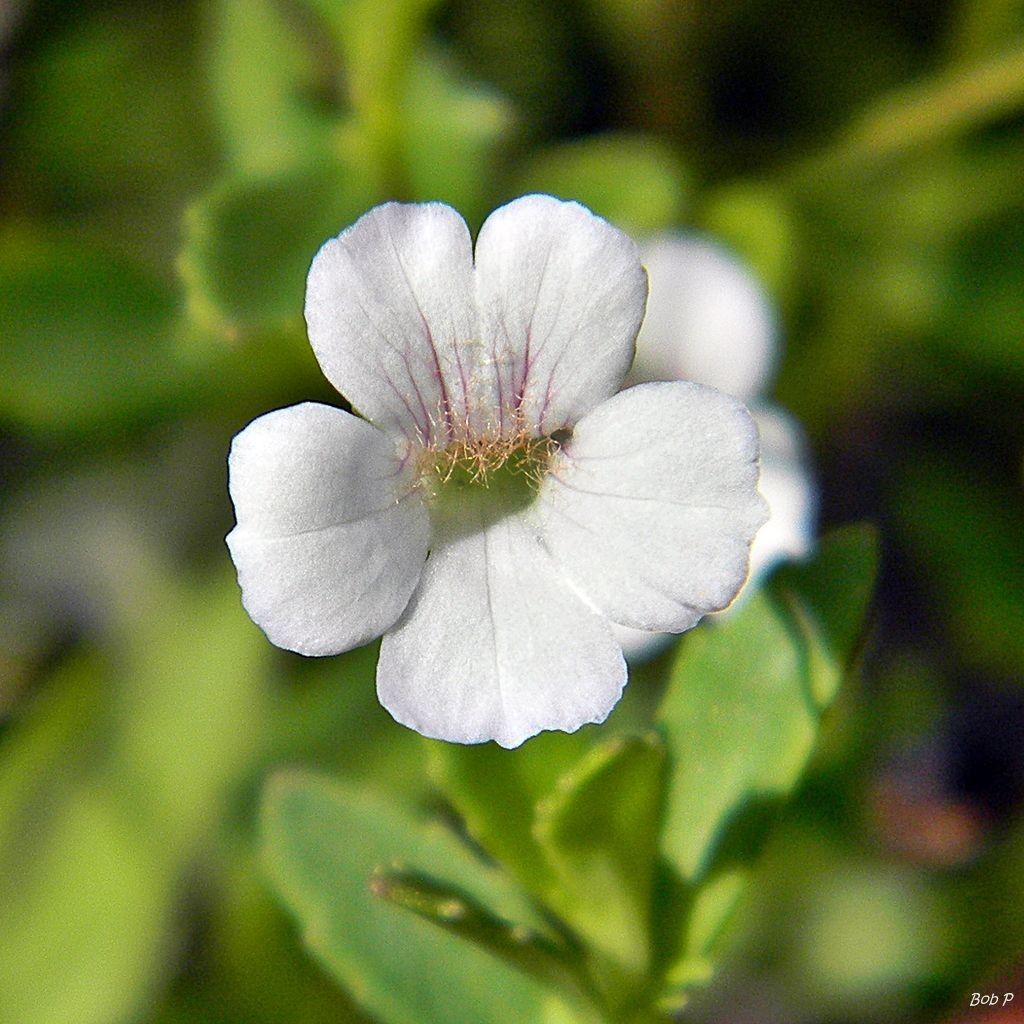
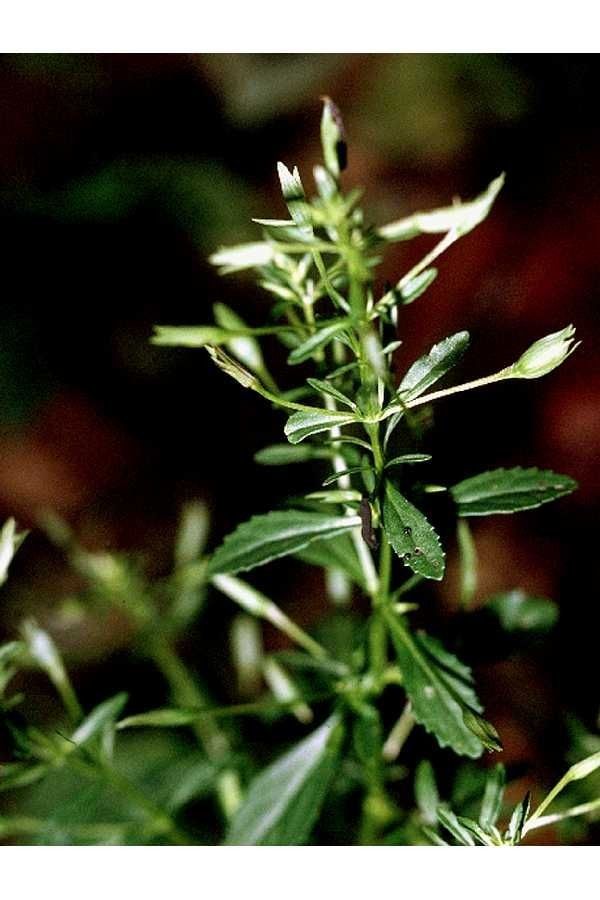
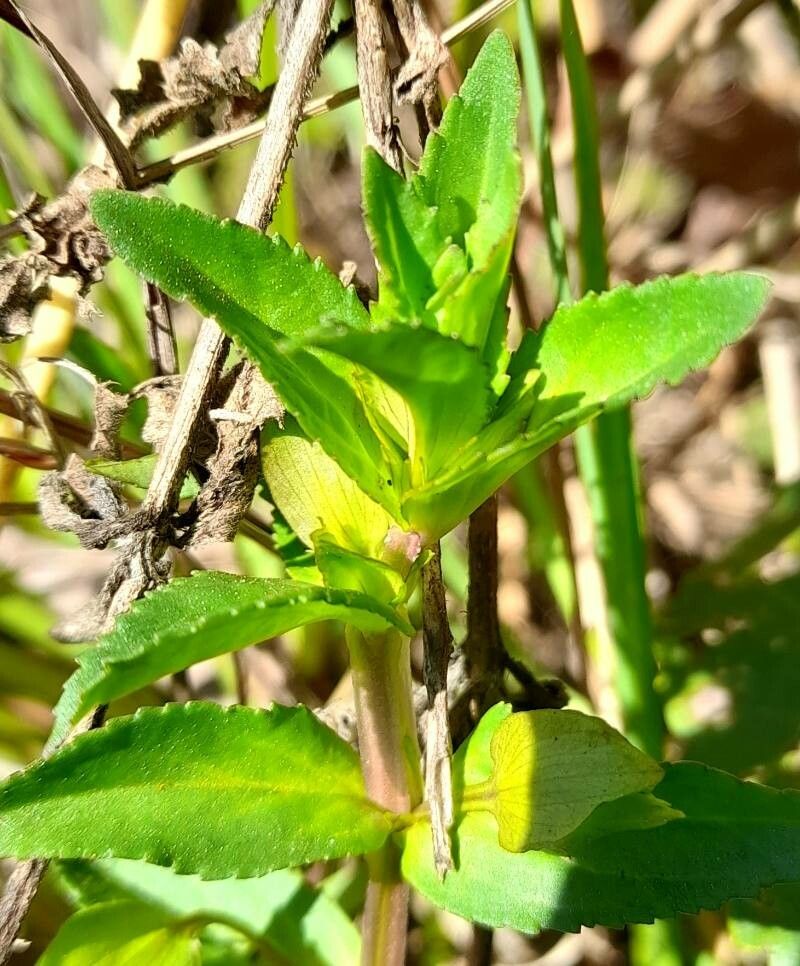
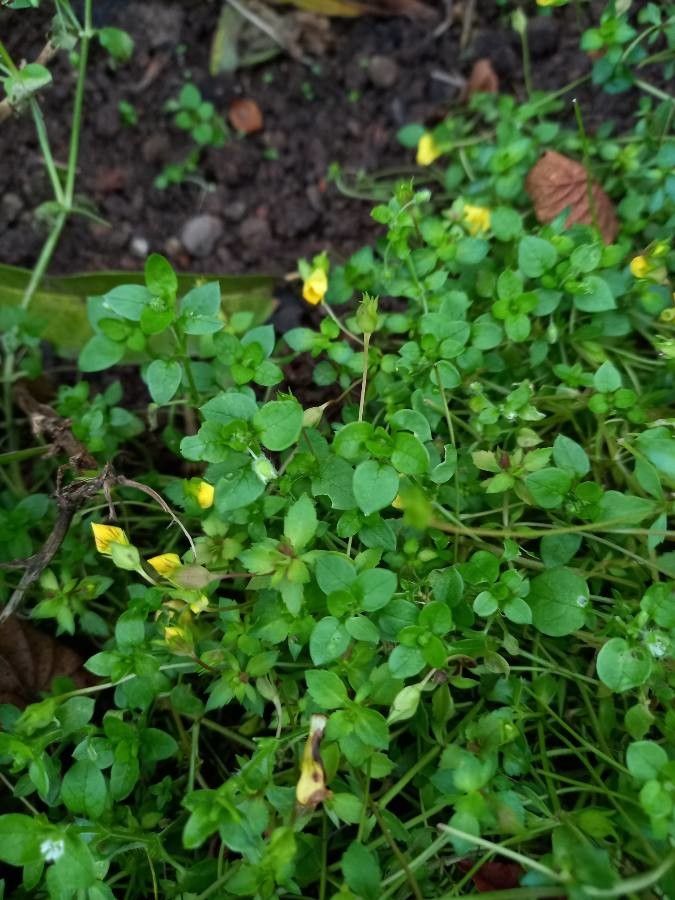
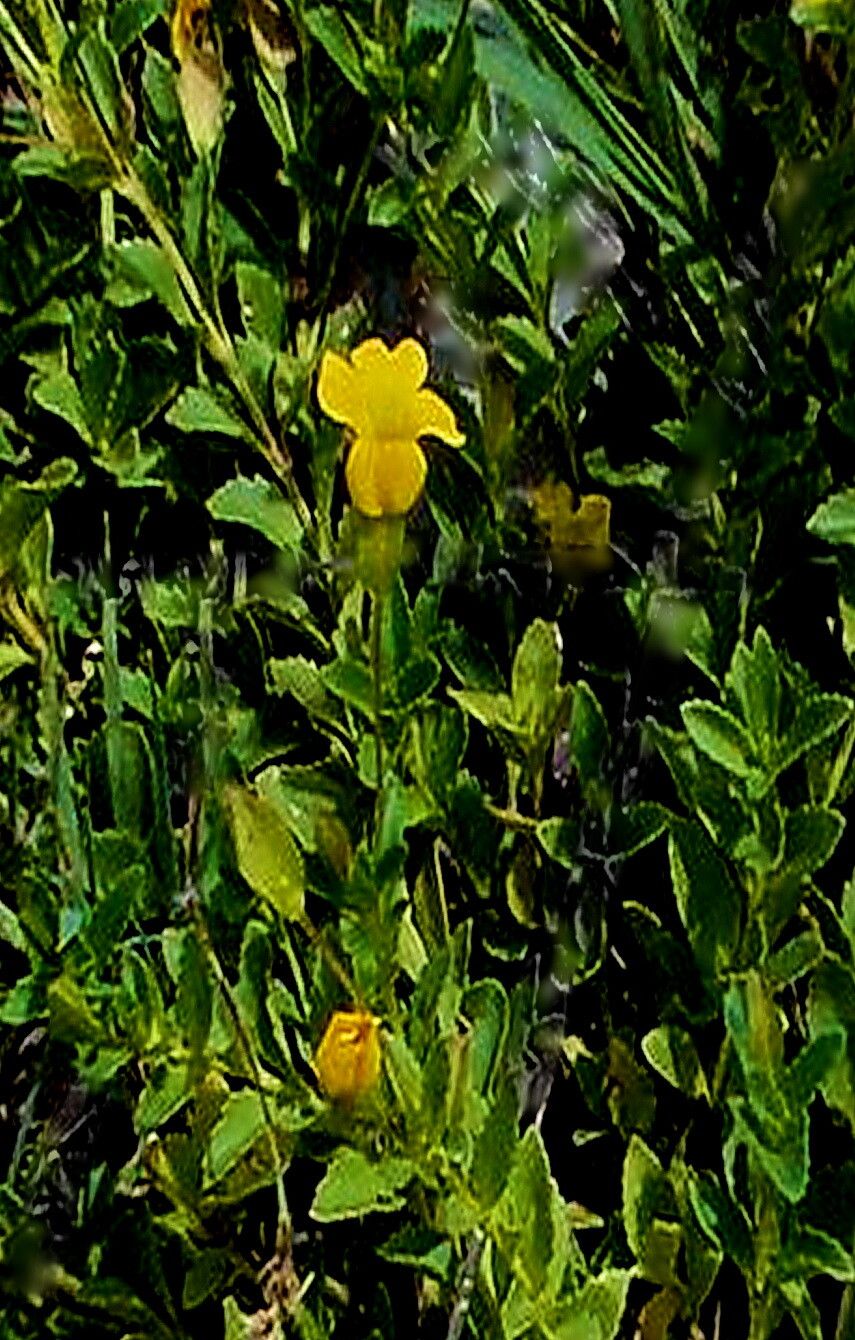
Mecardonia acuminata, commonly known as the common axil-flower, pond axil-flower, or Florida axil-flower, is a perennial wildflower found in North America.
Axilflower has strong disease resistance and is generally unlikely to suffer from illnesses. Still, it can be affected by pests and diseases present in its environment. These problems are typically mild. Regarding care, this plant needs a moderate level of attention. It should be pruned regularly to preserve a neat appearance and healthy growth. Applying fertilizer can also encourage blooming. Axilflower is appropriate for anyone with outdoor space, such as a garden or patio, and does not demand extensive gardening experience. It may need extra care when cultivated indoors.
How to keep Mecardonia Acuminata.
Light
Axilflower is a sun-loving perennial herbaceous plant that comes from open habitats and commonly thrives in meadows and grasslands. It prefers full sun but can also tolerate partial sun.
Temperature
Axilflower shows good temperature adaptability, capable of withstanding higher heat and substantial temperature fluctuations. In hot conditions, you should watch its watering and provide appropriate shading to avoid sunburn. Its cold tolerance is comparatively limited; while it can endure some chill, very low temperatures can cause frost damage.
Fertilizer
The best time to fertilize an Axilflower is in early spring, as it exits dormancy and begins active growth. Fertilizing supplies essential nutrients for healthy growth. Although Axilflower has relatively low fertilizer requirements, an annual application can improve its survival and produce better, longer-lasting flowers.
Pruning
Axilflower is known for its vibrant yellow blooms and trailing growth pattern. To encourage bushiness, prune in early spring, and regularly trim leggy stems and remove dead foliage. This not only boosts airflow but also helps prevent disease. During the blooming period, avoid heavy pruning; instead, pinch the tips to promote fuller growth. Remember to always sterilize your tools to prevent infections.
Botanical profile.
- Plant Type
- Herb
- Life Cycle
- Perennial
- Genus
- Mecardonia
- Family
- Plantaginaceae
- Hardiness Zone
- 7-11
- Mature Height
- 10 cm to 30 cm
- Mature Spread
- 20 cm to 40 cm
- Leaf Color
- Green, Dark Green
- Leaf Type
- Evergreen
- Flower Size
- 1.02 cm to 1.52 cm
- Bloom Time
- Summer, Fall
- Planting Time
- Spring, Summer, Autumn
- Harvest Time
- Late summer, Fall, Early winter
Other names.