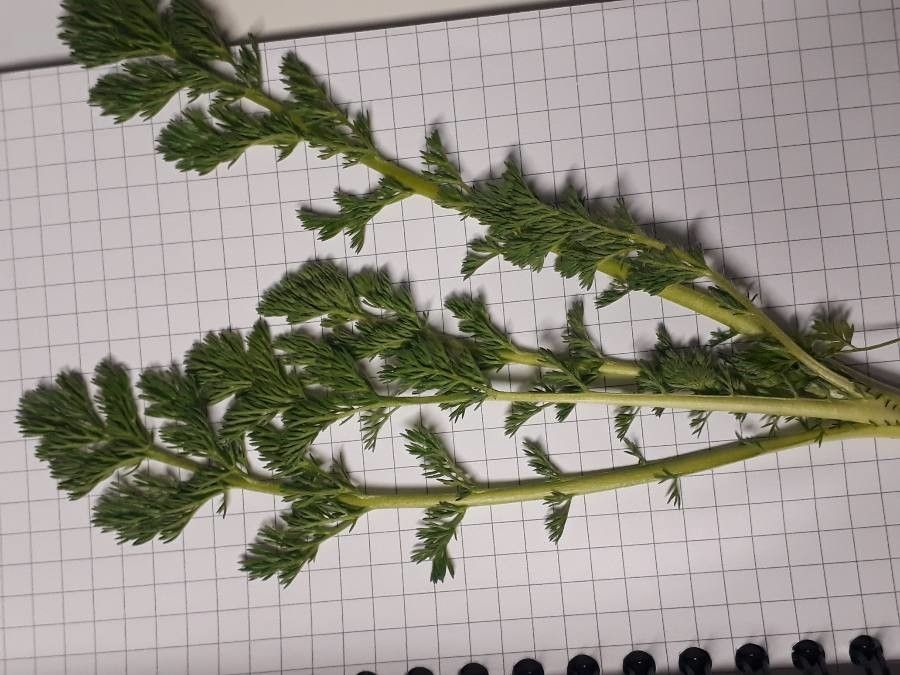
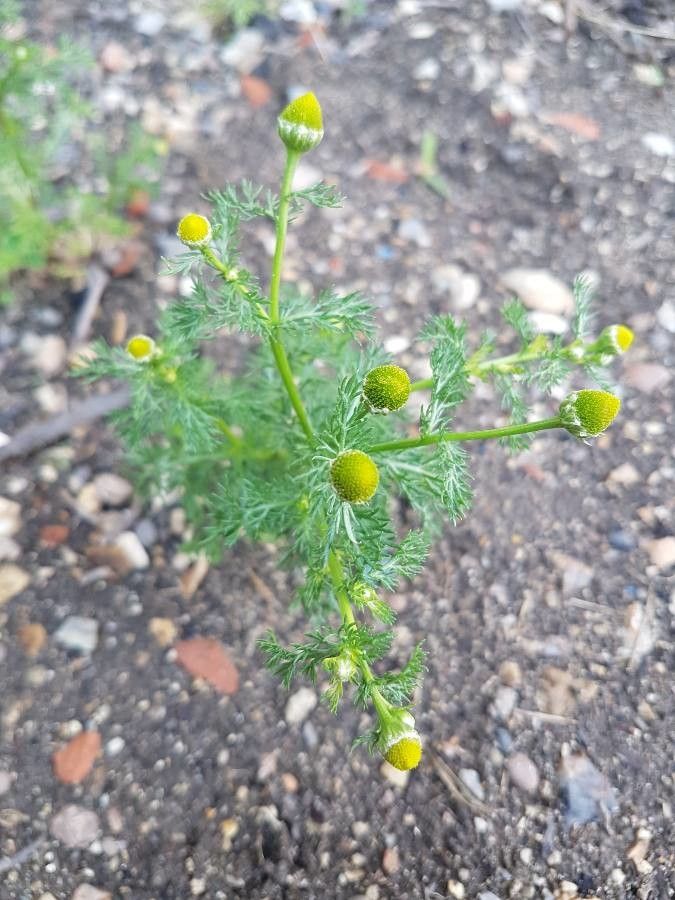
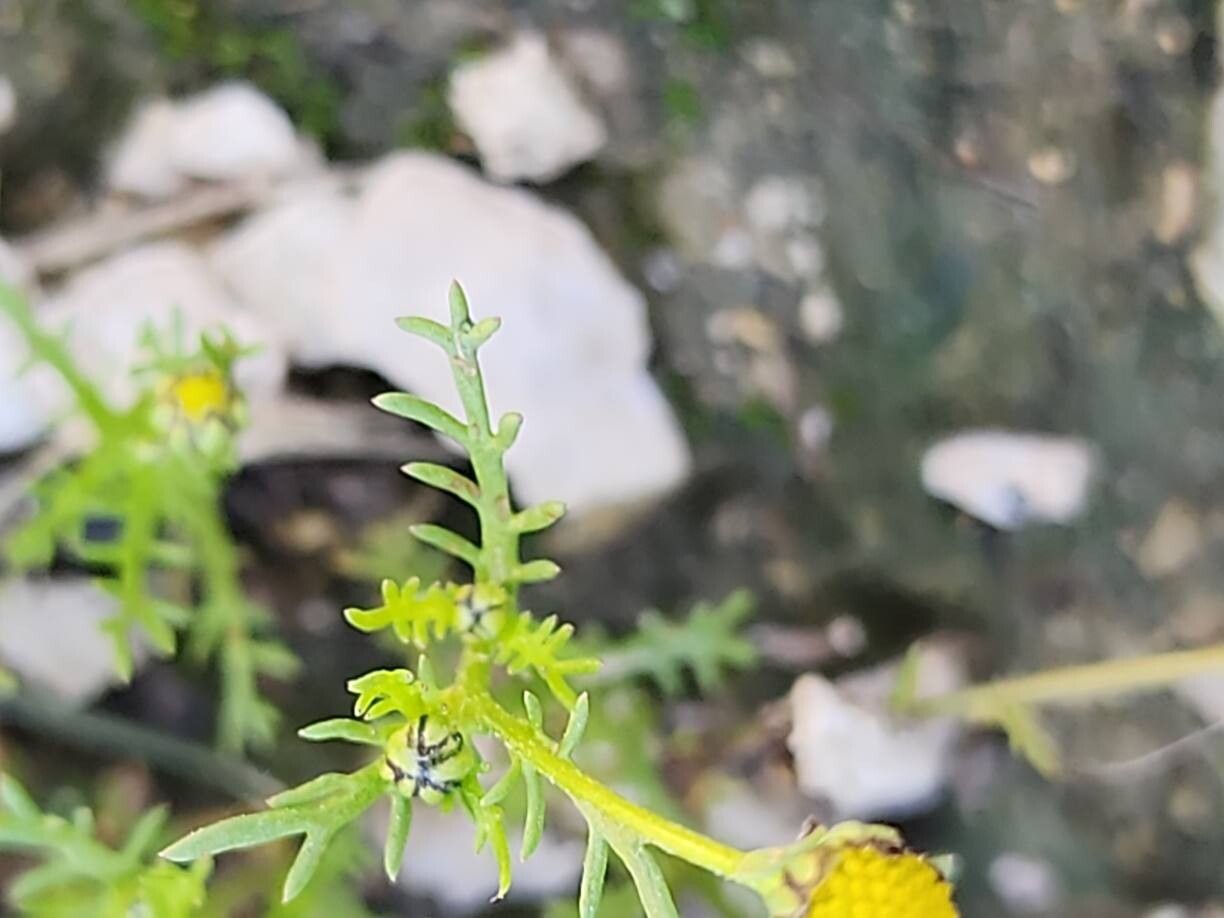
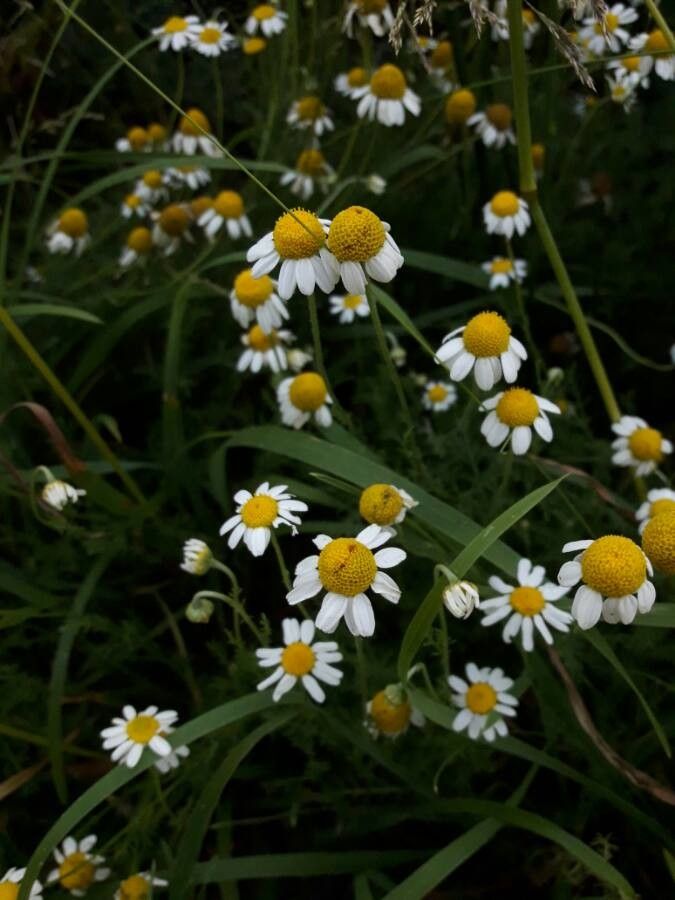
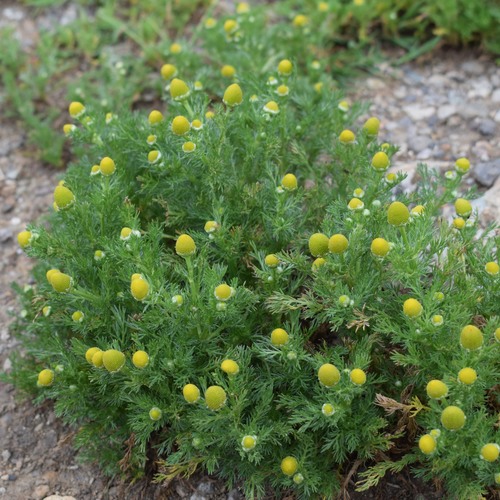
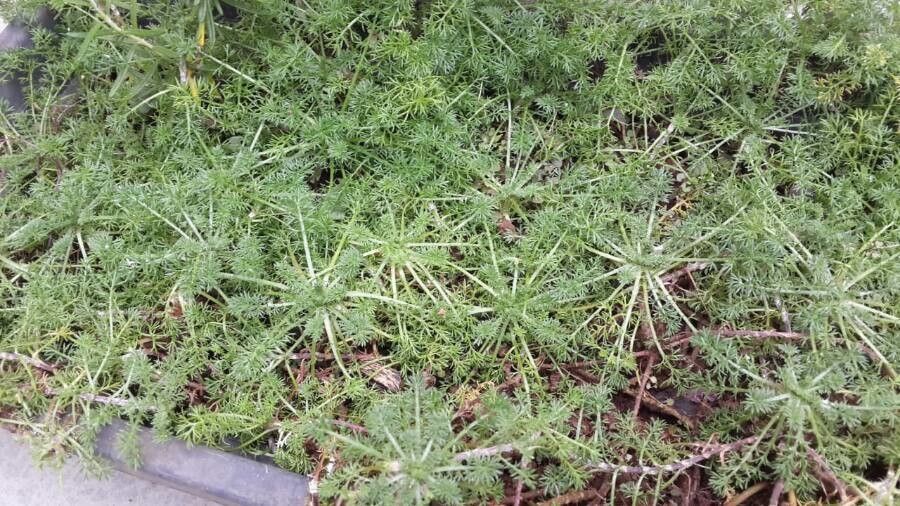
Matricaria suaveolens may refer to:
Matricaria suaveolens L. = Matricaria chamomilla L. Matricaria suaveolens (Pursh) Buchenau, non L. = Matricaria discoidea DC.
German chamomile is fairly disease-resistant and is generally not prone to illnesses. However, it can be vulnerable to pests and diseases present in its environment. Such infections are typically not serious. In terms of care, this plant needs a moderate amount of maintenance. It should be pruned regularly to preserve a tidy appearance and support healthy growth. Fertilizing can also help encourage flowering. German chamomile is appropriate for anyone with outdoor space, like a garden or patio, and does not demand extensive care experience. It may need more attention if grown indoors.
How to keep Matricaria Suaveolens.
Light
German chamomile thrives best in locations that enjoy plenty of daily sunlight, due to its origins in open spaces. Although it can tolerate a quieter midday sun, its growth could be impeded in environments lacking sufficient light. However, an overexposure can also inflict stressful conditions.
Temperature
German chamomile originates from temperate weather conditions and is most content within a temperature spectrum of 68 to 95 °F (20 to 35 ℃). During periods of intense temperatures, minor modifications may be required to secure the plant's longevity and development.
Fertilizer
When the majority of blossoms on the German chamomile have fully unfurled, it's an appropriate time to recommence fertilization. Start a new fertilization cycle every three to four weeks as the climate allows, corresponding with the period of maximum flowering. Once the German chamomile begins to generate fewer fresh blossoms, cease fertilizing. There is no requirement for additional fertilization when the plant has reached its bloom production limit.
Pot & Repot
While transferring German chamomile to another pot, opt for a container that is 1-2 inches (2.5-5 cm) wider in diameter with adequate drainage. Employ a potting mix with excellent draining properties, and think about incorporating perlite for additional draining capacity. Carry out the repotting activity in the spring or the start of summer, then hydrate the plant completely and place it in a shaded spot for the initial period.
Botanical profile.
- Plant Type
- Herb
- Life Cycle
- Annual, Biennial
- Genus
- Matricaria
- Family
- Compositae
- Hardiness Zone
- 4-9
- Mature Height
- 30 cm to 40 cm
- Mature Spread
- 25 cm to 30 cm
- Leaf Color
- Green
- Leaf Type
- Deciduous
- Flower Color
- White, Yellow
- Flower Size
- 1.78 cm to 2.54 cm
- Bloom Time
- Late spring, Early summer, Mid summer
- Planting Time
- Spring
- Harvest Time
- Mid summer
- Native Area
- Egypt, Turkey, Sweden, India, Austria, Slovakia, Montenegro, Pakistan, Slovenia, Morocco, Croatia, Belarus, Uzbekistan, Russia, Iraq, Germany, Romania, Belgium, Moldova, Portugal, Netherlands, France, Tajikistan, Tunisia, Czech Republic, Cyprus, Bulgaria, Poland, Greece, Ukraine, Serbia, Lebanon, China, Norway, Afghanistan, Syria, Kyrgyzstan, Kazakhstan, Italy, Spain, Switzerland, Denmark, Mongolia, Finland, Iran, Albania, Ireland, United Kingdom, Hungary, Algeria, Azerbaijan