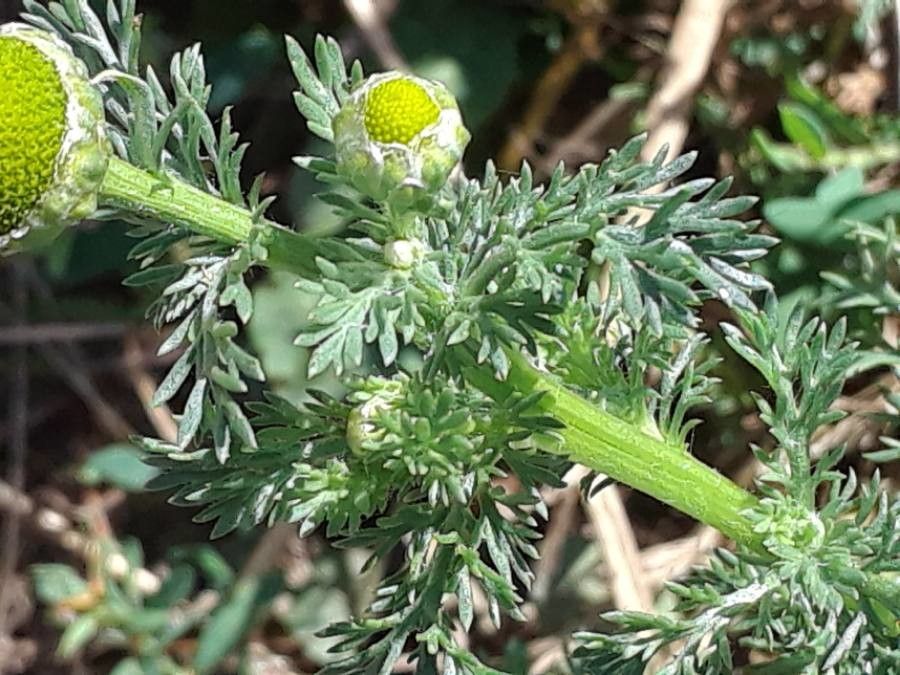
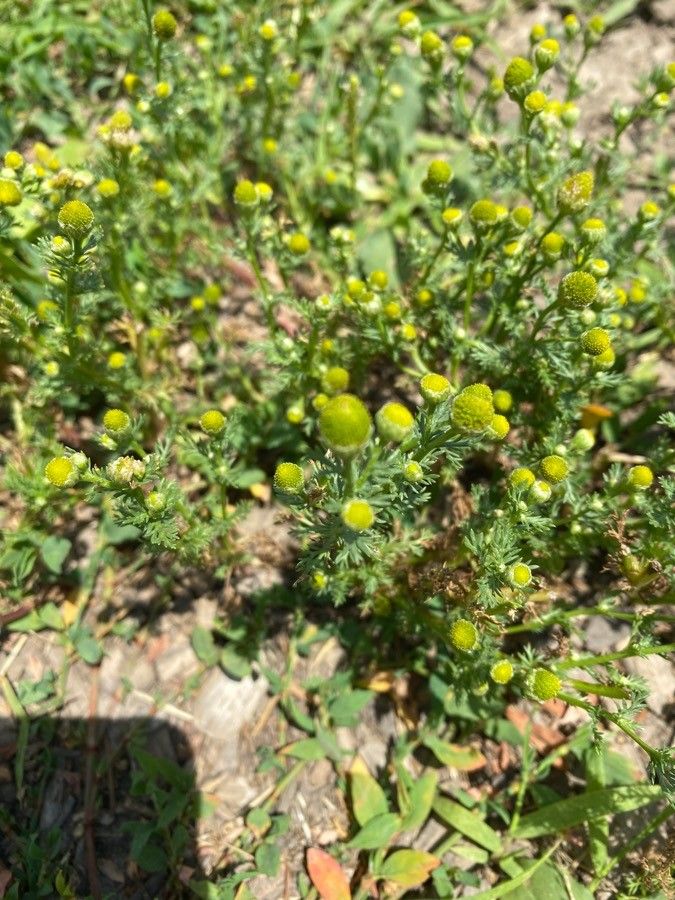
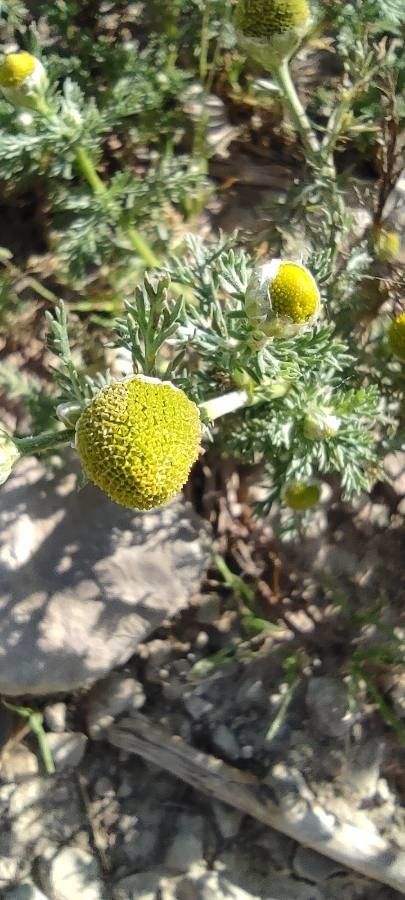
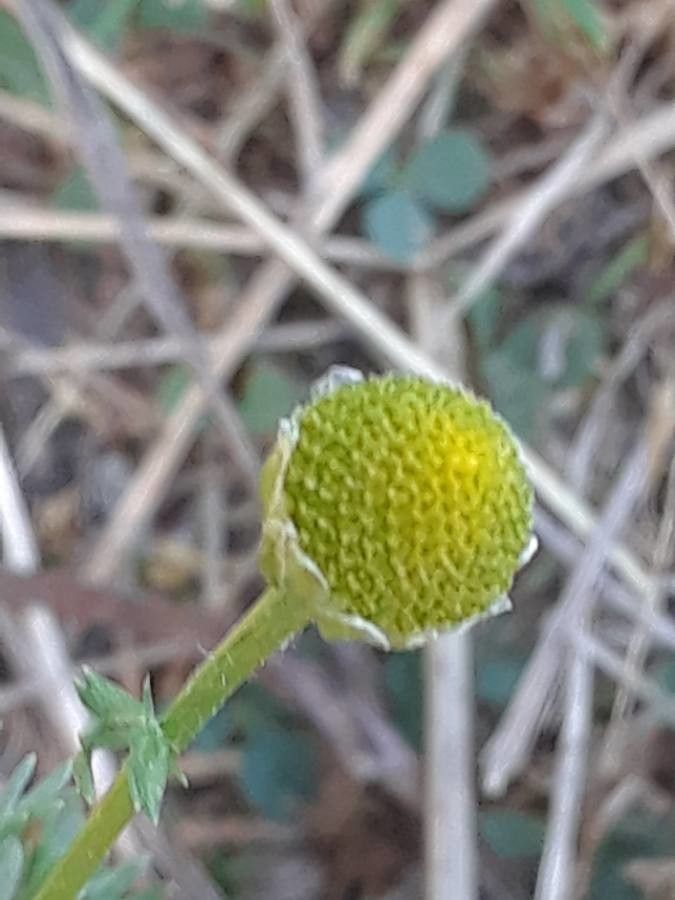
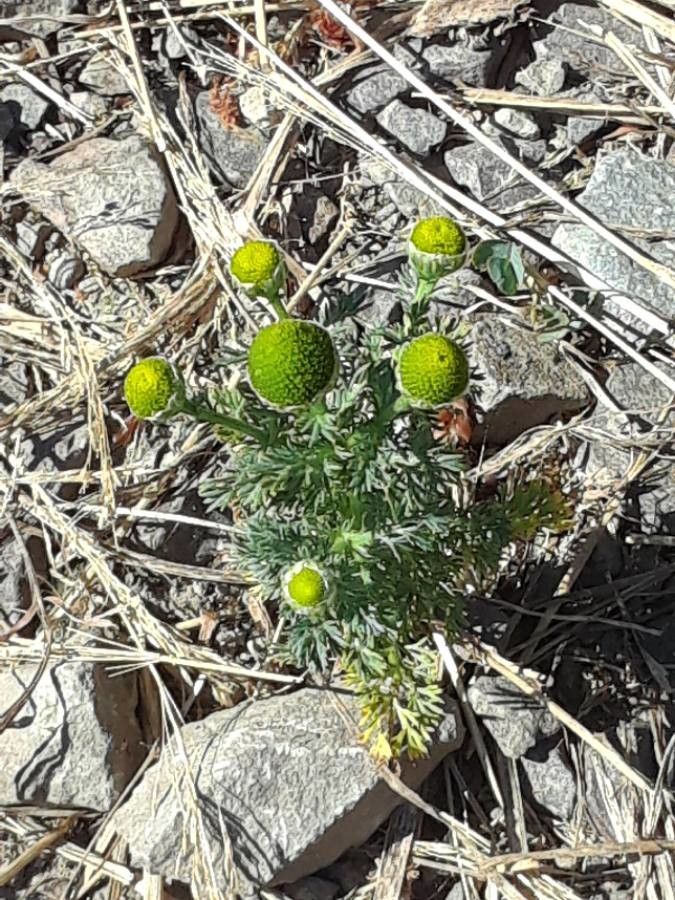
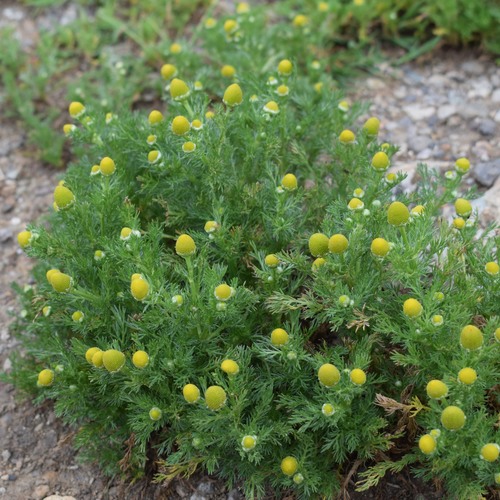
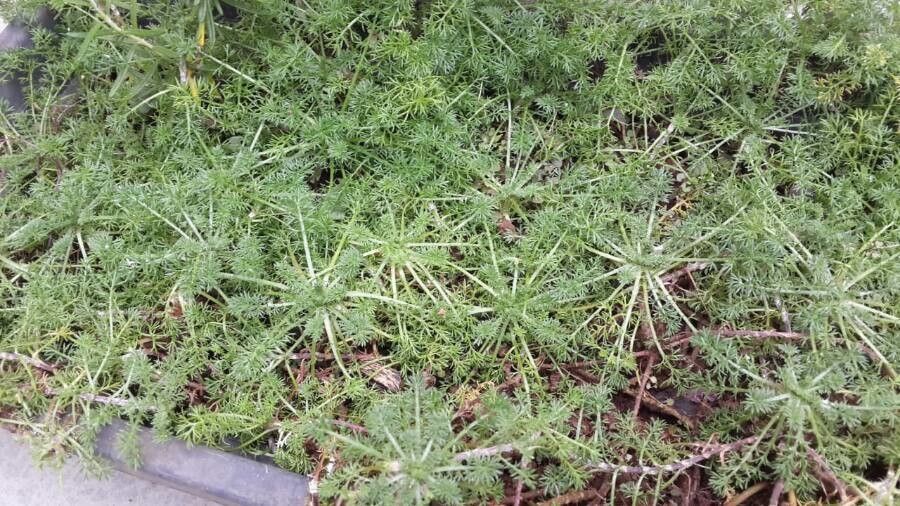
Matricaria occidentalis, commonly known as valley mayweed, is an annual plant native to North America. It is in the family Asteraceae.
Valley mayweed is fairly resistant to disease and typically does not suffer from many ailments. Nevertheless, it can be vulnerable to pests and diseases present in its surroundings. Such infections are generally mild. Regarding care, the plant needs moderate maintenance. Regular pruning is necessary to keep it looking tidy and to encourage healthy growth. Applying fertilizer can also help promote flowering. Valley mayweed is suitable for anyone with outdoor space, such as a garden or patio, and does not require extensive care experience. It may need extra attention if grown indoors.
How to keep Matricaria Occidentalis.
Light
Valley mayweed comes from bright, open habitats and does best in full sun. It can tolerate partial sun but favors direct sunlight for optimal growth. This plant, which can be annual or biennial, is known for its sun-loving nature.
Temperature
Valley mayweed can tolerate a wide range of temperatures, but its occurrence can still be constrained by particular combinations of moisture and heat. It performs best in warm summer climates when there is sufficient rainfall or irrigation. Extended periods of cloudy, rainy weather, as well as prolonged high temperatures, increase the chance of Valley mayweed dying. In winter, adequate protection from cold can boost the plant's survival chances.
Fertilizer
Valley mayweed benefits from regular, dilute applications of fertilizer to encourage healthy leaf growth. Fertilize Valley mayweed about once a month during the summer. Nitrogen is essential for foliage, and providing nitrogen-rich sources helps Valley mayweed thrive.
Pruning
To promote the health of valley mayweed, it's important to prune from early to late spring. Begin by removing dead stems and thinning crowded areas to improve air circulation. Light pruning helps maintain a compact shape and encourages vibrant blooms without causing stress from excessive cutting. Both timing and technique are crucial for ensuring the plant's optimal health.
Botanical profile.
- Plant Type
- Herb
- Life Cycle
- Annual
- Genus
- Matricaria
- Family
- Asteraceae
- Hardiness Zone
- 3-9
- Leaf Type
- Semi-evergreen
- Bloom Time
- Spring
Other names.