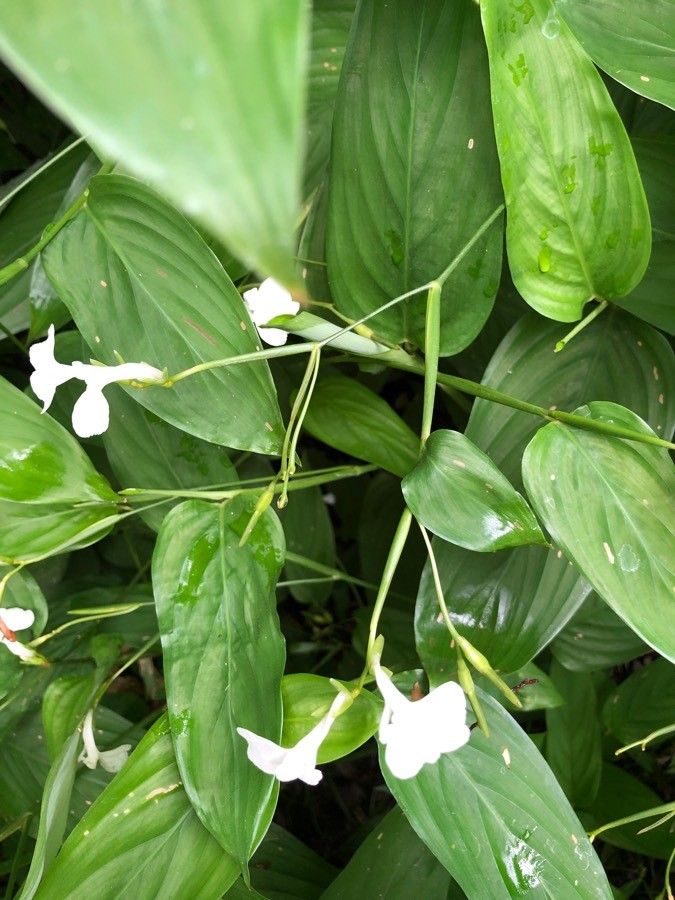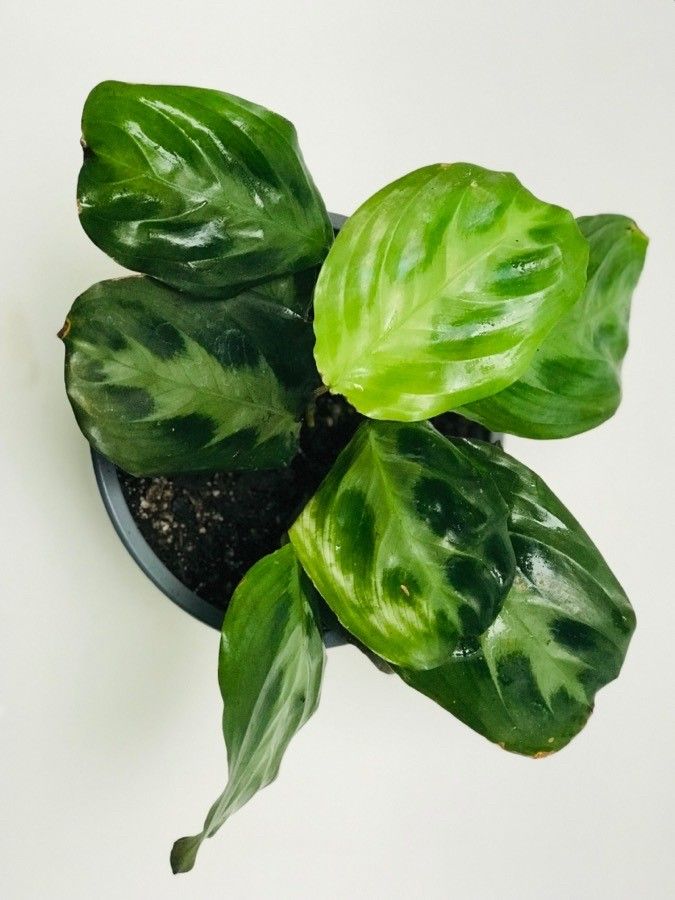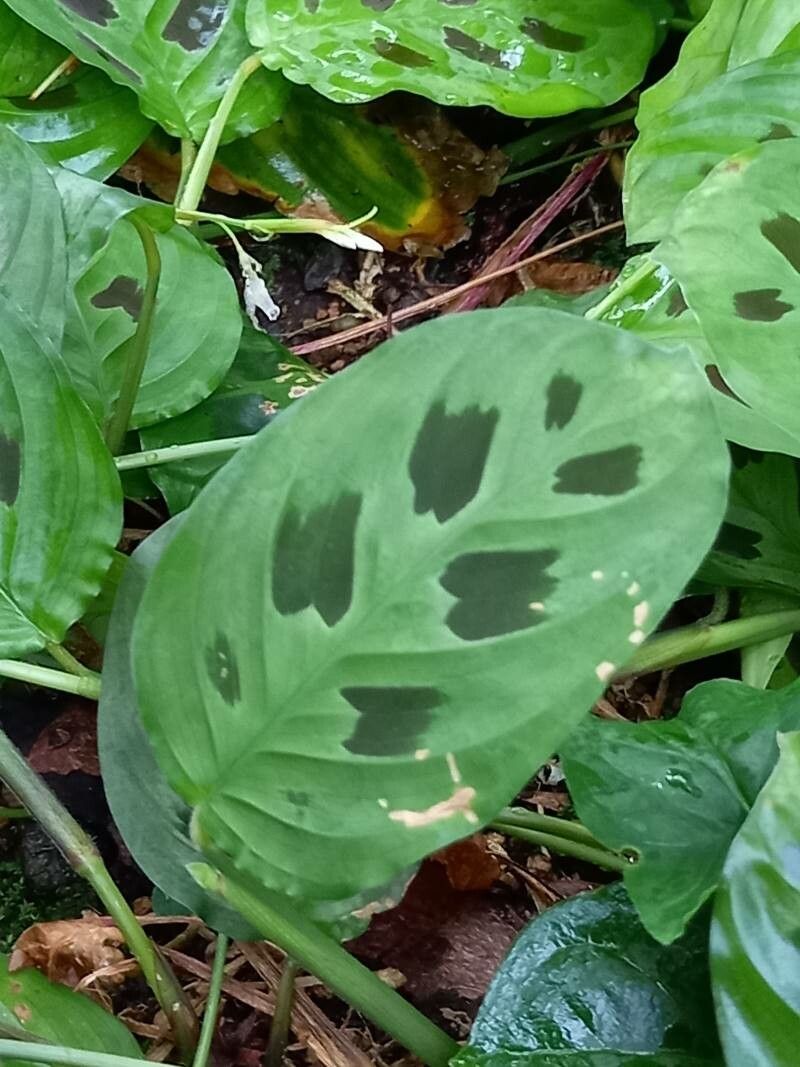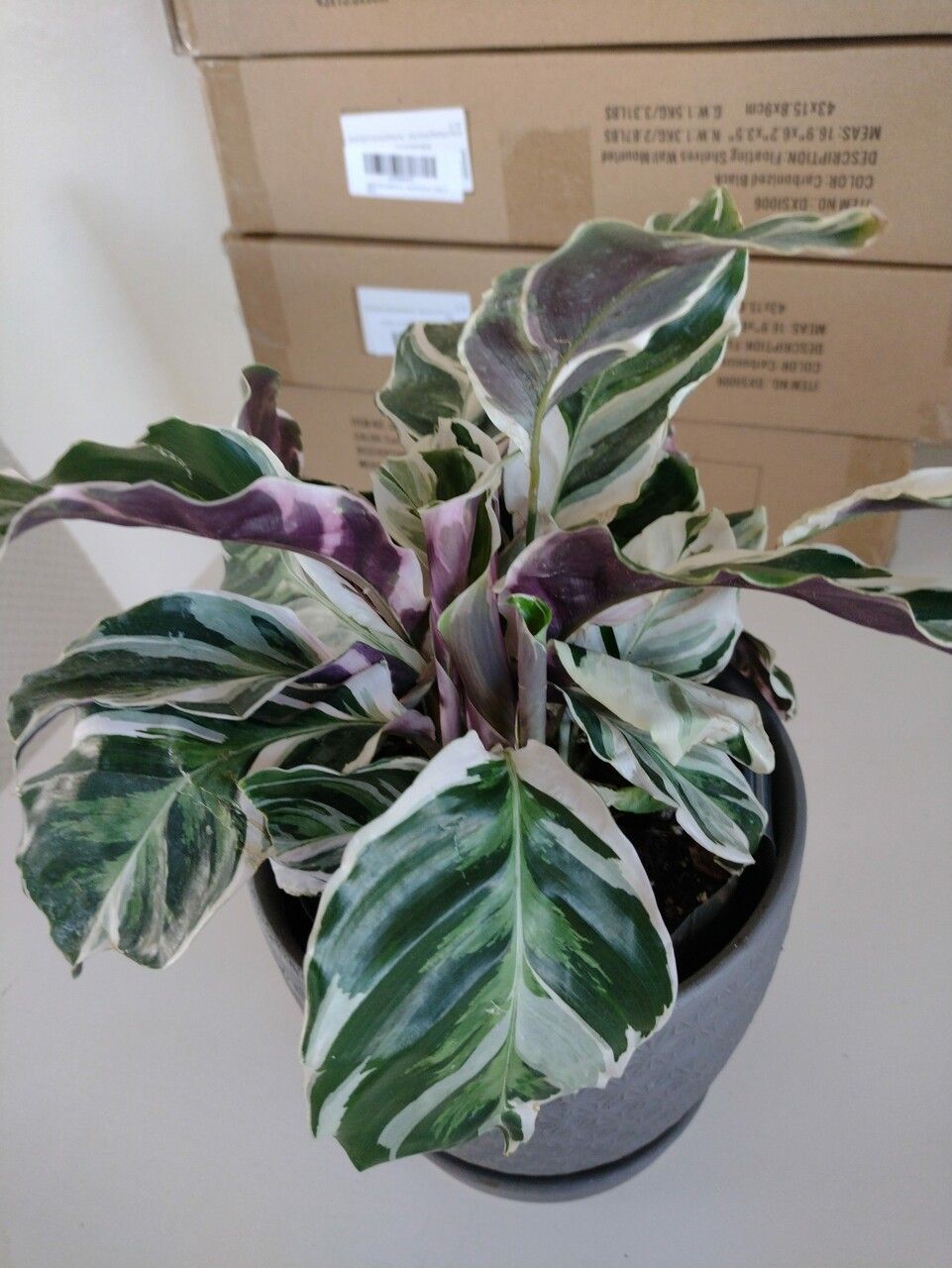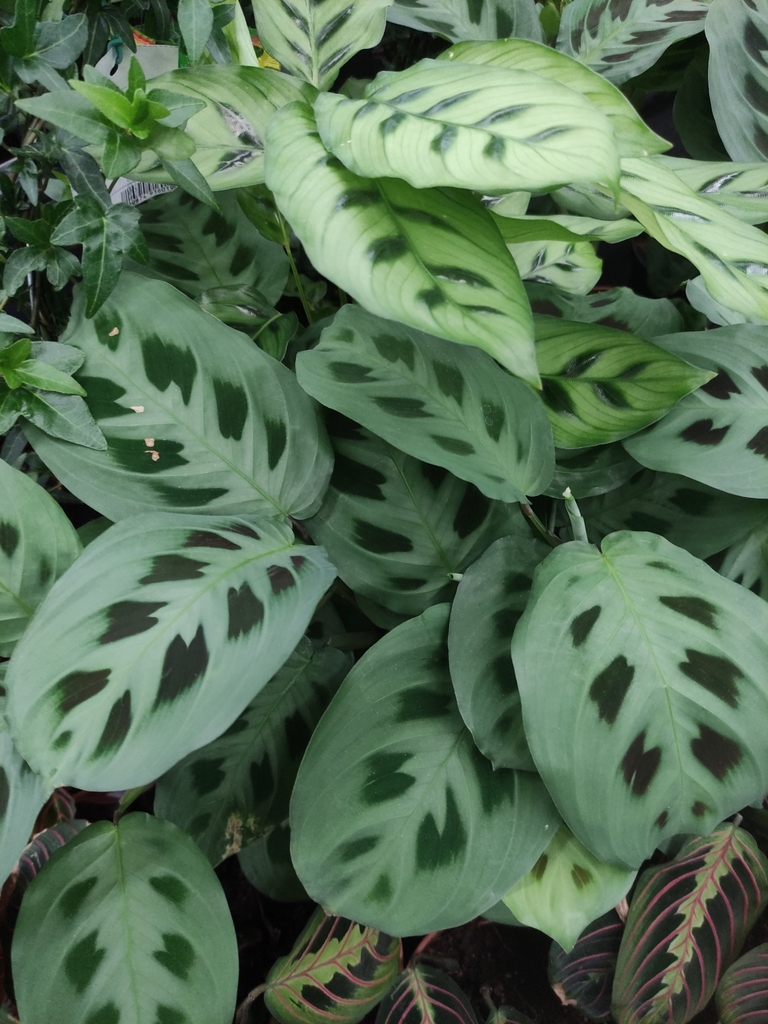
Maranta leuconeura, commonly known as the prayer plant, is a tropical species native to Brazil. Belonging to the Marantaceae family, this plant is renowned for its distinct foliage that folds up at night, resembling hands in prayer. Its oval-shaped leaves feature striking patterns in shades of green, red, and cream. The prayer plant can grow up to 12 inches tall and thrives in bright but indirect light. It also needs high humidity levels but can be sensitive to overwatering. Prayer plants are popular houseplants, admired for their unique appearance and ease of care. In some cultures, they are believed to bring good luck into the home.
The prayer plant is known for its unique behavior: during the day, its leaves lie flat, but at night, they stand upright. This peculiar movement, reminiscent of a person praying before bedtime, is what gives the plant its name.
Prayer plant has moderate resistance to disease but can be vulnerable to leaf spot disease. Its leaves may curl and dry out when humidity is low. The care level for this plant is considered difficult, as it requires high humidity and adequate ventilation to grow properly. These conditions can be challenging to achieve in ordinary indoor environments. Prayer plant is suitable for people who can provide high humidity conditions for it to grow, but even experienced growers may have difficulty getting it to thrive. Novices may be able to keep it alive, but it may not perform well.
How to keep Maranta Leuconeura.
Light
The prayer plant does best in areas with lower light, preferring settings similar to a dense canopy. Its sun exposure needs change slightly over its life cycle, with younger plants coping well with less light. Its native habitat is generally dim. Occasional moderate sunshine is tolerated, but intense sunlight or a prolonged lack of light can be harmful.
Water
Thriving in humid tropical forests, the prayer plant prefers consistent humidity and moderate moisture. It requires weekly watering and is typically grown indoors. To maintain its vibrant foliage year-round, the prayer plant benefits from regular misting. Ensuring proper humidity is essential for its health, as it helps prevent issues like waterlogged roots and dry spells.
Humidity
This plant needs special care because it loves high humidity levels of 60-80% or more. The best way to achieve this is by placing a humidifier near the plant. Daily misting is also essential! Make sure the room has good ventilation.
Temperature
The prayer plant originates from tropical areas, where temperatures range from 20 to 38 ℃ (68 to 100.4 ℉). It favors warm, humid conditions, ideally around 25 to 30 ℃ (77 to 86 ℉). In winter, it is advisable to keep it at temperatures between 18 to 21 ℃ (64.4 to 69.8 ℉) to prevent damage.
Fertilizer
The prayer plant needs the most fertilizer during its active growth phase, which occurs mainly in spring, summer, and early fall. Fertilization supplies essential nutrients that the soil may lack, encouraging healthy root and stem development and supporting the attractive foliage that is a key feature of this plant.
Pruning
To ensure your prayer plant thrives, it is best to prune it during early to late spring. Regularly removing dead leaves encourages healthier growth. Pinching back the stems not only makes the plant bushier but also improves air circulation, which helps reduce the risk of pests. Always use clean, sharp tools when pruning to prevent disease and maintain the plant's appearance.
Pot & Repot
When repotting a Prayer plant, pick a pot slightly larger than the current one that has good drainage. Repot during spring or fall, using a well-draining potting mix. Place the plant at the same depth as it was previously. Water thoroughly after repotting and put it in a warm spot with bright, indirect light. Avoid overwatering to prevent root rot.
Toxicity
Prayer plants are not toxic to people and pets.
Further reading →
The toxicity and danger assessments provided are for reference only. We do not assure their accuracy, so it's crucial not to depend on them. Seek professional advice when necessary for accurate guidance.
Botanical profile.
- Plant Type
- Herb
- Life Cycle
- Perennial
- Genus
- Maranta
- Family
- Marantaceae
- Hardiness Zone
- 10-12
- Mature Height
- 30 cm to 40 cm
- Mature Spread
- 30 cm to 37 cm
- Leaf Color
- Green, Red, White, Gray, Variegated, Silver
- Leaf Type
- Evergreen
- Flower Color
- White, Purple
- Flower Size
- 2.54 cm
- Bloom Time
- Summer
- Planting Time
- Spring, Summer, Autumn, Winter
- Harvest Time
- Late summer, Fall
- Native Area
- Brazil, Colombia, Venezuela
Other names.
Reader questions.
When Should I Water My Prayer Plant?
Watering your prayer plant properly is key to its health, growth, and the vibrancy of its foliage. You should water the plant when the top 1 to 2 inches of soil feel dry to the touch. Look for signs like wilting, yellowing, or browning leaves, and dry soil surface as indicators that it's time to water. Be mindful of seasonal changes, as your plant may need more frequent watering during warm, sunny periods. However, avoid over-watering to prevent risks such as root rot and fungal infections, and be cautious not to wait too long to water, as this can lead to dehydration and potentially kill the plant.
Why is it necessary to use fertilizer on my Prayer plant?
The Prayer plant, like all plants, needs soil nutrients to grow. However, the soil might not always have all the required nutrients. To address this, fertilization and soil amendments are necessary to provide the basic and specific nutrients the plants need. Specifically, the Prayer plant needs fertilizer to support healthy root and stem development throughout the growing season. Additionally, fertilization helps the plant produce beautiful leaves, which are its main decorative feature.
What are the sunlight requirements for a Prayer Plant?
Prayer plants have specific sunlight requirements to thrive. They flourish in environments with less intense illumination, mirroring the dense canopy of their origin habitat. Younger plants can manage well with less exposure to sunlight, but all prayer plants generally prefer indirect light or partial shade. They can tolerate brief periods of direct sunlight, but prolonged exposure to harsh sunlight or extreme lack of light could be detrimental. It's recommended to provide about 3-6 hours of sunlight for partial sun conditions and to ensure the plant is placed in spots that offer a balance of light and shade throughout the day.
What is the ideal temperature range for a Prayer plant?
The Prayer plant thrives in tropical climates, ideally requiring temperatures between 20 to 38°C (68 to 100.4°F). It prefers warm and humid environments, with optimal temperatures around 25 to 30°C (77 to 86°F). During winter, maintaining temperatures between 18 to 21°C (64.4 to 69.8°F) is recommended to prevent damage. It's important to keep the plant above 20°C to promote growth and avoid exposure to temperatures near or below 5°C, which can be detrimental.
How Should I Water My Prayer Plant?
To water your prayer plant correctly and avoid over-watering, the bottom-watering method is highly recommended. This technique entails placing your plant in a tray of water to allow it to absorb moisture from the bottom up. It ensures the roots are adequately moistened without saturating the soil's surface. An alternative method is misting to maintain the natural humidity around the plant; however, ensure the mist is fine and avoids direct foliage application. Use tools like a moisture meter to more accurately determine when your plant needs water, and always water at the plant's base with room temperature water to avoid leaf damage or root shock.
When should I fertilize my Prayer plant?
A Prayer plant requires the most fertilizer when it is actively growing, usually during the spring, summer, and early fall months. When winter ends, you should feed your Prayer plant every two to four weeks. Keep up this feeding schedule until fall arrives. In the fall, you can gradually reduce the amount of fertilizer you give, completely stopping before winter when the Prayer plant's growth slows down.
How can artificial lighting benefit Prayer Plants, and what are the best practices?
Artificial lighting can be a vital solution for Prayer Plants, especially when natural sunlight is insufficient, like in winter or less sunny spaces. It promotes faster, healthier growth by mimicking natural sunlight. LED lights are an excellent choice as they can be tailored to provide specific wavelengths needed by plants. For optimal growth, full sun plants require 30-50W/sq ft, partial sun plants 20-30W/sq ft, and full shade plants 10-20W/sq ft of artificial light. The light source should be placed 12-36 inches above the plant and provided for 8-12 hours daily to mimic natural daylight hours.
How should I care for my Prayer plant during different seasons?
In the warmer months, ensure your Prayer plant is kept in conditions reflecting its native tropical habitat, with temperatures not exceeding 38°C (100.4°F) to avoid high temperature stress. When winter approaches, transition the plant indoors if previously outside, placing it near a well-lit window but at a safe distance from direct heat sources. It's crucial to maintain an indoor environment with temperatures above 20°C during the colder season. Avoid cold drafts and freeze conditions, as these can significantly harm the Prayer plant.
How Much Water Does Prayer Plant Really Need?
The amount of water a prayer plant needs can vary based on factors such as the pot size, root depth, and plant size. A general rule for a standard 6-inch pot is about half a cup of water, but this should be adjusted depending on the plant's size. Look for signs of proper hydration like vibrant, green leaves and a healthy root system. Over or under-watering can lead to issues such as root rot or stunted growth, so always ensure the water reaches down to the base of the pot and avoid letting the water sit on the surface.
When is it not a good idea to fertilize my Prayer plant?
For most of the year, including spring, summer, and most of the fall, it is recommended to regularly feed your Prayer plant. However, there are exceptions. If you notice that your Prayer plant has received too much fertilizer or has been fertilized improperly, causing fertilizer burn or other issues, you should address those before resuming regular feeding. During winter, when the plant enters a dormant phase, it is important to refrain from fertilizing. This is especially true if you grow the plant indoors in a cold climate, as feeding it during this period will not help its growth and may cause fertilizer burn.
What are the common symptoms of improper lighting in Prayer Plants, and how can they be addressed?
Improper lighting can lead to several symptoms in Prayer Plants, including slower or halted growth, lighter-colored new leaves, chlorosis, sunscald, leaf curling, wilting, and leaf scorching. To address these issues, indoors, ensure the plant receives ample filtered light with brief periods of direct morning sunlight, ideally placed 1-2 meters away from a window, or use artificial light for at least 8 hours daily. Outdoors, gradually acclimate your plants to sunlight to avoid sunburn. For ground-planted ones, reduce obstructions like overhanging branches or consider transplanting to a sunnier location during the plant's dormant period. Note that parts of the plant damaged by insufficient light may not recover, but new growth should be healthy with improved lighting.
How do I manage temperature-related issues with my Prayer plant?
Temperature extremes can be detrimental to your Prayer plant. For low temperature stress, indicated by lightened leaf color and potential wilting or drooping post-frost, relocate the plant to a warm, indoor space. A south-facing window is ideal, though direct contact with heaters or air vents should be avoided to prevent air dryness. In case of high temperature stress, where leaves may lighten or show signs of sunburn above 43°C (109.4°F), prune affected areas and position the plant in partial shade, particularly shielding it from intense midday and afternoon sun. Ensure the soil remains moist with morning and evening watering.