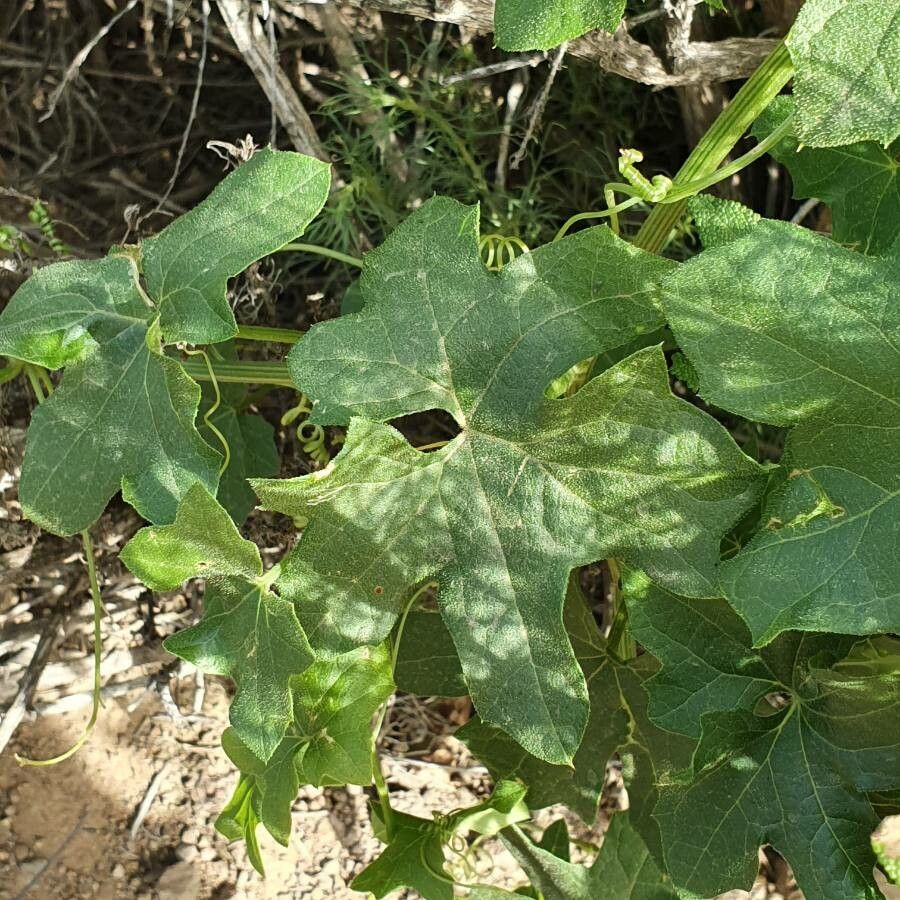
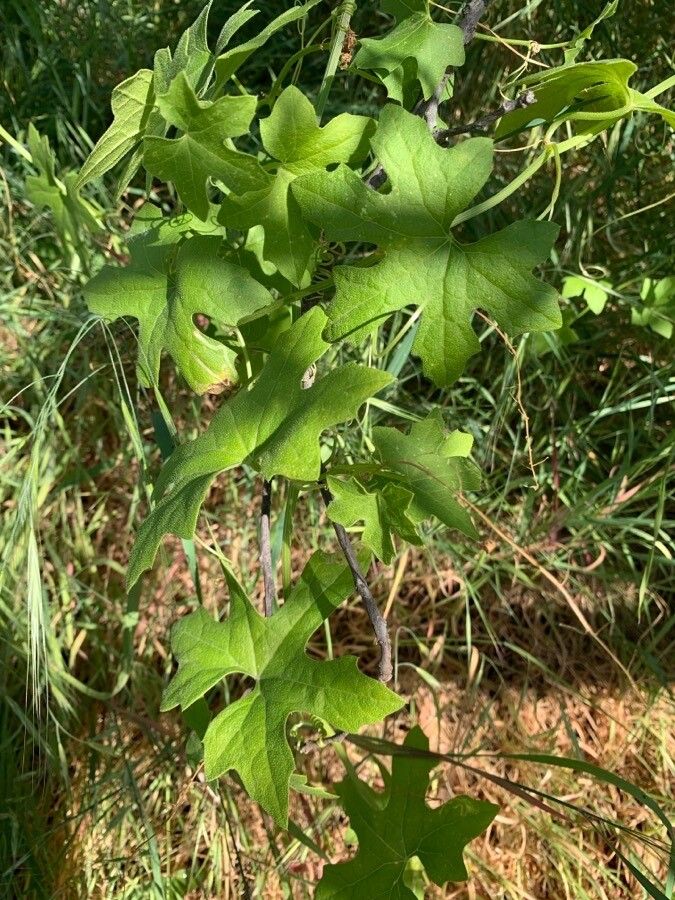
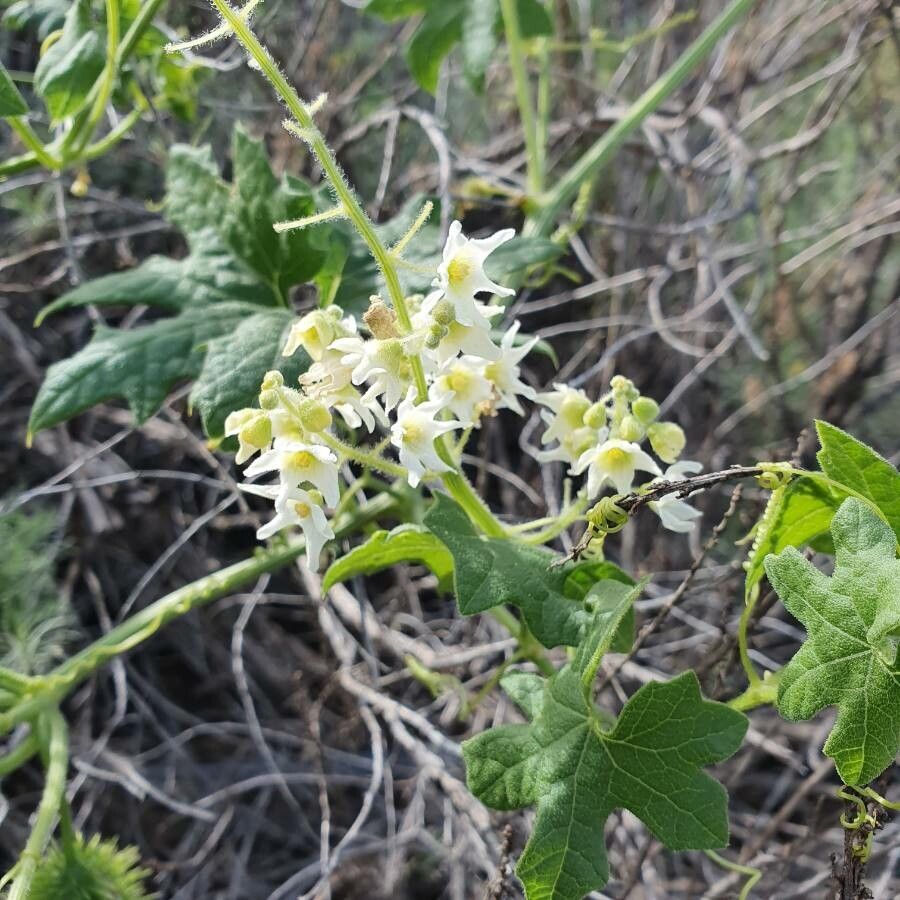
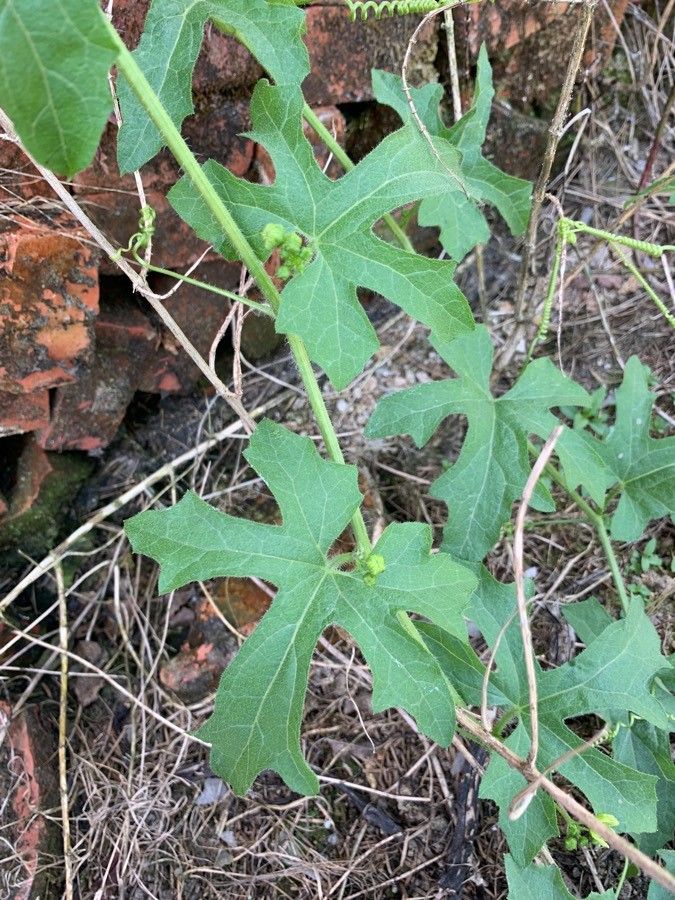
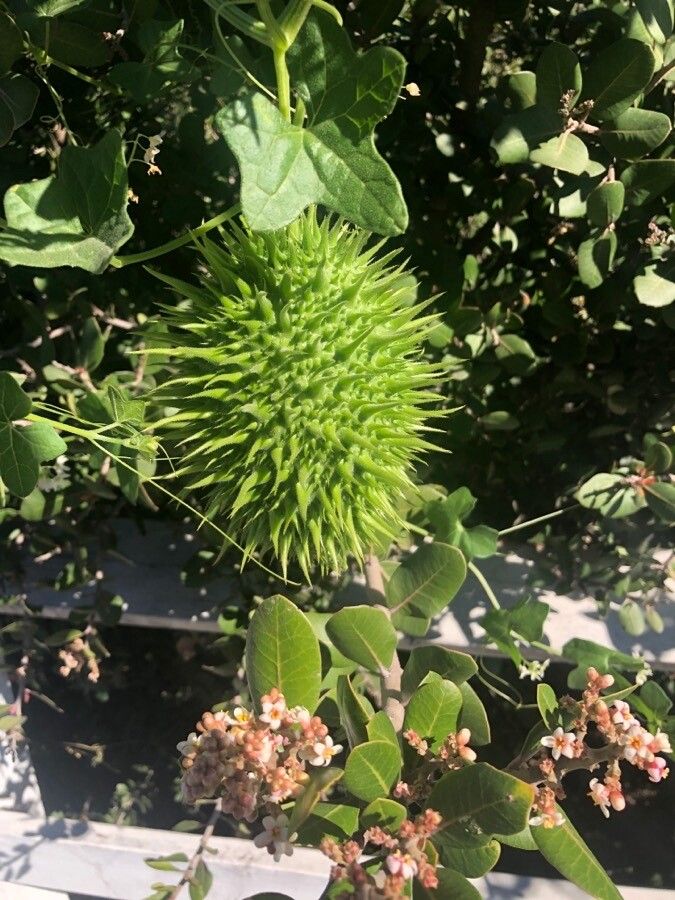
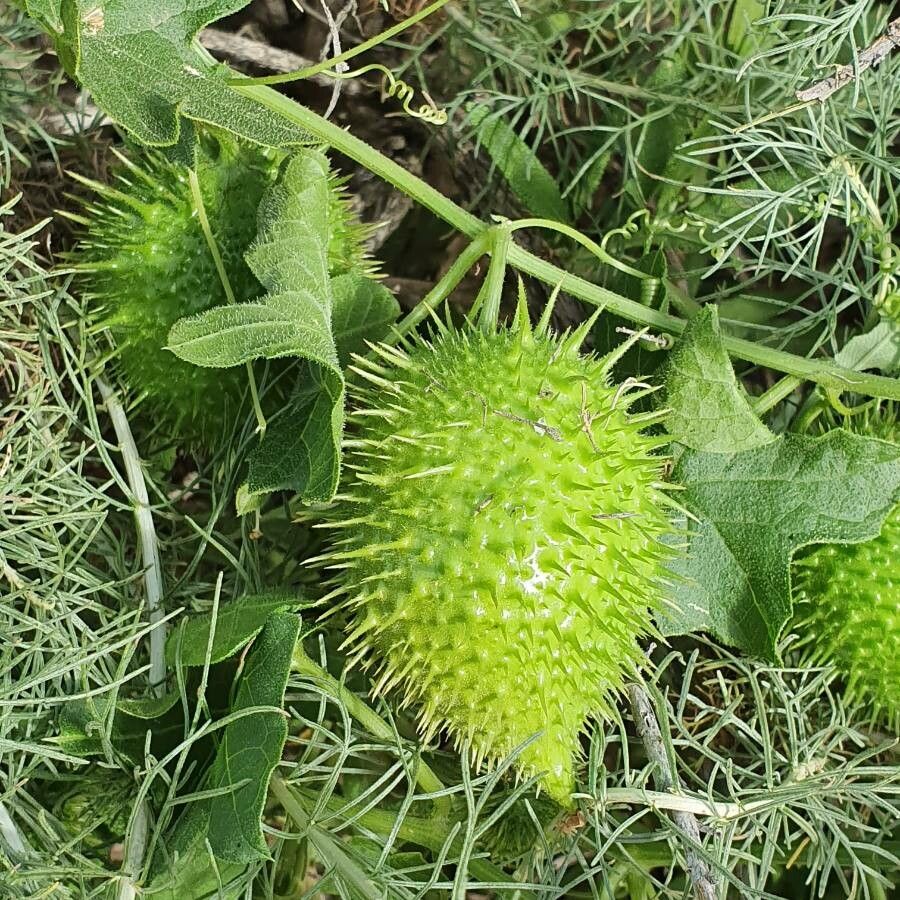
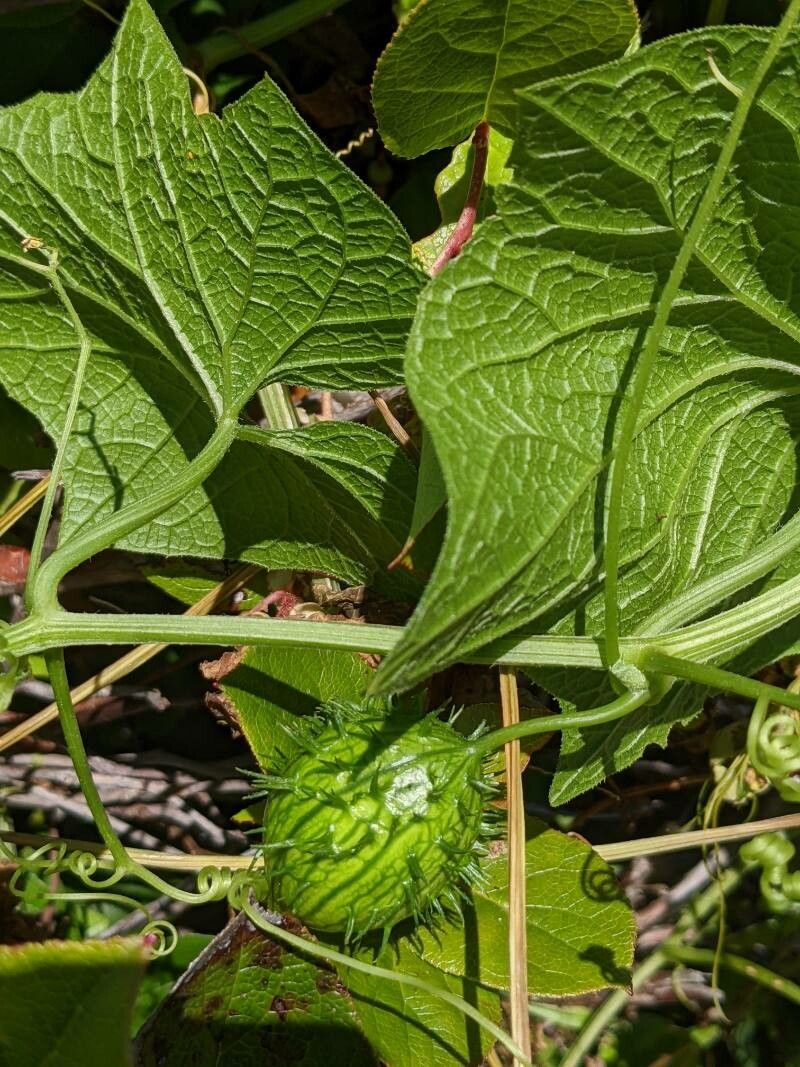
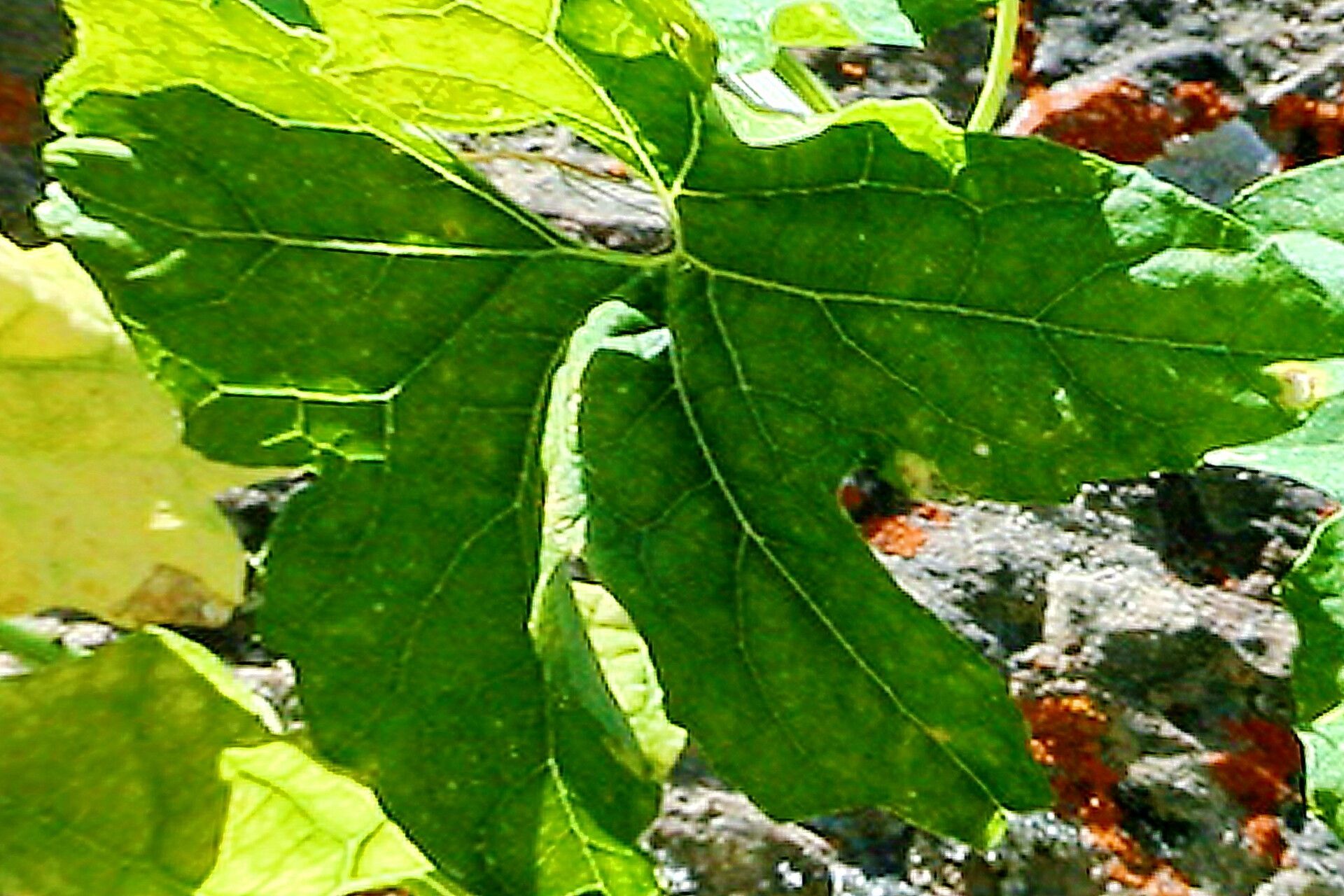
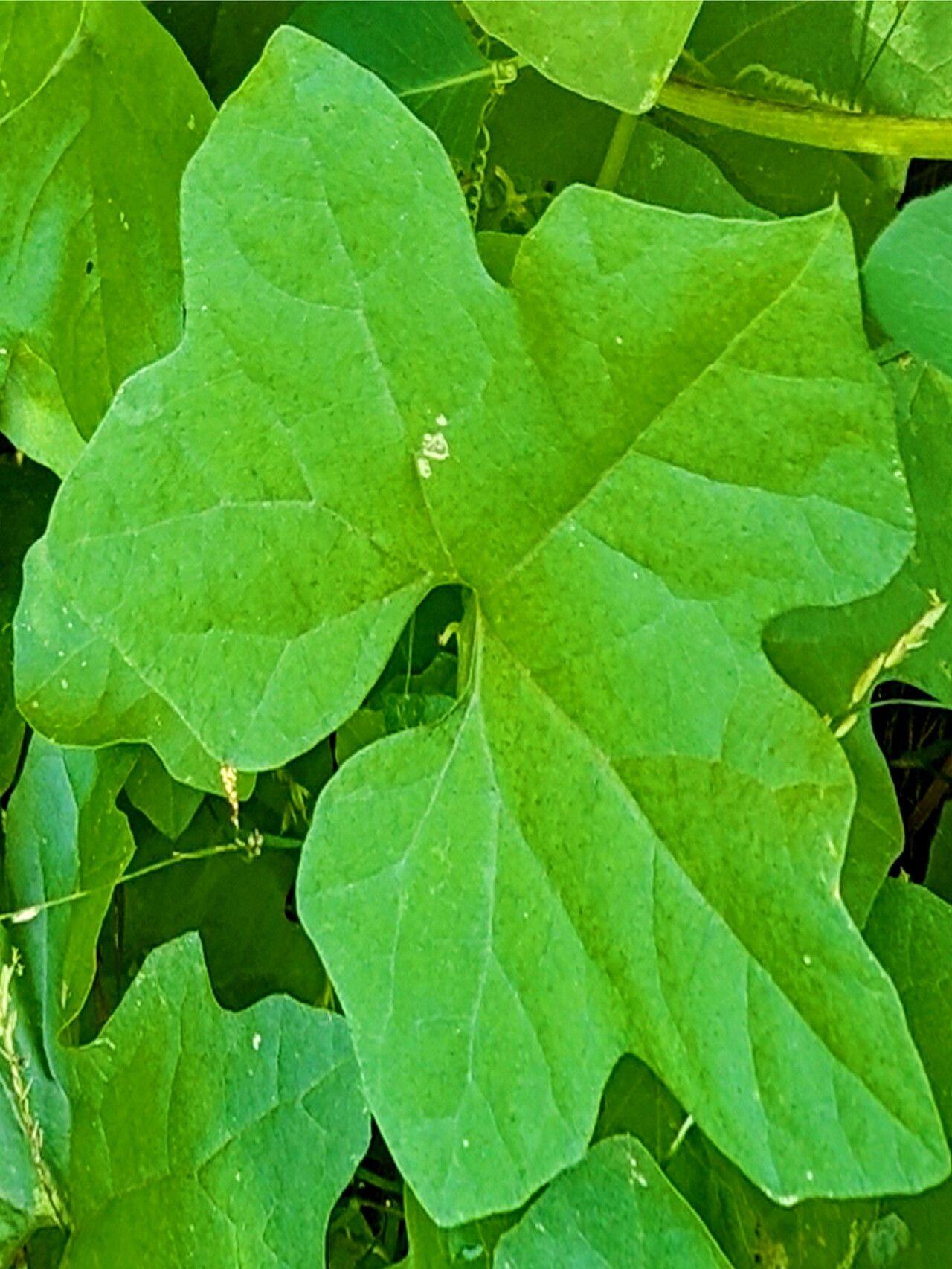
Echinocystis macrocarpa Micrampelis leptocarpa.Marah macrocarpa (sometimes spelled Marah macrocarpus), known as chilicothe, wild cucumber, manroot or bigroot is a species of plant in the genus Marah.
Wild cucumber shows strong resistance to disease and is generally unlikely to develop illnesses. In terms of care, the plant is fairly low-maintenance. Outdoors it needs little watering, and larger specimens typically do not require pruning. Smaller plants, however, should be pruned after they finish blooming. Wild cucumbert is appropriate for anyone with an outdoor area, such as a garden or deck, and does not demand much in the way of care experience.
How to keep Marah Macrocarpa.
Light
Wild cucumber needs substantial sunlight for best growth but can tolerate moderate to low light conditions. In its native habitat it prospers in very sunny locations. Both too much and too little sun can potentially disrupt its growth.
Water
Wild cucumber is well-suited to dry habitats and is drought-tolerant. It thrives in well-drained soil with balanced moisture. To support its resilience in arid environments, it's recommended to water it every three weeks, taking advantage of natural rainfall during the growing season.
Temperature
Wild cucumber originates from regions with temperate climates and does well in temperatures of 59 to 95 °F (15 to 35 ℃). Seasonal temperature adjustments are usually unnecessary because it tolerates temperature fluctuations.
Fertilizer
Fertilize your Wild cucumber in early spring to encourage healthy growth. Regular feeding improves its overall health, producing vigorous growth, increased tolerance to harsh conditions, and better resistance to pests and diseases. Follow a consistent fertilization schedule for your Wild cucumber to maintain foliage that is vibrant, richly colored, and lush in appearance.
Pruning
The wild cucumber plant, characterized by its sprawling vines and gourd-like fruit, benefits greatly from annual pruning in early spring. To maintain its health, remove any dead or damaged stems and trim back vigorous branches to enhance airflow. This timely pruning not only boosts the plant's overall health but also encourages growth and improves fruit production.
Botanical profile.
- Plant Type
- Vine
- Life Cycle
- Perennial
- Genus
- Marah
- Family
- Cucurbitaceae
- Hardiness Zone
- 8-10
- Mature Height
- 6.1 m
- Mature Spread
- 2.13 m to 3.96 m
- Leaf Color
- Green, Blue
- Leaf Type
- Deciduous
- Flower Color
- White, Cream
- Flower Size
- 0.76 cm to 1.27 cm
- Bloom Time
- Spring
- Planting Time
- Spring, Summer, Autumn
- Harvest Time
- Summer
- Native Area
- Mexico
Other names.
Reader questions.
What are the sunlight requirements for Wild cucumber (Marah macrocarpa)?
Wild cucumber requires different amounts of sunlight depending on the condition. For optimal growth, it needs to be in full sun, which means it should receive more than 6 hours of direct sunlight per day. It can also tolerate partial sun and full shade conditions, which equate to about 3-6 hours of sunlight daily. However, excessive or insufficient sunlight can disrupt its growth process. In its native environment, wild cucumber thrives under sun-drenched conditions. To ensure the plant's happiness, it's important to observe how sunlight moves through your garden and select locations that offer an ideal balance of light and shade.
What is the native climate for wild cucumber?
Wild cucumber, or Marah macrocarpa, is native to temperate climates and thrives in temperatures ranging from 59 to 95 °F (15 to 35 °C). It is tolerant to temperature fluctuations, meaning seasonal temperature adjustments are often unnecessary for its successful cultivation.
How does artificial lighting affect Wild cucumber's growth?
Indoor plants like Wild cucumber require adequate lighting for optimal growth. When natural sunlight is not enough, especially during winter or in less sunny spaces, artificial lighting becomes a crucial solution. Opt for LED lights, as they can be customized to provide specific light wavelengths needed by plants. Full sun plants need 30-50W/sq ft, partial sun plants require 20-30W/sq ft, and full shade plants need 10-20W/sq ft of artificial light. The light source should be placed 12-36 inches above the plant, and the duration of exposure should mimic natural daylight hours, generally 8-12 hours per day.
How does wild cucumber handle cold temperatures?
Wild cucumber exhibits some tolerance to cold temperatures and generally does not require any extra measures when the temperature is above -5°C. However, if temperatures are expected to fall below -5°C, it's necessary to protect the plant by wrapping it with materials such as plastic film or fabric. Once temperatures rise again, these protective coverings should be removed to avoid any potential damage or rot.
What are some symptoms of improper lighting in Wild cucumber?
Wild cucumber may show various symptoms when it doesn't receive adequate sunlight. These include small leaves, leggy or sparse growth, faster leaf drop, slower or halted growth, lighter-colored new leaves, chlorosis, sunscald, leaf curling, wilting, and leaf scorching. These signs indicate either an excess or deficiency in sunlight exposure, affecting the plant's health, coloration, and growth patterns.
What should I do if the temperature drops below -10°C?
If temperatures fall below -10°C, wild cucumber leaves may droop; they can recover in mild cases but will wilt and eventually fall off in severe instances. In such events, trim off the frost-damaged parts of the plant. Before encountering low temperatures again, wrap the plant with non-woven fabric or cloth and establish a wind barrier to protect it from cold winds.
How can I ensure Wild cucumber gets enough sunlight?
To ensure Wild cucumber receives enough sunlight, gradually move plants to a sunnier location each week until they get at least 6 hours of direct sunlight daily. Utilize a south-facing window for indoor plants and keep curtains open during the day. If natural sunlight is insufficient, consider using artificial light sources such as desk lamps or professional plant grow lights for at least 8 hours a day. For outdoor plants, avoid sudden changes in light intensity to prevent sunburn. Reduce obstructions by pruning trees or branches that block sunlight, and consider transplanting smaller plants to sunnier spots during their dormant period to ensure optimal growth and health.
How does wild cucumber react to high temperatures?
During summer, it's important to ensure that wild cucumber is kept below 35°C to prevent heat stress. If temperatures exceed 41°C, the plant might display signs of distress such as lighter leaf color, dry and withered leaf tips, curling leaves, and increased susceptibility to sunburn.
What measures should be taken to protect wild cucumber from extreme heat?
To protect wild cucumber from extreme heat and sunburn, trim away any sunburned and dried-up parts of the plant. Move the plant to a location with shade, especially from midday and afternoon sun, or use a shade cloth. Additionally, watering the plant in the morning and evening can help keep the soil moist and reduce heat stress.