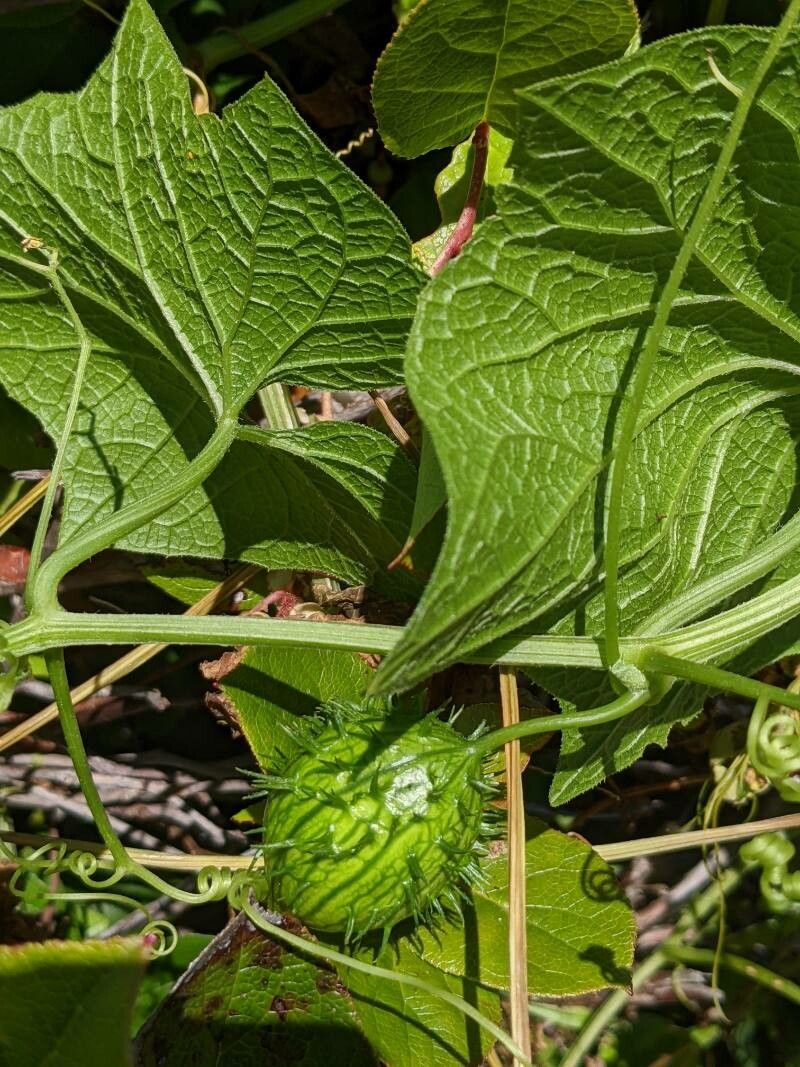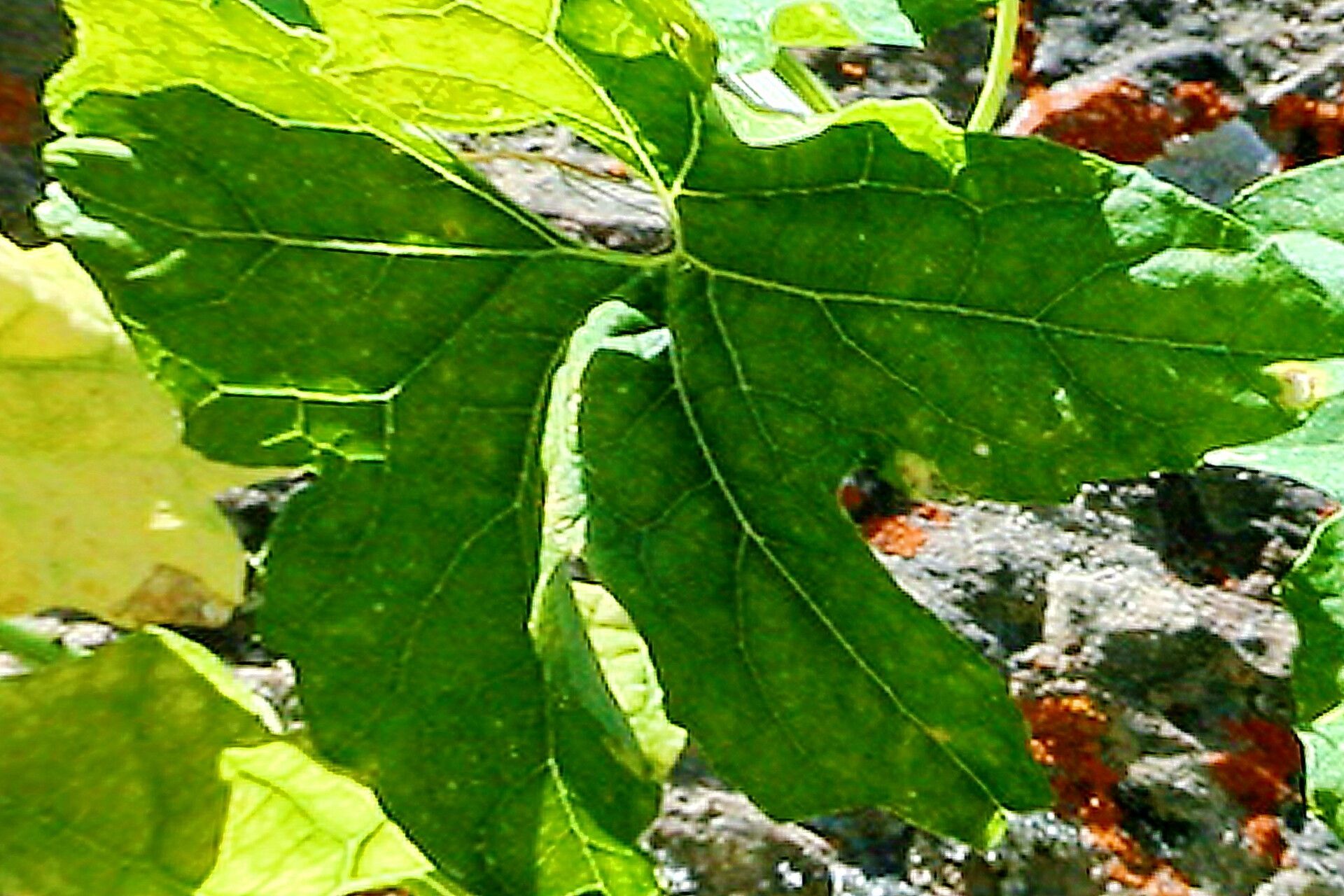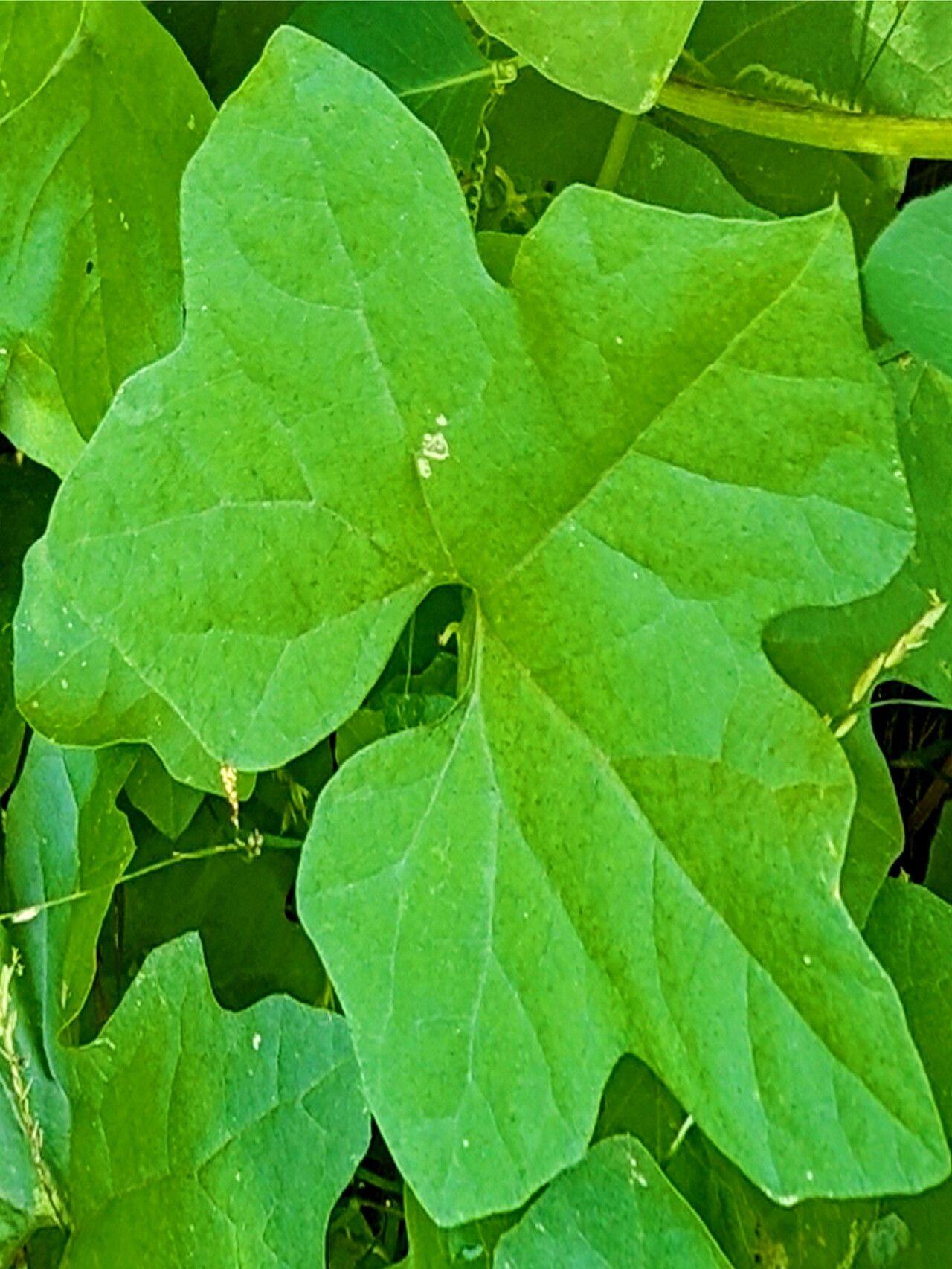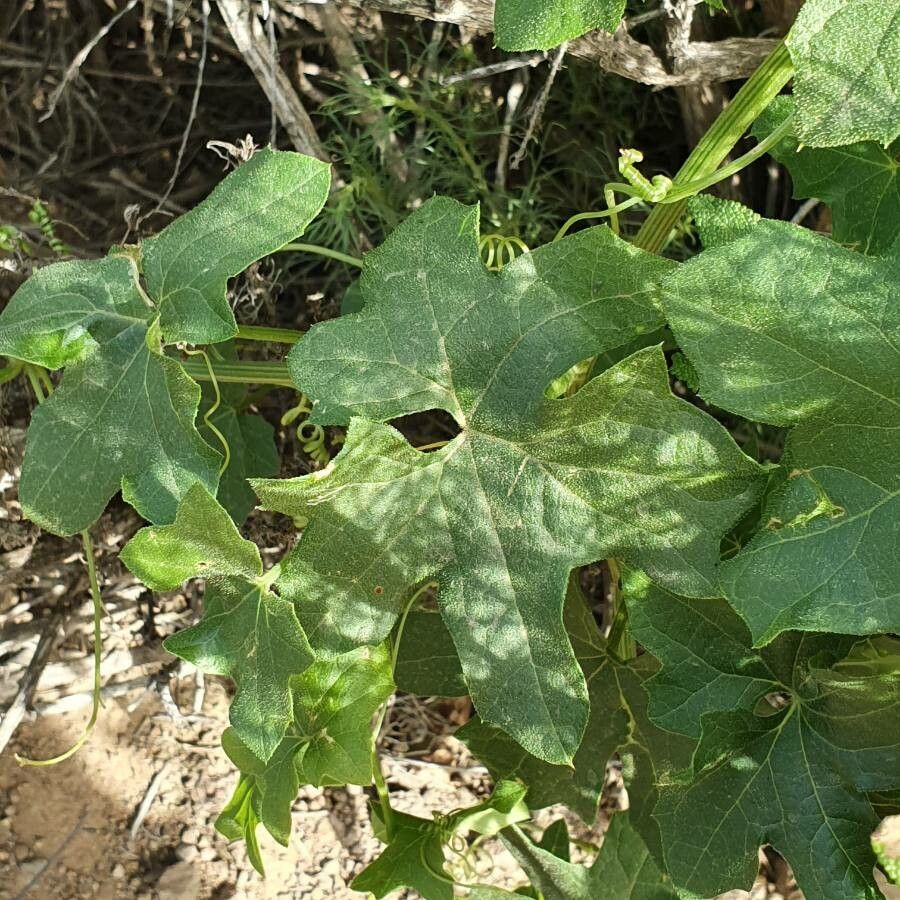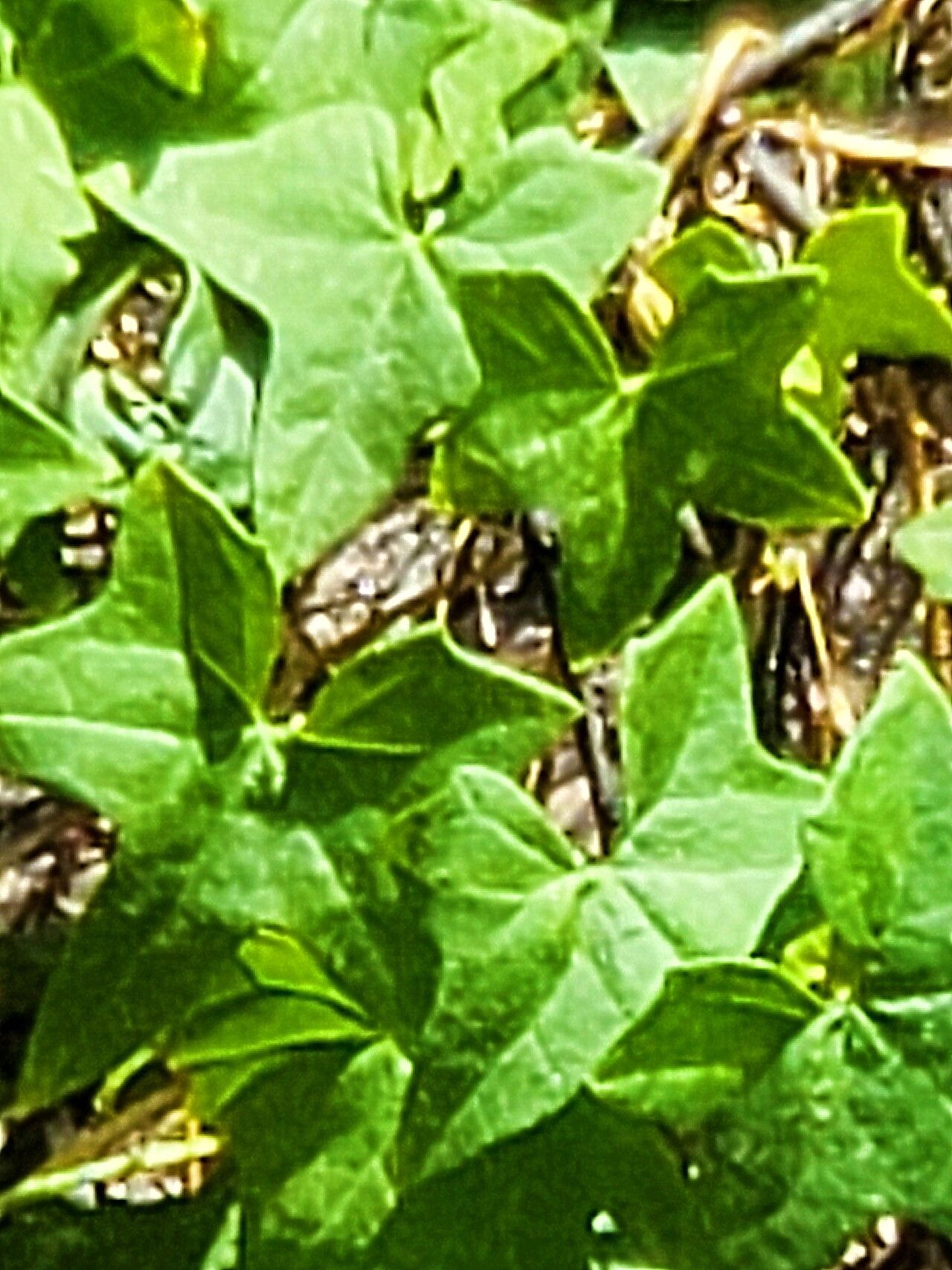
Marah gilensis, commonly known as the Gila manroot, is a species of flowering plant in the family Cucurbitaceae, endemic to Arizona and New Mexico in the United States.
Gila manroot is fairly disease-resistant and typically not prone to illnesses. Still, it can be affected by pests and diseases present in its environment. These problems are usually minor. In terms of upkeep, this plant needs moderate maintenance. It should be pruned regularly to preserve a tidy appearance and support healthy growth. Feeding it with fertilizer can also encourage flowering. Gila manroot is well suited for people with outdoor spaces like a garden or patio and does not demand extensive care experience. It may need more attention if grown indoors.
How to keep Marah Gilensis.
Light
Originating in open habitats, Gila manroot is a sun-loving, perennial herbaceous plant that often flourishes in meadows and grasslands. Its preferred light is full sun, although it can tolerate partial sun.
Temperature
Gila manroot can tolerate a wide range of temperatures, but its distribution may still be constrained by different combinations of water and heat conditions. It does best in warm summer climates with sufficient rainfall or regular watering. Extended periods of cloudy, rainy weather or prolonged high temperatures raise the chance of Gila manroot dying. In winter, protecting it from cold can improve its survival rate.
Fertilizer
One fertilizer application in spring is generally sufficient for Gila manroot, though multiple feedings can maximize growth. Apply every one to one and a half months. Fertilizing improves leaf appearance and function, helping maintain uniform color and a healthy texture. It also encourages root growth and nutrient uptake to support long-term plant health.