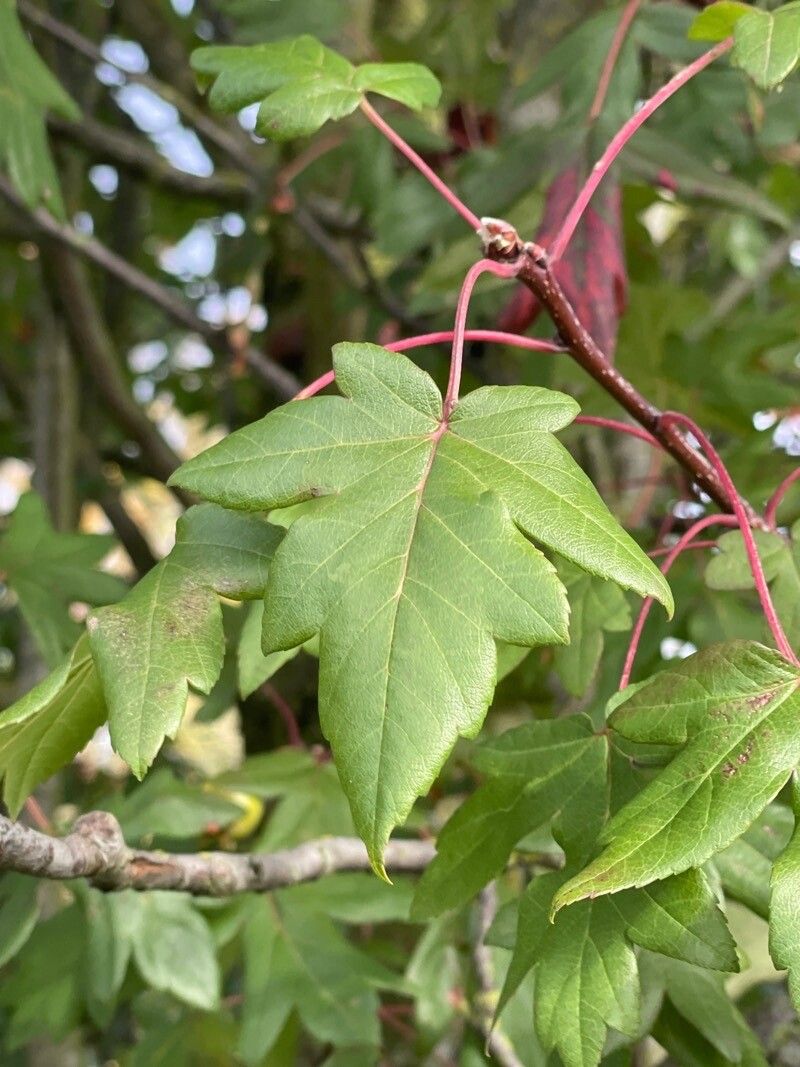
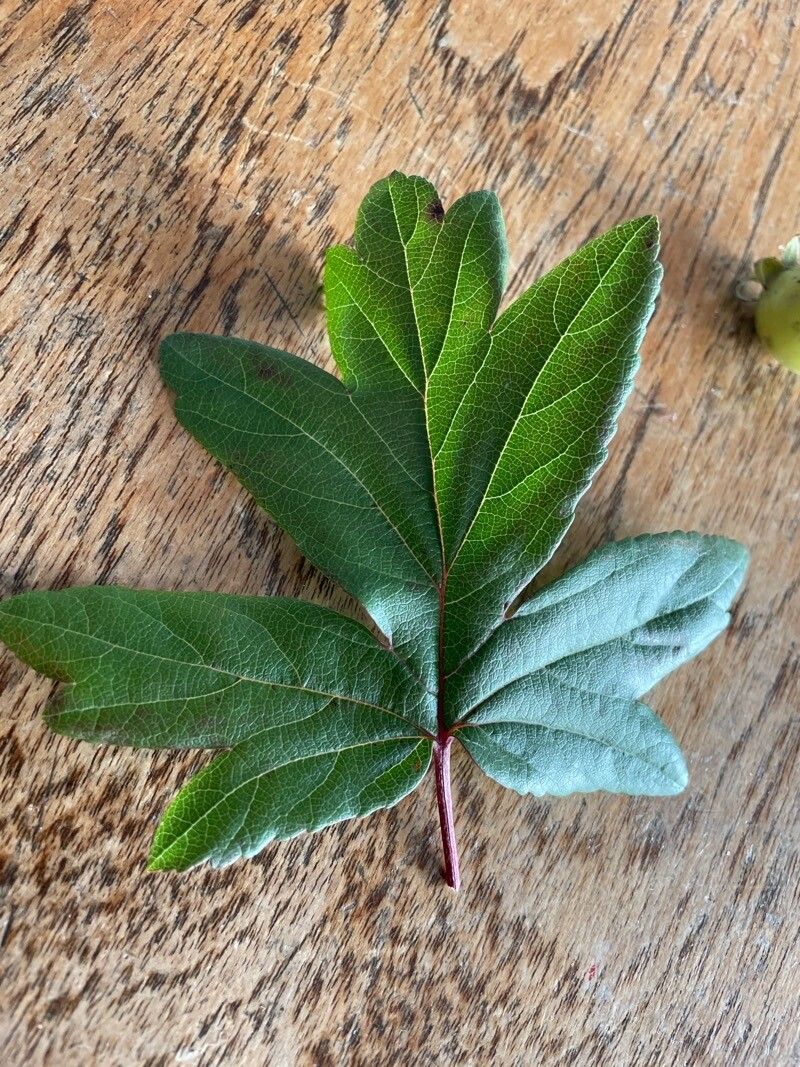
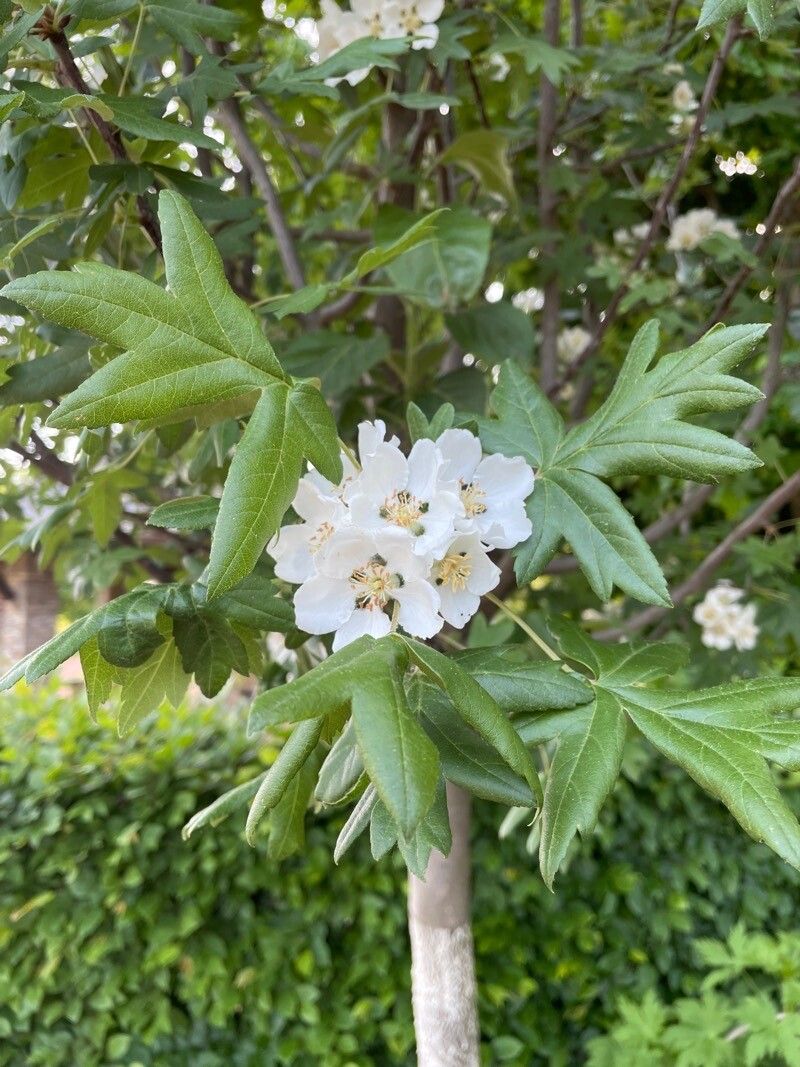
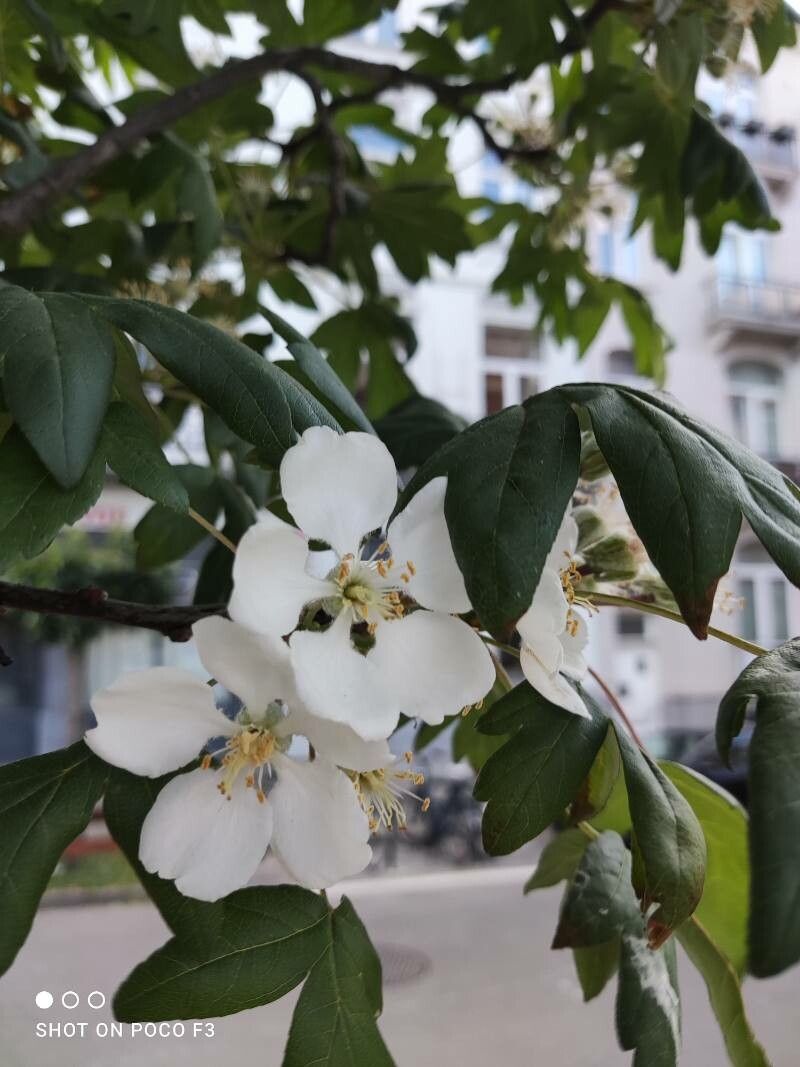
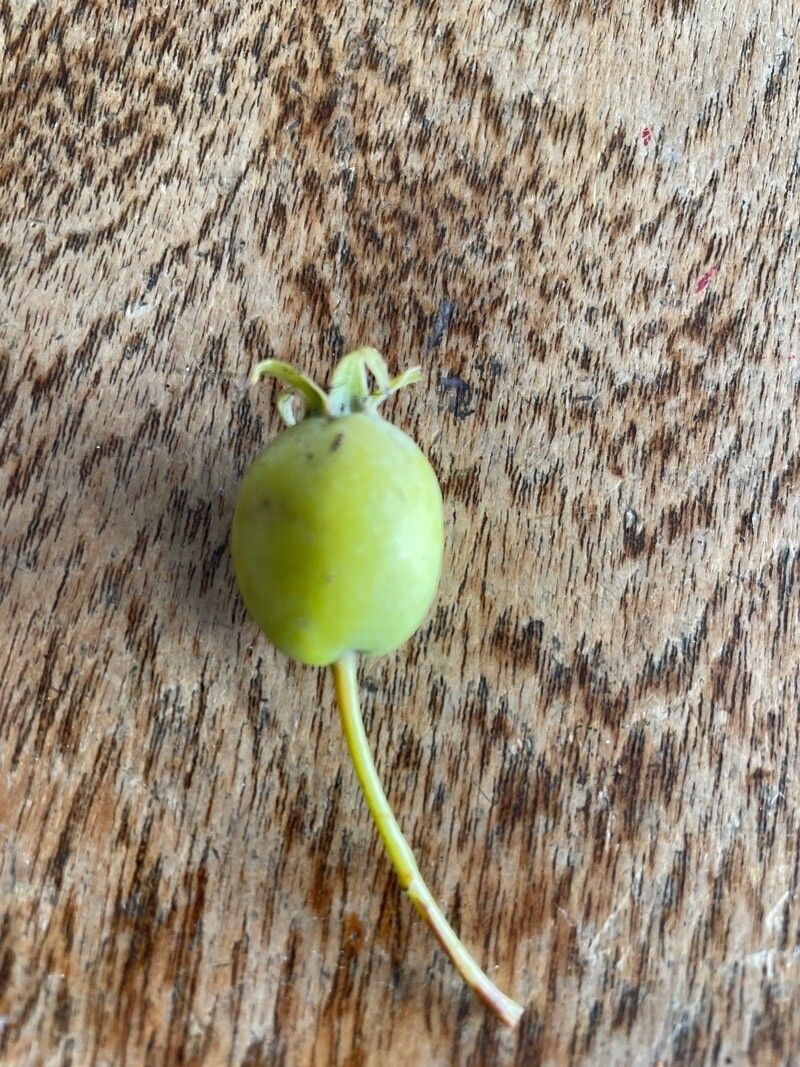
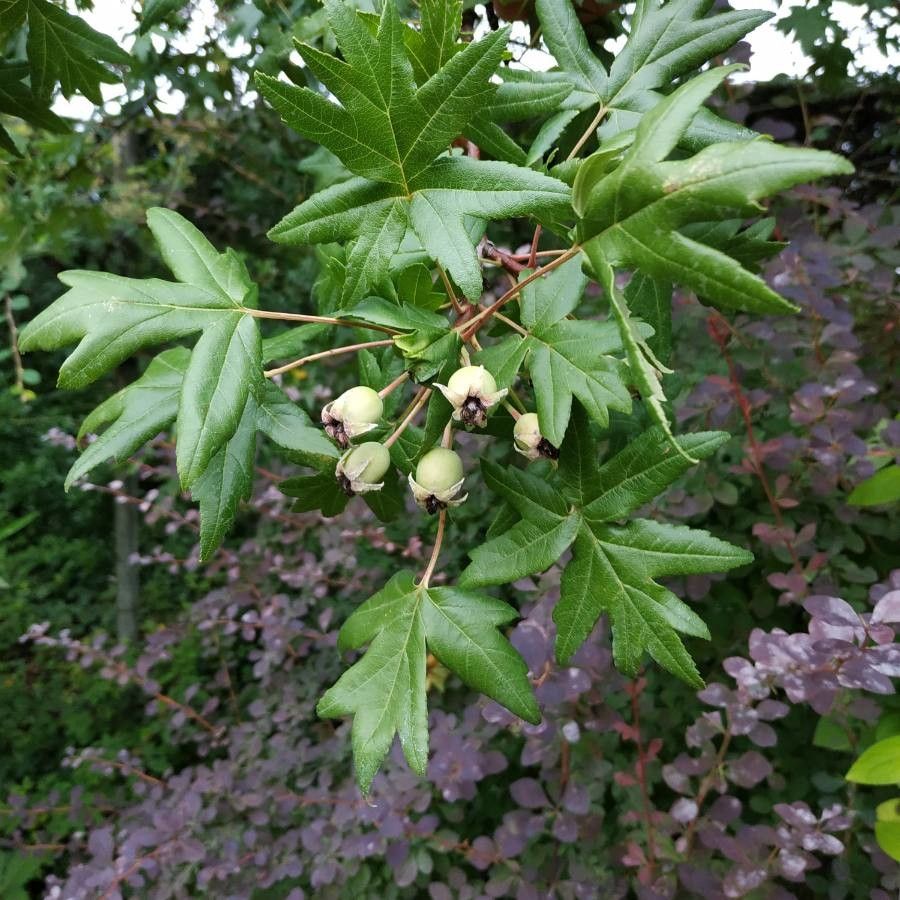
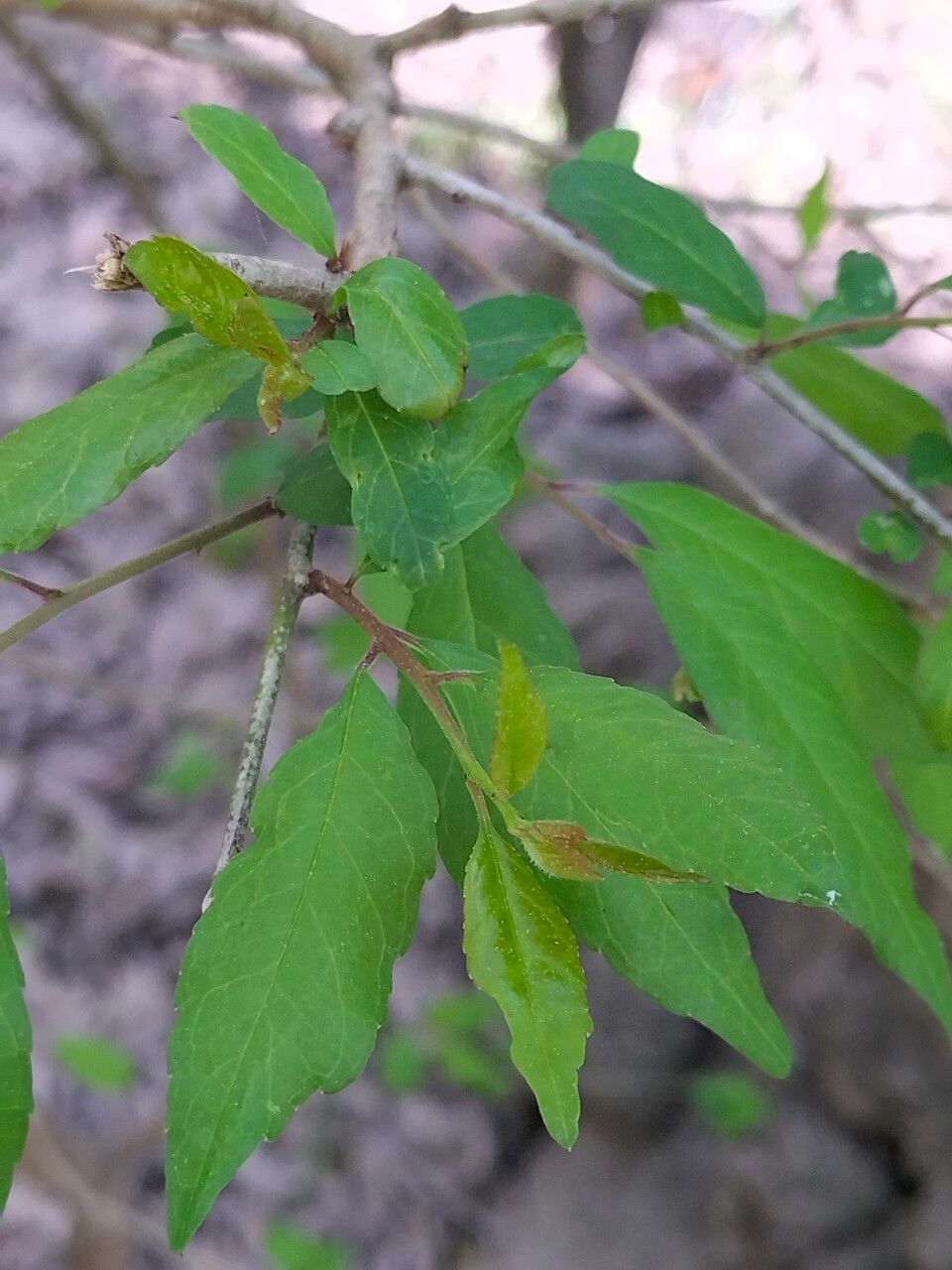
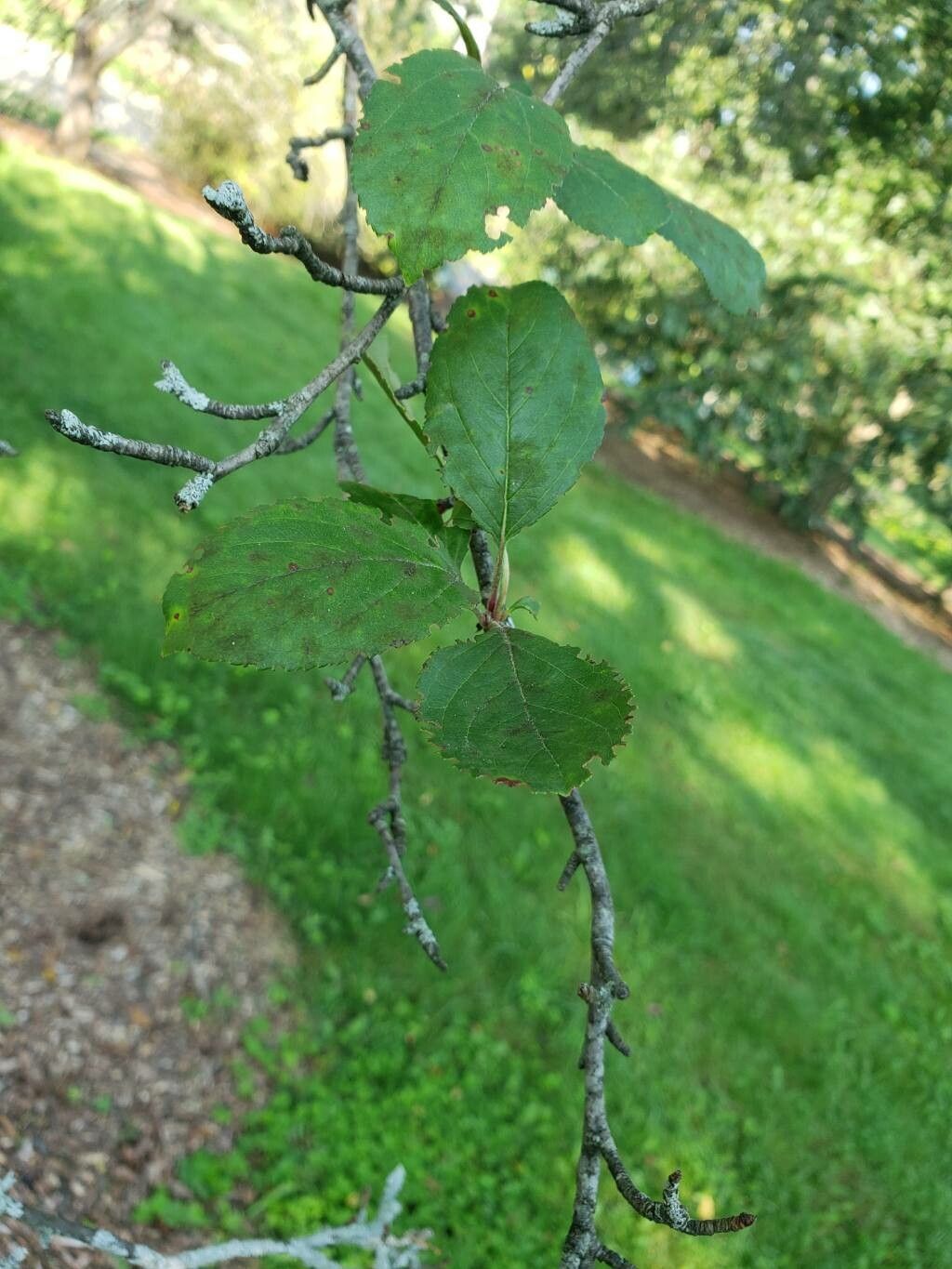
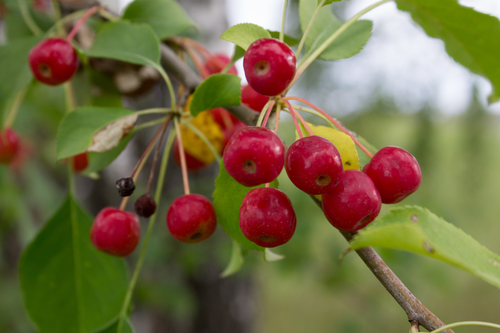
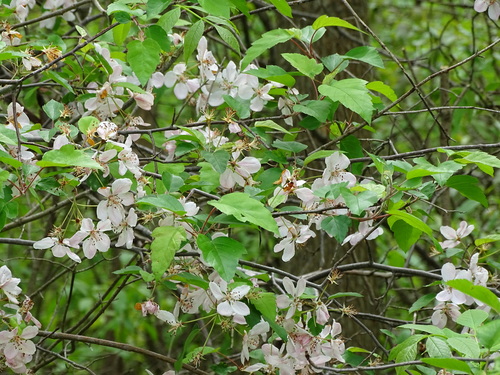
Malus trilobata, the Lebanese wild apple, erect crab apple or three-lobed apple tree, is a species in the family Rosaceae in the genus Malus. Some authorities place it in the segregate genus Eriolobus, as E. trilobatus.
The Lebanese Wild Apple is well resistant to disease and is generally not susceptible to illnesses. As for care, this plant is fairly low-maintenance. When grown outdoors it needs little watering, and larger plants typically do not require pruning. Smaller plants, however, should be pruned after they have finished blooming. Lebanese Wild Applet is appropriate for anyone with an outdoor area, such as a garden or deck, and does not require much care experience.
How to keep Malus Trilobata.
Light
The Lebanese Wild Apple comes from open habitats, for example sunlit meadows and forest margins, where light is plentiful. It prefers Full Sun but can also tolerate Partial Sun, showing good adaptability to different light levels.
Temperature
Lebanese Wild Apple shows strong adaptability to different climate conditions, whether in searing summers or frosty winters. However, it does have an optimal temperature range for growth. When temperatures get too high, the plant is susceptible to heat and humidity stress, which can cause it to die. In areas where temperatures approach the lower boundary of its cold tolerance, providing insulation is important to protect the plant.
Fertilizer
The Lebanese Wild Apple needs adequate nutrients to achieve optimal fruit production. Fertilize in early spring to support new growth and flower development. Regular feeding keeps the plant healthy, promotes more flavorful fruit, and prevents nutrient-deficiency problems like yellowing leaves and poor fruit yield.
Botanical profile.
- Plant Type
- Tree
- Life Cycle
- Perennial
- Genus
- Malus
- Family
- Rosaceae
- Hardiness Zone
- 4-8
- Mature Height
- 4.88 m to 7.92 m
- Mature Spread
- 3.96 m to 6.1 m
- Leaf Color
- Red, Green
- Leaf Type
- Deciduous
- Flower Color
- White
- Flower Size
- 2.03 cm to 3.05 cm
- Bloom Time
- Mid spring, Late spring
- Planting Time
- Spring, Summer, Autumn
- Harvest Time
- Late summer, Early fall, Mid fall
- Native Area
- Turkey, Lebanon, Greece