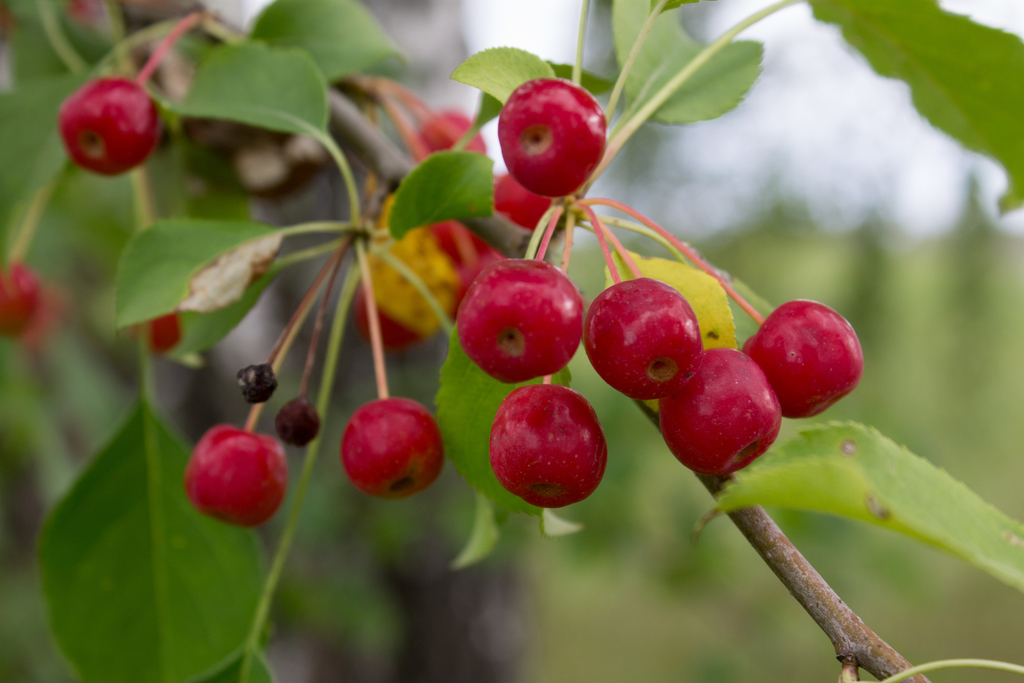
Malus baccata, commonly known as the Siberian crabapple, is a deciduous tree belonging to the Rosaceae family. Native to Siberia and other parts of Asia, it has been widely cultivated in Europe and North America. The tree can reach a height of up to 10 meters and features a spreading crown of branches.
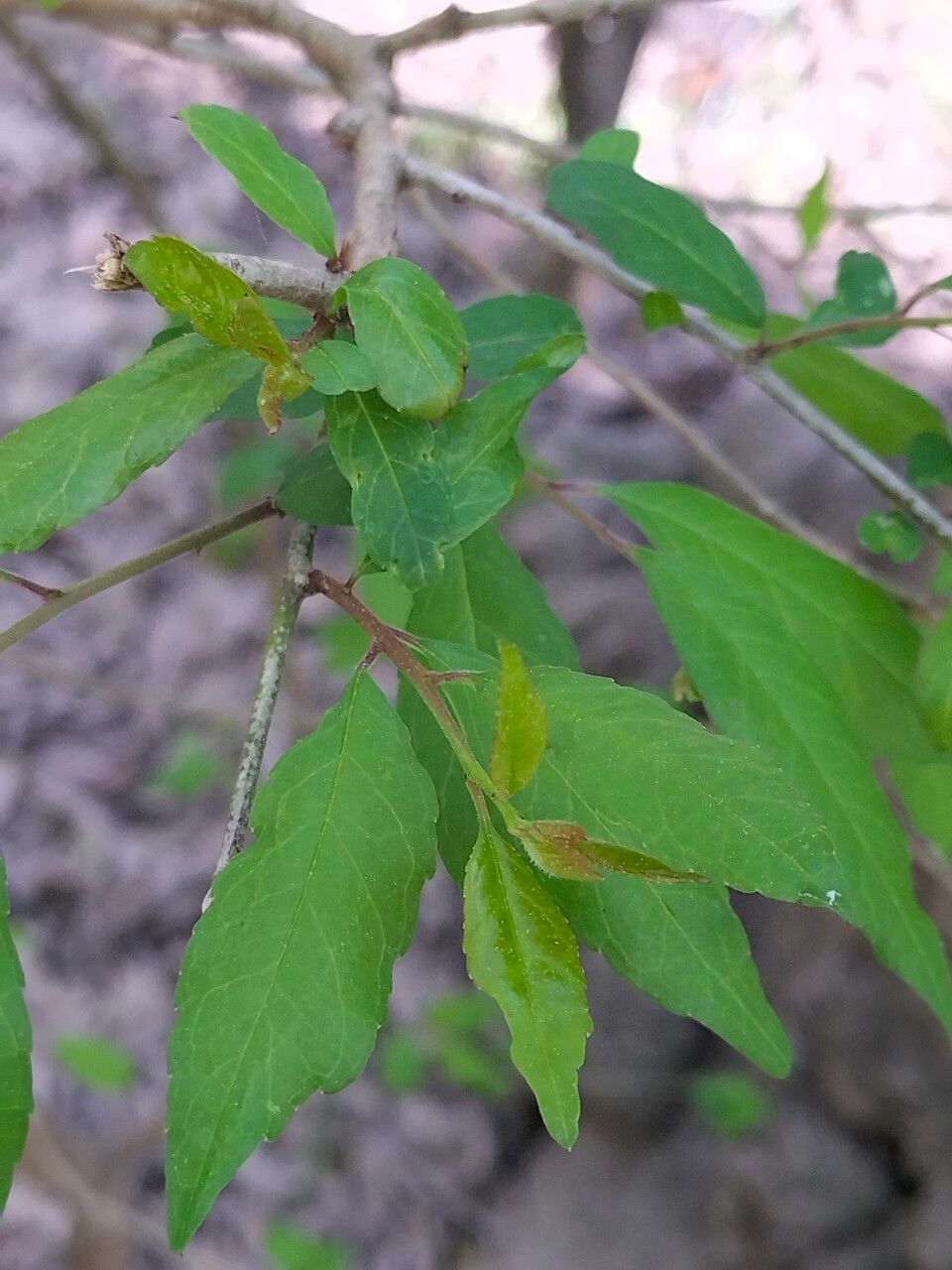
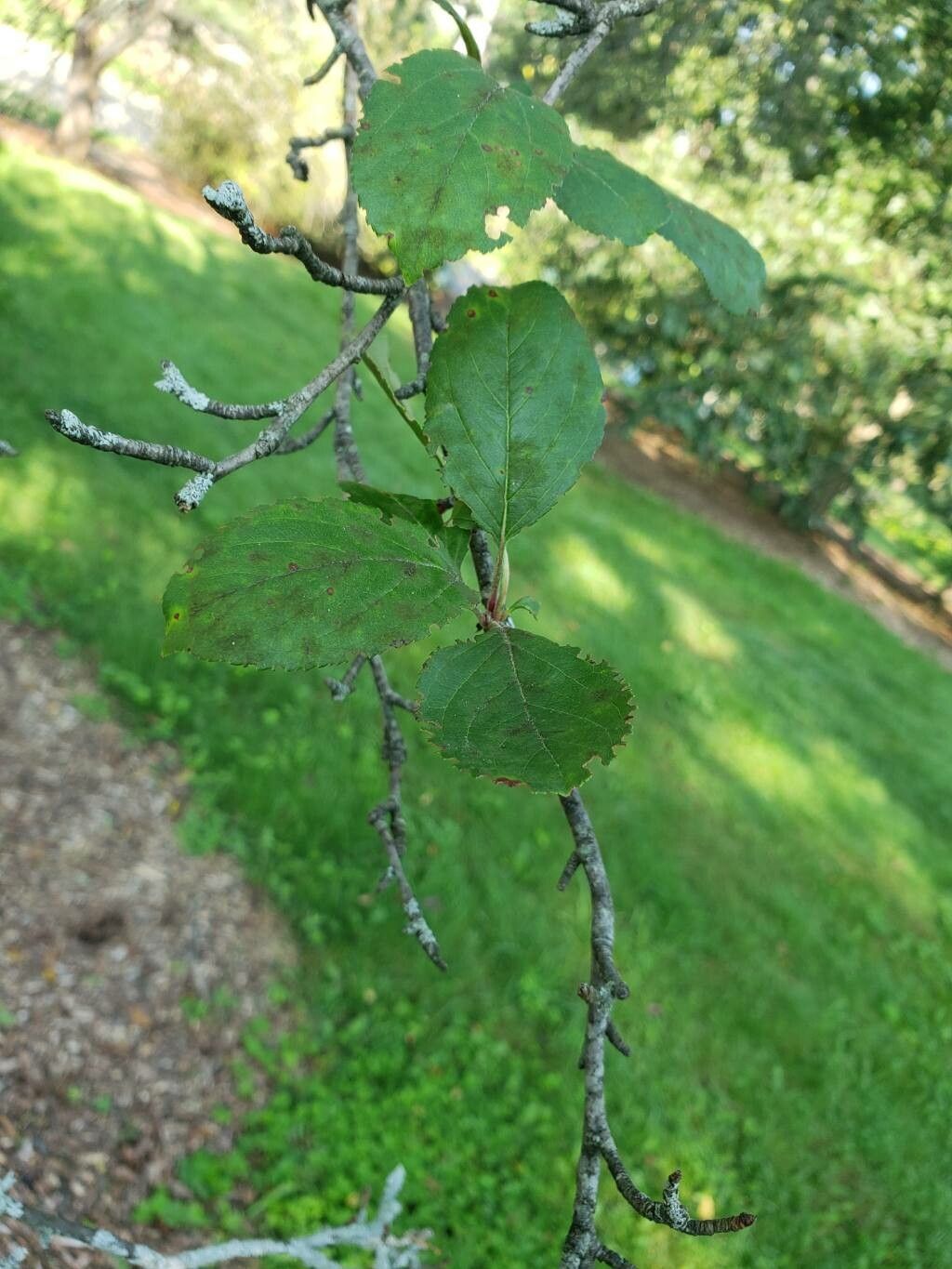
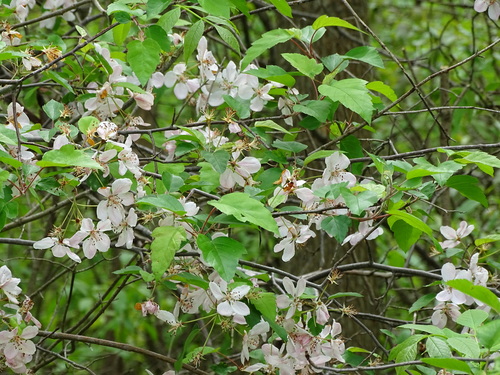
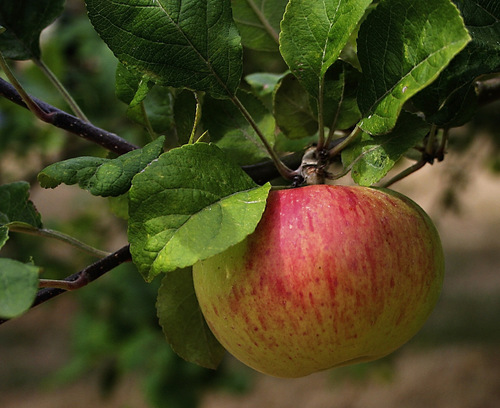
The leaves of Malus baccata are oval-shaped with serrated edges, growing up to 10 cm long. In spring, the tree produces pink or white flowers that appear in clusters. The fruit of the plant is small, red or yellow, and though edible, it is quite sour.
For centuries, Malus baccata has been valued for its medicinal properties, as it contains high levels of antioxidants, vitamins C and E, flavonoids, tannins, and other beneficial compounds. Traditionally, it has been used to treat various ailments such as diarrhea, to reduce fever, and to relieve coughs and colds.
In addition to its medicinal uses, Malus baccata is also popular for ornamental purposes. Its beautiful spring flowers attract pollinators such as bees and butterflies, making it an excellent addition to gardens and landscapes.
Overall, the Malus baccata serves both ornamental and health-related purposes. Its stunning springtime flowers enhance the aesthetic appeal of gardens, while its fruit offers various health benefits when consumed properly under medical supervision.
Siberian crab apple shows good resistance to disease and is generally not prone to illnesses. In terms of care, this plant is relatively low-maintenance. When planted outdoors, it needs minimal watering, and larger plants generally do not require pruning. However, smaller plants should be pruned after they have bloomed. Siberian crab applet is appropriate for anyone with an outdoor space, such as a garden or deck, and does not require much care experience.
How to keep Malus Baccata.
Light
The Siberian crab apple does best in full, unshaded sunlight, which is typical for the species. This encourages healthier growth and improved fruiting. Still, it can tolerate less than full sun, although that may affect its growth and productivity.
Water
The Siberian crab apple thrives in conditions similar to its native habitat, which is marked by periodic dryness. It has moderate drought tolerance and generally requires watering every 1-2 weeks, provided the soil is well-drained. Usually cultivated outdoors, the Siberian crab apple enters dormancy during the colder months, at which point its water needs drop significantly.
Humidity
This plant will thrive in moderate humidity, which is probably the level in your home. However, misting it a few times a week can be very beneficial. Make sure the room has good ventilation.
Temperature
The siberian crab apple grows best in temperatures of 32 to 95 ℉ (0 to 35 ℃). It can tolerate temperatures from -46 ℉ (-43 ℃) up to 100 ℉ (38 ℃), depending on the location. In winter, watering should be limited to help it adjust to colder temperatures.
Fertilizer
The Siberian crab apple plant needs adequate nutrients to achieve optimal fruit production. Apply fertilizer in early spring to encourage new growth and bloom development. Regular fertilization helps the plant stay healthy, produce more flavorful fruit, and prevents nutrient-deficiency issues like yellowing leaves and poor fruit production.
Pruning
For optimal growth and flowering, the Siberian crab apple tree should be pruned annually in late winter. Key pruning techniques include removing dead wood, thinning out branches, and shaping the canopy. These practices improve air circulation, increase light penetration, and enhance fruit quality. To reduce the risk of infection, be sure to use clean, sharp tools.
Pot & Repot
When repotting a Siberian crab apple, pick a pot 1–2 inches (2.5–5.1 cm) larger with good drainage. Use a well-draining potting mix. Repot in spring or fall, making sure the root ball sits slightly below the rim of the flower pot. After repotting, water thoroughly and keep the plant in a warm spot with indirect sunlight.
Botanical profile.
- Plant Type
- Tree
- Life Cycle
- Perennial
- Genus
- Malus
- Family
- Rosaceae
- Hardiness Zone
- 2-9
- Mature Height
- 10.06 m to 14.02 m
- Mature Spread
- 14.94 m
- Leaf Color
- Green
- Leaf Type
- Deciduous
- Flower Color
- White, Pink
- Flower Size
- 3.05 cm to 3.56 cm
- Bloom Time
- Mid spring, Late spring
- Planting Time
- Spring, Autumn
- Harvest Time
- Mid summer
- Native Area
- Russia, Nepal, India, Myanmar, Mongolia, Japan, Koppen, Bhutan, South Korea, China
Other names.
Reader questions.
How should I water my Siberian crab apple tree?
To ensure excellent root development, place a garden hose at the base of the plant instead of spraying the leaves directly. If the leaves are exposed to direct sunlight outdoors, they may require more watering. Consider using bubblers or soaker hoses to moisten the roots effectively. When adding or removing plants, use soaker hoses that cover the entire garden or bed to ensure deep root growth. Be sure to drain any excess water and allow the soil to dry before watering again. Watering at ground level helps prevent diseases. On a sunny day, it can be beneficial to spray the entire bush with water. Whether the plant is potted or in the ground, keep in mind that Siberian crab apple prefers deep watering rather than light sprinkling.
Why is it important to add plant food to the Siberian crab apple tree?
The soil gets depleted of nutrients as plants grow, especially fast-growing plants like the Siberian crab apple. Regular fertilization is important to provide the necessary nutrients for the tree's health and to enhance the growth of delicious fruit. If plants are not fertilized regularly, they can face various issues. Nutrient deficiency can result in problems with the foliage, such as yellow leaves or leaves with a reddish color. It can also lead to deformities in the shape of the leaves, withered tips, or large portions of the plant dying back. Additionally, nutrient deficiency can cause bark disorders, slow growth, poor shoot development, and a lack of fruit production.
What are the sunlight requirements for plants?
Plants have varying sunlight requirements to thrive. Full sun plants need more than 6 hours of direct sunlight daily, while partial sun plants flourish in about 3-6 hours of sunlight. It's important to observe your garden's sunlight exposure throughout the day to find spots with the ideal balance of light and shade for your plants, ensuring they grow healthy and happy.
What are the optimal and tolerable temperature ranges for the Siberian crab apple?
The Siberian crab apple thrives in a temperature range of 32 to 95°F (0 to 35°C) for optimal growth. It can tolerate temperatures as low as -46°F (-43°C) and as high as 100°F (38°C) depending on the location. The plant's strong cold resistance means special frost protection measures are typically not necessary, although cold protection should be considered if temperatures are expected to drop below -40°C. Before the first freeze, it is advised to water the plant abundantly so the soil remains moist and freezes, which helps prevent drought and water scarcity during winter and early spring.
What should I do if I give too much/not enough water to the Siberian crab apple tree?
If a Siberian crab apple is overwatered, it may exhibit yellowing leaves that eventually drop off and wilt. The plant might also look unhealthy, with mushy stems being noticeable. When these signs begin to appear, it's best to adjust your watering schedule accordingly. On the other hand, wilting can also be a result of under watering, which can cause crispy and dry leaves. In such cases, check the soil and if it is dry, provide a thorough watering. Sufficient water will help the Siberian crab apple to recover, but the damaged root system will still cause the plant to have yellow and dry leaves a few days later. Once the plant returns to normal, the yellowing of leaves will cease. When you have a Siberian crab apple indoors, regularly check the moisture levels in the pot and refrain from overwatering. Look out for any signs of black spots, and if present, allow the soil to dry out for a few days before watering again. Overwatering can result in root rot, in which case it may be necessary to transfer the plant to a different pot, especially if you observe discolored and slimy roots. Always take preventative measures to avoid root rot and ensure the soil is not excessively waterlogged. When planting a Siberian crab apple outdoors, it's advisable to dig a bit deeper. If the soil feels too dry when you check it with your fingers, this might indicate underwatering, so adequate watering is essential in helping the plant recover.
When should I fertilize my Siberian crab apple tree for optimal results?
To ensure optimal growth, it is recommended to fertilize Siberian crab apple trees in early spring before the buds begin to emerge. During this time, the tree utilizes the stored energy reserves from winter to support new growth. It is important to provide ample nutrients for the development of blooms, so fertilizing about 2 to 4 weeks prior to the expected blooming period allows enough time for the soil to absorb and distribute the nutrients throughout the tree. While feeding the tree during spring is acceptable, it is advised not to fertilize in autumn as it can result in excessive foliage growth late in the season. This can leave the leaves vulnerable to winter damage.
How does sunlight affect the growth of Siberian crab apple trees?
Siberian crab apple trees, like most full-sun plants, perform best when exposed to the unfiltered rays of the sun for healthier growth and more abundant fruit production. They can tolerate less than full sun, but this may affect their growth and productivity. In locations where natural sunlight is insufficient, especially during winter or in less sunny areas, indoor plants may benefit from artificial lighting. LED lights are recommended for their ability to provide specific wavelengths needed for optimal plant growth. The artificial light required varies with the plant's sunlight needs: 30-50W/sq ft for full sun plants, 20-30W/sq ft for partial sun plants, and 10-20W/sq ft for full shade plants.
How should you care for a Siberian crab apple during extremely cold or hot temperatures?
During extreme cold, when temperatures fall below -40°C, the Siberian crab apple remains largely unaffected during the winter, but branches may become brittle and fail to produce new shoots in spring. Pruning dead branches that don't produce new leaves in spring is recommended. In high temperatures, especially above 35°C and reaching 38°C, the leaves may lighten, tips may dry and wither, and the plant becomes prone to sunburn. It's advisable to trim away the sunburned parts, move the plant to a shaded location, or use a shade cloth to protect it from the midday and afternoon sun. Watering the plant in the morning and evening can help keep the soil moist and prevent drying.
How often do I need to water my Siberian crab apple tree?
The Siberian crab apple prefers deep and infrequent watering, especially when planted in pots. Since the water storage of flower pots is limited and the soil tends to dry out faster, it's necessary to soak them in a gallon of water each time. In cold regions, watering is needed every 3 to 5 days. It's best to water in the early morning when the soil is dry, both indoors and outdoors. You can also check if watering is needed by examining the soil inside. If the top 2-3 inches of soil are dry, it's time for a full watering. On hot days, it's advisable to check the moisture daily as the heat can dry out the pot soil quickly. If you have a garden, irrigating the soil is also necessary. In a hot climate, watering once a week should suffice. Only add water when about 2 to 3 inches of soil become too dry, indoors or outdoors. Consider the amount of rainwater the plant receives and avoid overwatering to prevent root rot. Additional watering may not be necessary if there is ample rainfall. Siberian crab apples generally grow during spring and fall. For outdoor plants, adding 3 to 4 inches of mulch can help conserve water. Sandy soil requires more frequent watering as it drains faster, while clay soil requires less frequent watering to avoid root rot. It may be helpful to mark the date on a calendar each time you water and keep an eye on drooping leaves, which could indicate the need for watering.
When is the best time to not use fertilizer on my Siberian crab apple?
When caring for a Siberian crab apple tree, it is important to consider several factors when deciding whether or not to fertilize. Firstly, avoid fertilizing in the first year of growth and only provide fertilizer when necessary. Additionally, if you pruned 20% or more of the plant the previous year, refrain from fertilizing. It is also important to avoid fertilizing diseased or damaged plants, as this can worsen the condition. Instead, address the root cause of the issue before considering fertilizer. Timing is also crucial when it comes to fertilizing Siberian crab apple. It is not recommended to fertilize after the peak of summer as this can cause excessive growth just before winter. Hot and dry periods should also be avoided for fertilization, as dry soil does not effectively deliver fertilizer and can stimulate further growth that may not have sufficient water supply. It is best to apply fertilizer earlier in the season when temperatures are cooler. Lastly, be cautious of inadvertently giving nearby plants or lawns a double-dose of fertilizer, as Siberian crab apple can absorb fertilizer from its surroundings.
What are the symptoms of light deficiency in Siberian crab apples?
Siberian crab apple trees show several symptoms when they suffer from light deficiency, including smaller new leaves, leggy or sparse growth, premature leaf drop, sluggish or halted growth, paler new leaves, chlorosis, sunscald, leaf curling, wilting, and leaf scorching. These symptoms vary from growth issues to physical damage due to inadequate or excessive sunlight exposure.
How much water does my Siberian crab apple tree need?
The Siberian crab apple generally needs about a gallon of water on a regular schedule. For potted plants, water them deeply until the water is dripping from the bottom of the pot. Wait for the soil to dry before watering again. To determine the amount of water given to your plant in a week, you can use a water calculator or a moisture meter. During the flowering period, provide plenty of water but allow the moisture to evaporate afterwards to prevent root rot. If the Siberian crab apple is planted outside and receives enough rainfall, additional watering may not be necessary. When the tree is young or newly planted, ensure it receives 1-2 inches of rain per week. As it grows, it can rely on rainfall alone. Only in excessively hot weather or when there is no rainfall for 2-3 weeks should you consider giving the tree a full watering during the cooler part of the day to protect it from heat damage. Additional watering will be needed during long periods of dry weather.