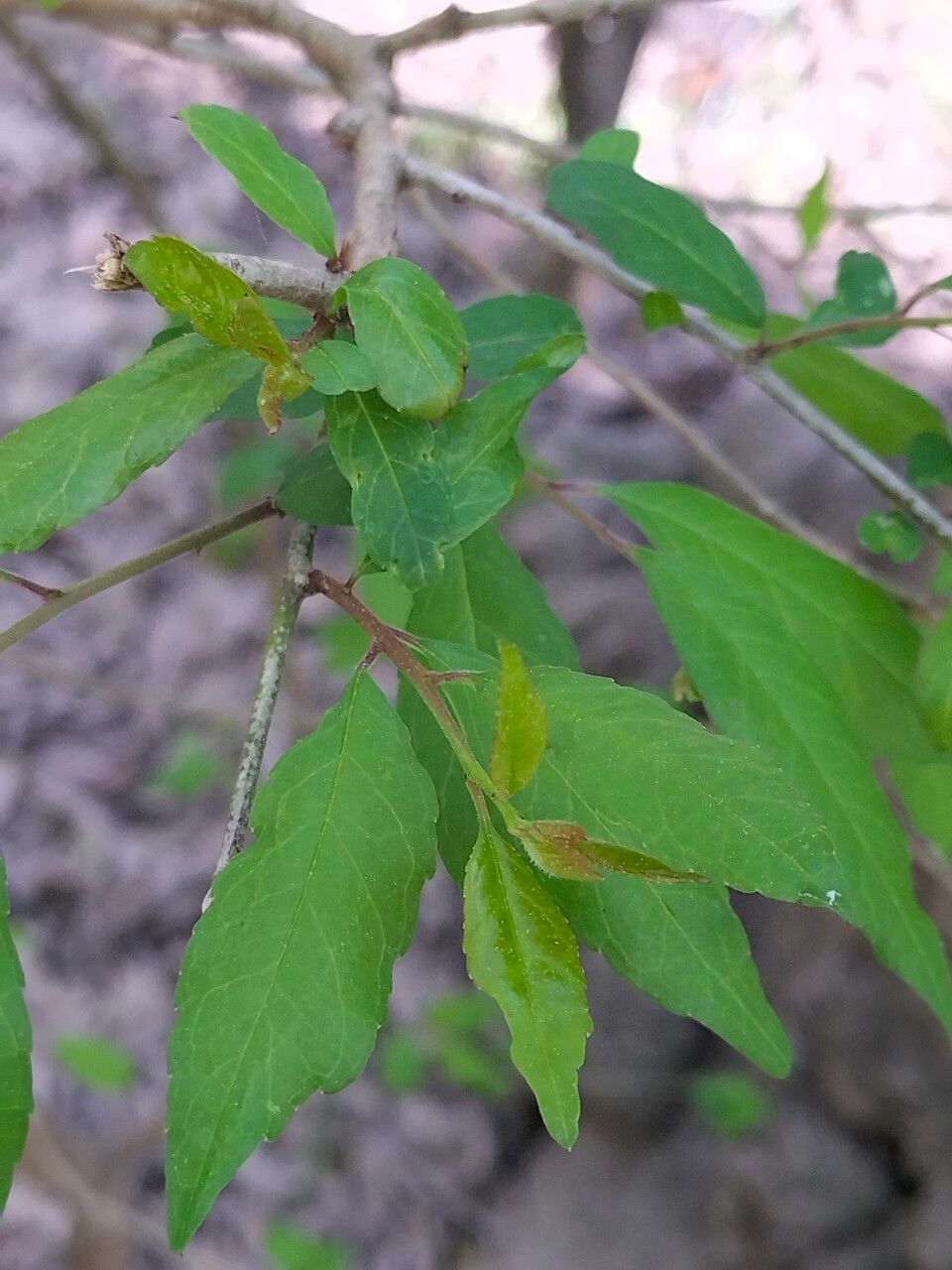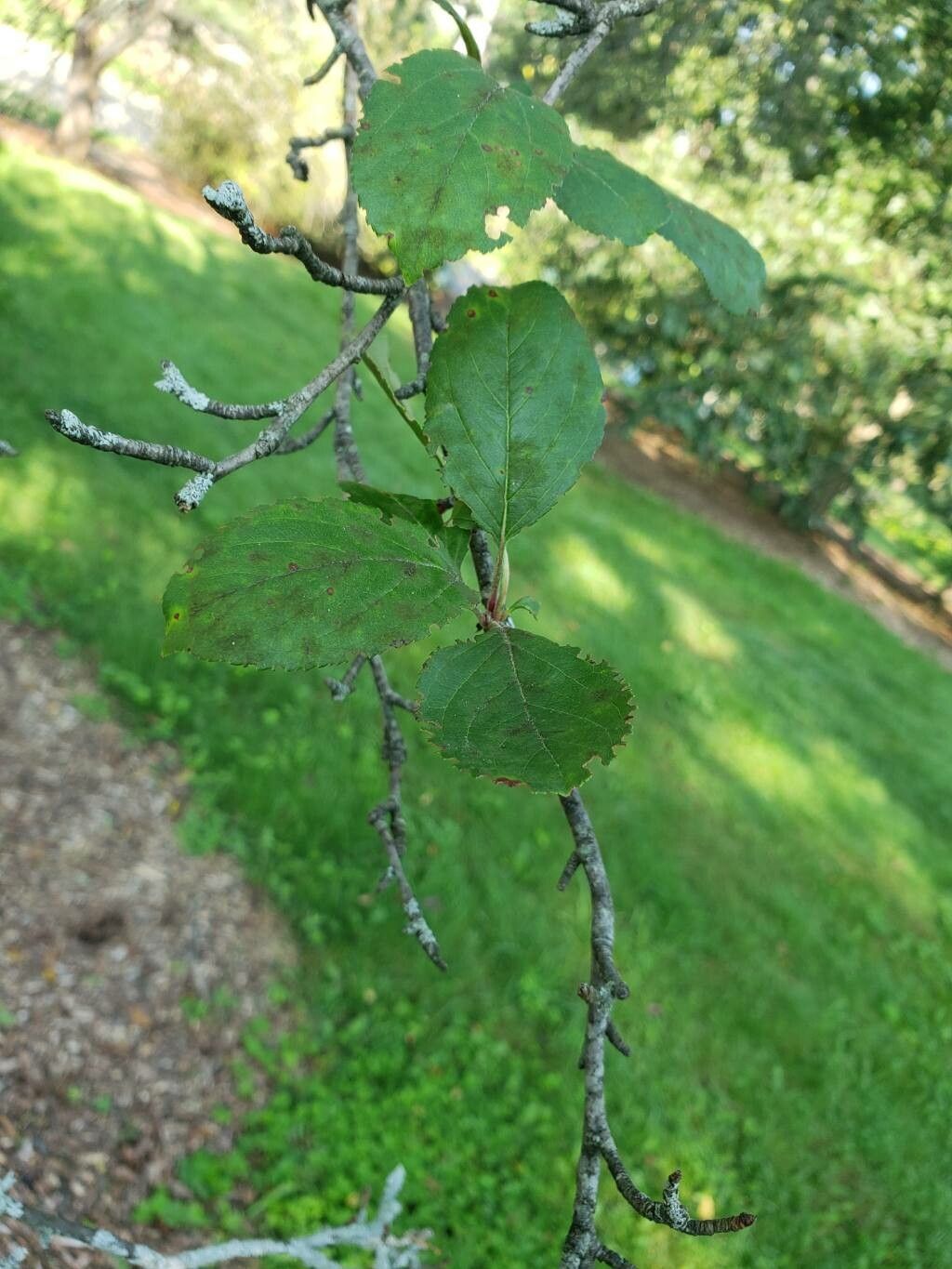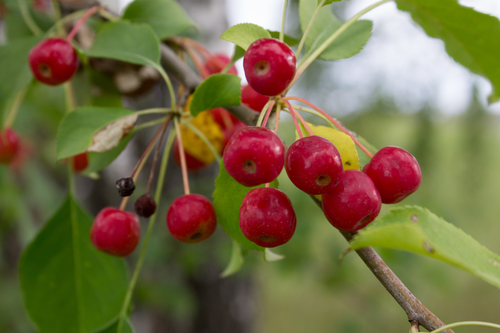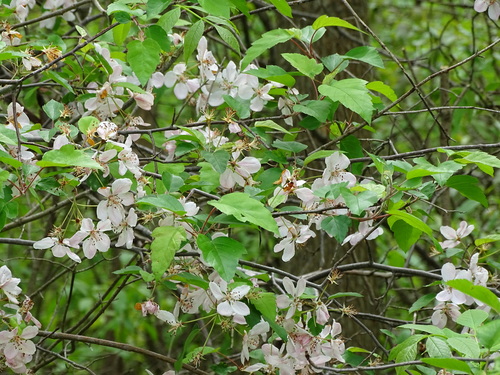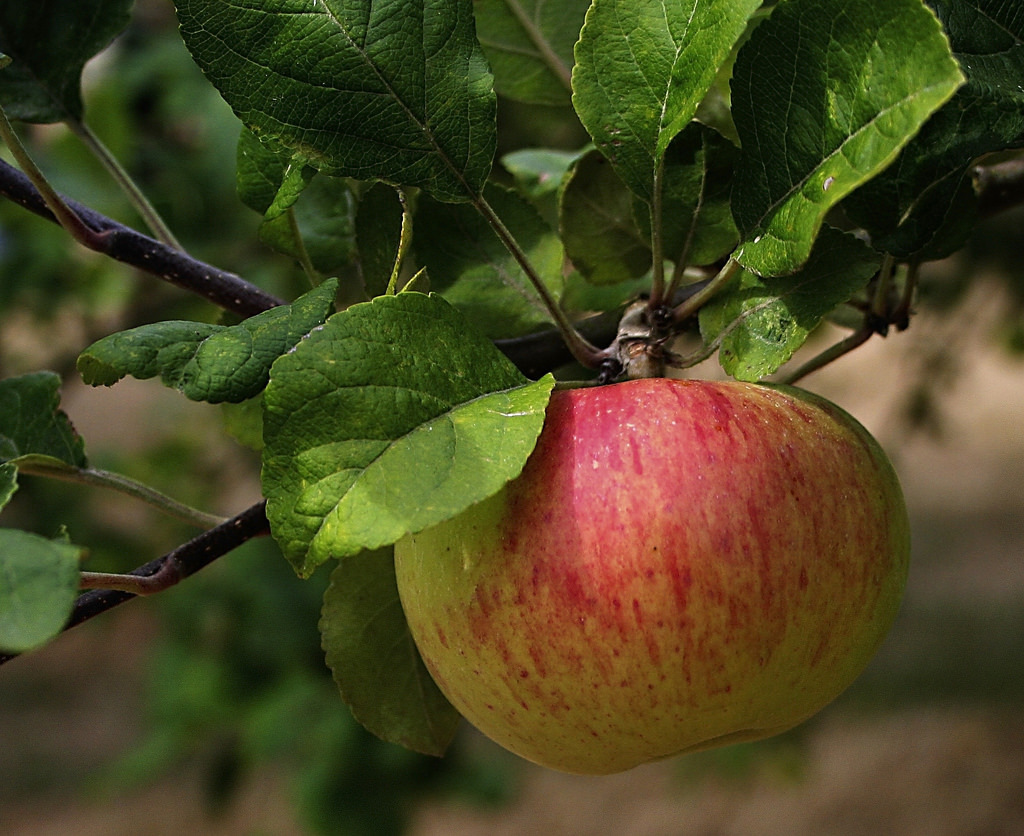
Malus sylvestris, commonly known as the European wild apple, is a deciduous tree native to Europe and western Asia. Belonging to the Rosaceae family, it can grow up to 10 meters tall. The tree features a rounded crown with dense foliage composed of dark green, ovate leaves.
In spring, the European wild apple tree blossoms with pink or white flowers, which are followed by small green fruits. These fruits ripen into yellow or red apples by autumn. Although the fruit is edible, it is not commonly consumed due to its sour taste.
Malus sylvestris thrives in well-drained soils and can tolerate both full sun and partial shade. It is often found growing in woodlands, hedgerows, and along riverbanks.
The loss of natural habitats has made the European crab apple rare in its native regions. However, efforts have been made to conserve this species by establishing protected areas and seed banks. In the wild, this tree is known for its sharp thorns. FUN FACT · FROM THE LIBRARY
Historically, the tree has been valued for its medicinal properties. It contains high levels of antioxidants, which help boost the immune system. Its bark has been used as an astringent for treating diarrhea, and its leaves have been utilized for their anti-inflammatory properties.
Besides its medicinal uses, Malus sylvestris plays an important ecological role by providing food and shelter for various wildlife species, including birds, insects, and squirrels.
In summary, Malus sylvestris is a significant plant species both ecologically and medicinally. Its value extends beyond aesthetics to economic importance, with various applications in industries such as food production.
The European crab apple, scientifically known as Malus sylvestris, is commonly referred to as the wild apple. The Latin name "sylvestris" means "forest apple," reflecting its natural habitat. This species is believed to be related to the earliest cultivated apple trees. It is called the European crab apple because it is indigenous to Europe.
Apple demonstrates strong resistance to disease and is typically not susceptible to illnesses. With respect to upkeep, this plant is fairly low-maintenance. When grown outdoors it needs little watering, and larger specimens usually do not require pruning. Smaller plants, however, should be pruned after they finish blooming. Applet is appropriate for anyone with outdoor space, such as a garden or a deck, and does not demand extensive experience in plant care.
How to keep Malus Sylvestris.
Light
Apples prosper with significant exposure to sunlight but can also cope well under medium light conditions. Adequate light contributes to the plant's strong growth and evolution. Different phases of growth may require different light requirements. Either too much or too little light could potentially hamper the plant's well-being. Ultimately, the plant's native habitat is in harmony with these light conditions.
Water
Originating from temperate regions, the European crab apple tree thrives with moderate moisture and can tolerate short periods of dryness. To maintain optimal soil moisture, water the tree every three weeks, ensuring the soil stays moist but not waterlogged. During its dormant winter period, the tree requires less frequent watering.
Humidity
This plant will thrive in moderate humidity, which is probably the level in your home. However, misting it a few times a week can be very beneficial. Make sure the room has good ventilation.
Temperature
The apple tree is indigenous to areas with temperate climates, suggesting it thrives better in colder temperatures. It operates optimally in temperature ranges of 32 to 95 ℉ (0 to 35 ℃). The tree's temperature conditions need to be tweaked in accordance with the season. For instance, during the spring season, the tree should be subjected to colder temperatures to stimulate flowering, whereas, in the summer, it performs better in relatively warmer settings.
Fertilizer
The Apple tree necessitates adequate nutrition for the ideal yield of fruit. Apply fertilizer in the initial days of spring to stimulate new growth and blossom. Regular fertilization assists the tree in maintaining its health, producing tastier fruit, and averting problems related to nutrient deficiency such as pale leaves and low fruit yield.
Pruning
The European crab apple benefits from pruning in late winter. This process involves removing dead wood, thinning out branches, and shaping the canopy to improve air flow and light penetration. Pruning at this time promotes overall health, enhances flowering, and increases fruit production. Be sure to use clean, sharp tools to minimize the risk of damage and disease.
Pot & Repot
When rehousing an Apple plant, select a container that is 1-2 inches (2.5-5 cm) bigger and has sufficient drainage. Utilize a potting mixture that drains well. Carry out the repotting during spring or autumn, making sure that the root ball is positioned a bit lower than the edge of the plant pot. Thoroughly water the plant after the repotting process and position it in a warm location that gets indirect sunlight.
Botanical profile.
- Plant Type
- Tree
- Life Cycle
- Perennial
- Genus
- Malus
- Family
- Rosaceae
- Hardiness Zone
- 3-10
- Mature Height
- 2.13 m to 14.94 m
- Mature Spread
- 4.57 m to 9.14 m
- Leaf Color
- Green
- Leaf Type
- Deciduous
- Flower Color
- White, Pink
- Flower Size
- 3.05 cm to 4.06 cm
- Bloom Time
- Mid spring, Late spring
- Planting Time
- Spring, Autumn
- Harvest Time
- Mid summer
- Native Area
- Kazakhstan
Other names.
Reader questions.
How should I water my European crab apple tree?
To promote excellent root development, it's helpful to place a garden hose at the base of the plant. When watering, it's best to avoid directly spraying the leaves. If the plant is outdoors and exposed to direct sunlight, the leaves will need more water. To moisten the roots, you can use bubblers that attach to each plant. Soaker hoses can also be used to cover the entire garden or bed, ensuring deep root watering when adding or removing plants. Make sure to drain any excess water and allow the soil to dry before watering again. To prevent diseases, water at ground level. On a sunny day, it may be beneficial to spray the entire bush with water. Whether the plant is potted or in the ground, it's important to remember that European crab apples prefer deep watering rather than light sprinkling.
Why should I put fertilizer on my European crab apple tree?
Plants need nutrients to grow, but their growth can deplete the soil, especially for fast-growing plants. Regular fertilization for European crab apple can provide extra nutrients, which will keep it healthy and result in more delicious fruit. If plants are not fertilized for a long time, they can face various problems. Nutrient deficiency can cause issues with foliage, such as yellow leaves, as well as red leaves, deformed shapes, withered tips, or dying sections. Bark disorders, slow growth, poor shoot development, and a lack of fruit production can also result from nutrient deficiency.
How many hours of sunlight per day does a European crab apple tree need to grow healthy?
To promote healthy growth, it's important to provide the European crab apple tree with a minimum of 3–6 hours of sunlight every day. Although this is the minimum requirement, most plants that tolerate partial sunlight can also do well in full sunlight. These plants are more adaptable because they need less light for photosynthesis, unlike plants that either need full sunlight or partial shade.
What is the ideal temperature range for European crab apple?
European crab apple is indigenous to climates where temperatures vary between 32 to 95 °F (0 to 35 °C). This range represents its ideal temperature preference, showing a strong inclination towards colder climates. The species possesses significant cold resistance, making it well-suited to environments within this temperature bracket. During hotter seasons, though, measures might be required to adapt it to milder environments, ensuring the plant's health and survival.
If I give too much or too little water to the European crab apple, what should I do?
An overwatered European crab apple can show signs of yellowing and wilting leaves, as well as a dull and unhealthy appearance with mushy stems. Adjust your watering schedule when you see these signs, as it could indicate both overwatering and under watering. Overwatered leaves will be soft and wilted, while under-watered leaves may turn crispy and dry. Check the soil moisture level and water fully when dry. However, even with enough water, the plant may still have yellow leaves and appear dry due to a damaged root system. Once the plant recovers, the yellowing of leaves will stop. When keeping a European crab apple indoors, always check for moisture levels and avoid overwatering. Look for signs of black spots, and if present, let the soil dry out by withholding water for a few days. Overwatering can lead to root rot, so if you notice discolored and slimy roots, consider transferring the plant to a different pot and preventing soggy soil. When planting the European crab apple outdoors, dig deeper and if the soil feels dry, it may indicate underwatering. Provide adequate watering to help the plant recover.
When should I fertilize my European crab apple tree?
The best time to fertilize European crab apple is in early spring before the buds emerge. During this time, the tree uses stored reserves to grow new blooms. Fertilizing 2 to 4 weeks before the expected bloom allows enough time for the nutrients to be absorbed and dispersed throughout the plant. You can continue to feed the tree during spring, but avoid fertilizing in autumn to prevent late-season foliage development that may be susceptible to winter damage.
What kind of sunlight does the European crab apple tree need?
The European crab apple thrives in full or part sun, but it prefers direct morning light. During summer, it's important to protect it from the strong afternoon sun to avoid burning the leaves and harming its overall health and appearance specifically in temperate environments.
How do you protect European crab apples in winter?
Despite its considerable cold resistance, when winter temperatures are anticipated to drop below the plant's growth limit, it is crucial to protect the European crab apple from the cold. This protection can be effectively provided by wrapping the plant's trunk and branches with insulating materials such as non-woven fabric or cloth. Additionally, it is recommended to water the tree abundantly before the first freeze in autumn. This ensures that the soil around the plant remains moist when it enters a frozen state, ultimately helping to prevent drought and water scarcity during the winter and early spring periods.
How often do I need to water my European crab apple?
The European crab apple tree prefers deep, infrequent watering. If you are planting them in pots, make sure to give them a gallon of water each time. Potted plants dry out faster, so they will need watering every 3 to 5 days in cold regions. Water in the morning when the soil is dry, both indoors and outdoors. Check the soil to see if it needs watering - if the top 2-3 inches are dry, it's time to water. Be aware that hot days can dry out the soil quickly, so monitor the moisture daily in these conditions. For garden plants, irrigation is necessary. In hot climates, watering once a week is usually sufficient. Monitor the soil and water when about 2 to 3 inches become too dry. If there is ample rainfall, you may not need to water the plants additionally, as this could lead to root rot. Mulching with 3 to 4 inches of depth can help conserve water when the plants are outdoors during spring and fall. Sandy soil requires more frequent watering due to its faster drainage, while clay soil can be watered less often to avoid root rot. Keeping track of watering dates and observing drooping leaves can help ensure timely watering.
When is the best time to not fertilize my European crab apple tree?
Here are some tips for fertilizing European crab apple: 1. In the first year of growth, avoid fertilizing completely. If fertilization is not necessary, be cautious about providing it. 2. If you pruned 20% or more of the plant in the previous year, do not fertilize. 3. Do not fertilize plants that are diseased or damaged, as this can do more harm than good. Instead, address the root cause of the issue before considering fertilizer. 4. Avoid fertilizing after the peak of summer, as this can cause excessive growth just before winter. 5. During hot and dry times of the year, refrain from fertilizing European crab apple. Dry soil does not effectively deliver fertilizer, and stimulating growth at this time may require more water that may not be available. 6. It is best to apply fertilizer earlier in the season when temperatures are cooler. 7. Be cautious about inadvertently giving nearby plants or lawns a double-dose of fertilizer, as European crab apple can absorb applied fertilizers. Following these guidelines will help ensure the proper application of fertilizer to European crab apple plants.
Can the sun harm European crab apple trees? How can I keep European crab apple trees safe from damage caused by the sun and heat?
When European crab apple trees are moved from indoors to outdoors, they can easily be damaged by direct sunlight. To prevent sunburn, it's best to gradually move the pots from a shaded area to a brighter spot. However, even if the plants are used to the summer sun, extreme heat can still harm them. During a heatwave, it's important to keep the soil consistently moist to help the plants handle high levels of heat. To protect sensitive European crab apple trees during extreme weather, you can move them to areas with afternoon shade or cover them with a shade cloth.
What are the symptoms of low temperature stress in European crab apple, and how do you address them?
European crab apple has a high tolerance for cold, thriving best when the temperature remains above a minimal suitable growth threshold during winter. However, when temperatures fall below the critical growth limit, the plant does not exhibit immediate changes during winter. It is in spring that the consequences become visible - branches may turn brittle, dry out, and fail to sprout new shoots. The solution to this problem is straightforward: during spring, prune away any branches that have become dead and do not produce new leaves, to promote the growth of healthy new shoots.