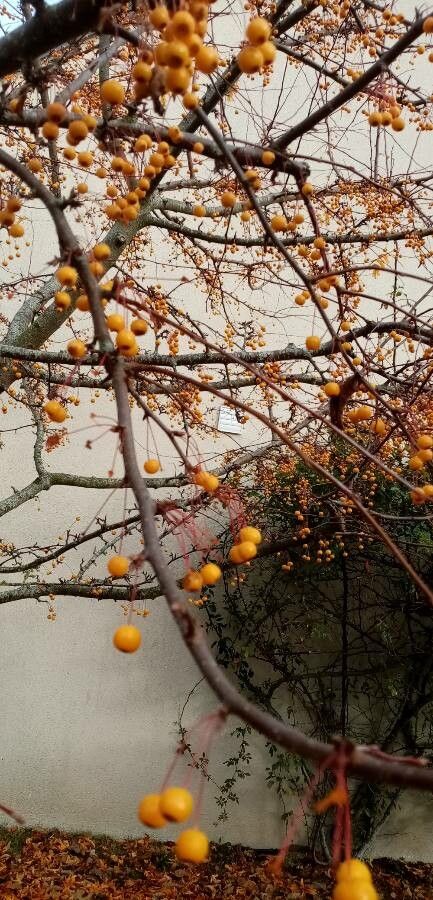
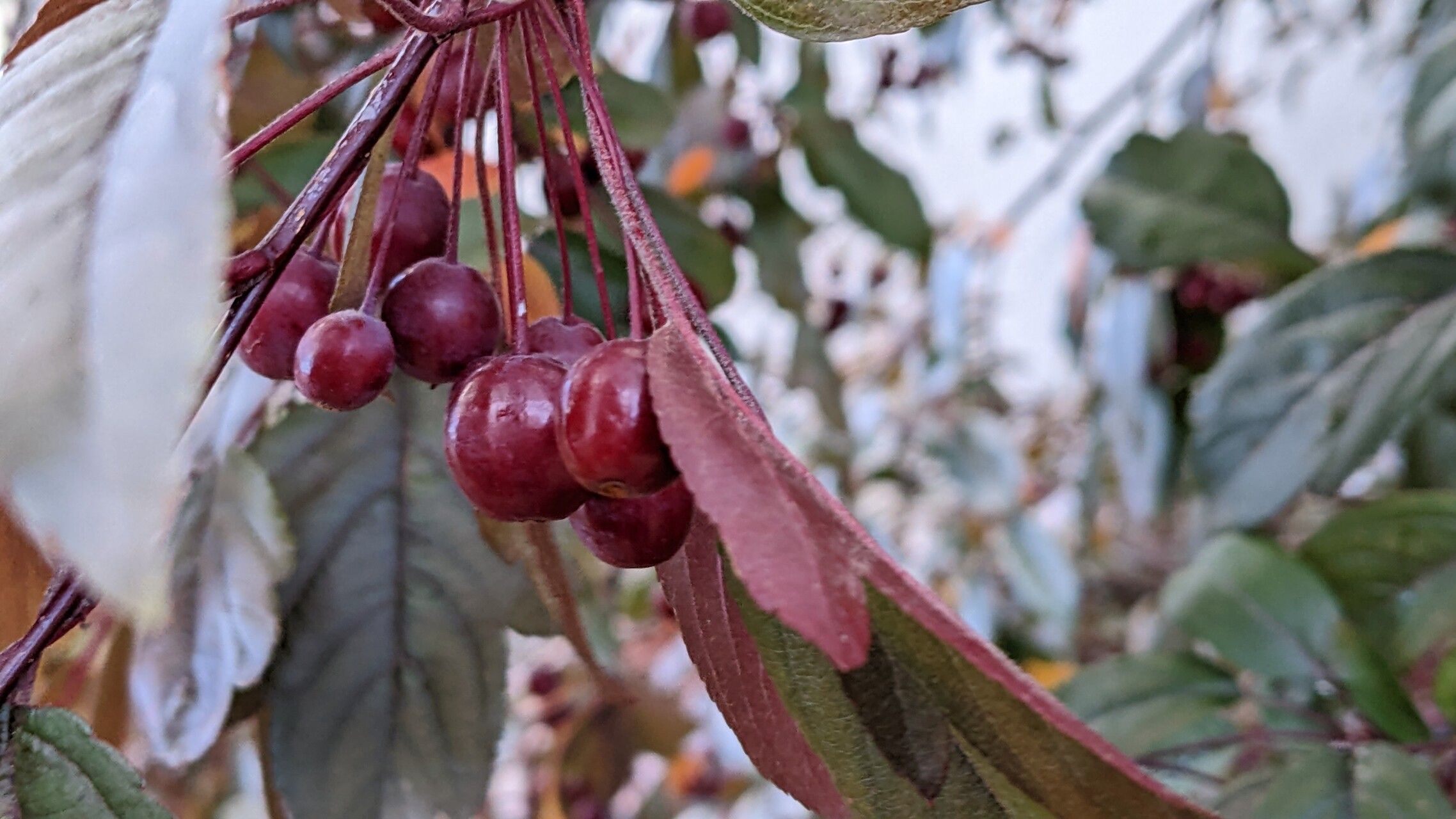
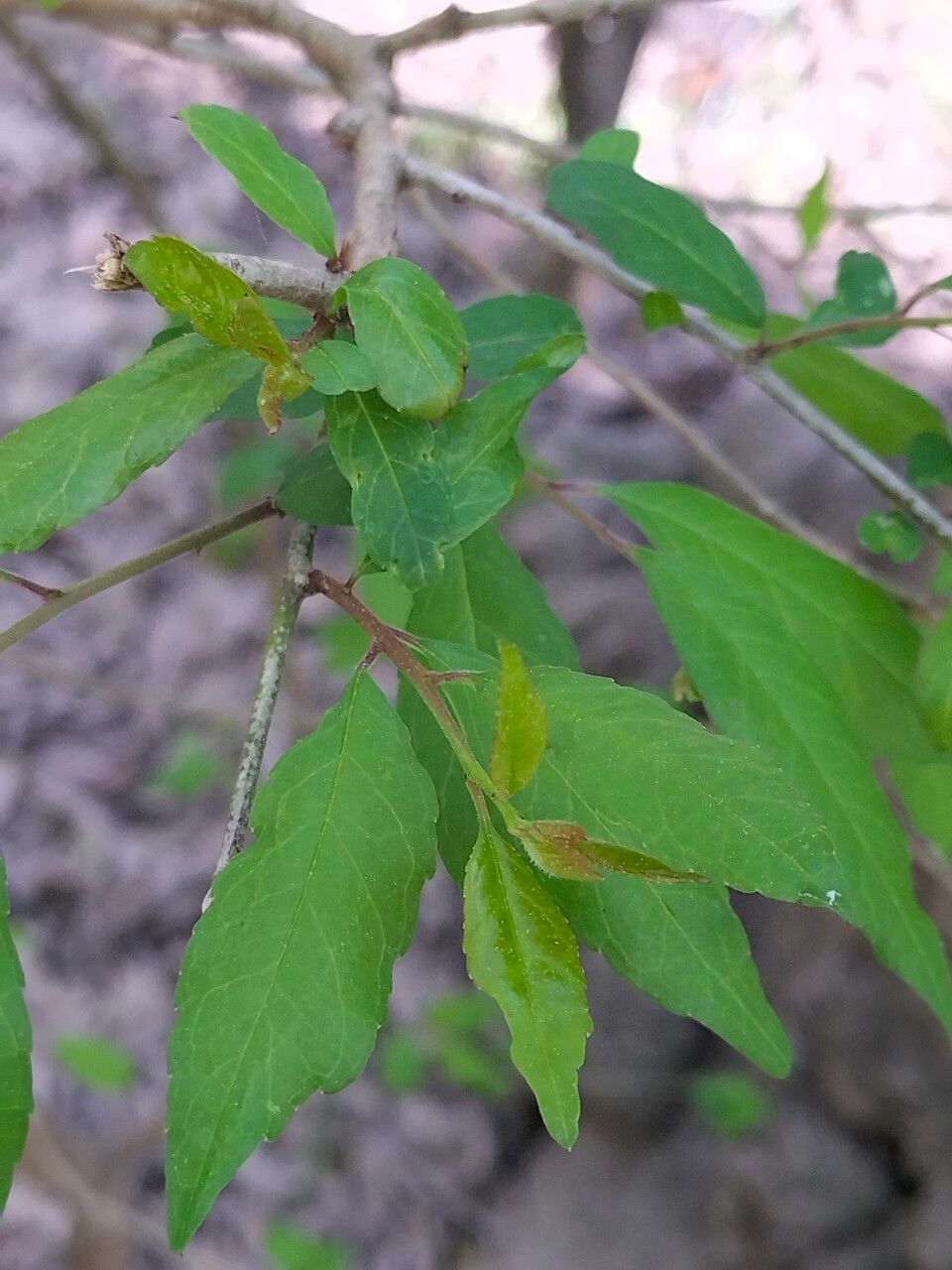
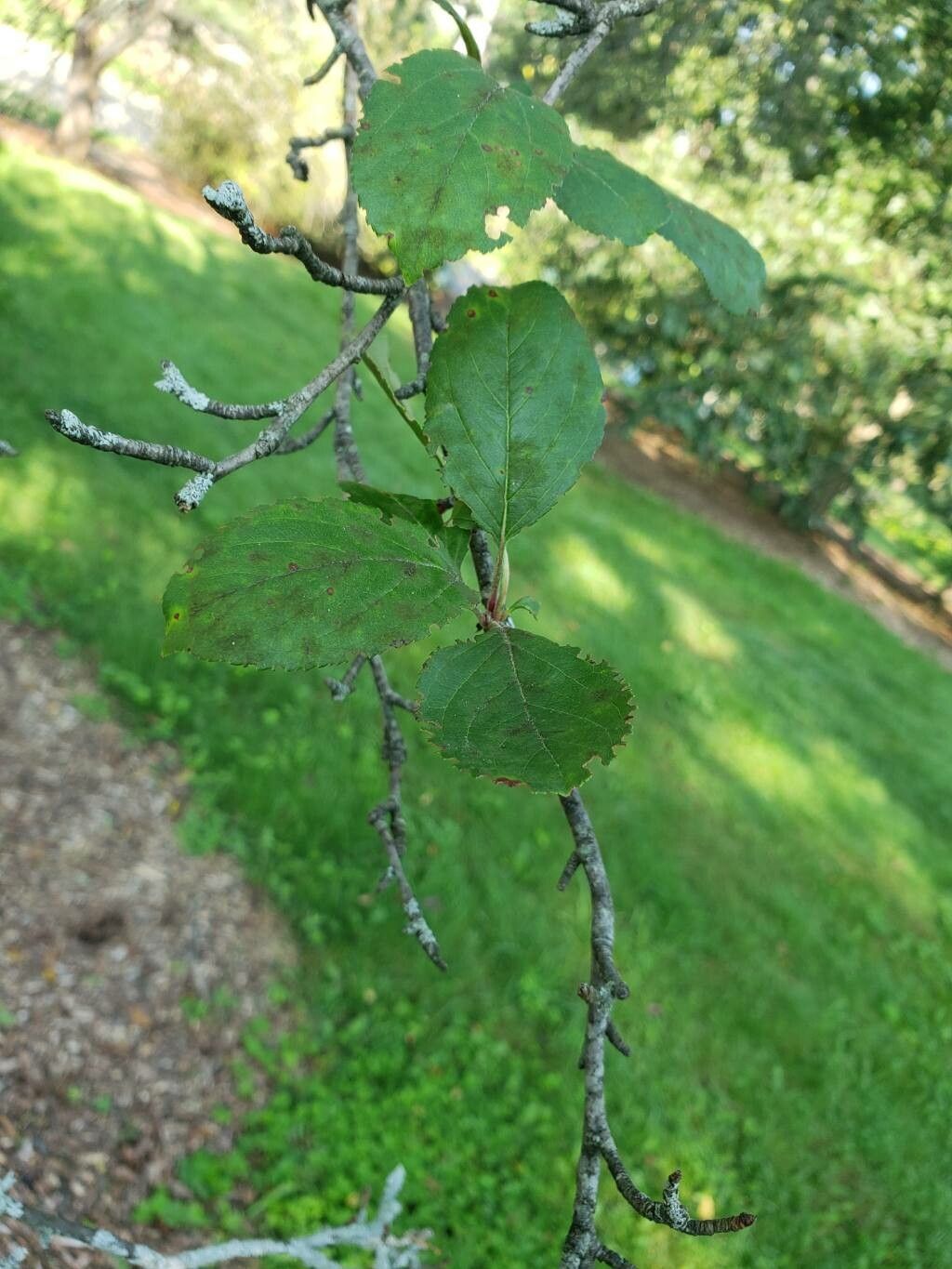
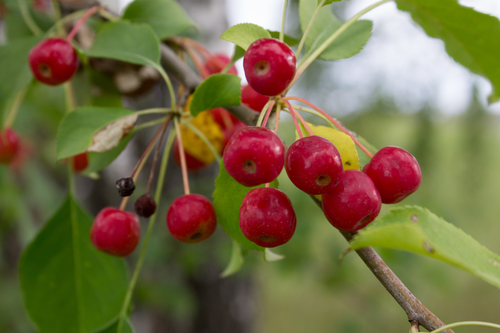
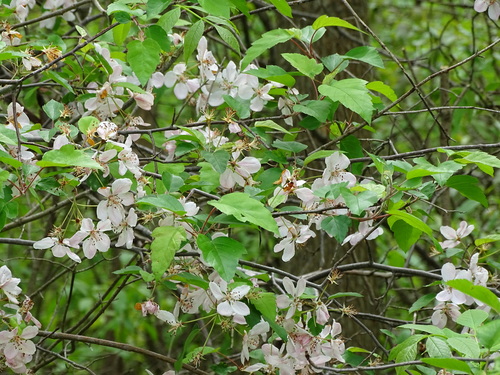
Malus x sieboldii, commonly known as Siebold's crabapple, is a deciduous tree in the Rosaceae family. This hybrid of Malus baccata and Malus sieversii is native to Japan. It can reach a height of up to 10 meters, with a spread of about 8 meters, and features an upright growth habit with an oval-shaped crown.
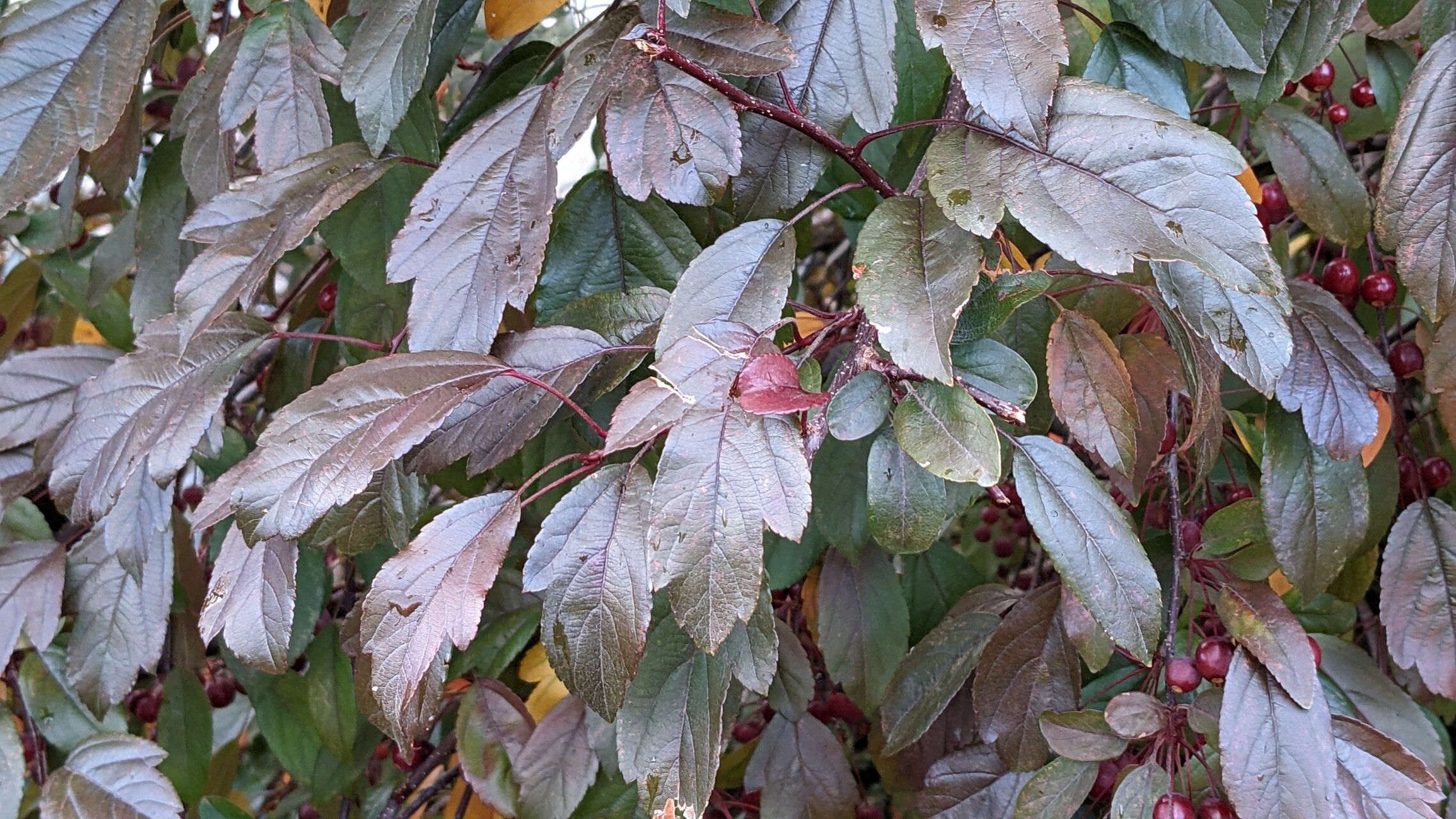
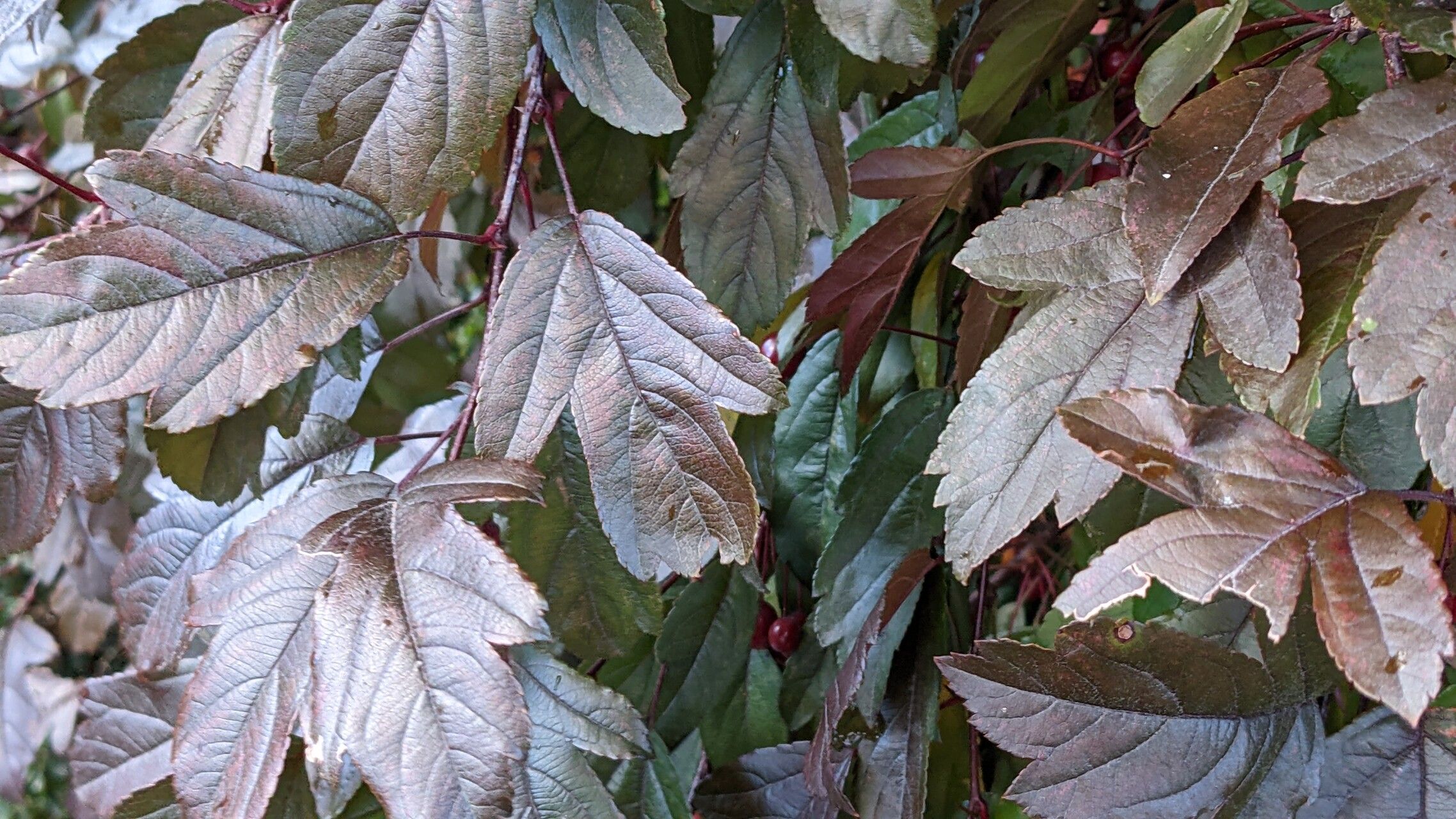
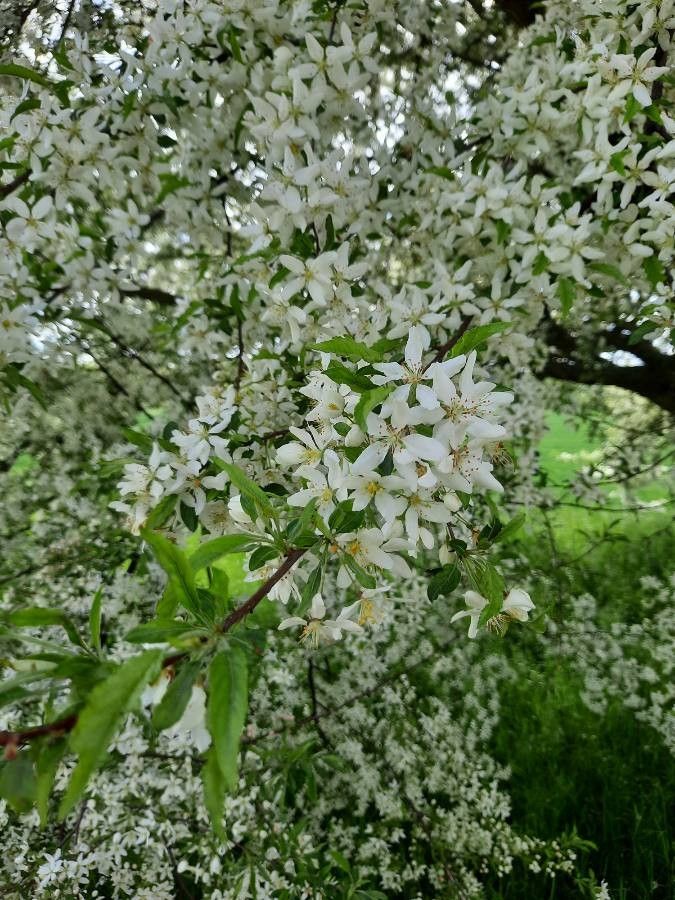
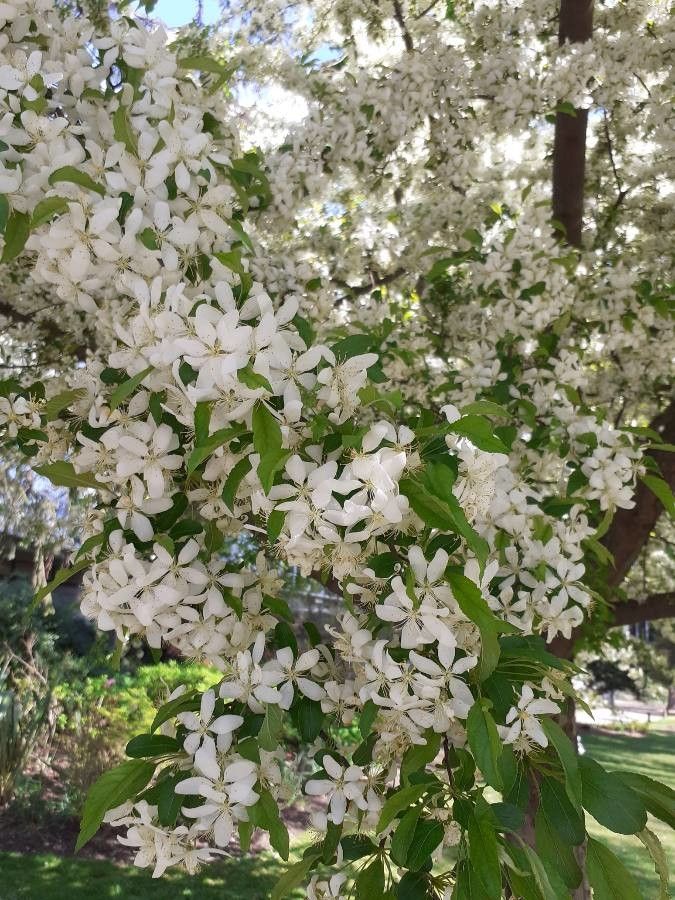
The dark green leaves of Siebold's crabapple are serrated along the edges. In spring, the tree produces pink or white flowers, followed by small red or yellow fruits.
Often used as an ornamental tree, Siebold's crabapple is valued for its attractive flowers, foliage, and fruits. It can be grown as a specimen plant or utilized in hedging, thanks to its dense growth habit.
The tree prefers well-drained soil and full sun exposure but also tolerates partial shade. Regular watering is essential during the growing season, although it should be watered sparingly during the winter months.
In summary, Malus x sieboldii is an excellent choice for gardeners seeking a low-maintenance ornamental tree that provides year-round interest with its foliage, flowers, and fruits.
The Japanese flowering crabapple has good resistance to disease and is generally not susceptible to illnesses. In terms of care, this plant is fairly low-maintenance. When grown outdoors it needs only minimal watering, and larger specimens typically do not require pruning. Smaller plants, however, should be pruned after they finish blooming. The Japanese flowering crabapple is suitable for anyone with an outdoor area, such as a garden or a deck, and does not demand extensive gardening experience.
How to keep Malus Sieboldii.
Light
The Japanese flowering crabapple comes from open spaces, like bright meadows and the peripheries of forests, where lots of light is available. It flourishes in Full Sun yet can also withstand Partial Sun, showing good adaptability to differing levels of sunlight.
Water
The Toringo crabapple thrives in environments with moderate humidity and occasional rainfall. It should be watered every two weeks, but can tolerate short periods of dryness. This plant is usually grown outdoors and becomes dormant during the colder months, which means it requires less water to match the reduced precipitation in winter.
Temperature
Japanese flowering crabapple shows strong adaptability to a wide range of climates, from scorching summers to cold winters. However, it still has a preferred temperature range for healthy growth. If temperatures become too high, the plant is vulnerable to heat and humidity stress, which can lead to its death. In regions where temperatures near the lower limit of its cold tolerance, it's important to apply insulation measures to protect the plant.
Fertilizer
The timing for fertilizing Japanese flowering crabapple is significant. Apply fertilizer beginning in the early spring and continue monthly until the early summer. The nutrients from the fertilizer assist in producing beautiful flowers and supply energy during periods of dormancy and active growth.
Pruning
The Toringo crabapple, known for its small ornamental apples and attractive fall foliage, benefits from early spring pruning to remove unhealthy branches. Thinning the tree also enhances air circulation and sunlight exposure, which reduces the risk of disease and improves its visual appeal.
Botanical profile.
- Plant Type
- Shrub
- Life Cycle
- Perennial
- Genus
- Malus
- Family
- Rosaceae
- Hardiness Zone
- 4-8
- Mature Height
- 1.83 m to 2.44 m
- Mature Spread
- 7.01 m
- Leaf Color
- Yellow, Green
- Leaf Type
- Deciduous
- Flower Color
- White, Red, Pink
- Flower Size
- 2.03 cm to 3.05 cm
- Bloom Time
- Mid spring, Late spring
- Planting Time
- Spring, Autumn
- Harvest Time
- Late summer, Early fall, Mid fall
Other names.
Reader questions.
What are the sunlight requirements for Toringo crabapple?
Toringo crabapple thrives best in full sun, requiring above 6 hours of sunlight daily, but it can also grow adequately in partial sun, with about 3-6 hours of sunlight. It's essential to watch how sunlight moves through your garden to find the perfect balance of light and shade, ensuring the plant's happiness and optimal growth.
What are the ideal temperature conditions for Toringo crabapple?
The Toringo crabapple, or Malus sieboldii, thrives in climates with temperatures ranging from 32 to 95 °F (0 to 35 °C). This plant prefers cooler climates but is adaptable to seasonal changes. It possesses strong cold resistance, so special frost protection is generally not needed. However, in winters where temperatures are forecasted to fall below -35°C, providing cold protection by wrapping the trunk and branches with non-woven fabric or cloth is advisable. Watering the plant abundantly before the first freeze of autumn to keep the soil moist is recommended for helping to prevent drought during winter and early spring.
How does artificial lighting support Toringo crabapple's growth?
Indoor Toringo crabapple plants benefit significantly from artificial lighting, especially when natural sunlight is insufficient. LED lights are recommended for their ability to provide specific light wavelengths needed by plants. For full sun plants, 30-50W/sq ft is necessary, partial sun plants require 20-30W/sq ft, and full shade plants need 10-20W/sq ft of artificial light. The light source should be placed 12-36 inches above the plant for 8-12 hours per day to mimic natural sunlight and support healthy plant growth.
How does Toringo crabapple respond to low temperatures, and what measures should be taken?
The Toringo crabapple is cold-tolerant, best thriving above 0°C and should be kept from falling below -30°C during winter. Exposure to temperatures below -35°C may not show immediate damage during winter, but by spring, branches can become brittle and dry, with no new growth. To mitigate this, dead branches that fail to produce new leaves in spring should be pruned away.
What symptoms indicate Toringo crabapple is receiving inadequate light?
Symptoms of inadequate light for Toringo crabapple include smaller new leaves, leggy or sparse growth, faster leaf drop, slower or no new growth, lighter-colored new leaves, and signs of stress such as chlorosis, sunscald, leaf curling, wilting, and leaf scorching. These symptoms suggest the plant is struggling with its current light conditions, impacting its growth and overall health.
How does Toringo crabapple react to high temperatures, and how can you protect it?
During summer, it's vital to ensure the Toringo crabapple does not exceed temperatures of 35°C. When temperatures surpass 41°C, the plant's leaves may lighten in color, with tips becoming dry and withered, increasing susceptibility to sunburn. To protect the plant, trim away sunburned and dried parts, move it to or provide shade during the midday and afternoon sun, and ensure the soil remains moist by watering in the morning and evening.
How can I remedy light deficiency problems in Toringo crabapple?
To remedy light deficiency in Toringo crabapple, gradually move the plant to a sunnier location until it receives at least 6 hours of direct sunlight daily. For indoor plants, consider using artificial lighting like desk or ceiling lamps for at least 8 hours a day, or professional grow lights for sufficient light exposure. For outdoor plants, it's crucial to avoid sudden light intensity changes to prevent sunburn. Pruning obstructions and transplanting to sunnier spots can also help increase sunlight exposure. Note that parts of the plant already affected may not recover, but new growth should be healthy with improved light conditions.