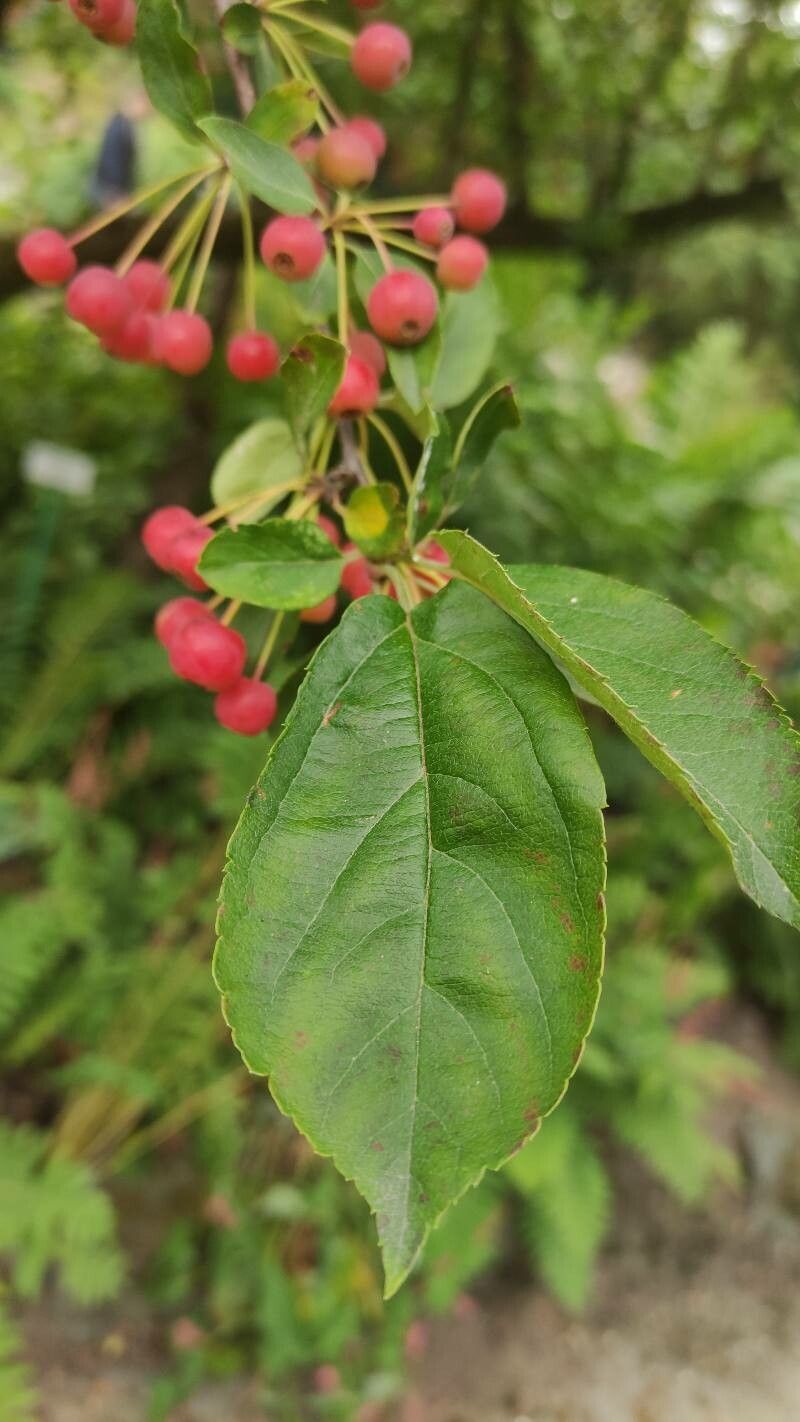
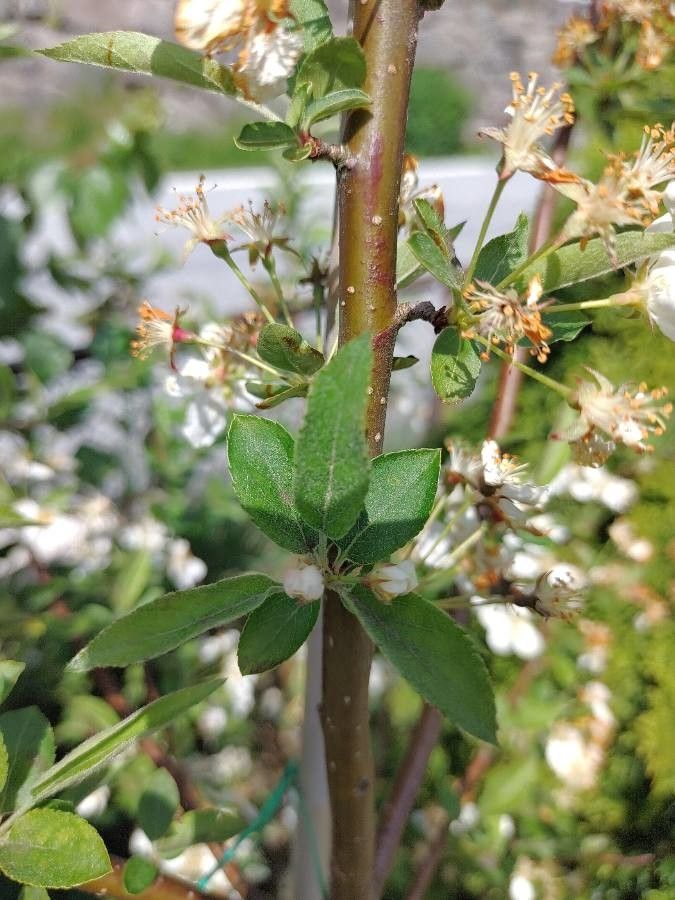
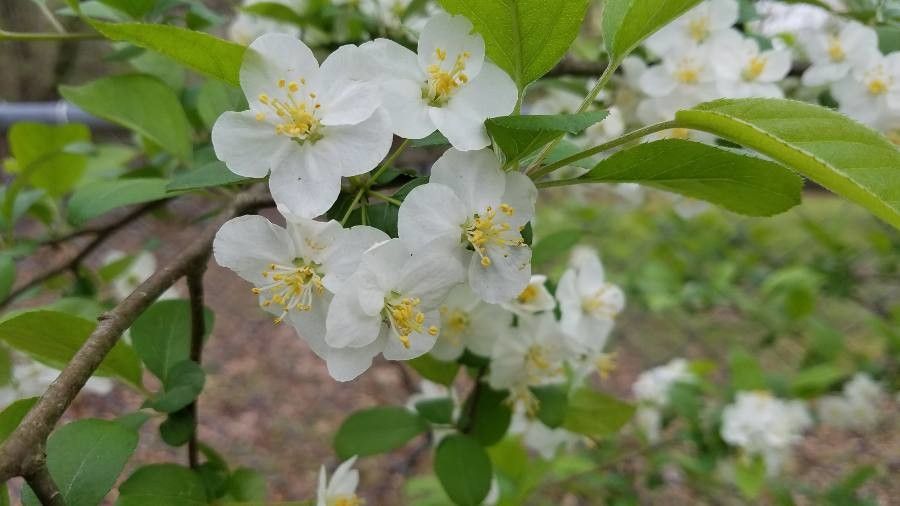
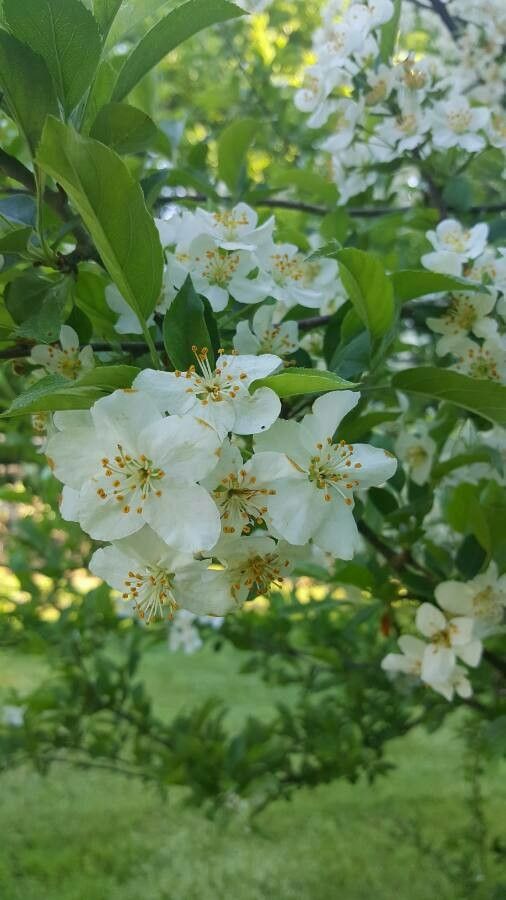
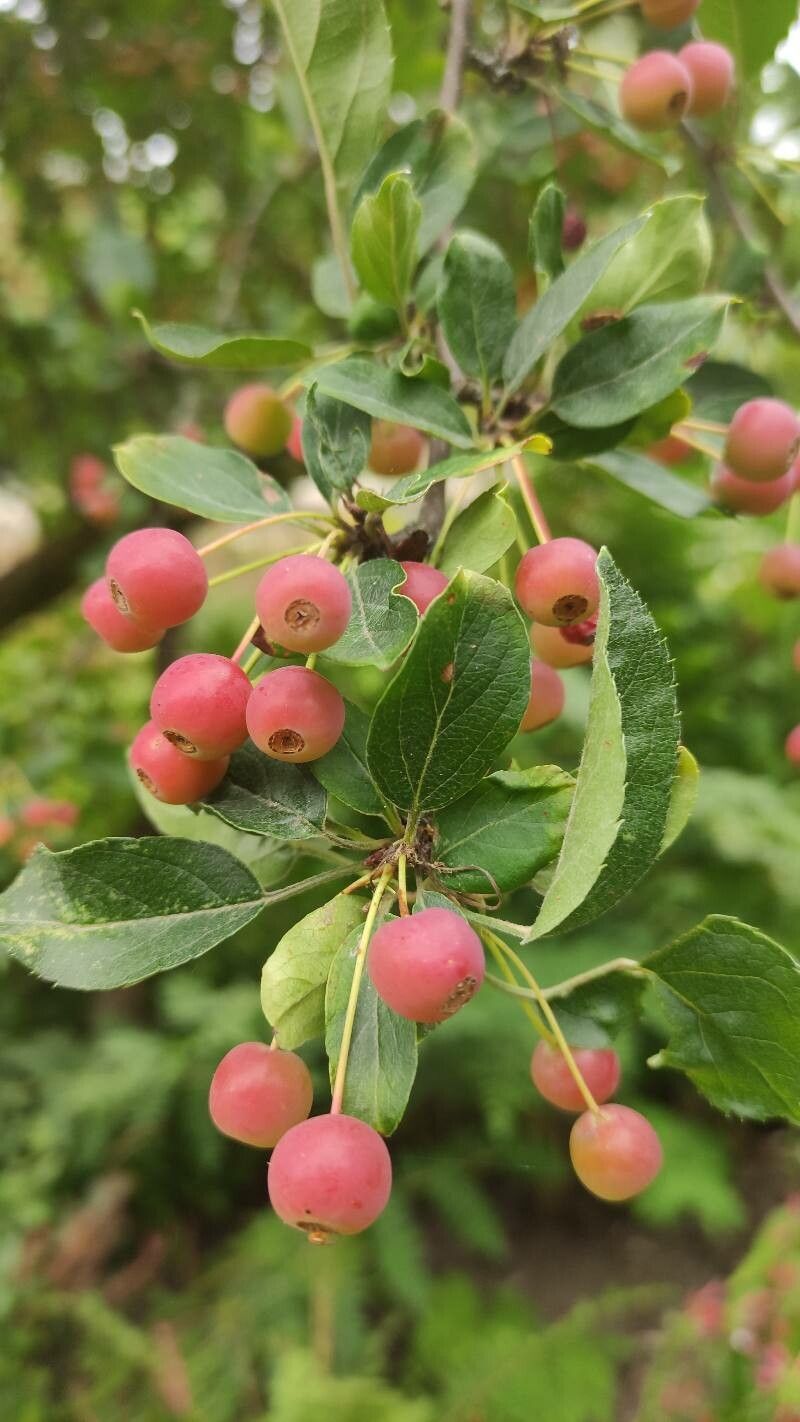
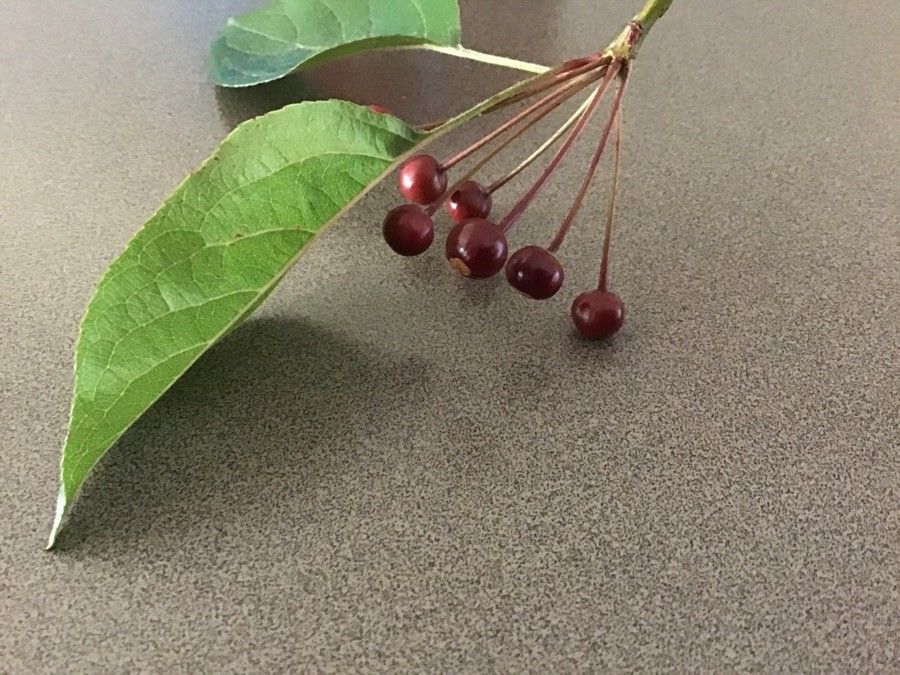
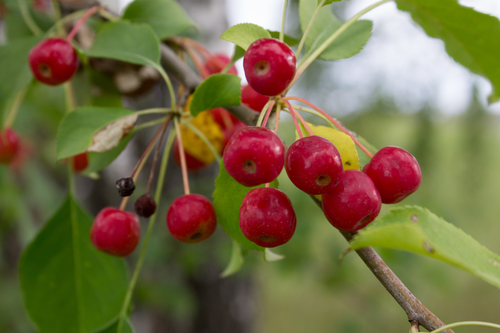
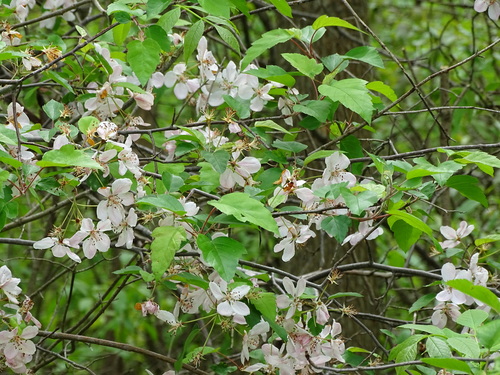
Malus sargentii, commonly known as Sargent's crabapple, is a deciduous tree native to Japan. It typically reaches a height of 20-25 feet with a spread of 15-20 feet. The tree features an upright growth habit with dense branching and produces beautiful pink or white flowers in the spring, followed by small red or yellow fruits in the fall.
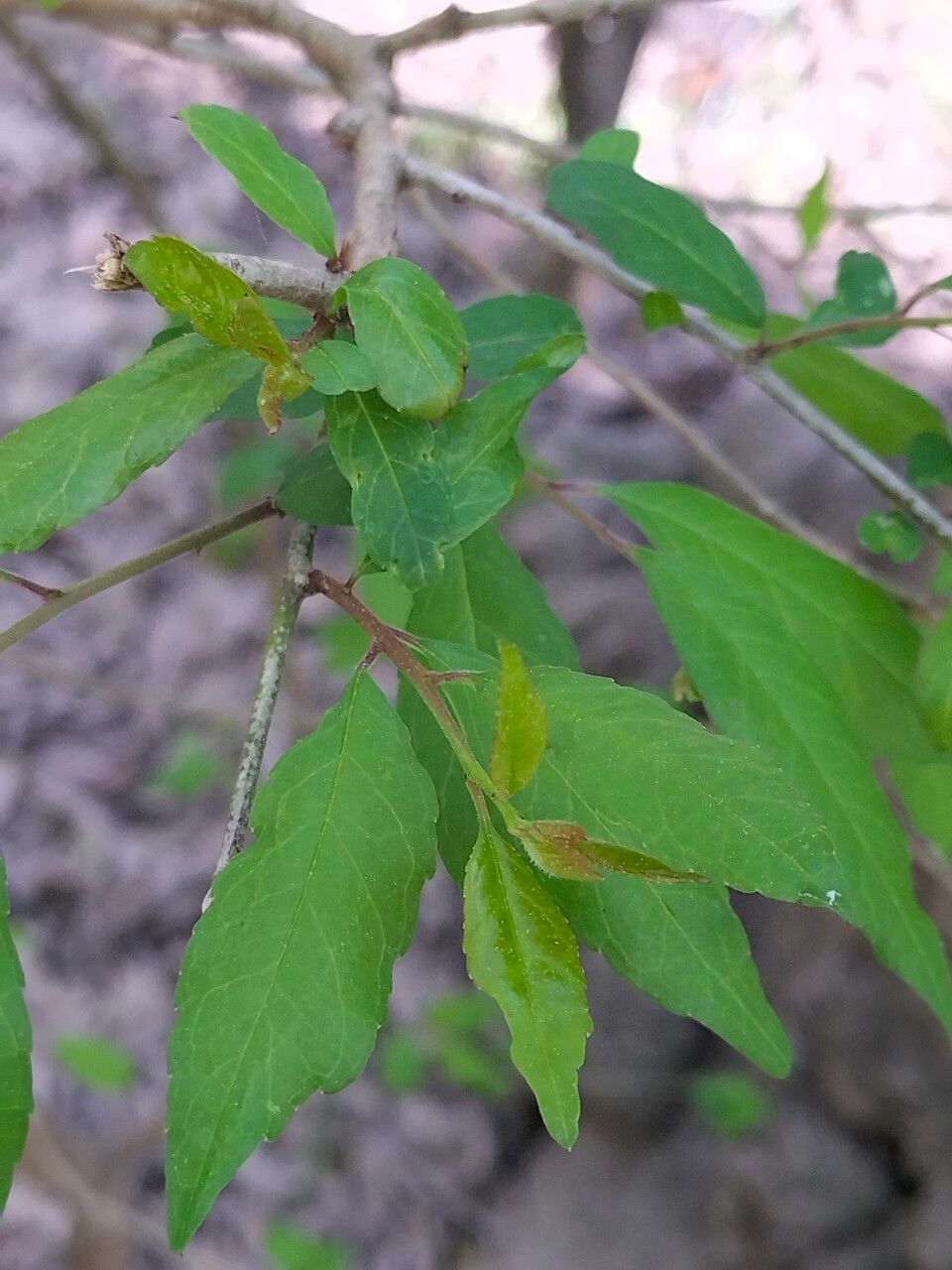
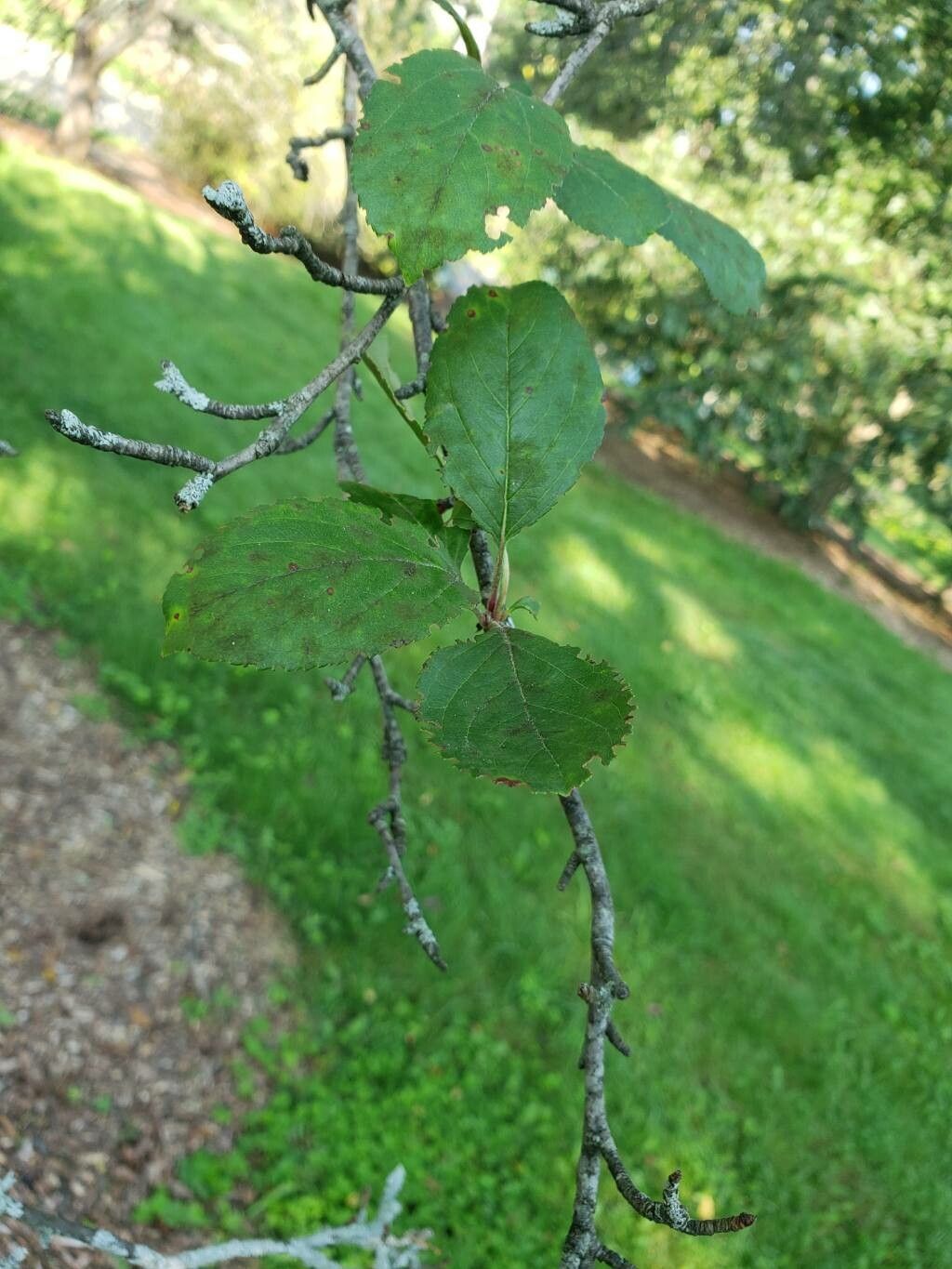
Sargent's crabapple is an excellent ornamental tree for gardens and landscapes, thanks to its attractive flowers, fruit, and foliage. The dark green leaves, which have serrated edges, turn yellow-orange in the fall before dropping.
This plant prefers full sun but can also tolerate partial shade. While it thrives in well-drained soil, it can adapt to various soil types, including clay.
One of the standout features of Sargent's crabapple is its disease resistance, making it an ideal choice for gardeners seeking low-maintenance plants. It is notably resistant to apple scab disease, which affects many other apple trees.
Overall, Malus sargentii adds beauty and interest to any landscape with its stunning flowers, colorful foliage, and attractive fruit. Its disease resistance properties make it easy to care for, making it a popular choice among gardeners worldwide.
The Japanese flowering crabapple has good resistance to disease and is generally not susceptible to illnesses. In terms of care, this plant is fairly low-maintenance. When grown outdoors it needs only minimal watering, and larger specimens typically do not require pruning. Smaller plants, however, should be pruned after they finish blooming. The Japanese flowering crabapple is suitable for anyone with an outdoor area, such as a garden or a deck, and does not demand extensive gardening experience.
How to keep Malus Sargentii.
Light
The Japanese flowering crabapple comes from open spaces, like bright meadows and the peripheries of forests, where lots of light is available. It flourishes in Full Sun yet can also withstand Partial Sun, showing good adaptability to differing levels of sunlight.
Humidity
This plant will thrive in moderate humidity, which is probably the level in your home. However, misting it a few times a week can be very beneficial. Make sure the room has good ventilation.
Temperature
Japanese flowering crabapple shows strong adaptability to a wide range of climates, from scorching summers to cold winters. However, it still has a preferred temperature range for healthy growth. If temperatures become too high, the plant is vulnerable to heat and humidity stress, which can lead to its death. In regions where temperatures near the lower limit of its cold tolerance, it's important to apply insulation measures to protect the plant.
Fertilizer
The timing for fertilizing Japanese flowering crabapple is significant. Apply fertilizer beginning in the early spring and continue monthly until the early summer. The nutrients from the fertilizer assist in producing beautiful flowers and supply energy during periods of dormancy and active growth.
Botanical profile.
- Plant Type
- Shrub
- Life Cycle
- Perennial
- Genus
- Malus
- Family
- Rosaceae
- Hardiness Zone
- 4-8
- Mature Height
- 1.83 m to 2.44 m
- Mature Spread
- 7.01 m
- Leaf Color
- Yellow, Green
- Leaf Type
- Deciduous
- Flower Color
- White, Red, Pink
- Flower Size
- 2.03 cm to 3.05 cm
- Bloom Time
- Mid spring, Late spring
- Planting Time
- Spring, Autumn
- Harvest Time
- Late summer, Early fall, Mid fall
- Native Area
- Japan
Other names.