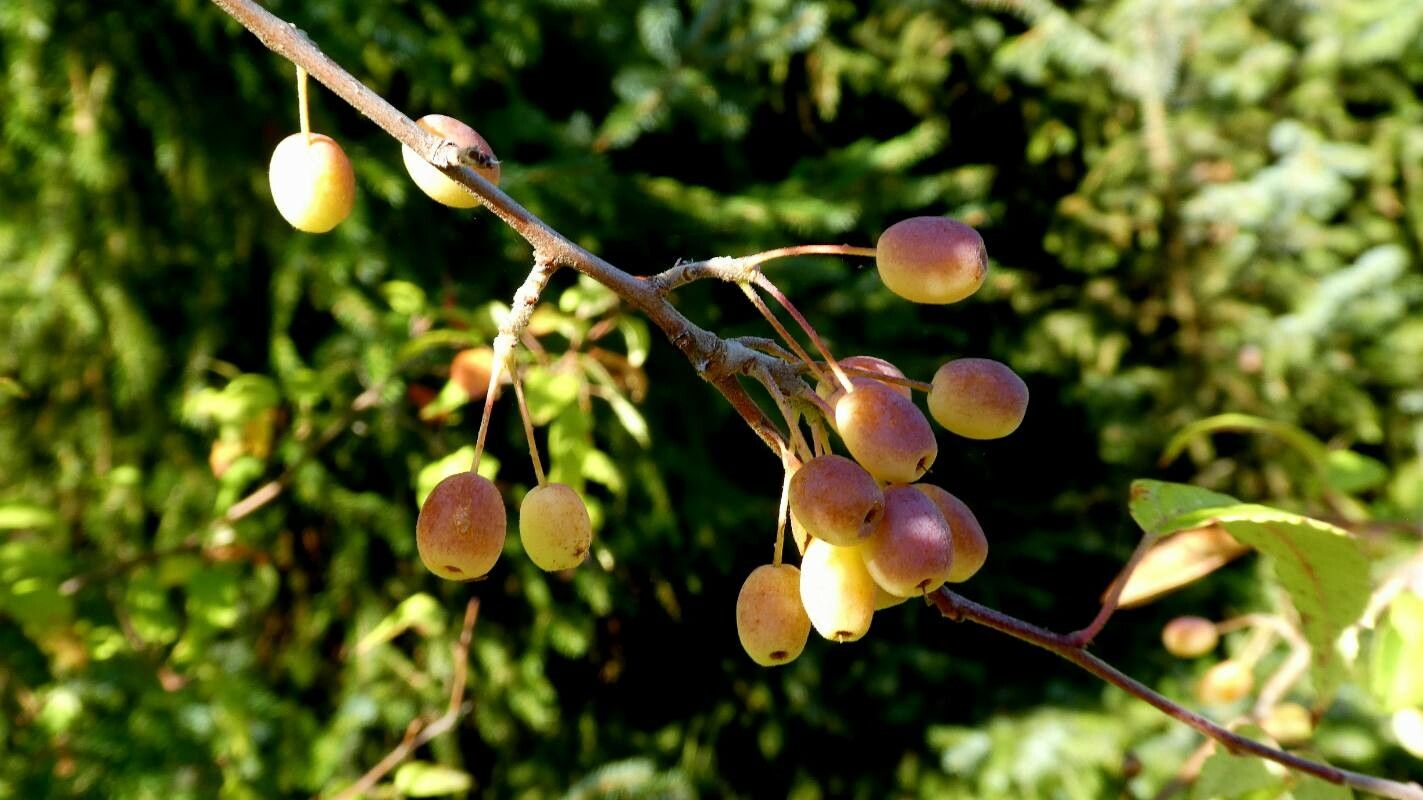
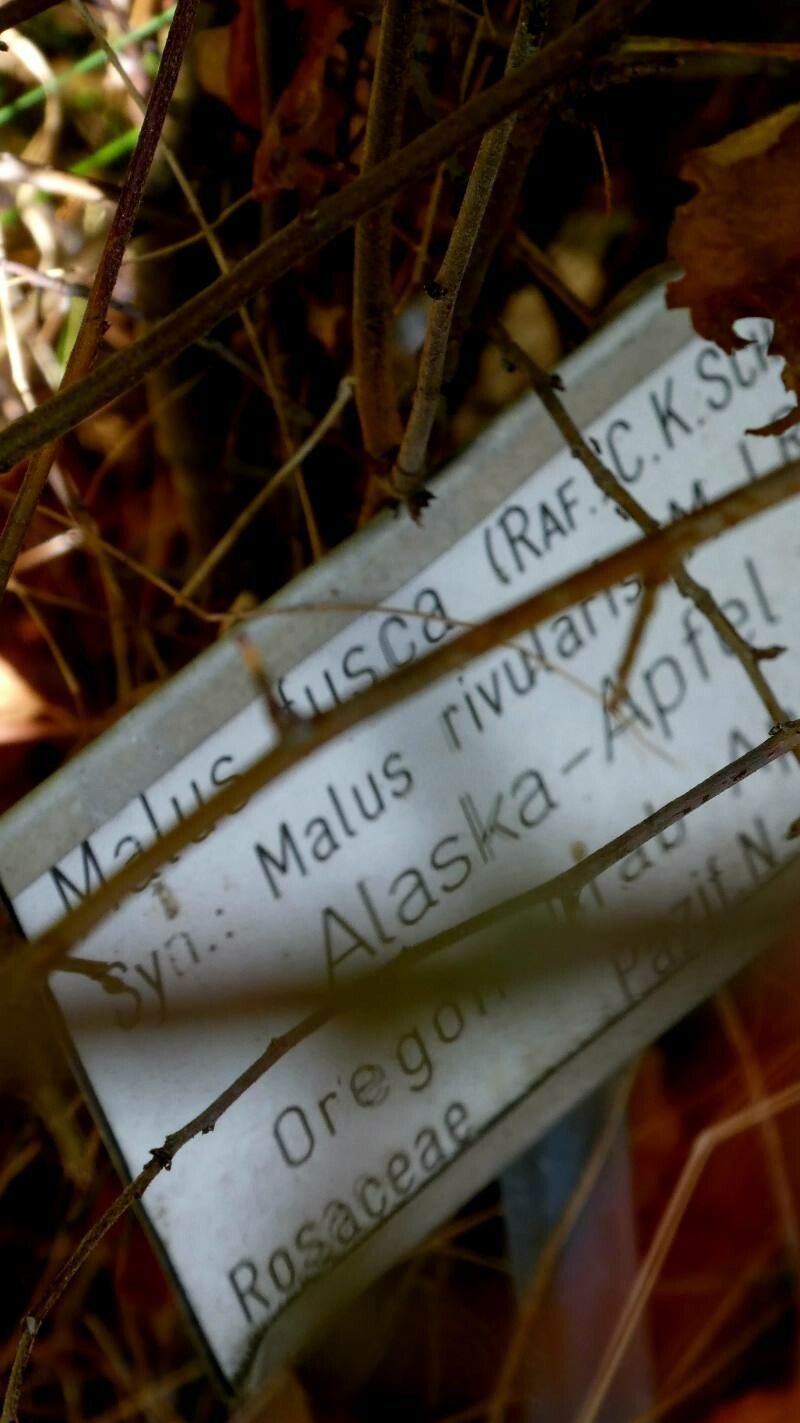
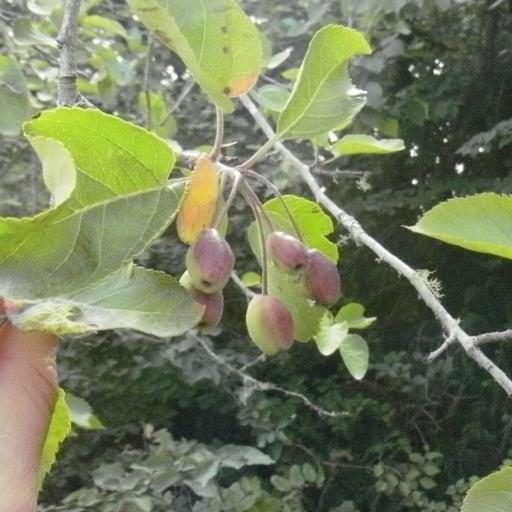
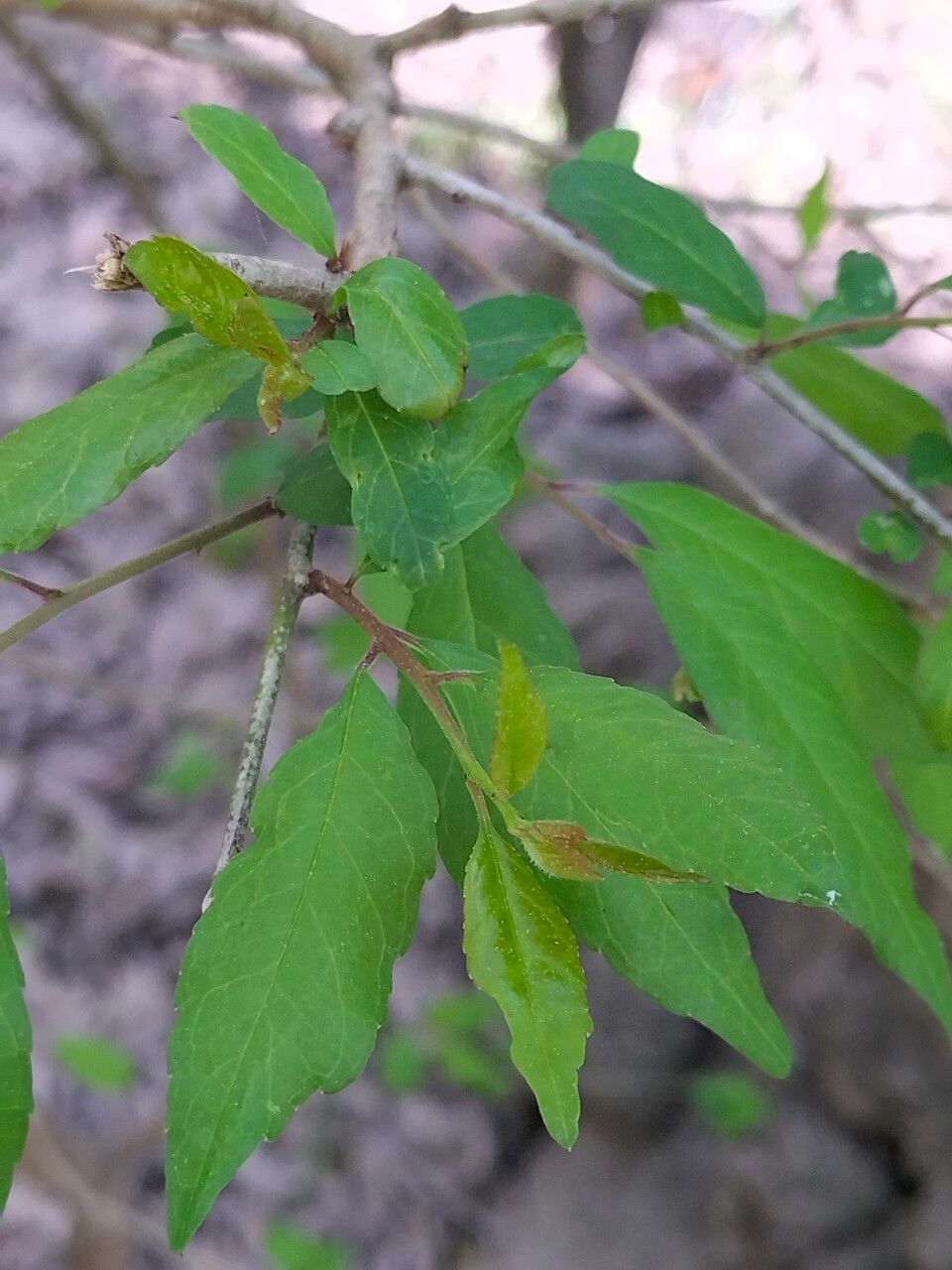
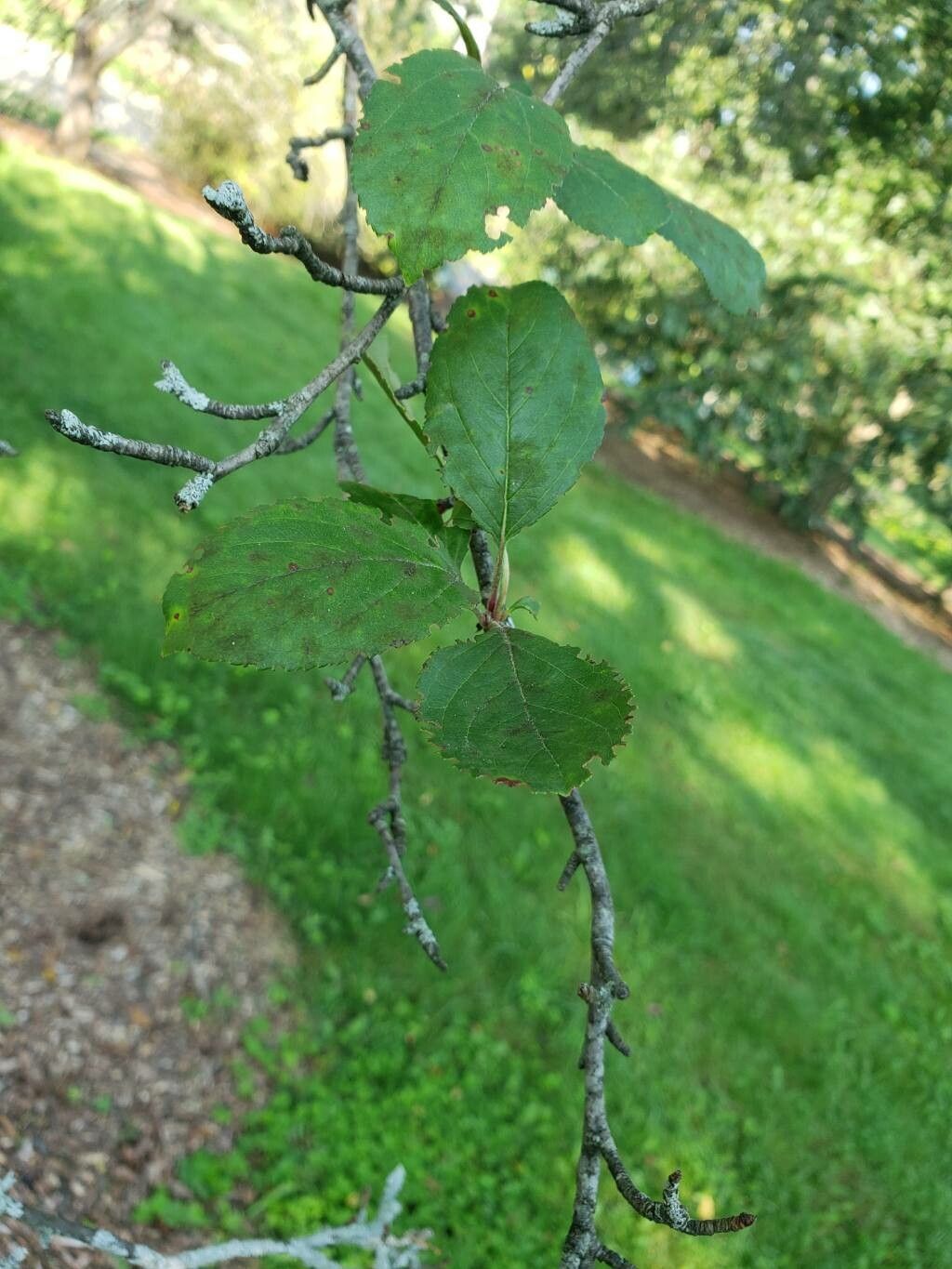
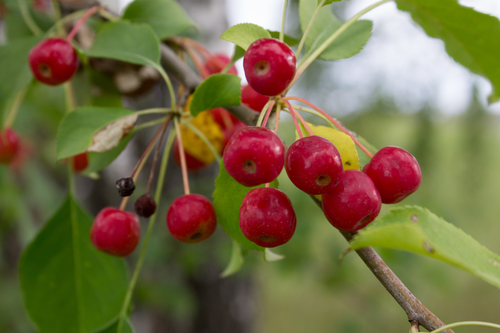
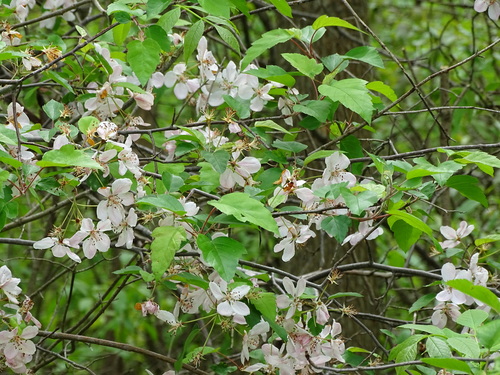
Malus fusca, with the common names Oregon crabapple and Pacific crabapple, is a North American species of crabapple.
The term "crab" originates from a Norse word meaning the fruit of the wild apple tree. The Oregon crabapple, scientifically known as Malus fusca, is the only crabapple species native to British Columbia. It gets its name because Oregon is one of its native regions.
Oregon crabapple shows strong resistance to disease and is generally not susceptible to illnesses. In terms of care, this plant is relatively low-maintenance. When grown outdoors it needs minimal watering, and larger plants typically do not need pruning. However, smaller plants should be pruned after they have finished blooming. Oregon crabapplet is suitable for anyone with an outdoor space, such as a garden or deck, and does not require a lot of care experience.
How to keep Malus Fusca.
Light
The oregon crabapple prefers plenty of light for optimal growth, though it is resilient and can tolerate lower light levels. A setting similar to its native habitat—with abundant light exposure—will support the plant. Fluctuating light levels can negatively affect its health and growth.
Water
The Oregon crabapple thrives in the humid, temperate conditions of the Pacific Northwest. It prefers consistent moisture but also shows moderate drought tolerance. When watering, do so every 1-2 weeks, allowing the soil to dry slightly between sessions. When grown outdoors, the Oregon crabapple's growth cycle is influenced by seasonal rainfall patterns.
Temperature
The Oregon crabapple's native growth environment has average temperatures of 68–72 ℉ (20 to 22 ℃). The plant prefers temperatures from 32 to 90 ℉ (0 to 32 ℃) and can adapt to seasonal temperature changes. In winter, with proper protection, it can survive temperatures as low as 14 to 23 ℉ (-5 to -4 ℃).
Fertilizer
To encourage healthy growth, fertilize your Oregon crabapple in early spring. Regular feeding improves overall health, leading to robust growth, better tolerance of harsh conditions, and increased resistance to pests and diseases. Keep a consistent fertilization schedule for your Oregon crabapple to preserve foliage that is vibrant in color and lush in appearance.
Pruning
The Oregon crabapple is a plant that produces small, edible fruits and benefits greatly from pruning in early spring. To enhance the tree's shape and overall health, remove any dead, diseased, or overcrowded branches. Additionally, prune suckers to improve air circulation, but be careful not to over-prune, as this can cause stress to the plant. By following horticultural guidelines, you can ensure optimal fruit production and maintain the overall health of your Oregon crabapple.
Botanical profile.
- Plant Type
- Tree
- Life Cycle
- Perennial
- Genus
- Malus
- Family
- Rosaceae
- Hardiness Zone
- 3-8
- Mature Height
- 13.11 m
- Mature Spread
- 11.89 m
- Leaf Color
- Green
- Leaf Type
- Deciduous
- Flower Color
- Pink, White
- Flower Size
- 1.52 cm to 2.03 cm
- Bloom Time
- Late spring, Early summer
- Planting Time
- Autumn
- Harvest Time
- Mid summer
Other names.