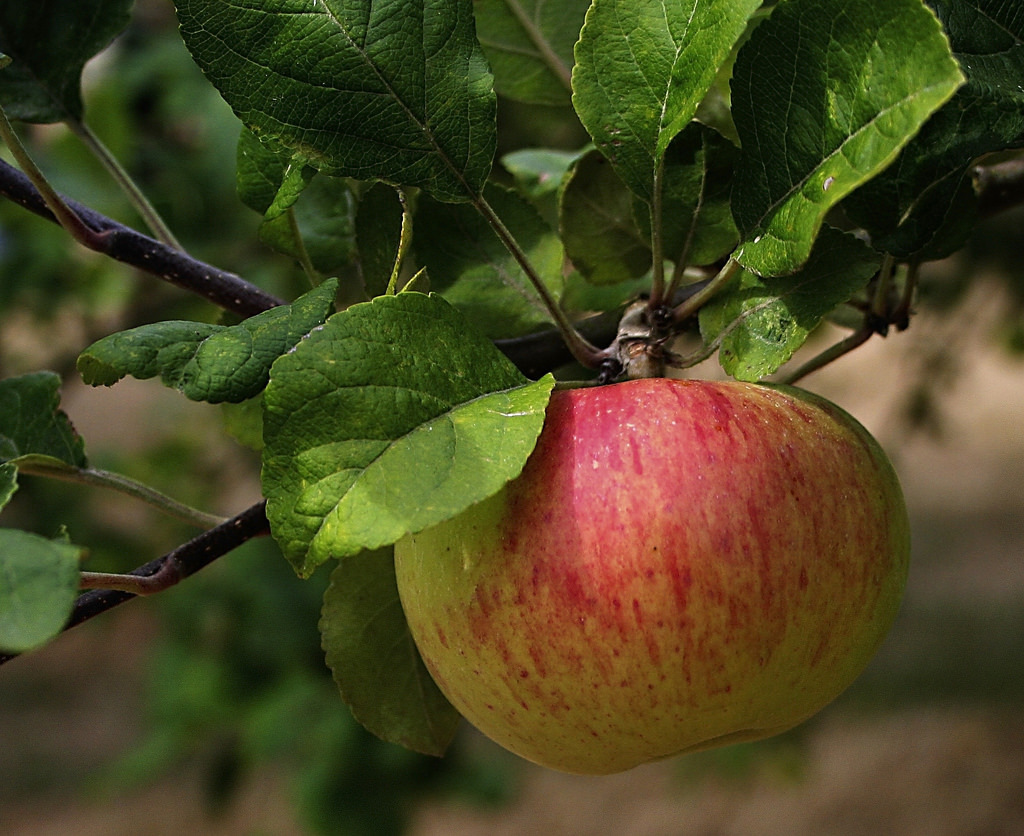
Malus domestica, commonly known as the apple tree, is a deciduous tree that belongs to the Rosaceae family. Native to Central Asia, it has been cultivated for thousands of years for its delicious and nutritious fruit. The apple tree can grow up to 10 meters tall and features a rounded crown with outward-spreading branches.
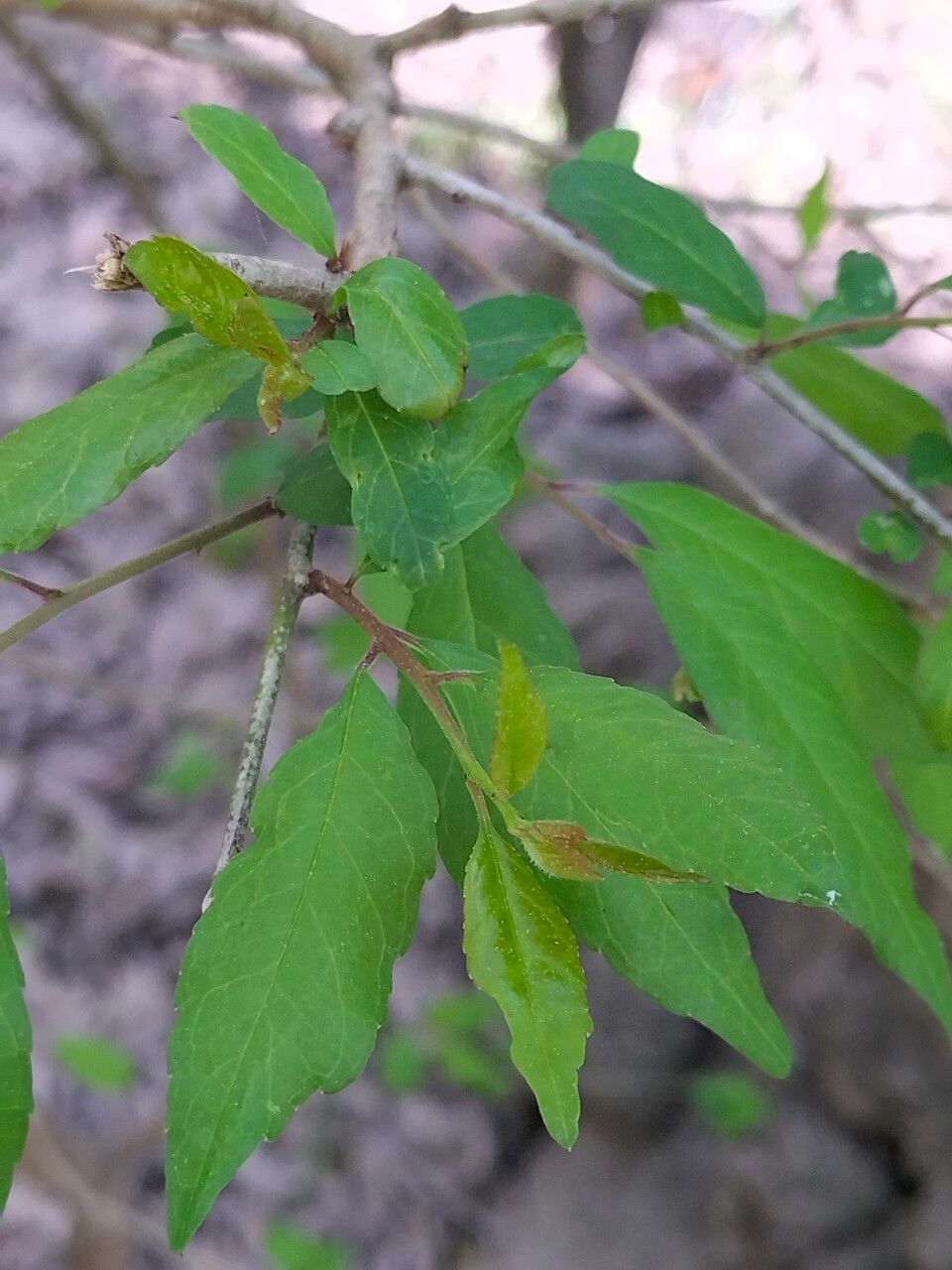
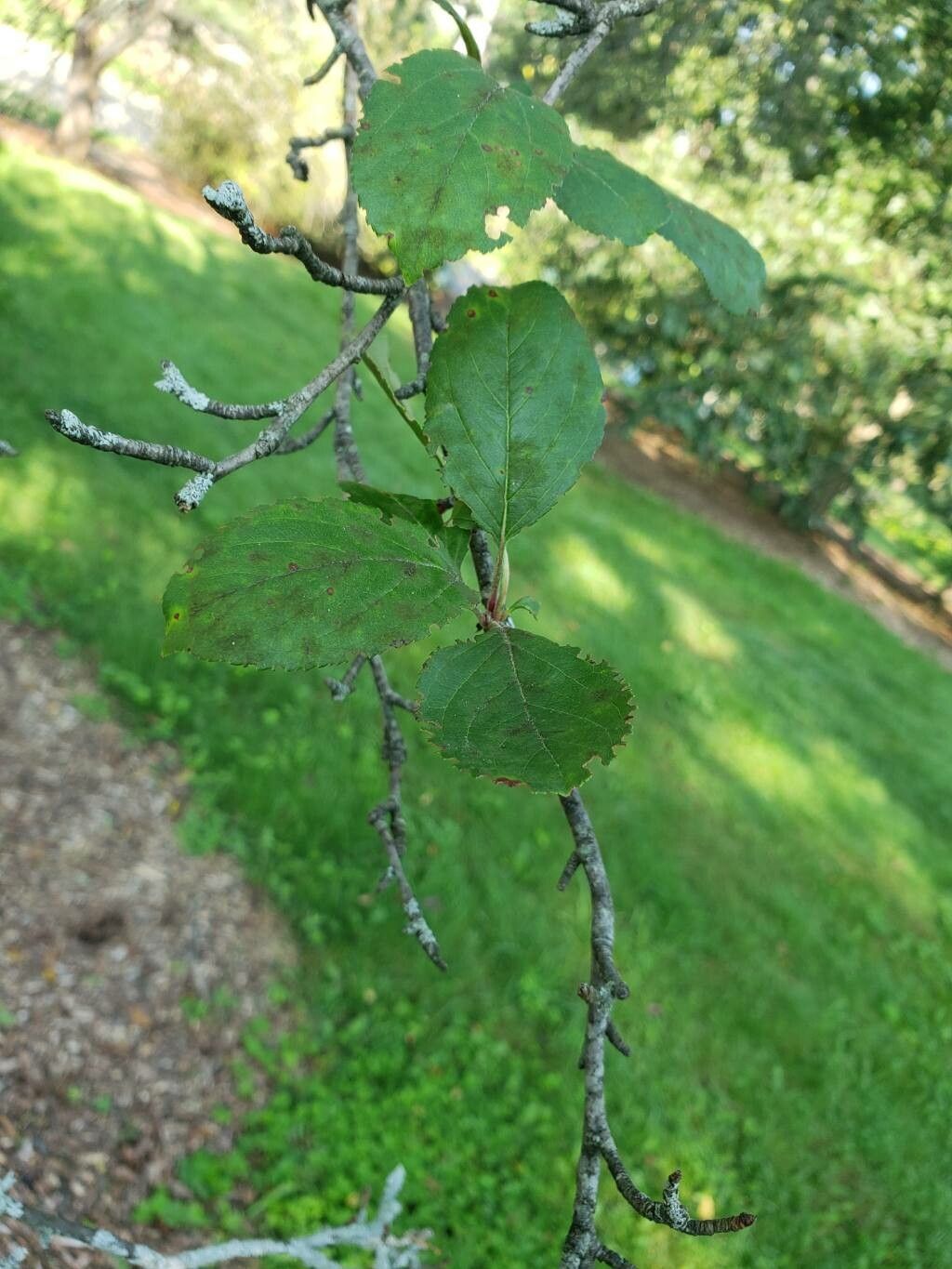
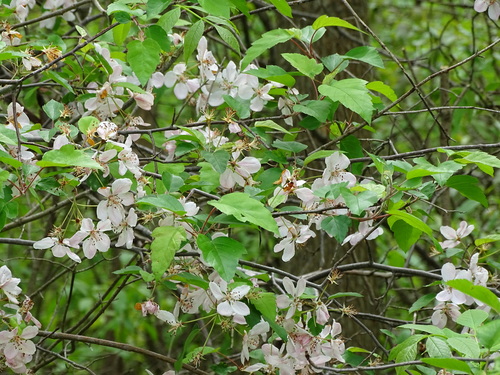
The leaves of the apple tree are oval-shaped with serrated edges, turning yellow in autumn before falling off. In spring, the tree produces pink or white flowers that bloom before giving way to fruit.
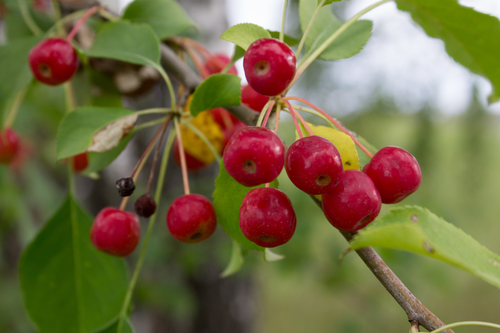
The fruit of Malus domestica varies widely in color, shape, size, texture, and flavor, depending on the cultivar. Apples are rich sources of vitamins A and C, as well as dietary fiber.
Apple trees require well-drained soil and plenty of sunlight for optimal growth. They can be propagated through grafting or planting seeds, with grafting preferred because it ensures the transfer of desirable traits from one cultivar to another.
Apple trees are widely cultivated around the world, not only for their economic importance as food crops but also for their cultural significance. They feature in folklore tales such as Snow White's poisoned apple and William Tell's arrow shot through an apple atop his son's head.
Apple demonstrates strong resistance to disease and is typically not susceptible to illnesses. With respect to upkeep, this plant is fairly low-maintenance. When grown outdoors it needs little watering, and larger specimens usually do not require pruning. Smaller plants, however, should be pruned after they finish blooming. Applet is appropriate for anyone with outdoor space, such as a garden or a deck, and does not demand extensive experience in plant care.
How to keep Malus Domestica.
Light
Apples prosper with significant exposure to sunlight but can also cope well under medium light conditions. Adequate light contributes to the plant's strong growth and evolution. Different phases of growth may require different light requirements. Either too much or too little light could potentially hamper the plant's well-being. Ultimately, the plant's native habitat is in harmony with these light conditions.
Water
Water younger trees regularly to establish a deep and sturdy root system. After about a year from planting, you can water your mature tree once every 10 days to maintain evenly moist soil.
Humidity
This plant will thrive in moderate humidity, which is probably the level in your home. However, misting it a few times a week can be very beneficial. Make sure the room has good ventilation.
Temperature
The apple tree is indigenous to areas with temperate climates, suggesting it thrives better in colder temperatures. It operates optimally in temperature ranges of 32 to 95 ℉ (0 to 35 ℃). The tree's temperature conditions need to be tweaked in accordance with the season. For instance, during the spring season, the tree should be subjected to colder temperatures to stimulate flowering, whereas, in the summer, it performs better in relatively warmer settings.
Fertilizer
The Apple tree necessitates adequate nutrition for the ideal yield of fruit. Apply fertilizer in the initial days of spring to stimulate new growth and blossom. Regular fertilization assists the tree in maintaining its health, producing tastier fruit, and averting problems related to nutrient deficiency such as pale leaves and low fruit yield.
Pruning
Practice annual pruning late in the winter, right before your tree begins to bloom. Remove dead or overlapping branches. It’s best to shape your tree into an open cup form to allow for better air circulation and sunlight exposure. Always use clean pruning shears to minimize the risk of bacterial infection.
Pot & Repot
When rehousing an Apple plant, select a container that is 1-2 inches (2.5-5 cm) bigger and has sufficient drainage. Utilize a potting mixture that drains well. Carry out the repotting during spring or autumn, making sure that the root ball is positioned a bit lower than the edge of the plant pot. Thoroughly water the plant after the repotting process and position it in a warm location that gets indirect sunlight.
Toxicity
Apple trees are generally non-toxic and are even praised for their edible ripe fruit. However, the seeds contain amygdalin, a compound that releases cyanide when ingested. Though the seeds can be potentially harmful, it would take a large dose to result in cyanide poisoning.
Further reading →
The toxicity and danger assessments provided are for reference only. We do not assure their accuracy, so it's crucial not to depend on them. Seek professional advice when necessary for accurate guidance.
Botanical profile.
- Plant Type
- Tree
- Life Cycle
- Perennial
- Genus
- Malus
- Family
- Rosaceae
- Hardiness Zone
- 3-10
- Mature Height
- 2.13 m to 14.94 m
- Mature Spread
- 4.57 m to 9.14 m
- Leaf Color
- Green
- Leaf Type
- Deciduous
- Flower Color
- White, Pink
- Flower Size
- 3.05 cm to 4.06 cm
- Bloom Time
- Mid spring, Late spring
- Planting Time
- Spring, Autumn
- Harvest Time
- Mid summer
- Native Area
- Kazakhstan