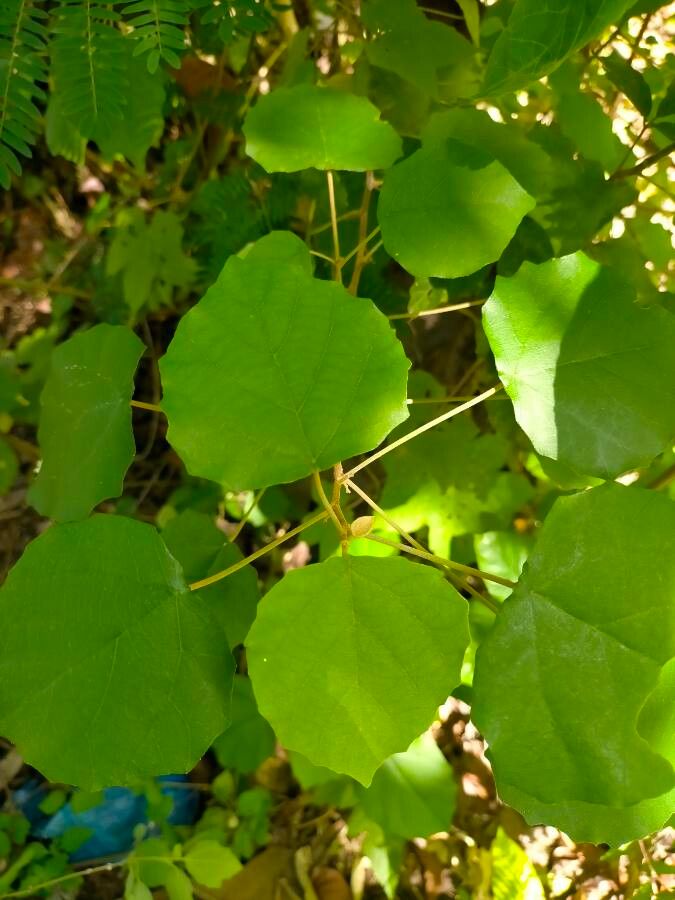
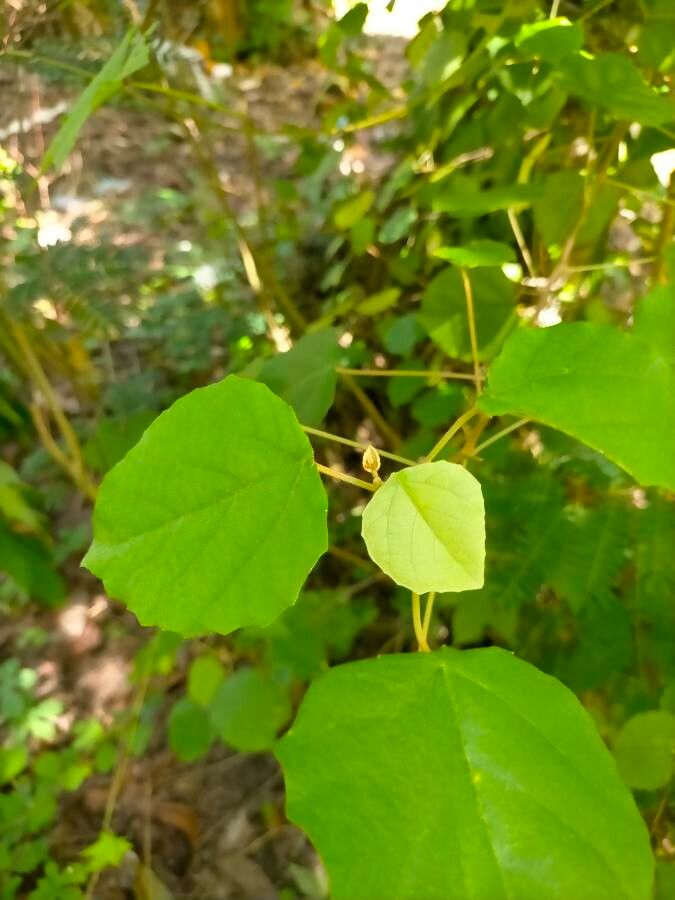
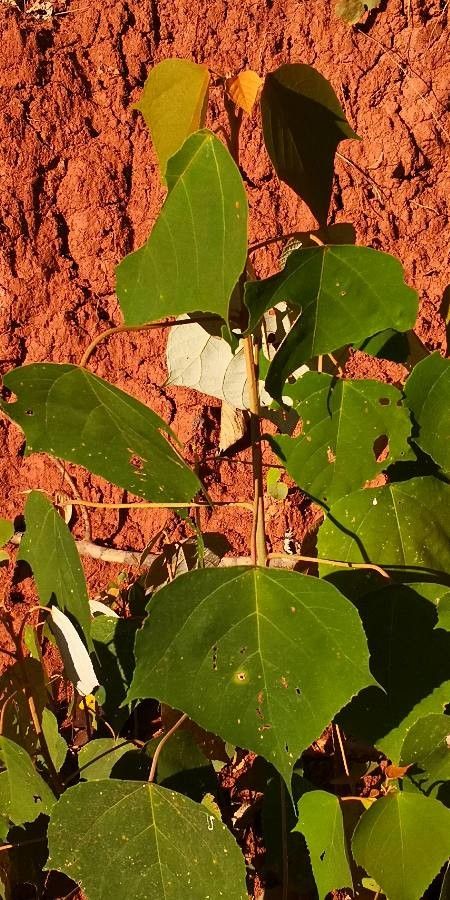
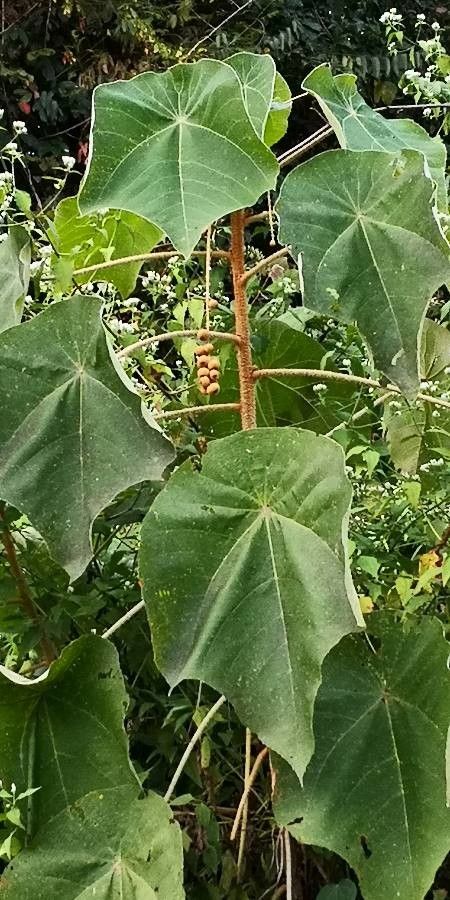
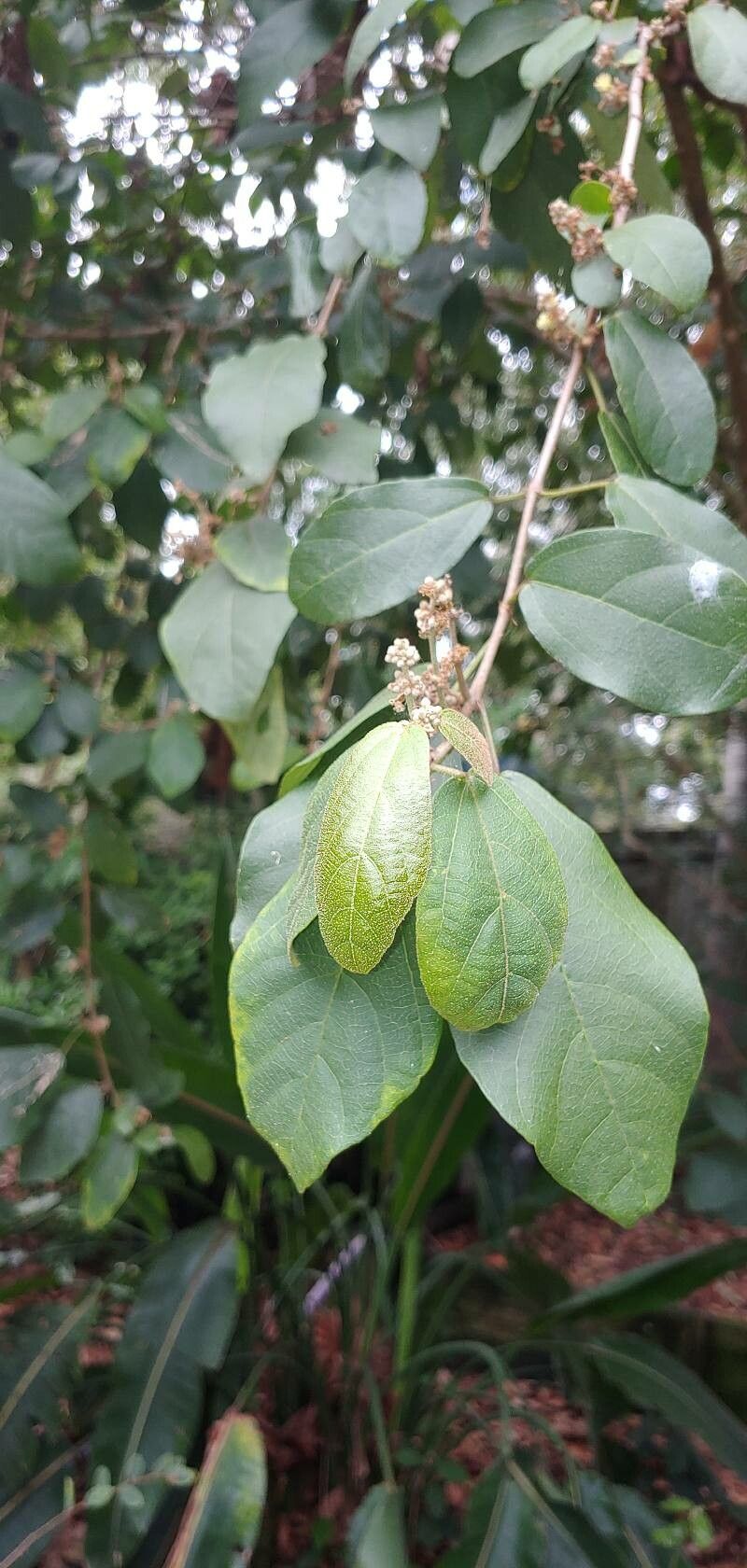
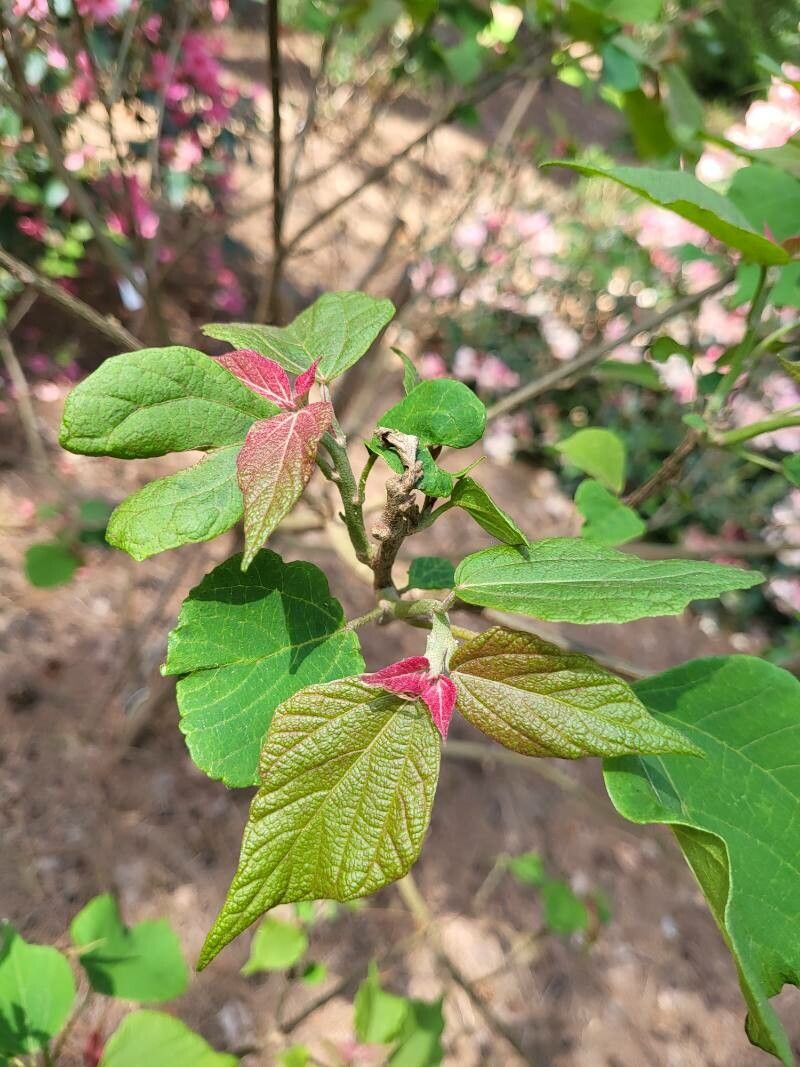
The climbing liana, sometimes a shrub, Mallotus repandus, is a species of plant in the Euphorbiaceae, or spurge, family. It is native to Tropical and Sub-tropical Asia, Wallacea, New Guinea and Queensland on the Australian continent and New Caledonia.
Climbing mallotus is resistant to disease and generally not susceptible to illnesses. In terms of maintenance, this plant is fairly low-maintenance. When grown outdoors it needs only minimal watering, and larger plants usually do not require pruning. Smaller plants, however, should be pruned after they have finished flowering. Climbing mallotus is suitable for anyone with an outdoor area, such as a garden or deck, and does not demand much prior plant-care experience.
How to keep Mallotus Repandus.
Light
Climbing mallotus naturally occurs in habitats like forest understories or rocky areas, where it grows under natural shade. It prefers partial sun but can adapt to full sun or full shade, showing its versatile and hardy nature.
Water
The climbing mallotus is a versatile plant that thrives in balanced humidity and shows remarkable drought tolerance. It only needs to be watered every three weeks. As an evergreen, it retains moisture in its leaves, making it resilient in various climates and adaptable to different water conditions.
Temperature
Climbing mallotus comes from tropical areas where the weather is generally warm and humid. Consequently, it is adapted to high temperatures and moisture. It does not tolerate sudden temperature shifts and prefers a consistent thermal setting, so avoiding temperature fluctuations indoors is important. It typically cannot withstand cold and needs warmer conditions to grow. If the surrounding temperature drops too low, the plant may stop growing or even perish.
Fertilizer
Fertilizing is essential for the care of Climbing mallotus. Consistent feeding during the growing season maintains the energy for its showy leaves and supports overall growth. If fertilization is neglected, leaves can become unhealthy, the plant’s ornamental appeal may decrease, and growth can be stunted or weak and prone to breaking.
Pruning
Climbing mallotus is a lush vine that benefits from early spring pruning. By removing dead stems and thinning crowded areas, you can improve air circulation. This practice promotes healthy growth, enhances flowering and fruiting, and helps maintain the plant's vigor and aesthetic appeal.
Botanical profile.
- Plant Type
- Vine, Shrub
- Life Cycle
- Perennial
- Genus
- Mallotus
- Family
- Euphorbiaceae
- Hardiness Zone
- 9-11
- Mature Height
- 4.88 m to 10.06 m
- Mature Spread
- 2.13 m to 3.96 m
- Leaf Color
- Green
- Leaf Type
- Deciduous
- Flower Color
- Yellow, Brown
- Flower Size
- 5.08 cm to 15.24 cm
- Bloom Time
- Summer
- Planting Time
- Spring, Summer, Autumn
- Harvest Time
- Late summer, Early fall, Mid fall
- Native Area
- Sri Lanka, India, Malaysia, Indonesia, Cambodia, Vietnam, Philippines, Bangladesh, Laos, Thailand, China
Reader questions.
What is Climbing mallotus?
Climbing mallotus, known botanically as Mallotus repandus, is a plant species recognized by its distinctive characteristics. However, the provided information does not include specific details about its essentials or symptoms related to the plant, such as care requirements or common issues.