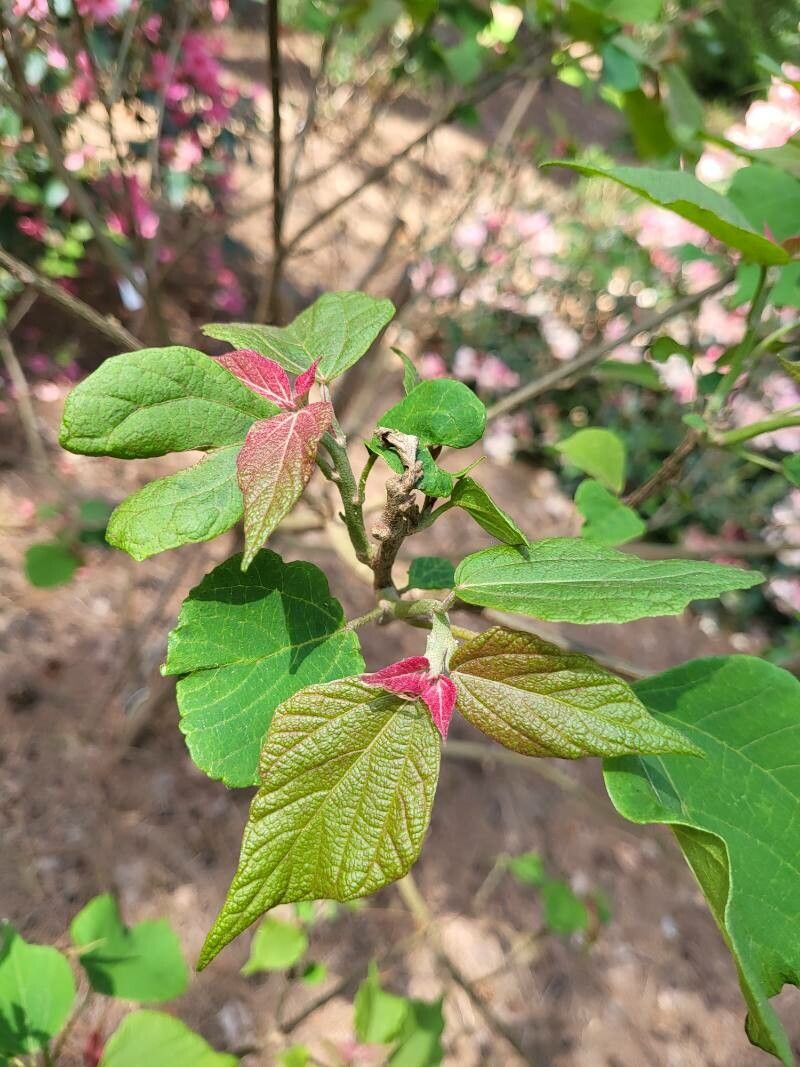
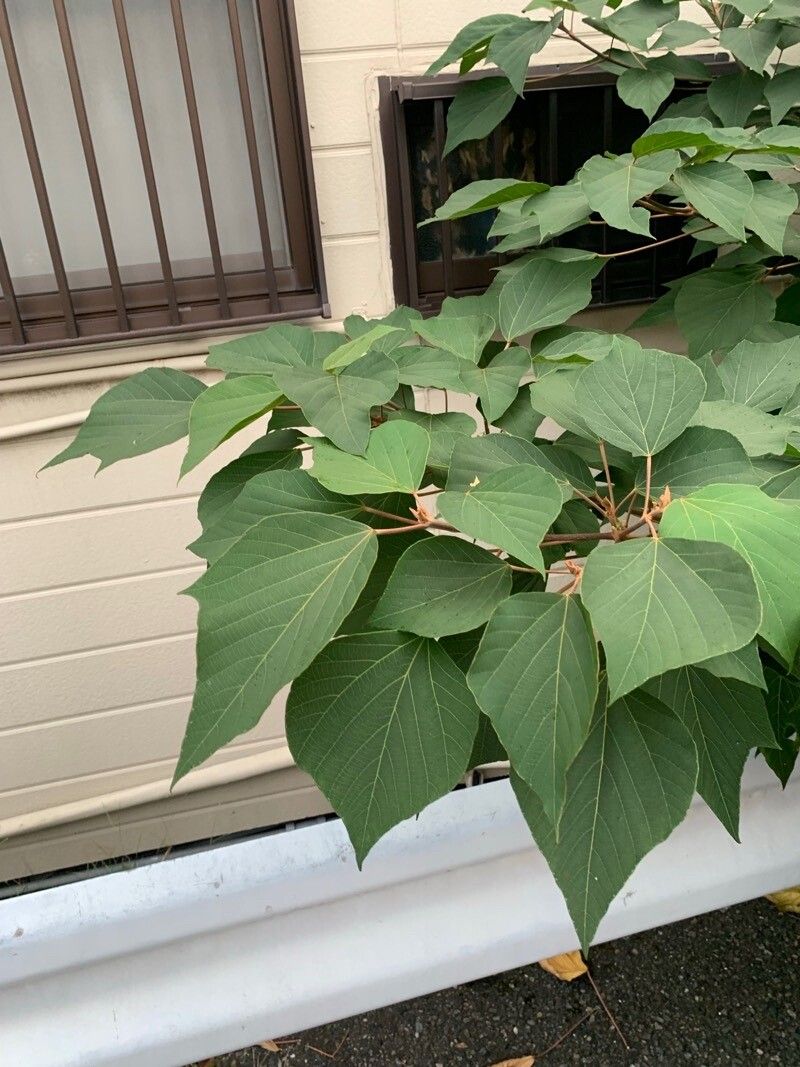
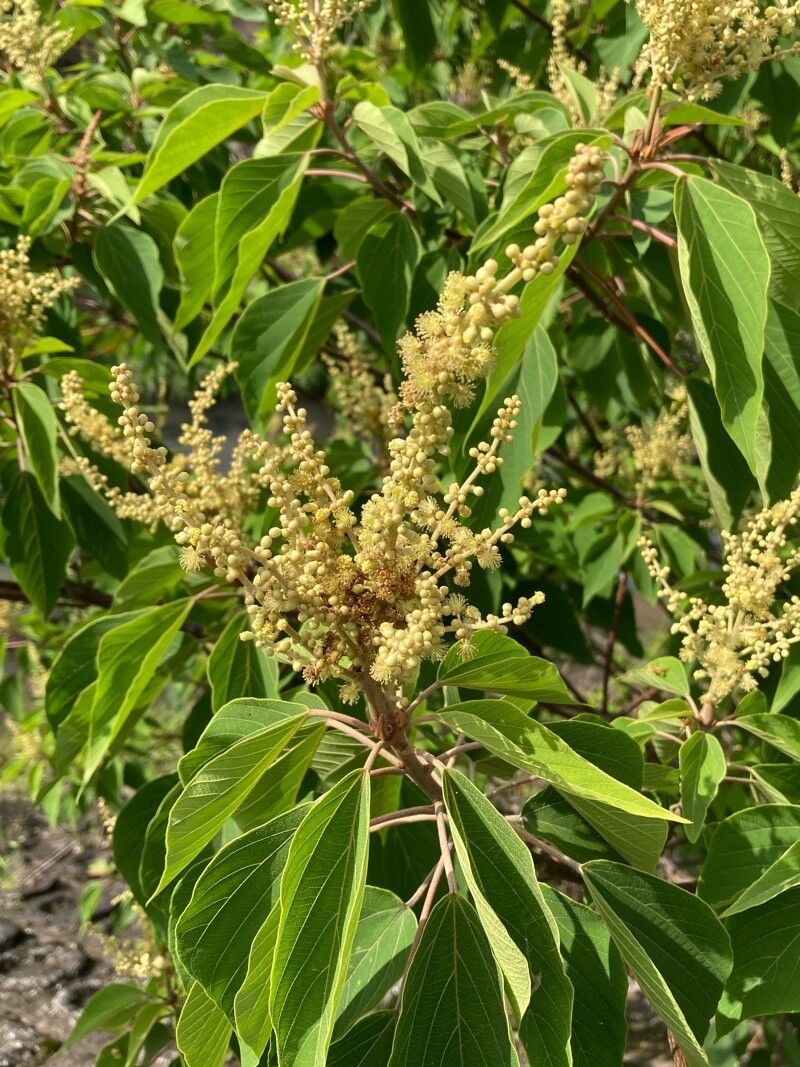
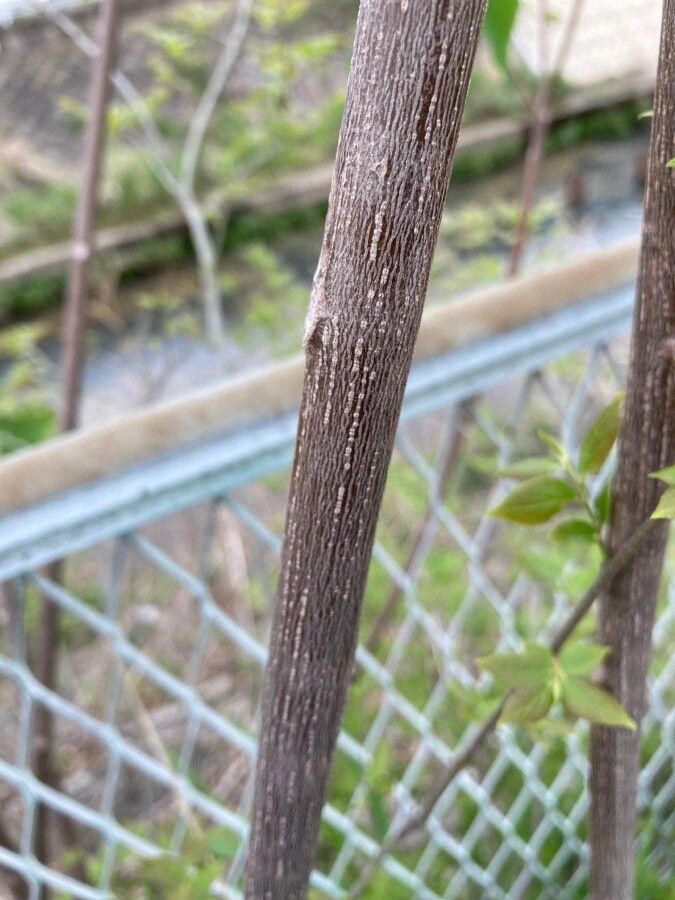
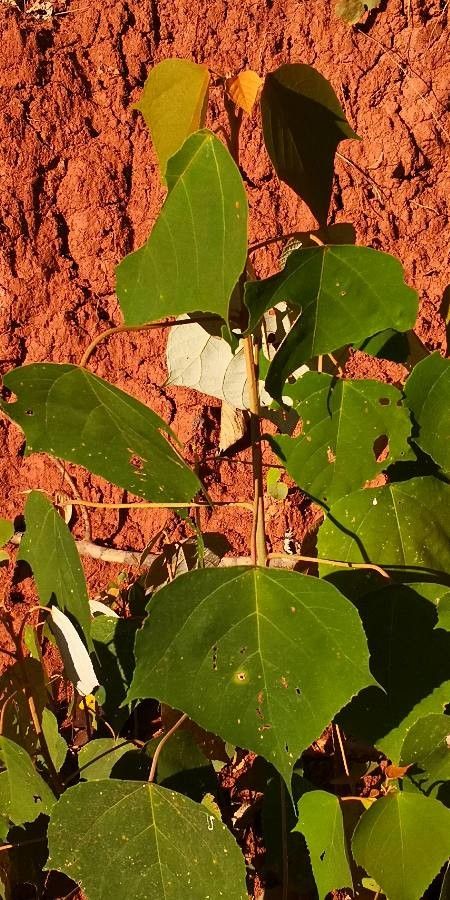
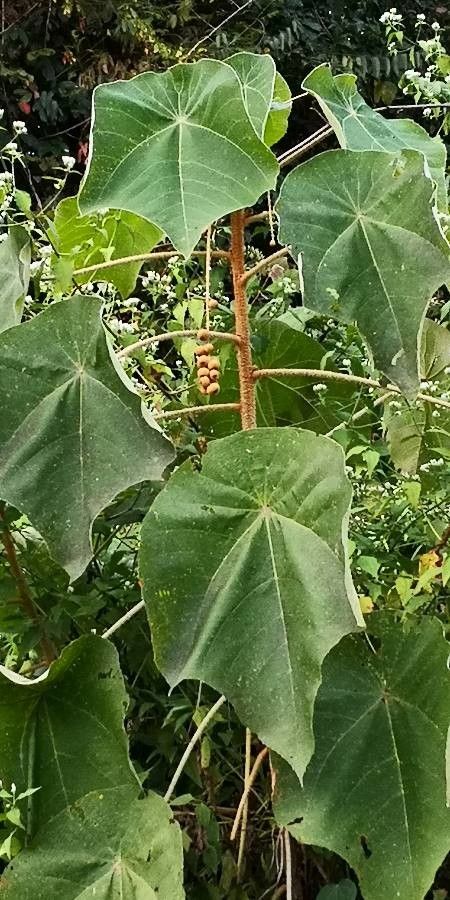
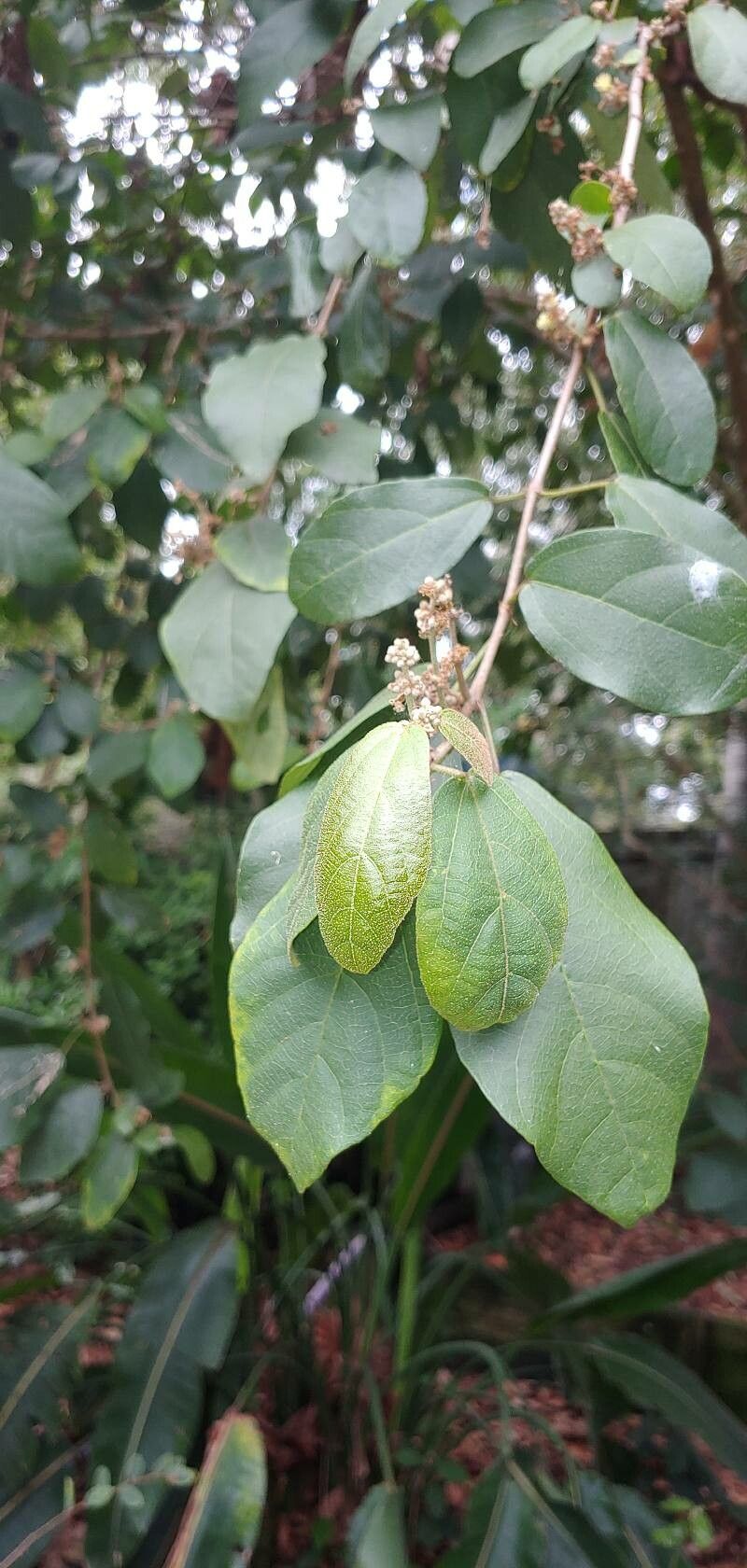
Mallotus japonicus (Chinese: 野梧桐), also known as East Asian mallotus, the food wrapper plant or "Akamegashiwa" in Japanese, is a plant species in the genus Mallotus native to China. It is also found in Japan and Korea. This species was first described in 1865, its name was verified by AAS Systematic Botanists on October 2, 2015.The plant is dioecious. The young shoots are red-coloured. The larvae of the moth Deoptilia heptadeta mine the leaves to feed.
East Asian mallotus is disease-resistant and generally not susceptible to illnesses. In terms of upkeep, this plant is fairly low-maintenance. When grown outdoors it needs only minimal watering, and larger plants typically do not require pruning. Smaller plants, however, should be pruned after they have finished blooming. East Asian mallotus is suitable for anyone with an outdoor area, such as a garden or deck, and does not demand extensive care experience.
How to keep Mallotus Japonicus.
Light
East Asian mallotus grows best in places with abundant sunlight all day, but it can also adjust to locations with limited light. Its native habitat has plentiful sunshine. In areas with little light, East Asian mallotus may show stunted growth and poor health. Excessive exposure to light can also harm the plant.
Water
The East Asian mallotus is well-suited to its native drought-prone environment and can endure dry periods. For optimal growth, it should be watered every three weeks, allowing the soil to dry out in between to prevent root rot. Typically cultivated outdoors, the East Asian mallotus adapts well to different climate zones and requires less irrigation than plants from temperate regions.
Temperature
East Asian mallotus is highly adaptable to a range of climate conditions, from very hot summers to cold winters. Still, it does have an optimal temperature range for growth. If temperatures become too high, the plant is susceptible to heat and humidity stress, which can lead to death. In areas where temperatures near the lower limit of its cold tolerance, providing insulation is important to protect the plant.
Fertilizer
Fertilize your East Asian mallotus in early spring to encourage healthy growth. Regular feeding boosts overall health, producing vigorous growth, greater resilience to harsh conditions, and enhanced resistance to pests and diseases. Keep to a defined fertilization schedule for your East Asian mallotus to preserve vibrant foliage with deep color and a lush look.
Pruning
The East Asian Mallotus features broad leaves with red glandular hairs. To keep it healthy, prune in early spring. Remove any dead or diseased branches and thin out crowded ones to improve air circulation. This promotes healthy growth, prevents fungal diseases, and boosts the plant's overall vigor. Regular pruning also helps maintain its shape and size, ensuring vibrant foliage.
Botanical profile.
- Plant Type
- Tree, Shrub
- Life Cycle
- Perennial
- Genus
- Mallotus
- Family
- Euphorbiaceae
- Hardiness Zone
- 8-12
- Mature Height
- 2.13 m to 3.96 m
- Mature Spread
- 3.66 m to 4.57 m
- Leaf Color
- Green, Gray, Red
- Leaf Type
- Deciduous
- Flower Color
- White
- Flower Size
- 10.16 cm to 20.32 cm
- Bloom Time
- Early summer, Mid summer
- Planting Time
- Spring, Summer, Autumn
- Harvest Time
- Mid summer, Late summer
- Native Area
- South Korea, Japan, China
Other names.
Reader questions.
What are the sunlight requirements for East Asian mallotus?
East Asian mallotus thrives in environments with abundant sunlight but can also adapt to areas with less sunlight. The plant requires above 6 hours of sunlight to be considered in 'Full sun' and about 3-6 hours for 'Partial sun'. Insufficient sunlight may lead to stunted growth and poor health, whereas too much exposure can damage the plant. Observing how sunlight moves through your garden can help you find the perfect balance of light and shade for your plants.
Can artificial lighting be used for East Asian mallotus, and how?
Yes, artificial lighting can be a solution for East Asian mallotus when natural sunlight is insufficient, especially during winter or in less sunny spaces. Optimal growth under artificial lighting requires selecting the right type of light, such as LED lights, which can be customized to provide specific wavelengths needed by the plants. Full sun plants need 30-50W/sq ft, partial sun plants 20-30W/sq ft, and full shade plants 10-20W/sq ft of artificial light. The light source should be placed 12-36 inches above the plant and kept on for 8-12 hours daily to mimic natural daylight hours.
What are symptoms of inadequate sunlight for East Asian mallotus?
Symptoms of inadequate sunlight in East Asian mallotus include smaller new leaves, leggy or sparse growth, faster leaf drop, slowed or halted growth, and lighter-colored or pale new leaves. Conditions such as chlorosis (leaves turning yellow), sunscald (damage from intense light), leaf curling (defense mechanism against too much light), wilting (loss of turgor pressure), and leaf scorching (brown, dry leaf edges) indicate too much sunlight. These symptoms reflect the plant's struggle to adapt to its lighting conditions.
How can I improve sunlight exposure for my East Asian mallotus?
To improve sunlight exposure for East Asian mallotus, gradually move the plant to a sunnier location, ideally where it can receive at least 6 hours of direct sunlight daily. For indoor plants, utilize a south-facing window or artificial light if moving the plant is not feasible. For outdoor plants, avoiding sudden changes in light intensity is key to preventing sunburn. Reducing obstructions like pruning branches or transplanting to areas with better sunlight can also help. Note that areas of the plant affected by insufficient sunlight may not recover, but new growth will be healthy with better light conditions.