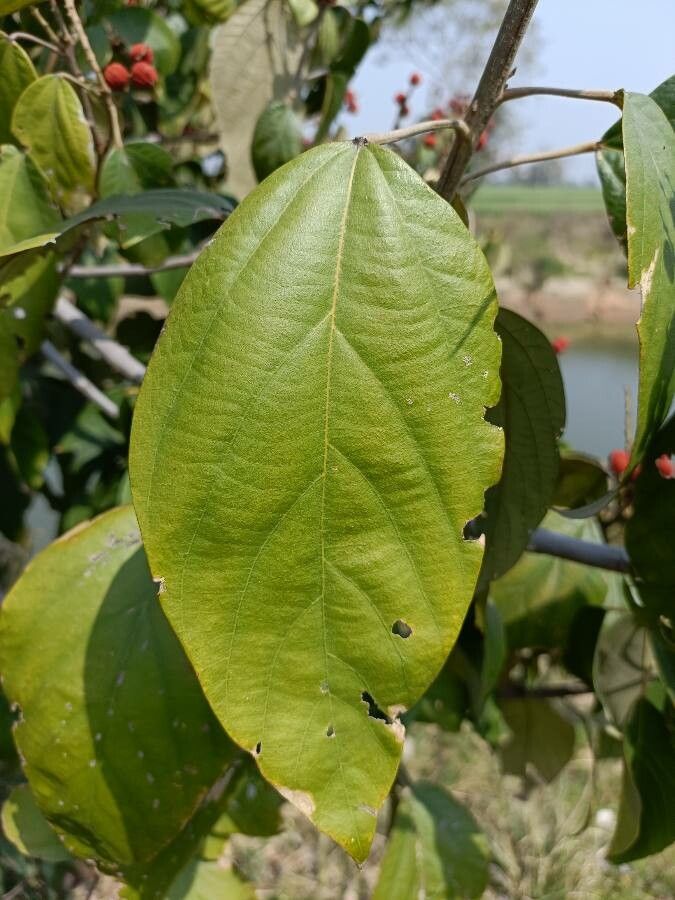
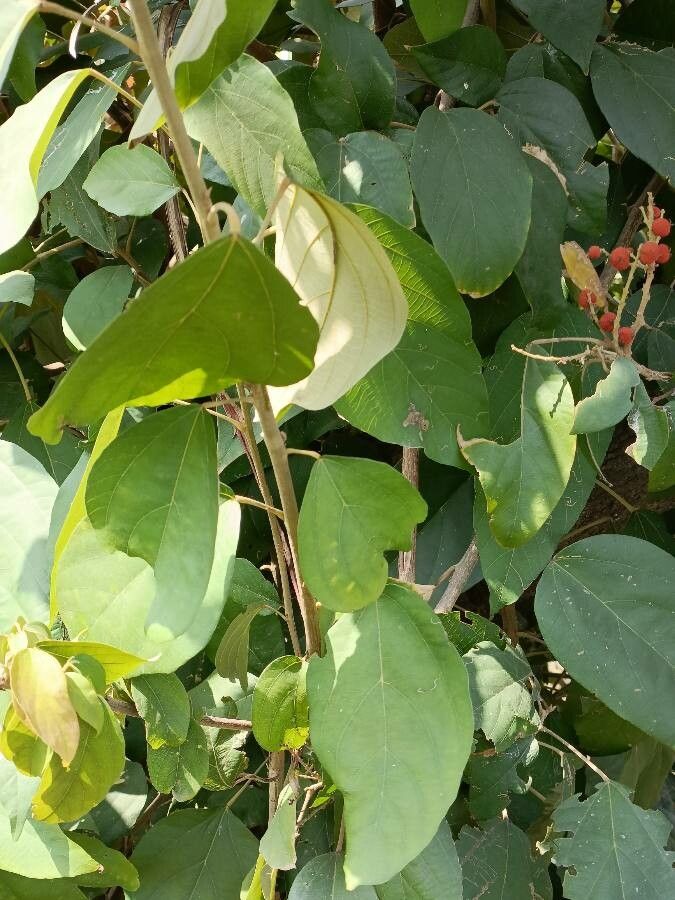
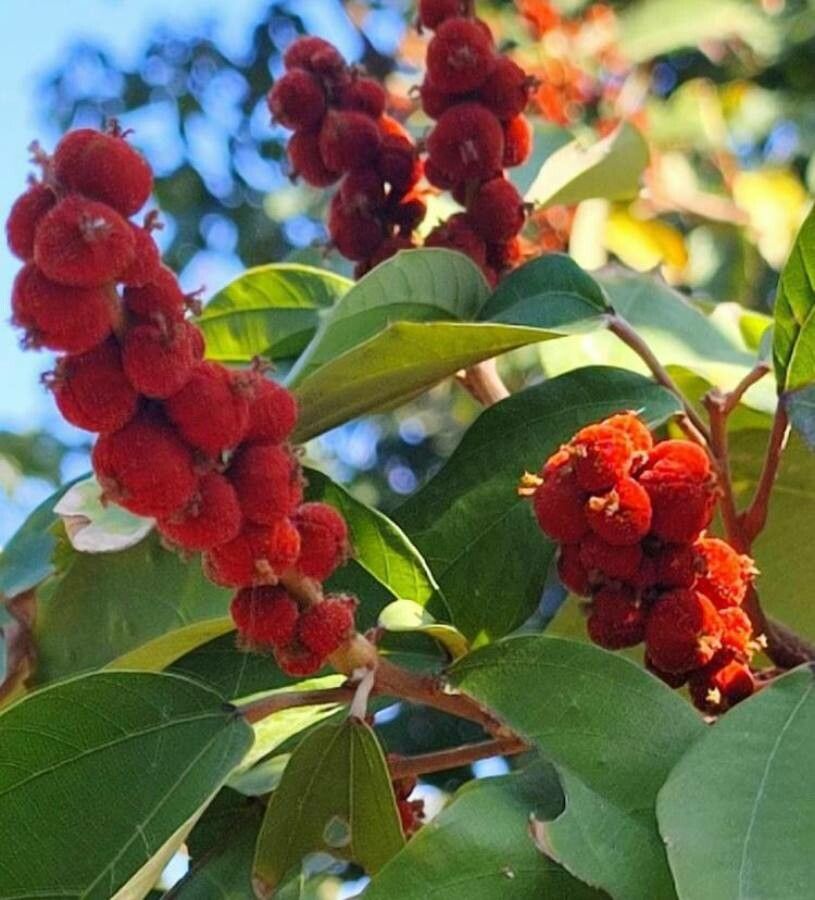
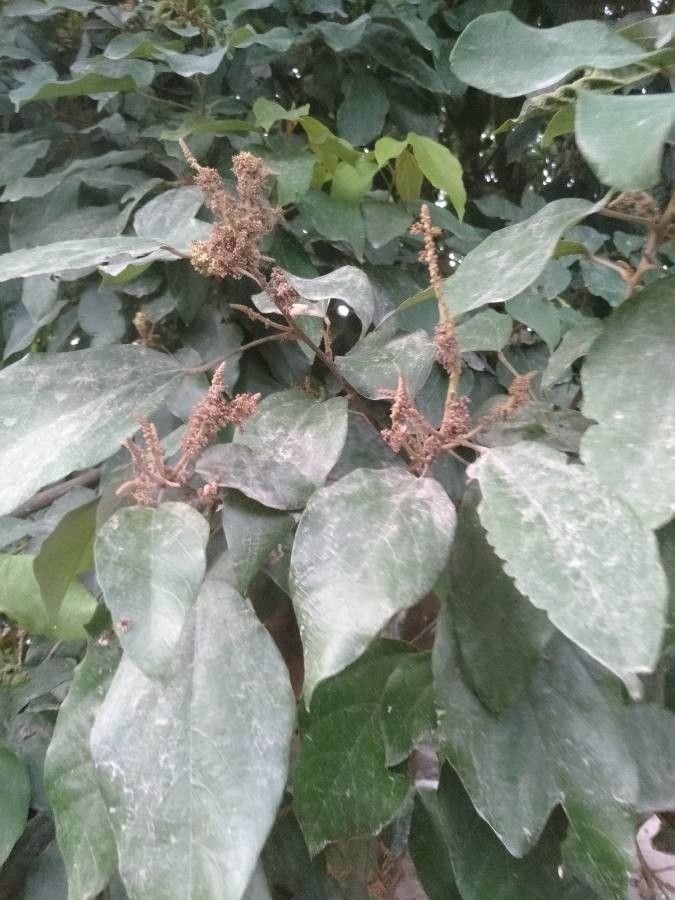
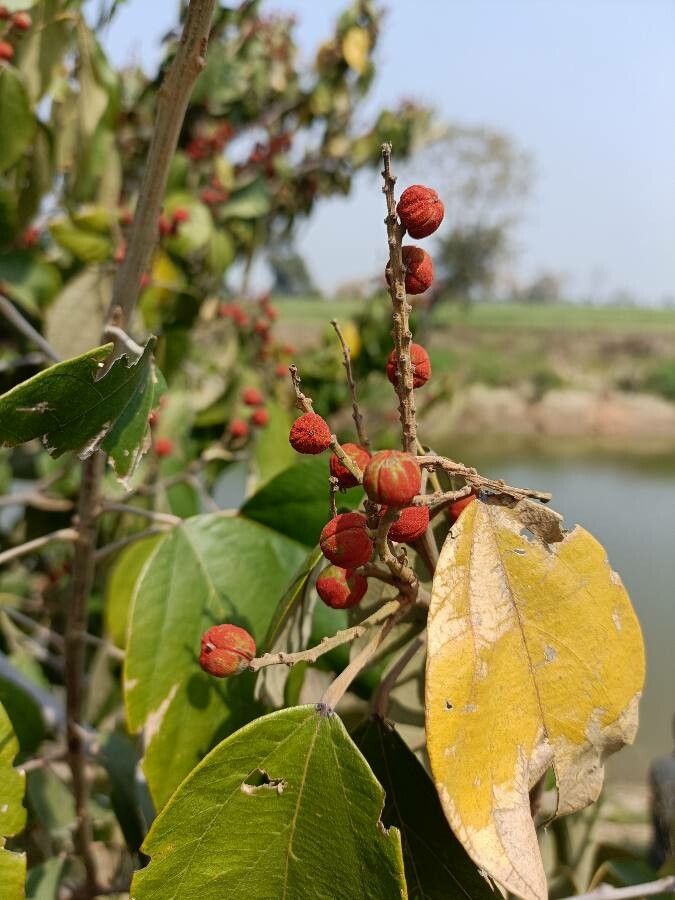
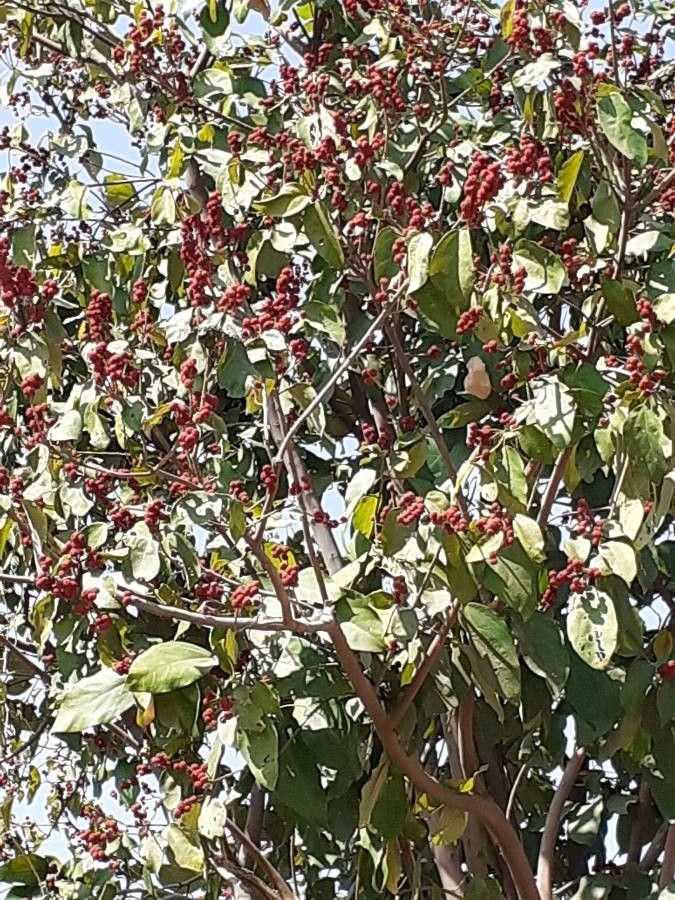
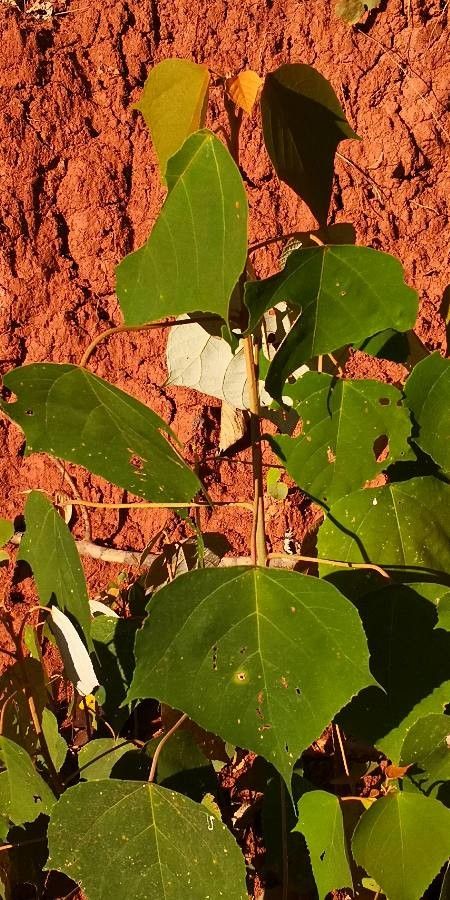
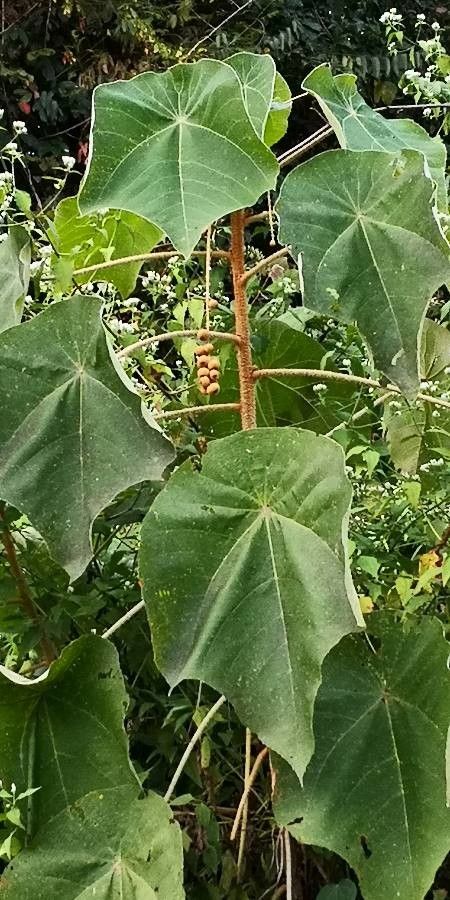
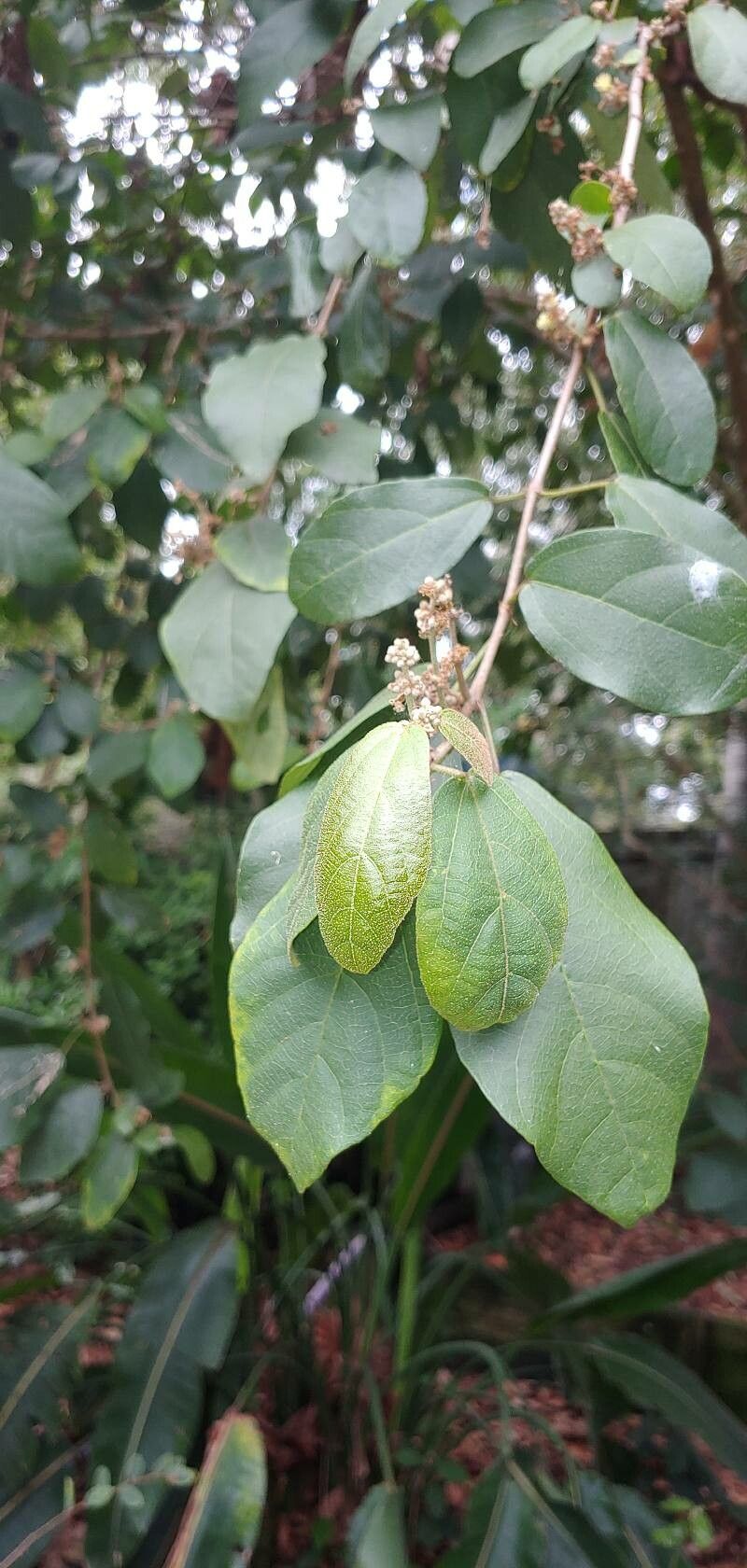
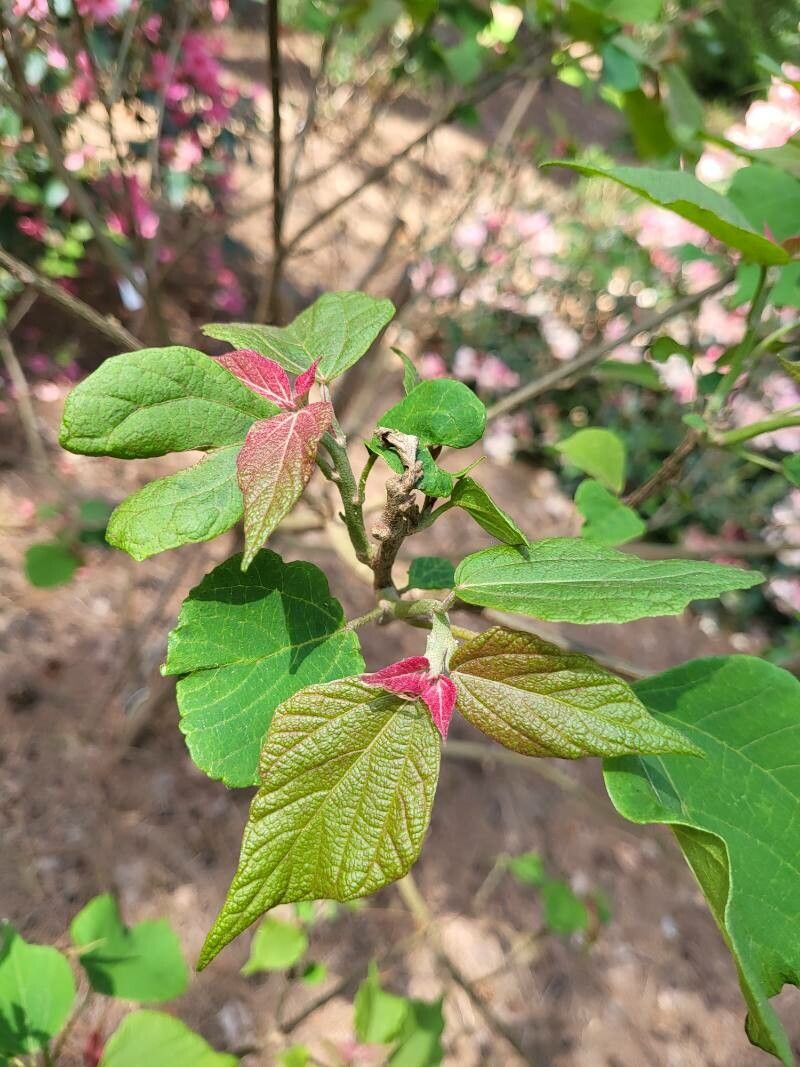
Mallotus philippensis, commonly known as the Kamala tree, is a small to medium-sized deciduous tree that belongs to the Euphorbiaceae family. Native to Southeast Asia, it can be found in countries such as India, Nepal, Bhutan, and Bangladesh. The tree features a straight trunk with greyish-brown bark that peels off in flakes. Its leaves are simple, alternate, and oval-shaped with serrated edges.
The Kamala tree produces small yellowish-green flowers arranged in clusters at the ends of branches. These flowers bloom in the spring, from March to May. After pollination by insects or wind, the flowers develop into fruit capsules, each containing three seeds.
For centuries, the seeds of Mallotus philippensis have been used for their anti-inflammatory properties in traditional medicine. They are a common ingredient in Ayurvedic remedies, used to treat various ailments such as skin diseases, digestive disorders, and respiratory problems.
In addition to its medicinal uses, Mallotus philippensis is also valued for its timber. The wood is utilized in making furniture and as fuel due to its high calorific value.
Overall, Mallotus philippensis holds significant cultural and ecological importance in Southeast Asia. Its traditional uses span countries like India, Nepal, and Bhutan, making it an integral part of both the region's cultural heritage and natural ecosystem.
The Kamala tree is fairly disease-resistant and is typically not prone to illnesses. In terms of care, this plant is relatively low-maintenance. When grown outdoors it needs minimal watering, and larger plants usually do not require pruning. Smaller plants, however, should be pruned after they have bloomed. The Kamala tree is suitable for anyone with an outdoor space, such as a garden or deck, and does not require extensive experience in plant care.
How to keep Mallotus Philippensis.
Light
Originating from sun-drenched habitats, the kamala tree primarily prospers with strong, often uninterrupted sunlight throughout the day. Its growth and health closely mirror the amount of sunlight it receives: insufficient light can lead to stunted growth, while excessive light can cause leaf damage.
Water
Originating from subtropical regions, the kamala tree thrives with balanced hydration and exhibits drought tolerance once established. Water the kamala tree every 2-3 weeks, allowing the soil to dry out between waterings. As a deciduous plant, it grows outdoors and sheds its leaves seasonally to conserve resources during dry periods.
Temperature
The Kamala tree comes from tropical areas, where the climate is usually warm and humid. Consequently, it is well suited to high temperatures and humidity. It is sensitive to sudden temperature changes and prefers a steady temperature, so avoiding indoor temperature swings is important. It typically cannot tolerate cold and needs warmer conditions to grow. If the surrounding temperature falls too low, the plant may stop growing or even die.
Fertilizer
Fertilizing is essential for the care of the Kamala tree. Regular feeding during the growing season maintains the energy required for its showy leaves and supports overall growth. Neglecting fertilization can lead to unhealthy leaves, reduced ornamental appeal, and stunted or weak growth that is prone to breaking.
Pruning
Prune Kamala trees during their dormant period, from early to late winter, to improve their shape and health. Concentrate on removing dead wood, enhancing air circulation, and shaping the canopy. Use clean and sharp tools to minimize stress, prevent infection, and encourage vigorous growth.
Botanical profile.
- Plant Type
- Tree
- Life Cycle
- Perennial
- Genus
- Mallotus
- Family
- Euphorbiaceae
- Hardiness Zone
- 10-12
- Mature Height
- 24.99 m
- Mature Spread
- 1 cm to 1 cm
- Leaf Color
- Dark Green, Olive Drab
- Leaf Type
- Evergreen
- Flower Color
- Yellow, Green
- Flower Size
- 6.35 cm
- Bloom Time
- Summer
- Planting Time
- Spring, Summer, Autumn
- Harvest Time
- Late summer, Fall
- Native Area
- Nepal, Sri Lanka, India, Indonesia, Cambodia, Vietnam, Myanmar, Japan, Philippines, Bangladesh, Laos, Pakistan, Thailand, China
Other names.
Reader questions.
What are the sunlight requirements for the Kamala tree?
The Kamala tree requires full sun exposure, thriving in locations that receive above 6 hours of sunlight daily. It's vital to observe your garden's light patterns and choose spots that offer a balanced distribution of light and shade. This ensures the plants receive the sunlight they need for optimal health and growth. Inadequate sunlight can lead to stunted growth, while excessive exposure may cause leaf damage.
What is the Kamala tree?
The Kamala tree, known botanically as Mallotus philippensis, doesn't have specified essentials, symptoms, or additional details provided here. However, it's highlighted by its specific botanical name, underscoring its unique identity among other plants.
How does sunlight affect the growth and health of the Kamala tree?
Sunlight plays a crucial role in the growth and health of the Kamala tree, with its well-being significantly reflecting the amount of sunlight it receives. Originating from sun-drenched regions, it requires strong, often uninterrupted, sun exposure to flourish. Insufficient sunlight may result in stunted growth, whereas too much sun can cause leaf damage. In cases where natural sunlight is lacking, especially during winter or in darker indoor spaces, artificial lighting can be a beneficial solution to promote healthier growth.
What are the symptoms of light deficiency in the Kamala tree?
Symptoms indicating a Kamala tree is receiving insufficient light include smaller new leaves, leggy or sparse growth, faster leaf drop, slower or halted new growth, lighter-colored new leaves, chlorosis, sunscald, leaf curling, wilting, and leaf scorching. These symptoms can vary from subtle to more pronounced issues, affecting the plant's overall health and growth.
How can I address light deficiency in my Kamala tree?
To address light deficiency in a Kamala tree, consider gradually moving the plant to a sunnier location to ensure it receives at least 6 hours of direct sunlight daily. For indoor plants, use a south-facing window and keep curtains open during the day. If the plant is too large or not easily movable, use artificial light, keeping a desk or ceiling lamp on for at least 8 hours daily or investing in professional plant grow lights. For outdoor plants, move them gradually to a sunnier spot to avoid sunburn. Additionally, reducing obstructions like trees by pruning can help increase sunlight exposure. If necessary, transplant smaller plants during their dormant period to a location with ample sunlight and good drainage.